Home Cook Together. Celebrate Life.

JapaneseAuthentic Cuisine

Chanpuru

Serves 4 to 6 vegetarian

Chanpuru

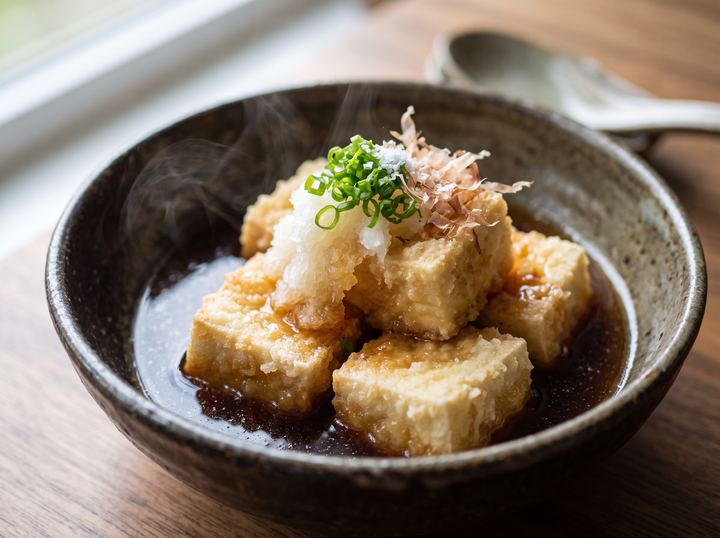
Chanpuru is a beloved staple from Okinawa, where meals are crafted with a generous hand and a communal spirit. This dish captures the essence of home cooking in its purest form, unfussy yet full of character. It's typically enjoyed as part of a larger spread, inviting everyone to savor its comforting flavors together. Okinawan families have perfected the art of balance, and this recipe reflects that delicate dance.

The taste of Chanpuru is a delightful interplay of textures and flavors. The bitterness of goya is mellowed by the creamy tofu, while the eggs bind everything together in a soft, custard-like embrace. A hint of soy sauce and bonito adds depth, and a touch of sea salt awakens the palate. It's a dish that feels both hearty and light, a perfect embodiment of casual yet intentional dining.
Ingredients

  • 1 blockgoya
  • 150 gtofu
  • 2eggs
  • 1 tbspsoy sauce
  • 1 tbspbonito
  • to tastefine sea salt

Method

  1. Begin by preparing the ingredients: Cut the goya in half lengthwise, scoop out the seeds and pith with a spoon, and slice it into thin half-moons. Cut the tofu into bite-sized cubes, and crack the eggs into a bowl, beating them lightly with a fork. Set these aside, ready to use.
  2. Heat a generous amount of oil in a large frying pan over medium heat. Add the tofu cubes and cook until they are golden brown on all sides, turning them gently to avoid breaking. This should take about 5 minutes, and the tofu should have a firm, crispy exterior.
  3. Remove the tofu from the pan and set it aside. In the same pan, add a bit more oil if needed, and then add the sliced goya. Cook the goya slowly, stirring occasionally, until it becomes tender and slightly translucent, about 7 minutes. The bitterness should mellow, and the goya should have a slight bite without being too crunchy.
  4. Return the tofu to the pan with the goya and pour in the beaten eggs. Stir gently to combine, allowing the eggs to coat the other ingredients. Cook until the eggs are just set but still soft, which will give the dish a creamy texture.
  5. Drizzle the soy sauce over the mixture and sprinkle the bonito flakes on top. Stir everything together gently, ensuring the flavors are well distributed. The bonito should begin to curl and release its aroma, signaling it's time to taste.
  6. Taste the Chanpuru and add fine sea salt to your preference. The dish should have a balanced flavor, with the bitterness of the goya, the creaminess of the eggs, and the umami from the soy sauce and bonito. Once satisfied with the seasoning, serve the Chanpuru immediately, allowing everyone to enjoy the dish while it's fresh and warm.

You may need

From the ComidaTime pantry and cookware — the jars and hearths this kitchen actually cooks with.

Cover of Authentic Japanese Cuisine Preview the cookbookBrowse the dishes inside
From the cookbook

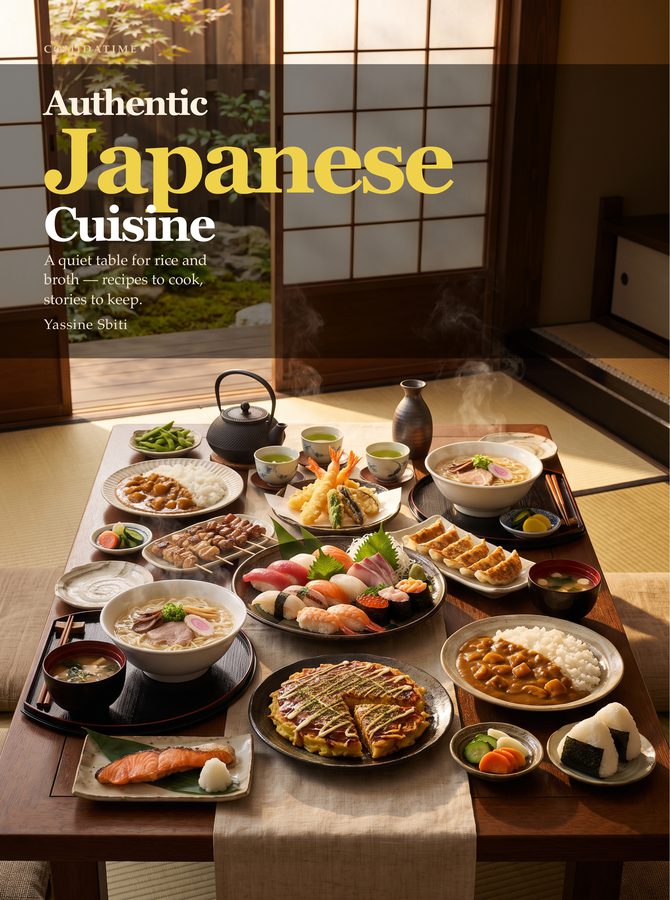
Authentic Japanese Cuisine

This recipe is from Authentic Japanese Cuisine by Yassine Sbiti — the Japanese volume in the ComidaTime International Cuisines series.