
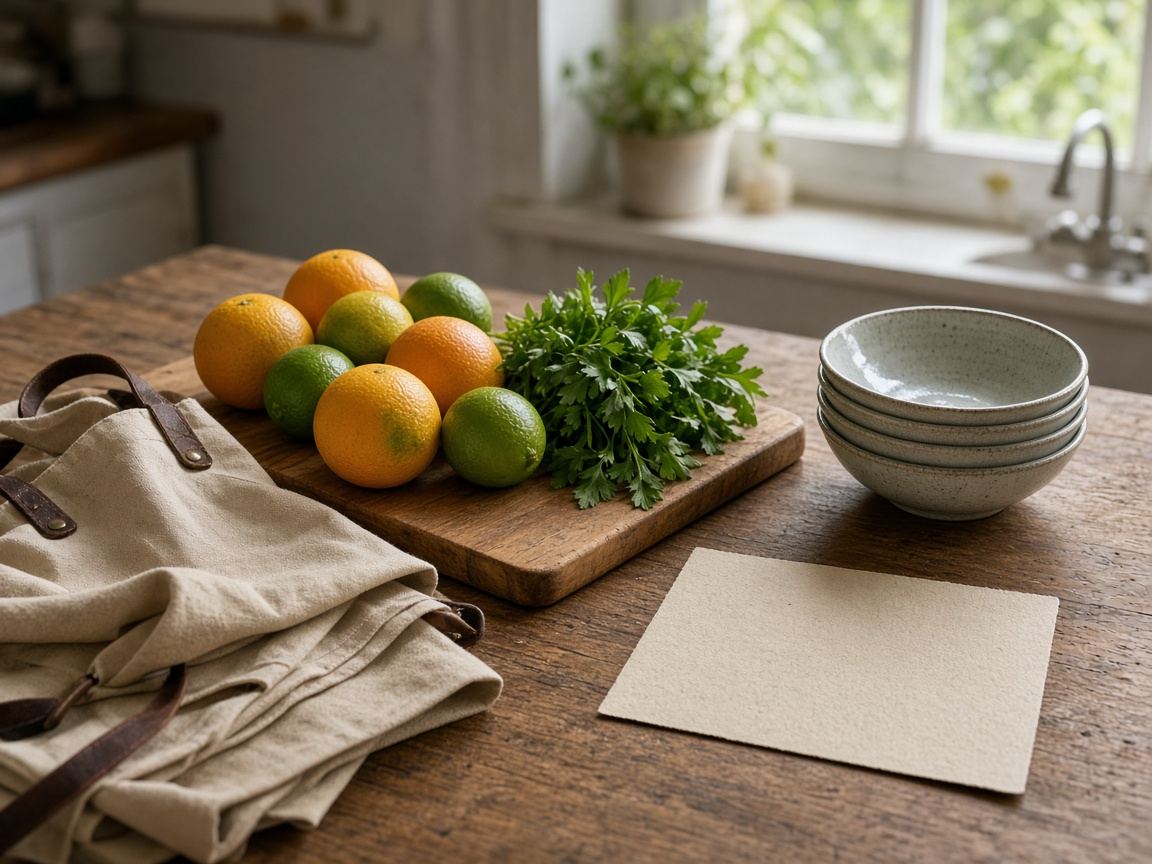
Schools
A classroom kitchen is a second language lab: history, geography, and a meal the class can share.
Thirty kitchens are at the table today. Many more will pull up a chair. Cookbooks, a pantry, and the people who still believe a Tuesday meal can taste like a country.
Fast food flattened the week. ComidaTime exists so a household can still cook a country's Tuesday — the spice that crossed an ocean, the pot that names a kitchen, the story that makes the recipe worth keeping.
The International Cuisines volumes are the heart of that work: recipes to cook from, and stories to keep. Thirty kitchens are live now. Around them we are building a living pantry, a set of hearths, and a community of people who cook, teach, travel, and gather.
This is a cultural project that happens to look like a website. The books go home. The table is why they were written — and the table is still being set.
We see classrooms cooking Ethiopia on a Thursday and tasting the highland grain that made the bread. Travelers who arrive having already cooked the book of the country they hope to visit. Chefs and home cooks trading a fold, a marinade, a way of listening to a pot. Households that can find themselves in English, and in the languages the books already speak.
The pantry and the cookware are how a kitchen remembers itself. Community is how that memory moves — from a page to a school, from a market to a guest room, from one Sunday to the next. And from the first thirty kitchens to the ones still on the way.
Thirty cuisines are on the site today. That is a gathering, not a finished map. More cuisines will join — more books, more pantries, more hearths — so a cook whose grandmother's kitchen is still on the way already has a place at this table.
If your country, your region, or the food you grew up with is still coming, write and tell us the kitchen you want next. The series is listening.
Schools, cooks, travel, and the household feast — four ways to sit down with the series.
A classroom kitchen is a second language lab: history, geography, and a meal the class can share.
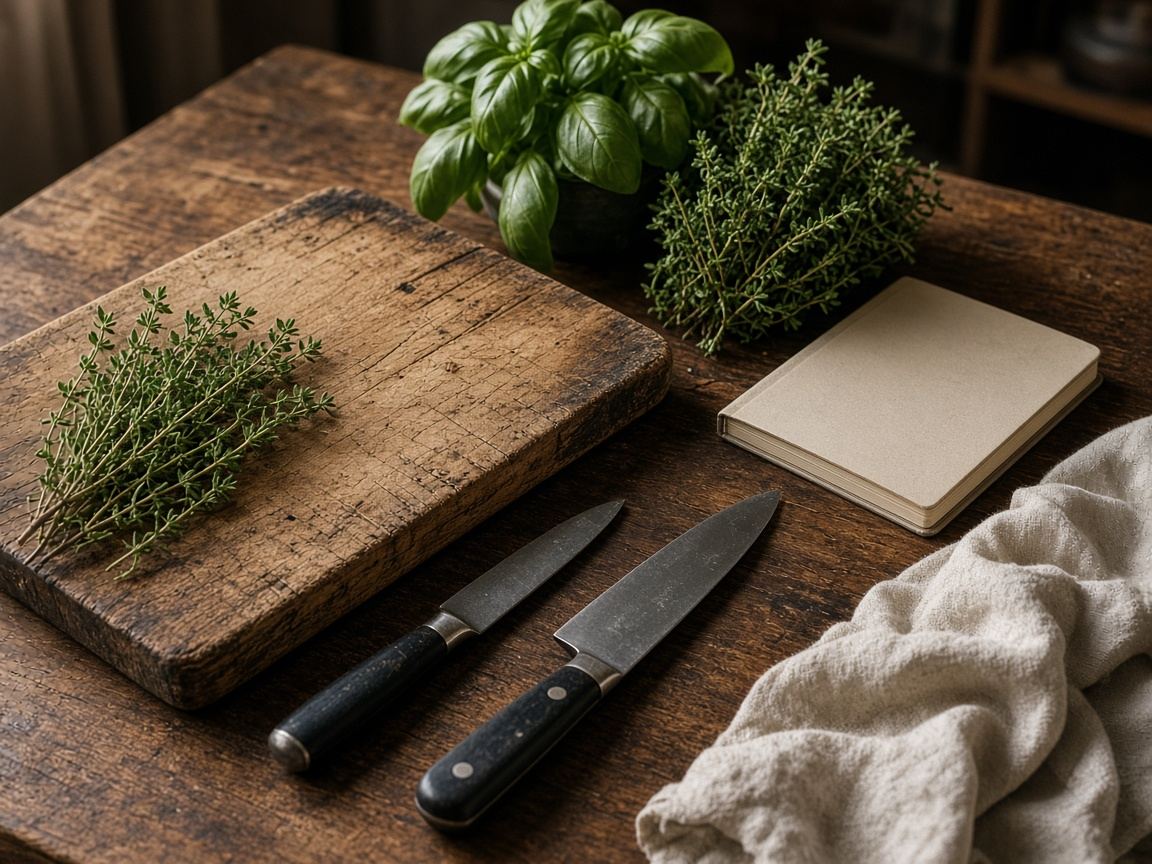
The series was written so a home cook and a working chef can stand at the same recipe and argue productively.
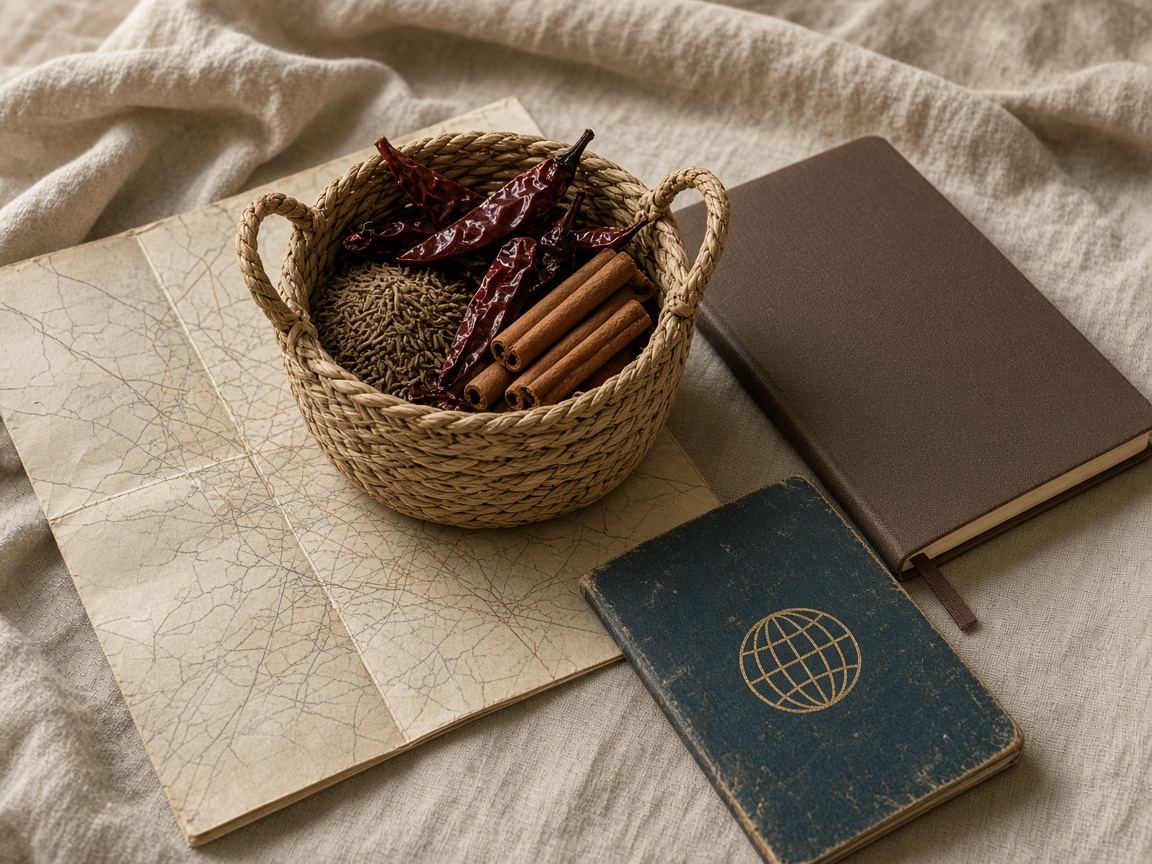
The honest way to visit a cuisine is to sit where it is cooked — a market in the morning, a family table at night.
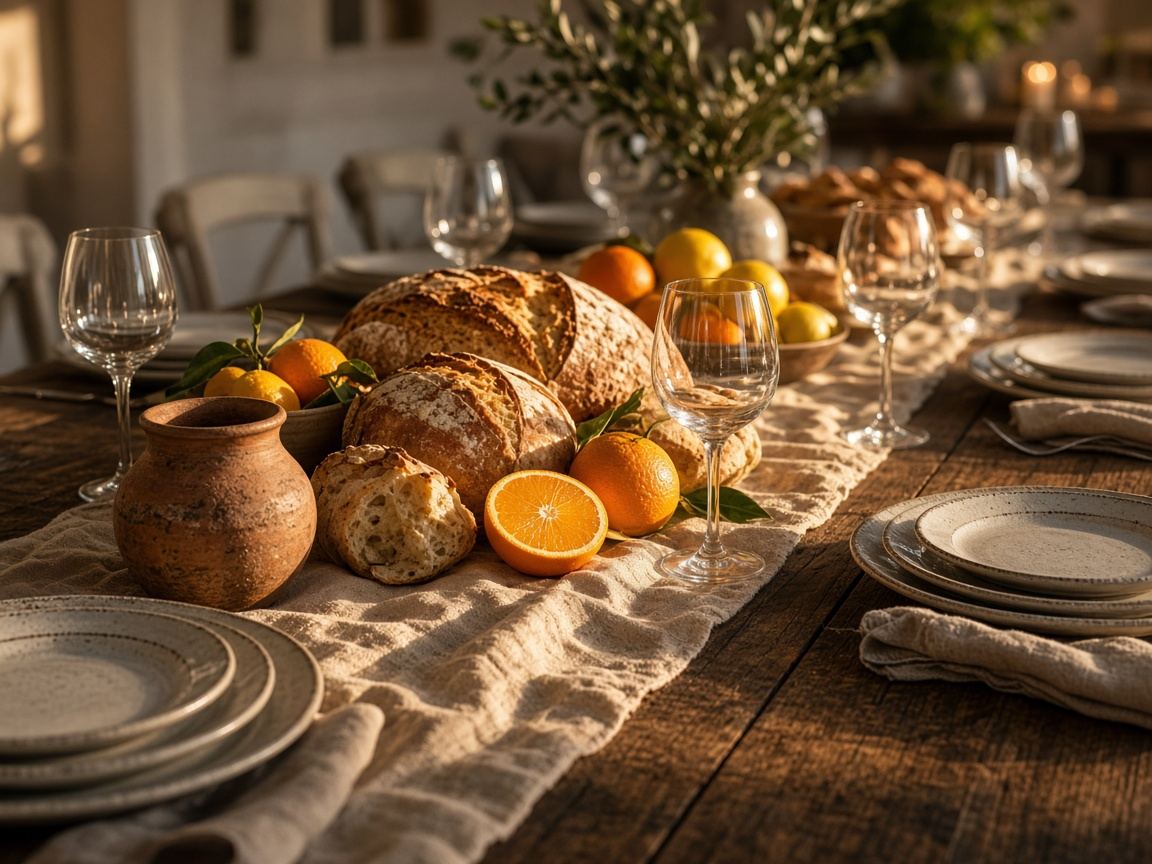
The pantry and the pots are the setup. The point is a table with more than one language around it.