
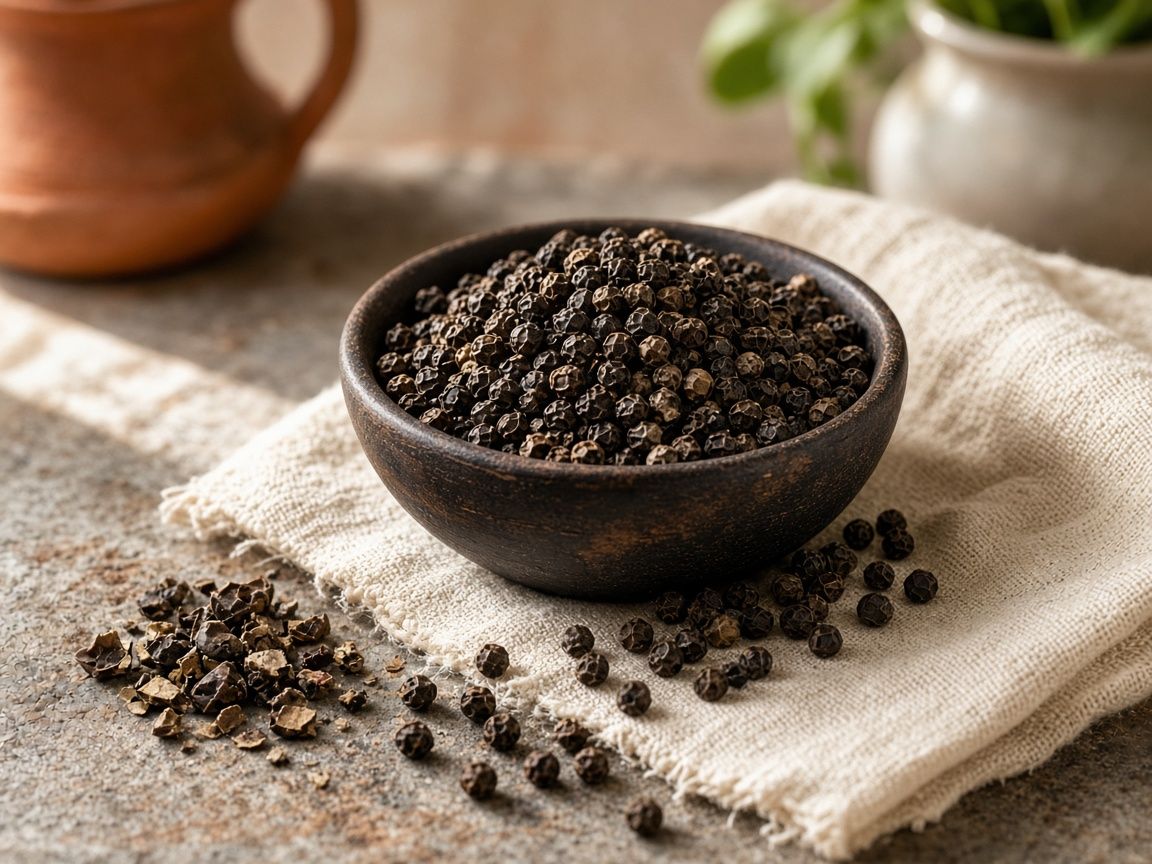
Black pepper
The berry that paid rents, launched fleets, and still sits beside salt on almost every ComidaTime table.
Before fast food flattened the week, families passed down a handful of seeds, barks, and roots — and the blends they made from them. Those same ingredients still flavor the 30 International Cuisines volumes.
Pepper paid rents. Saffron was picked flower by flower. This section is how ComidaTime keeps that memory on the table: a working pantry you can cook from, photograph, and share.
Each jar has its own page. The shelves below are paginated so the pantry loads quickly. Open a category, or keep walking page by page through all 247 names.
Spices, herbs, oils, mixes, chiles, aromatics, and flavorings — each shelf is its own page.
Each of the 30 books now has its own shelf — the spices, mixes, herbs, oils, and chiles that kitchen actually uses.
Text links, no extra photographs — so Google and a slow connection can still reach every jar.
247 named jars, 11 short pages — so the first paint stays light.
The berry that paid rents, launched fleets, and still sits beside salt on almost every ComidaTime table.
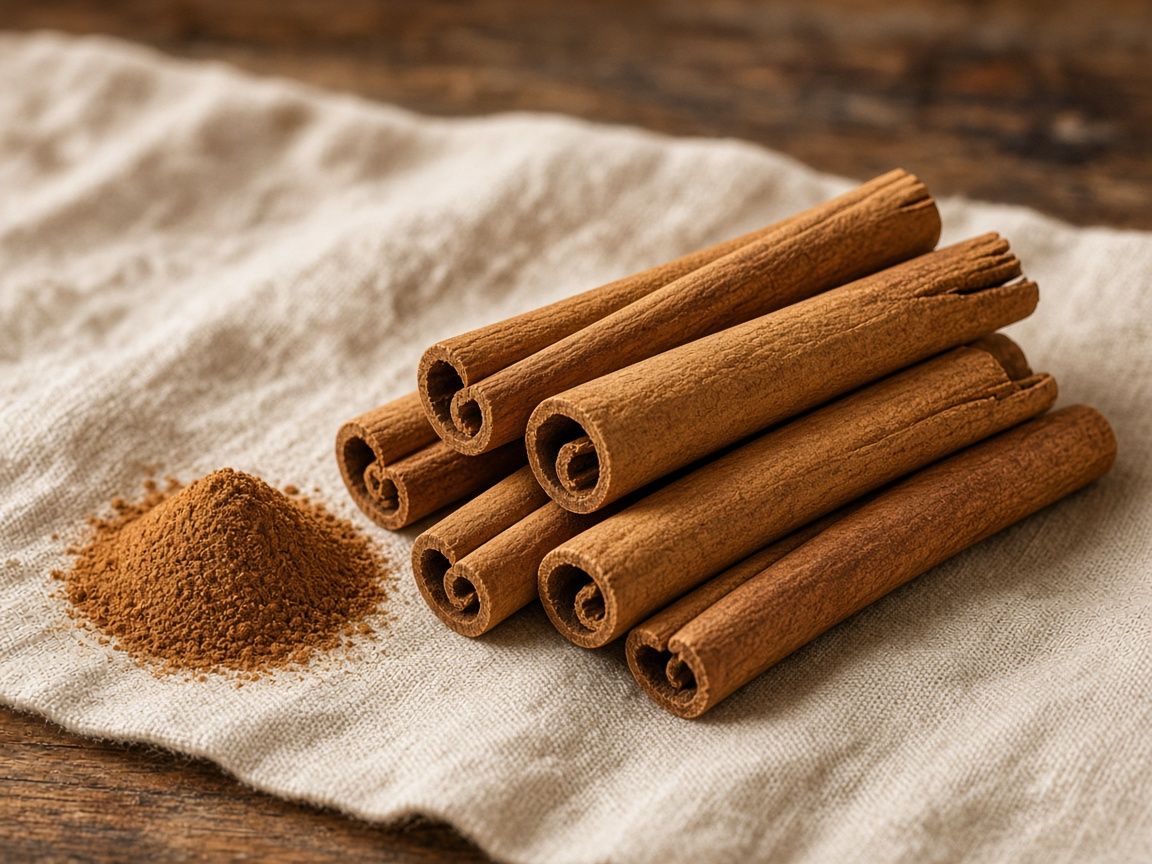
Bark rolled into quills: the sweet wood that traveled with frankincense and still perfumes both pastry and stew.
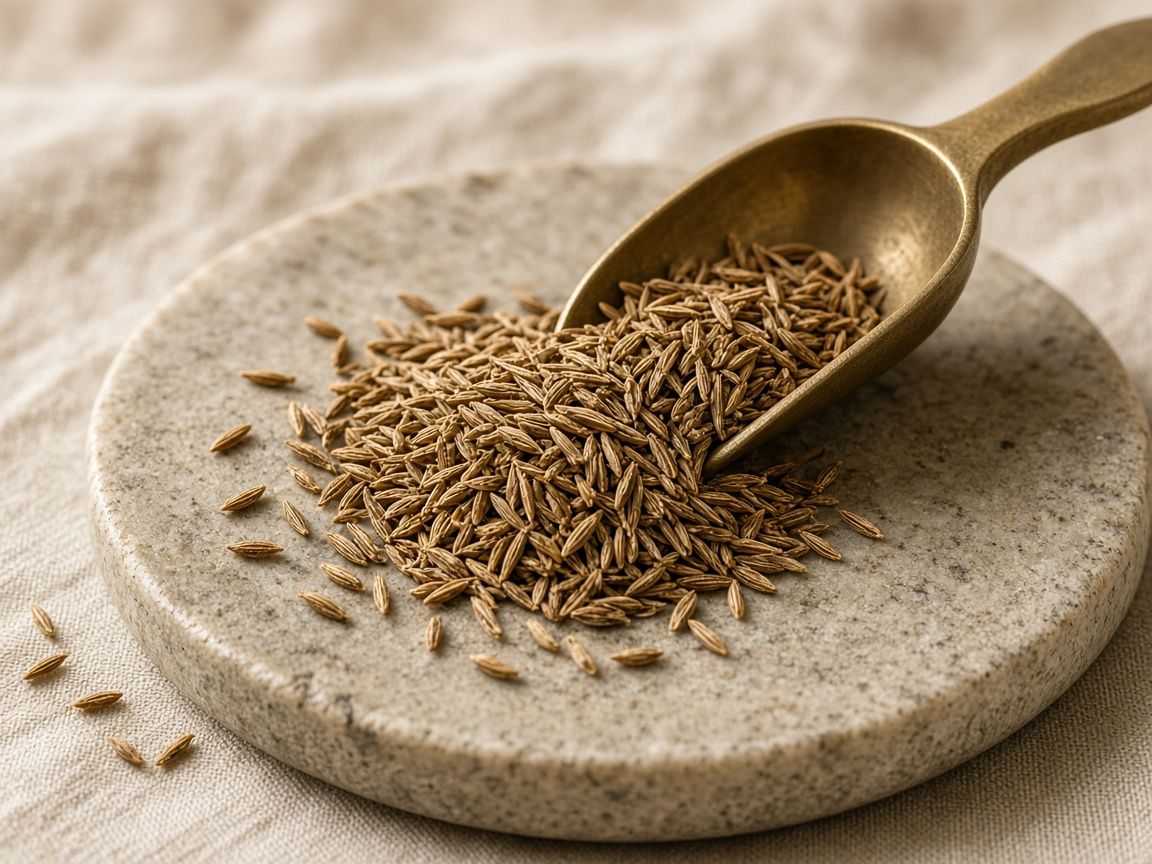
The seed that smells like a courtyard after rain — and the backbone of more ComidaTime recipes than almost any other spice.
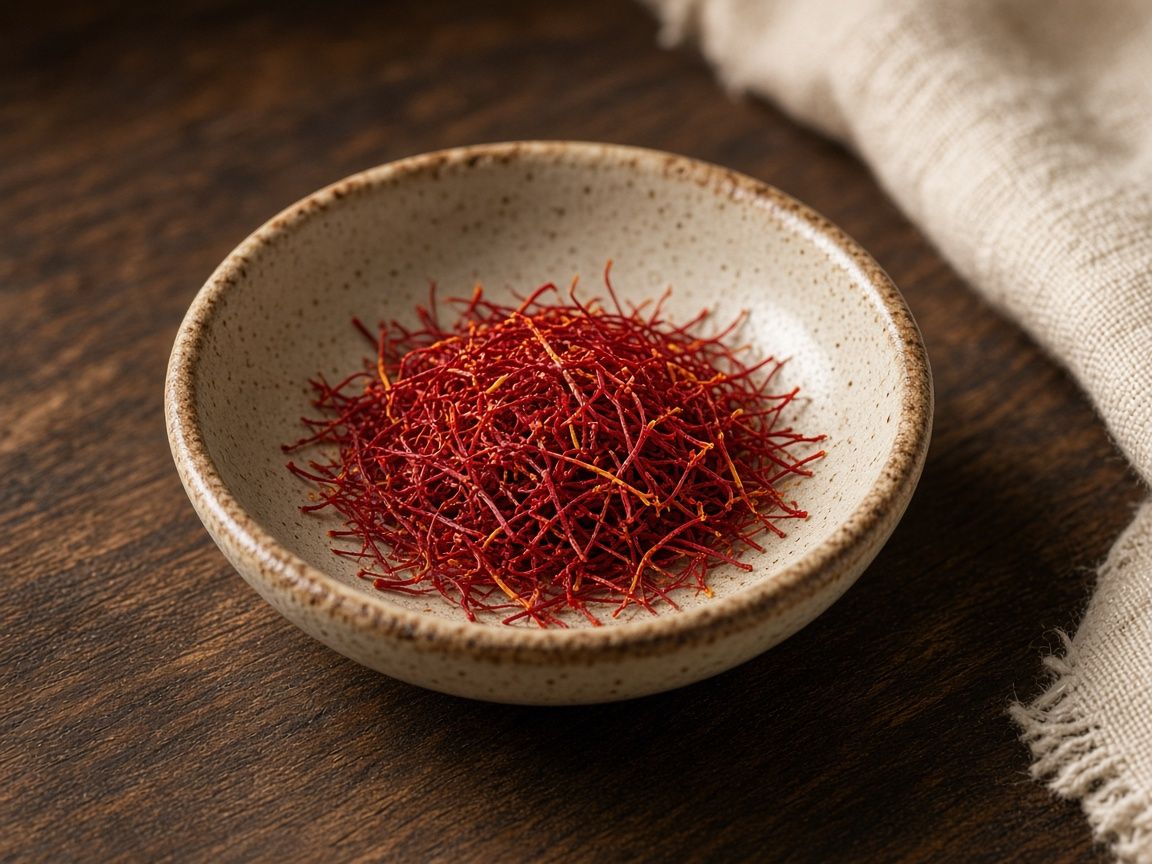
Three red threads from each autumn flower — the scarcest spice in the series, and still the one that turns a pot of rice into a feast.
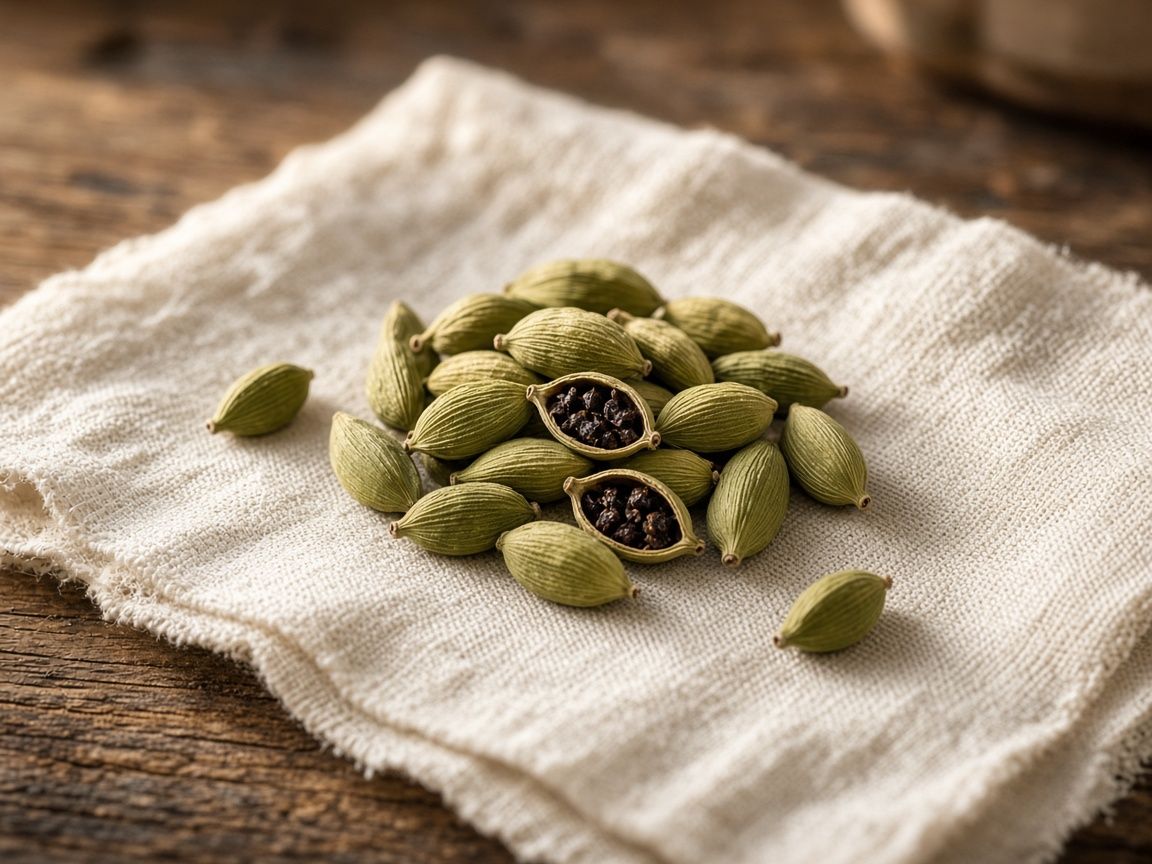
Green pods that smell of eucalyptus and citrus — coffee's companion in the east, pastry's secret in the north.
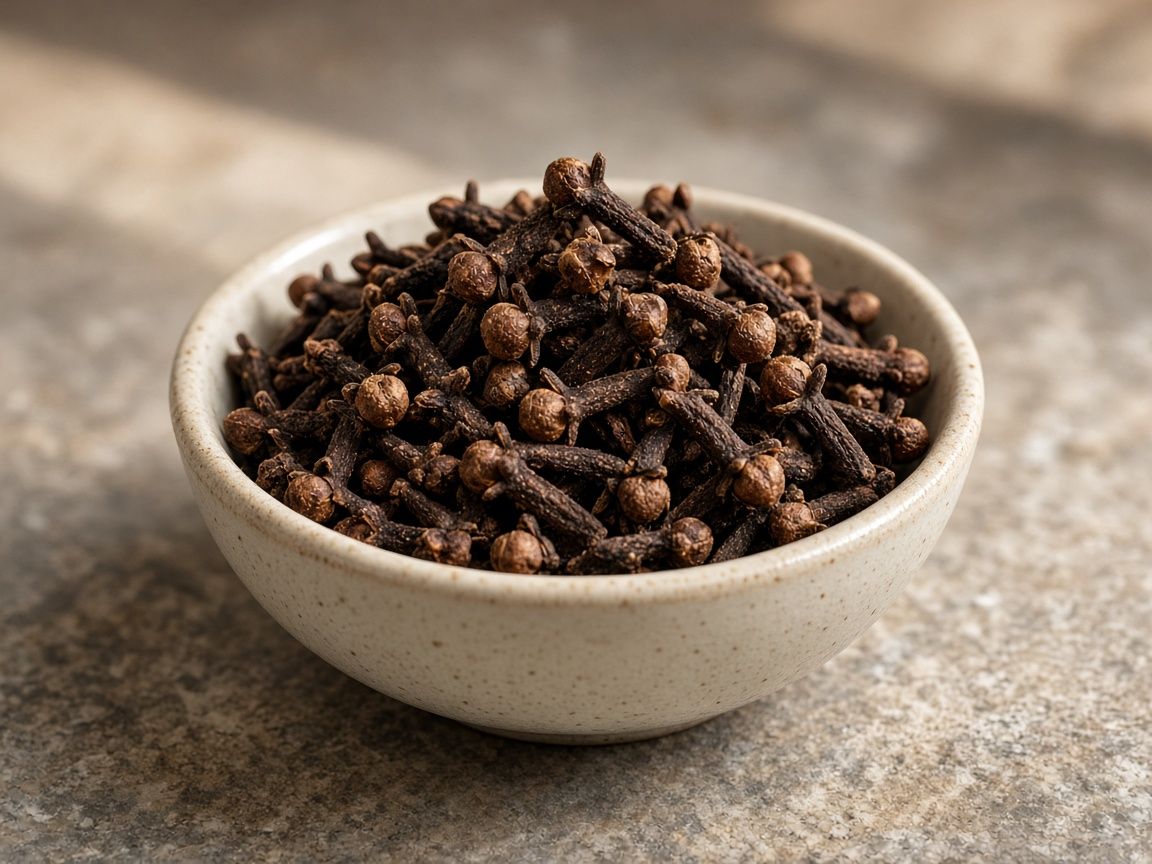
A flower bud that once belonged to a handful of islands — and to every power that wanted those islands.
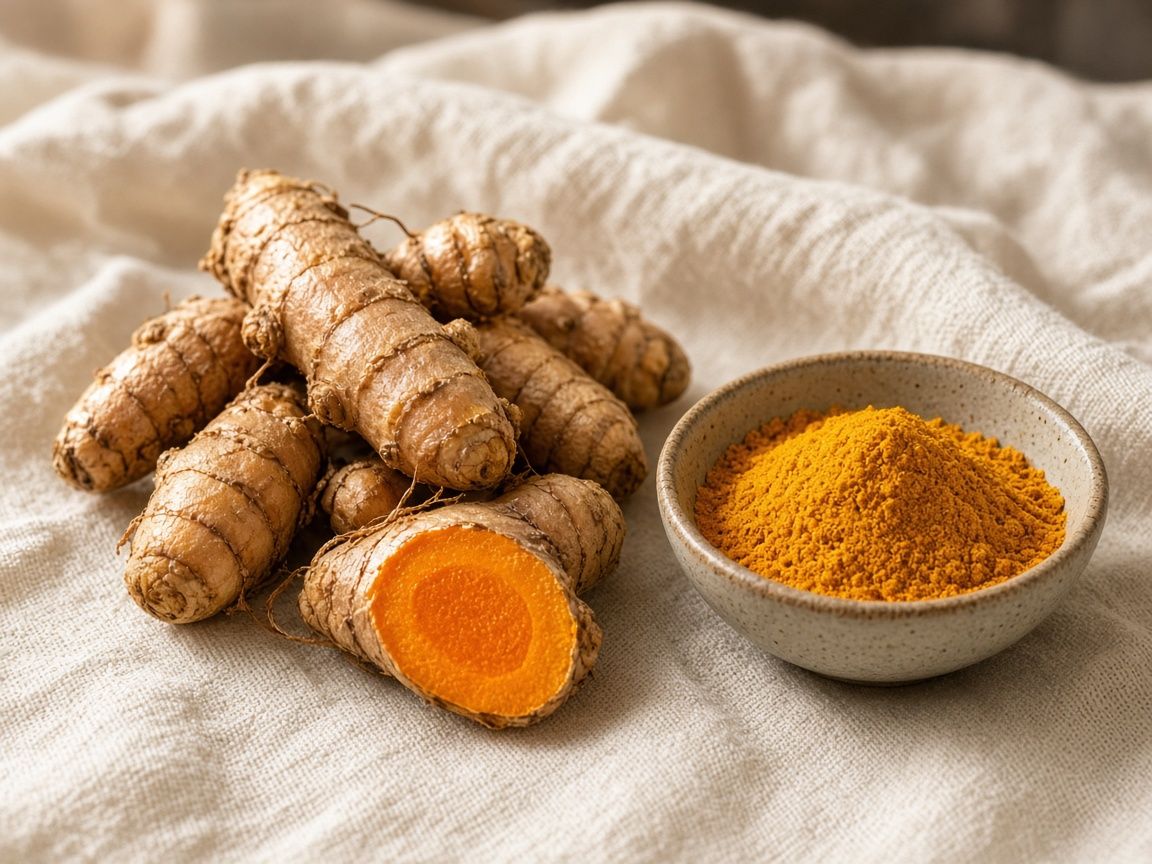
The rhizome that dyes fingers, rice, and memory gold — food first, medicine closet second.
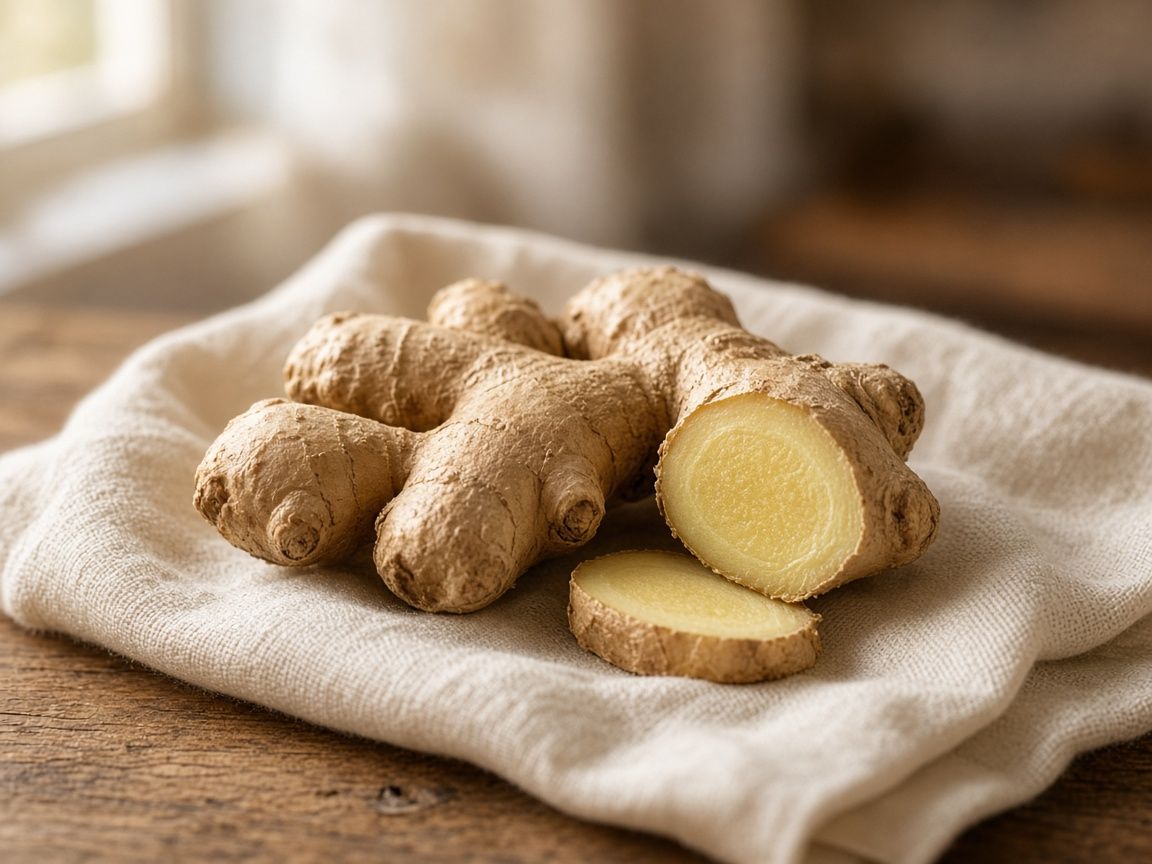
A knobby root that travels better than most kings did — fresh in the wok, dried in the cake, pickled beside sushi.
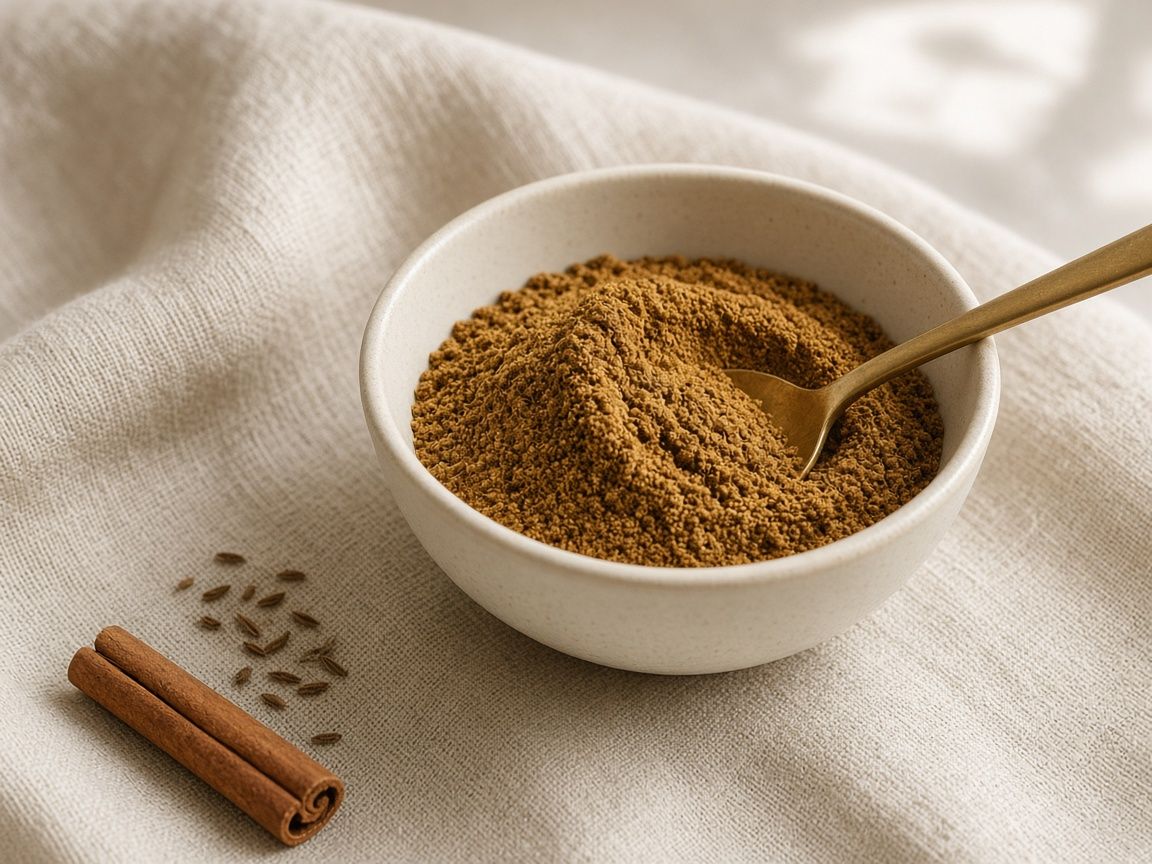
The shopkeeper's best drawer: a blend so personal that no two jars in the medina are quite the same.
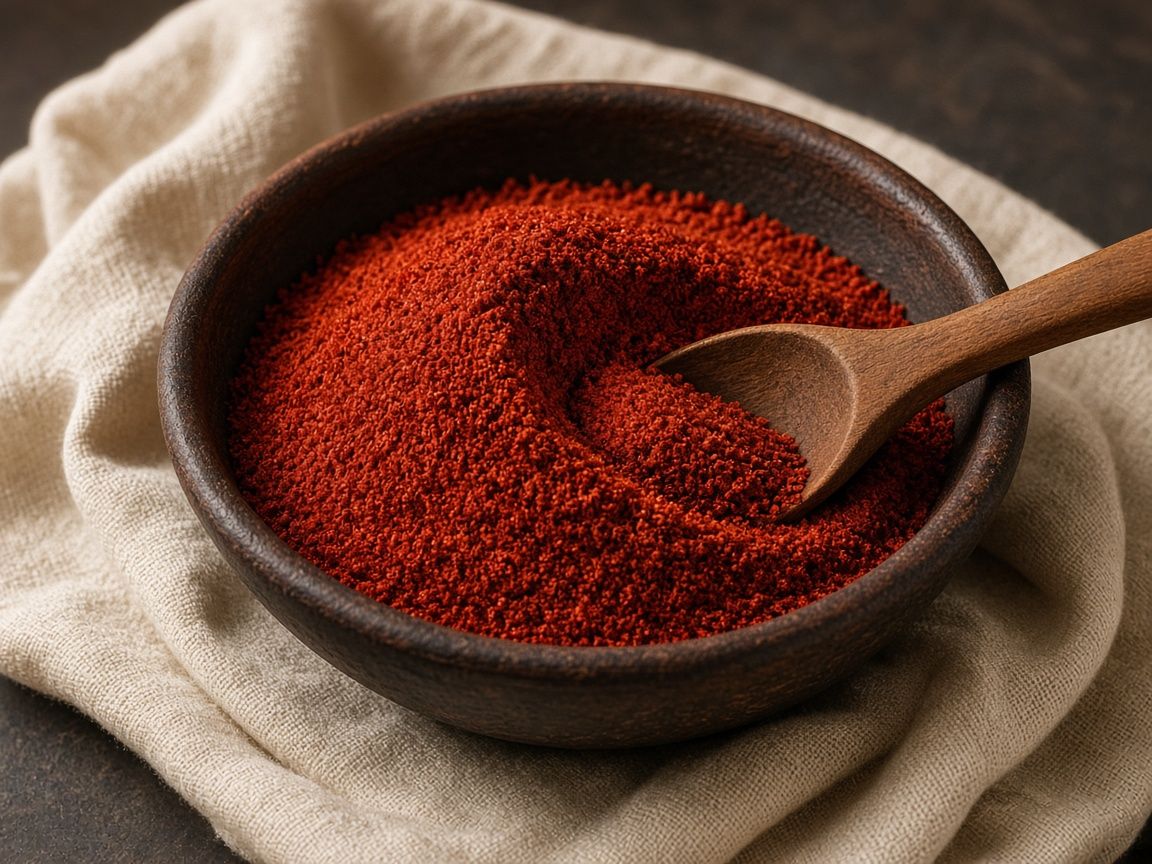
The red dust of the Ethiopian kitchen: chile heat, fenugreek, and the perfume that tells you doro wat is on the fire.
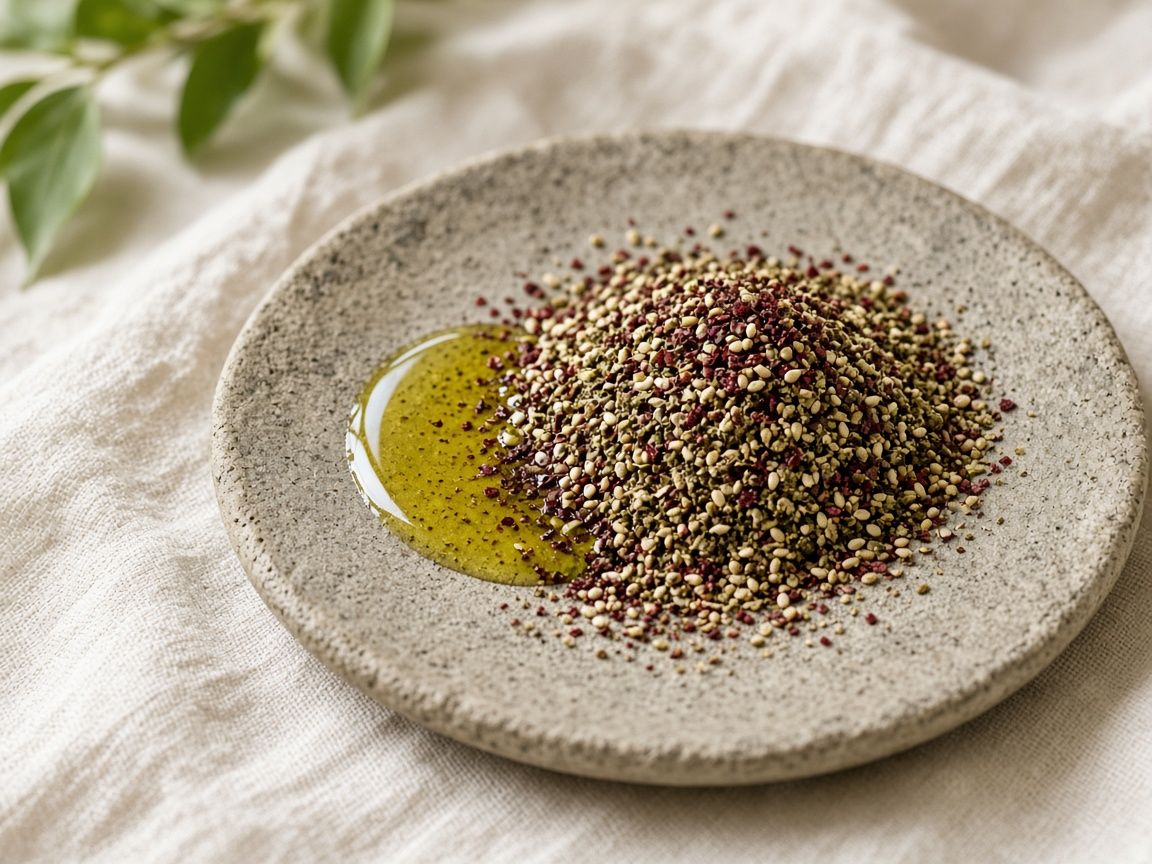
Breakfast on a flatbread: the green, sour, sesame mix that Levantine tables put out the way other houses put out butter.
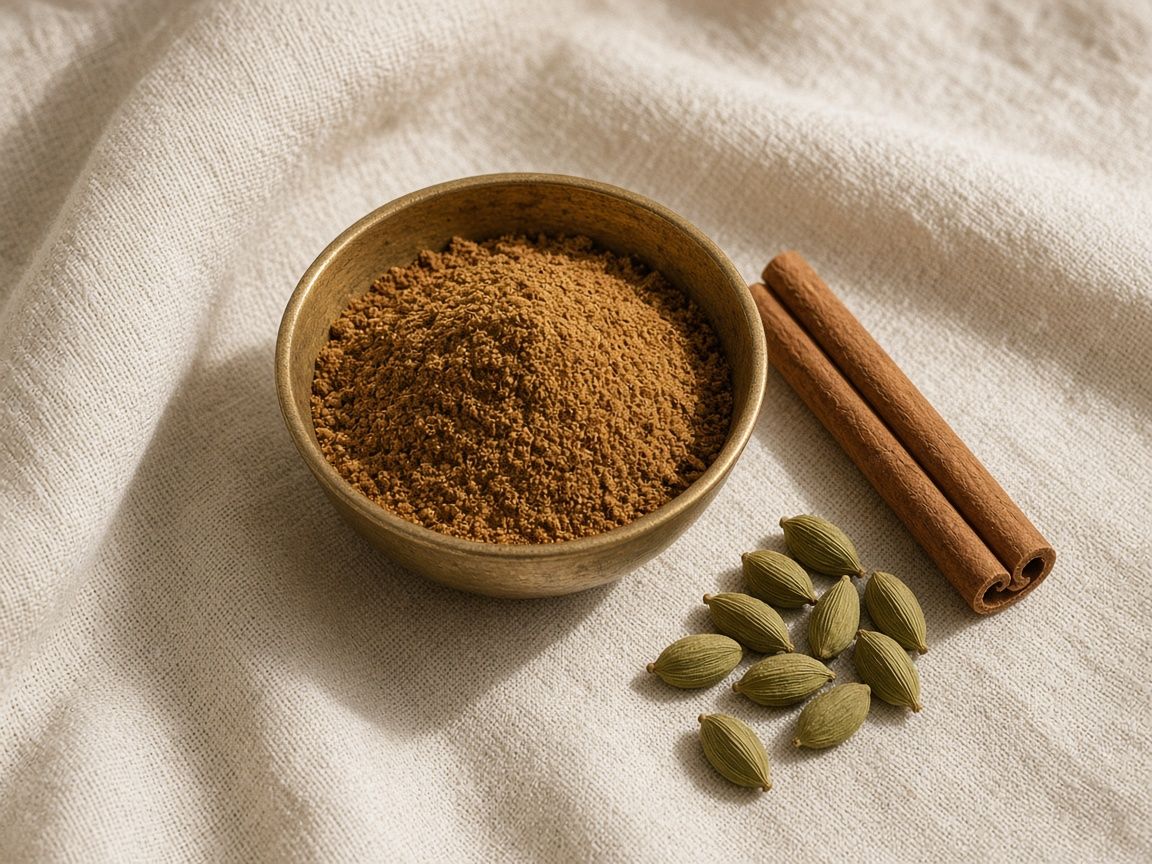
The last spoon into the pot: a warm blend meant to perfume a dish after the long cooking is done.
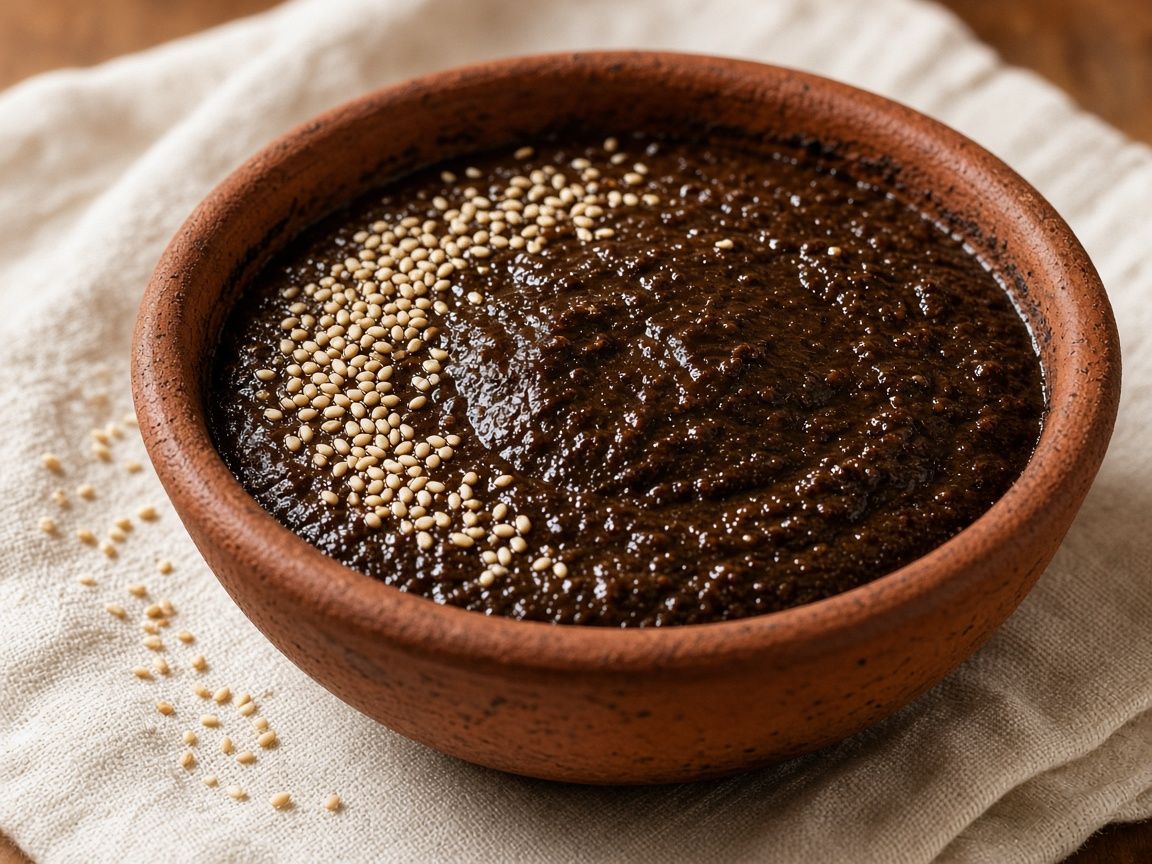
The darkest of the great moles: chile, chocolate, and a day's work reduced to a sauce that tastes like a celebration.
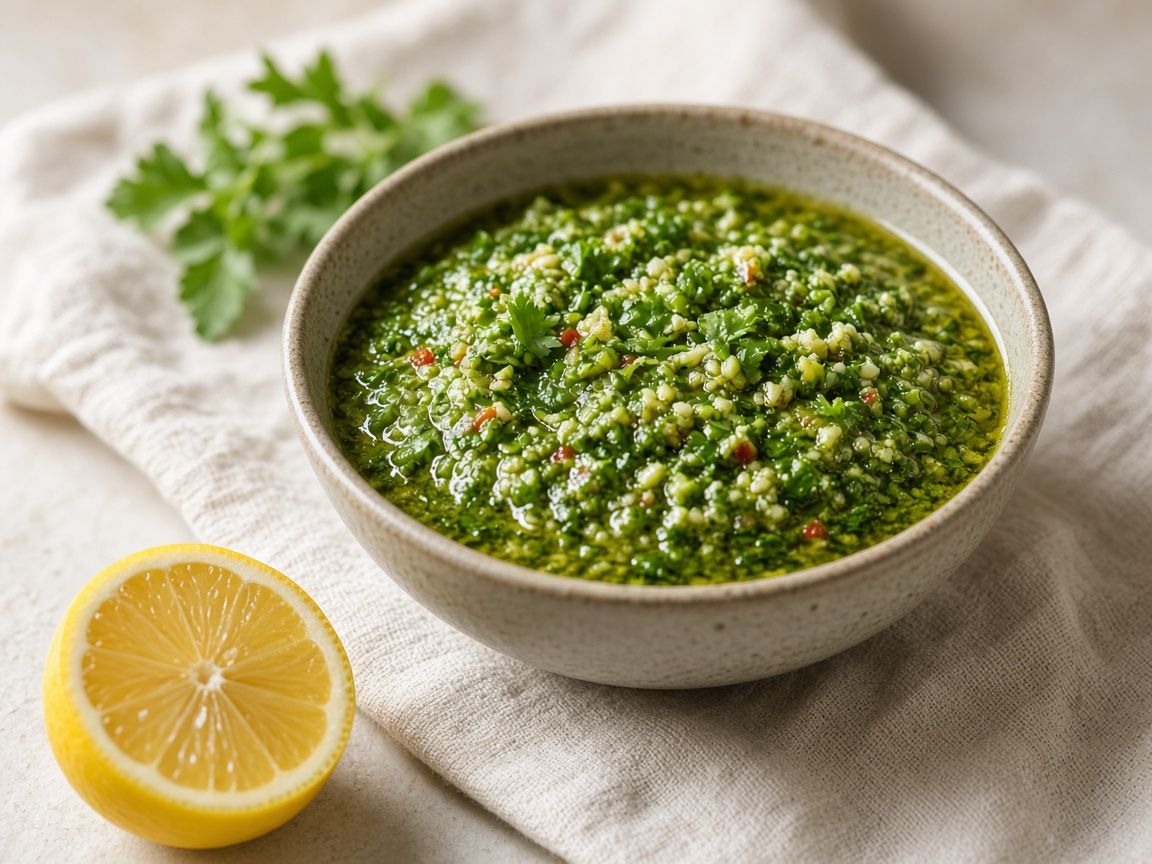
The green paste that makes fish taste like the Atlantic coast: herbs, cumin, and lemon mashed together with the palm of the hand.
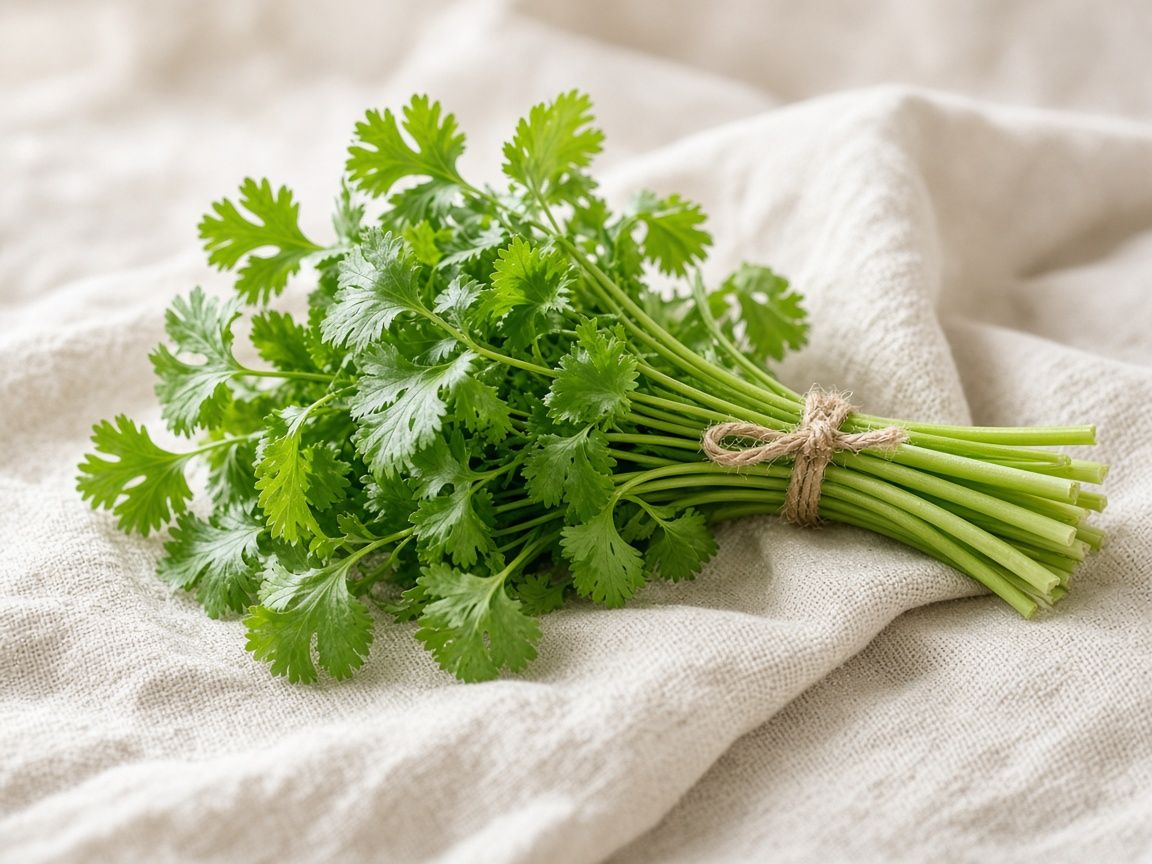
The leaf that divides a table and defines a salsa: bright, soapy to some, indispensable to many of the 30 kitchens.
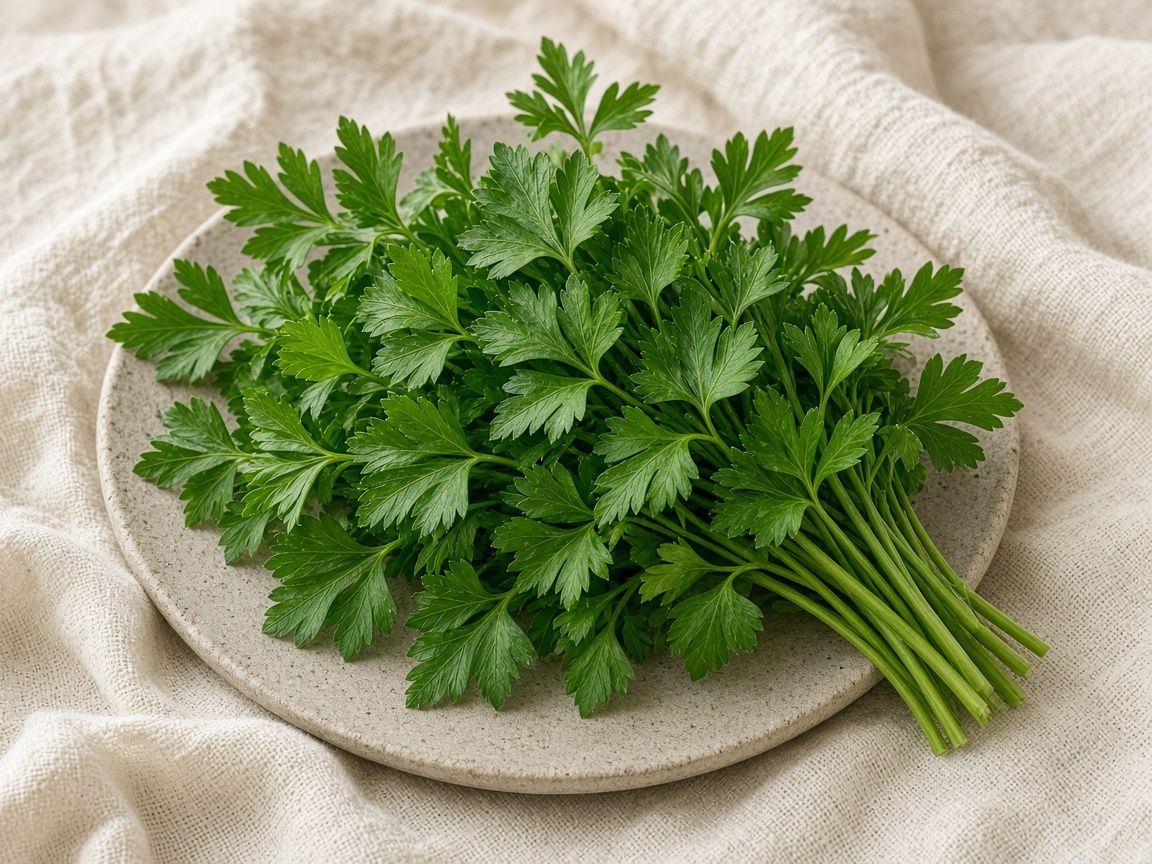
The green that finishes a pot in 27 of the 30 books: not a garnish, a last bright note.
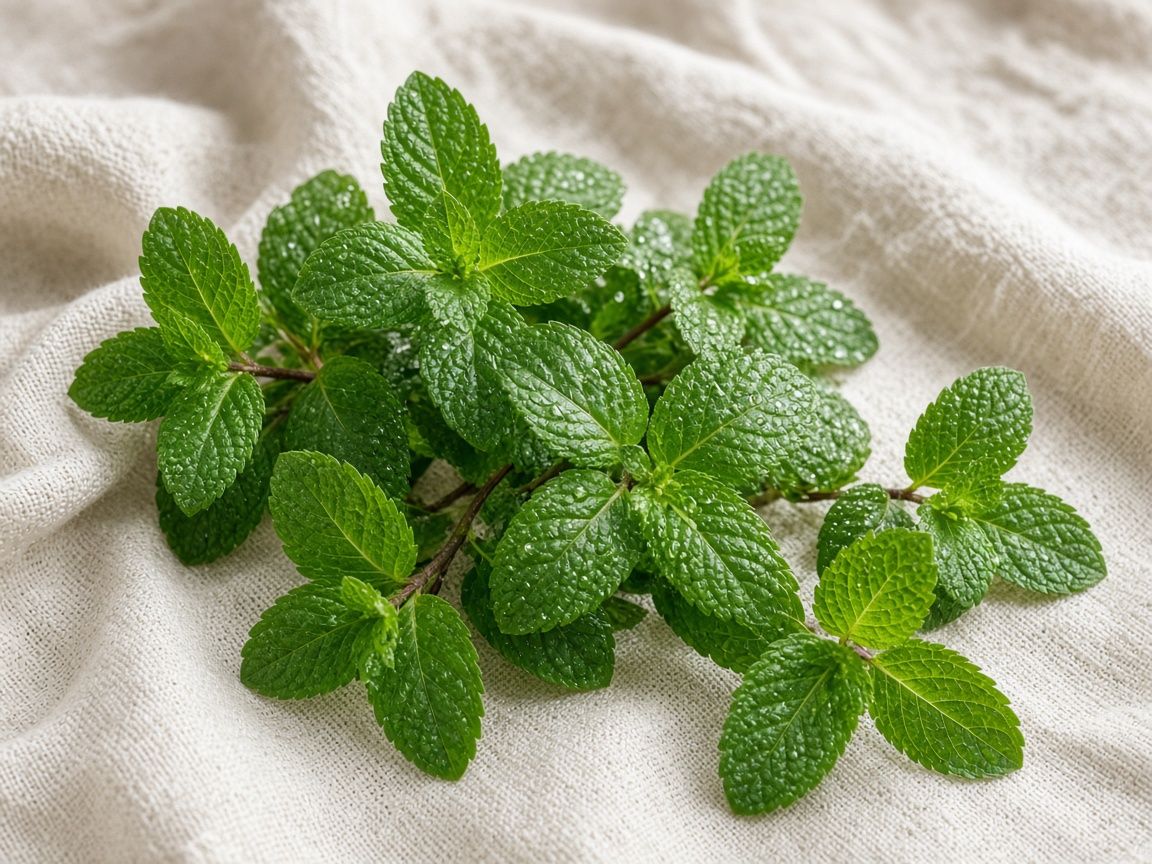
The cool leaf of tea trays, chutneys, and lamb: a plant that refuses to stay in one garden bed or one continent.
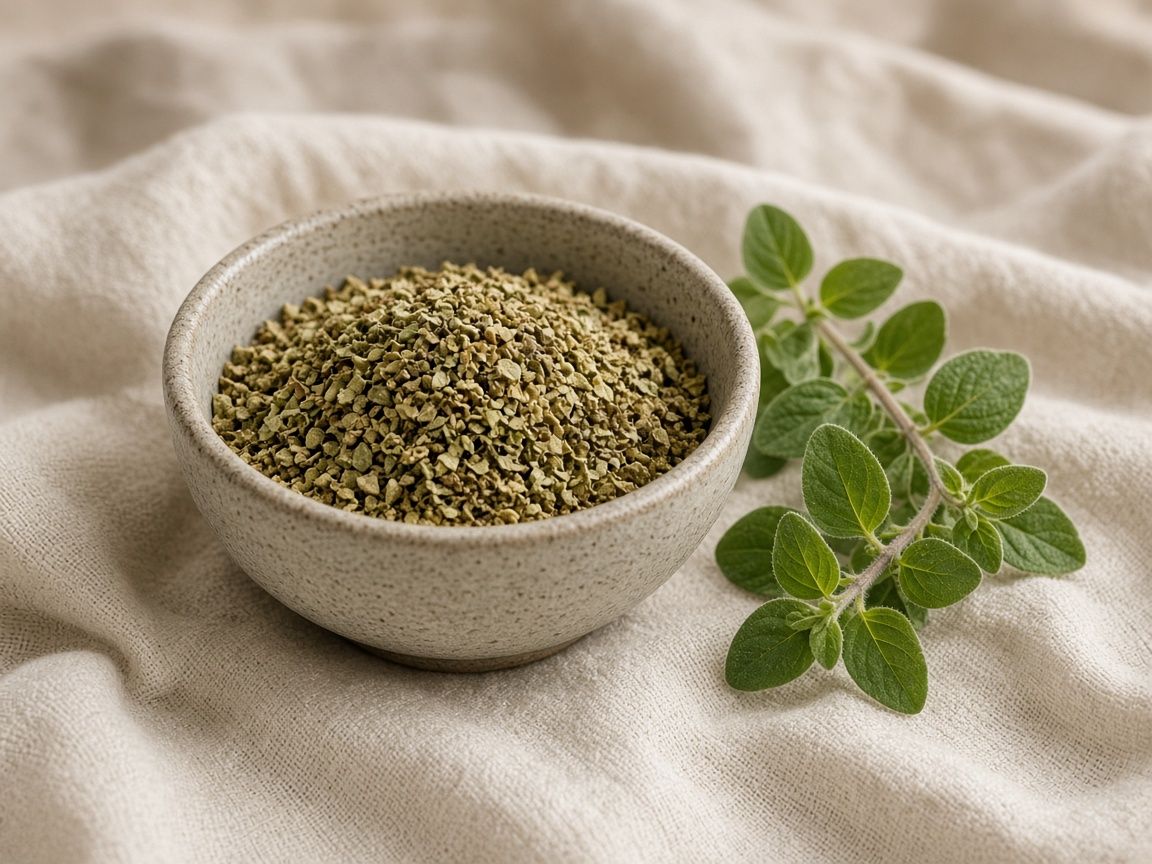
The pizza-and-souvlaki herb that is stronger dried than fresh — a rare plant that prefers the jar.
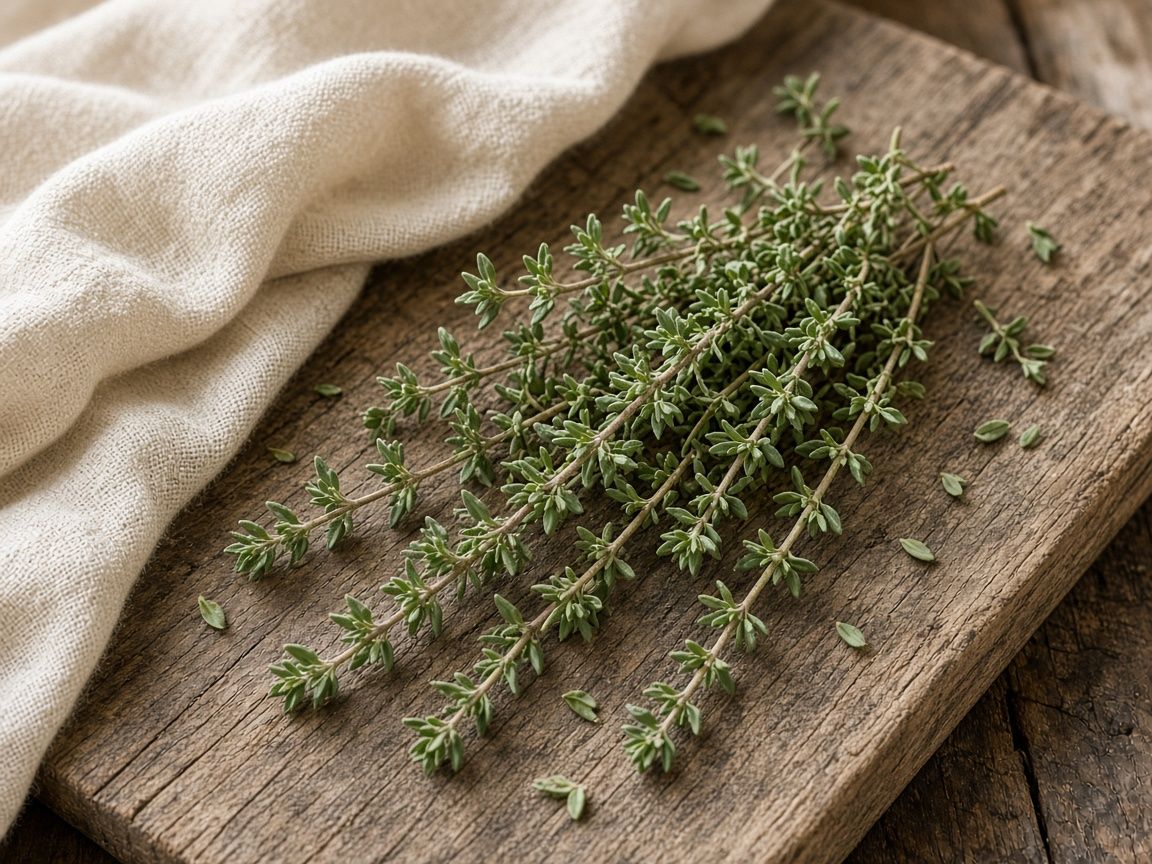
The small leaf that survives a long simmer: bouquet garni's backbone and the scent of a French Sunday pot.
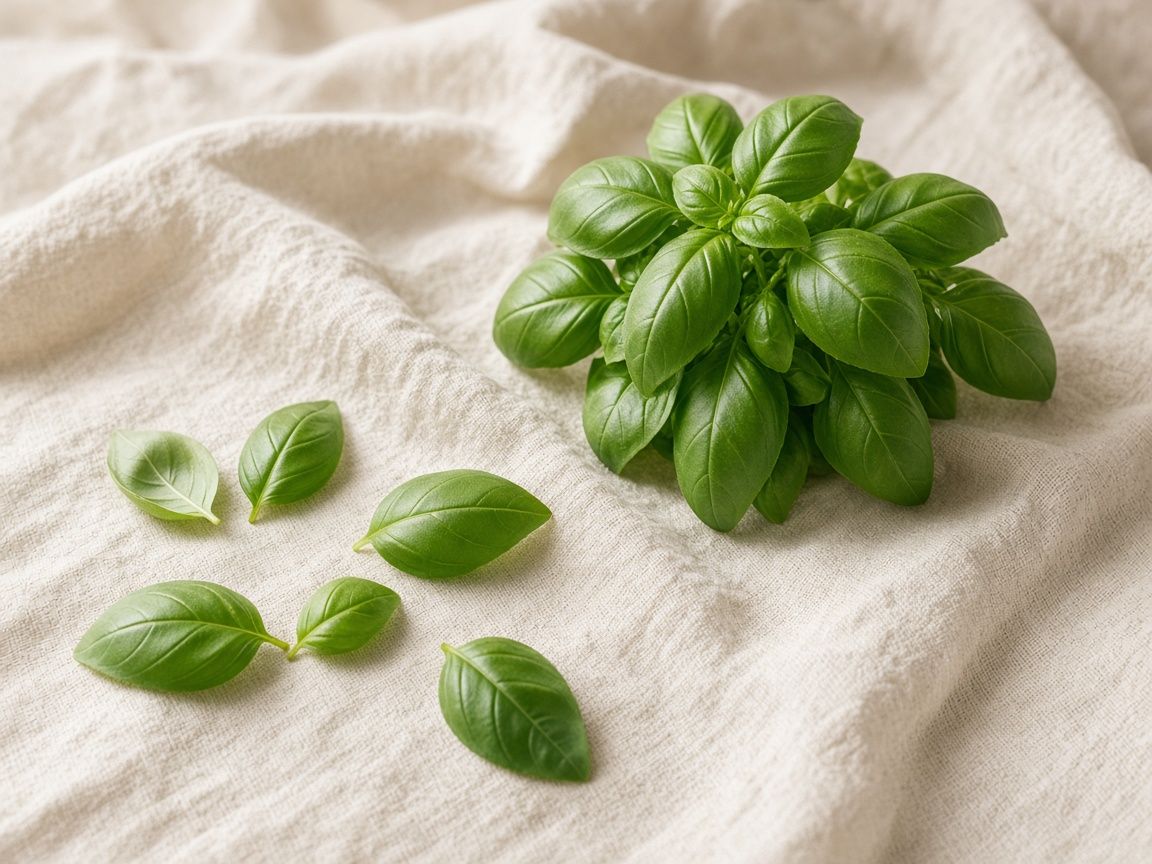
One name, many plants: the sweet leaf of pesto, the anise leaf of Thai curries, the holy leaf of Indian kitchens.
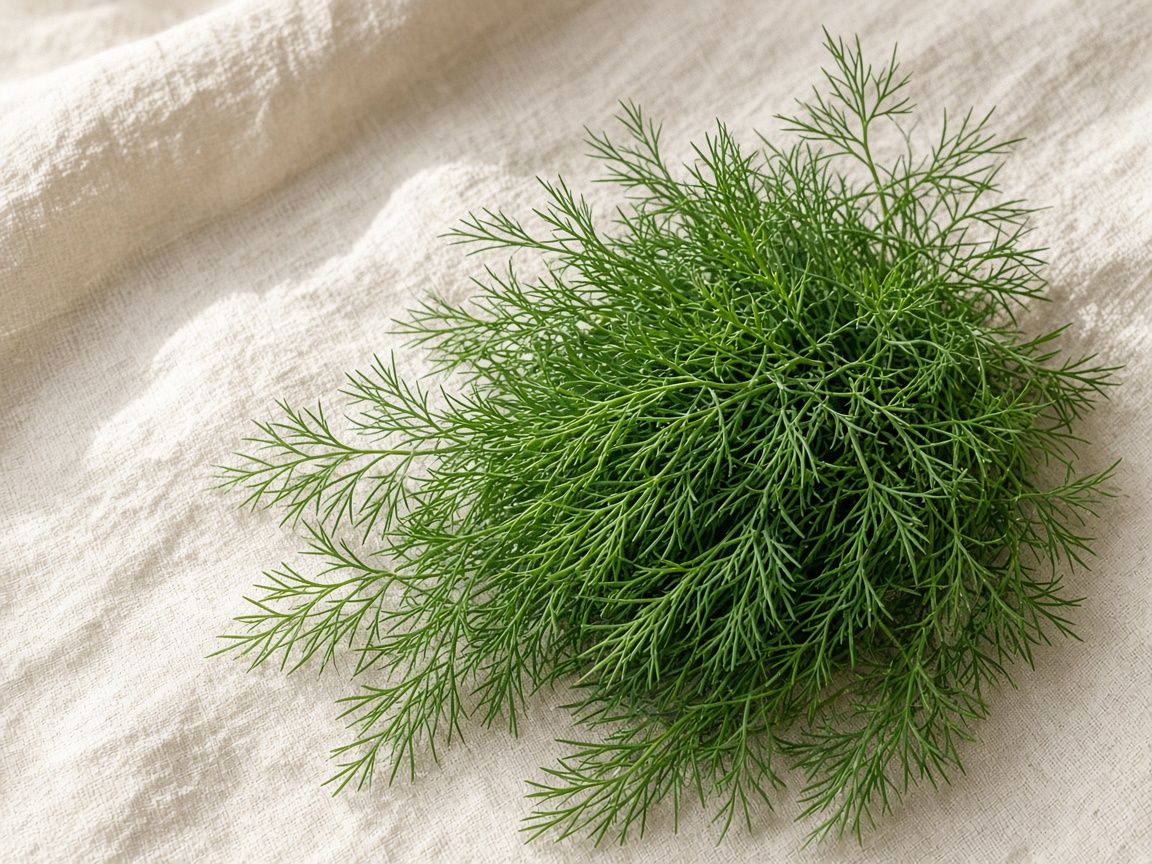
The feathery green of pickles, yogurt, and fish — and, in this series, of 23 kitchens that refuse to treat it as only a Northern herb.
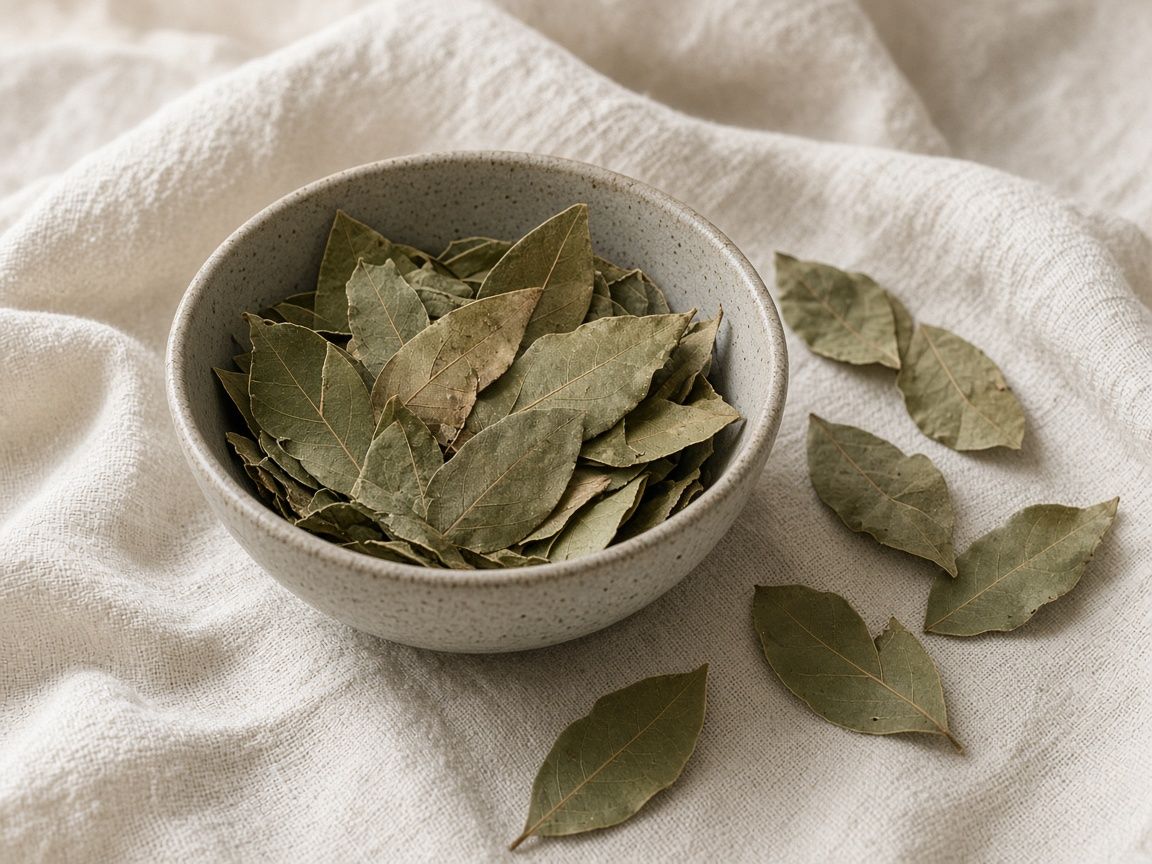
The leaf you never eat and always miss if it is gone: 29 kitchens in the series drop it into a pot and fish it out later.
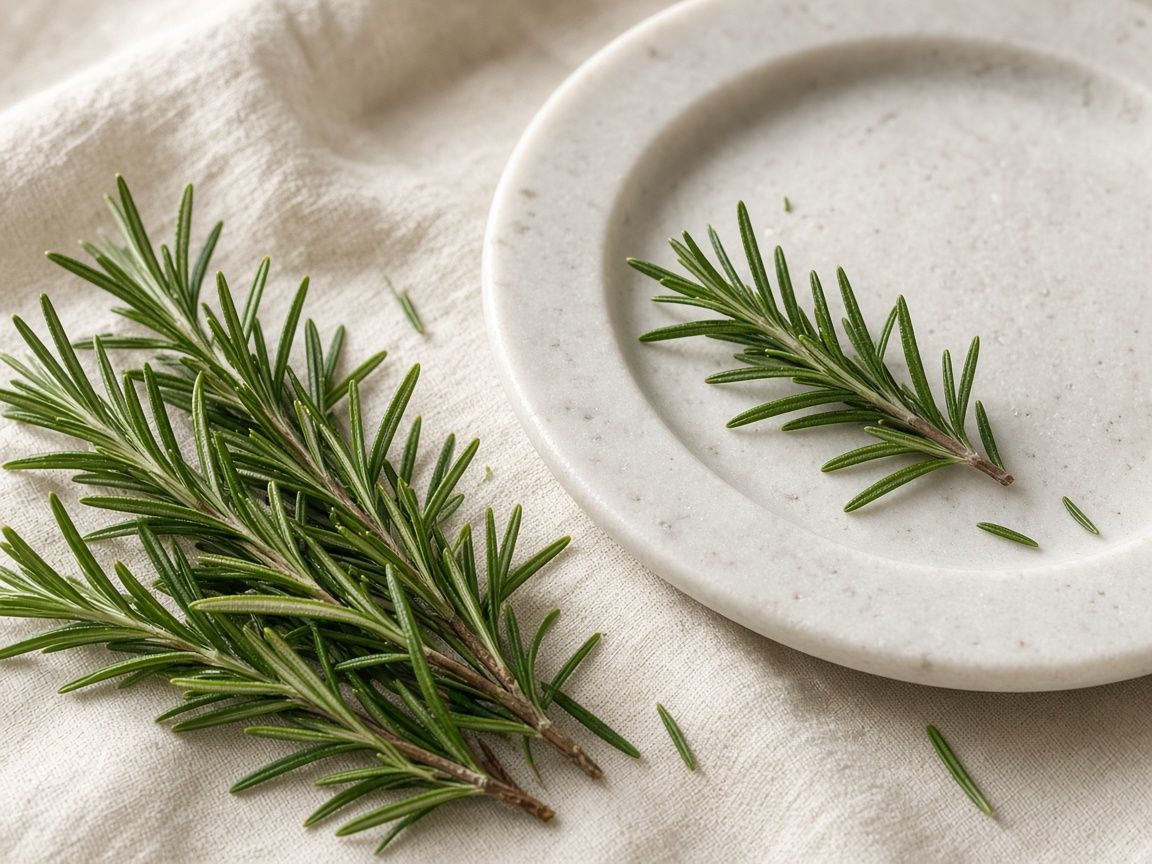
The pine-scented needle of roast meats and memory — 'rosemary for remembrance,' and for a chicken that needs a backbone.
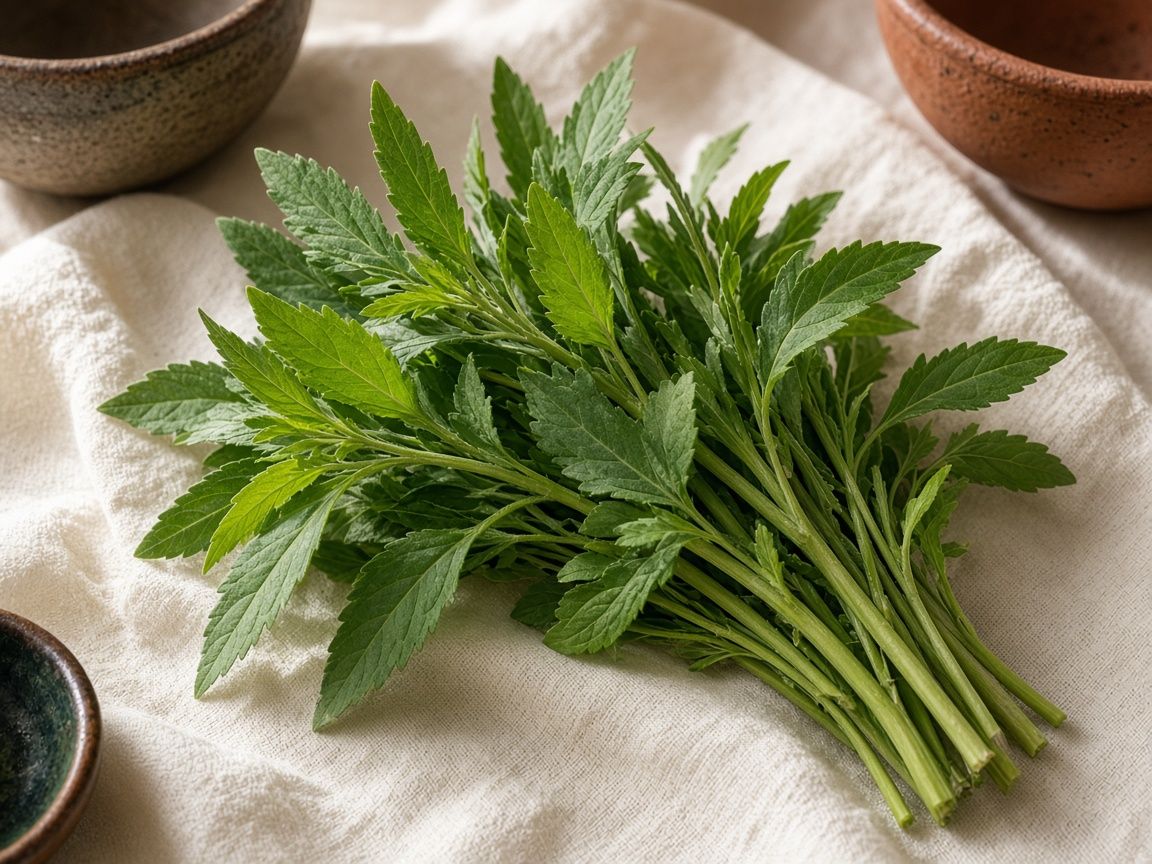
The pungent leaf Mexican bean pots are not themselves without: medicinal, polarizing, and impossible to fake with oregano.