
Pantry · Oils and fats
Olive oil
The green-gold fat of 29 kitchens in the series: a fruit juice that learned to travel, and then to stay.
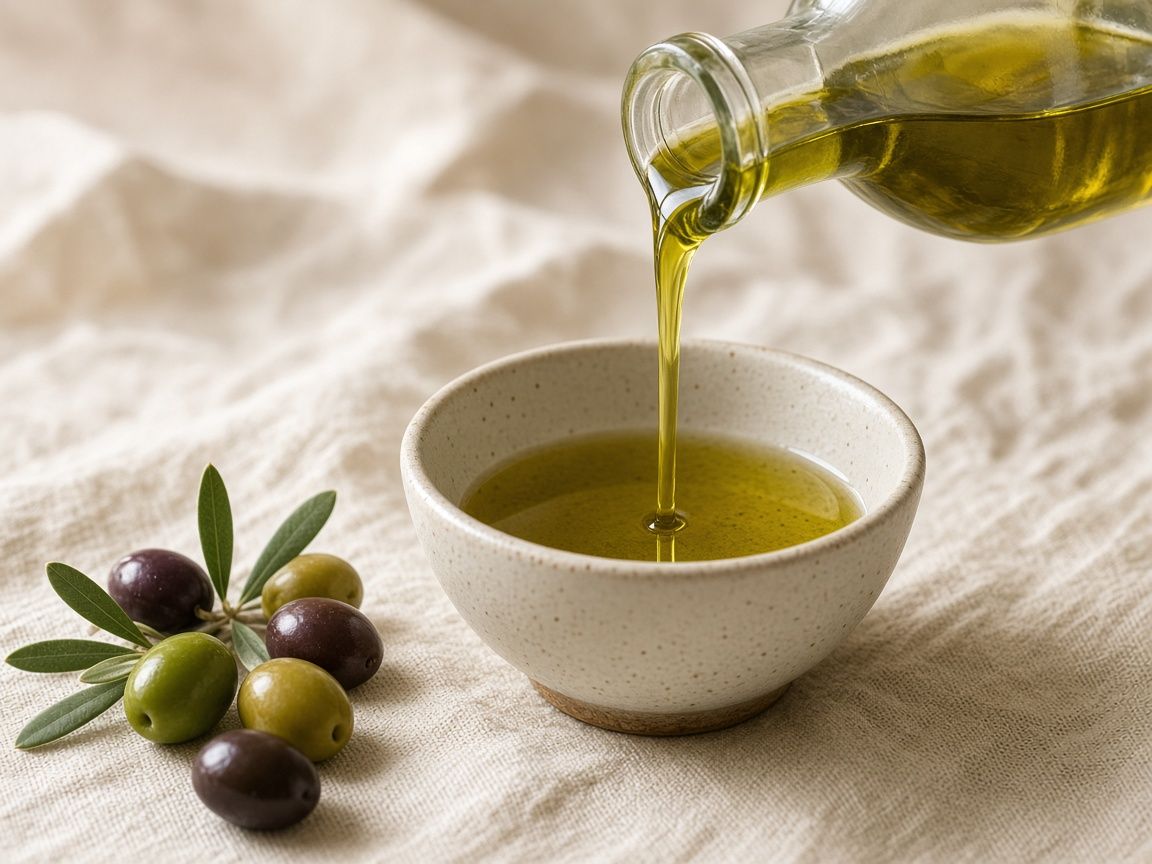
The journey
Olive oil is older than most of the countries that now claim it. Minoans stored it in jars the size of a person. Romans paid soldiers in it. Andalusian groves survived conquests because the trees outlived the flags. What moved was not only the oil. It was the idea that a landscape could be pressed into a cruet.
In the International Cuisines volumes it is the default fat wherever a cook reaches for a bottle and does not specify. Spain, Italy, Greece, Morocco, Lebanon, and the Levant treat it as daily bread's partner. Mexico and South America inherited the grove with the Spanish ship. Only the German volume looks past it — and even there the Mediterranean recipes wander in.
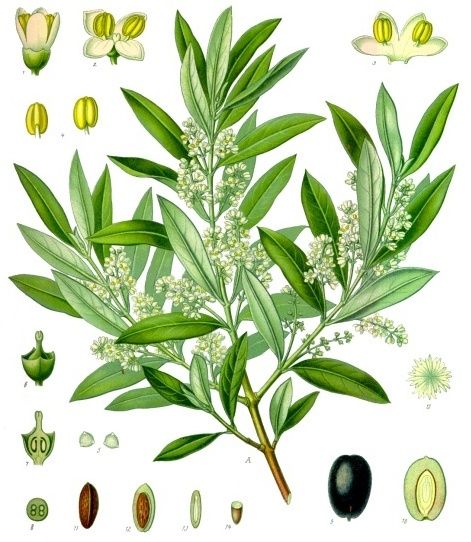
In the kitchen
Use a quiet oil to fry and a loud one to finish. Heat destroys the perfume of a first press; it does not destroy the usefulness of a milder bottle. Taste it on a spoon. If it burns the throat in a pleasant way, save it for tomatoes, beans, and bread.
A soup finished with a thread of good oil is a different soup. So is a tagine, a sofrito, a plate of white beans. Do not be precious about the everyday bottle. Be precious about the one you pour at the table.
Healers and the table
Mediterranean grandmothers have treated olive oil as food and as balm: a spoon for a dry cough, a rub for dry skin, the fat that made a vegetable diet possible. Those are kitchen habits with a long clinical afterlife, not a reason to drink it by the cup.
Oil on bread is supper. It is not a treatment.
Traditional uses are part of the story of this spice. They are not medical advice.