
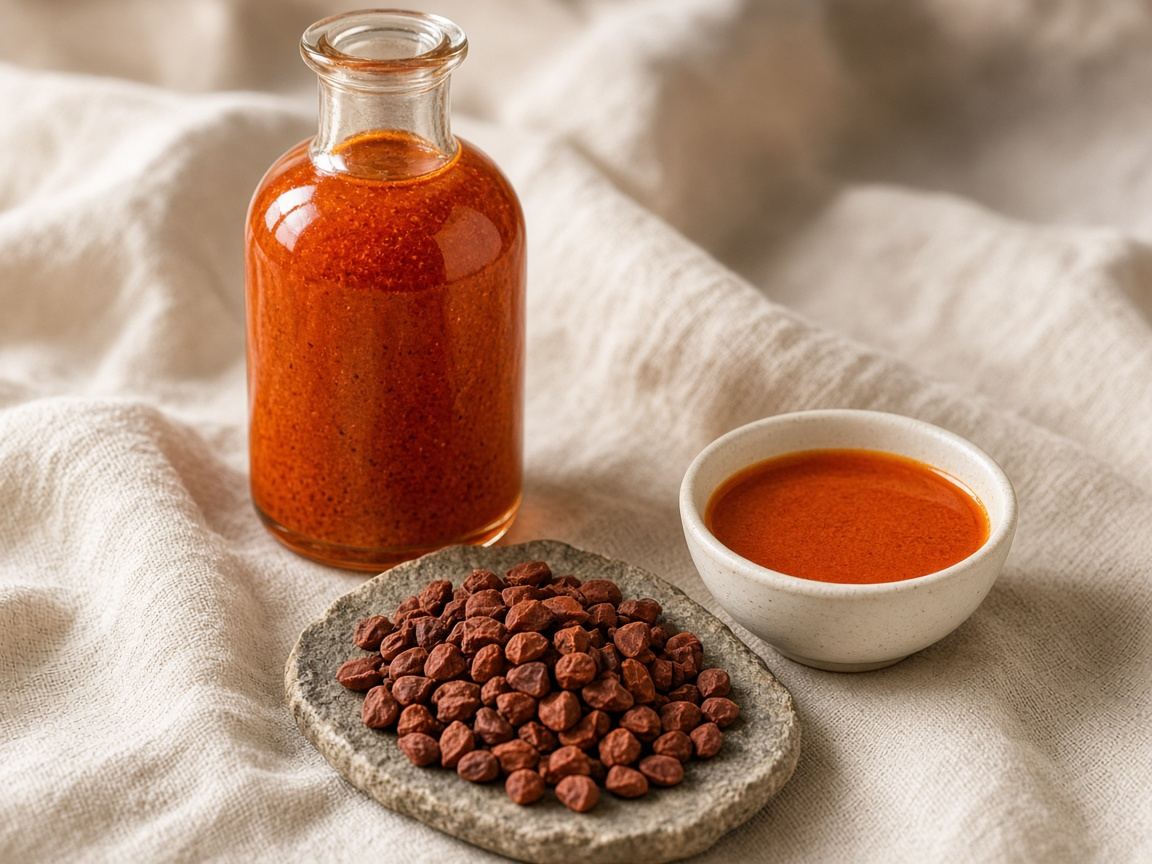
Annatto oil
Achiote bloomed in fat — the orange sheen of Caribbean rice and Yucatecan recado.
Pantry · Oils and fats
The oils and fats named across the 30 International Cuisines books.
Achiote bloomed in fat — the orange sheen of Caribbean rice and Yucatecan recado.
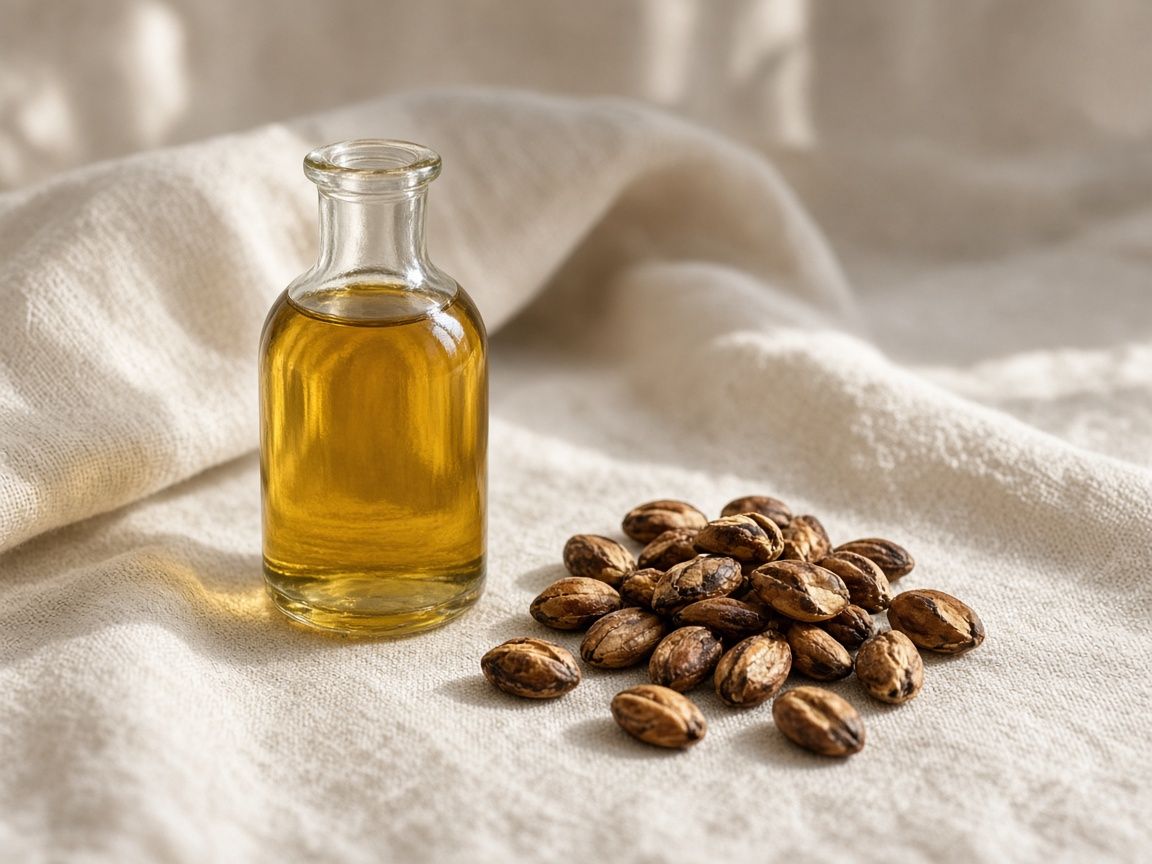
A nutty gold that tastes like a Moroccan pantry even before the cumin goes in: rare, toasted, and easy to waste on the wrong heat.
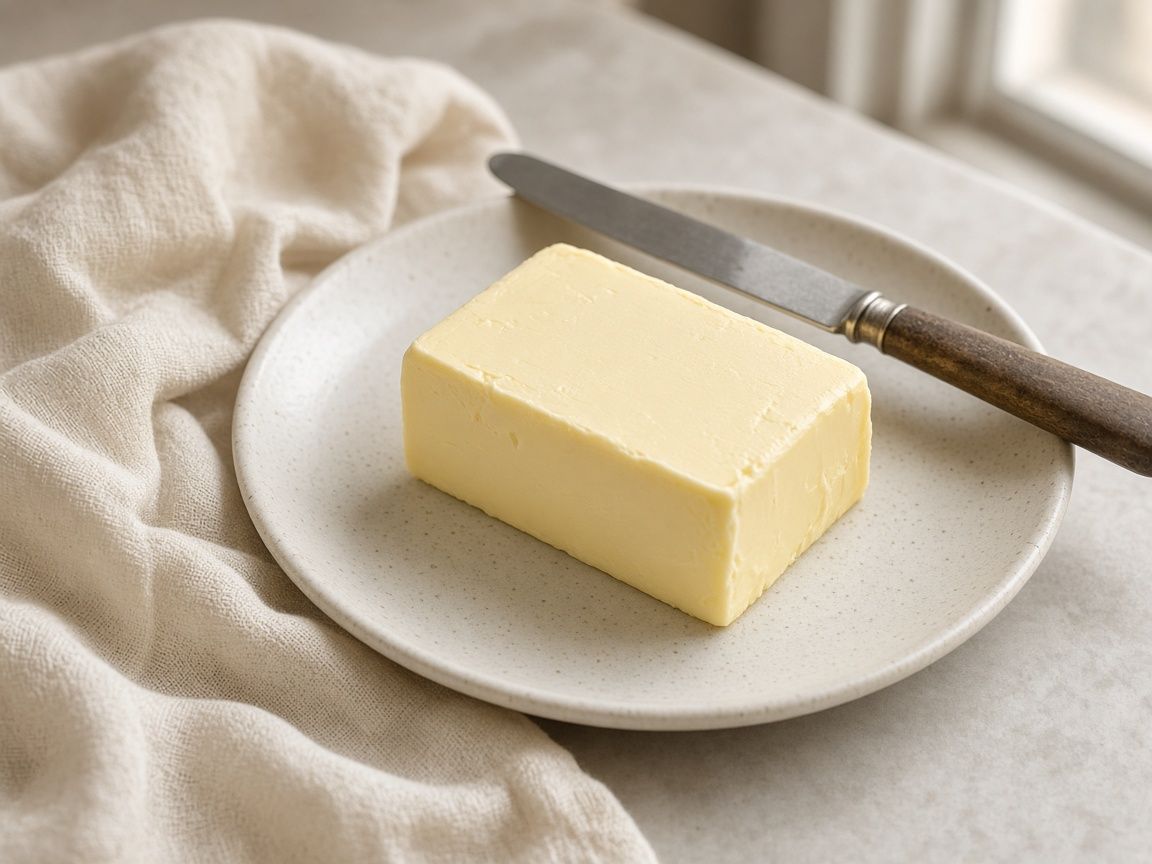
The fat that appears in every volume of the series: pale, sweet, and older than the word cuisine.
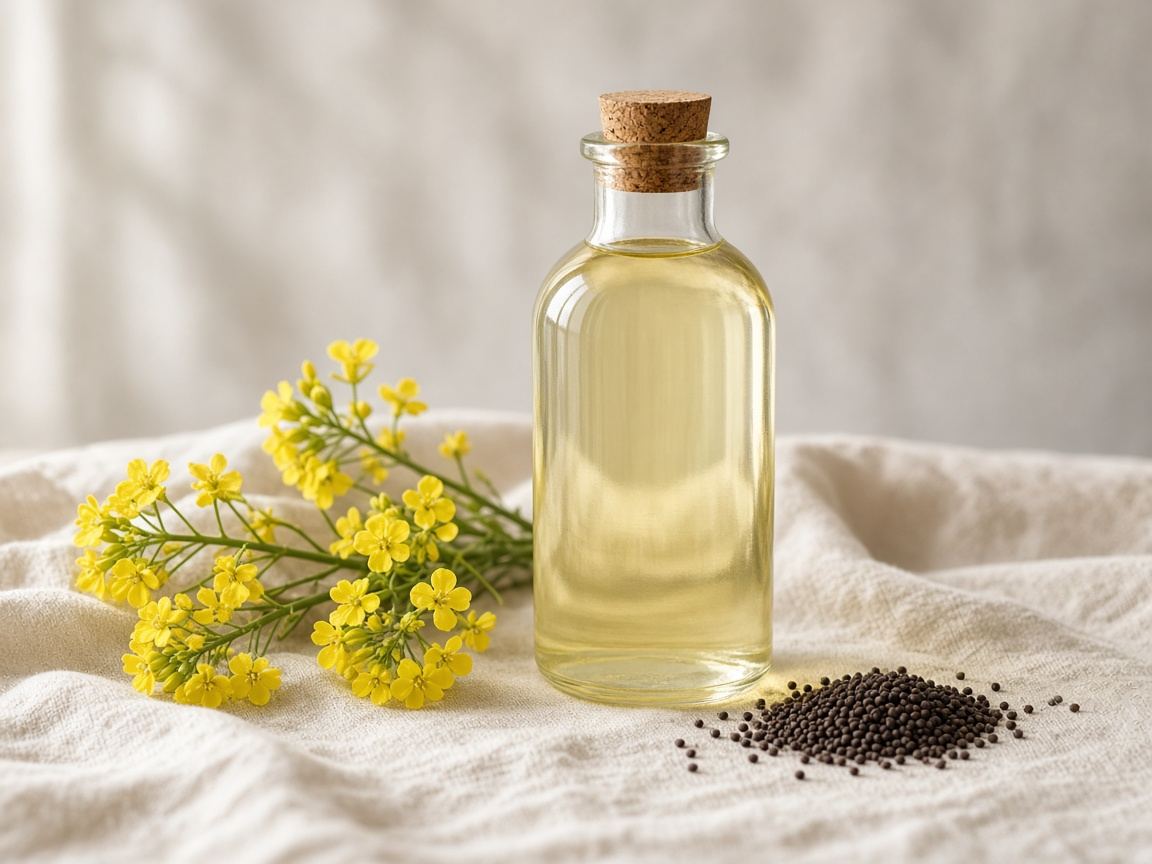
The quiet modern fry oil — named in the books when flavor should come from somewhere else.
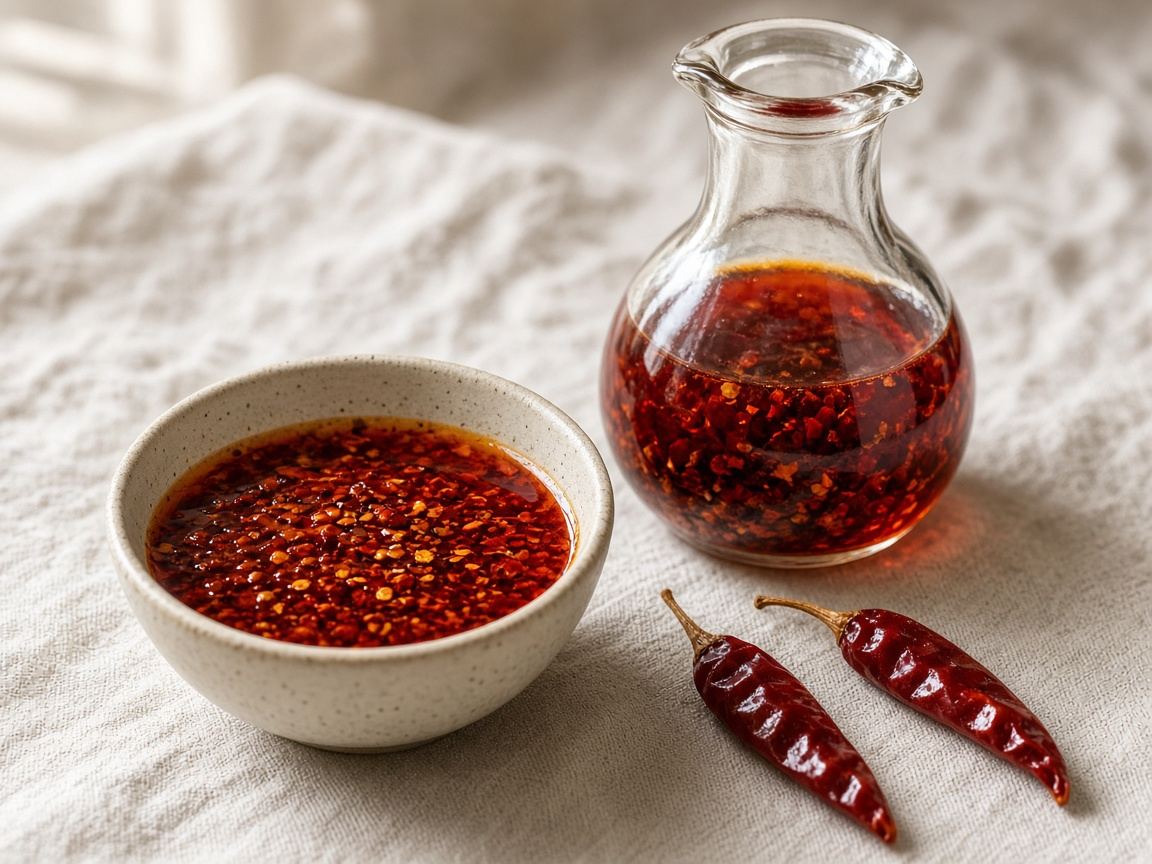
Oil that spent time with dried chile — the red sheen on noodles, dumplings, and a Mexican salsa that wants heat in the fat.
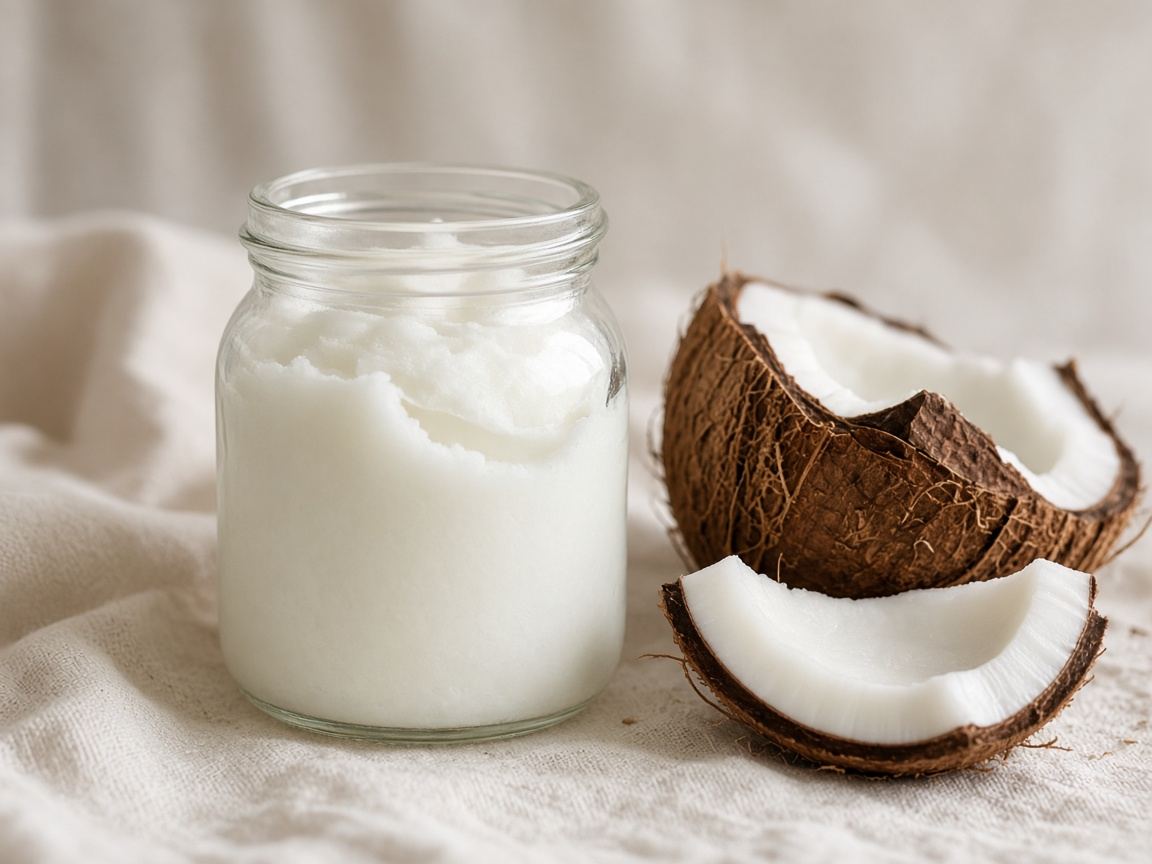
Solid in the jar, perfume in a South Indian or Caribbean fry.
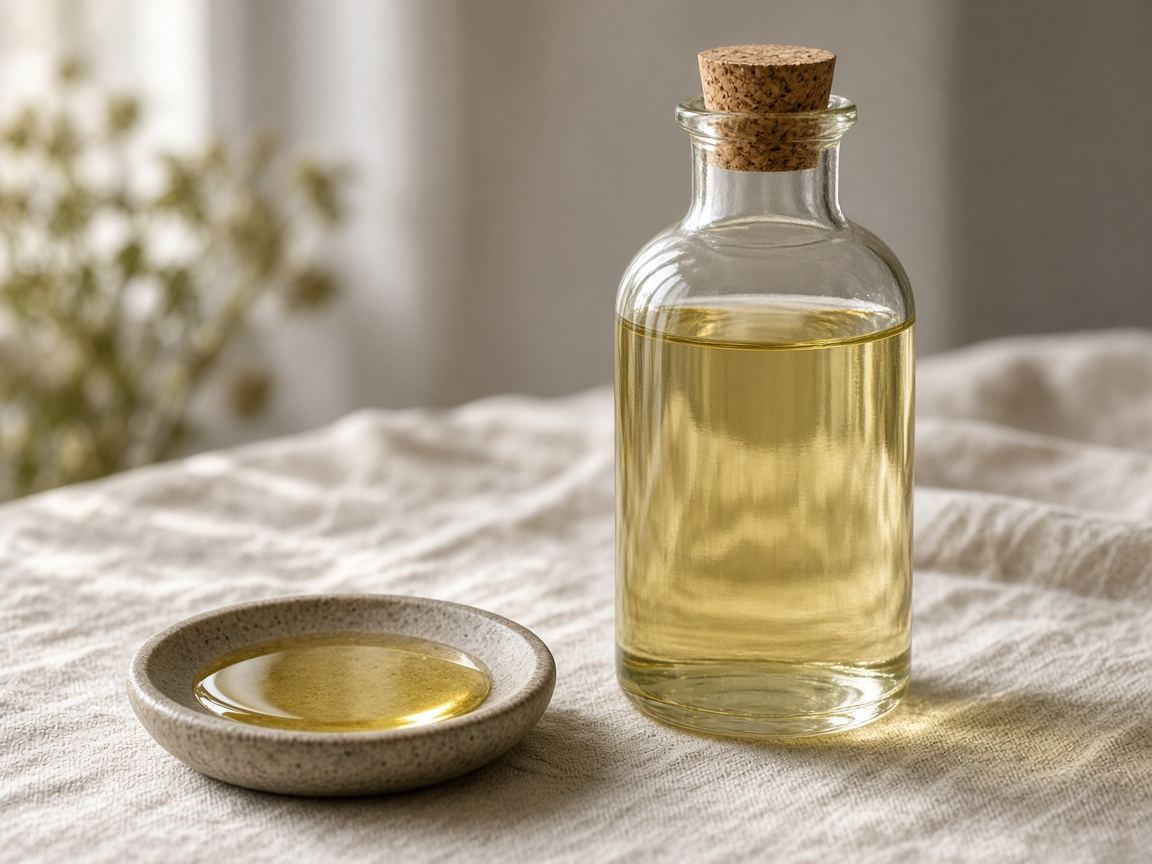
The unnamed bottle the books reach for when the fat should stay quiet: fry, coat, and get out of the spice's way.
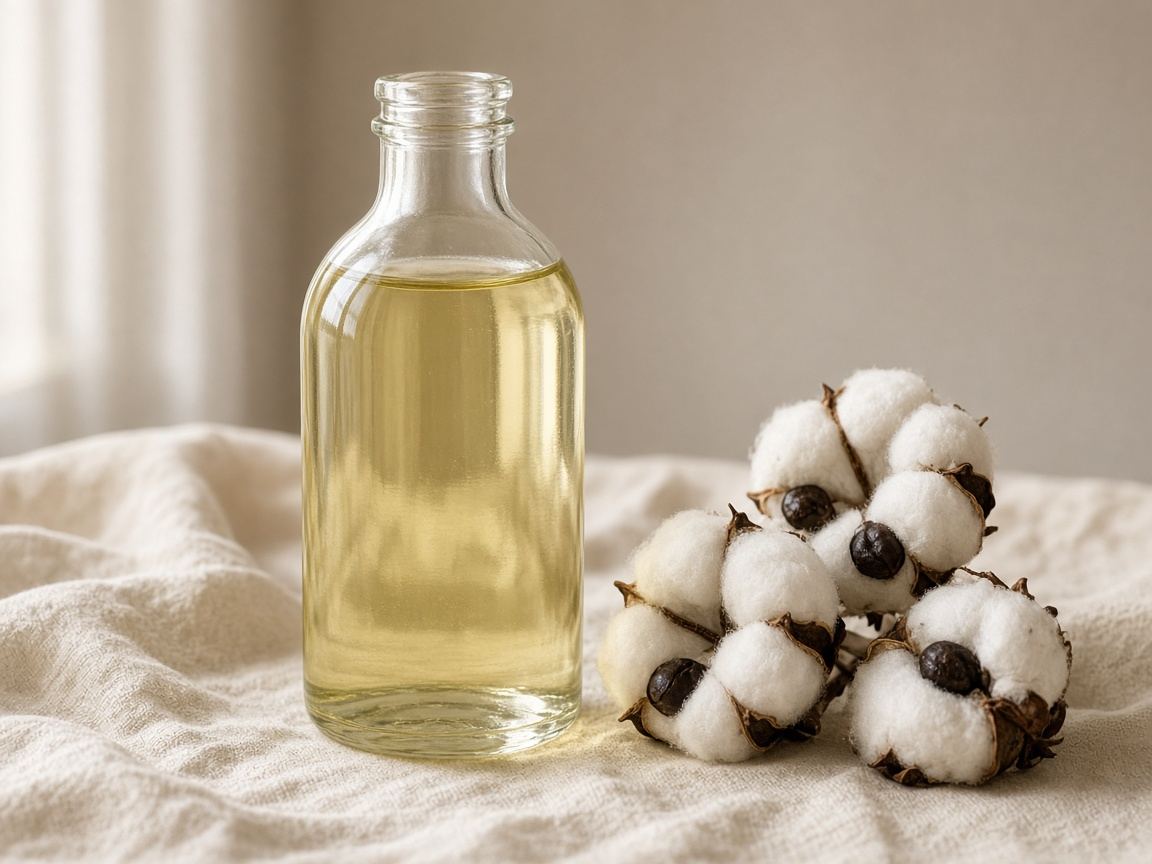
An old American fry oil the books still name in a handful of recipes.
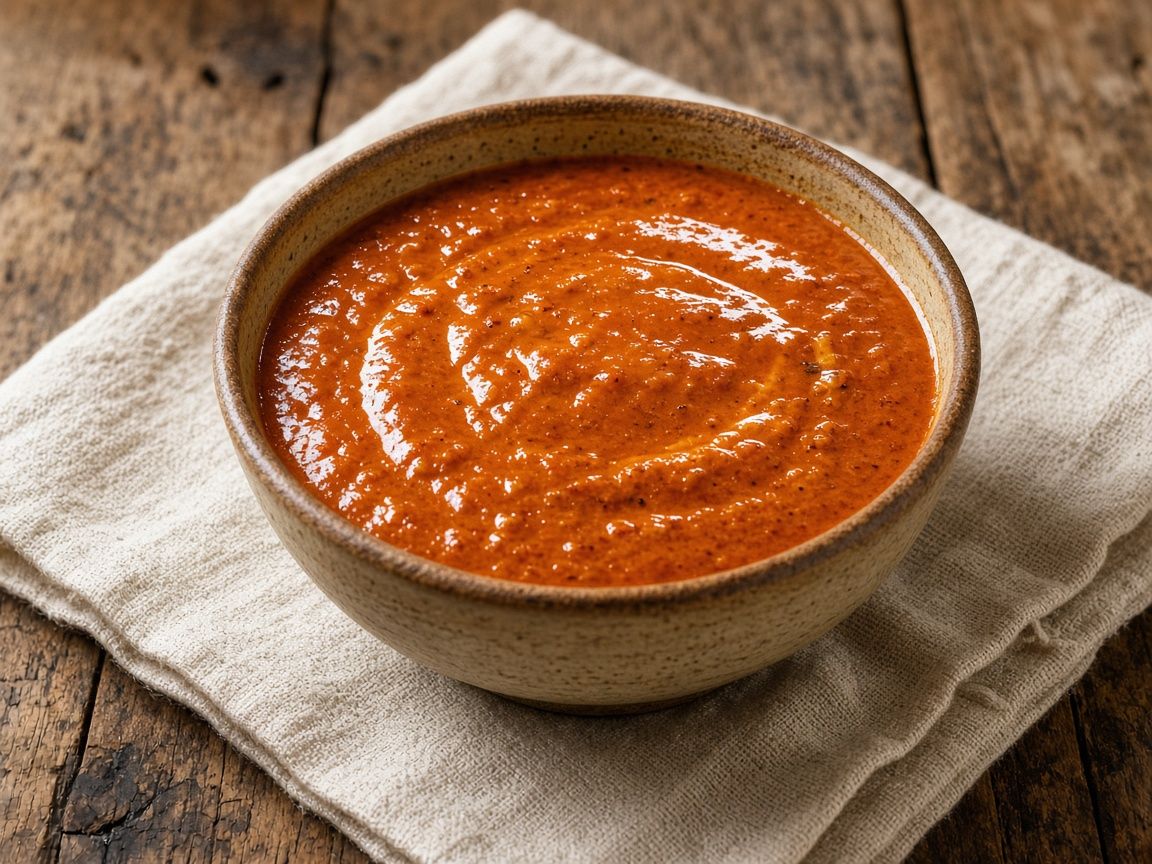
The orange-red oil that makes Bahian food taste like Bahia: dendê in moqueca, acarajé, and vatapá.
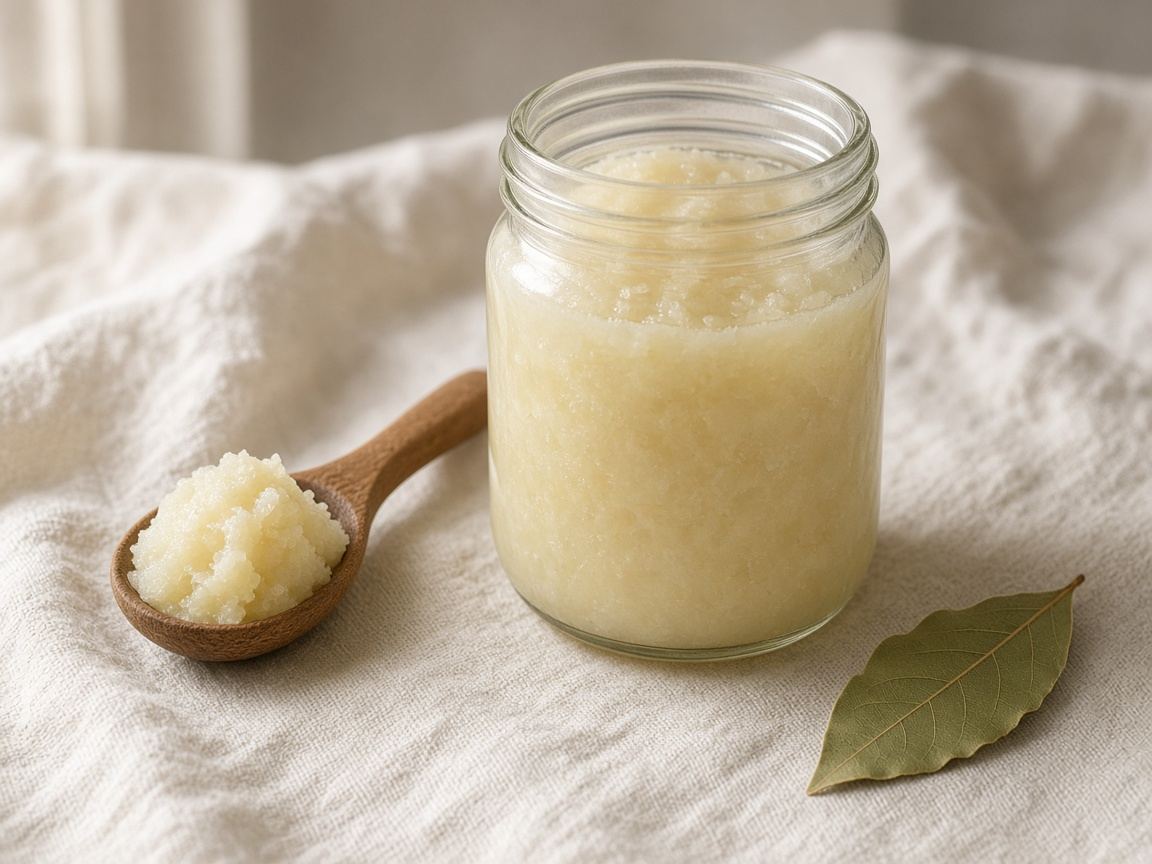
The golden fat of confit and roast potatoes — southwest France in a jar.
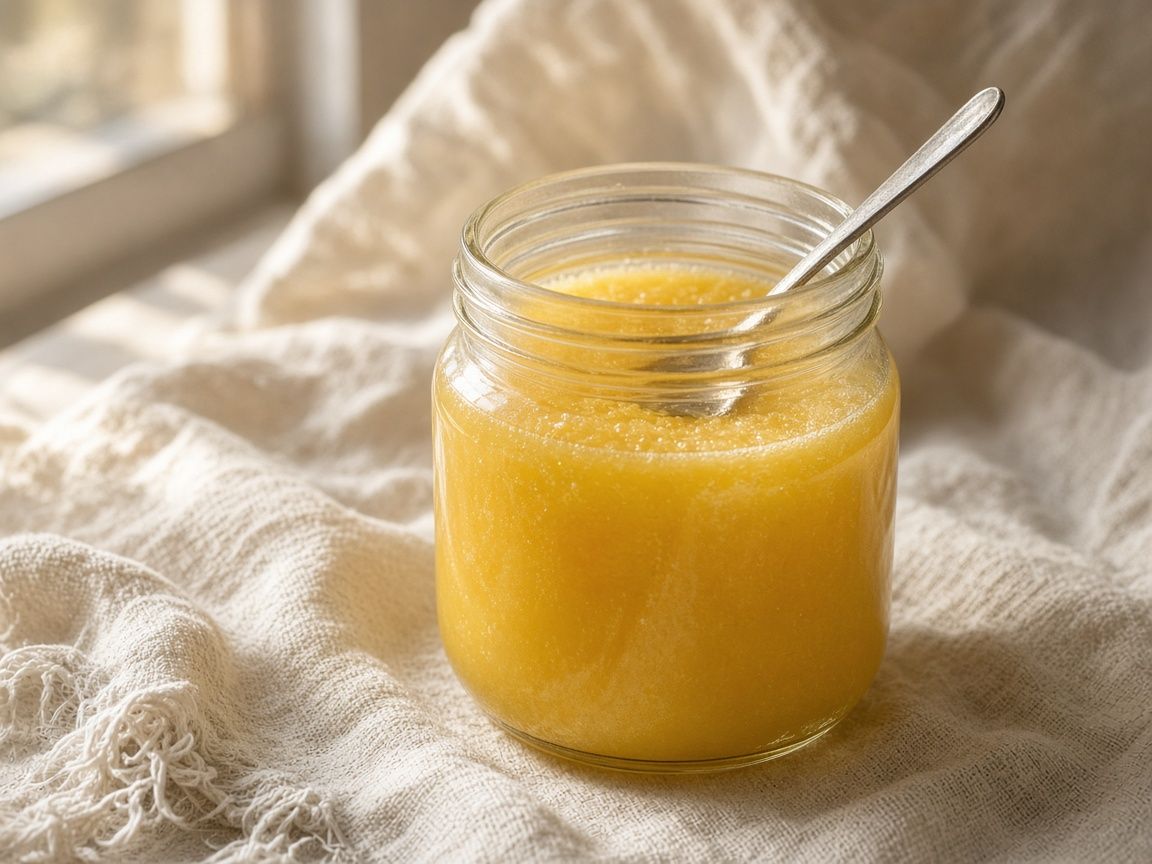
Butter that learned to live without a cellar: the gold of dals, sweets, and a ladle over rice.
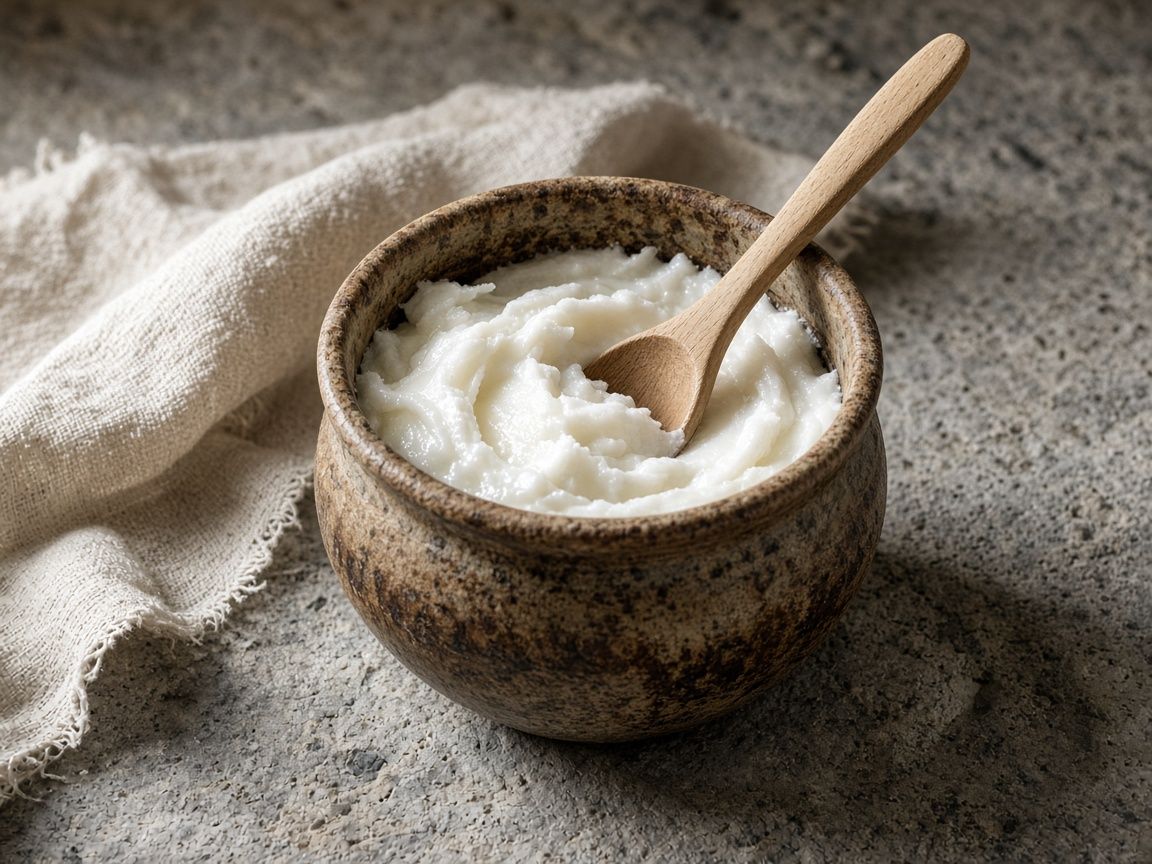
The quiet white fat of tamales, pie crusts, and refried beans — a pantry that industrial kitchens tried to shame, and home cooks never quite abandoned.
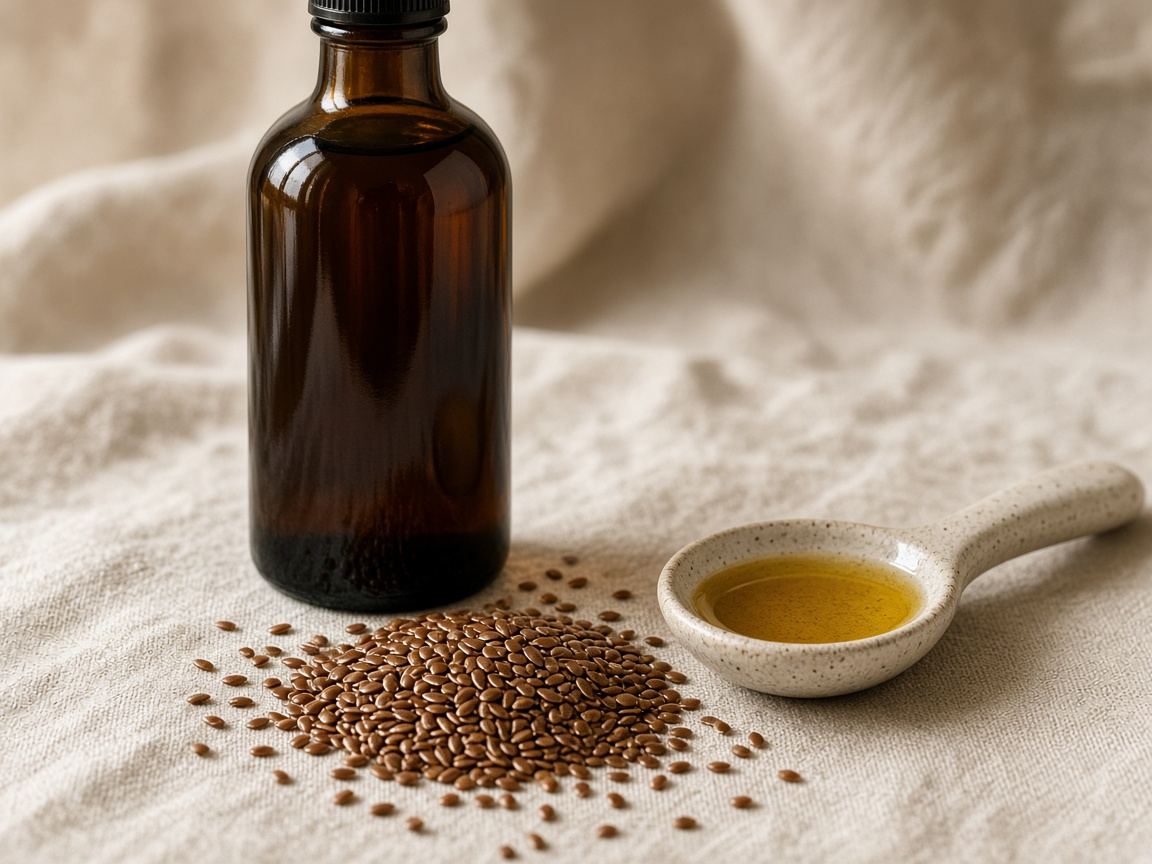
Flax oil, rare in a hot pan, present when a Central European recipe still writes it.
The instruction that means: do not let the oil speak louder than the spice.
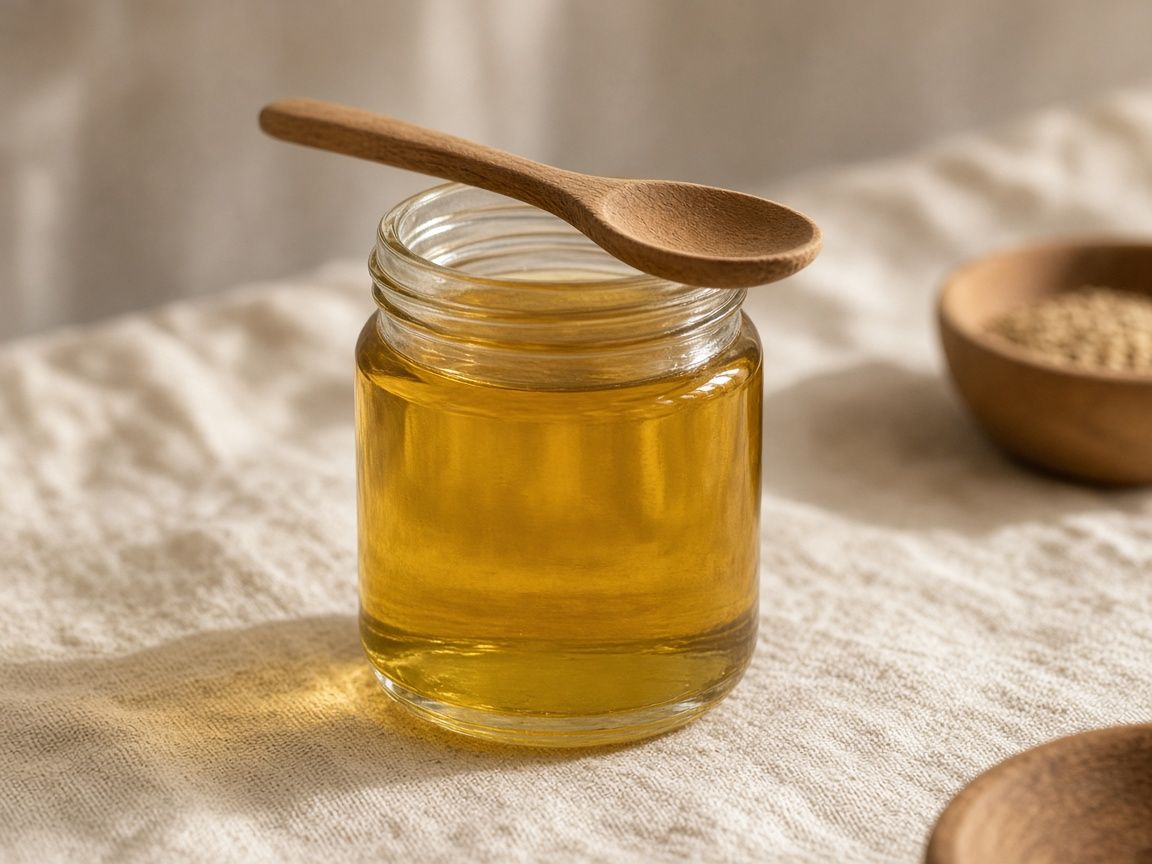
The gold of the Ethiopian pot: butter slow-cooked with spices until the kitchen smells like a feast before the stew even starts.
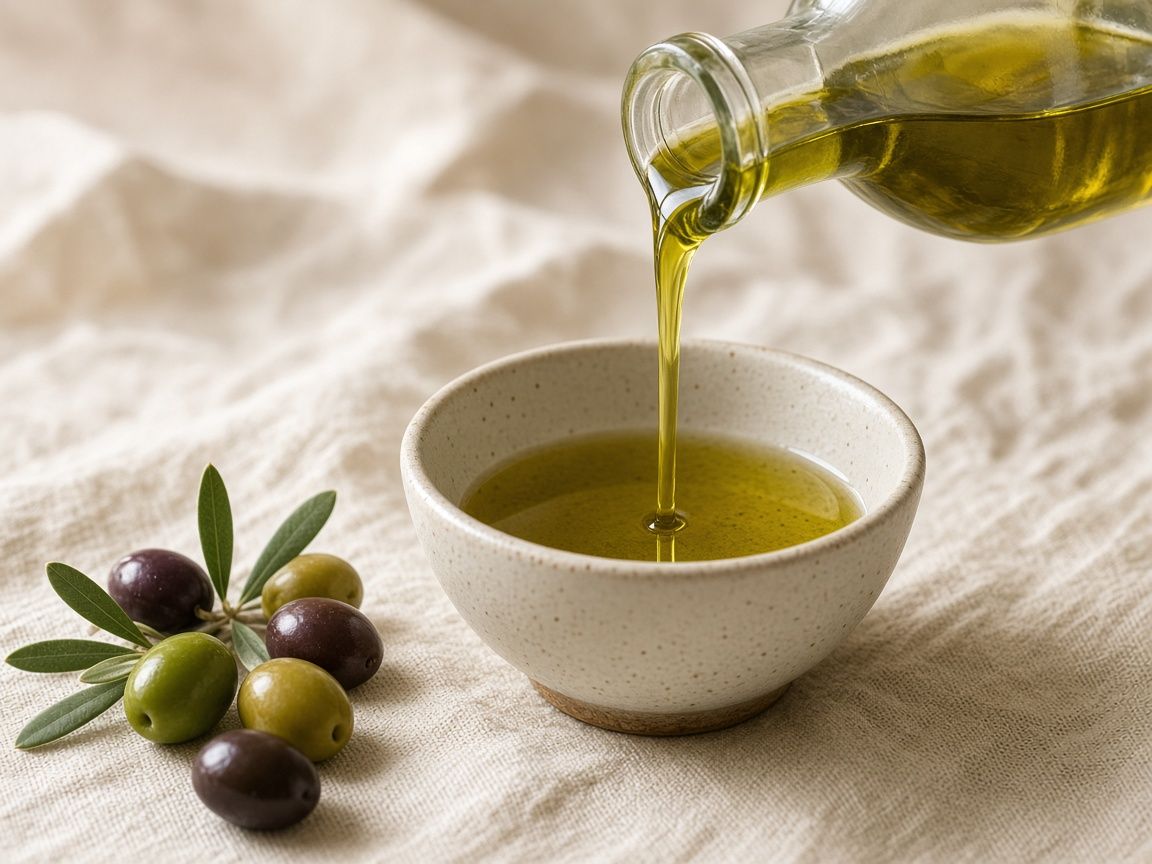
The green-gold fat of 29 kitchens in the series: a fruit juice that learned to travel, and then to stay.
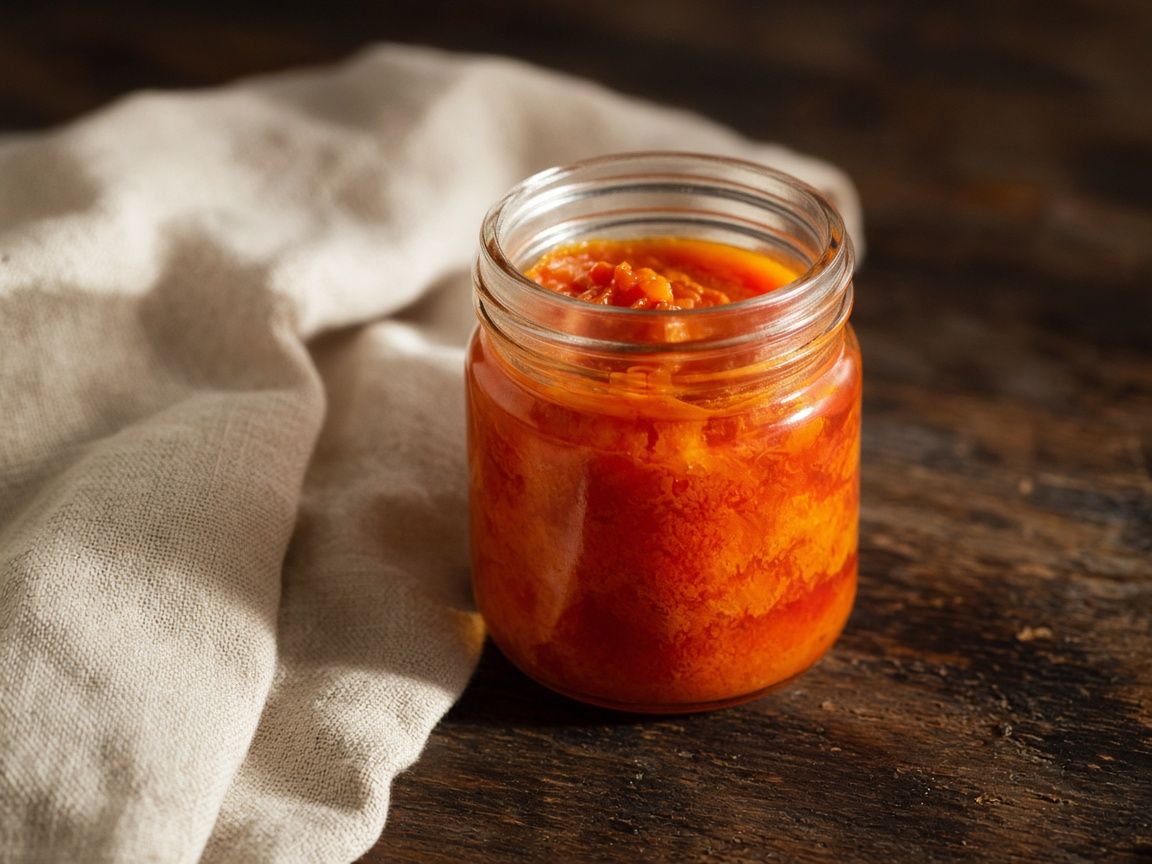
The red oil of West African stews: a palm fruit, a color, and a taste that canned tomato cannot fake.
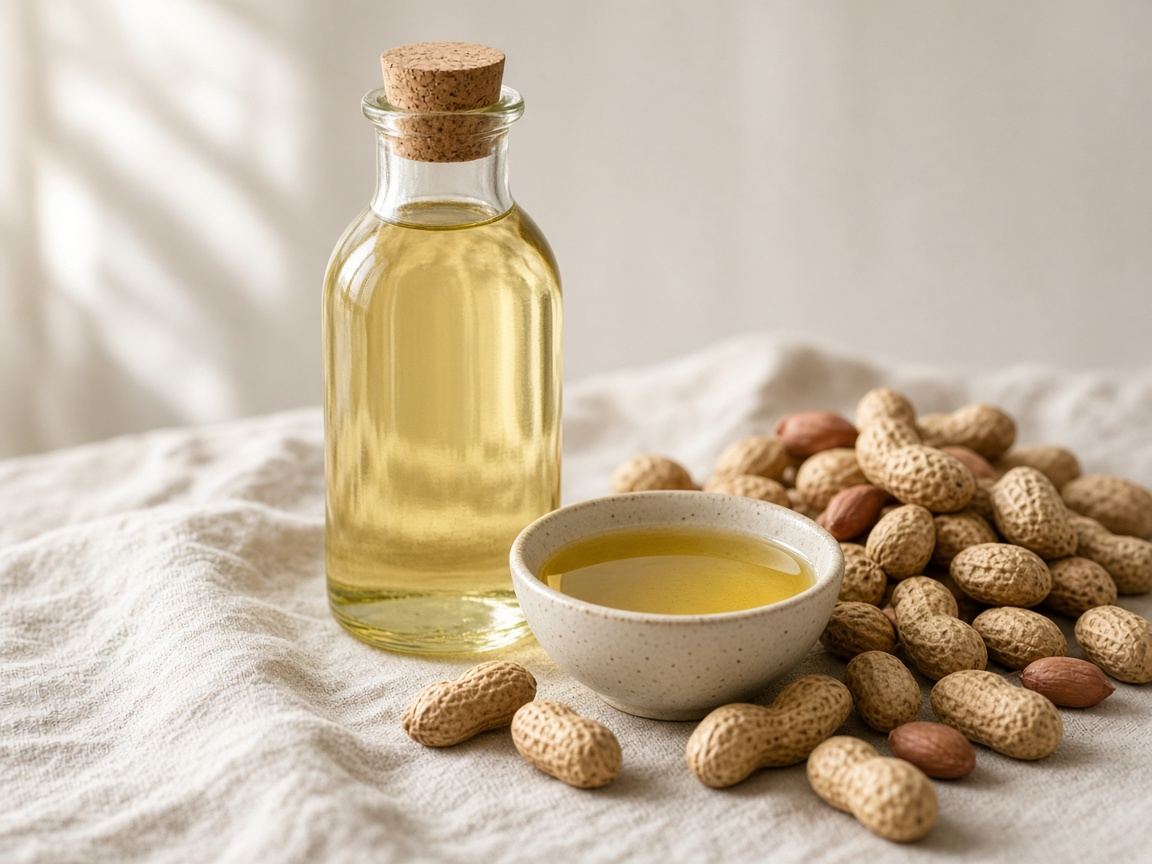
High-heat nut oil of West African and Chinese woks.
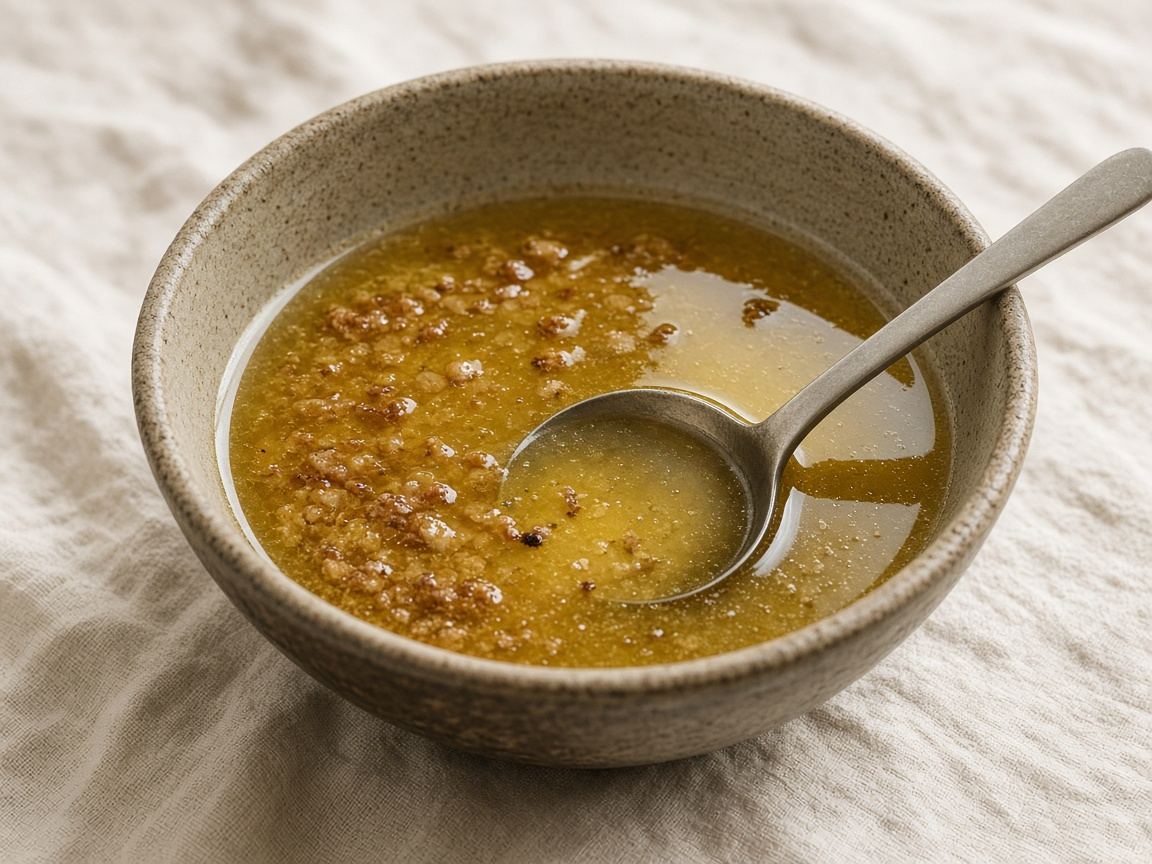
Rendered pork — dripping, lard's cousin, the shine on a Portuguese or German roast.
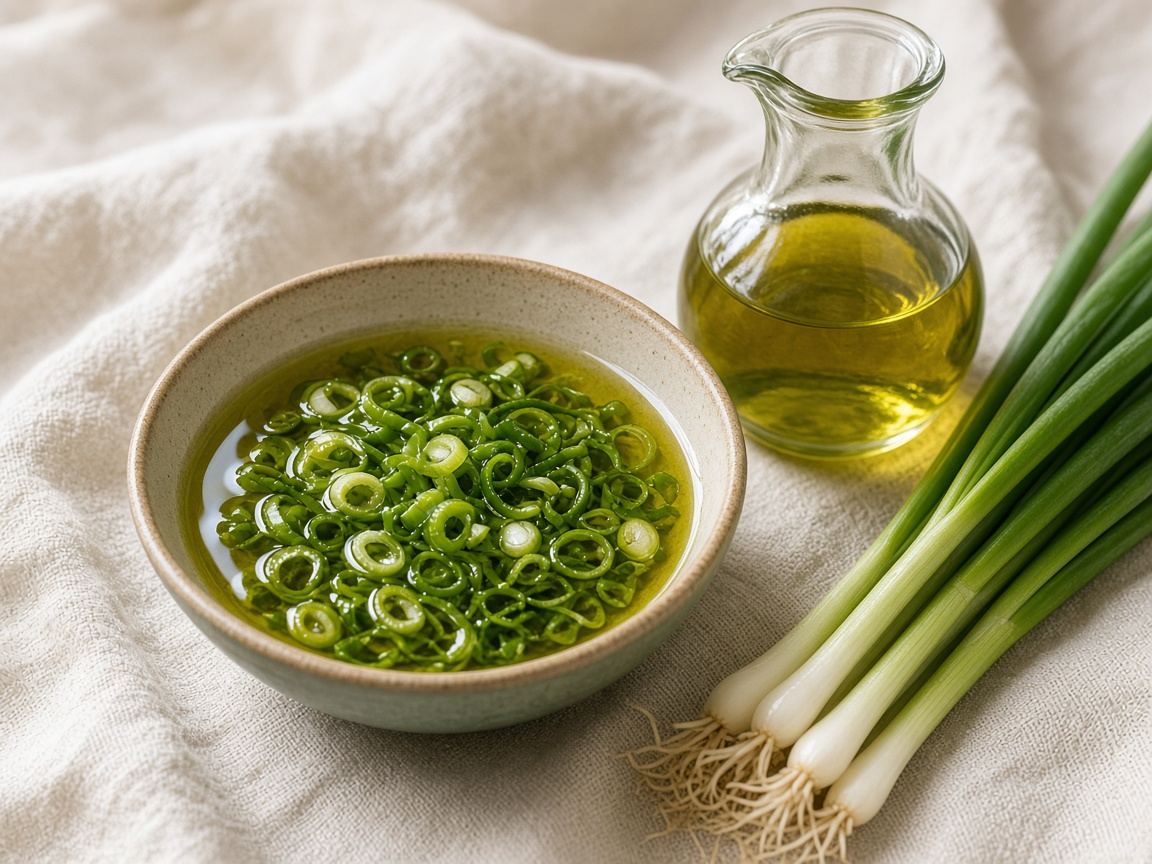
Oil poured over cut greens until they smell like a night market.
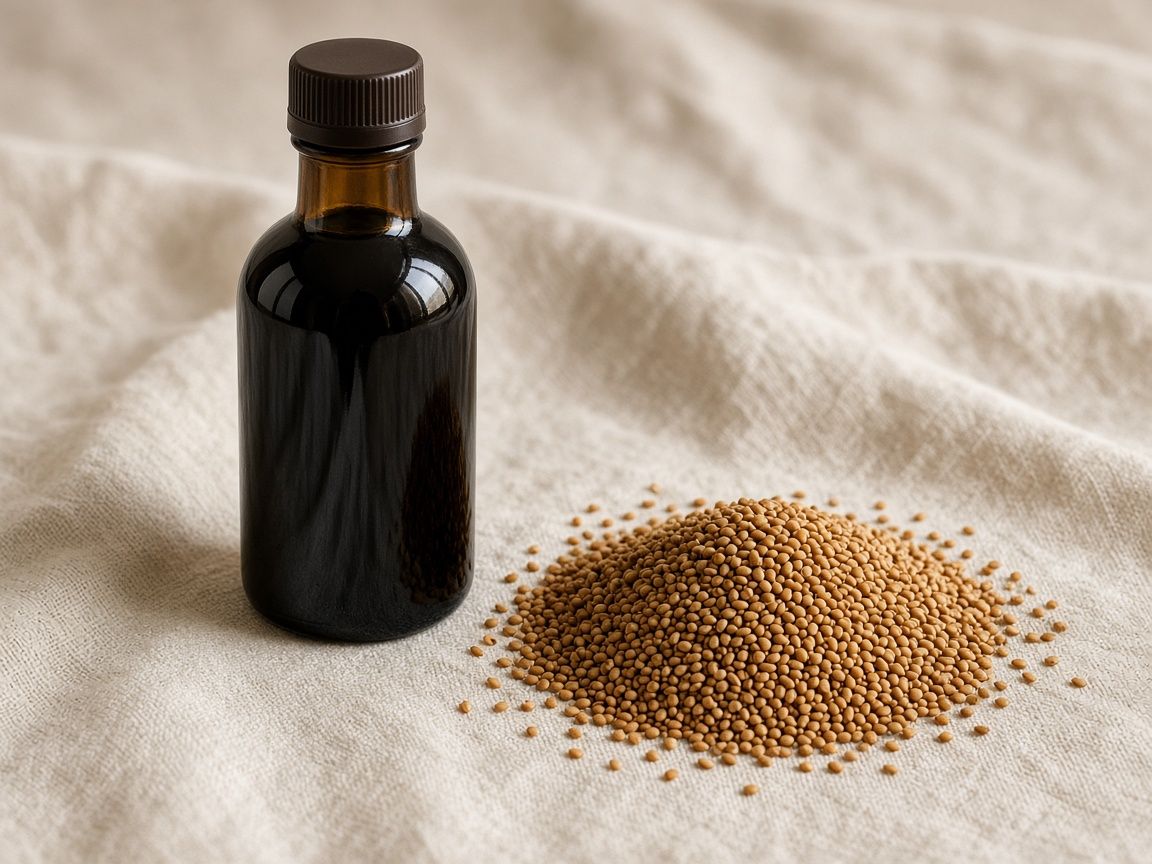
A few drops that smell like a wok has already started: the toasted oil of Chinese, Japanese, and Korean tables.
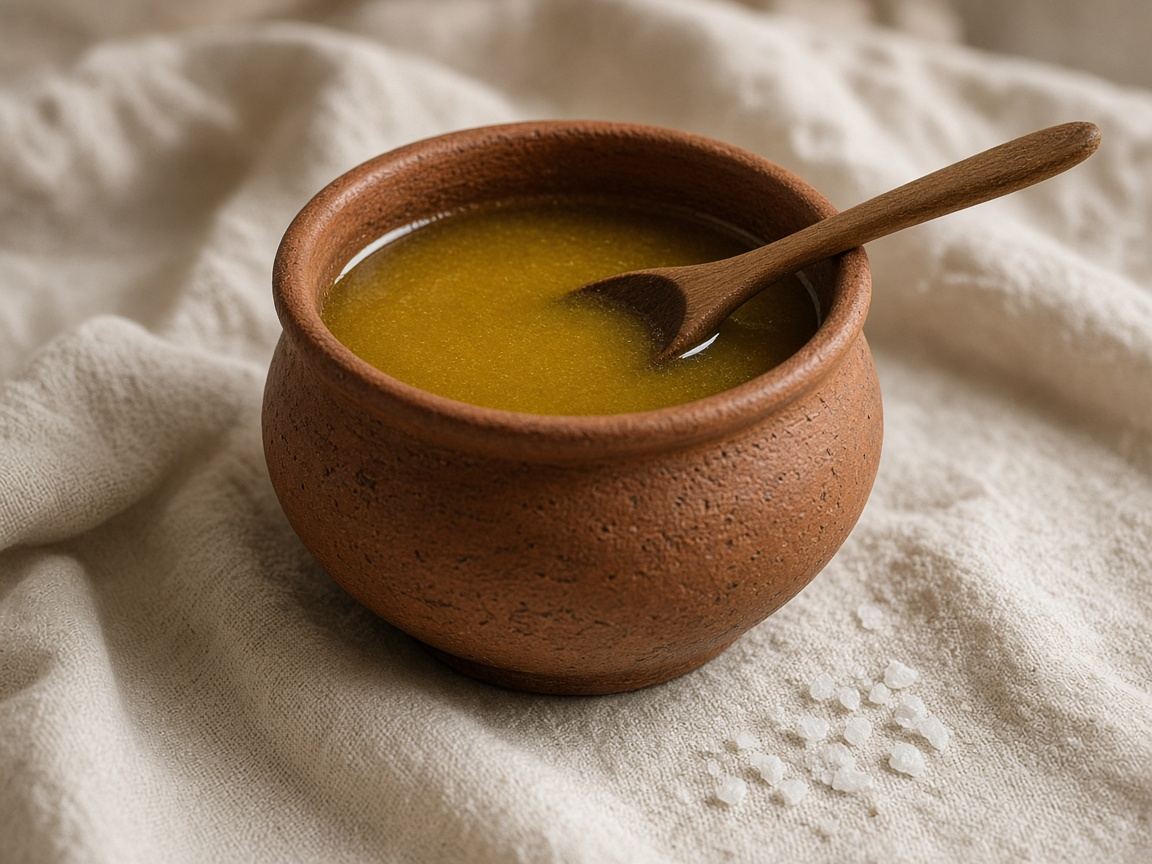
Butter that was put away on purpose: salty, tangy, and the fat a couscous still wants when the pot is almost done.
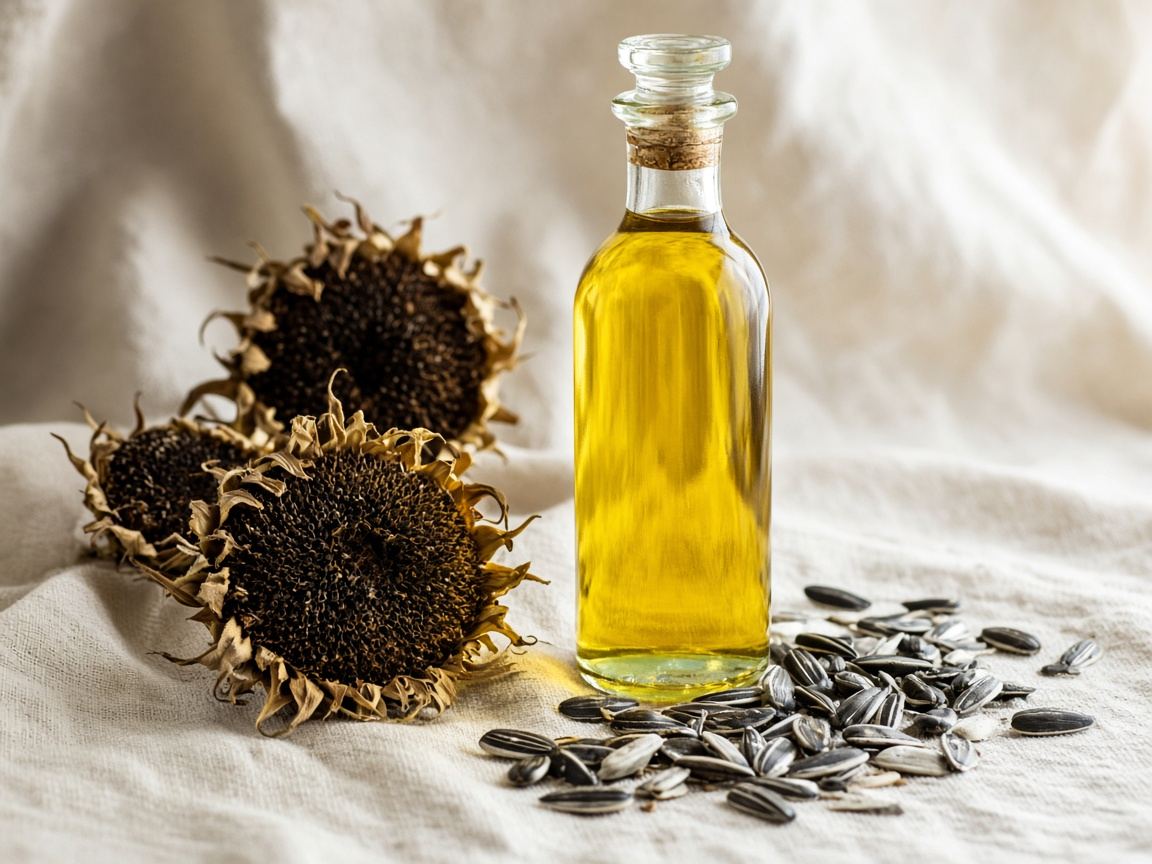
The eastern European and everyday fry oil the books reach for when olive is too loud.
The unlabeled bottle: when the recipe wants fat, not a story.