
Pantry · Oils and fats
Dendê oil
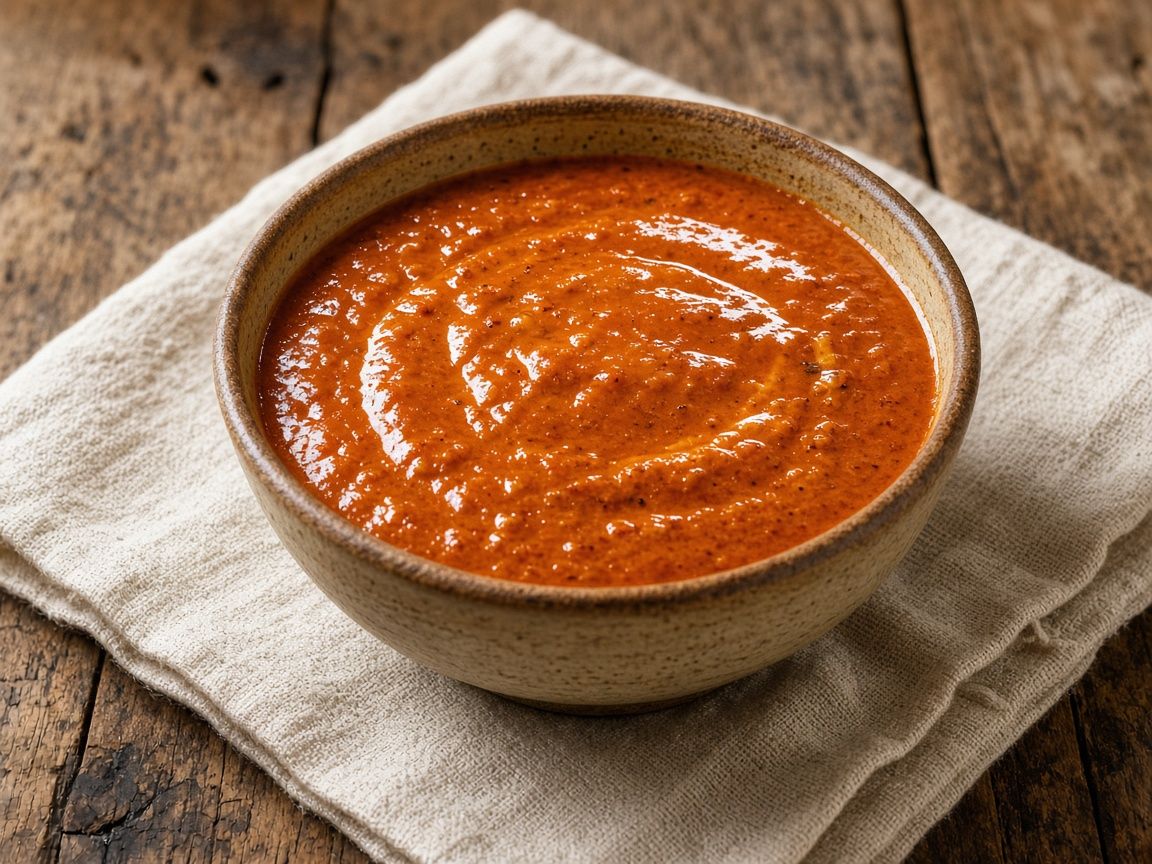
The orange-red oil that makes Bahian food taste like Bahia: dendê in moqueca, acarajé, and vatapá.
The journey
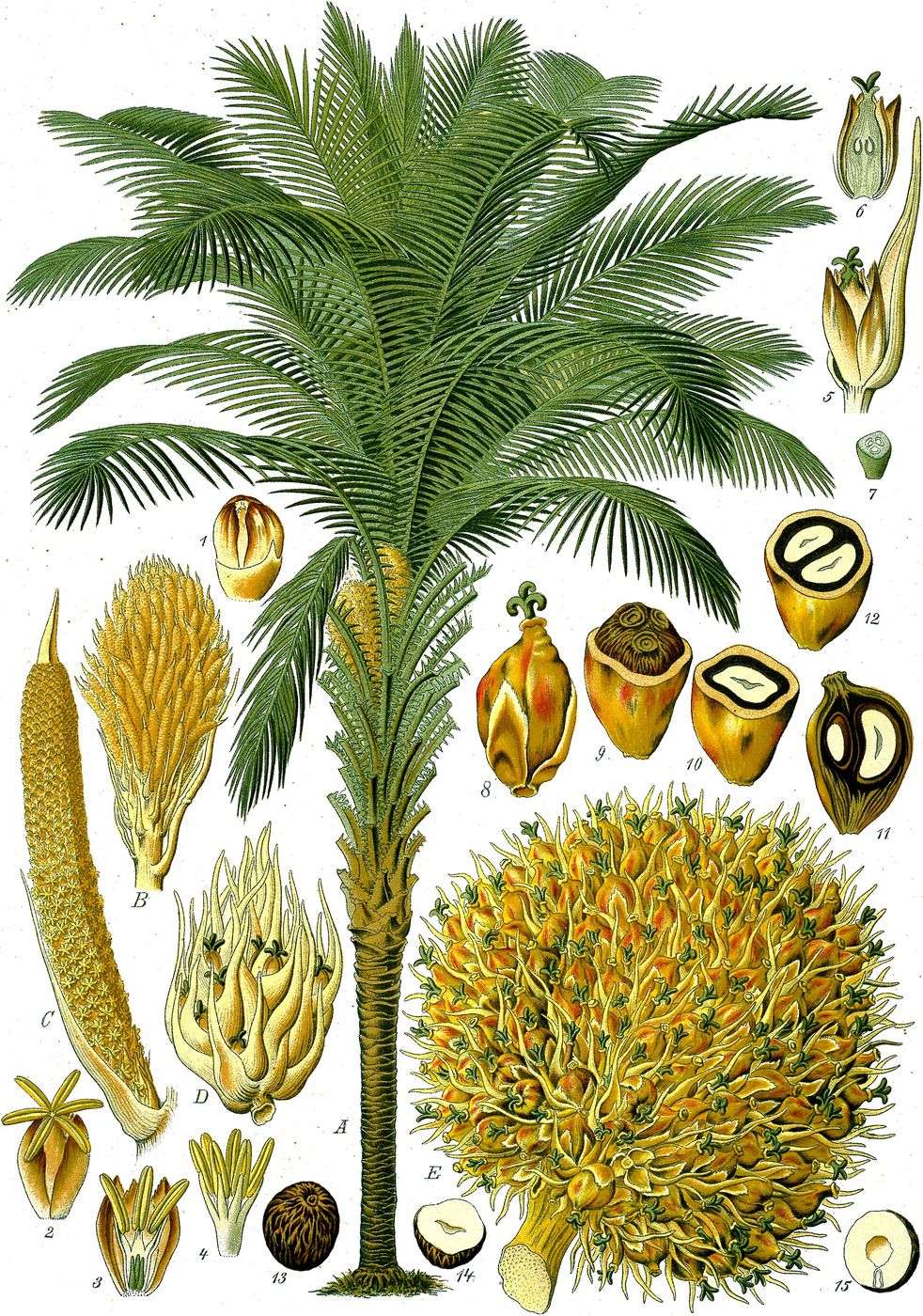
Dendê is not a Brazilian invention. It is an African palm that crossed the Atlantic with enslaved cooks and then put down roots in Bahia. The color is carotene. The flavor is earth, smoke, and something floral. Portuguese writers on the Brazilian coast already treated azeite de dendê as the marker of an Afro-Brazilian kitchen.
In our Brazilian volume it appears in six recipes and nowhere else in the series. That is a signature fat. West African red palm oil is the same species with its own page — related, not interchangeable in a Bahian stew that expects the Brazilian press.
In the kitchen
Use it late, and use less than you think. Dendê will stain a wooden spoon and a white shirt. It wants coconut milk, chile, cilantro, and seafood or dried shrimp. Heat it gently; burning it turns the perfume bitter.
If you cannot find dendê, say so. Palm oil from a West African market is the closest cousin. Olive oil is not a substitute. It is a different country.
Healers and the table
West African and Afro-Brazilian home medicine used red palm oil as a fortifying fat and as a rub. The kitchen ladle is the use we keep.
Dendê in moqueca is cooking. It is not a vitamin by the cup.
Traditional uses are part of the story of this spice. They are not medical advice.