
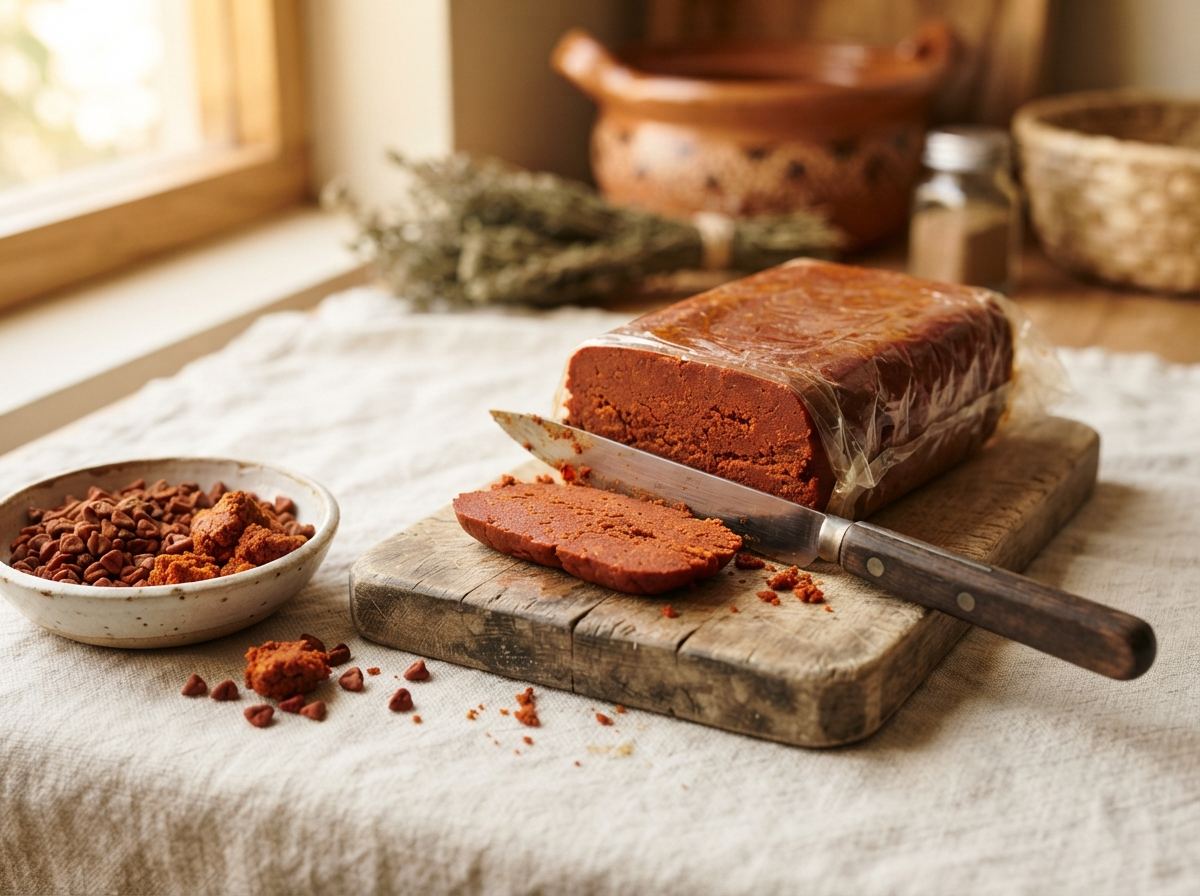
Achiote paste
Annatto ground with sour orange and spice — the red that makes Yucatán cochinita look like itself.
Pantry · Special mixes
The special mixes named across the 30 International Cuisines books.
Annatto ground with sour orange and spice — the red that makes Yucatán cochinita look like itself.
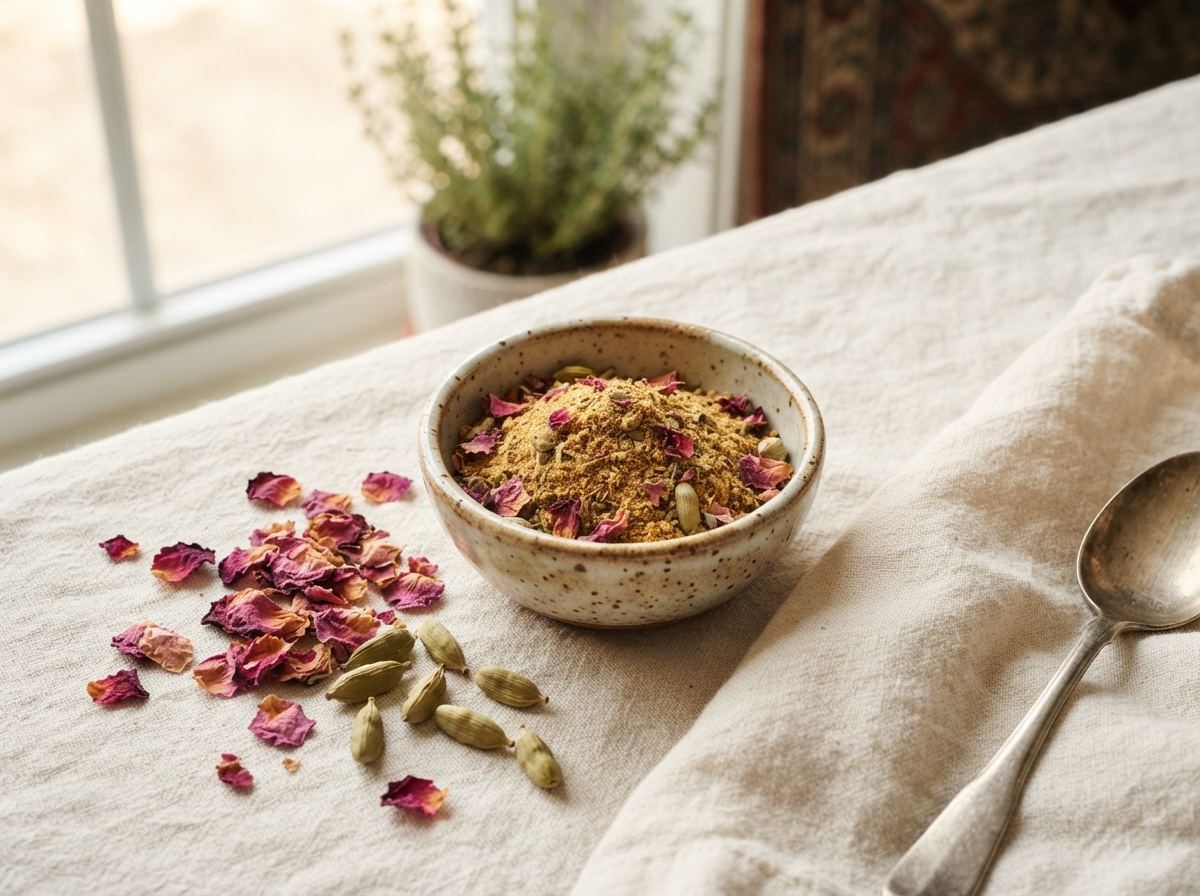
Persian warmth with a rose in it — the rice-and-stew perfume of an Iranian kitchen.
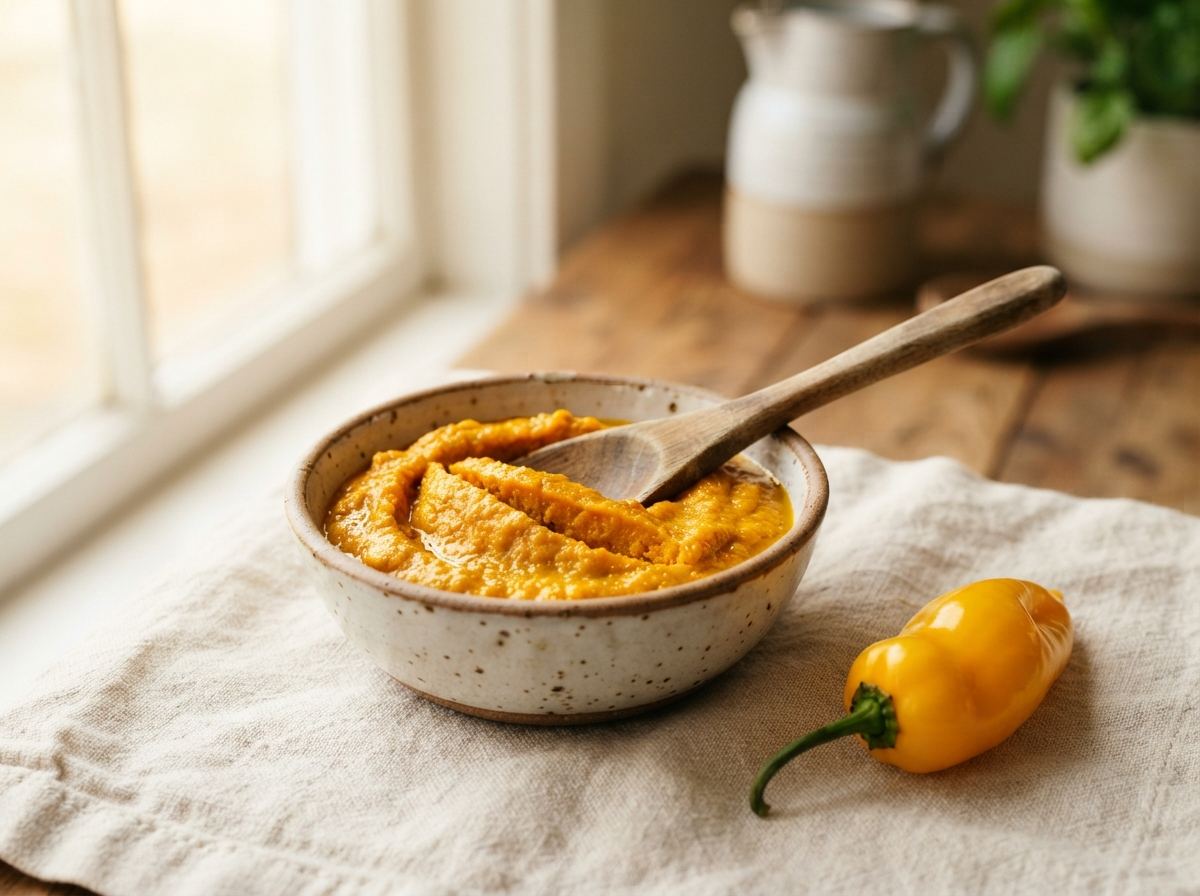
The frozen or jarred sunshine of Peruvian sauces — fruit and medium heat.
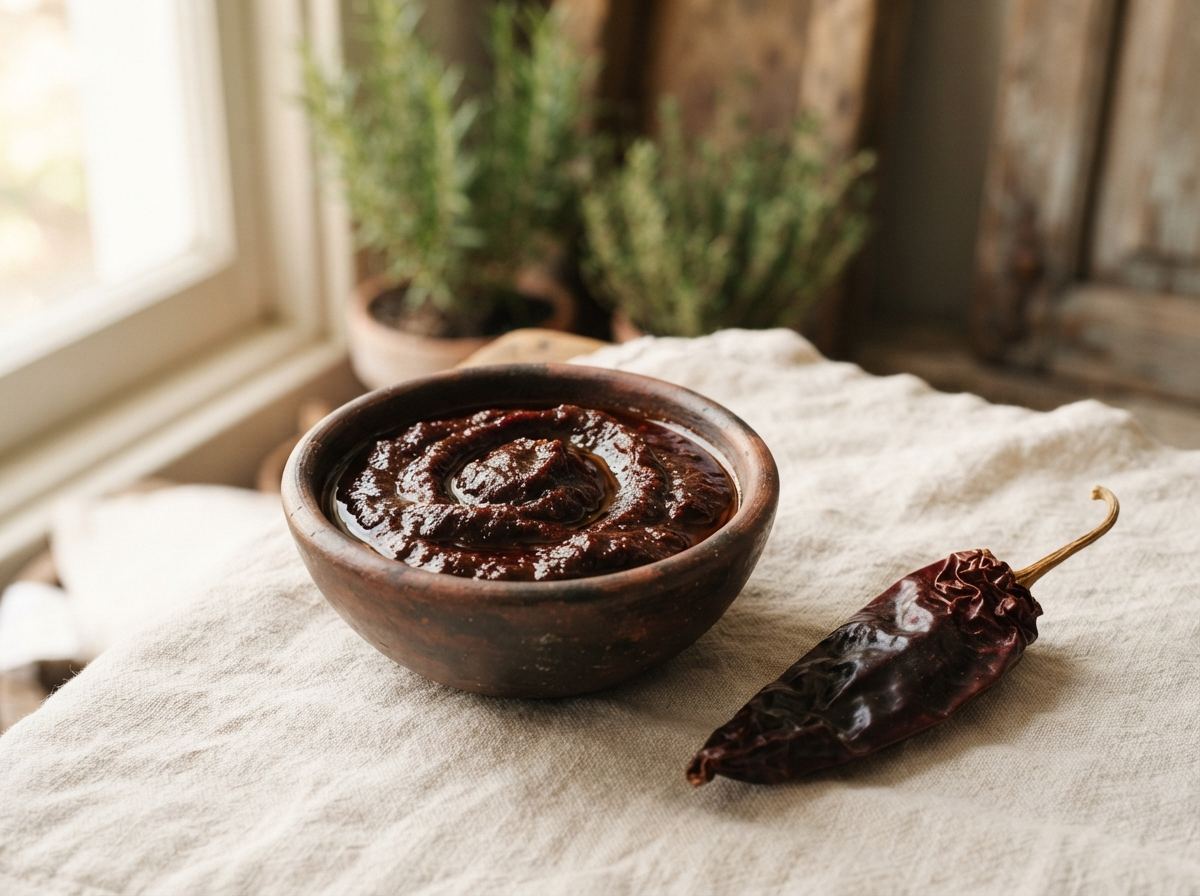
Dark Peruvian chile paste for adobo, anticucho, and a quieter pot.
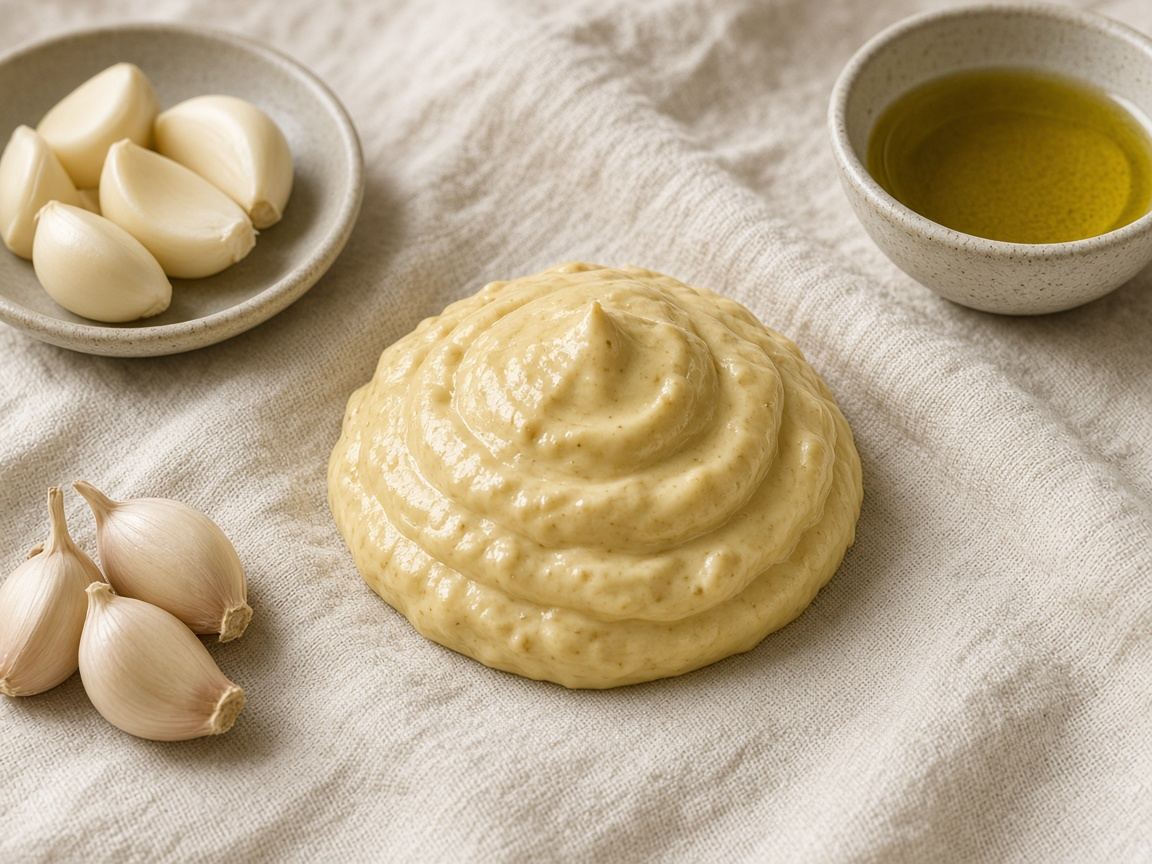
Catalan garlic and oil, pounded until it stands — mayonnaise is a cousin, not the same.
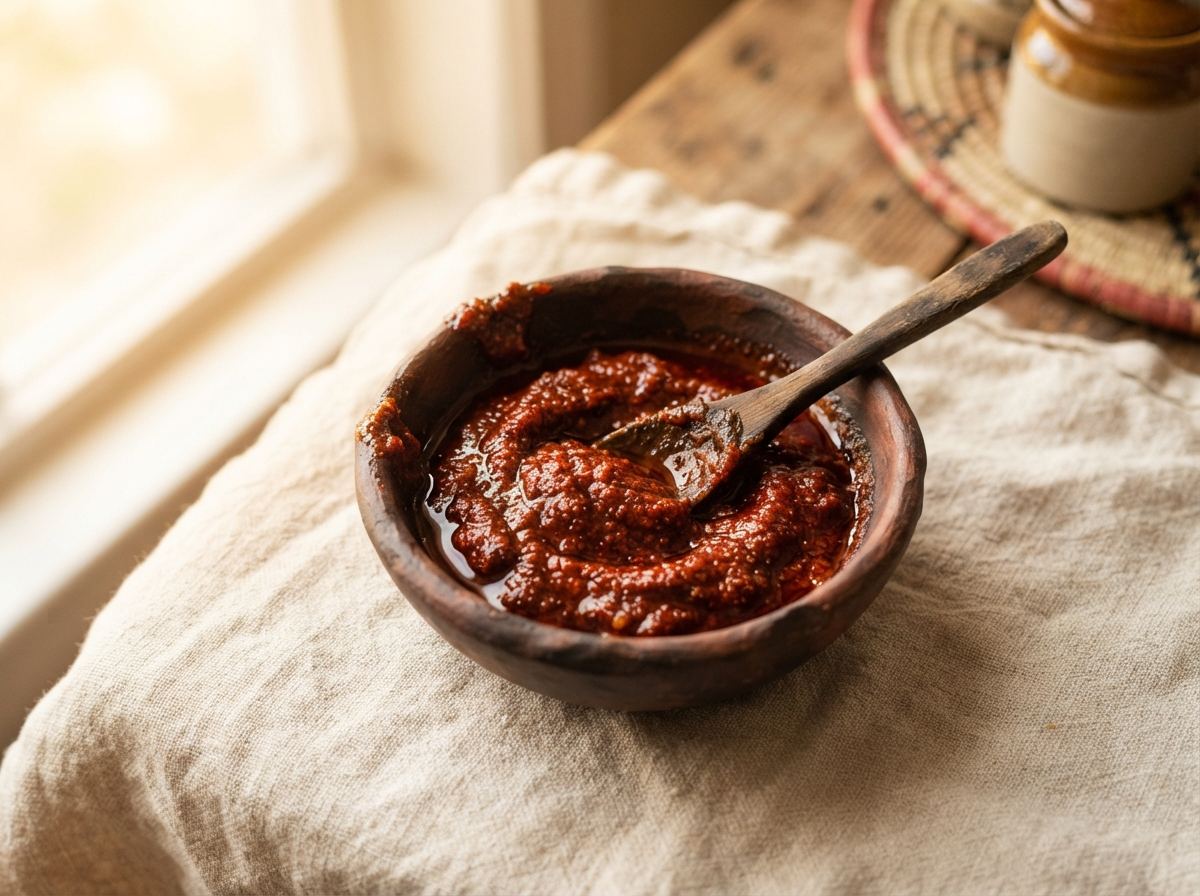
Berbere made wet: the Ethiopian table sauce you smear on meat, bread, and the day.
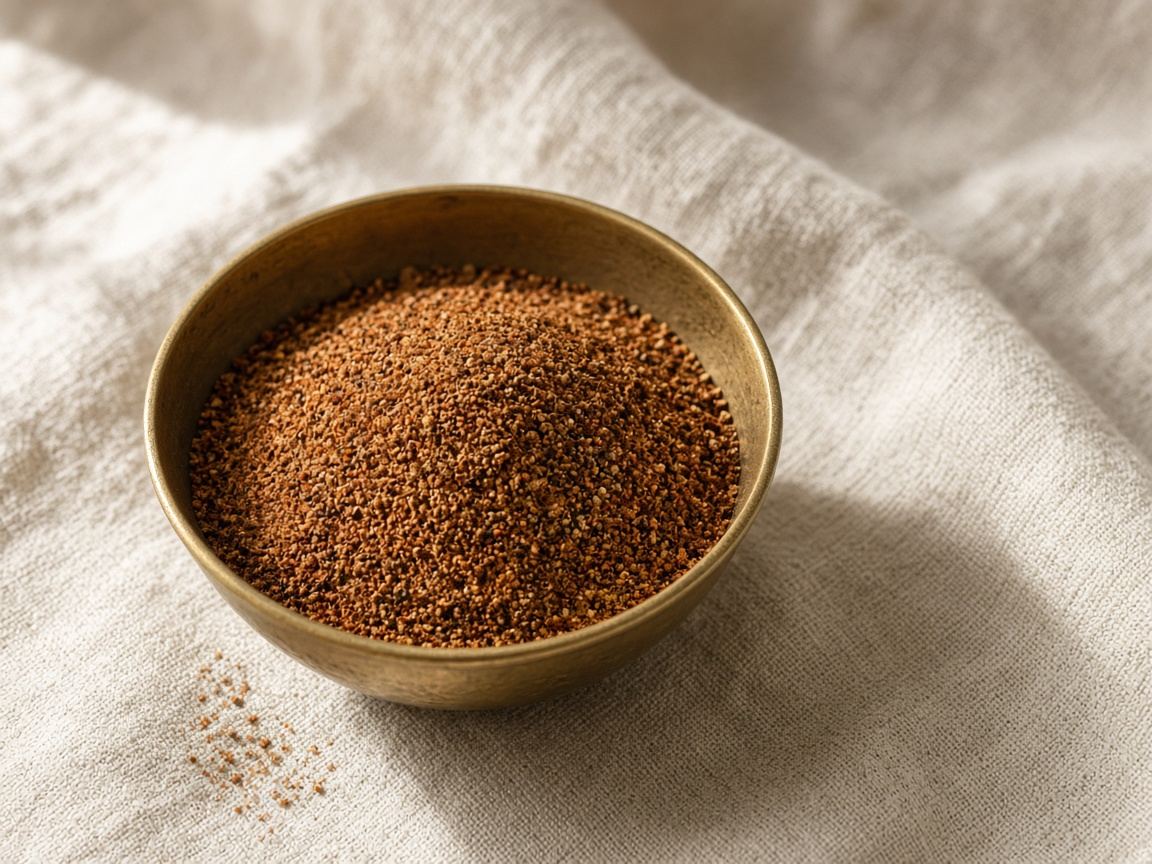
The everyday warm dust of a Lebanese pot: meat, rice, and a tomato stew that should taste like a house, not a single jar.
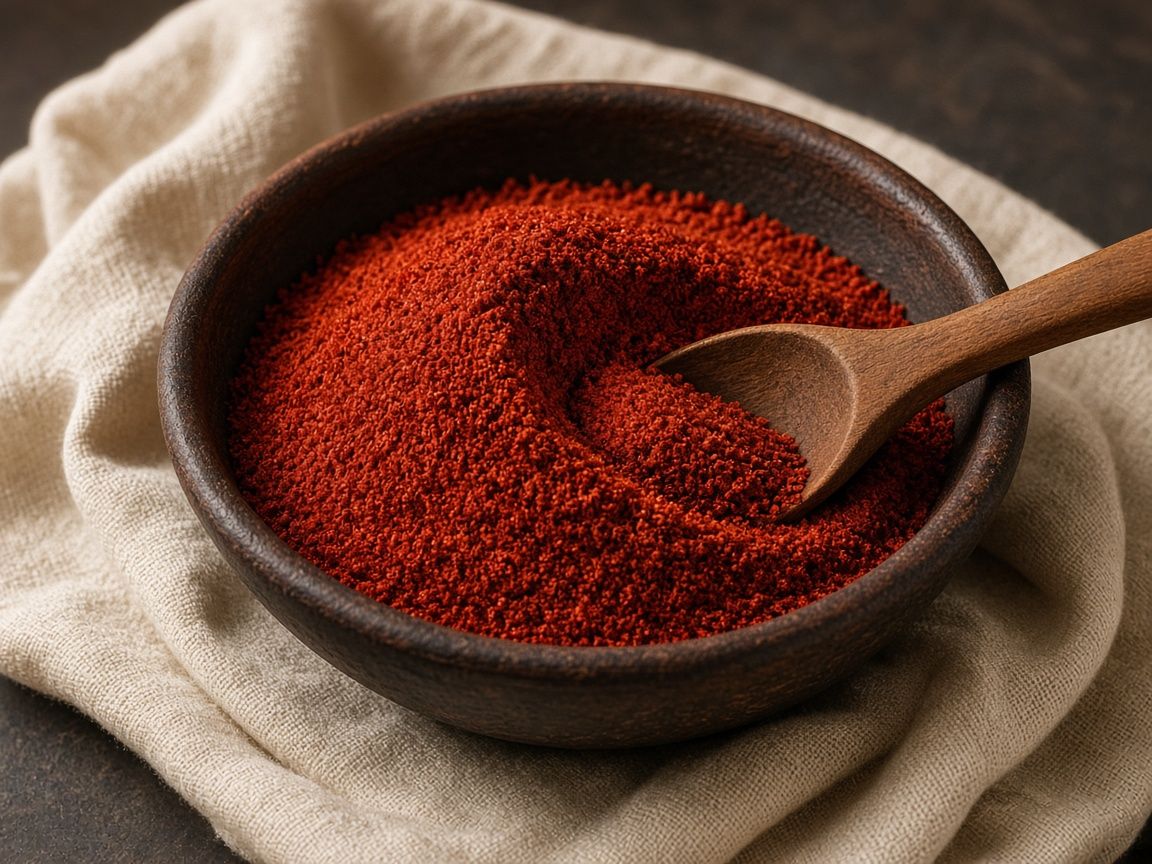
The red dust of the Ethiopian kitchen: chile heat, fenugreek, and the perfume that tells you doro wat is on the fire.
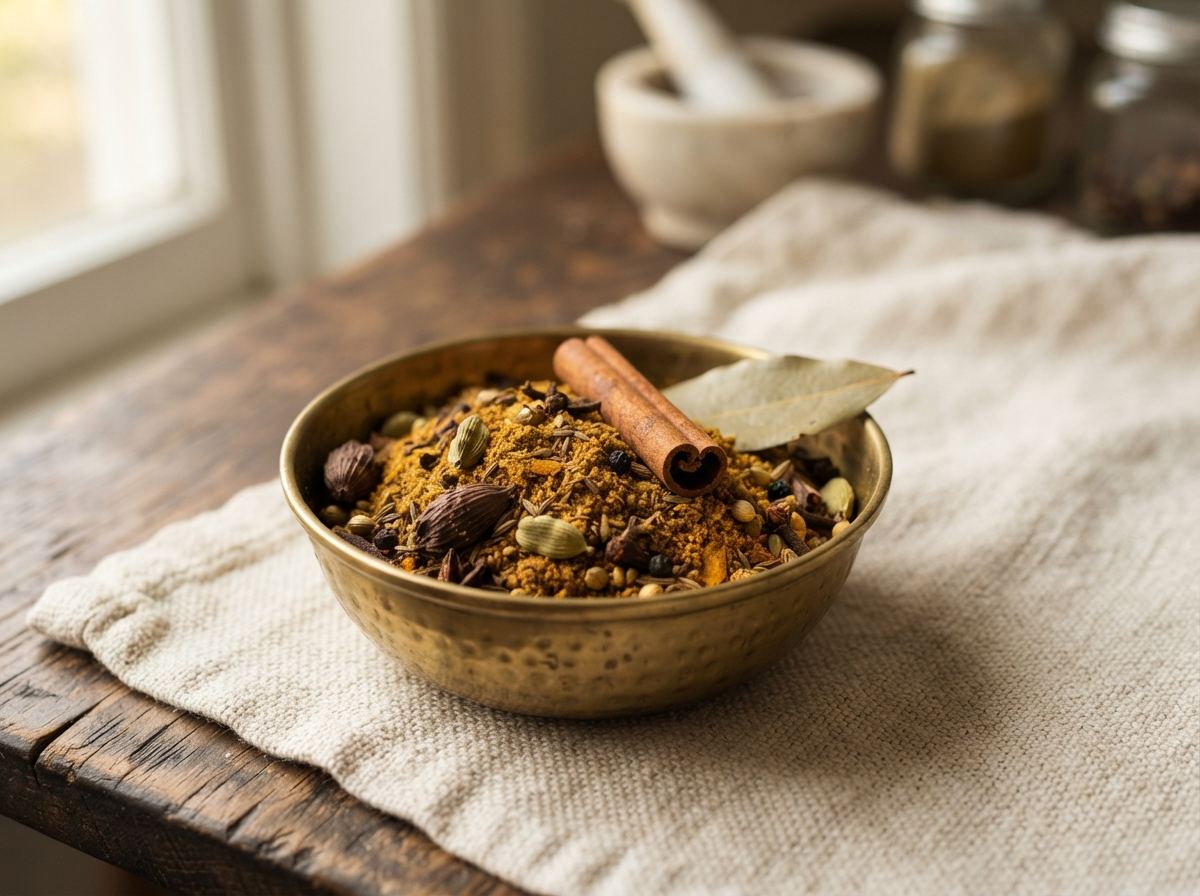
The whole-spice blend that makes a pot of rice smell like a celebration.
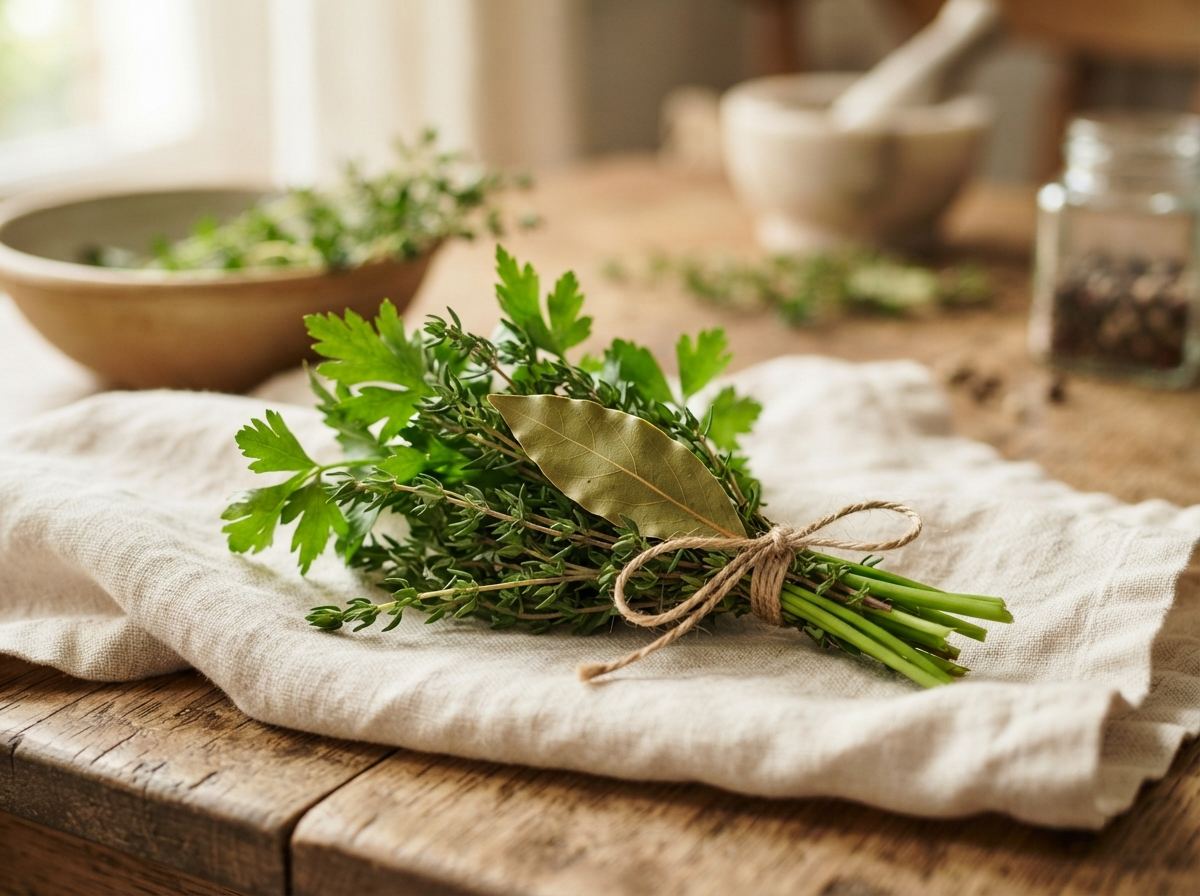
A tied bunch that flavors a pot and then leaves — thyme, bay, and parsley on a string.
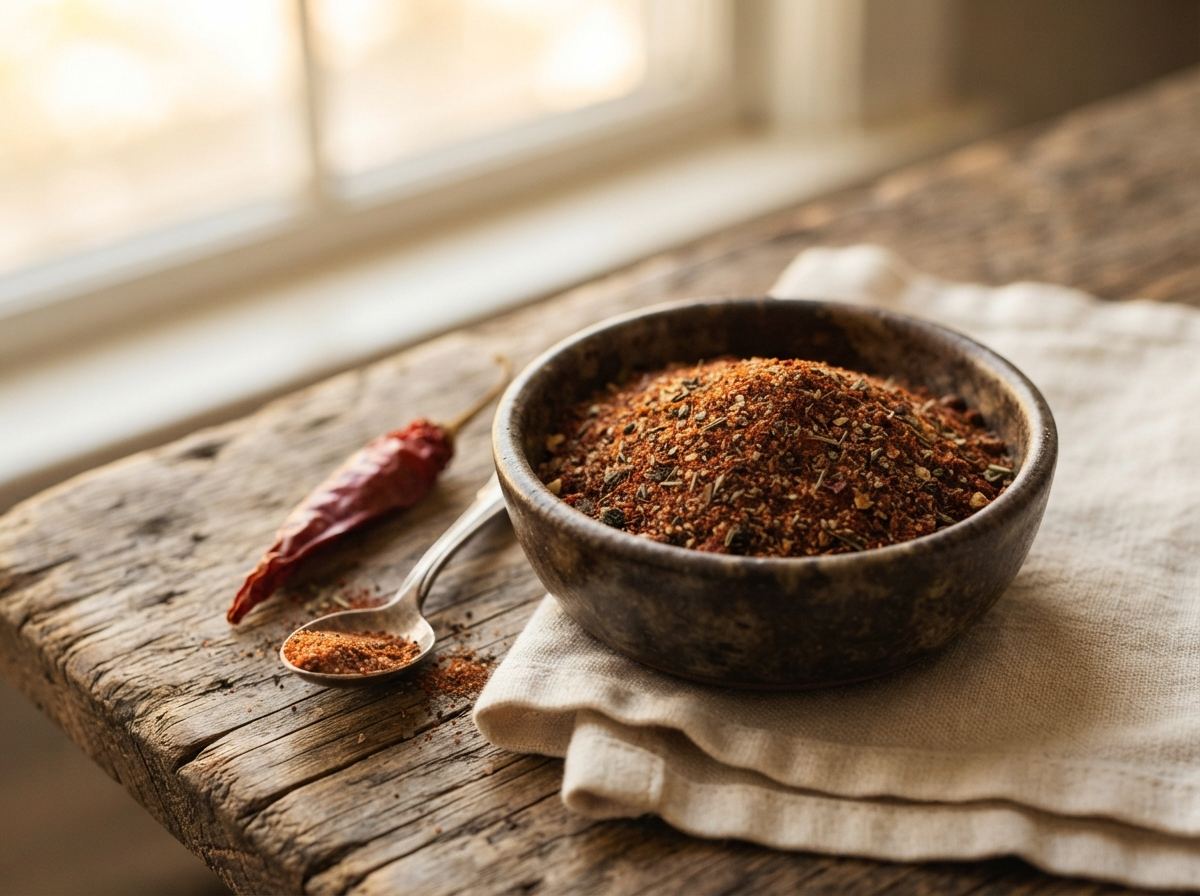
Louisiana heat for a black-iron pan: paprika, cayenne, garlic, and the holy trinity waiting.
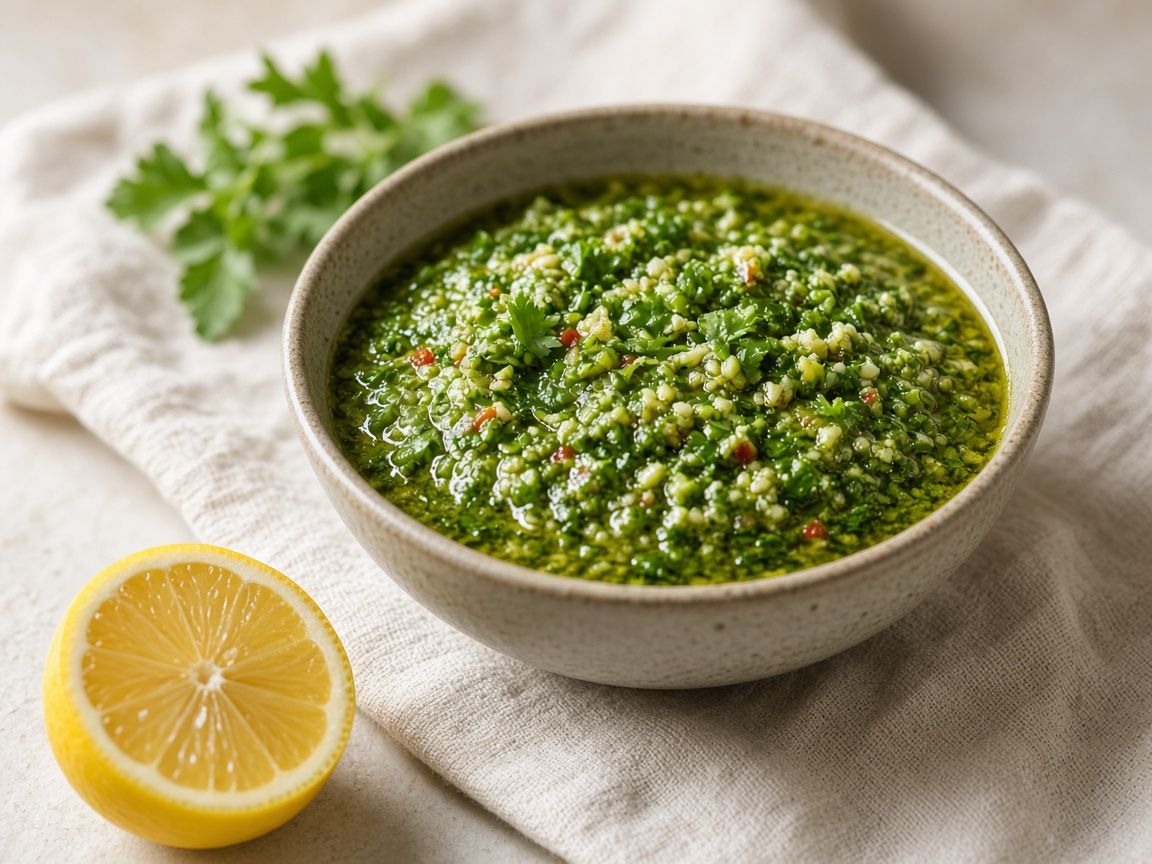
The green paste that makes fish taste like the Atlantic coast: herbs, cumin, and lemon mashed together with the palm of the hand.
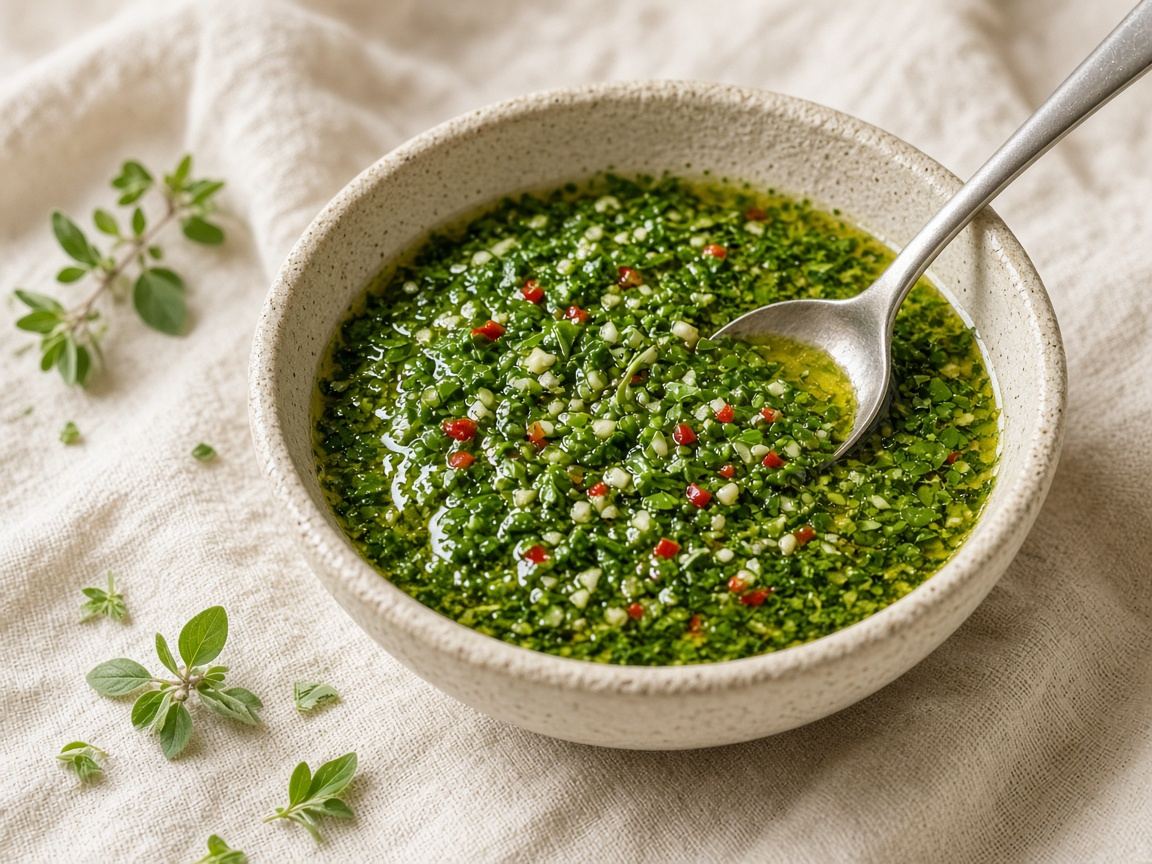
Argentine green sauce: parsley, oregano, garlic, vinegar, and oil — the steak's other half.
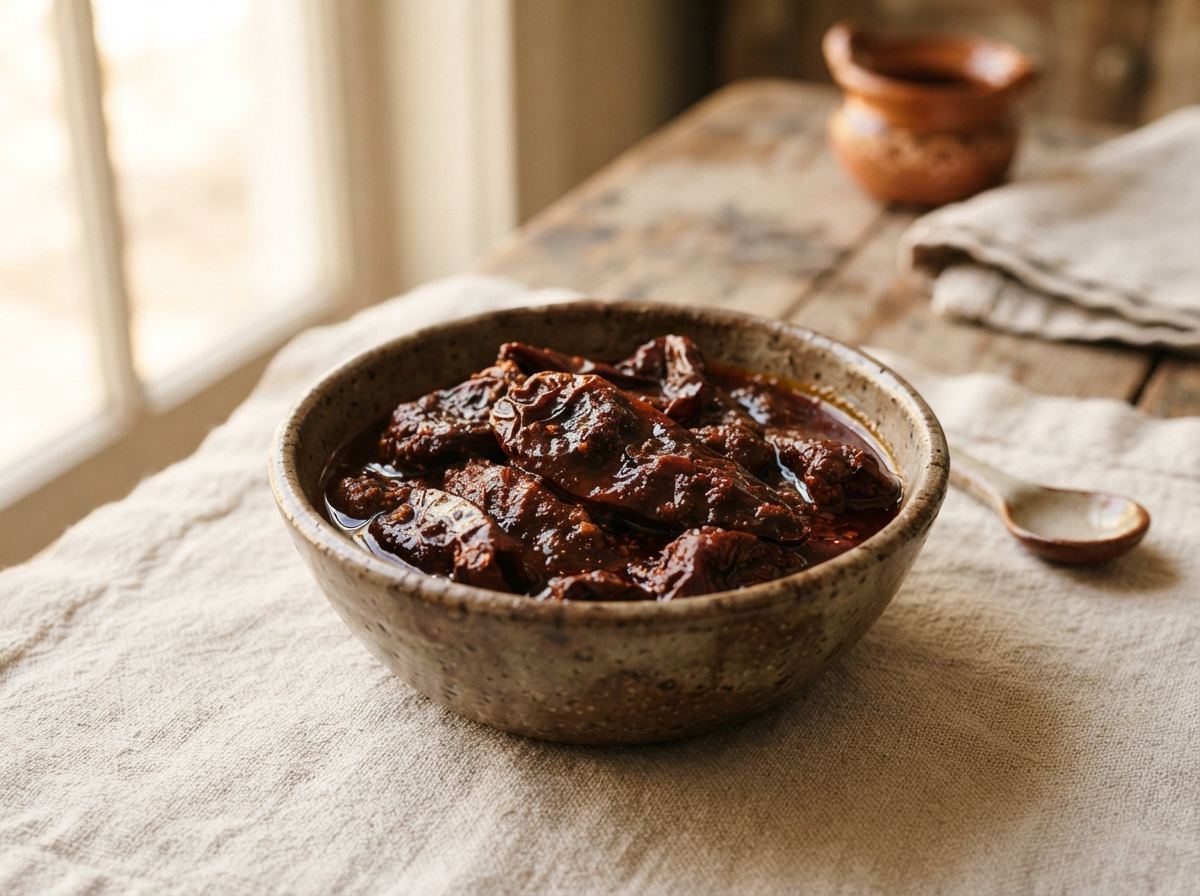
Smoked jalapeños swimming in a tomato-vinegar sauce — Mexico in a can the books trust.
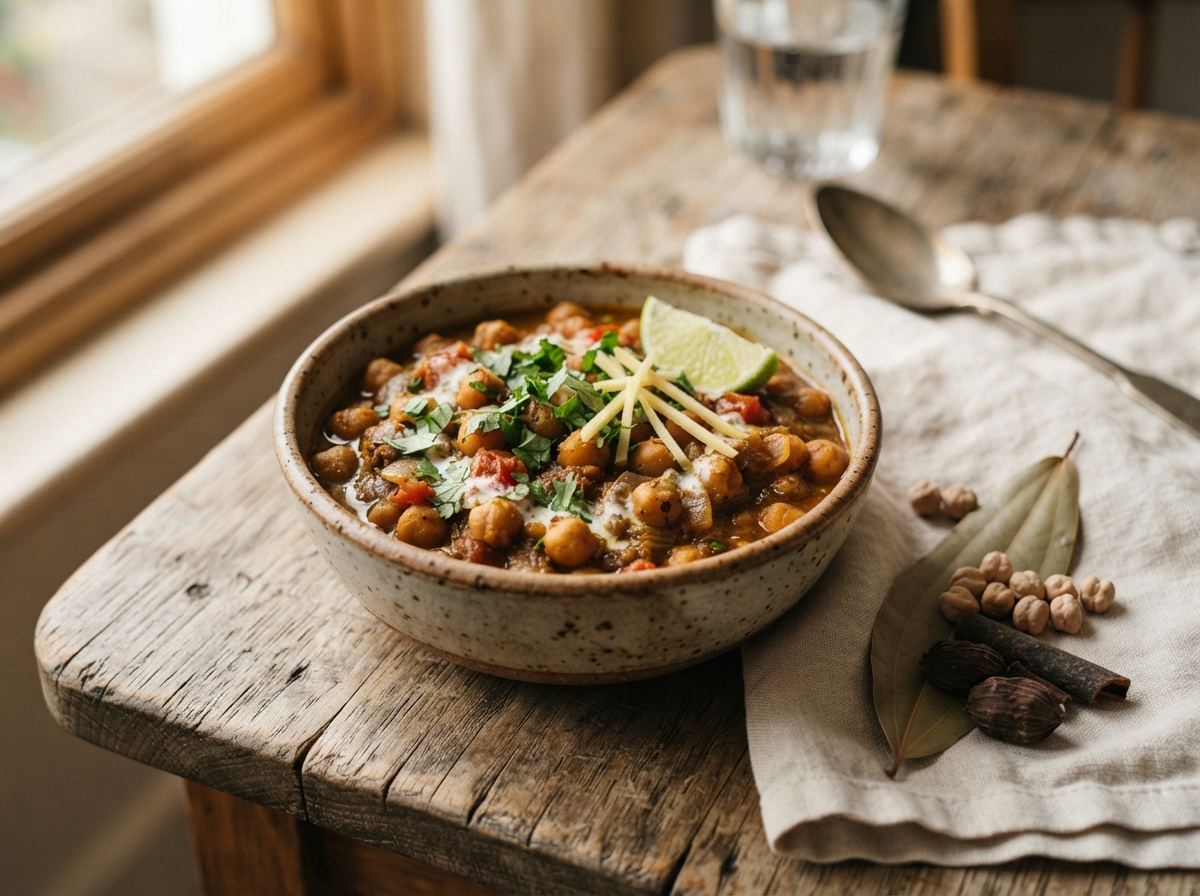
The blend the books still call Chole masala — a working jar, not a garnish word.
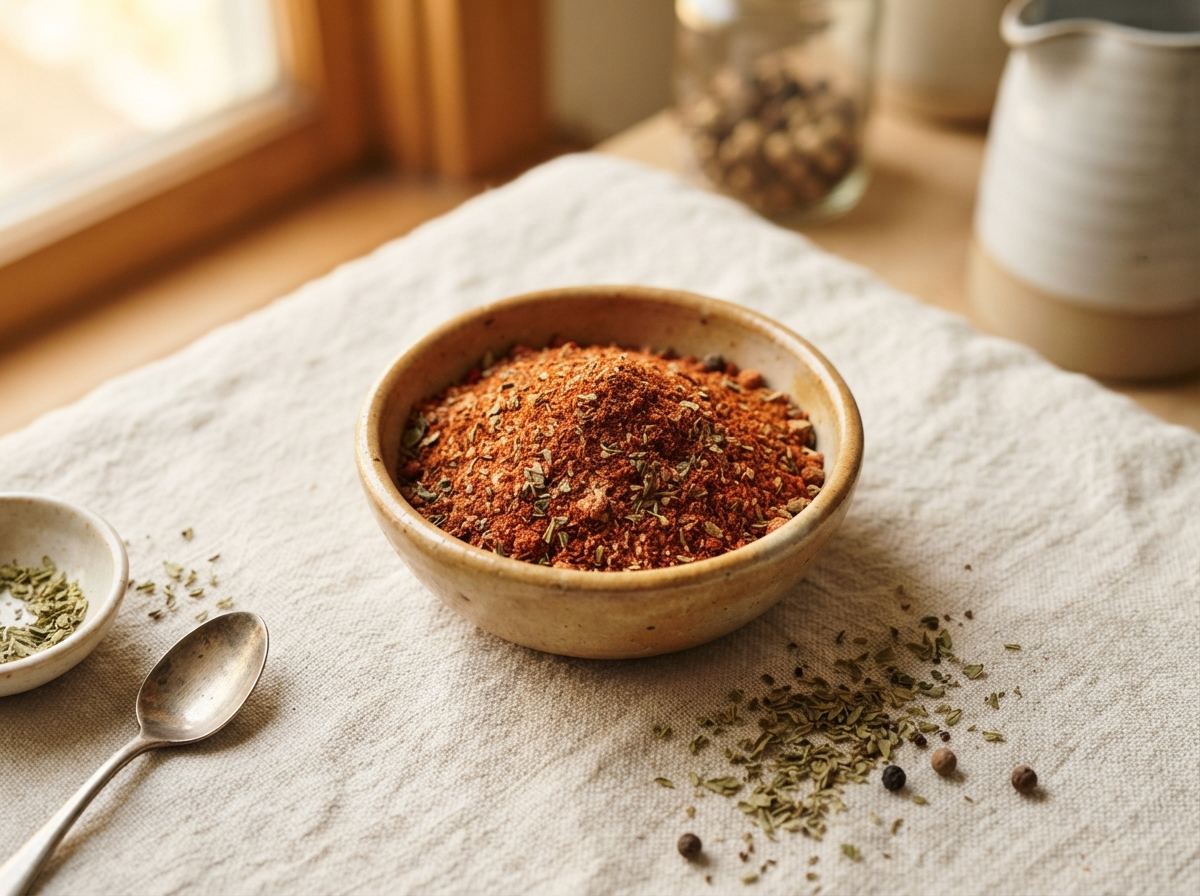
New Orleans in a jar — more herb than Cajun, still ready for shrimp and rice.
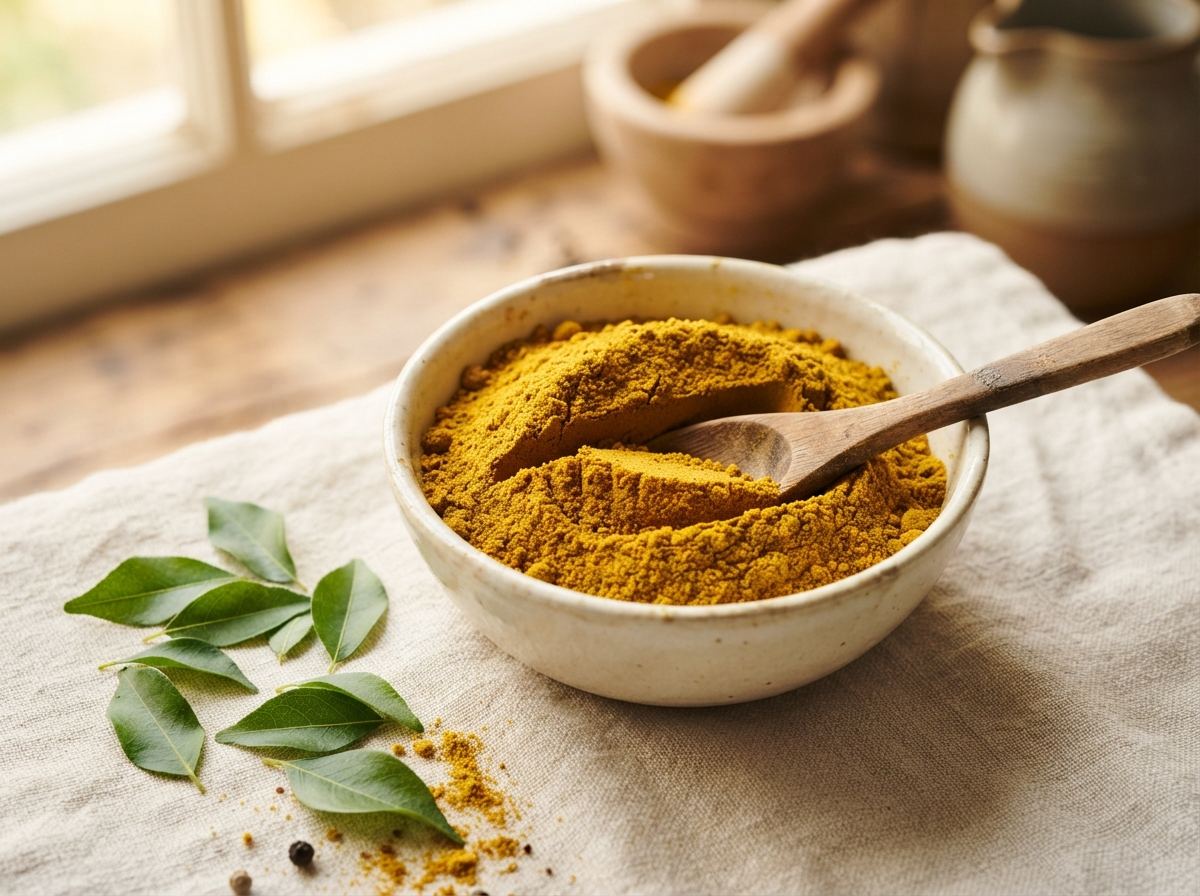
A British-Indian jar that the books still reach for when a kitchen wants turmeric, coriander, and speed.
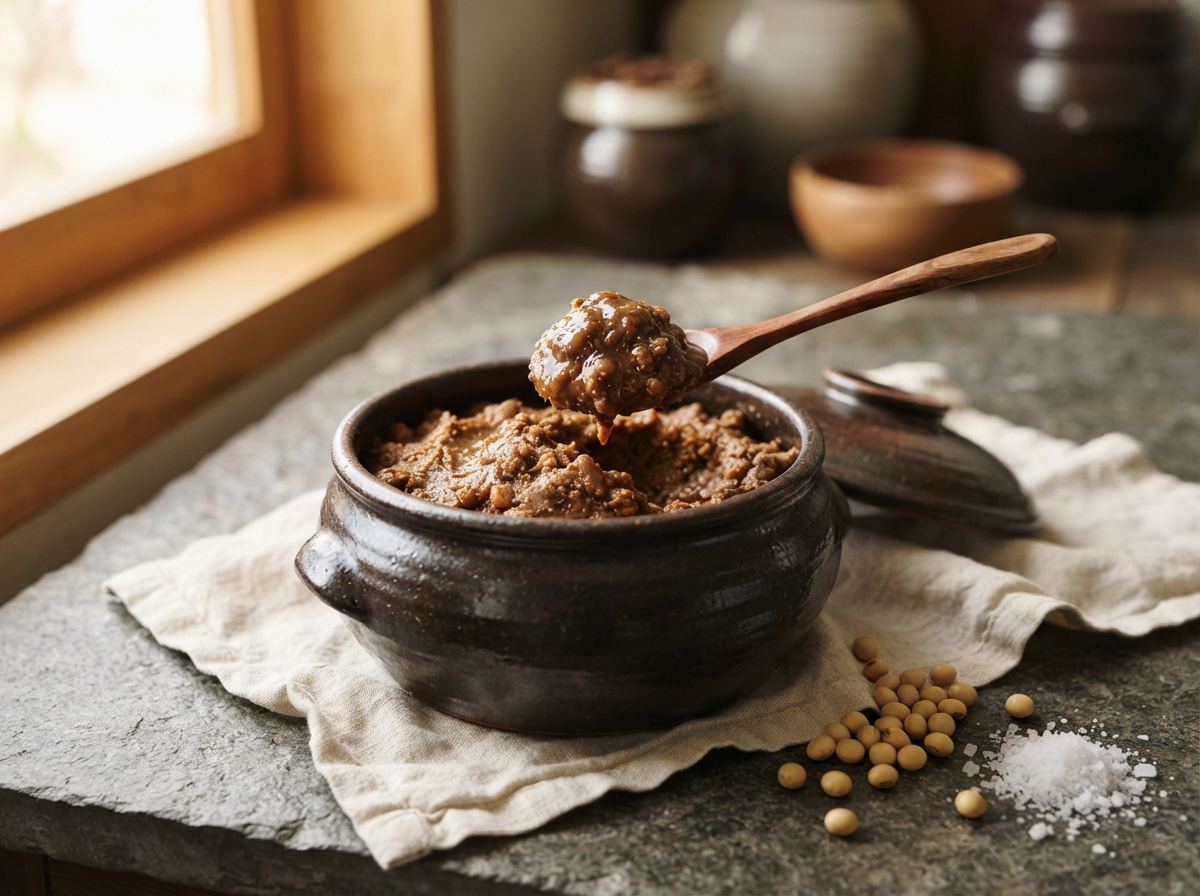
Korea's everyday fermented soybean paste — the brown, salty depth behind soup, stew, and a raw-vegetable dip.
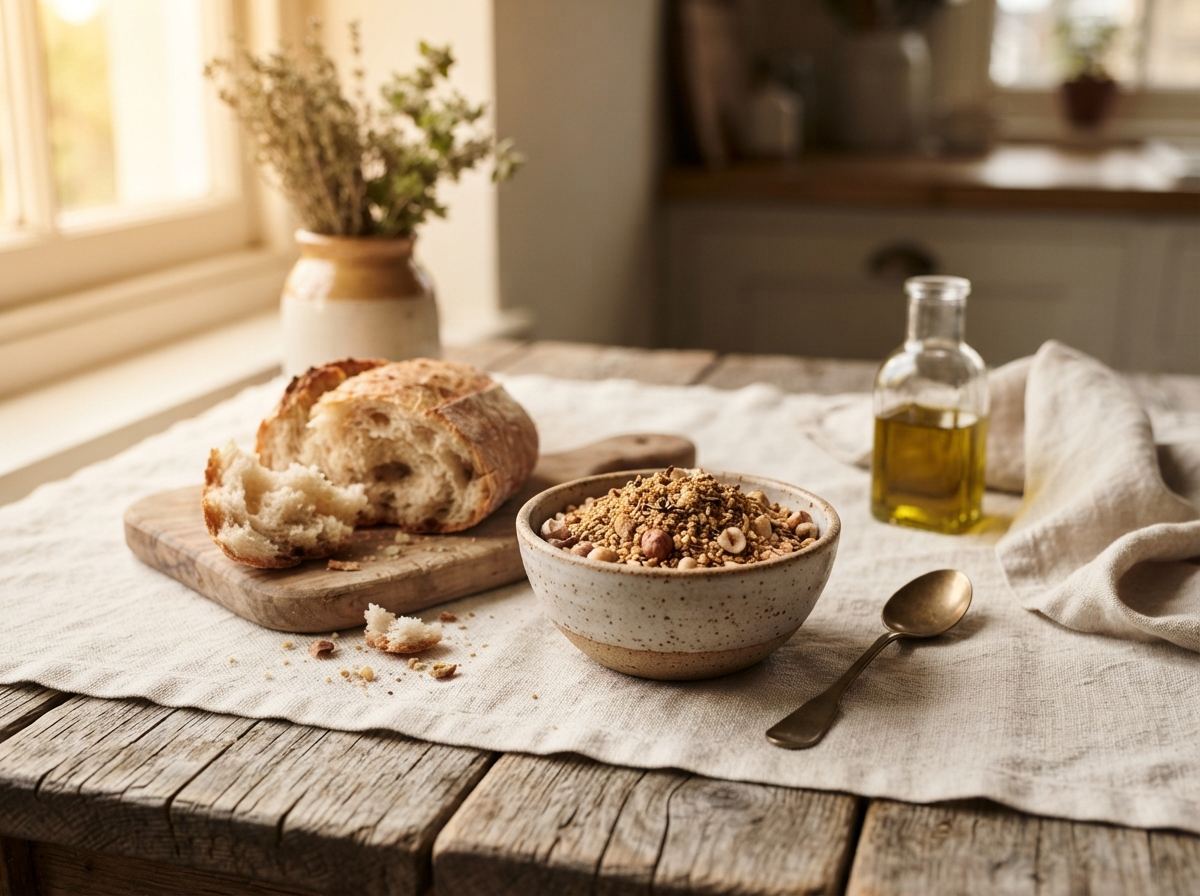
Egypt's crushed picnic: hazelnut or chickpea, sesame, coriander, cumin, and oil-soaked bread.
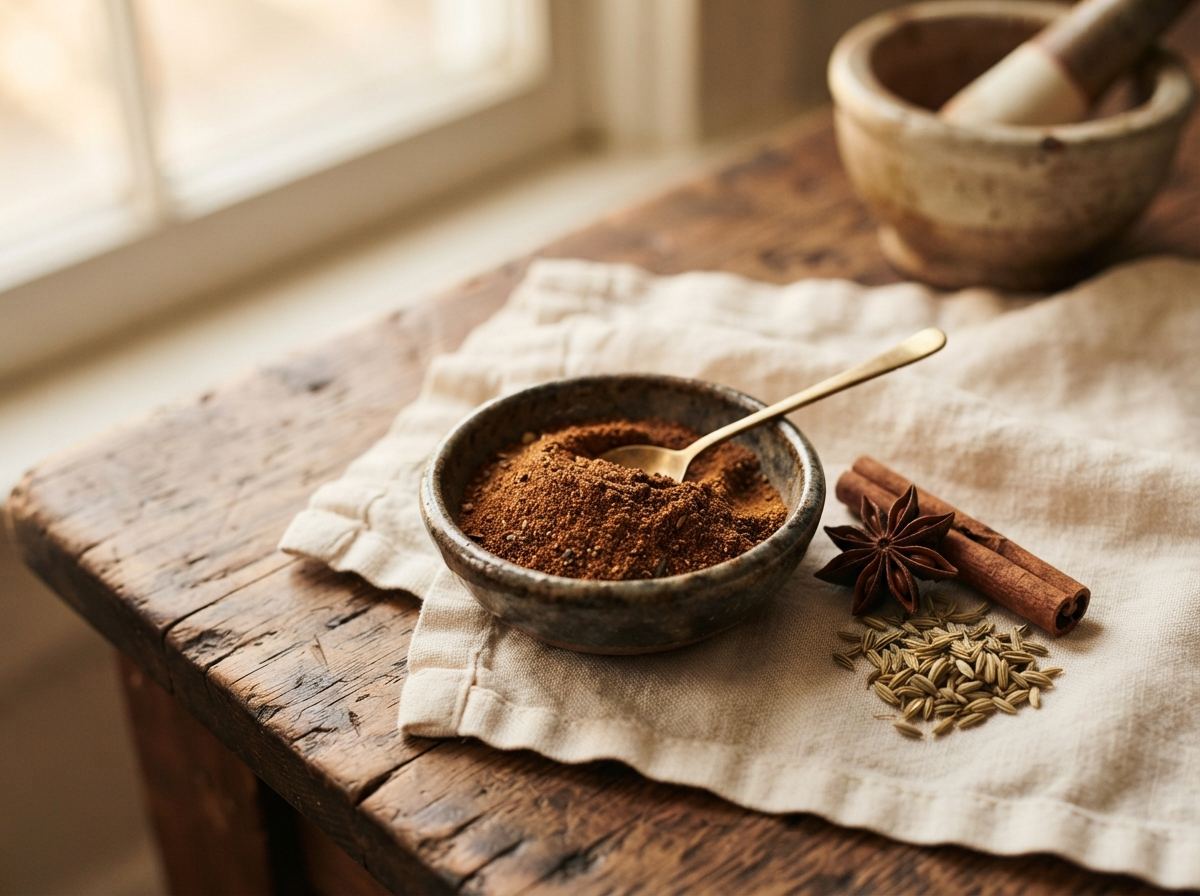
The Chinese star that makes a roast smell like a temple and a street stall in the same breath.
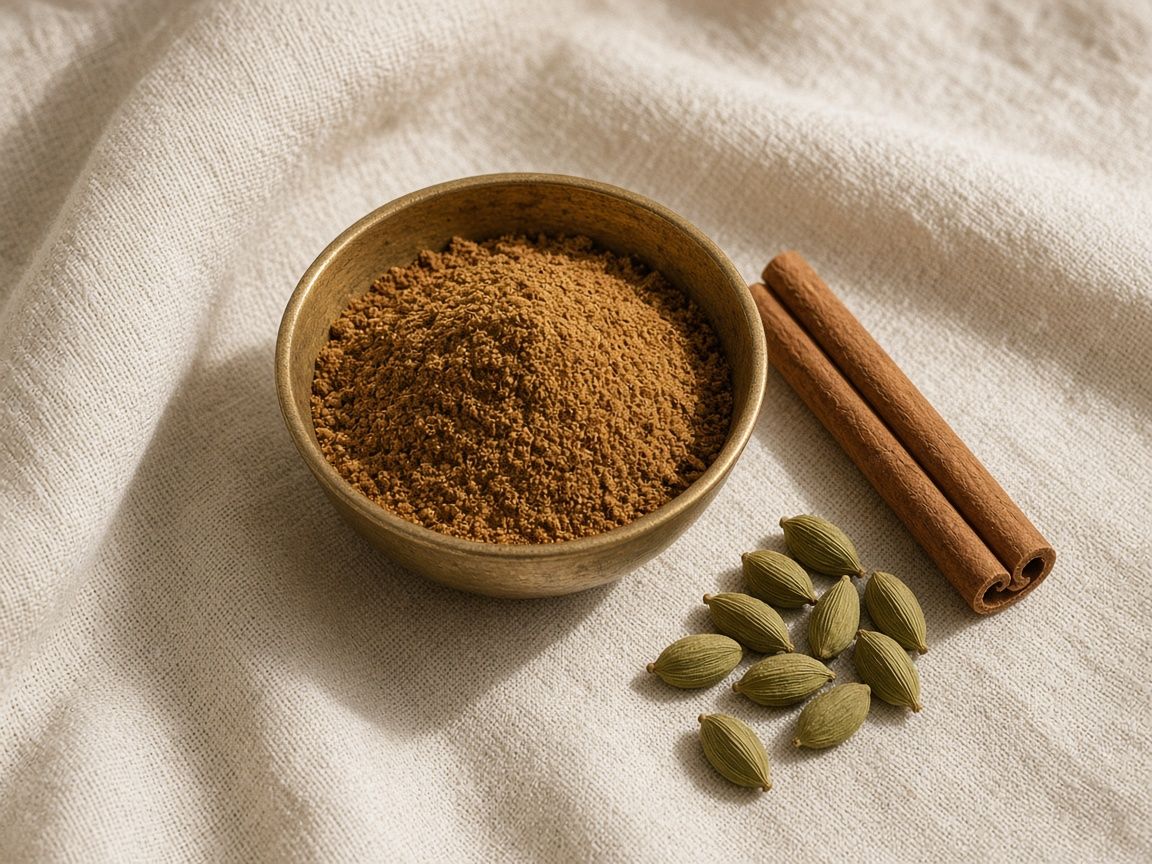
The last spoon into the pot: a warm blend meant to perfume a dish after the long cooking is done.
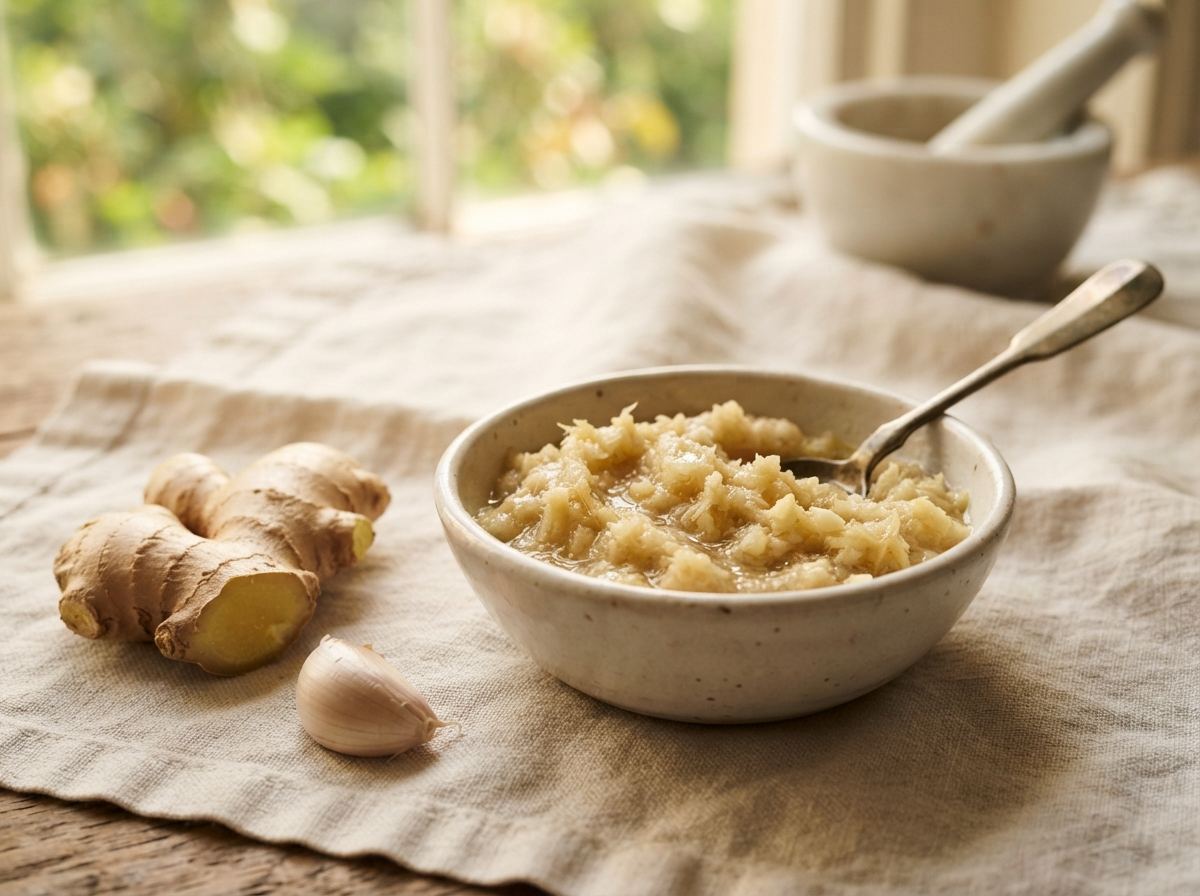
The North Indian Tuesday night: equal parts, jarred, behind every masala.
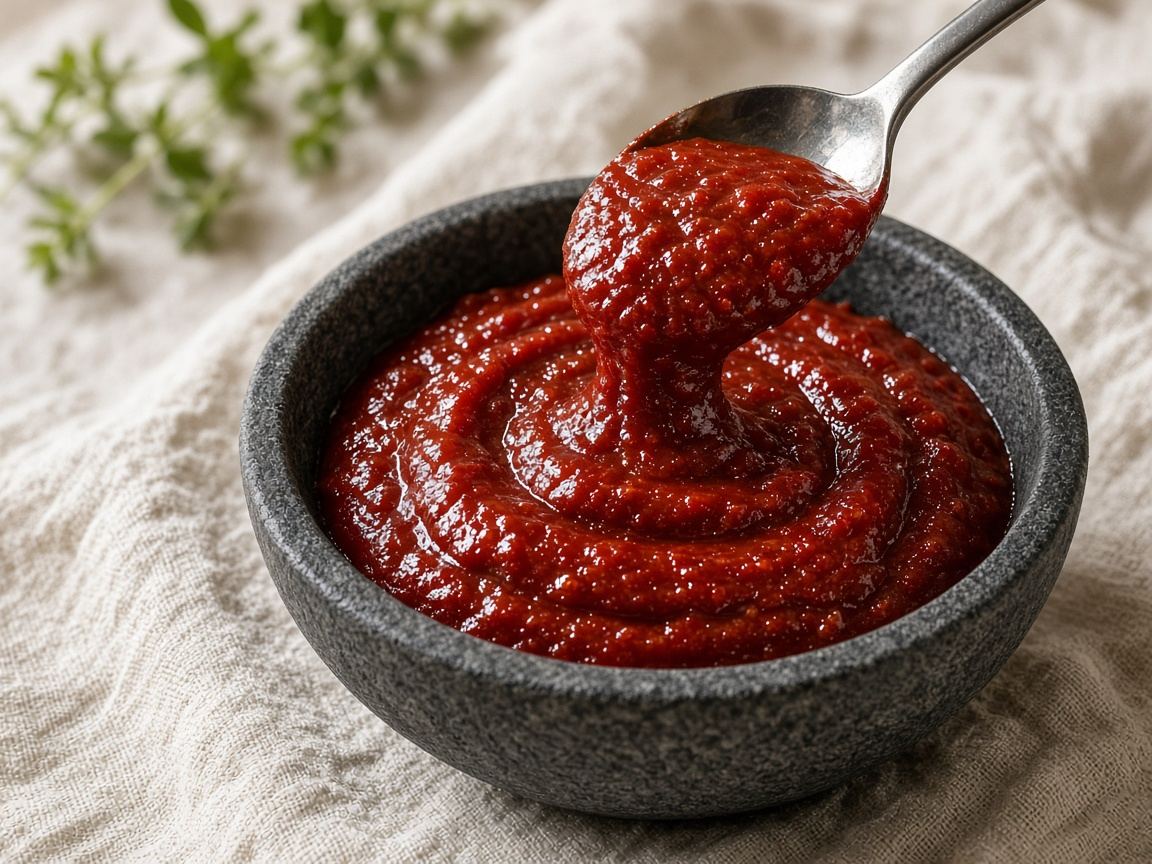
The deep red paste that makes a Korean stew taste aged: sweet, salty, hot, and a little like a cellar.
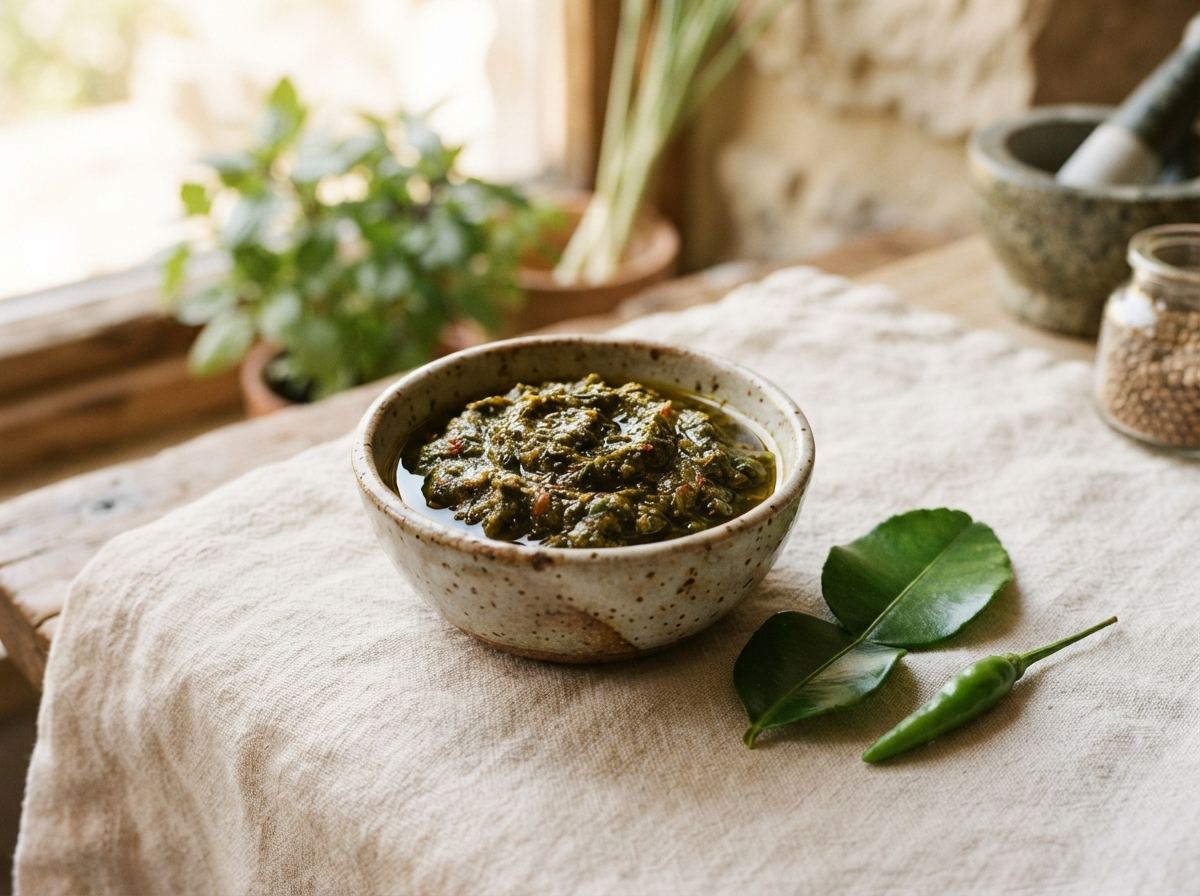
Thai green chile, makrut, galangal, and shrimp paste pounded together.