
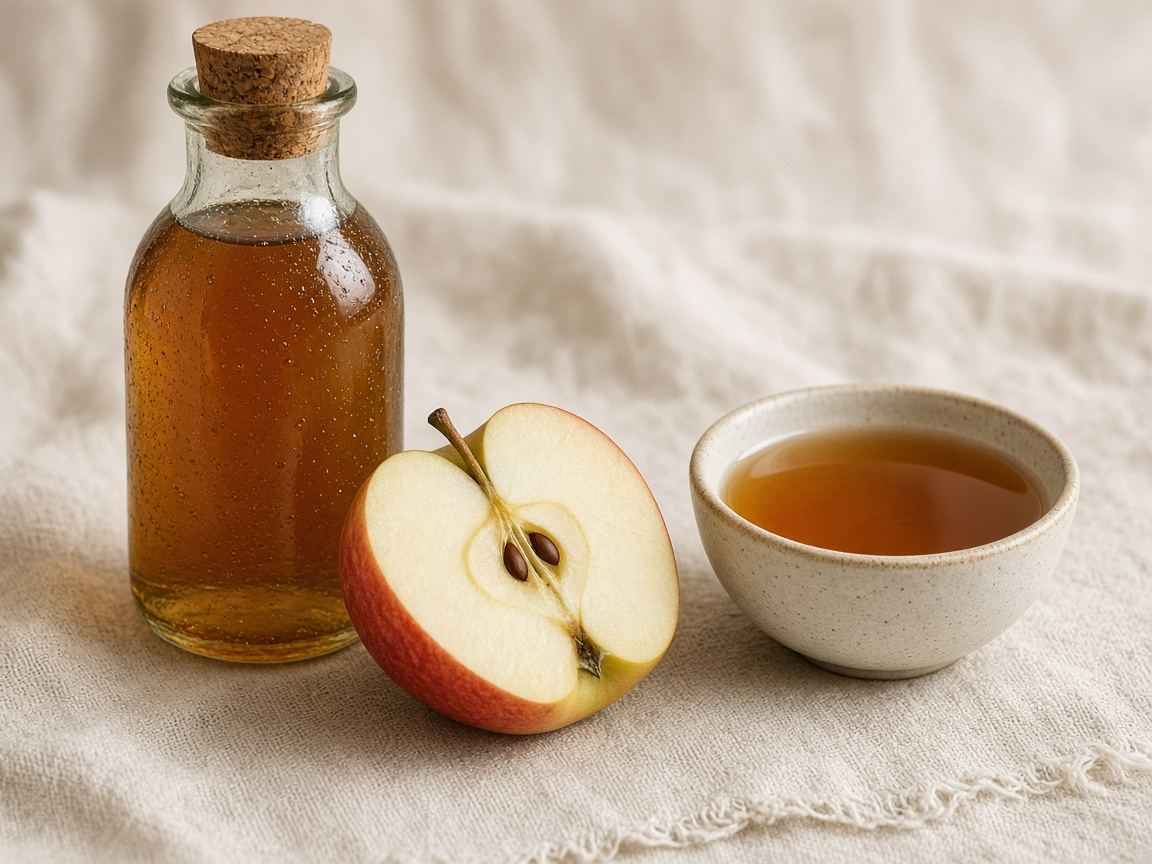
Apple cider vinegar
The orchard sour of American and German home kitchens.
Pantry · Flavorings
The flavorings named across the 30 International Cuisines books.
The orchard sour of American and German home kitchens.
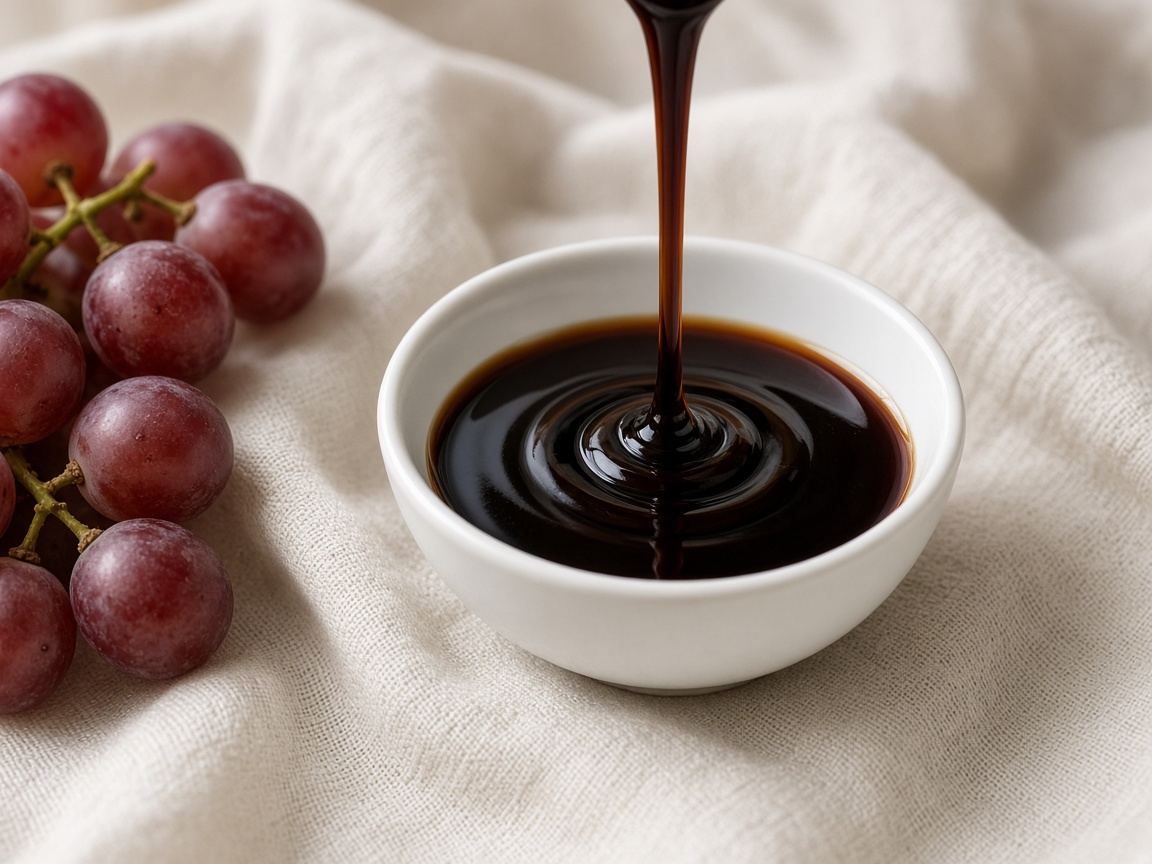
Modena's dark sweet-sour, a drop on fruit or a steak.
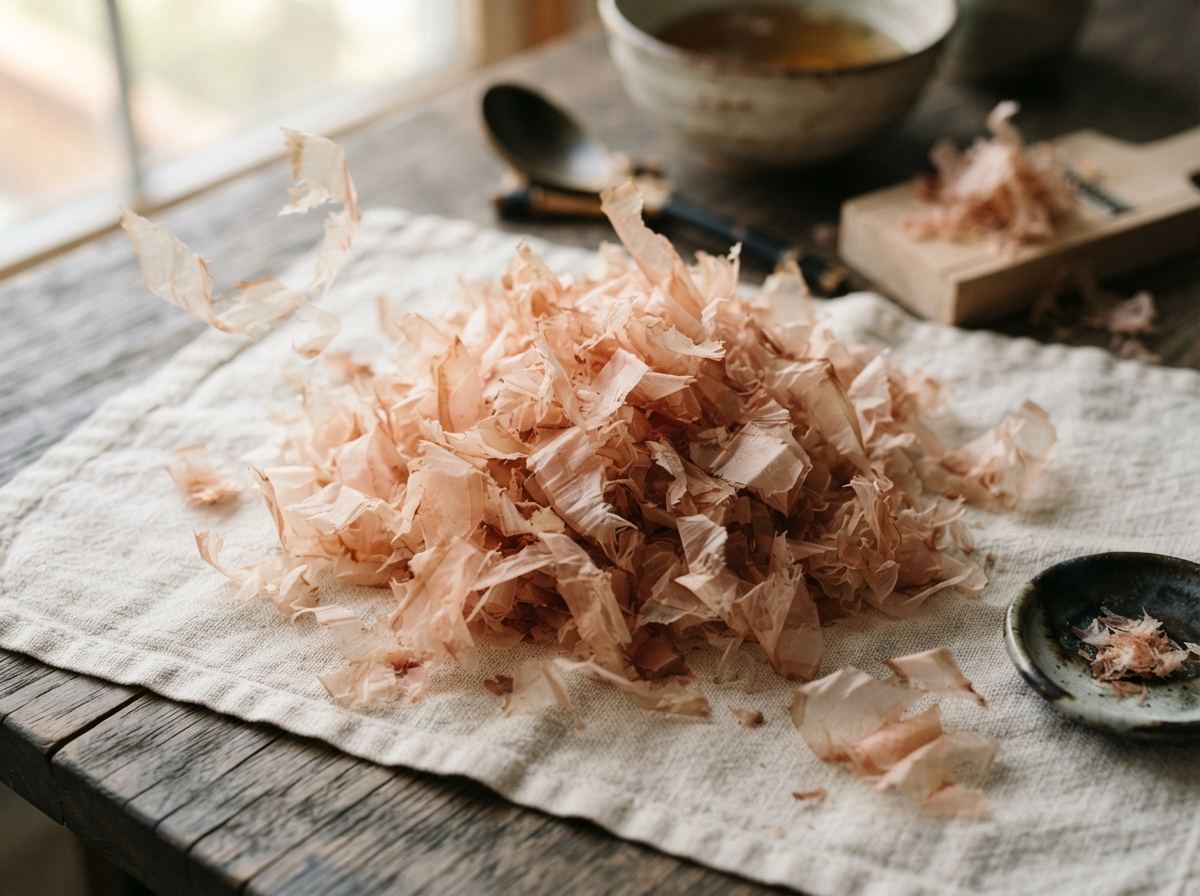
Katsuobushi: the dancing flakes on a hot tofu, and the soul of dashi.
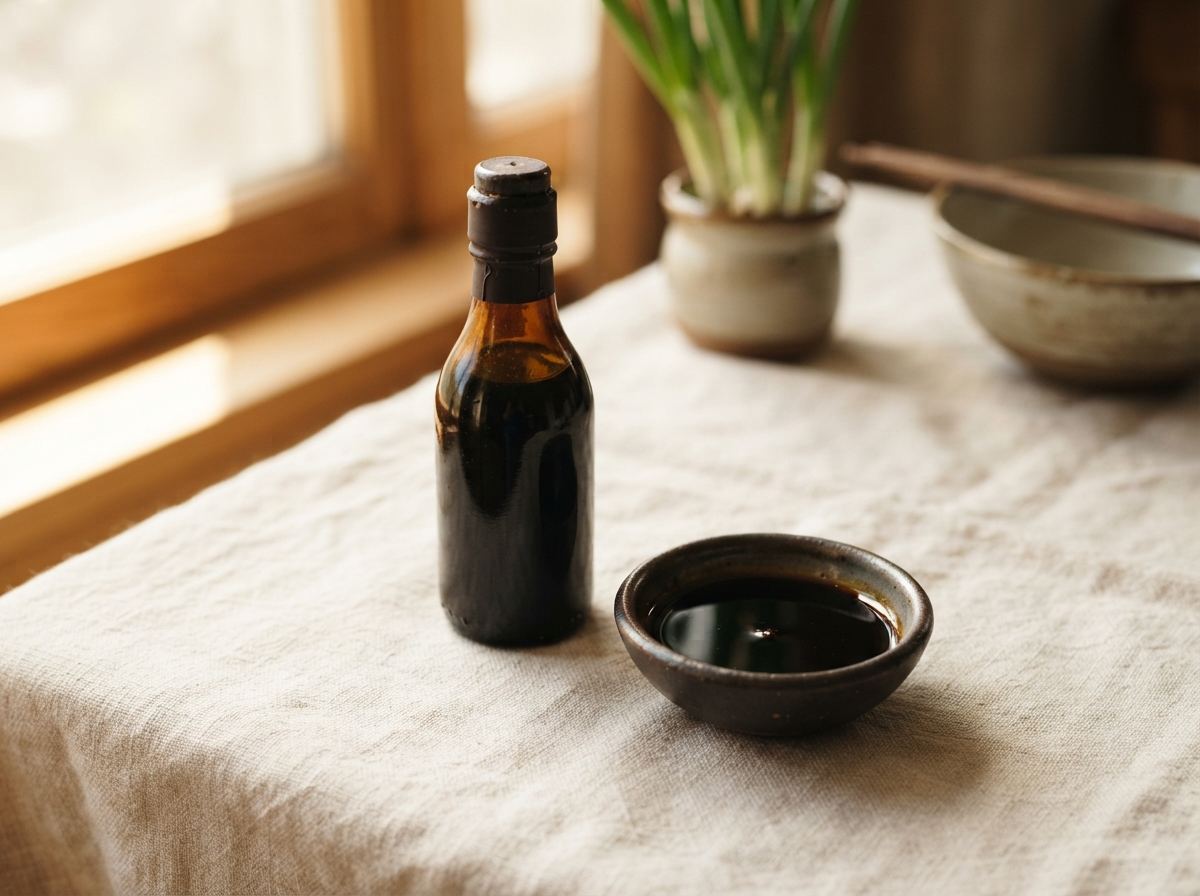
Chinese black vinegar: malty, dark, the sour of a dumpling plate.
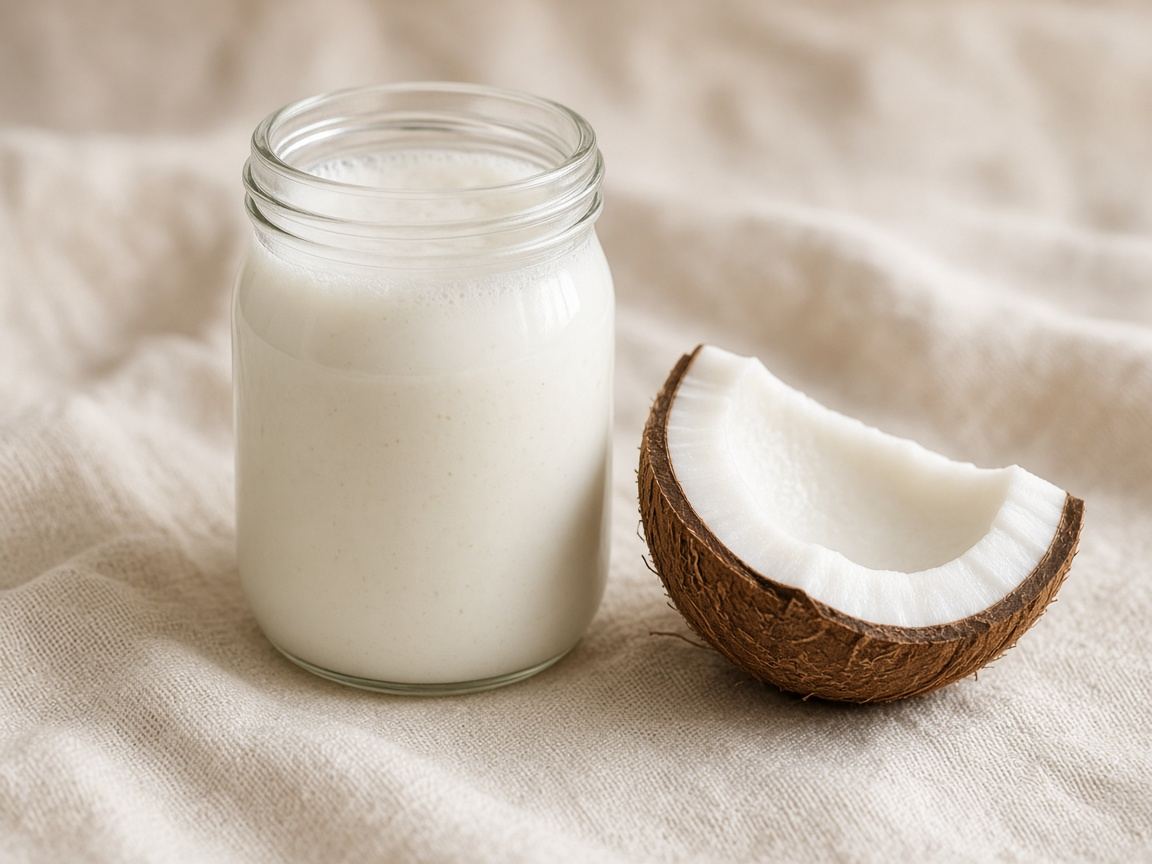
The fat of a curry and a Brazilian moqueca when coconut is the coast.
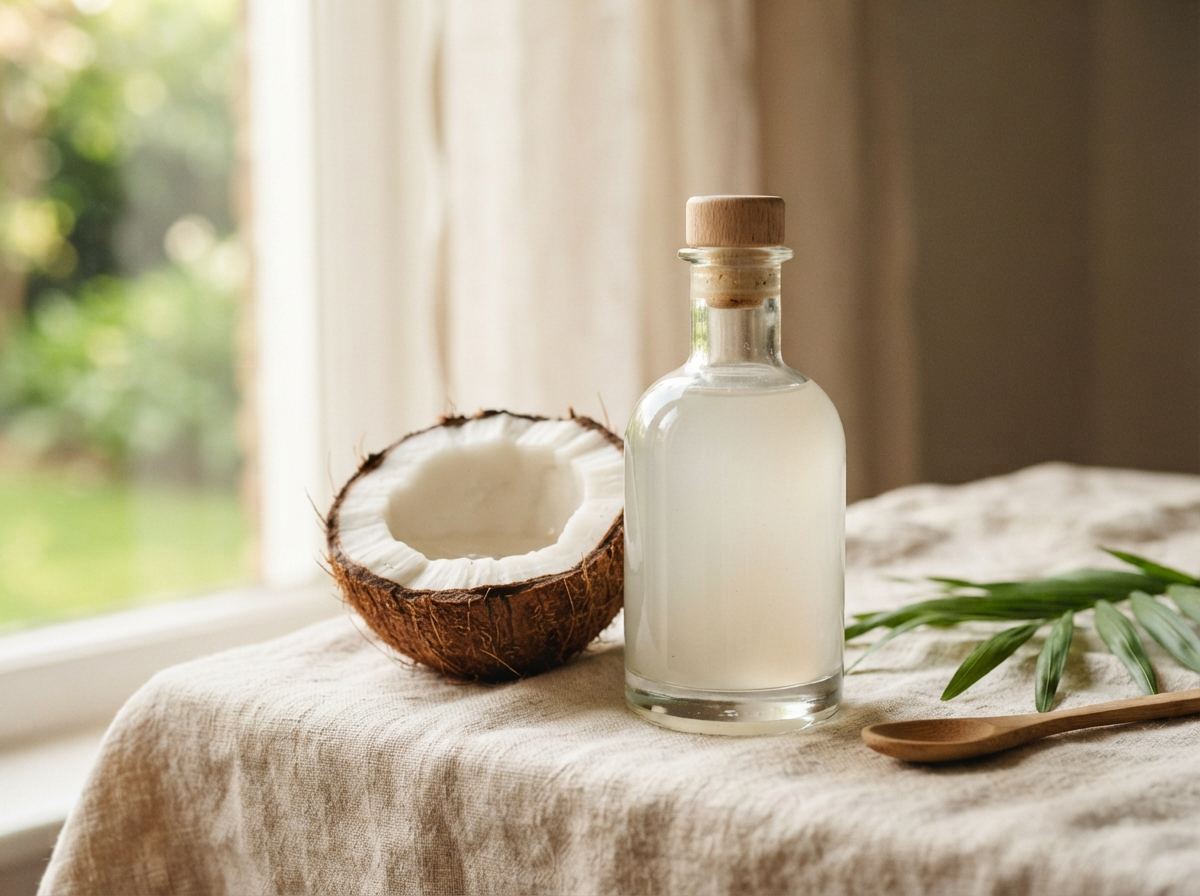
The Filipino sour of adobo when cane vinegar is not in the house.
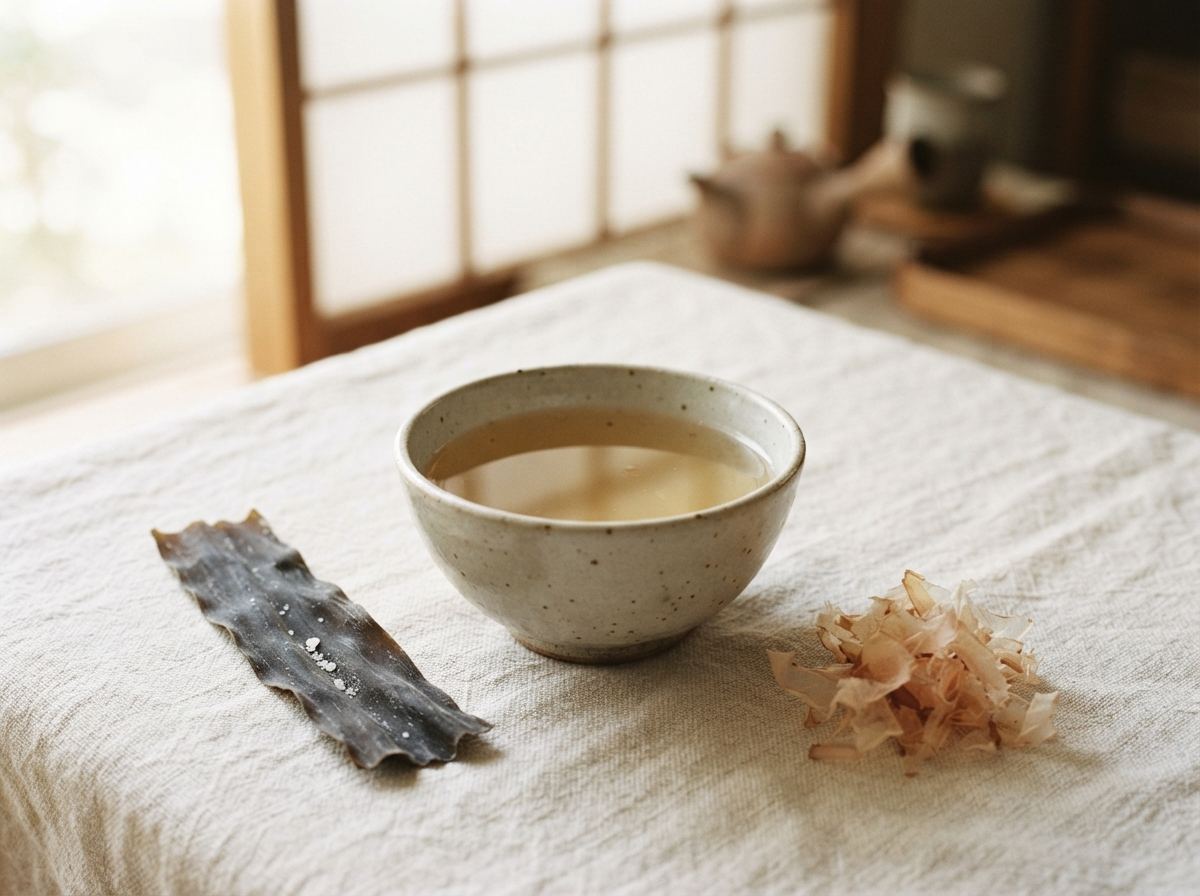
Kelp and bonito broth — the quiet ocean under almost every Japanese simmer.
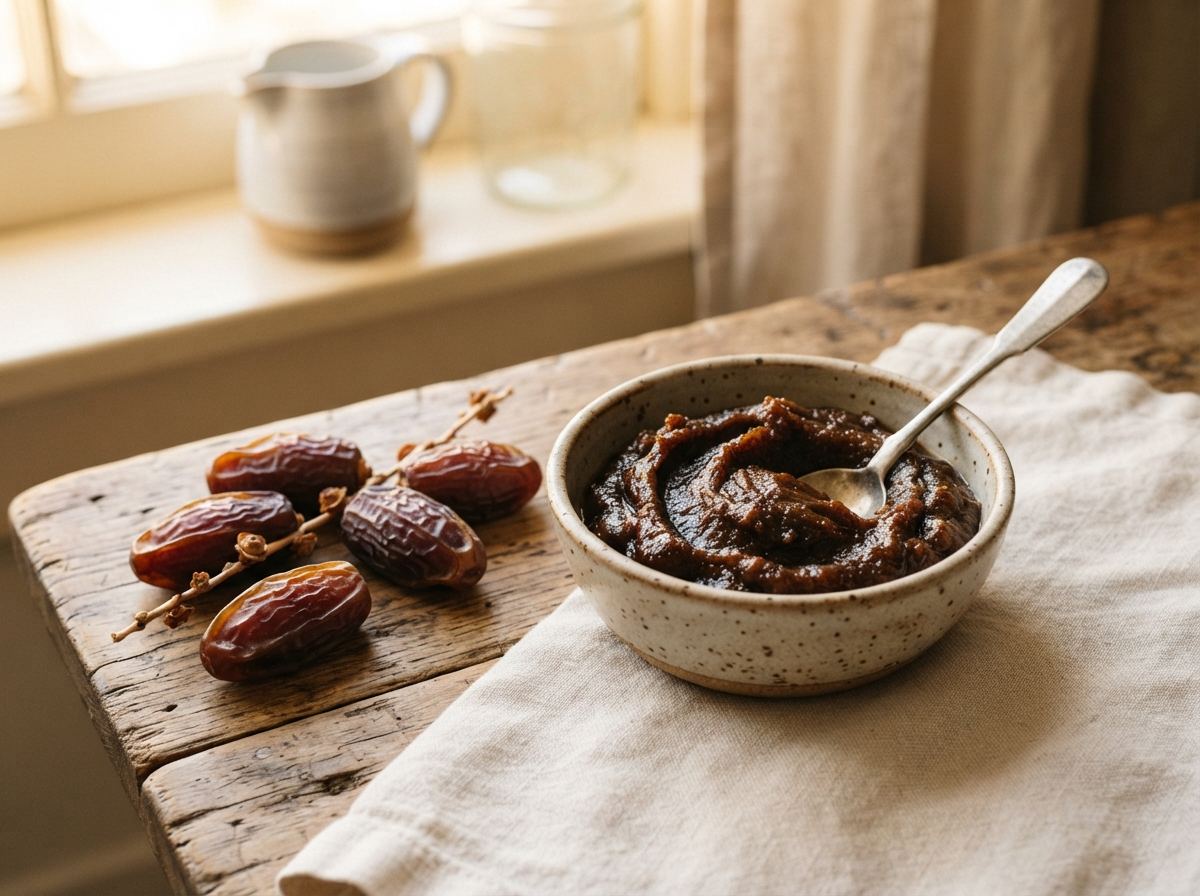
Cooked dates mashed sweet for a pastry or a tagine that wants fruit without pieces.
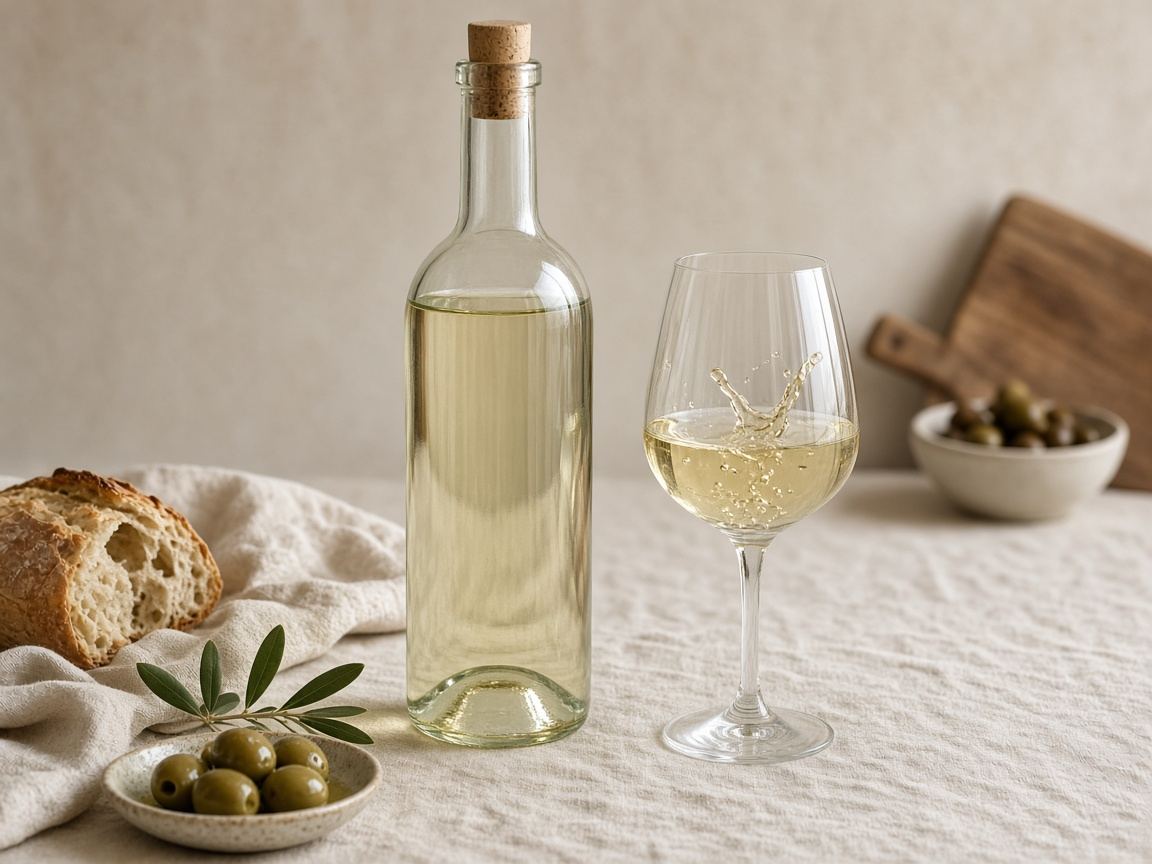
A splash for a stew, a risotto, a fish pot — the cook's glass and the pot's glass.
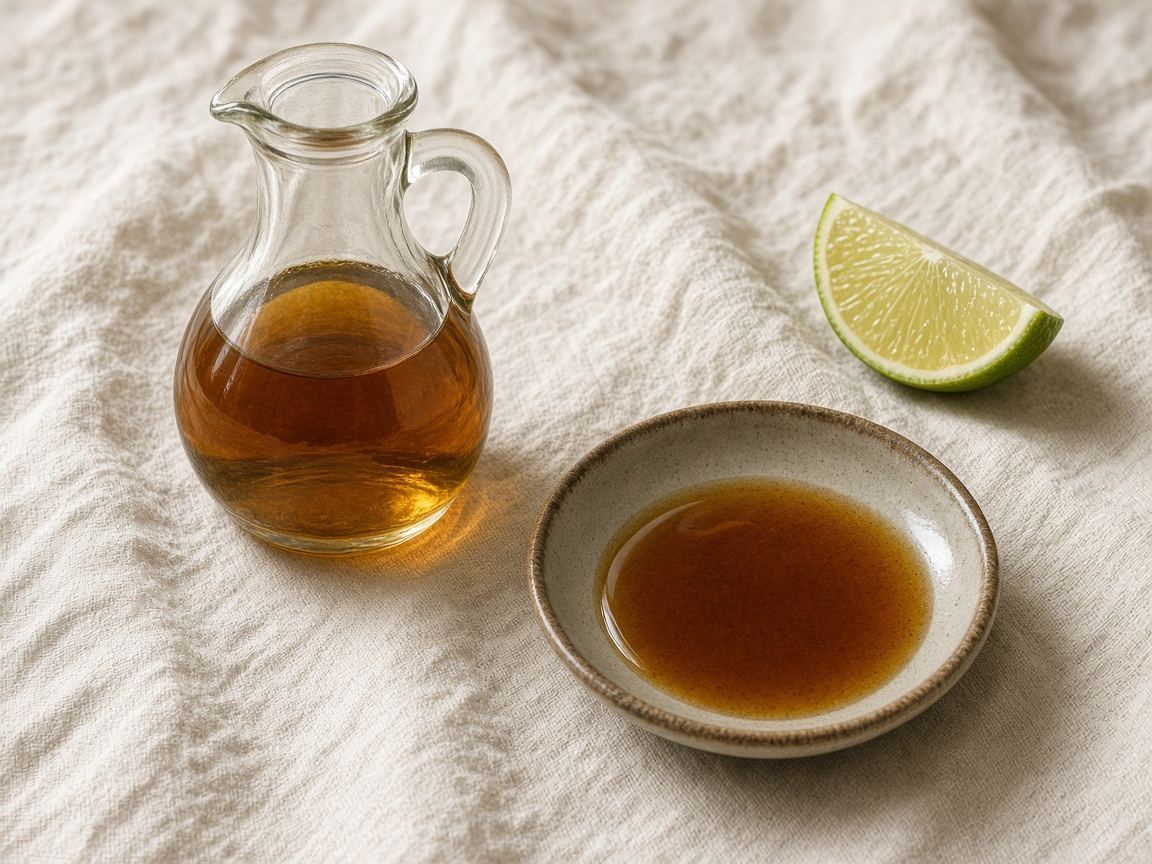
The salt of Vietnam and Thailand: fish, time, and a smell that becomes sweetness in the pot.
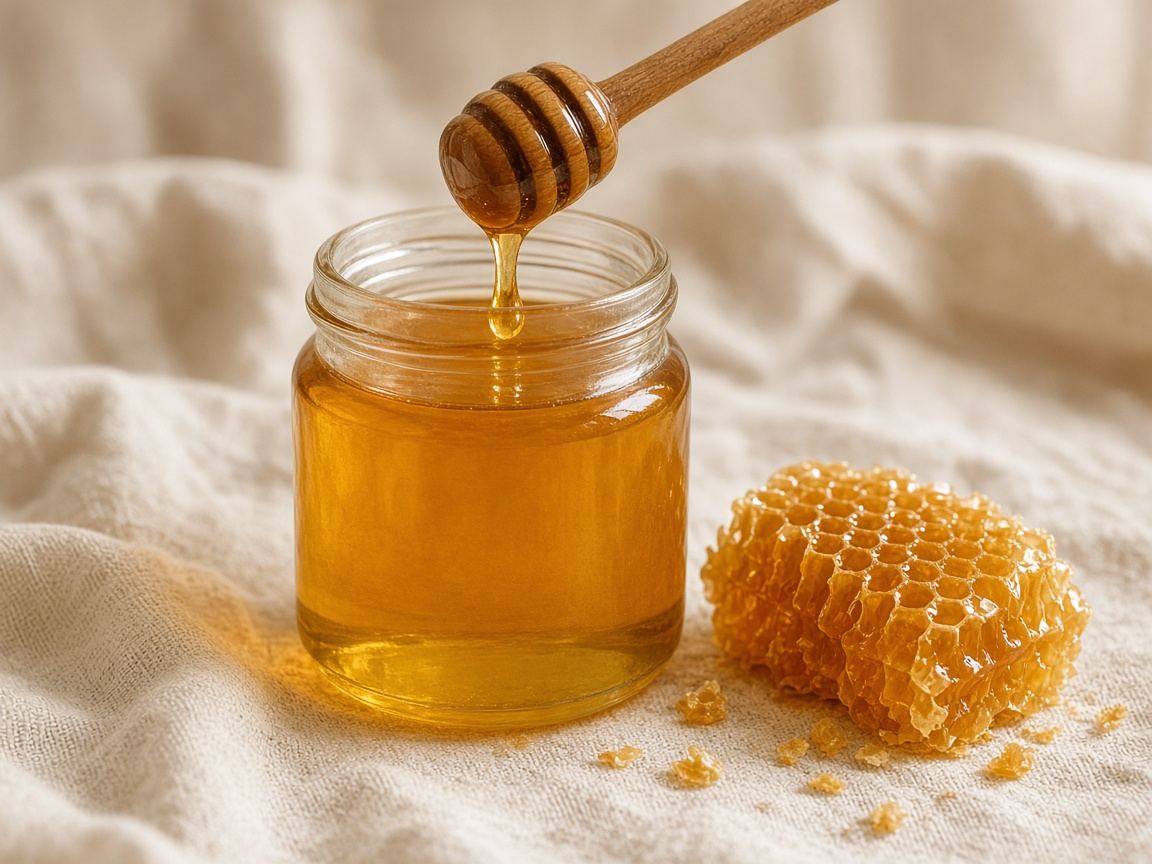
The first sweetener: Ethiopian raw honey, Spanish orange-blossom, a glaze on chicken.
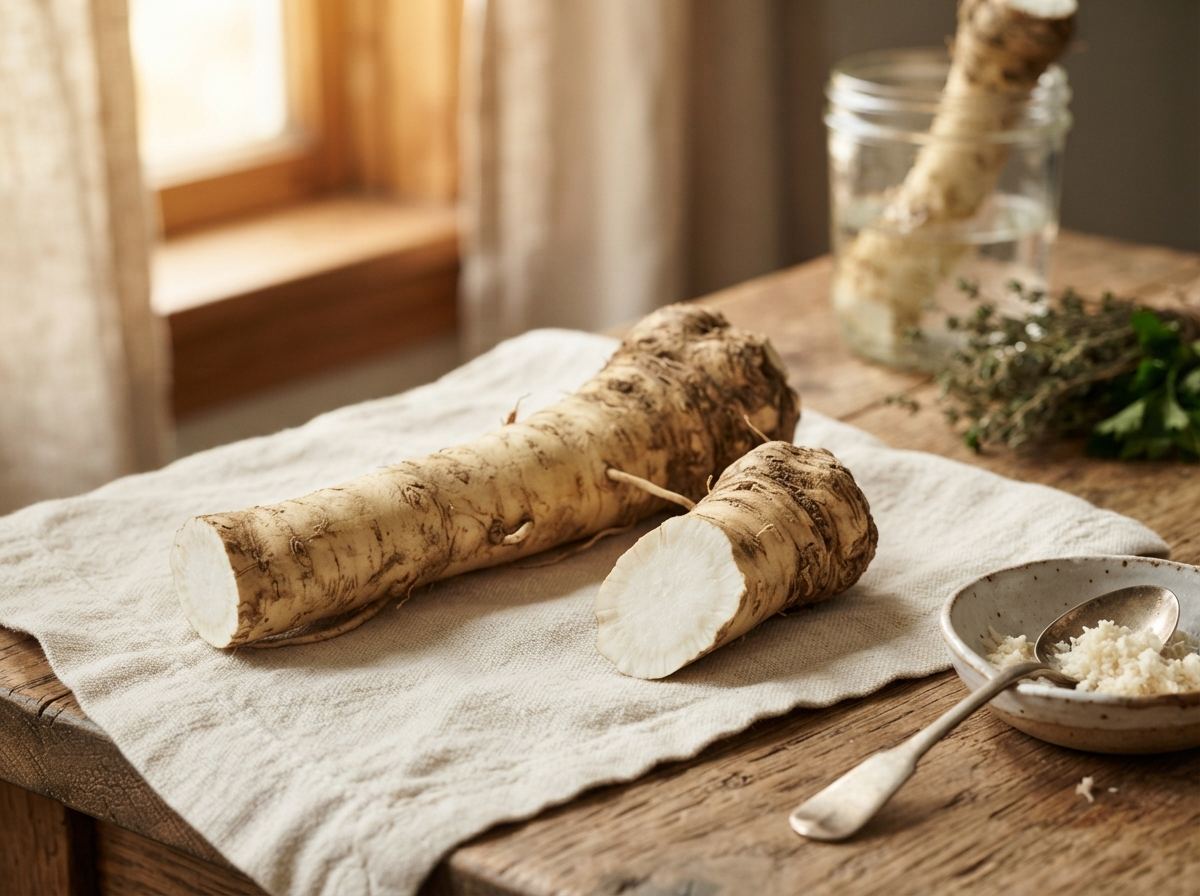
A root that burns the sinuses and belongs next to roast beef, gefilte, and a Bloody Mary.
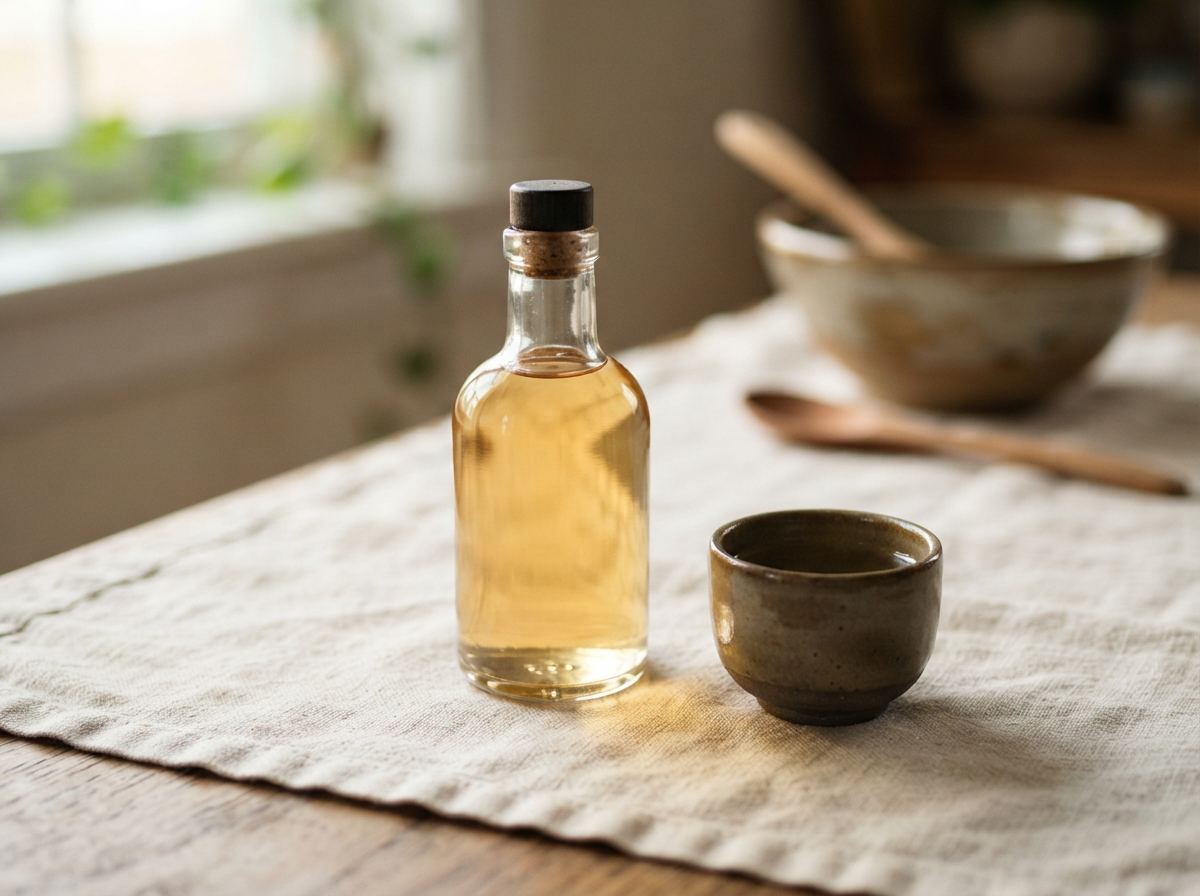
Sweet cooking sake: the gloss on teriyaki and the roundness in a Japanese simmer.
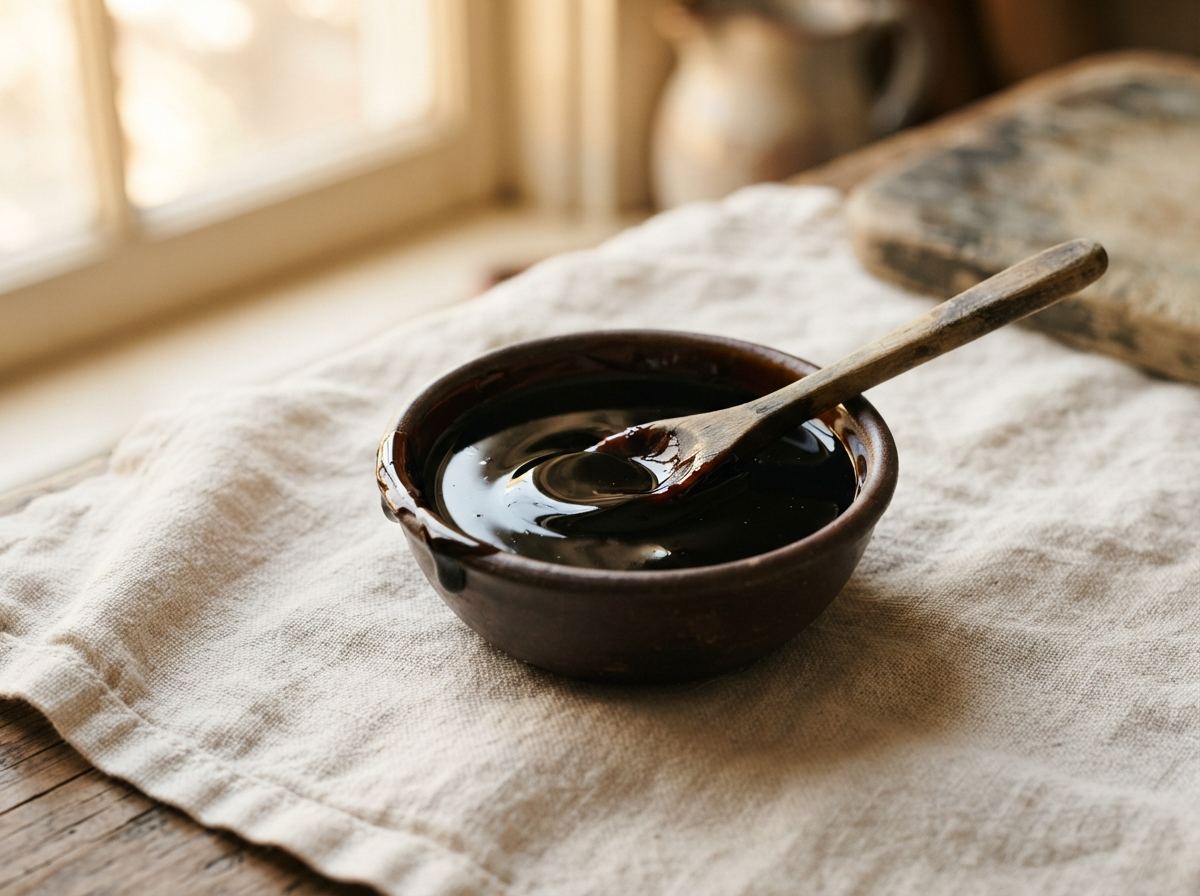
Boiled cane: the dark sweet of American baking, Caribbean stews, and a glaze.
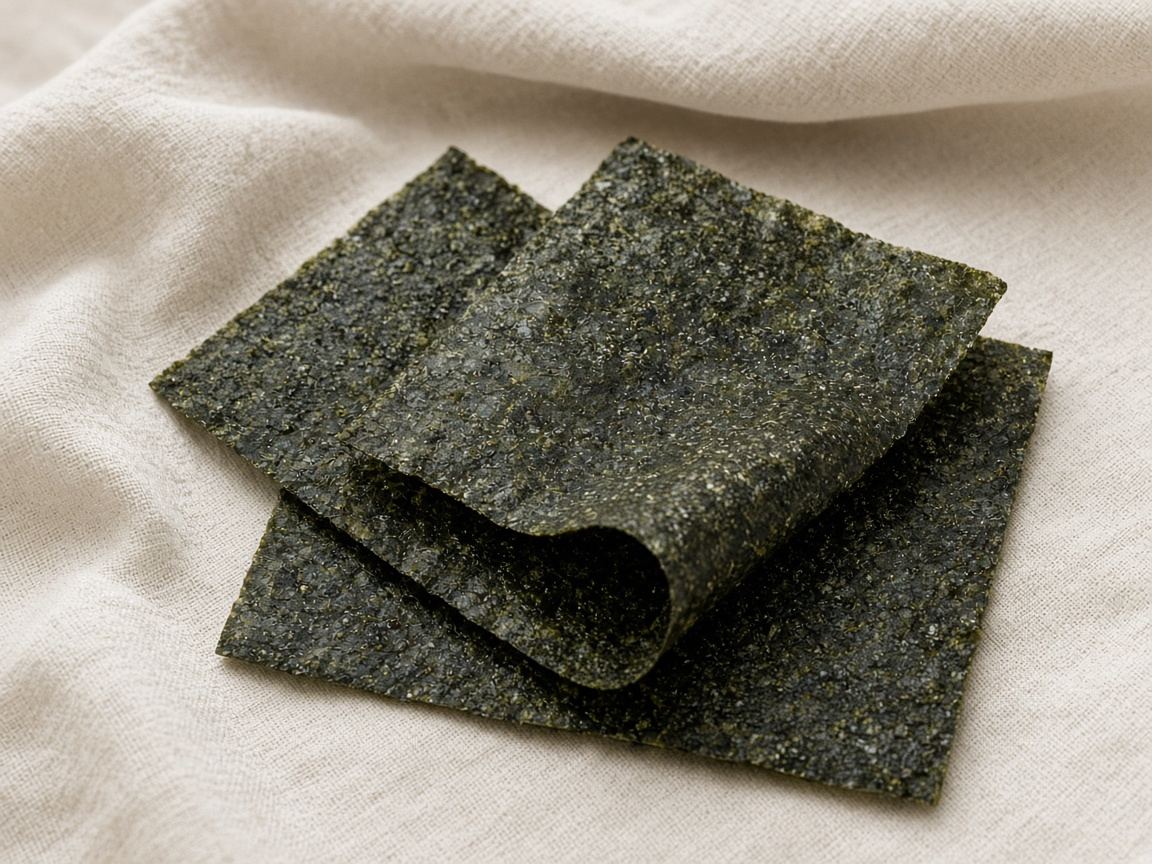
Toasted laver: the Japanese sheet that wraps sushi or crumbles over rice.
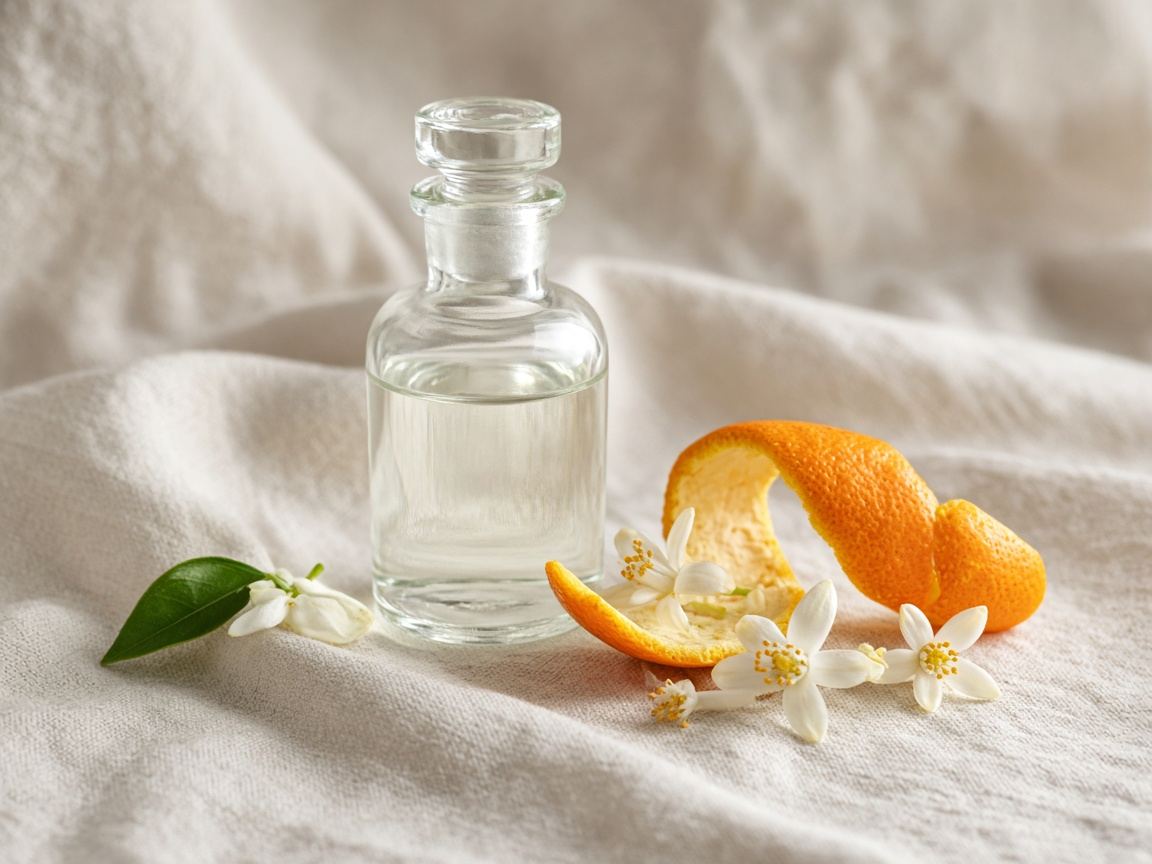
A drop of white flowers in a pastry, a salad, or a glass of water: perfume you can eat if you stay humble.
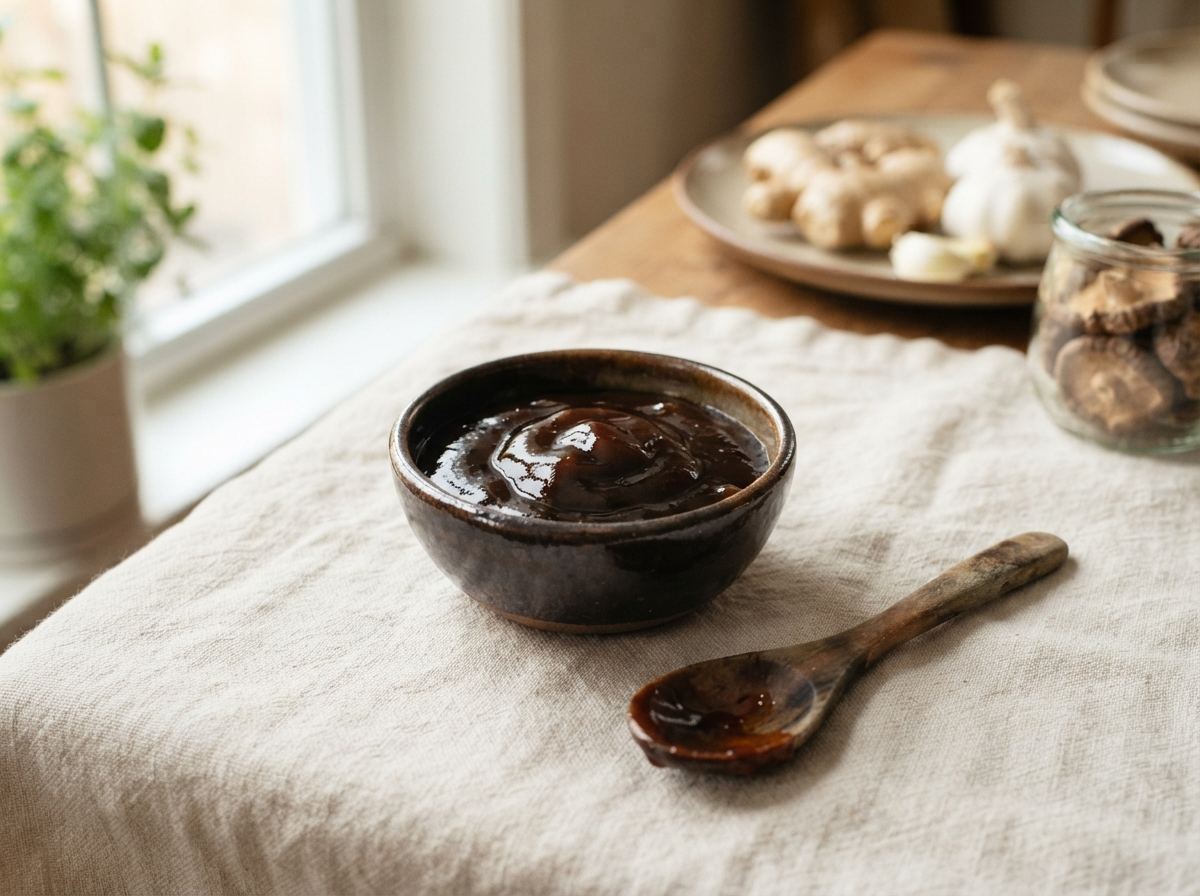
Cantonese gloss: oyster extract, soy, and sugar, the brown sheen on greens and stir-fries.
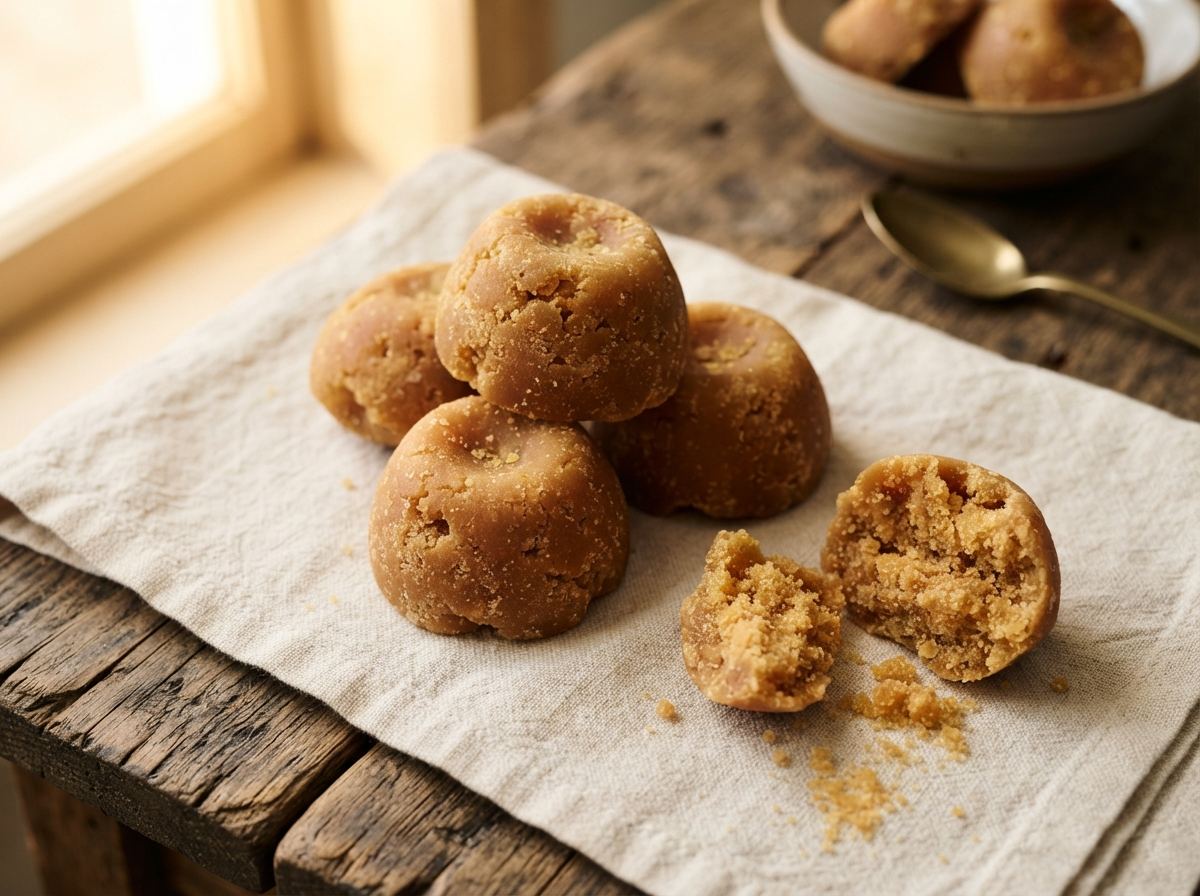
The caramel of Thai and Indonesian pots — not white sugar with a tan.
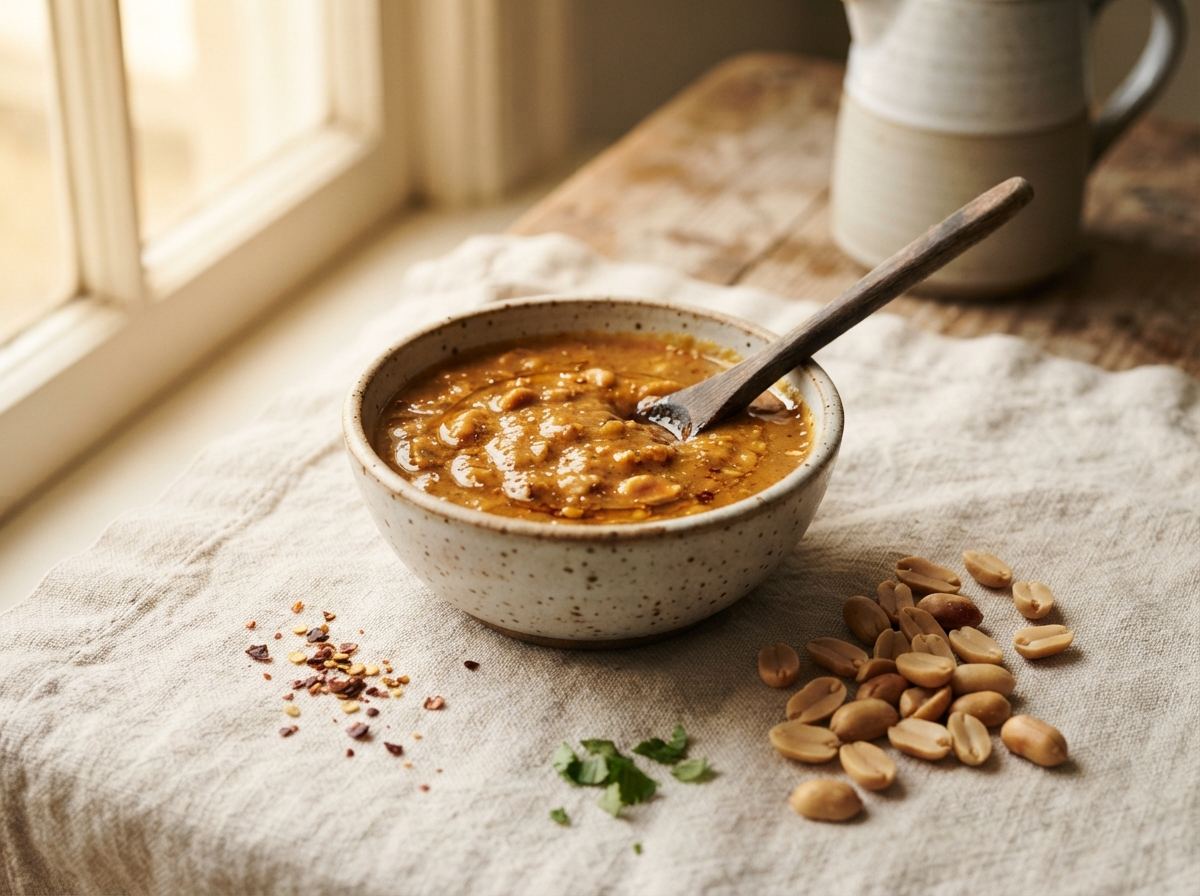
The satay dip: groundnut, chile, and a little sweet.
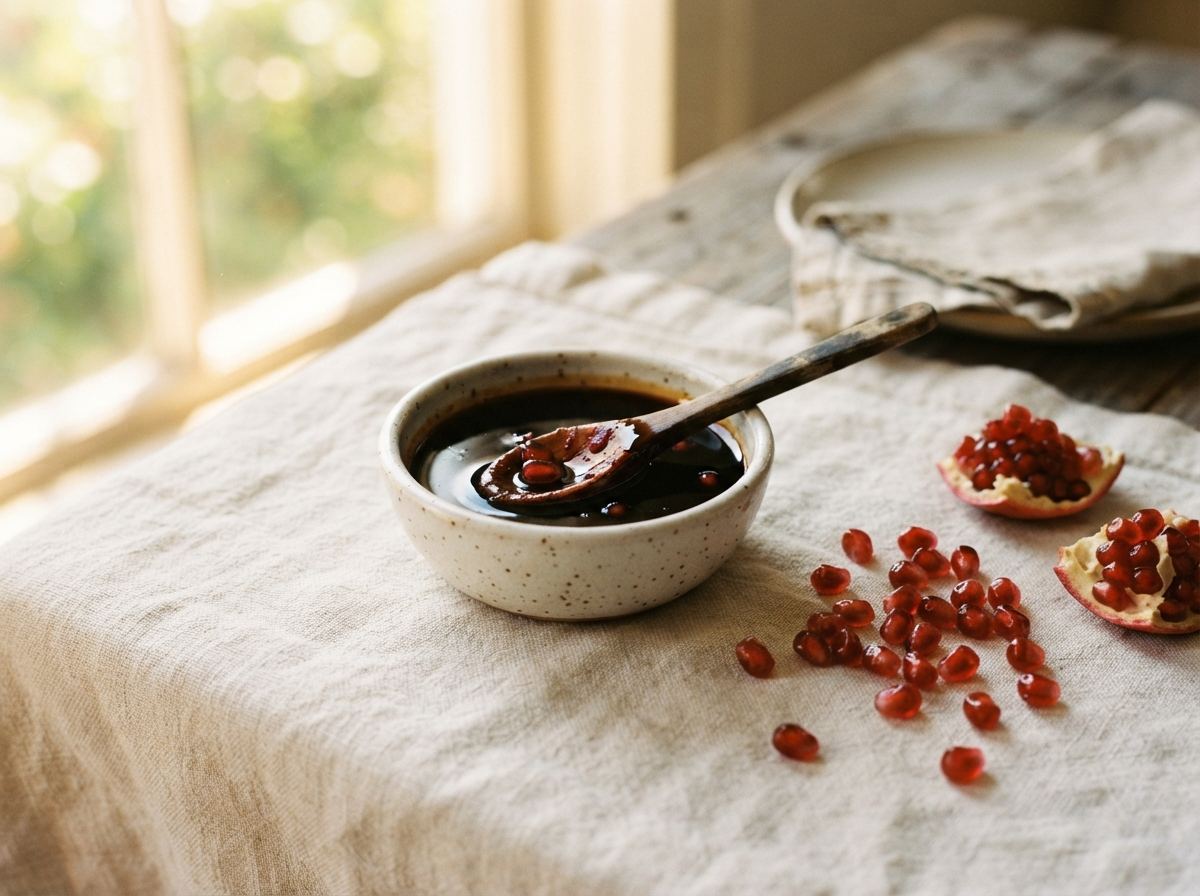
Cooked sour-sweet pomegranate: the Levantine glaze for onions, walnuts, and grilled meat.
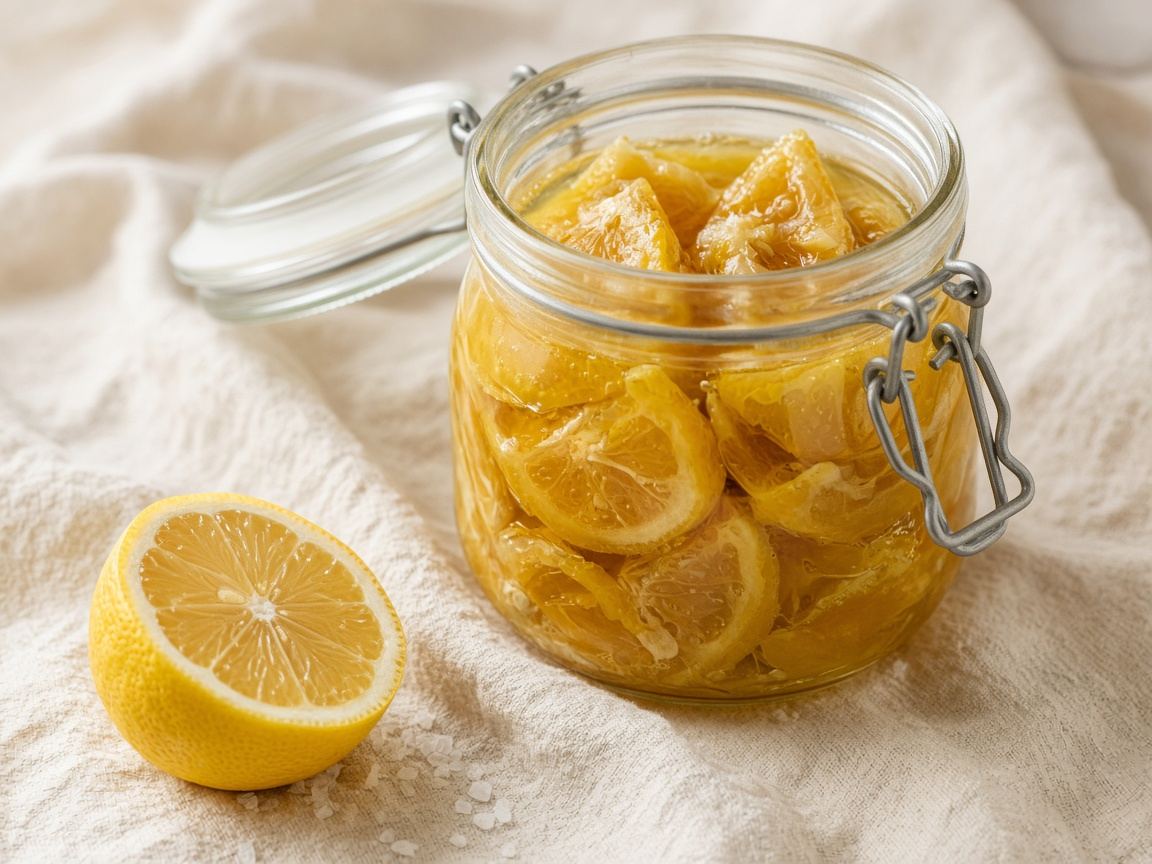
Salted Moroccan lemon — rind and all, the sour that is also a pickle.
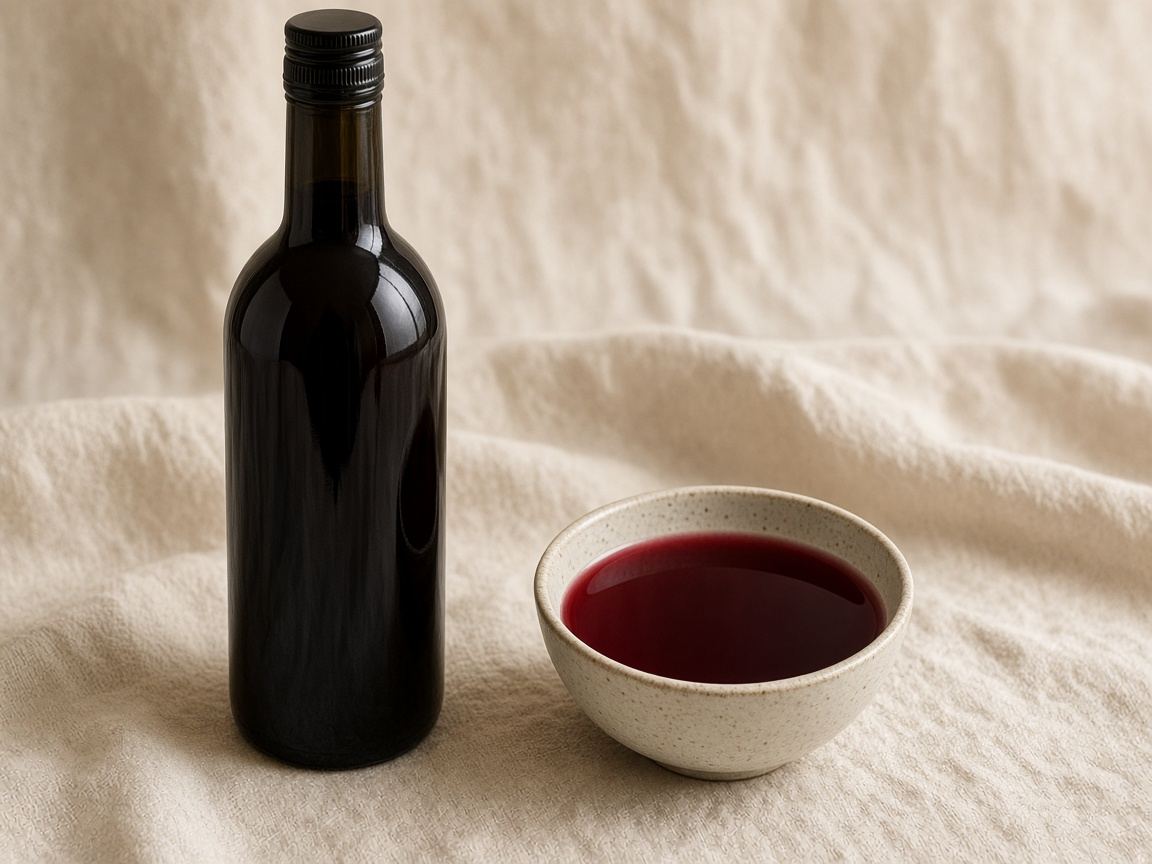
The braise wine: daube, estofado, and a Portuguese roast.
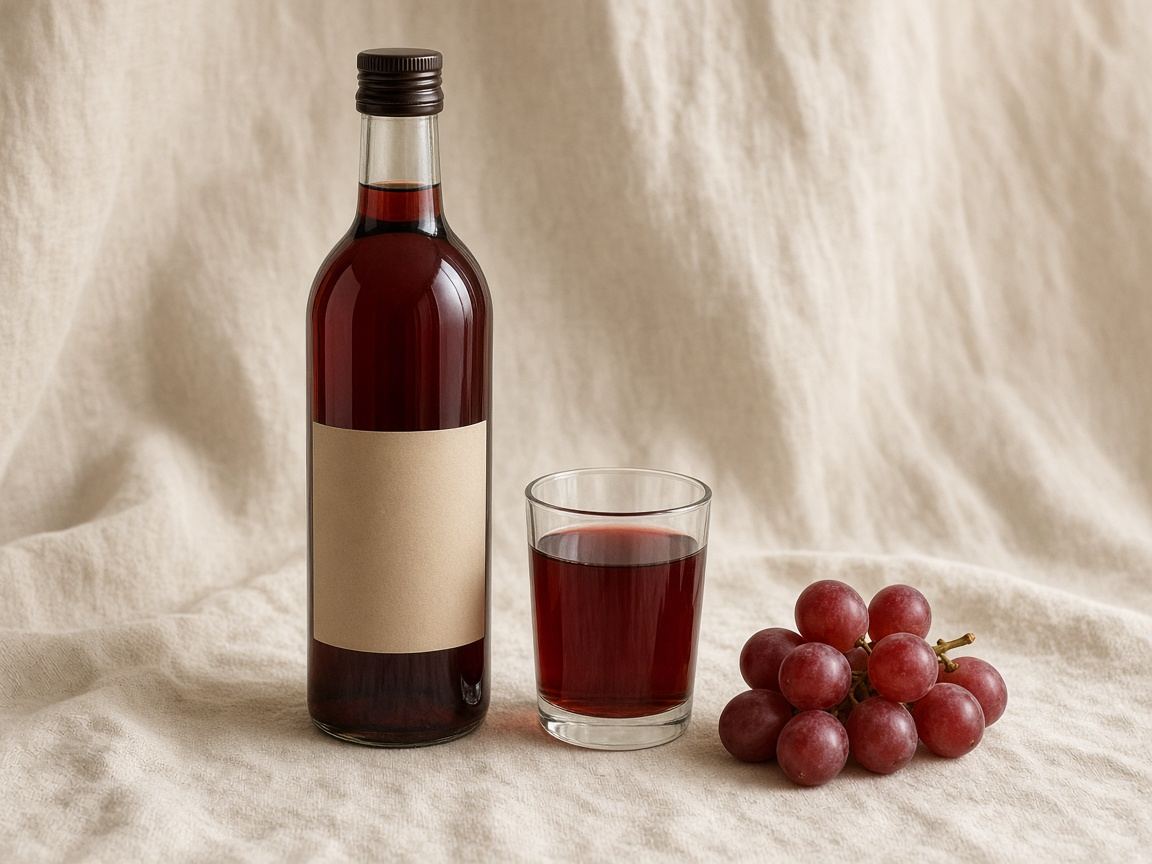
The salad and marinade acid of Europe and the Southern Cone.
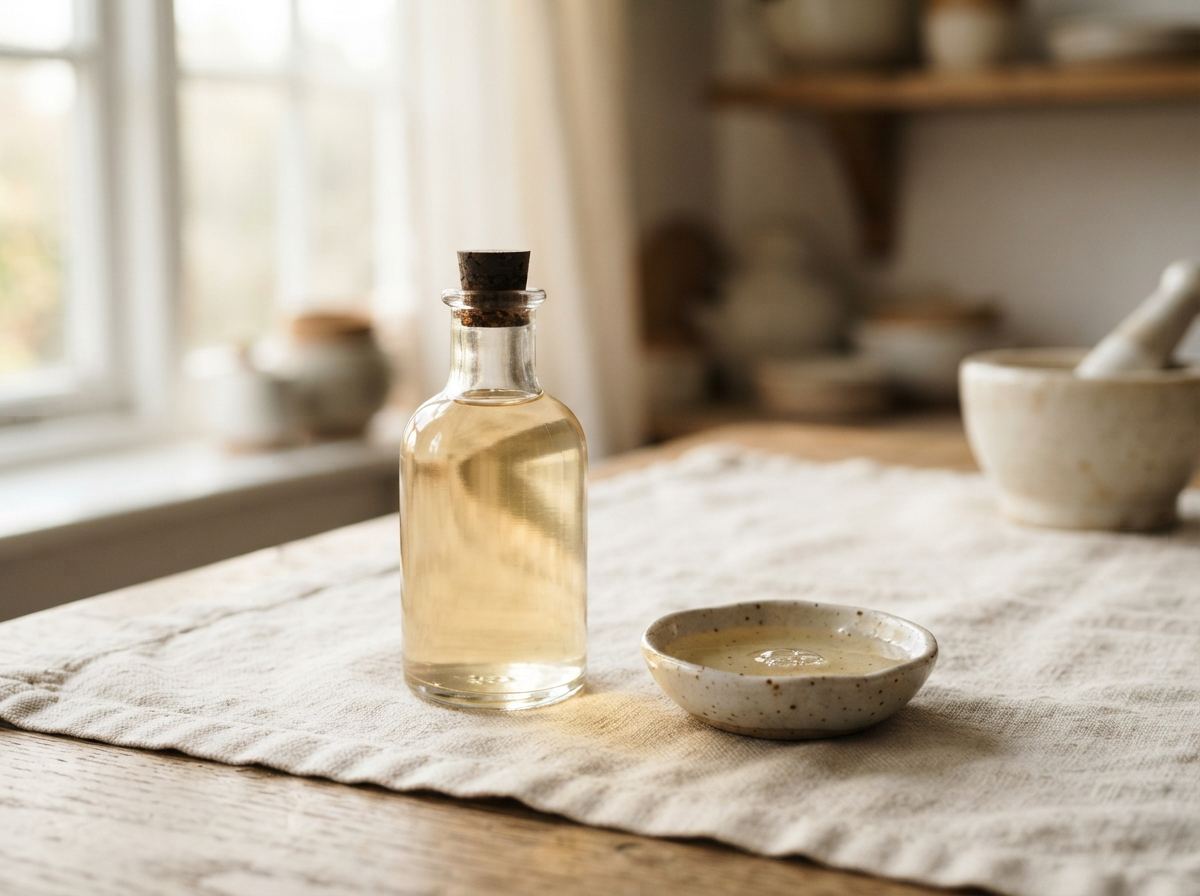
The mild acid of sushi rice, pickles, and a Chinese splash-fry.