
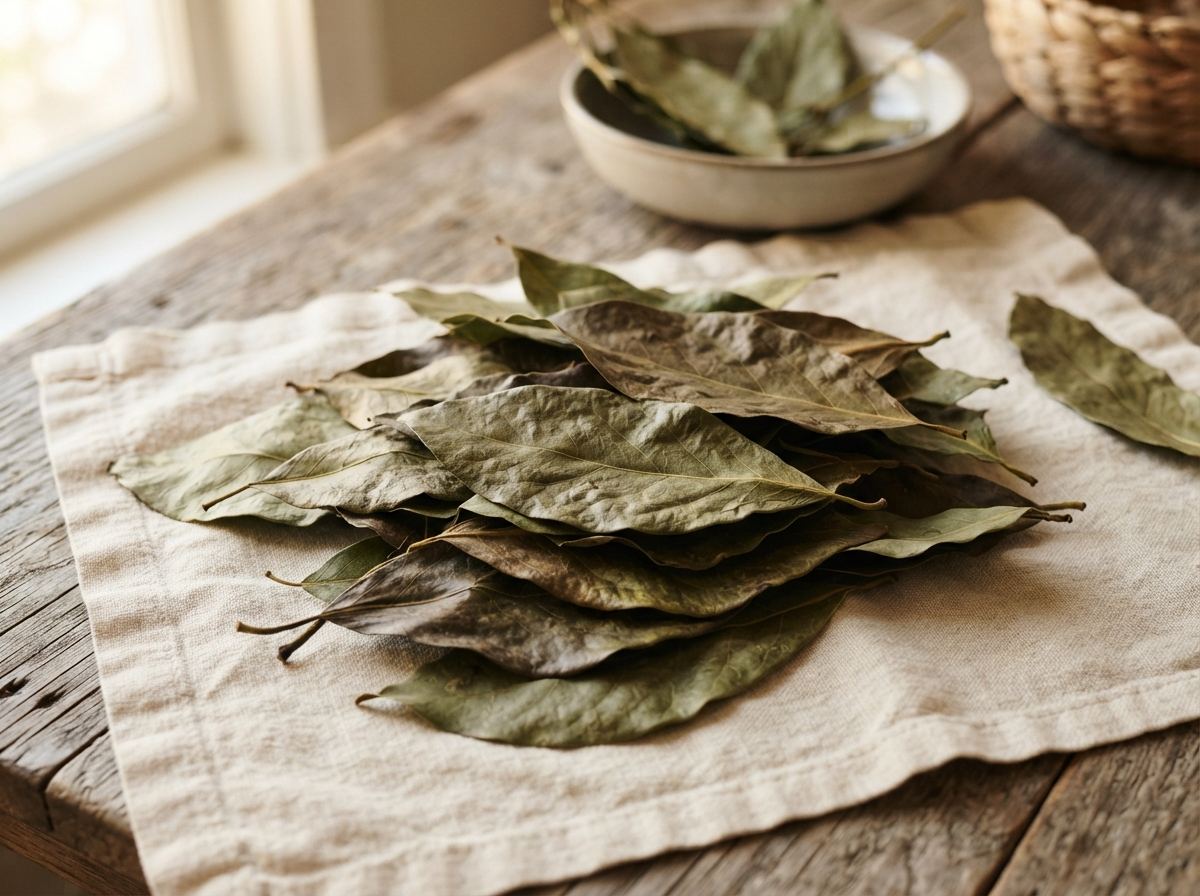
Avocado leaf
Toasted hoja de aguacate: anise and nut, the Oaxacan leaf that seasons beans.
Pantry · Herbs
The herbs named across the 30 International Cuisines books.
Toasted hoja de aguacate: anise and nut, the Oaxacan leaf that seasons beans.
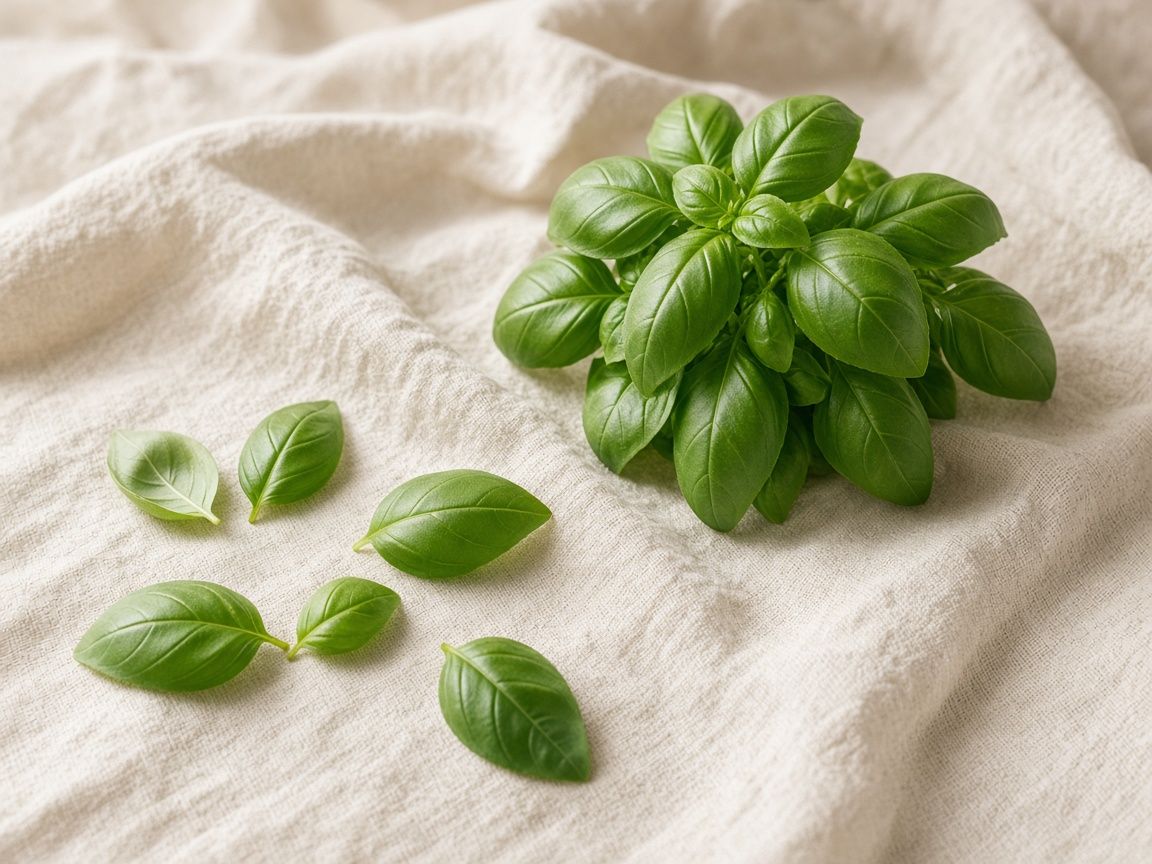
One name, many plants: the sweet leaf of pesto, the anise leaf of Thai curries, the holy leaf of Indian kitchens.
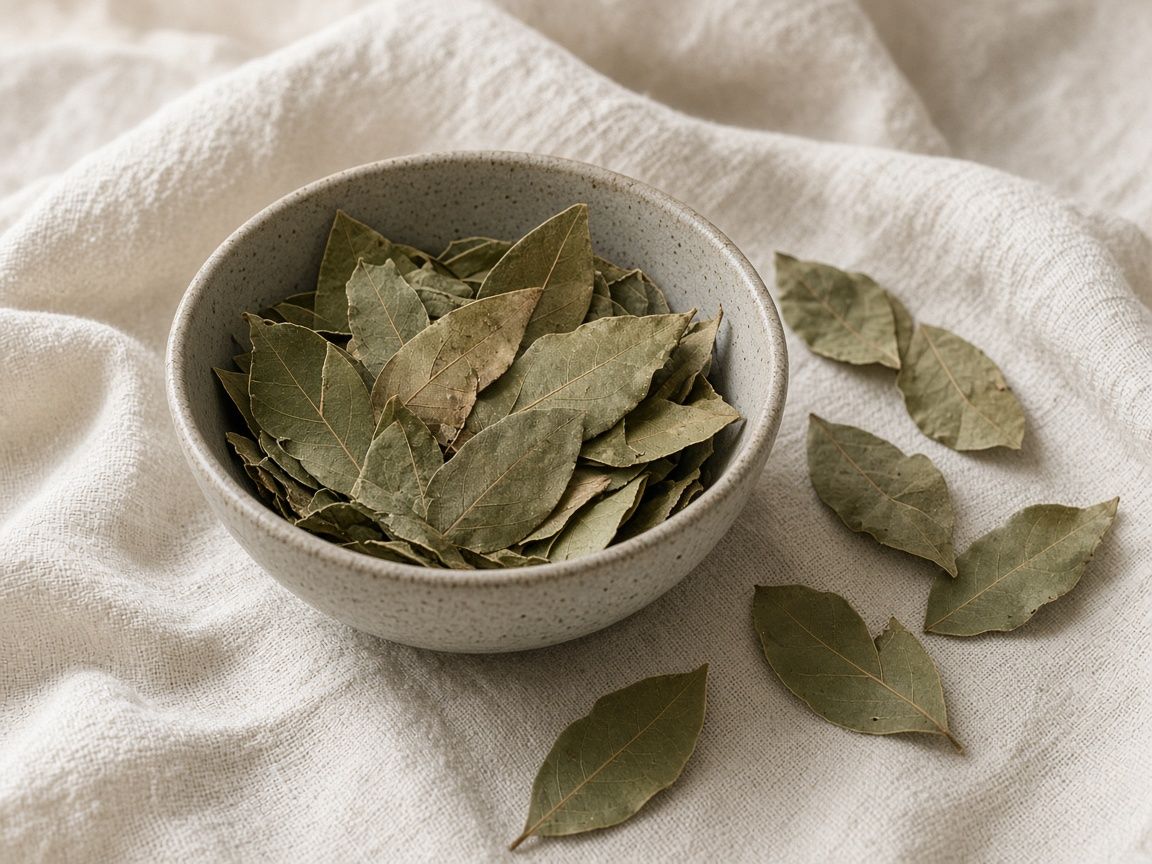
The leaf you never eat and always miss if it is gone: 29 kitchens in the series drop it into a pot and fish it out later.
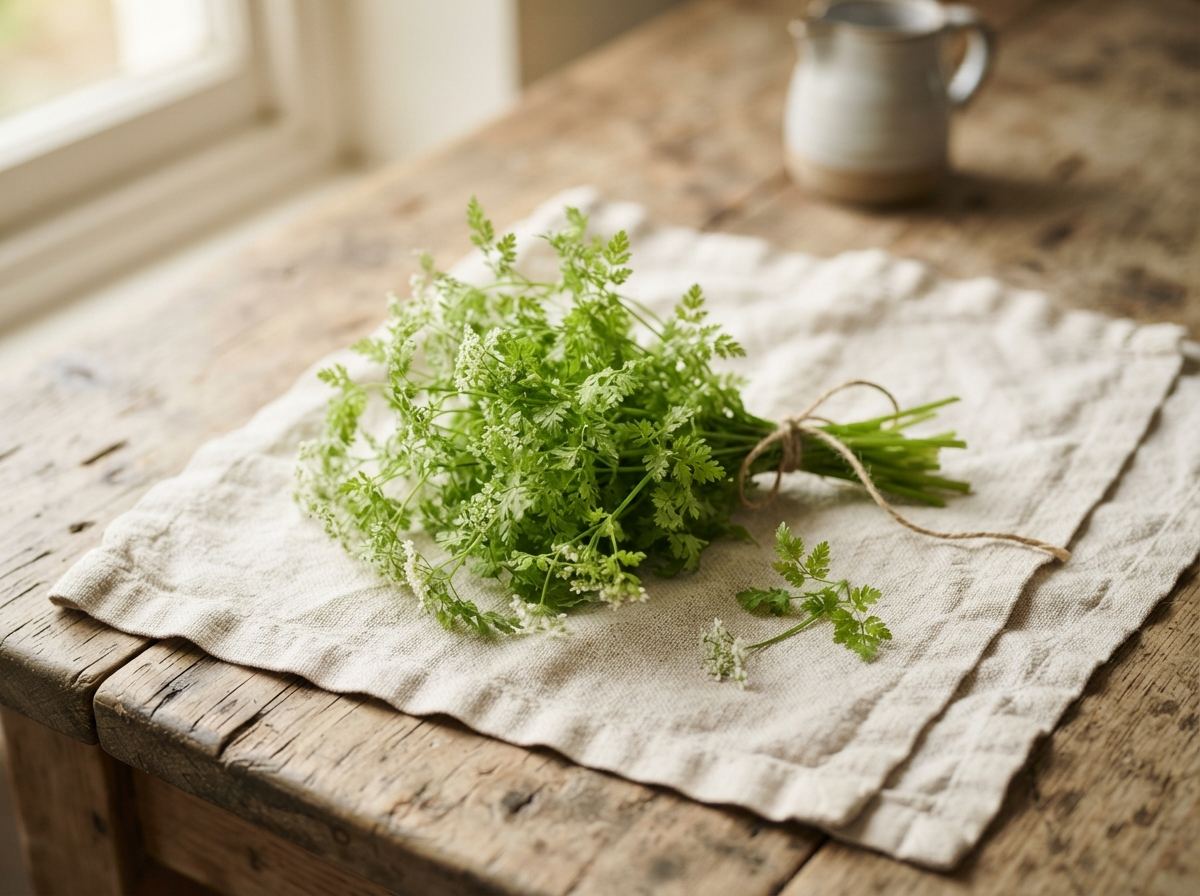
The delicate parsley of spring — a French fines-herbes leaf that hates a long simmer.
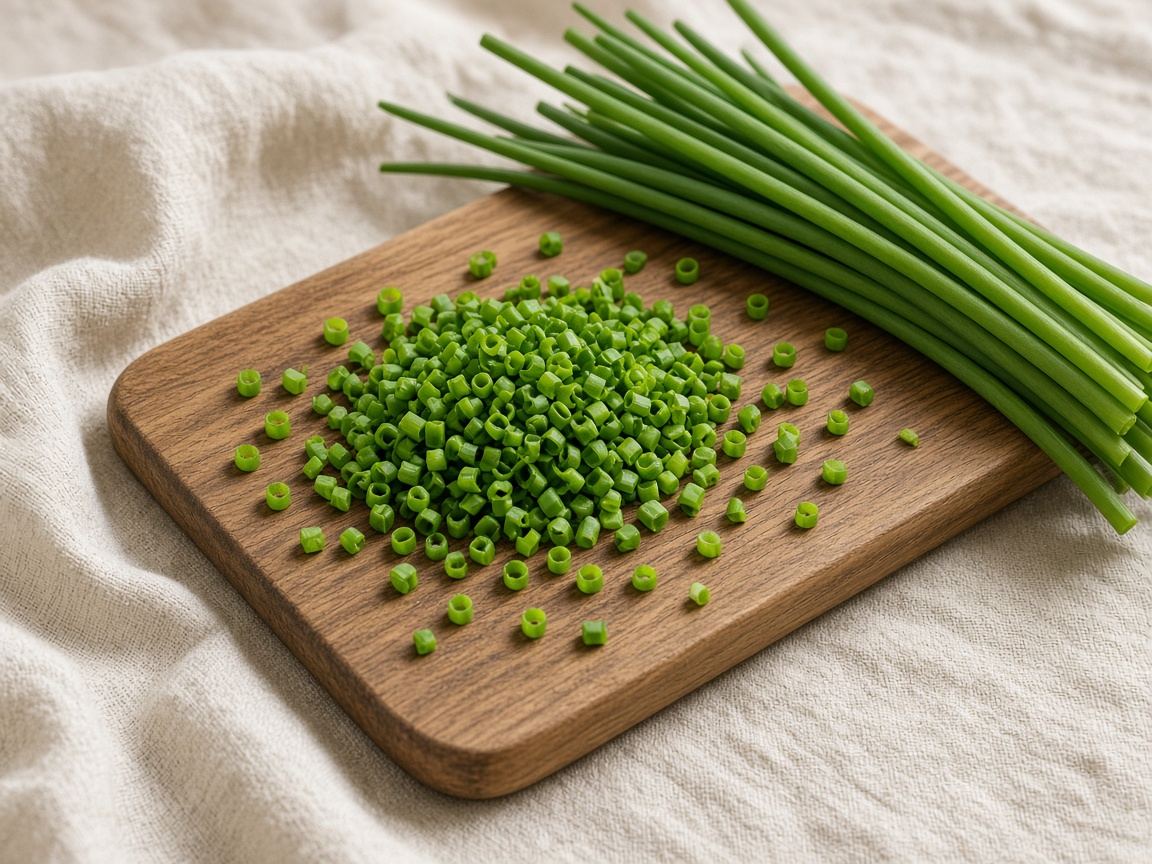
A green onion you do not cook hard: the last snip on eggs, a soup, and a Thai or German plate that wants freshness.
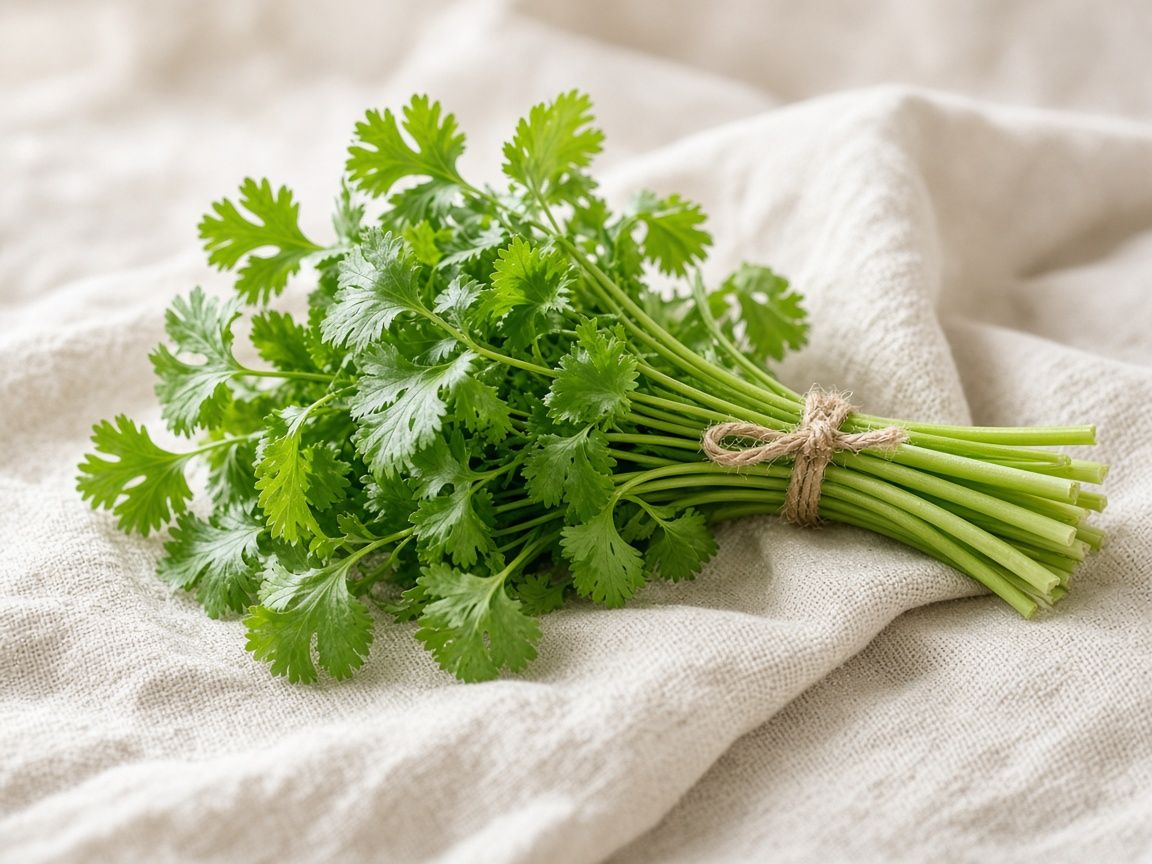
The leaf that divides a table and defines a salsa: bright, soapy to some, indispensable to many of the 30 kitchens.
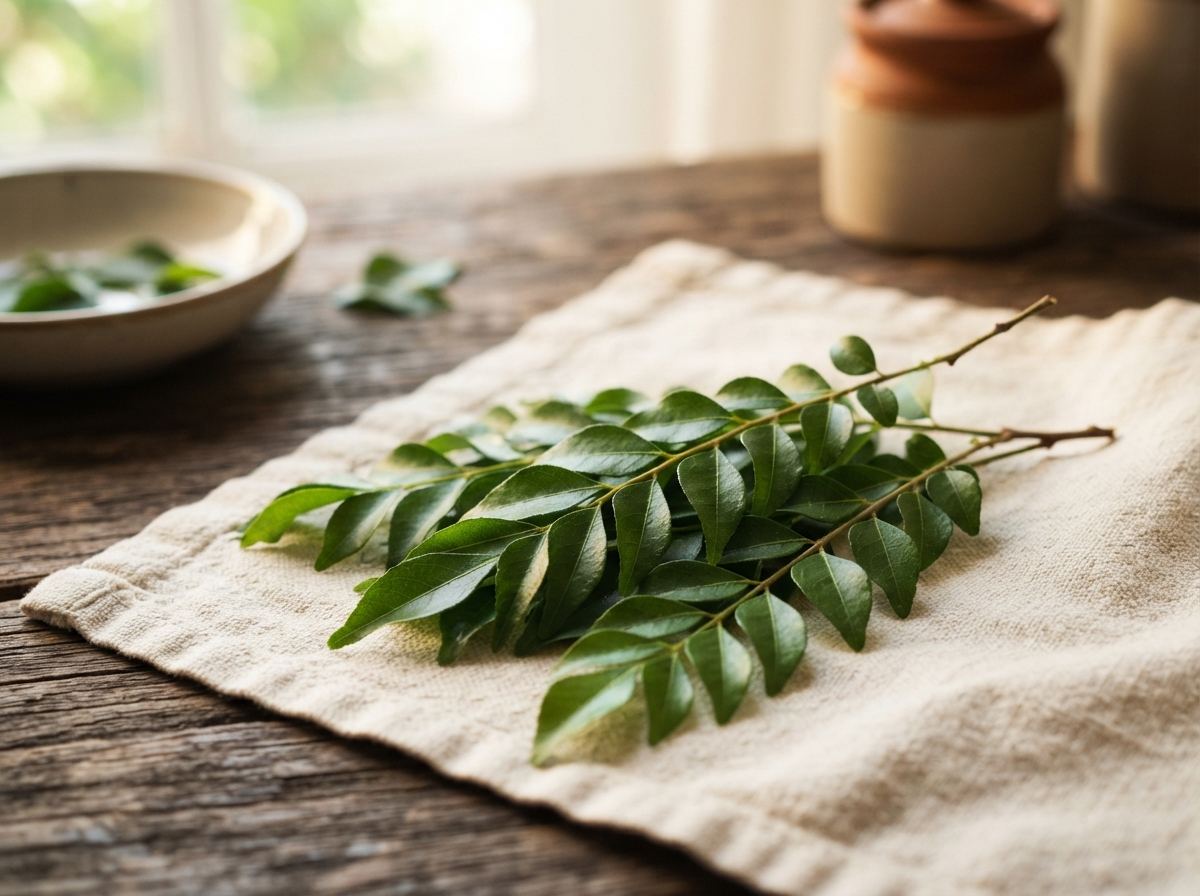
The South Indian tadka leaf — popped in oil until the kitchen smells like breakfast.
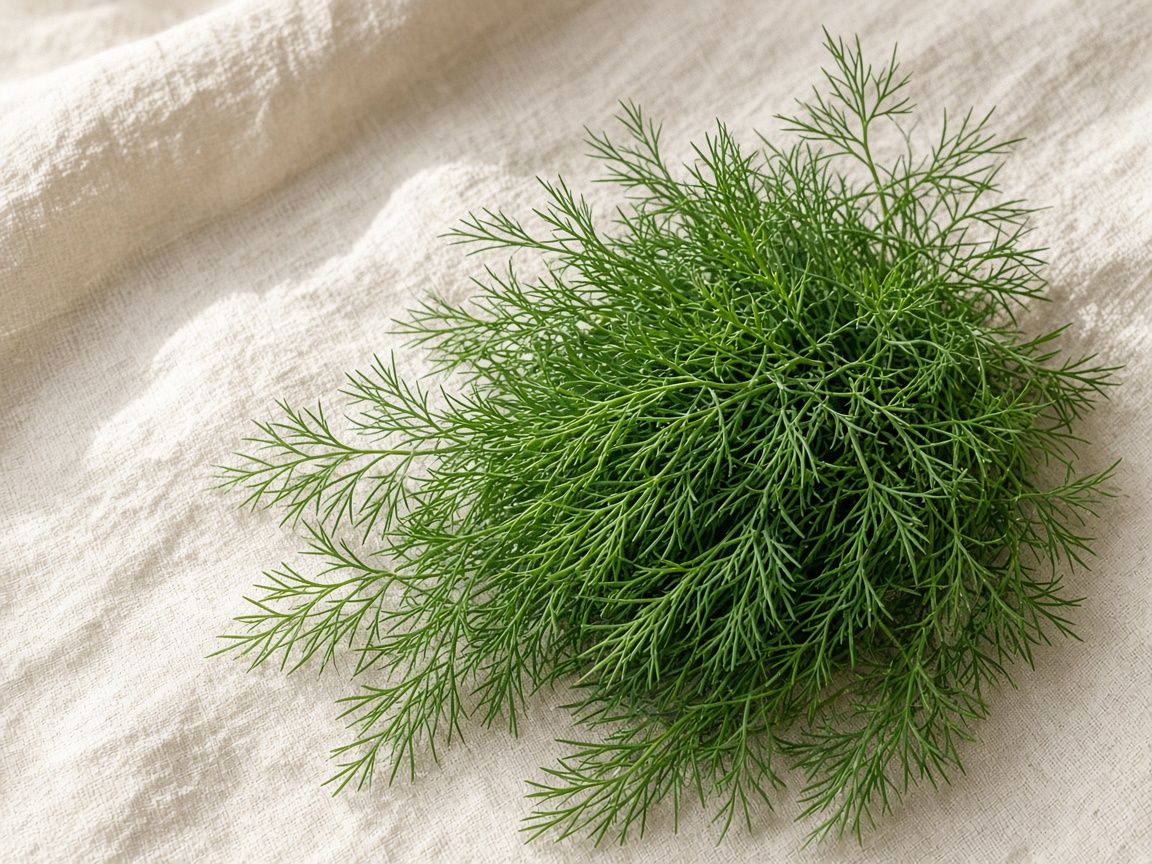
The feathery green of pickles, yogurt, and fish — and, in this series, of 23 kitchens that refuse to treat it as only a Northern herb.
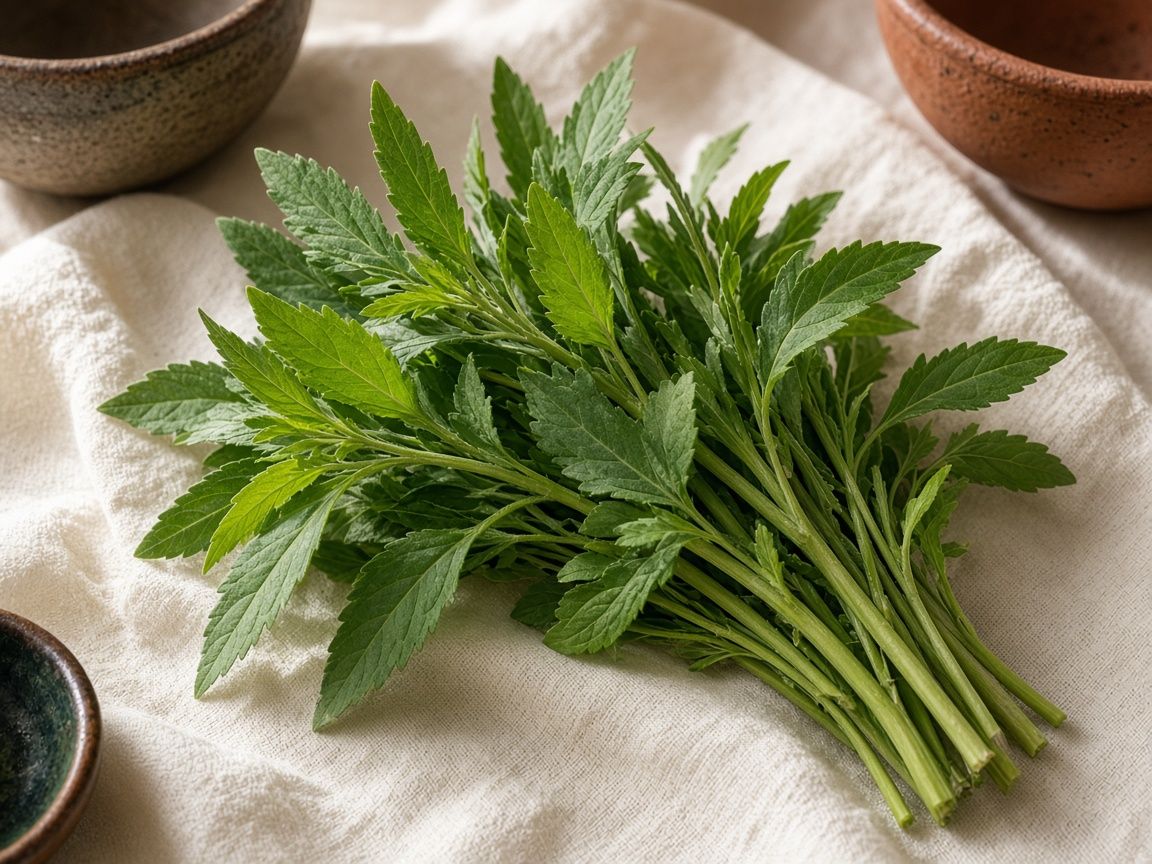
The pungent leaf Mexican bean pots are not themselves without: medicinal, polarizing, and impossible to fake with oregano.
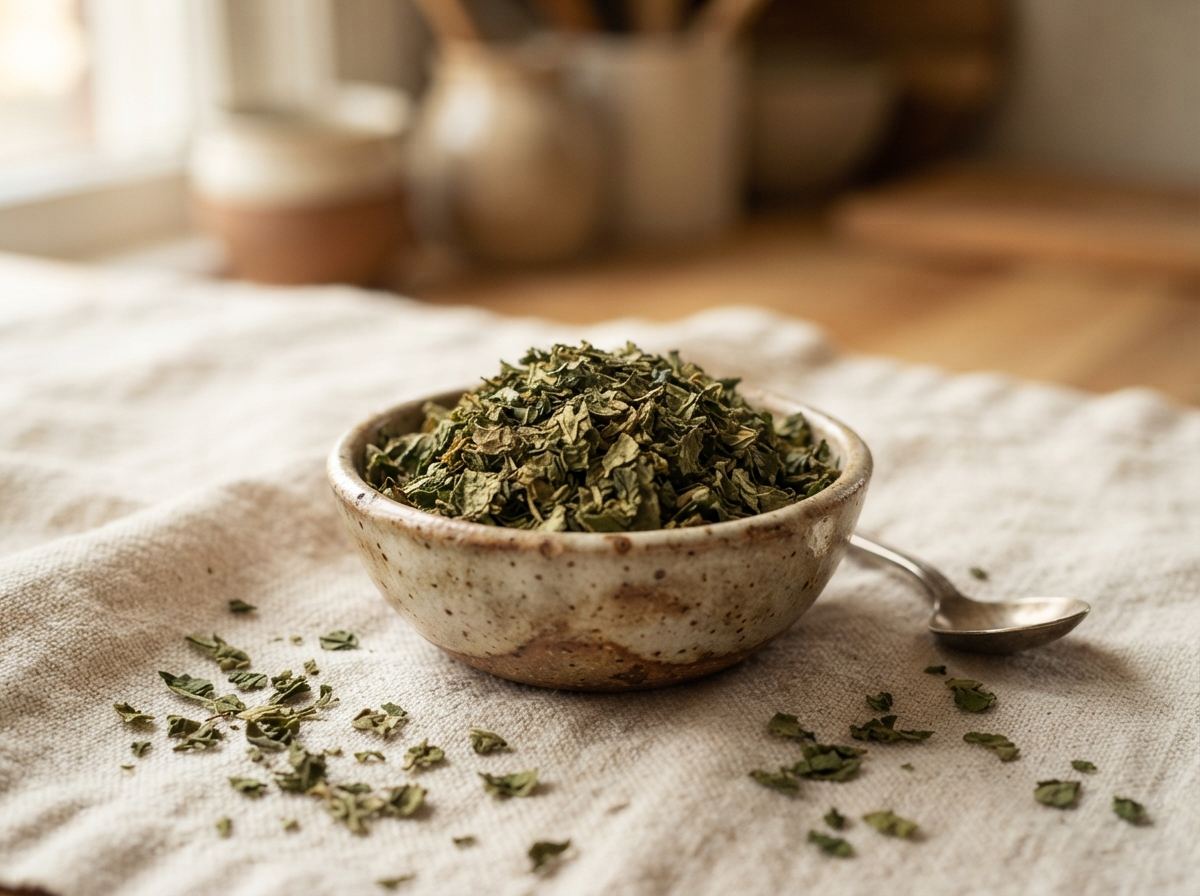
Kasuri methi — dried fenugreek leaves crushed over a finished curry for a maple-bitter perfume.
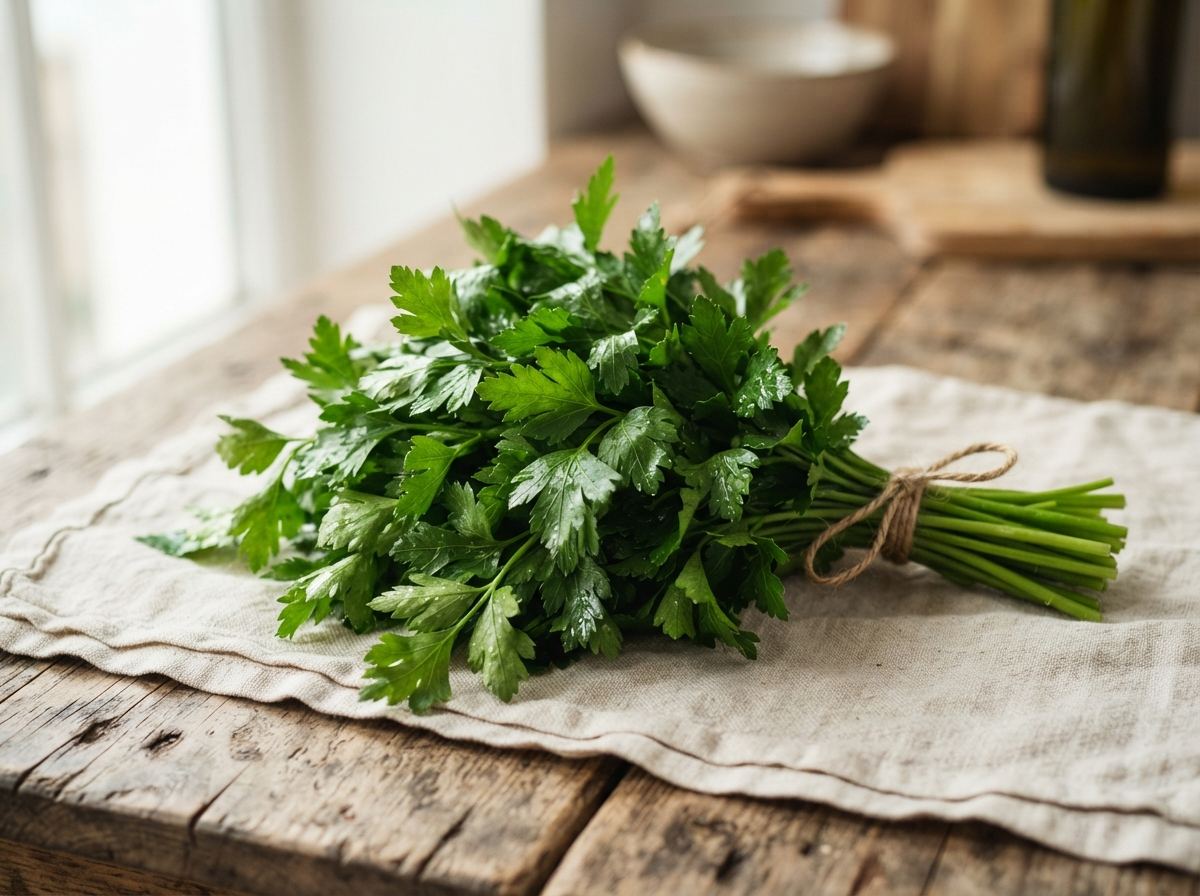
Italian parsley: flatter, louder, the bunch that finishes a tagine and a gremolata.
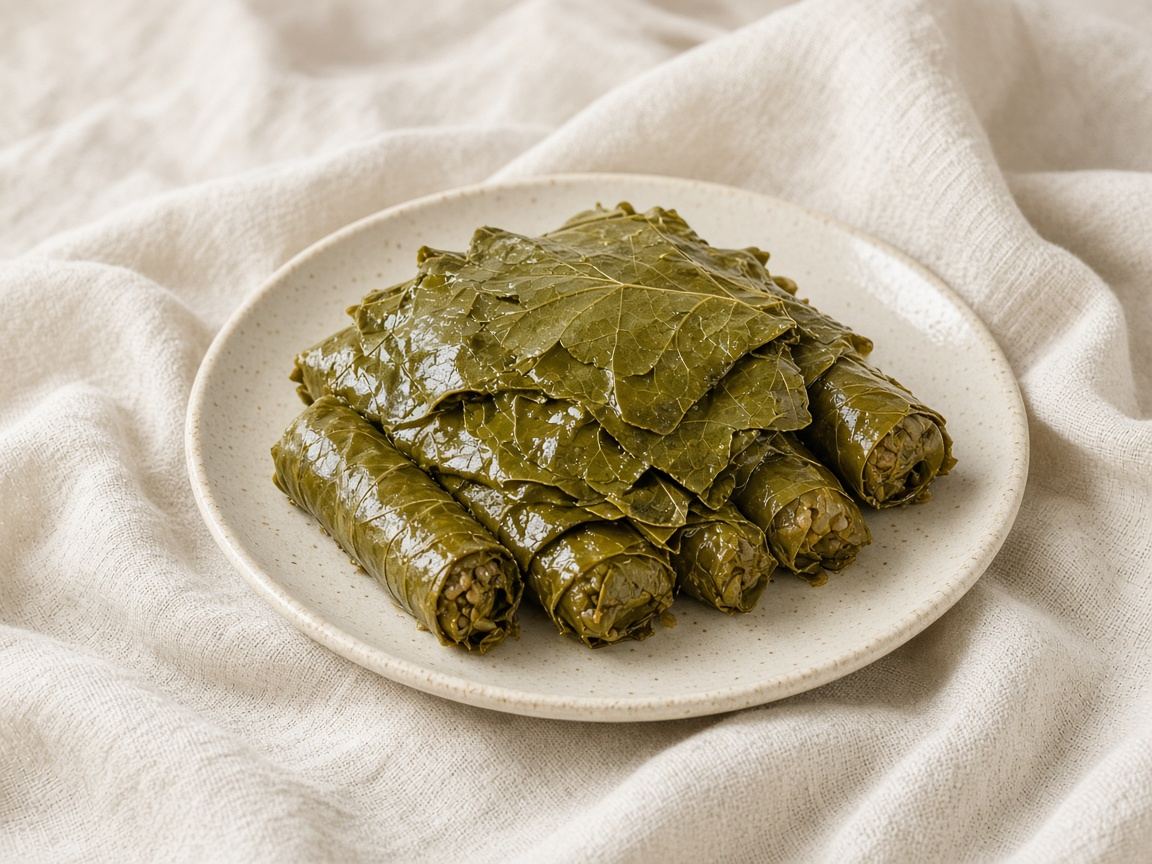
The wrapper of a dolma: brined, tender, and the taste of a Levantine garden.
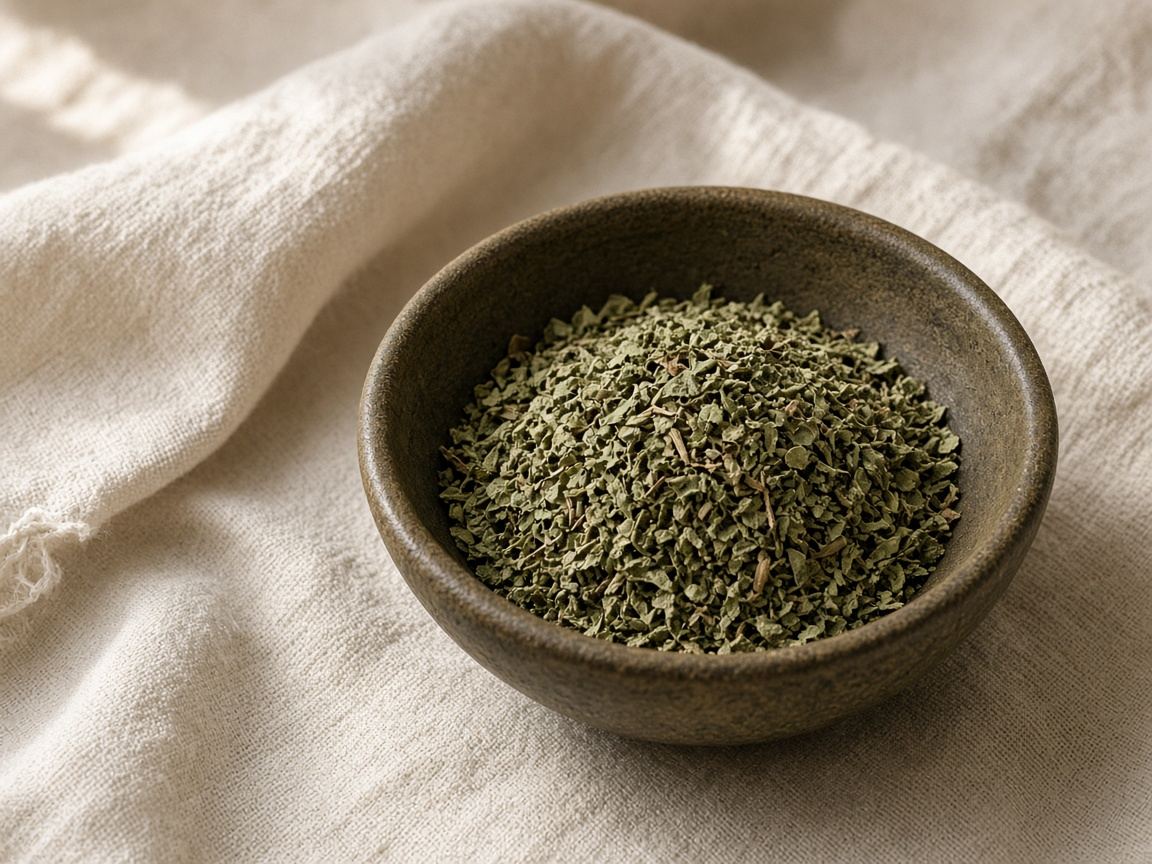
The dried herb a Colombian chicken-and-potato soup is unfinished without: green, grassy, and local.
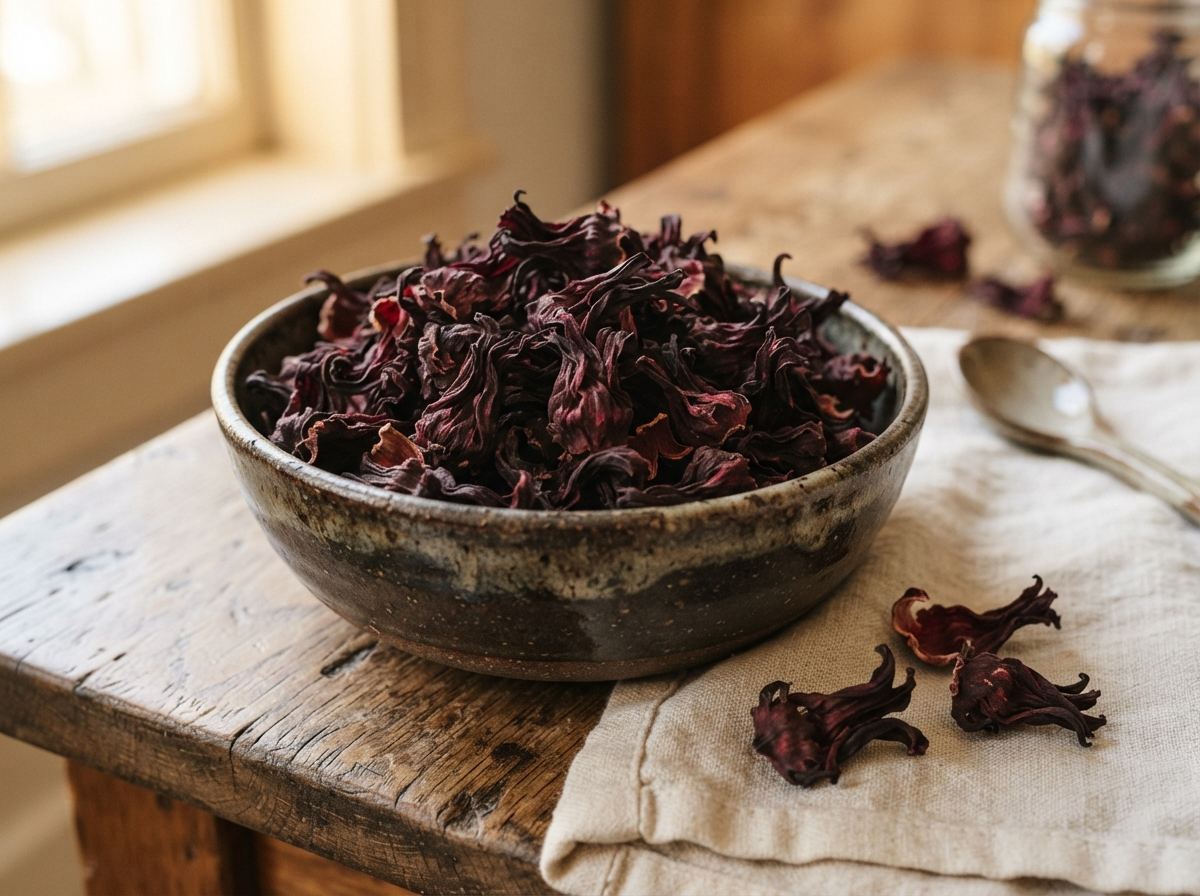
Jamaica, karkadé, sobolo — the calyx that dyes aguas and teas a deep red.
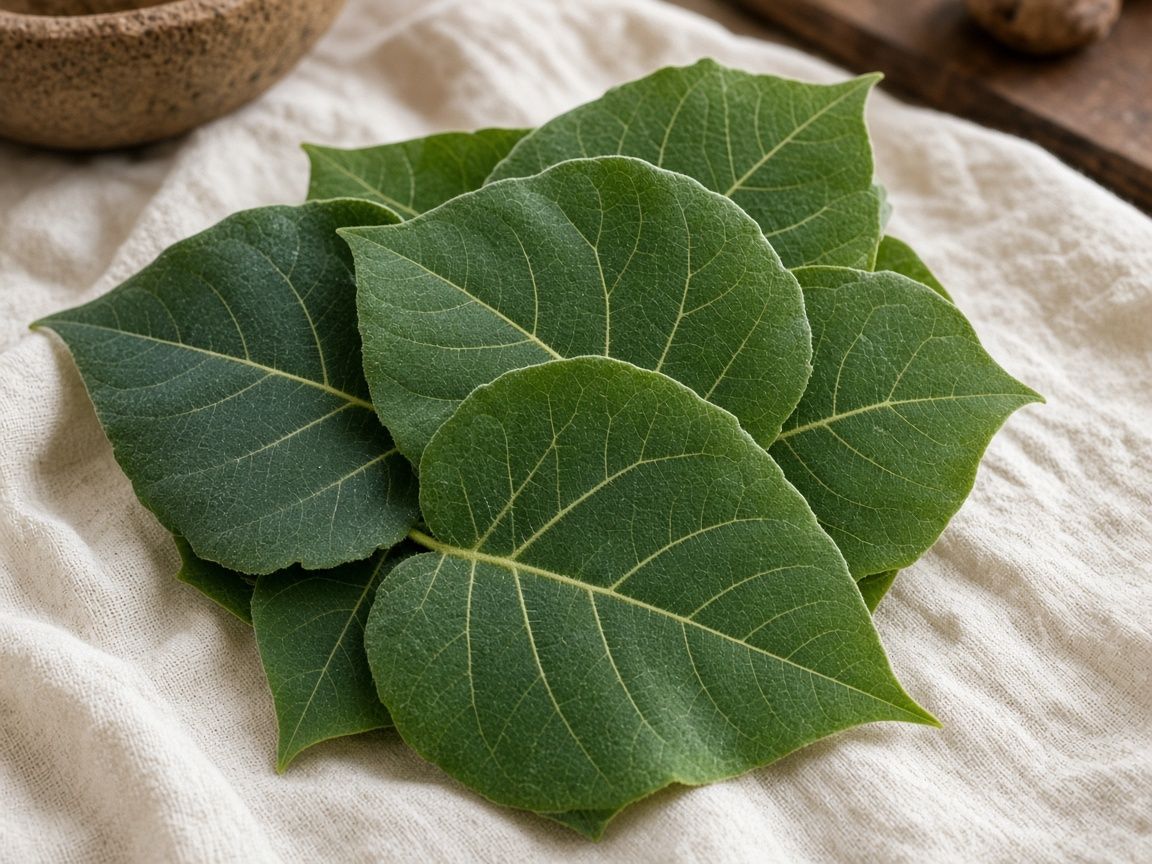
The anise-sassafras leaf Mexican cooks wrap around fish and cheese: a Piper cousin of black pepper, used as a wrapper and a perfume.
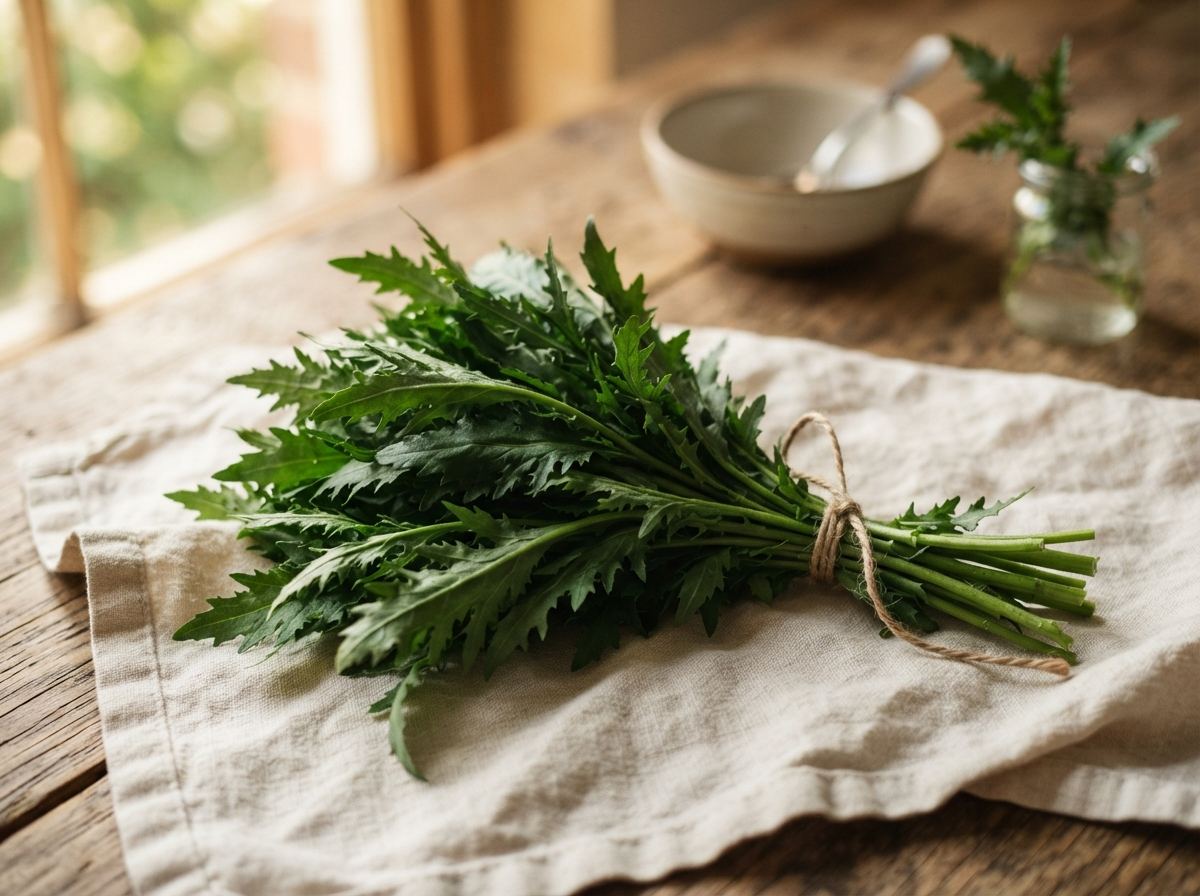
Andean black mint: the wild marigold that makes ocopa and roast chicken Peruvian.
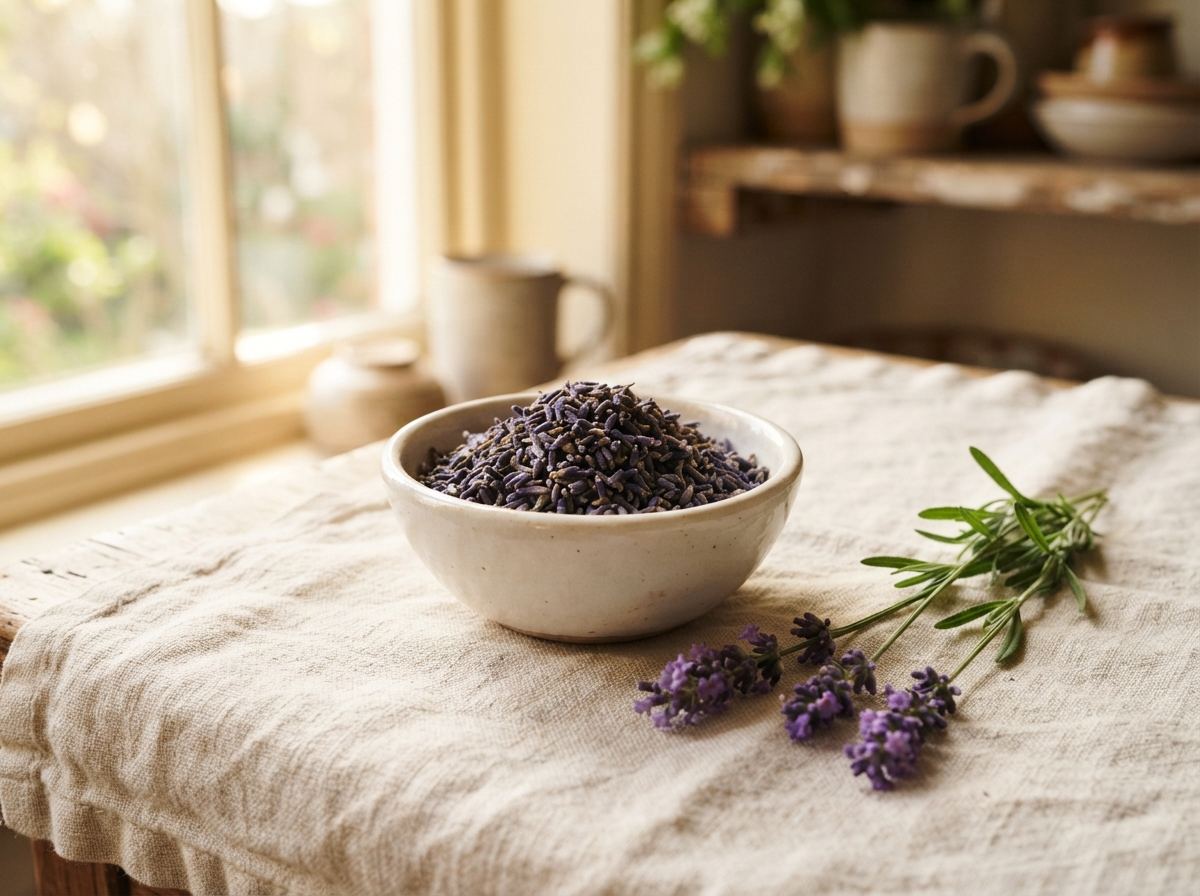
Flower as spice — a pinch in herbes de Provence, a warning if you add a handful.
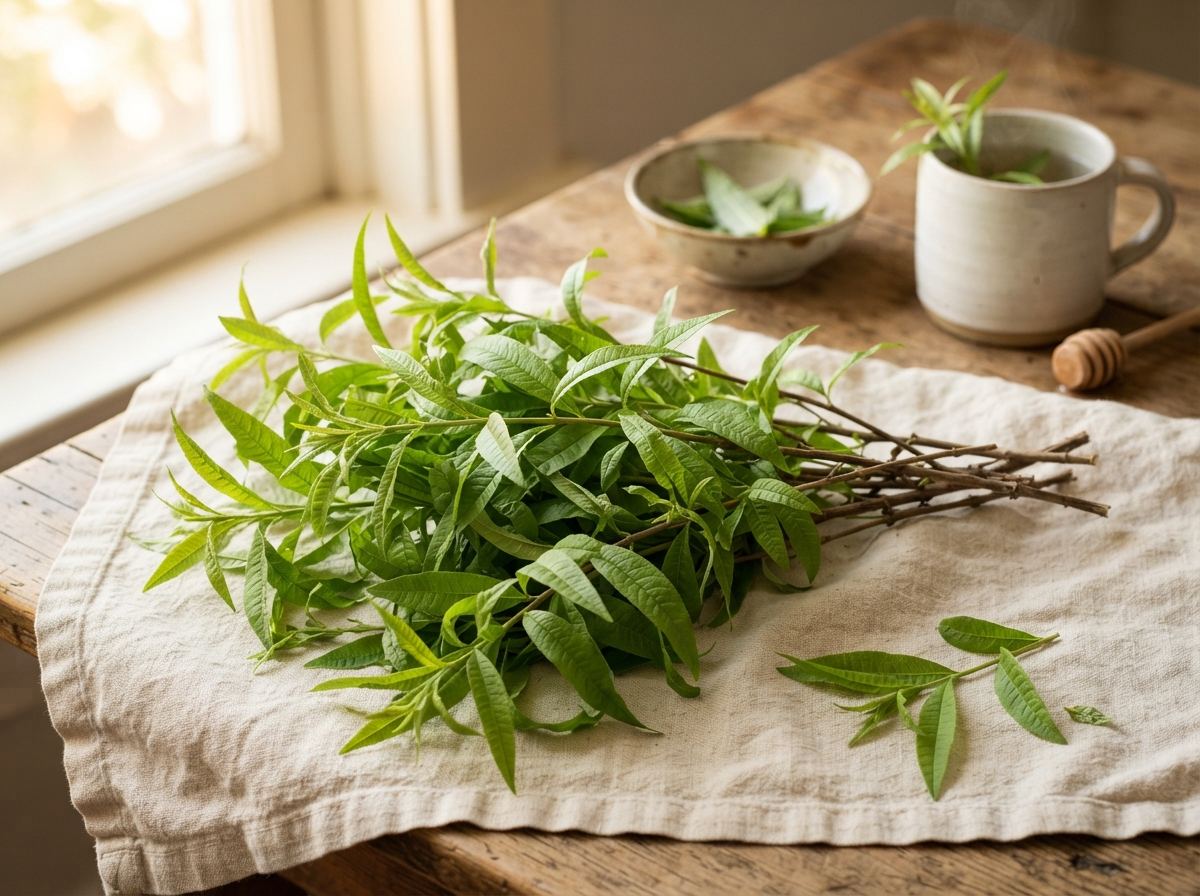
The herb the books still call Lemon verbena — a working jar, not a garnish word.
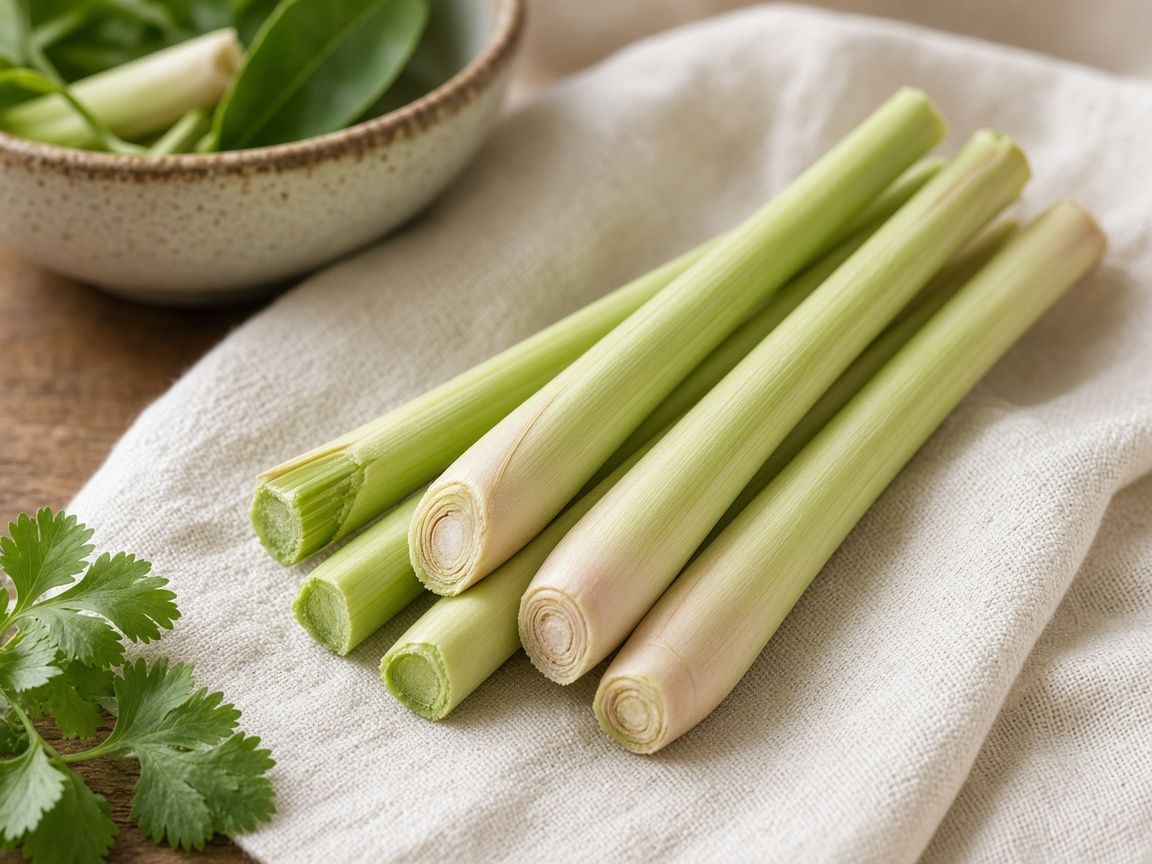
A stalk that smells like lemon and sugarcane: the base of Thai tom yum, Vietnamese broths, and Indonesian spice pastes.
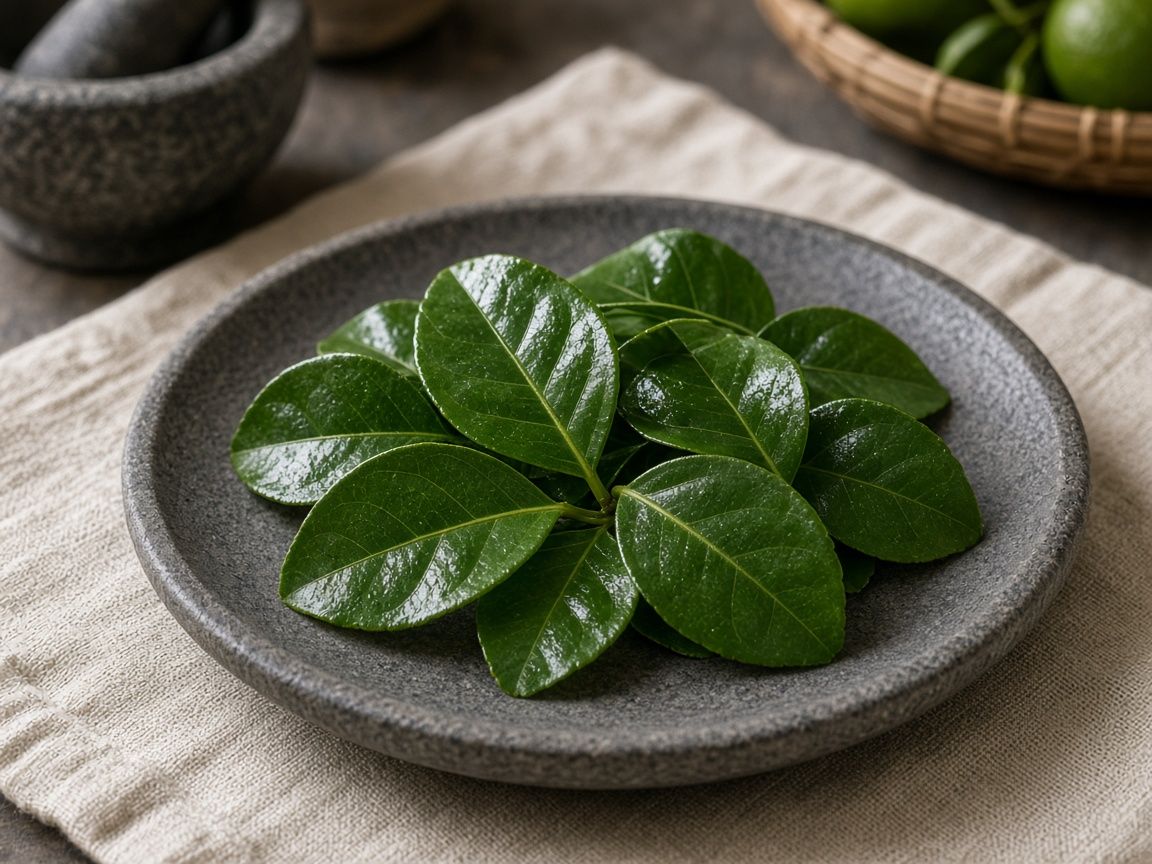
The double leaf that makes a Thai pot smell like itself: citrus oil without the juice, perfume without the pith.
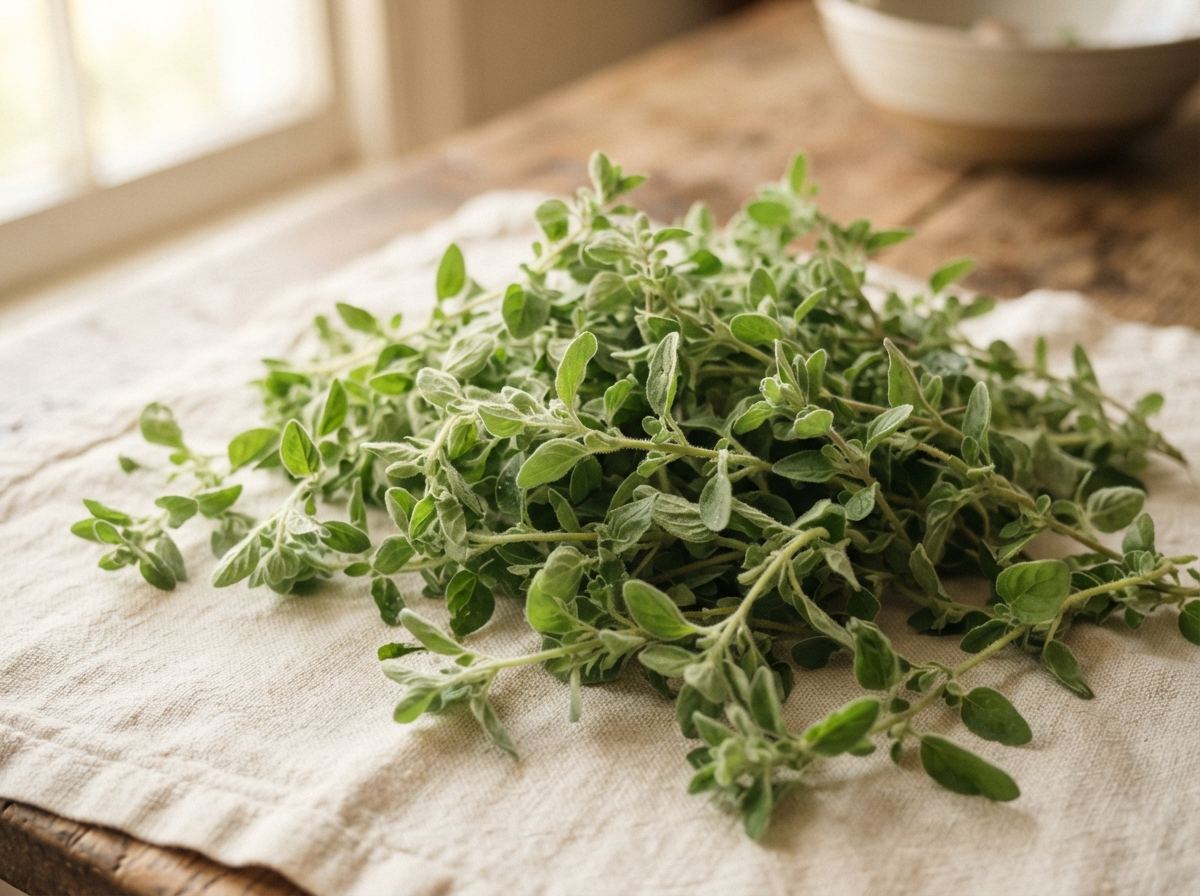
Oregano's gentler sister, sweeter, and at home in German and Polish pots.
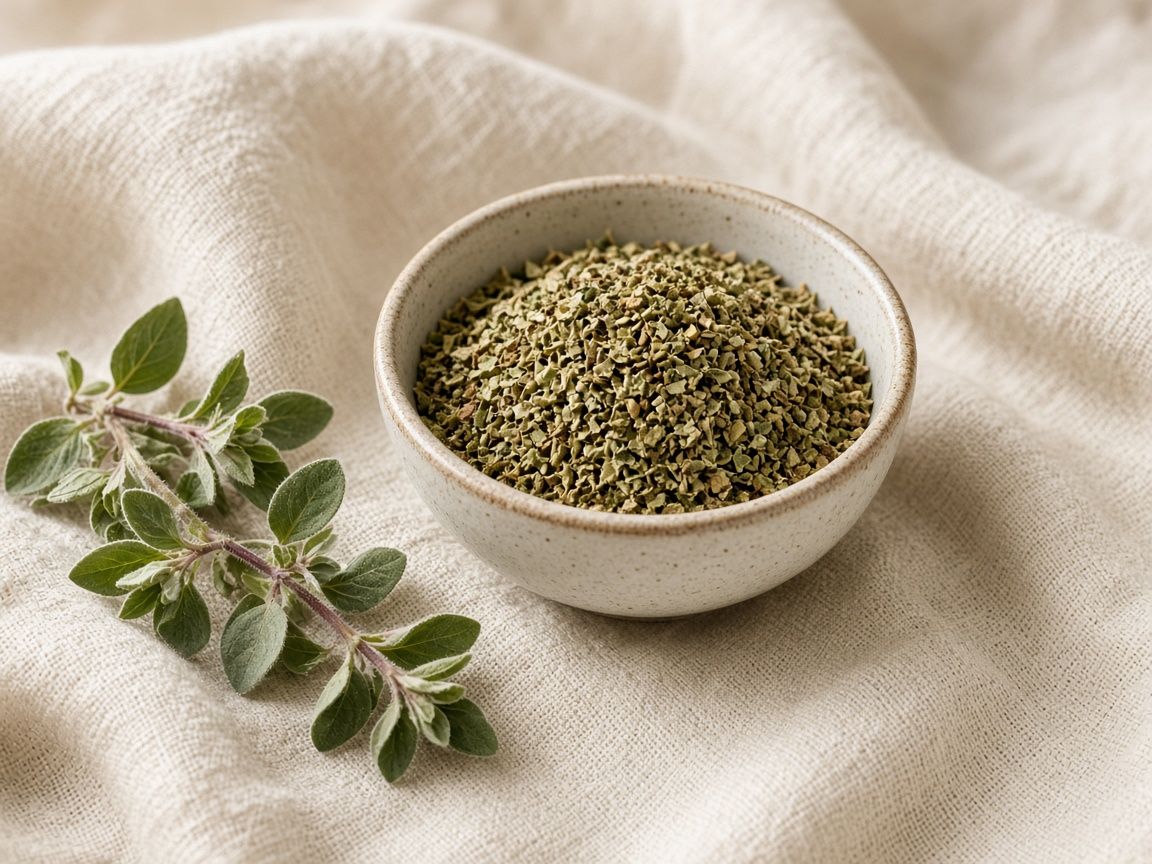
The oregano of moles and pozoles: citrus-strong, related to verbena, and not a substitute for the Greek hill herb.
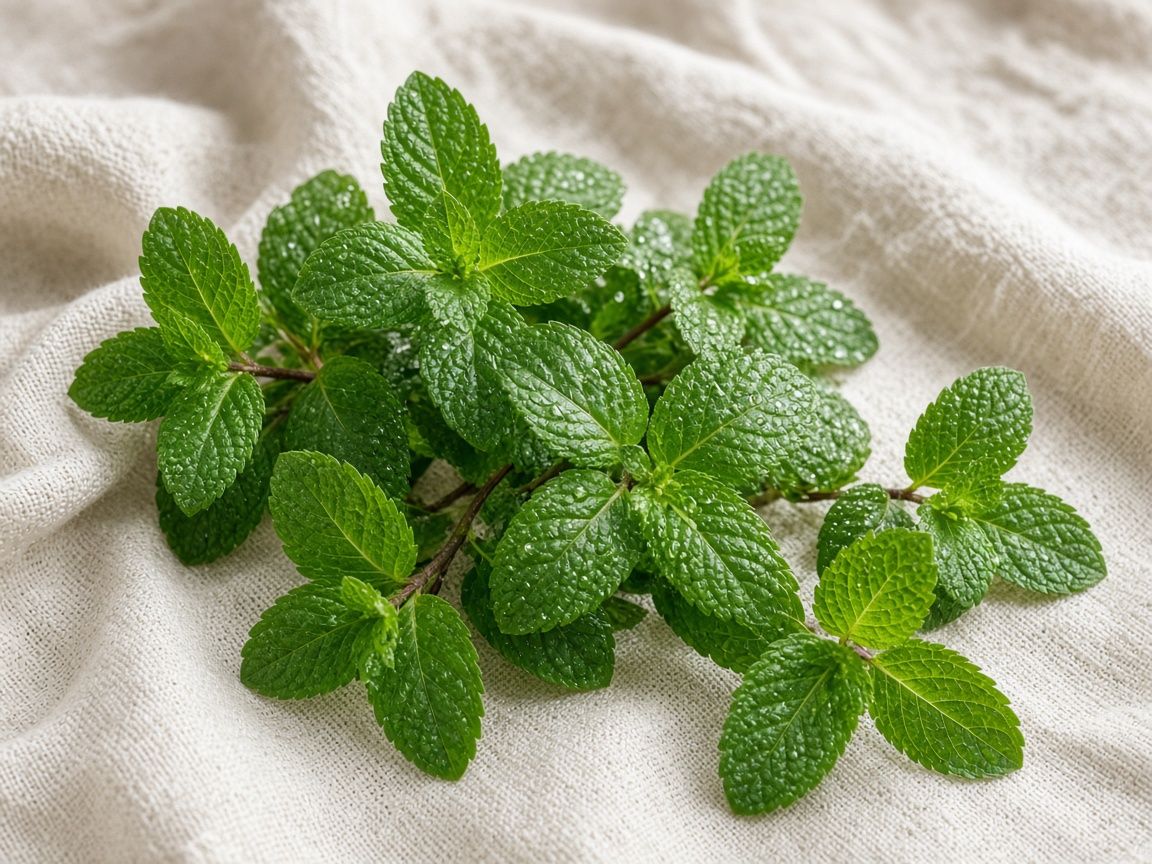
The cool leaf of tea trays, chutneys, and lamb: a plant that refuses to stay in one garden bed or one continent.
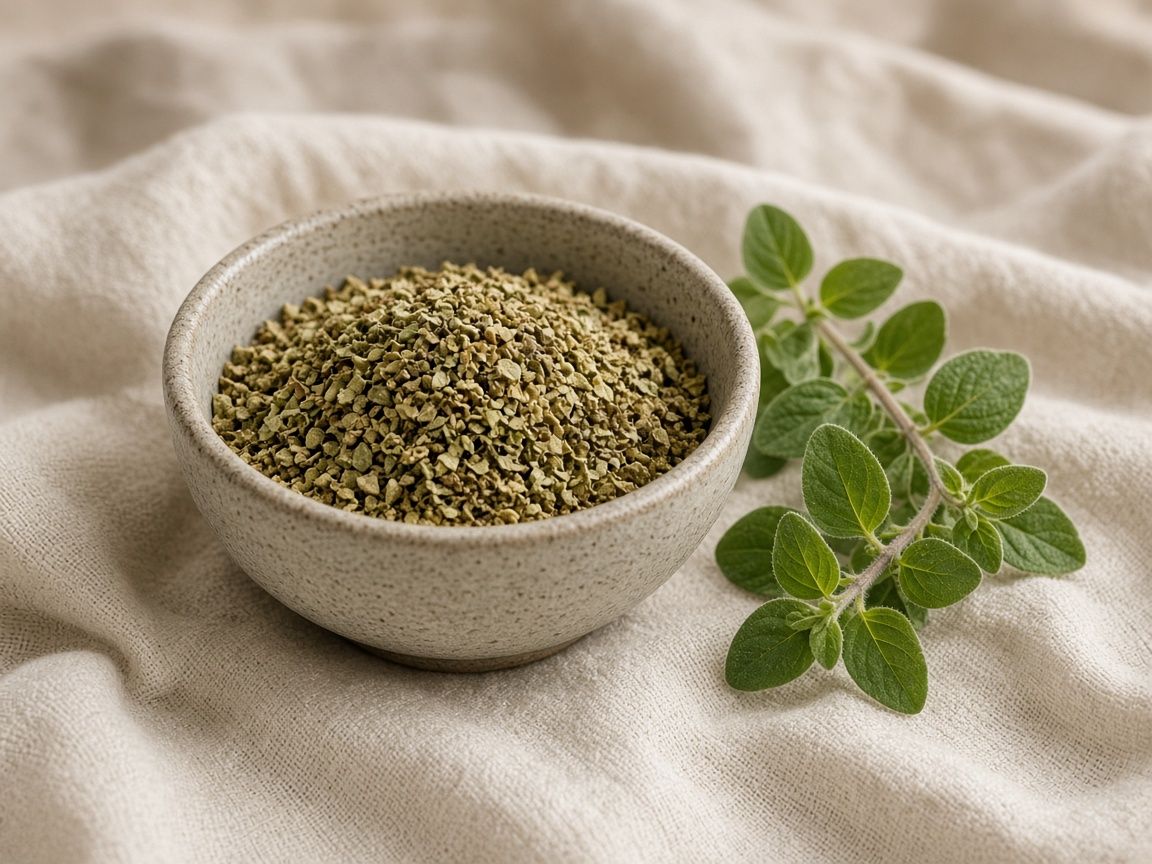
The pizza-and-souvlaki herb that is stronger dried than fresh — a rare plant that prefers the jar.