
Pantry · Herbs
Mint
The cool leaf of tea trays, chutneys, and lamb: a plant that refuses to stay in one garden bed or one continent.
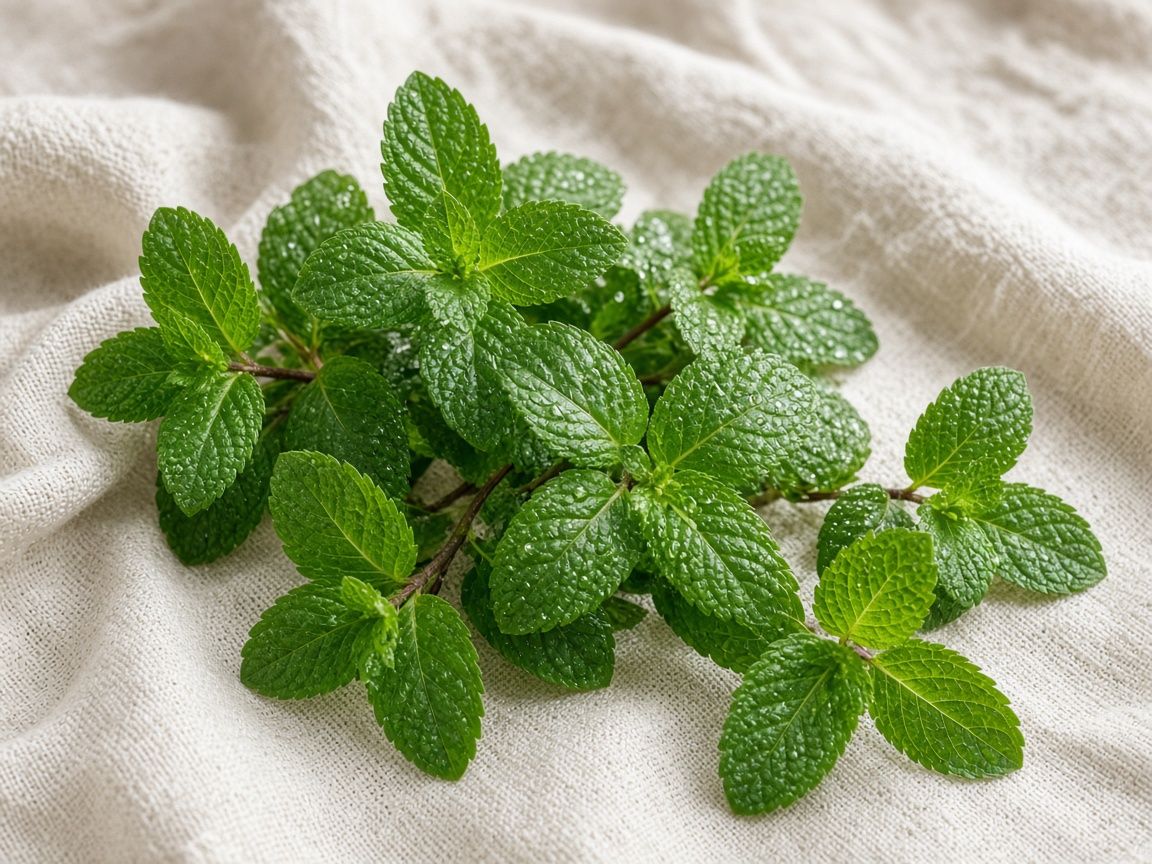
The journey
Mint is named for a nymph in Greek myth and for a habit in real soil: it runs. Egyptians, Romans, and medieval monks all grew it. What changed was the use. North Africa and the Levant made it a tea. India made it a chutney. Europe put it on lamb and in sweets.
Dried mint is a different spice — dustier, good in yogurt and soups. Fresh mint is a salad herb. The books use both across 13 kitchens, from Moroccan atay to Greek salads to Pakistani raita.
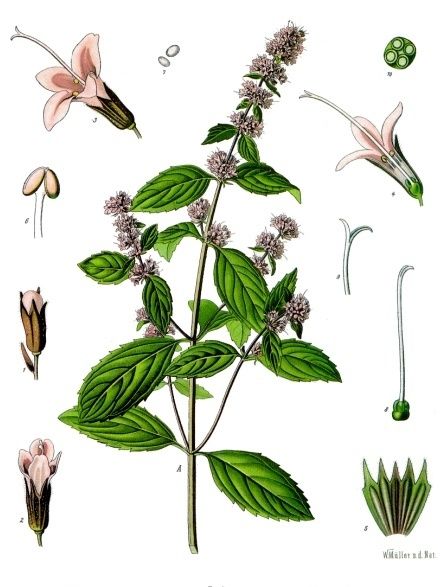
In the kitchen
Spearmint is the cooking mint. Tear it, do not pulverize it, unless you want a green paste. Add it at the end of a stew or stir it into yogurt. Dried mint can go in earlier.
Mint tea is hospitality in Morocco: plenty of leaves, plenty of sugar, poured from a height. Do not treat it as a weak afterthought bag.
Healers and the table
Peppermint tea for a turning stomach is one of the few herbal habits almost every grandmother agrees on. Menthol is why. Spearmint is gentler and more culinary.
A glass of mint tea is welcome. It is not a diagnosis.
Traditional uses are part of the story of this spice. They are not medical advice.