
Pantry · Herbs
Mexican oregano
The oregano of moles and pozoles: citrus-strong, related to verbena, and not a substitute for the Greek hill herb.
The journey
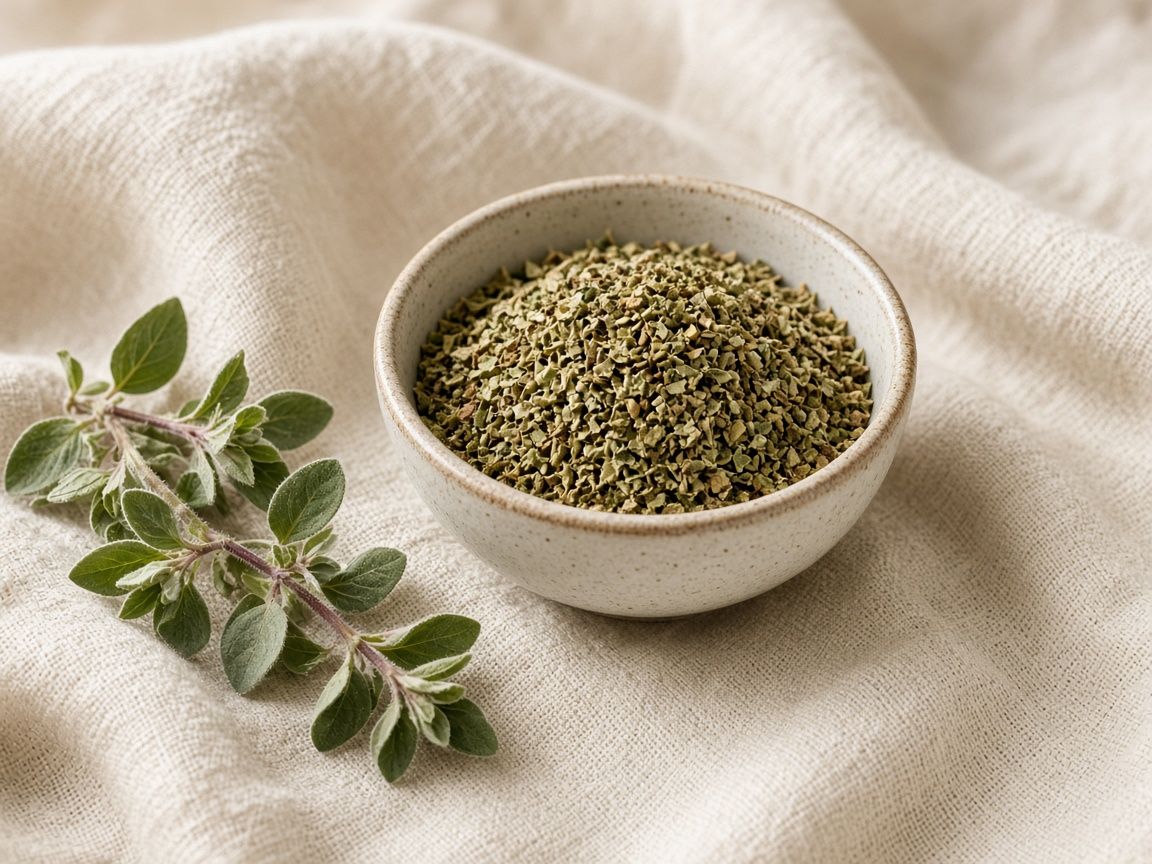
Mexican oregano is a Lippia, a verbena cousin, not an Origanum. Spanish speakers called it oregano because it played the same kitchen role: dried leaves, tomato, chile, and meat. The flavor is brighter, more citrus, less pizza.
In the Mexican book it appears in 28 recipes — more than Mediterranean oregano appears in any single volume. If a mole or adobo tastes flat, this is often the missing jar.
In the kitchen
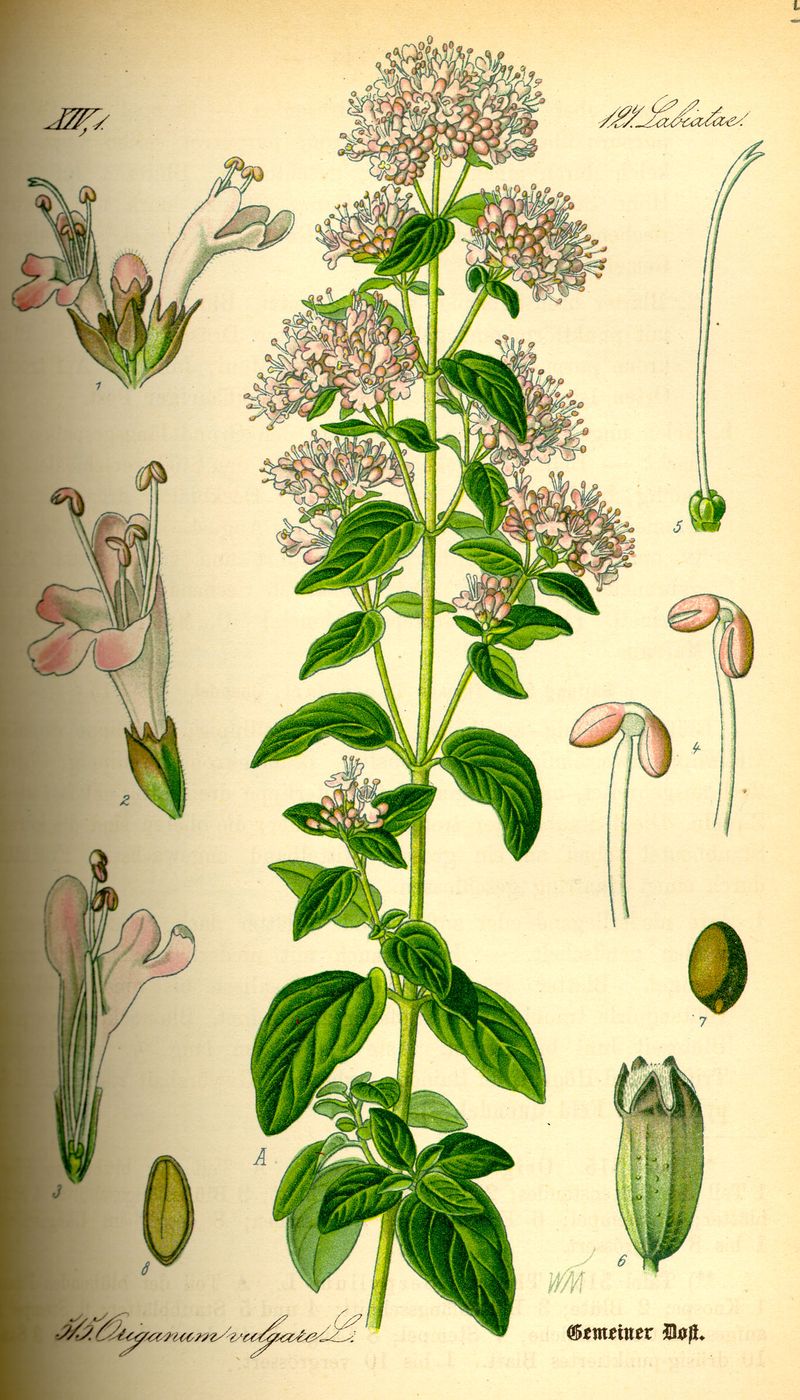
Use it dried, crushed between your hands. It can take a long simmer. Do not swap it one-for-one with Mediterranean oregano unless you want a different country in the pot.
It loves chile, cumin, tomato, and pork. A pinch in beans beside epazote is a very Mexican pot.
Healers and the table
Northern Mexican and Southwestern folk medicine used Lippia teas for colds. The kitchen pinch is the daily use.
Oregano in a salsa is cooking. A strong tea is a grandmother's habit, not a label claim.
Traditional uses are part of the story of this spice. They are not medical advice.