
Pantry · Herbs
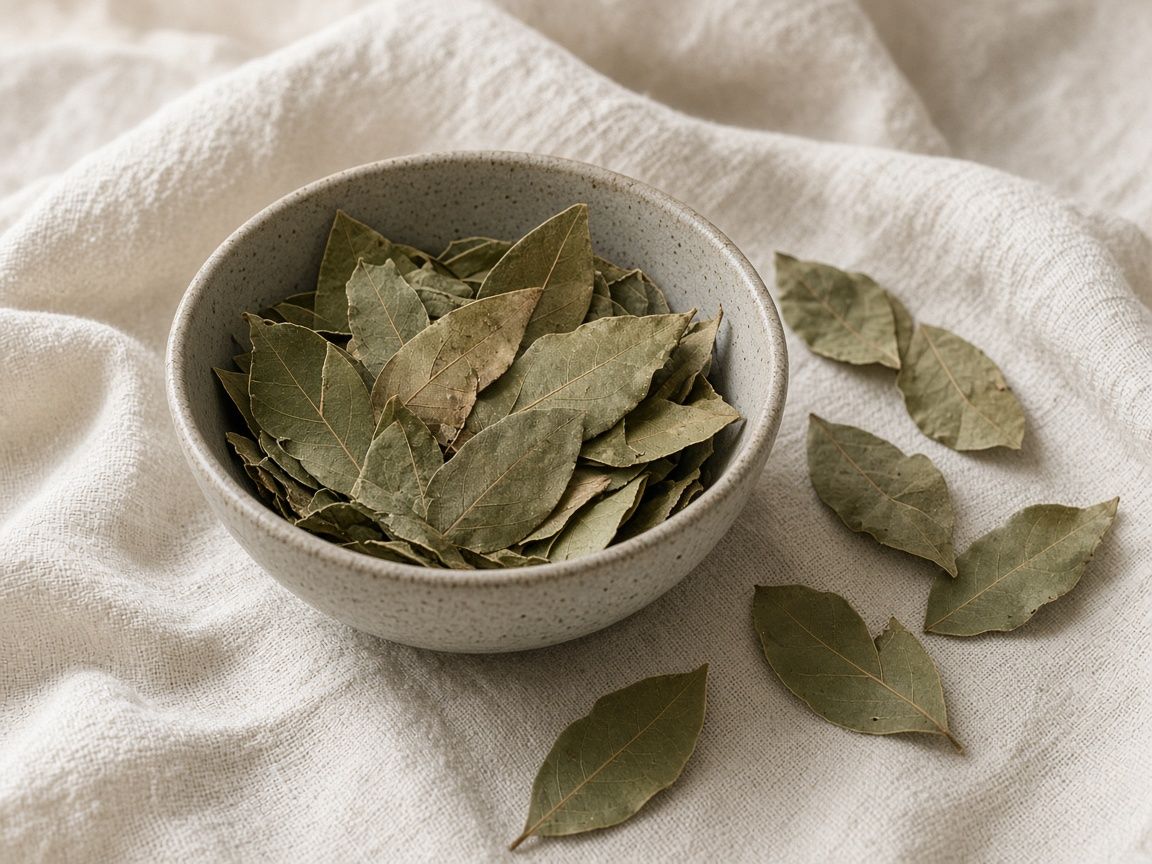
Bay leaf
The leaf you never eat and always miss if it is gone: 29 kitchens in the series drop it into a pot and fish it out later.
The journey
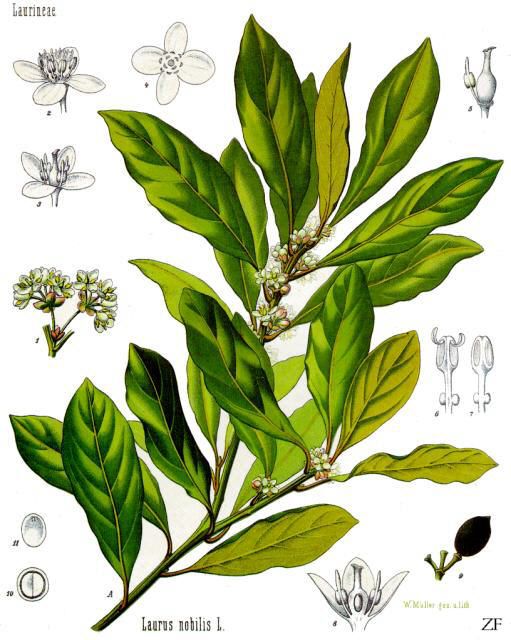
Bay crowned poets and generals in Greece and Rome. The kitchen kept the crown and put it in the stew. A dried leaf from Laurus nobilis is not the same as California bay, which is louder and more camphor-like. European and Mediterranean cooking means the true laurel.
In the books it is the most widely shared herb after no herb at all — present in every volume except Ethiopia. Stocks, beans, rice, and braises all borrow its quiet resin.
In the kitchen
One or two dried leaves for a pot. Fresh leaves are stronger. Tear them to wake the oil. Pull them out before serving so nobody bites a spine.
Bay wants time. It does nothing in a five-minute sauce and everything in a two-hour broth.
Healers and the table
Laurel oil and teas appear in Mediterranean folk medicine for digestion and aches. The leaf in a stew is the household use that lasted.
A bay leaf is a seasoning. It is not a treatment to chew.
Traditional uses are part of the story of this spice. They are not medical advice.