
Pantry · Herbs
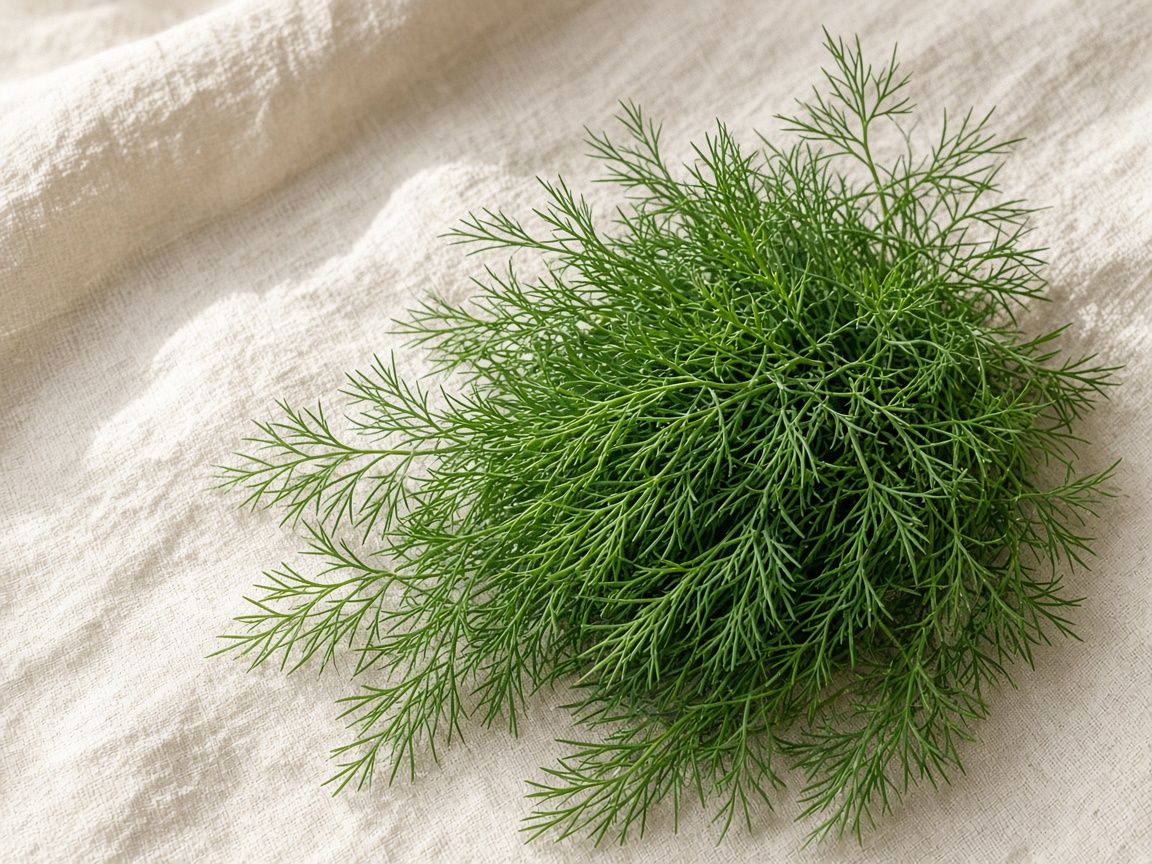
Dill
The feathery green of pickles, yogurt, and fish — and, in this series, of 23 kitchens that refuse to treat it as only a Northern herb.
The journey
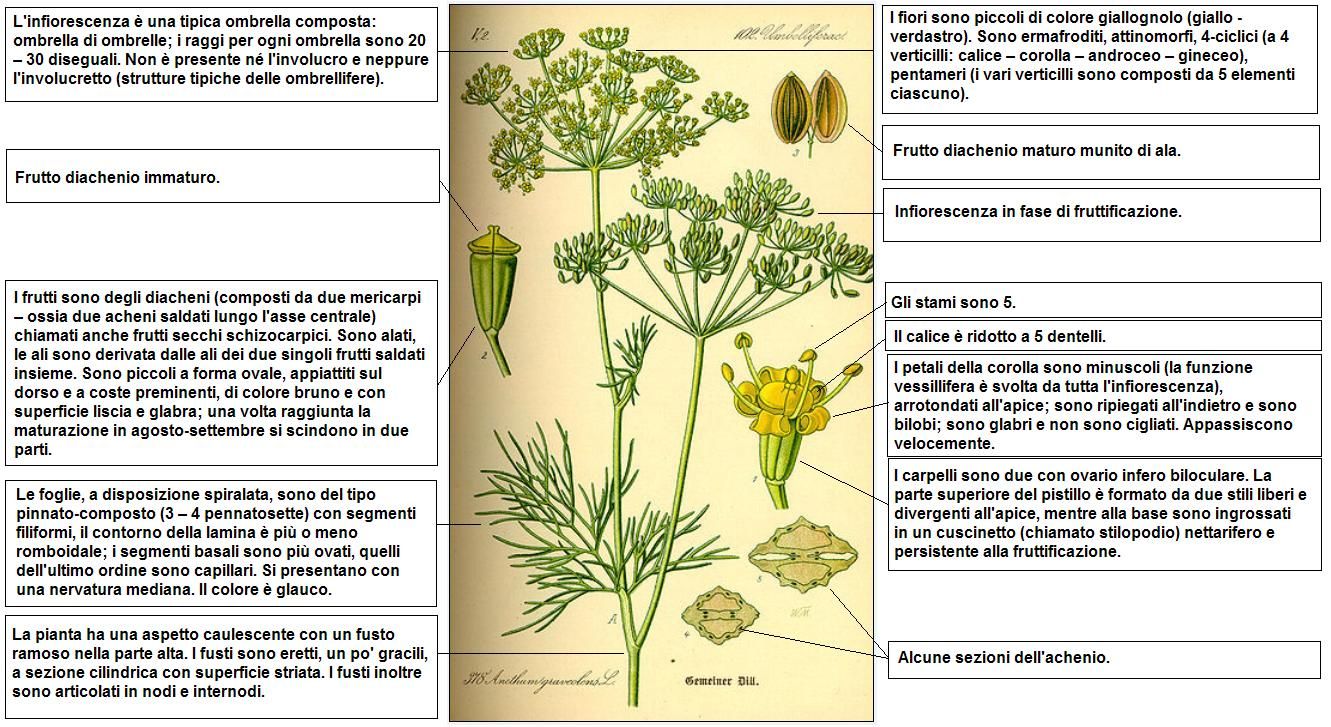
Dill is in Egyptian medicine lists and in Norse graves. Charlemagne ordered it grown. Eastern Europe made it the smell of summer cucumbers. Persia and the Levant put it in rice and yogurt. The seed and the leaf are different spices, as with coriander.
The books use the fresh fronds far beyond Scandinavia: Greek, Turkish, Persian, Indian, and even East Asian pages reach for that anise-grass perfume.
In the kitchen
Add dill at the end. It fades like cilantro. Stems can go into a fish court-bouillon. The seed belongs in pickles and breads.
It loves yogurt, cucumber, salmon, potatoes, and lamb. A heavy hand turns a dish into pickle juice. A light hand makes people ask what the freshness is.
Healers and the table
Dill water for colic is an old European and West Asian nursery habit. The seed is the stronger medicine; the leaf is the salad.
Dill on potatoes is dinner. Keep it there unless you are following a tradition you already know.
Traditional uses are part of the story of this spice. They are not medical advice.