
Pantry · Herbs
Lemongrass
A stalk that smells like lemon and sugarcane: the base of Thai tom yum, Vietnamese broths, and Indonesian spice pastes.
The journey
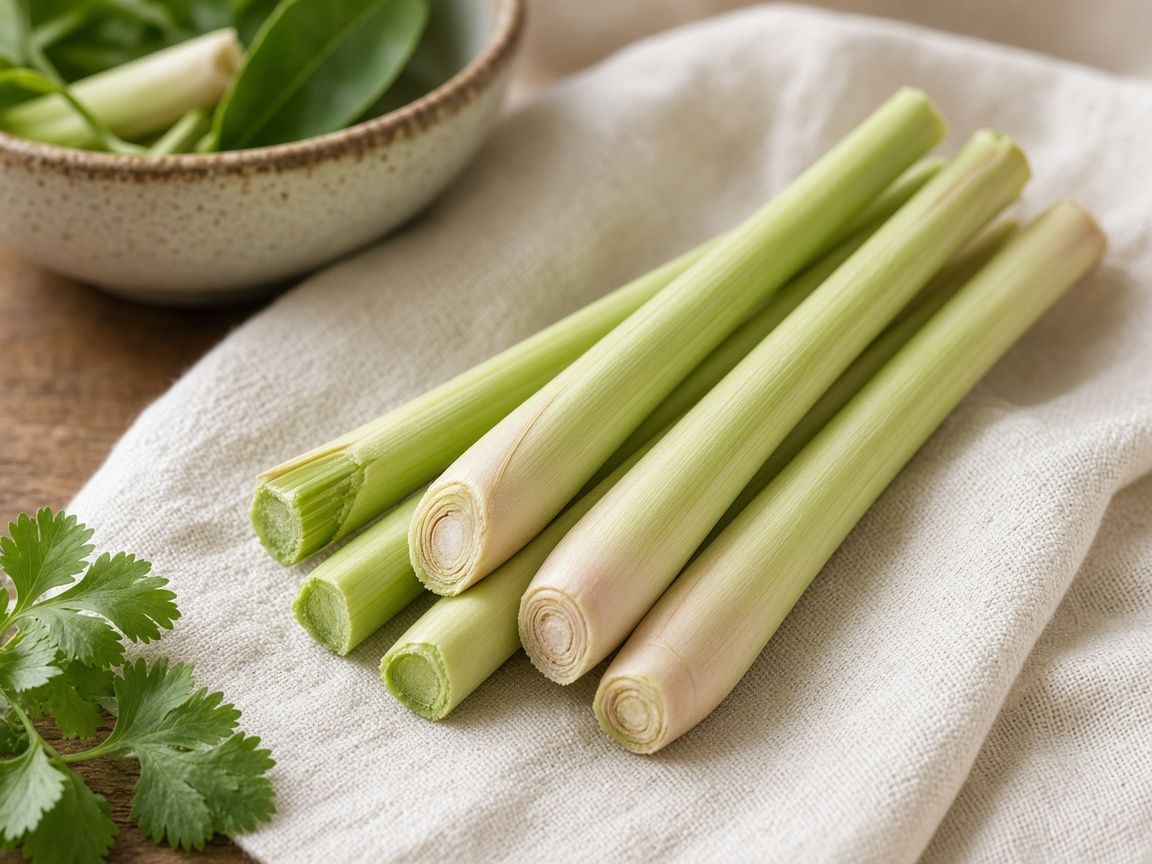
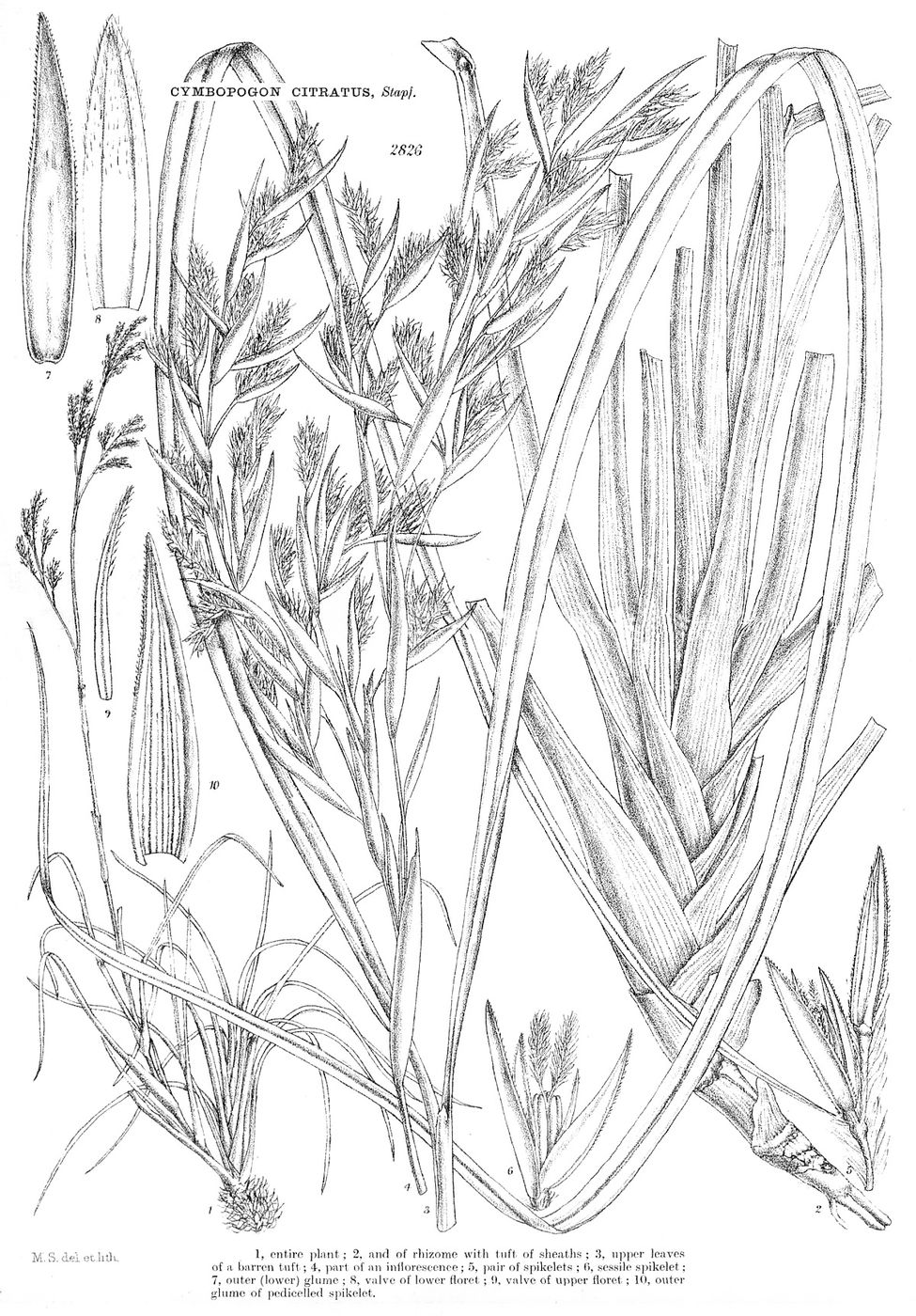
Lemongrass is a tropical grass, not a citrus. Austronesian cooks used it long before it became a tea in French colonies. The swollen lower stalk is the cooking part. The leafy tops perfume a pot or a bath.
In the series it is Thai, Vietnamese, and Indonesian — six recipes, all of them incomplete if you only add lemon juice. The grass has a floral, almost gingery citrus that juice cannot copy.
In the kitchen
Peel the dry outer layers. Smash the bulb with the side of a knife, then slice or leave it whole to fish out later. For pastes, use only the tender core.
It wants to be bruised. An uncrushed stalk in soup is a stick. A crushed one is the dish.
Healers and the table
Lemongrass tea is a Southeast Asian and now global stomach-settler. Citral is the perfume compound. Culinary stalks in a soup are the dose families actually use.
A stalk in tom yum is supper. A cup of tea is hospitality. Neither is a prescription.
Traditional uses are part of the story of this spice. They are not medical advice.