
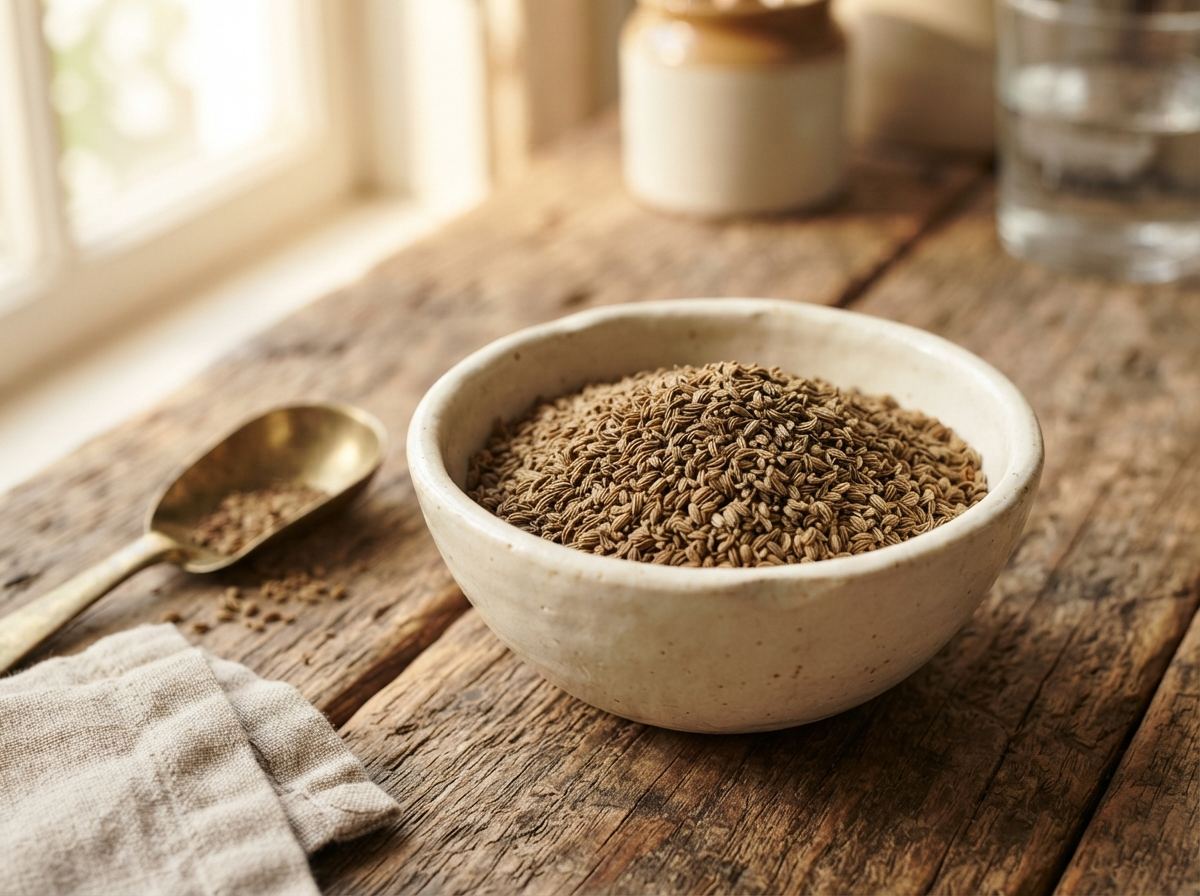
Ajwain
Thyme-adjacent, sharper, the seed Indian cooks throw into dough and tadka.
Pantry · Spices
The spices named across the 30 International Cuisines books.
Thyme-adjacent, sharper, the seed Indian cooks throw into dough and tadka.
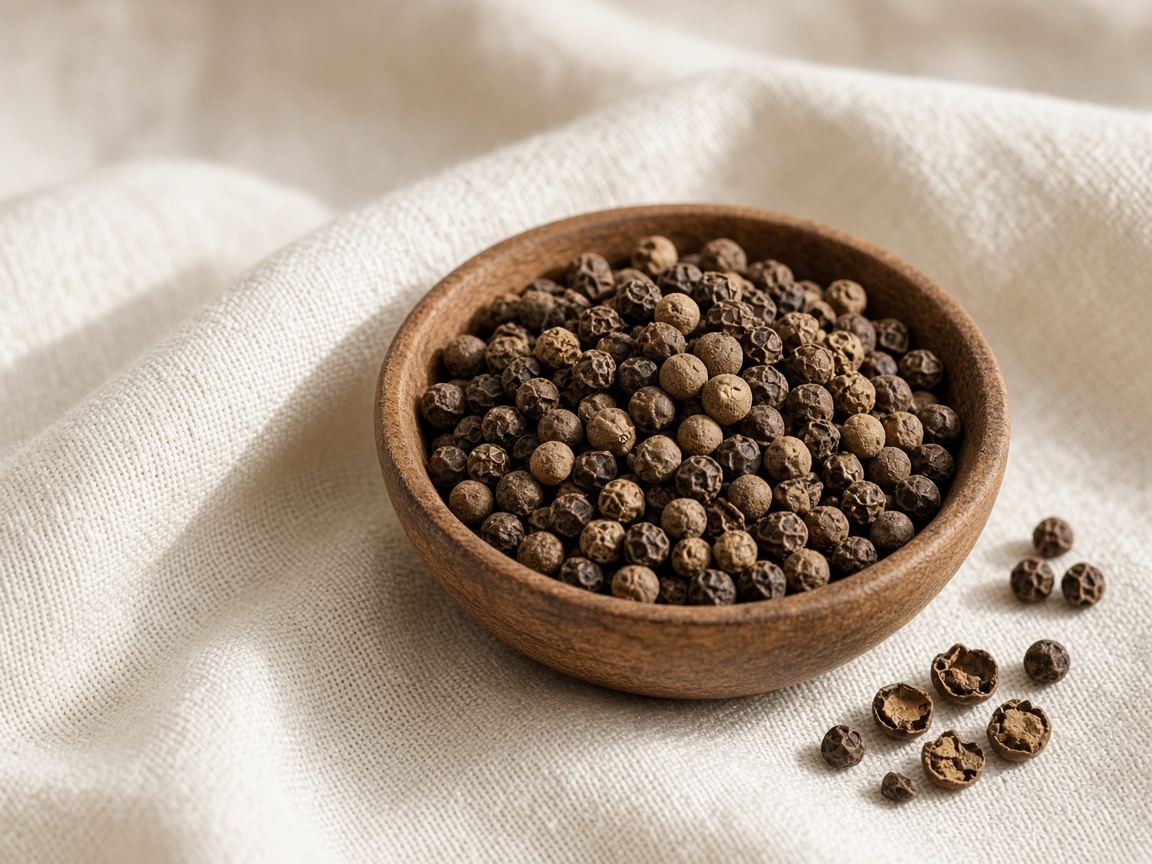
One berry that borrowed cinnamon, clove, and nutmeg: jerk, kibbeh, and a European braise.
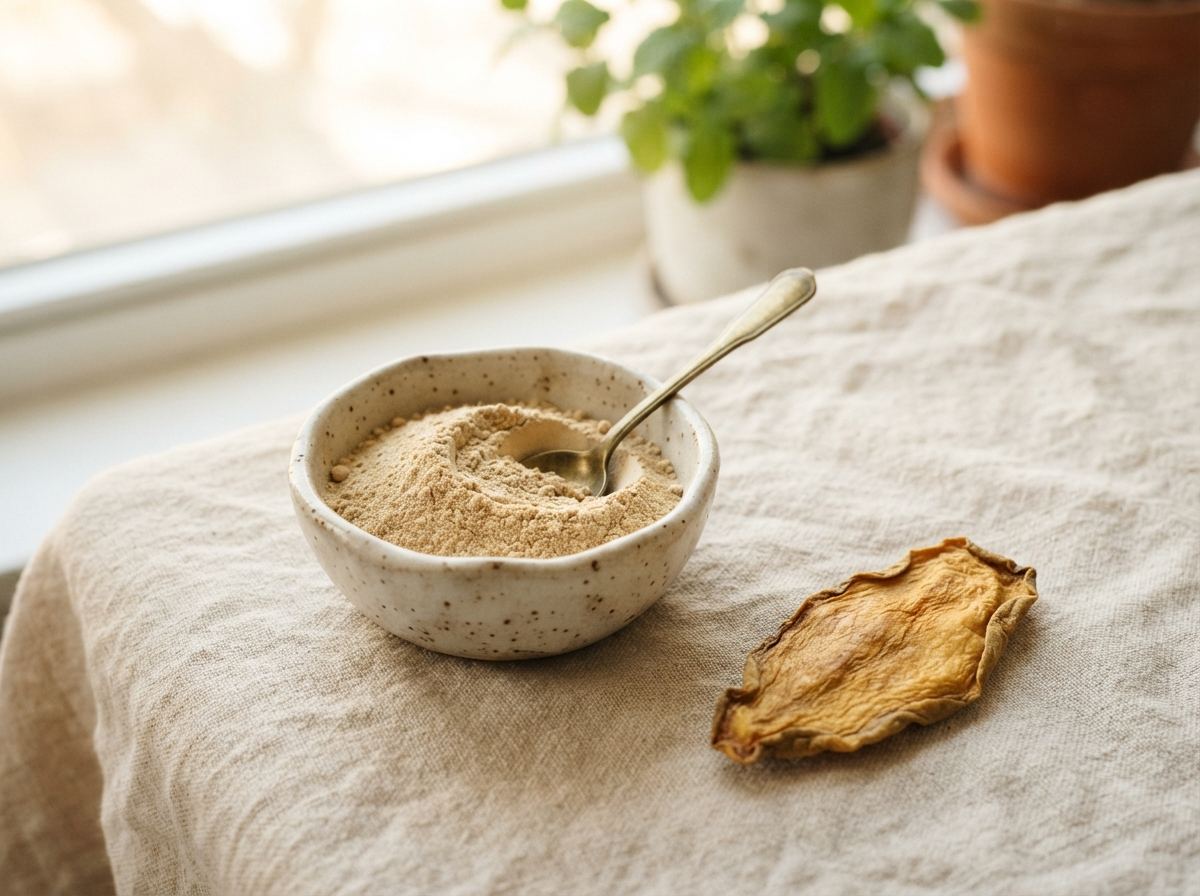
Dried mango sour — the North Indian pinch that replaces lemon when fruit is gone.
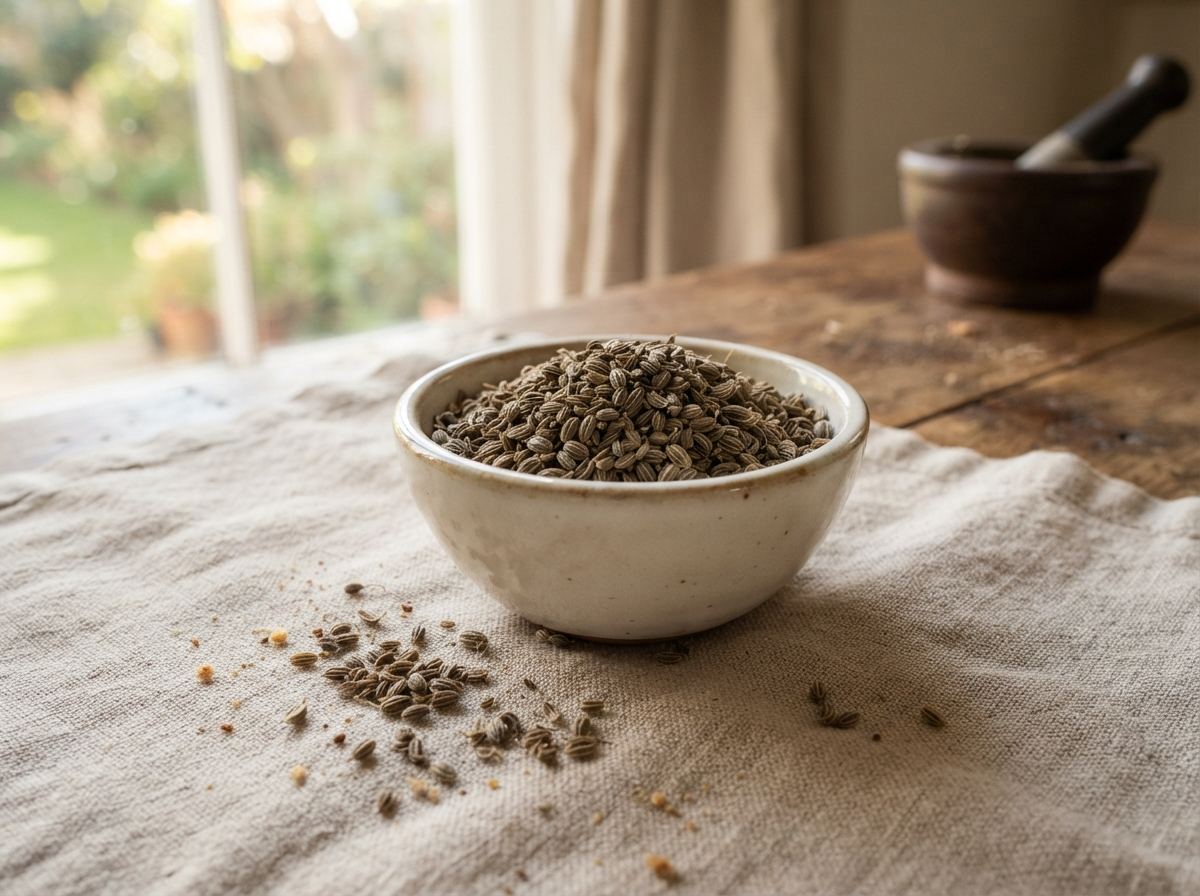
The seed that is not star anise: European baking, Mexican cookies, a glass of pastis.
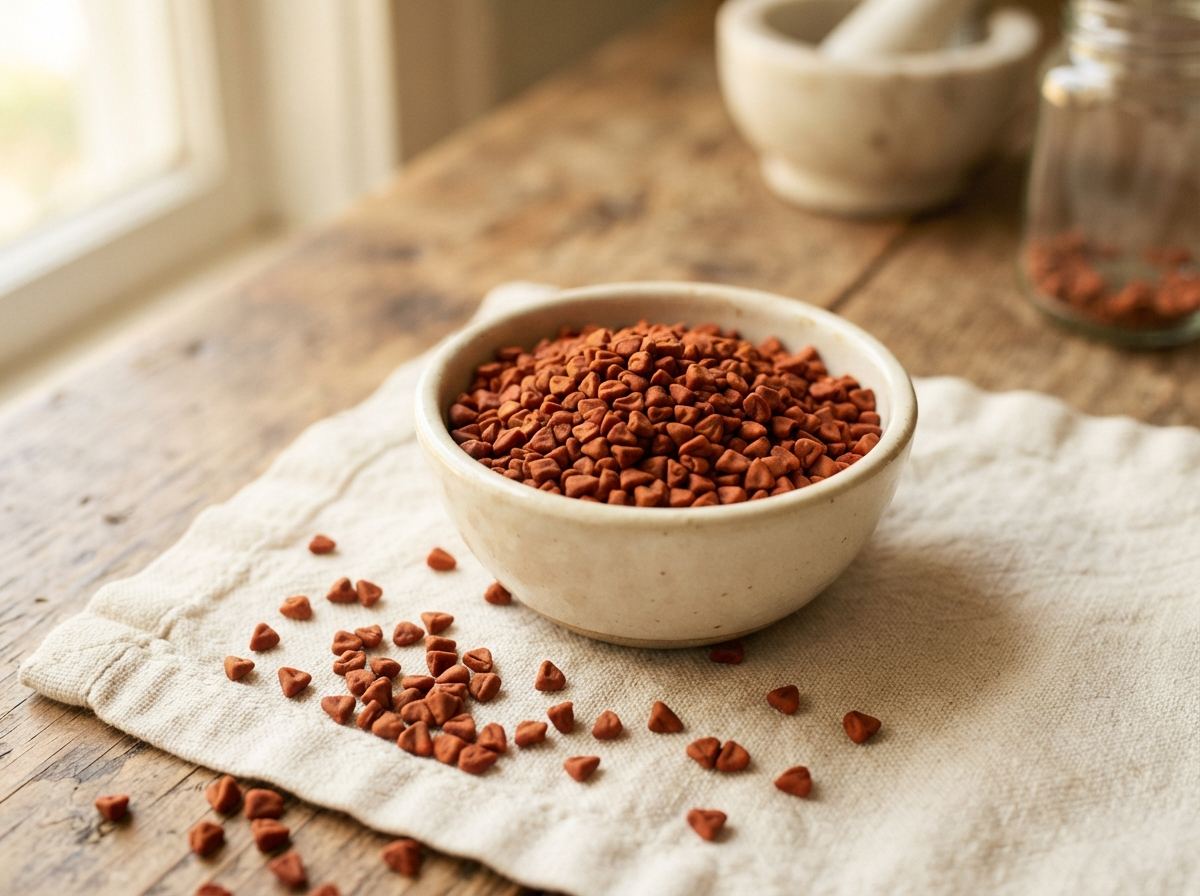
Achiote seeds: color first, a quiet earthy flavor second, the red of recado and arroz con pollo.
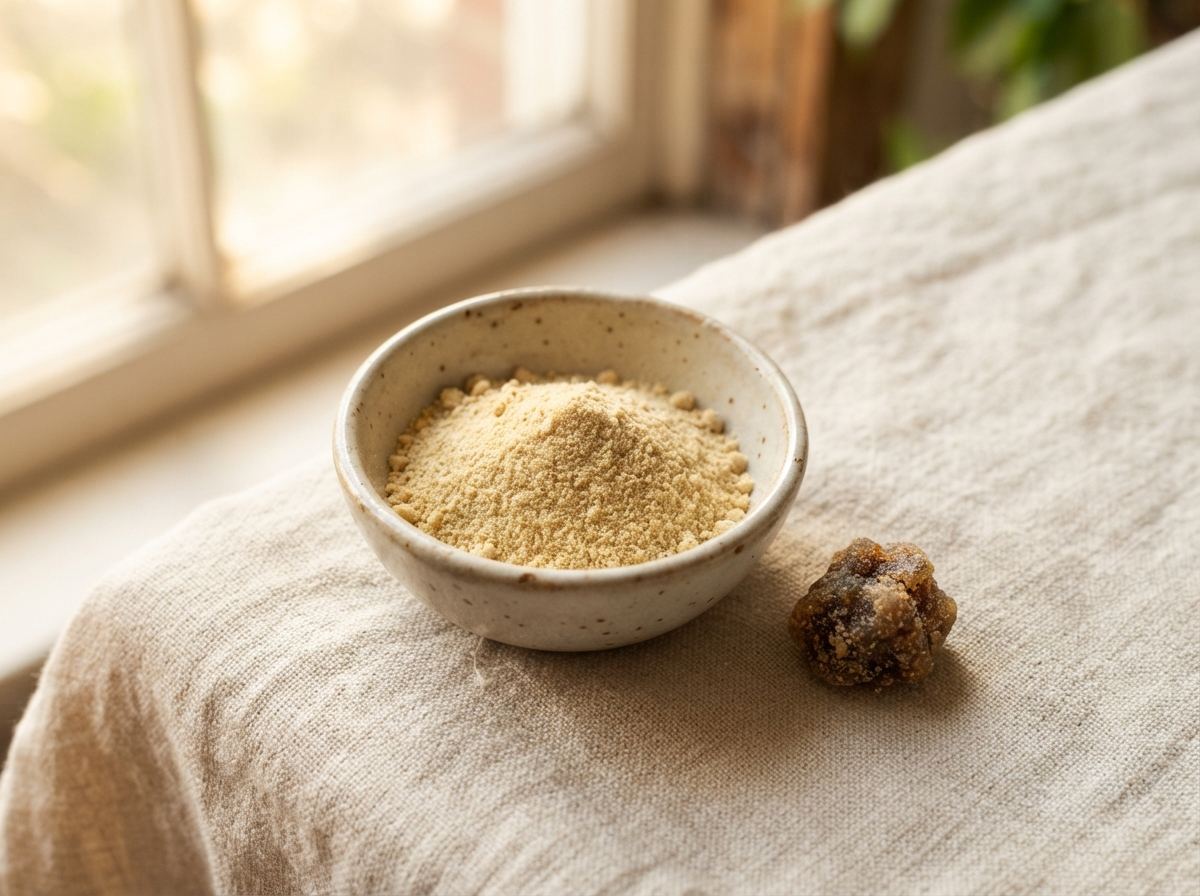
Hing: a resin that, bloomed in fat, tastes like onion and garlic to a fasting kitchen.
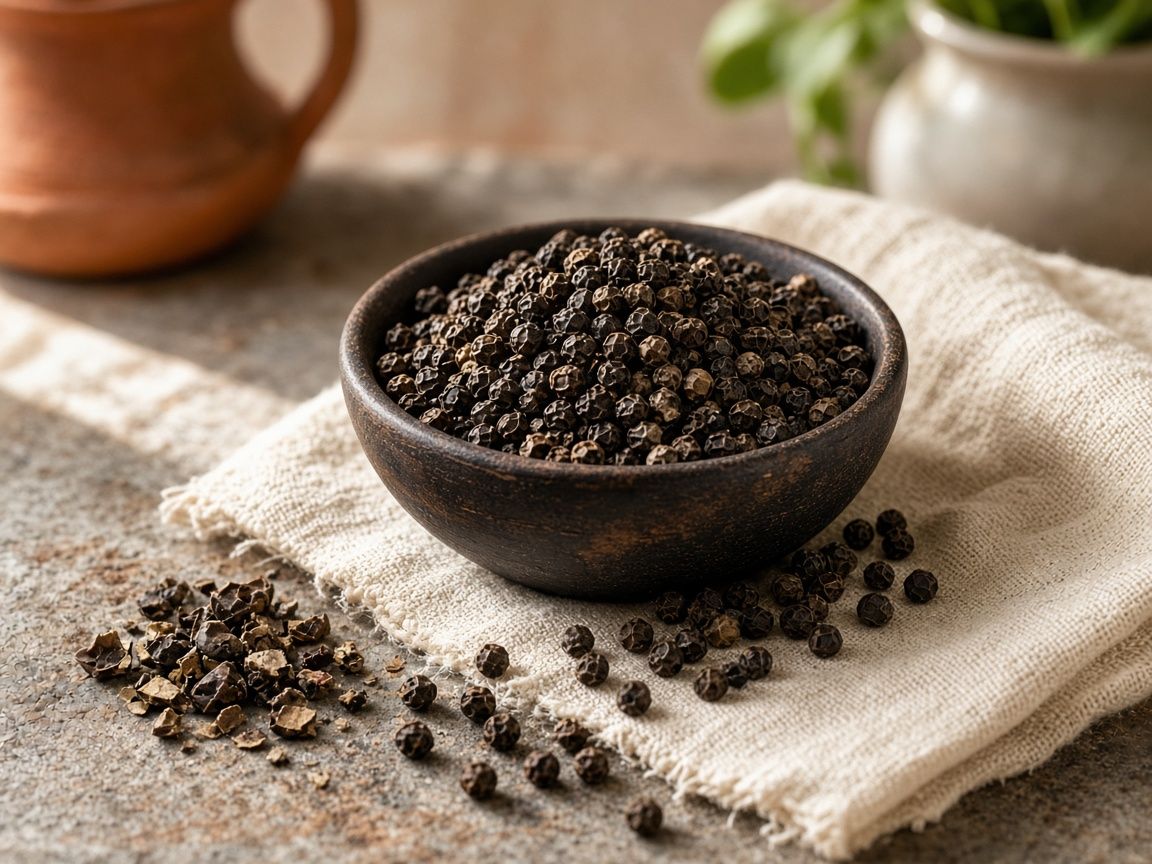
The berry that paid rents, launched fleets, and still sits beside salt on almost every ComidaTime table.
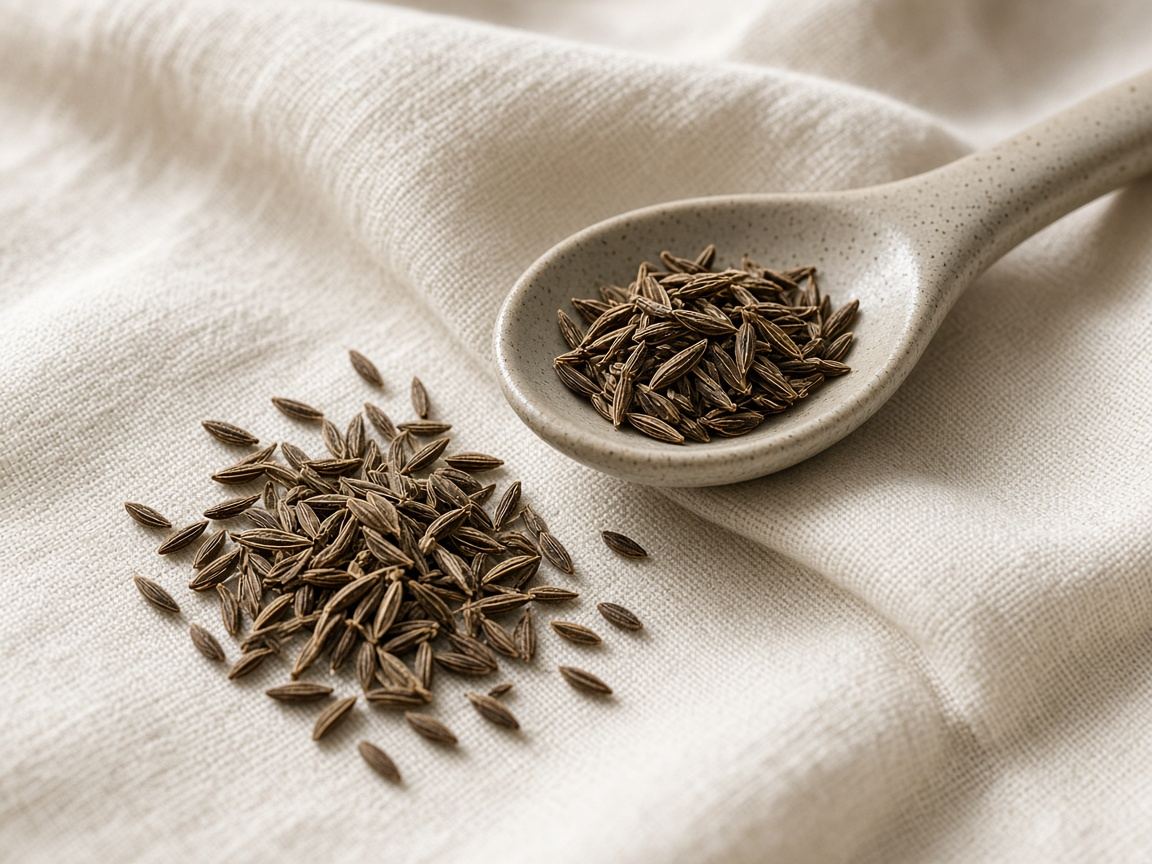
The seed that makes rye taste like rye and cabbage taste like a German winter.
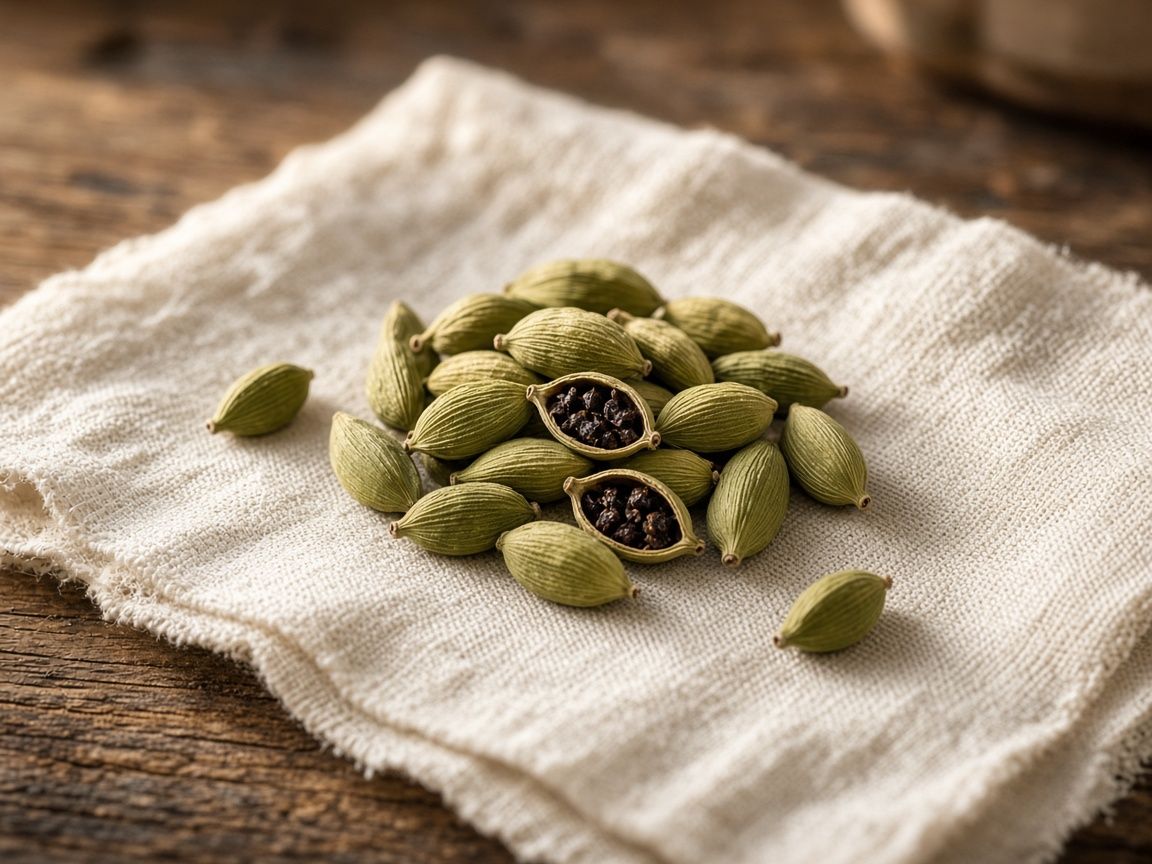
Green pods that smell of eucalyptus and citrus — coffee's companion in the east, pastry's secret in the north.
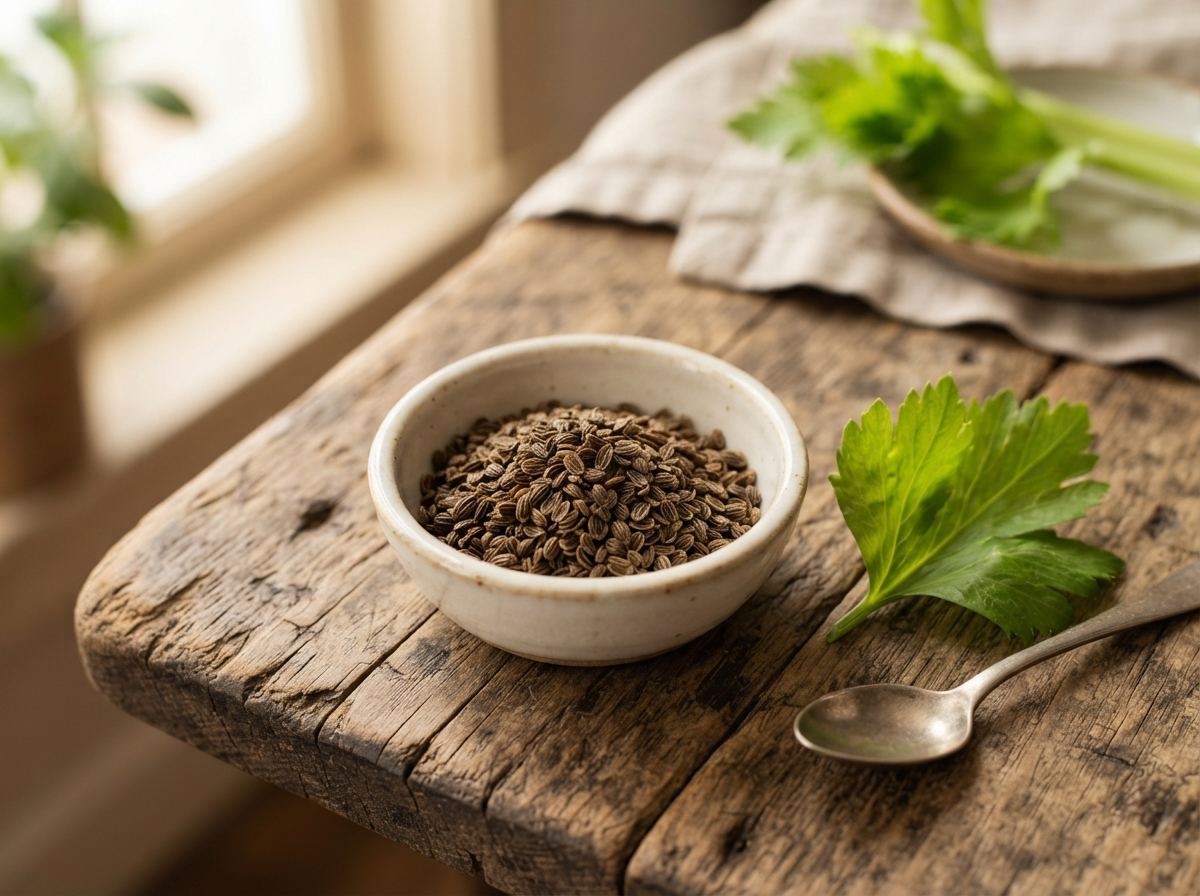
The Old Bay backbone and the Eastern European soup-spice.
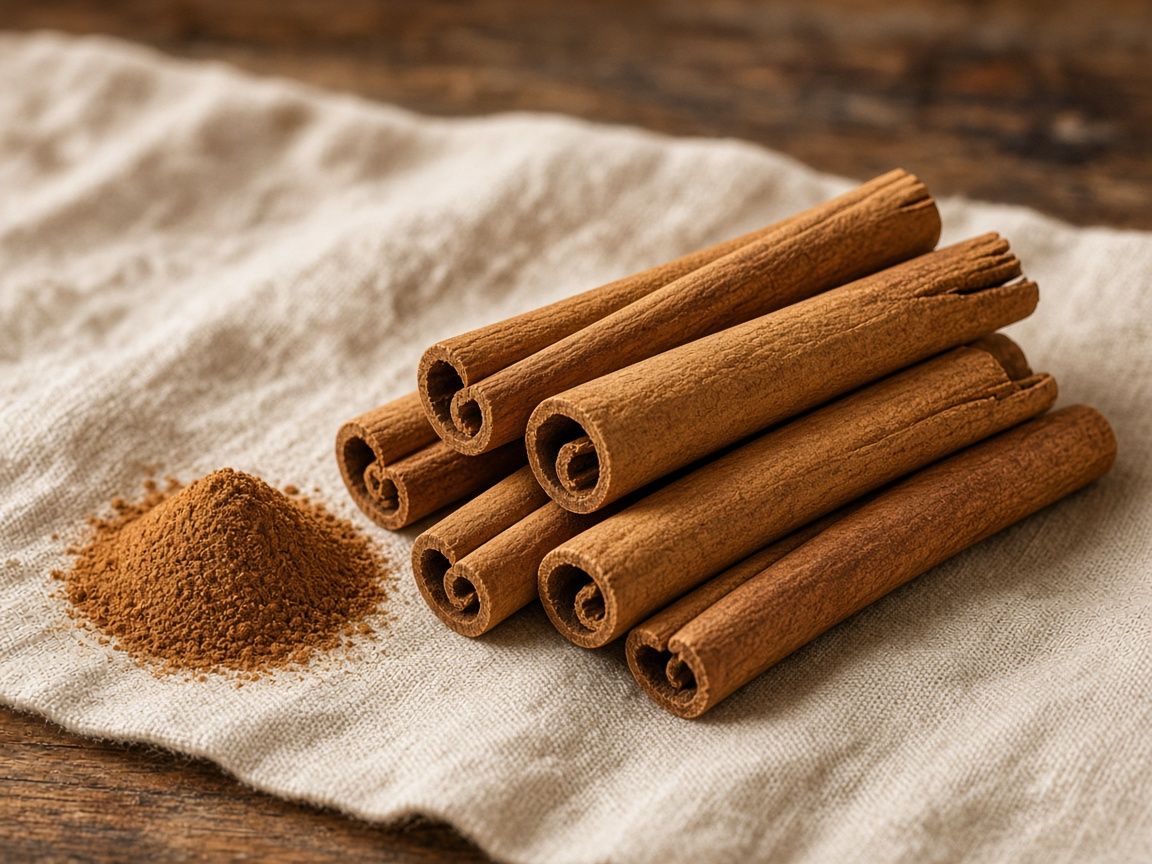
Bark rolled into quills: the sweet wood that traveled with frankincense and still perfumes both pastry and stew.
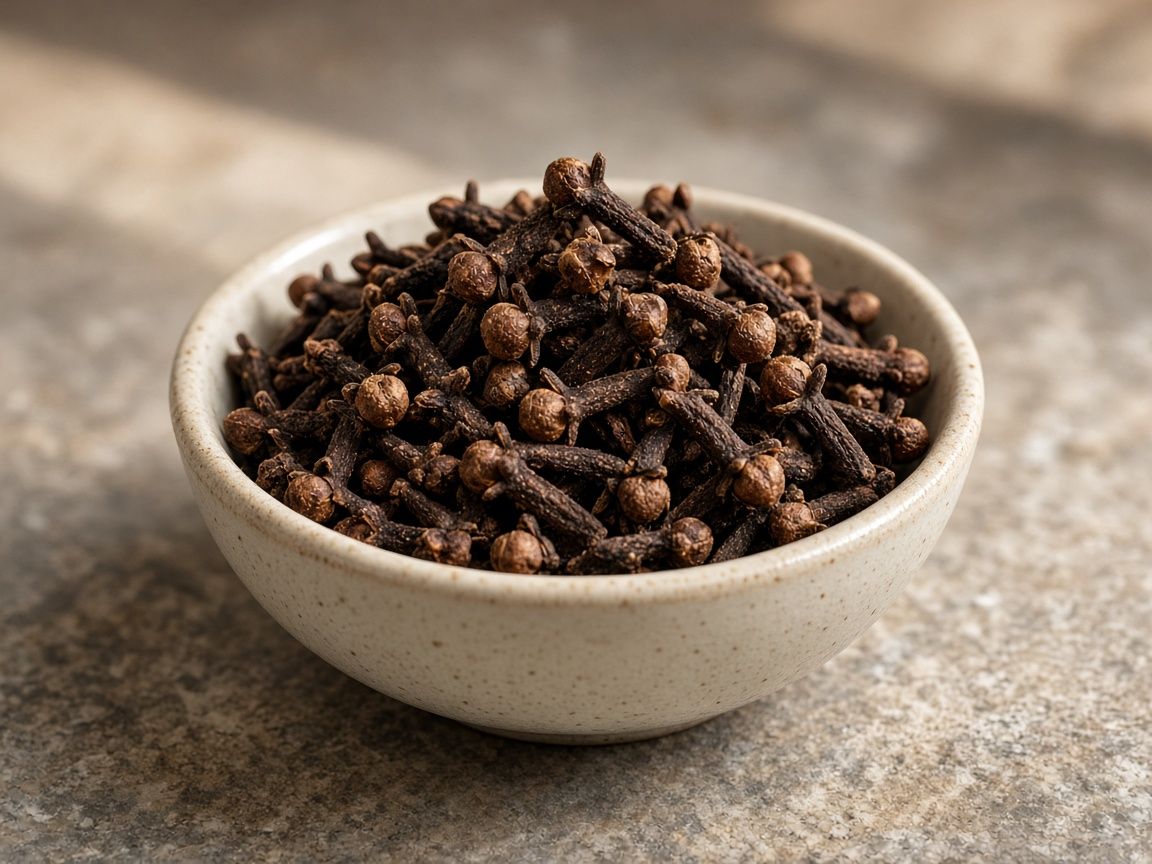
A flower bud that once belonged to a handful of islands — and to every power that wanted those islands.
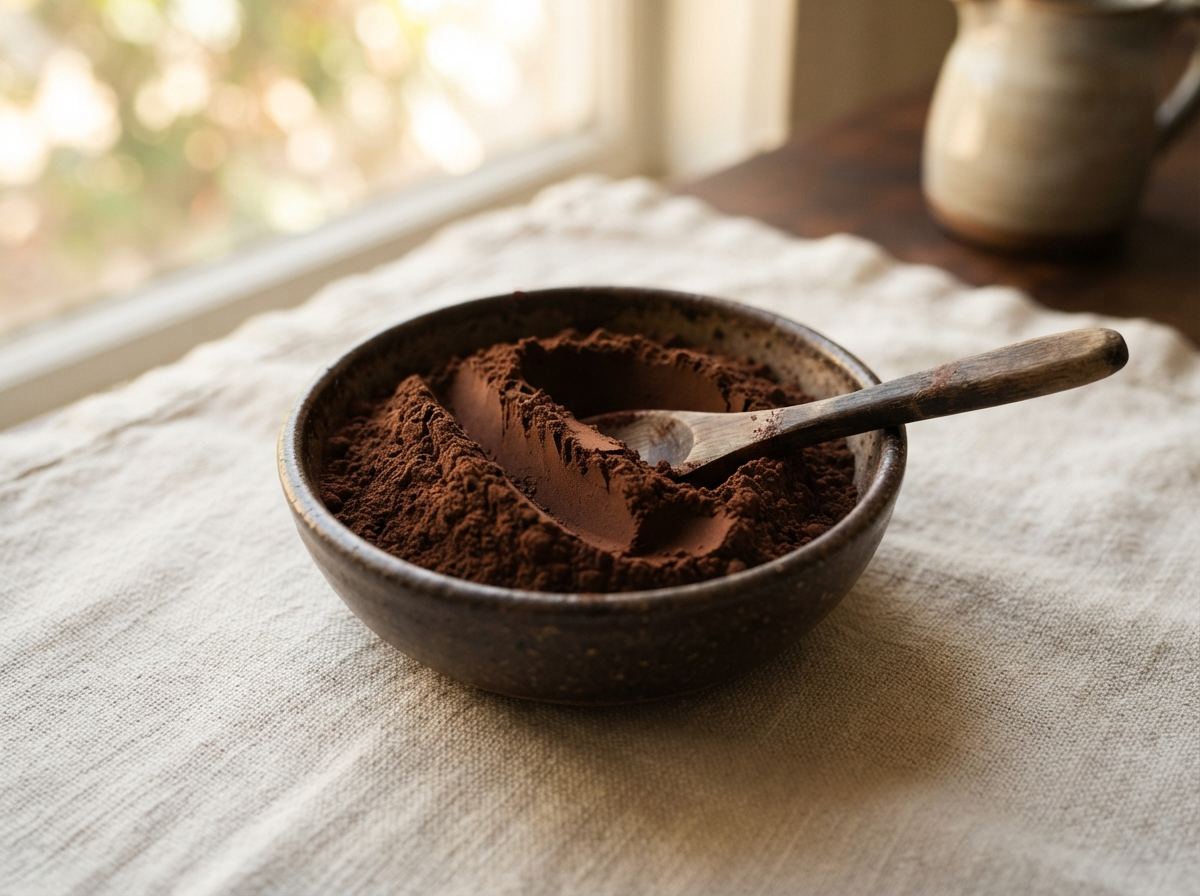
The seed that is a drink, a mole, and a dessert, depending on which coast you stand on.
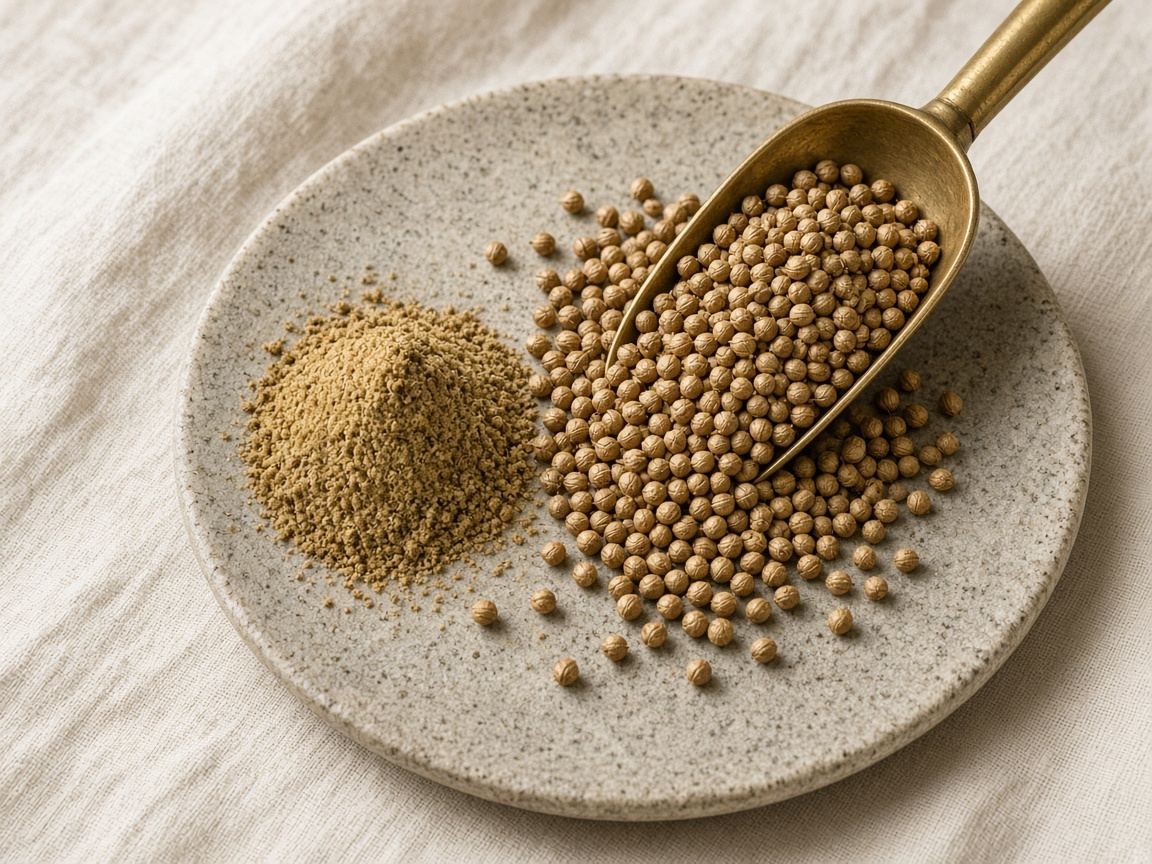
The seed that is not the leaf: warm, lemony, and the other half of cumin in a hundred pastes.
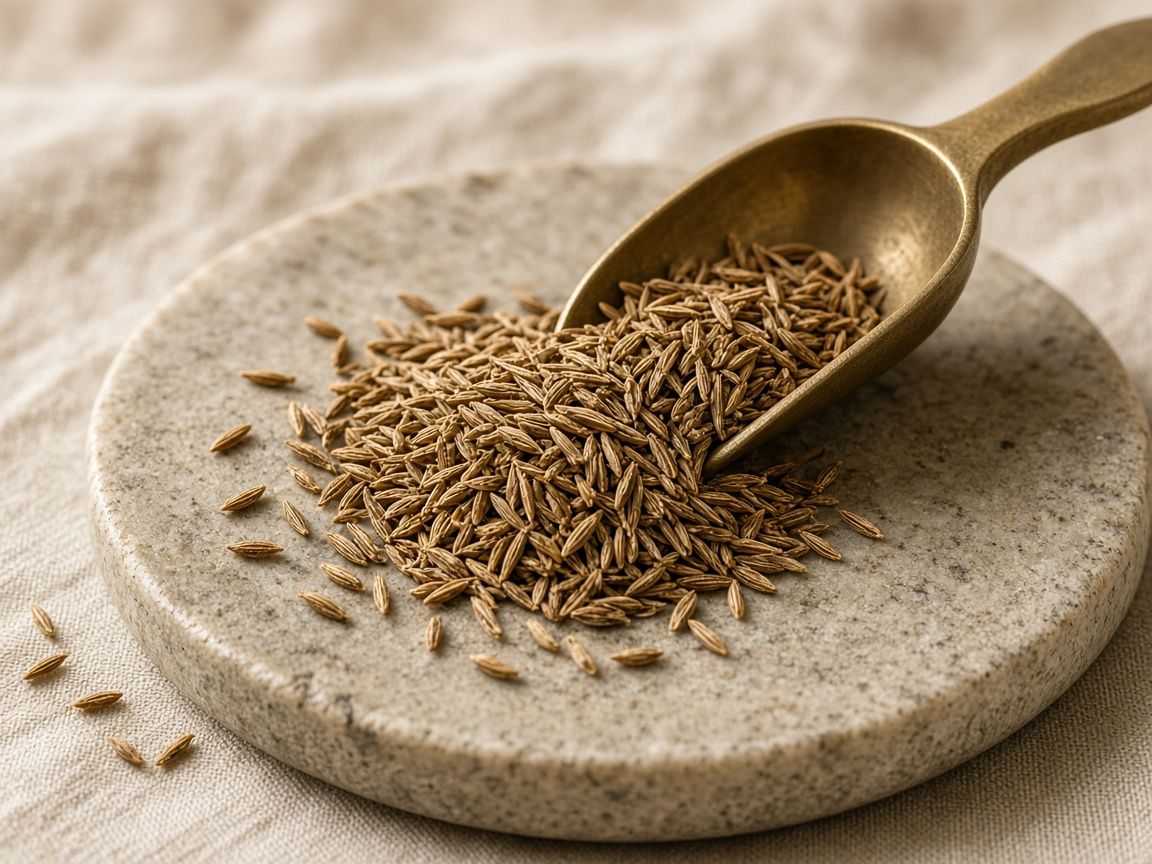
The seed that smells like a courtyard after rain — and the backbone of more ComidaTime recipes than almost any other spice.
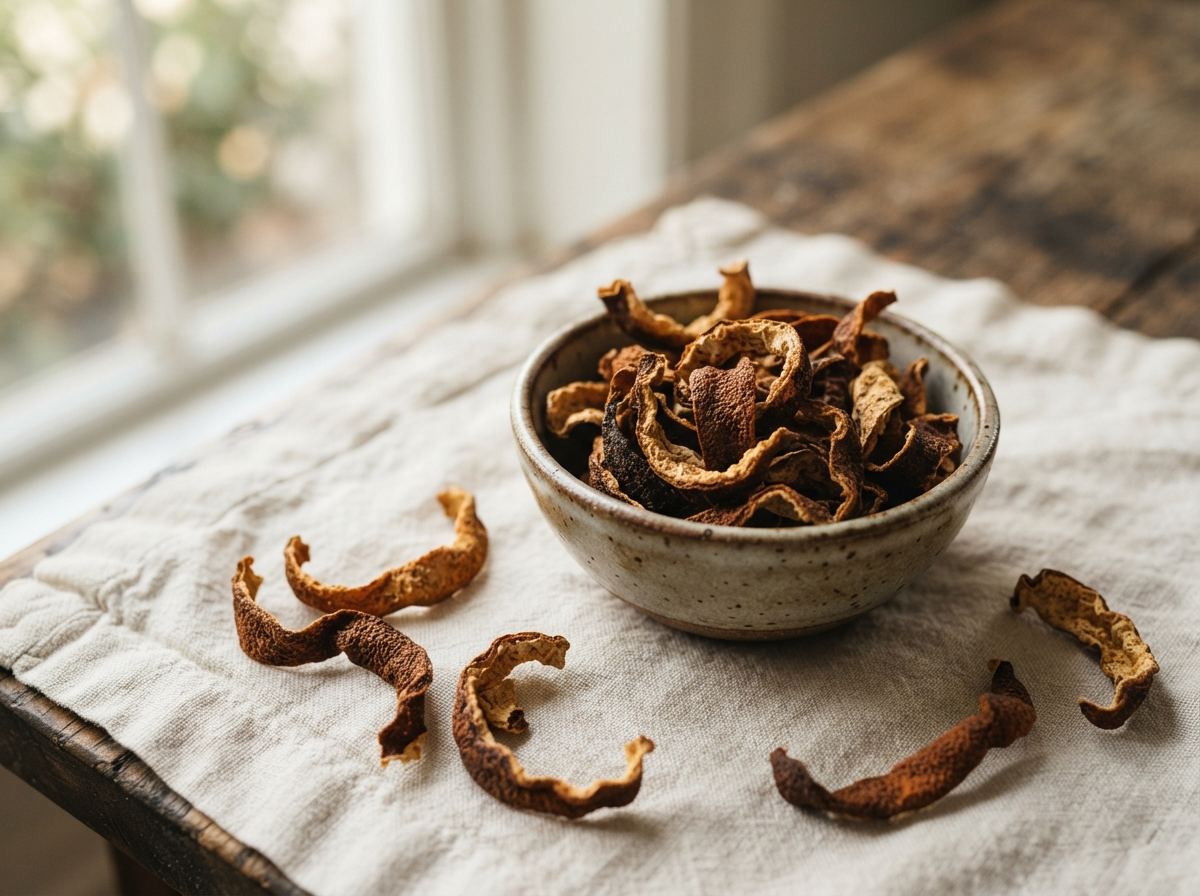
Chen pi and European candied peel — bitter citrus that a braise or a cookie both want.
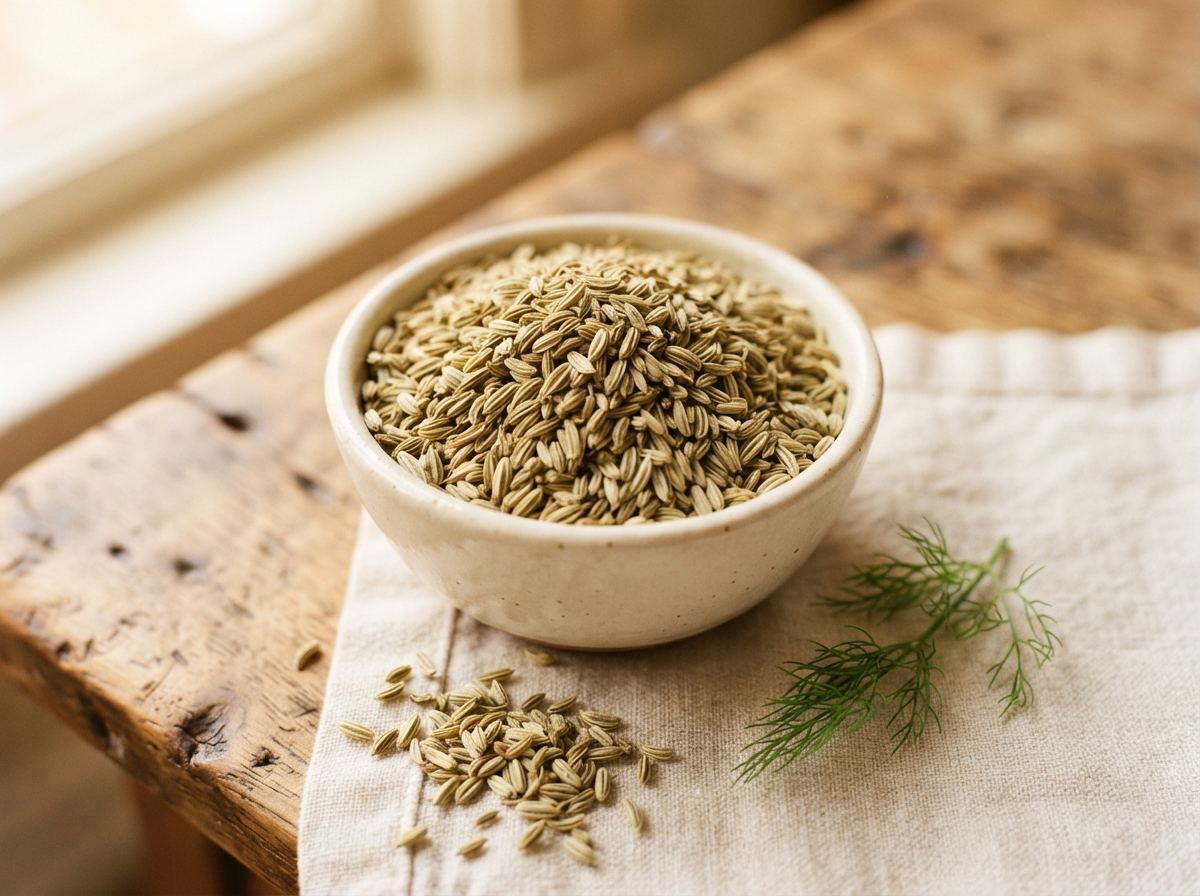
Anise-sweet seed of sausages, taralli, and a South Indian tempering.
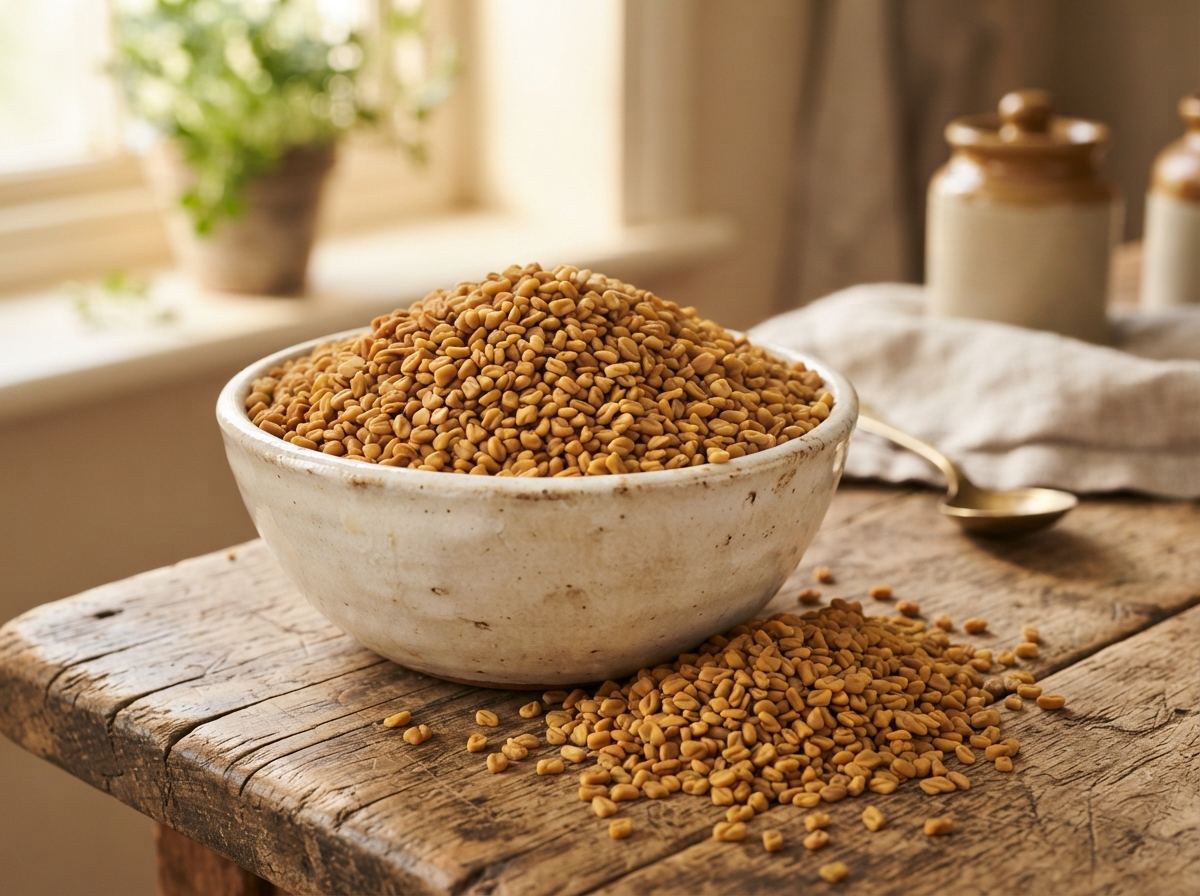
The maple-bitter seed in berbere, methi, and a hundred pickles.
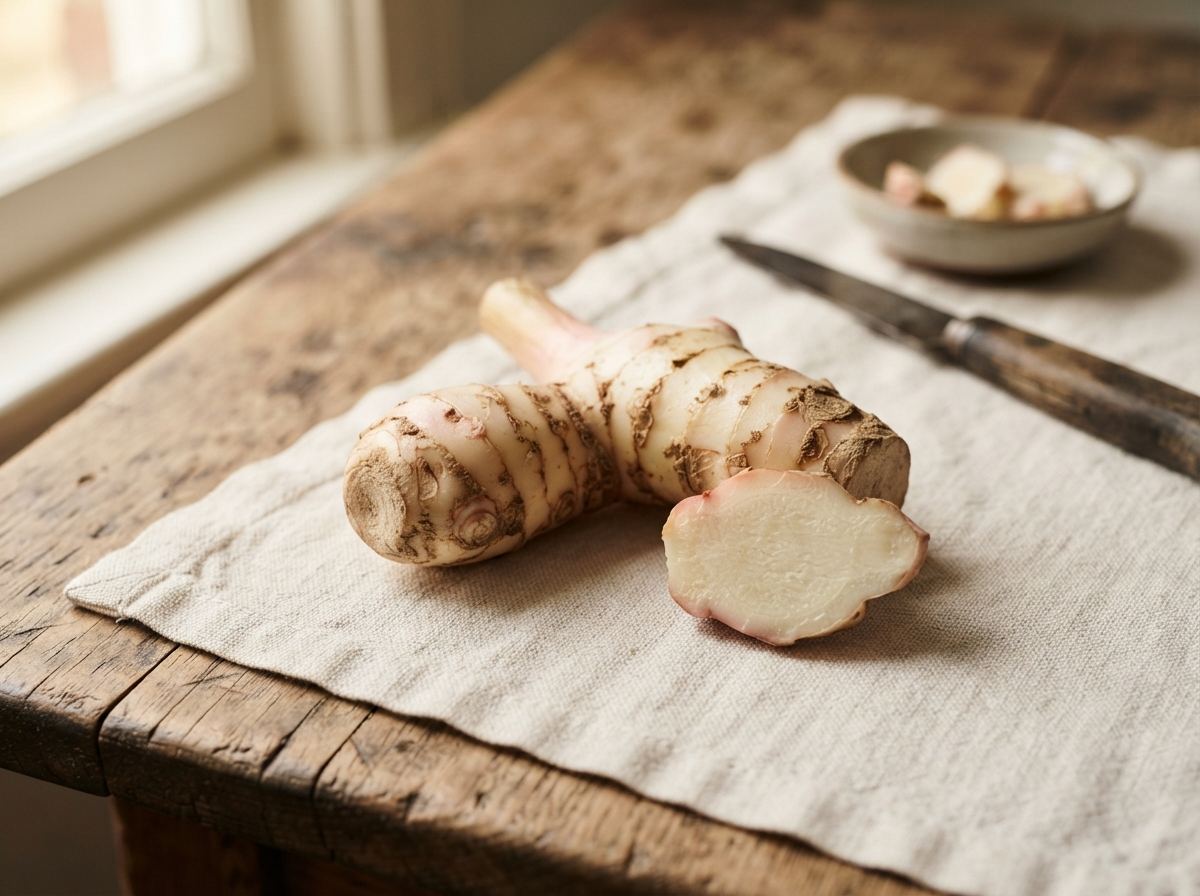
The pine-and-citrus rhizome Thai tom kha cannot replace with ginger.
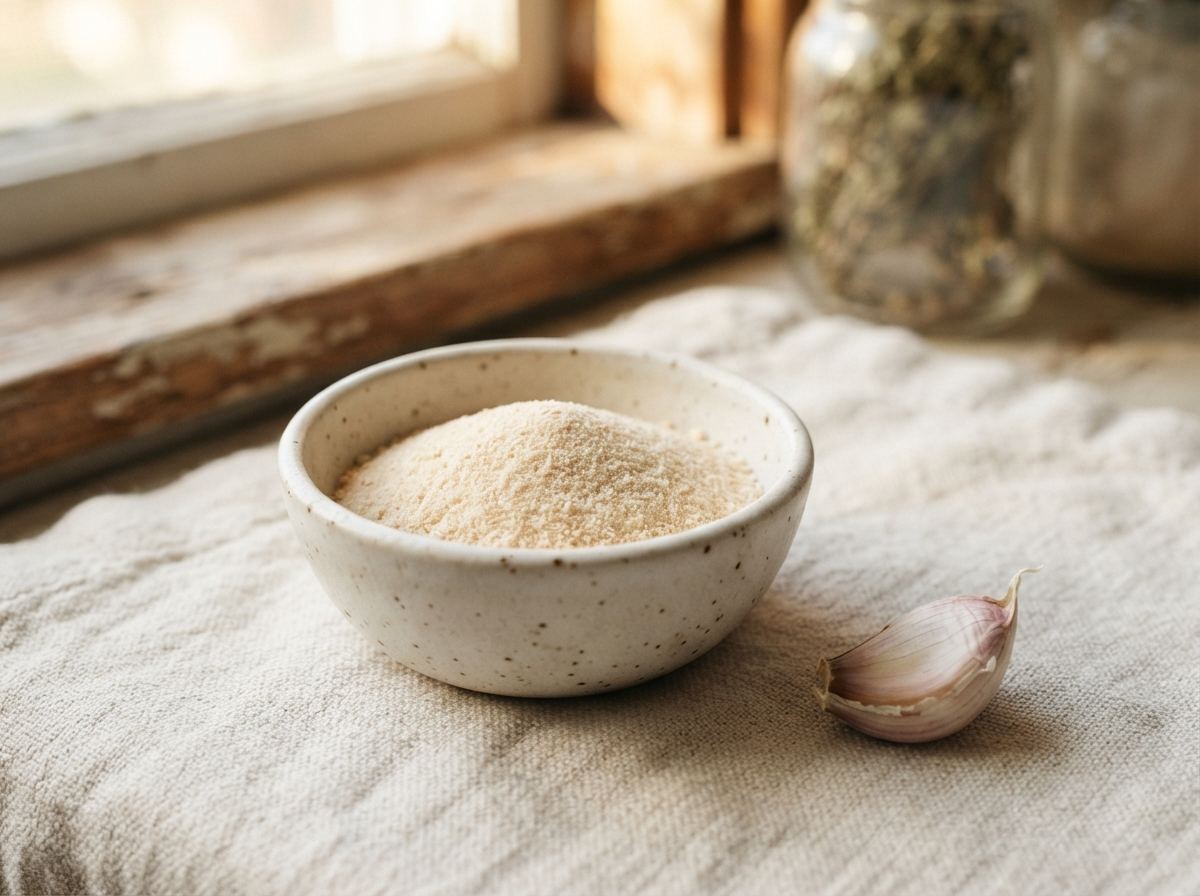
The dry closet version of the clove — useful in a rub, never a substitute for a smashed clove in oil.
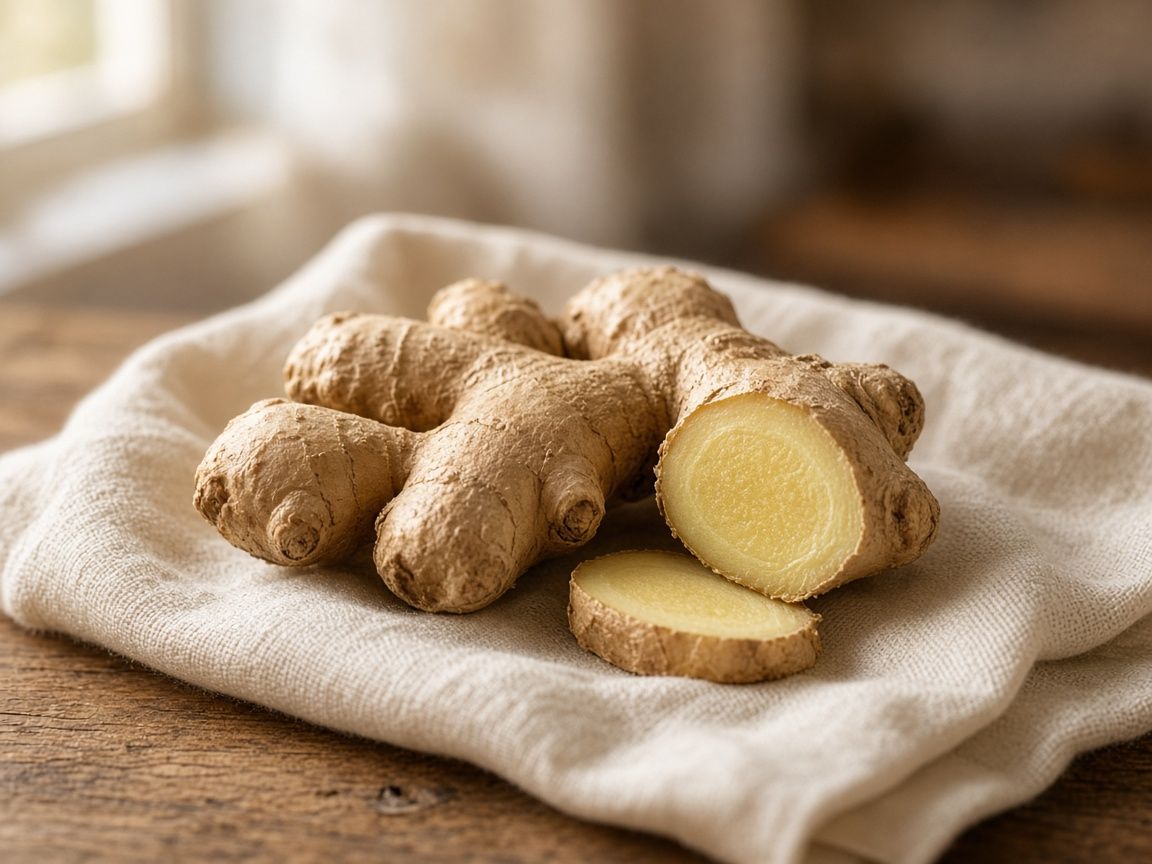
A knobby root that travels better than most kings did — fresh in the wok, dried in the cake, pickled beside sushi.
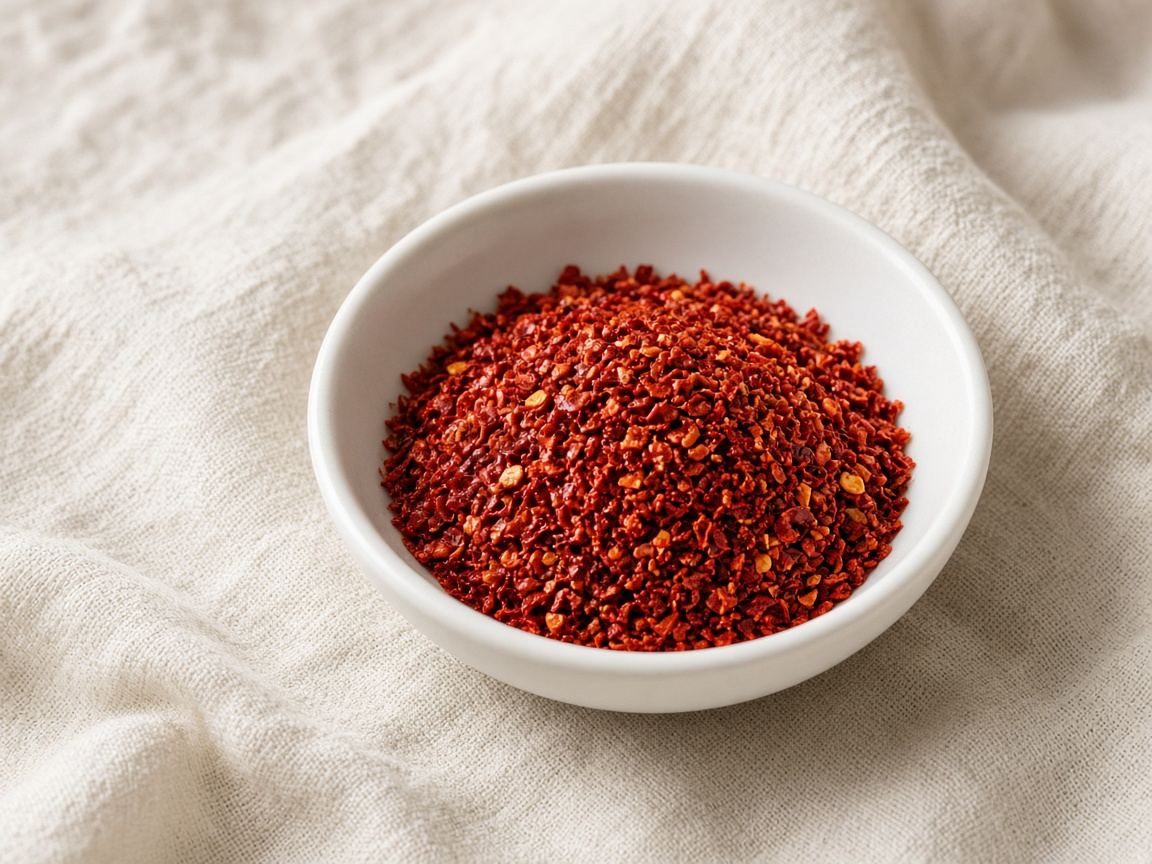
The red snow of a Korean kitchen: kimchi, jjigae, and a heat that tastes like fruit before it tastes like fire.
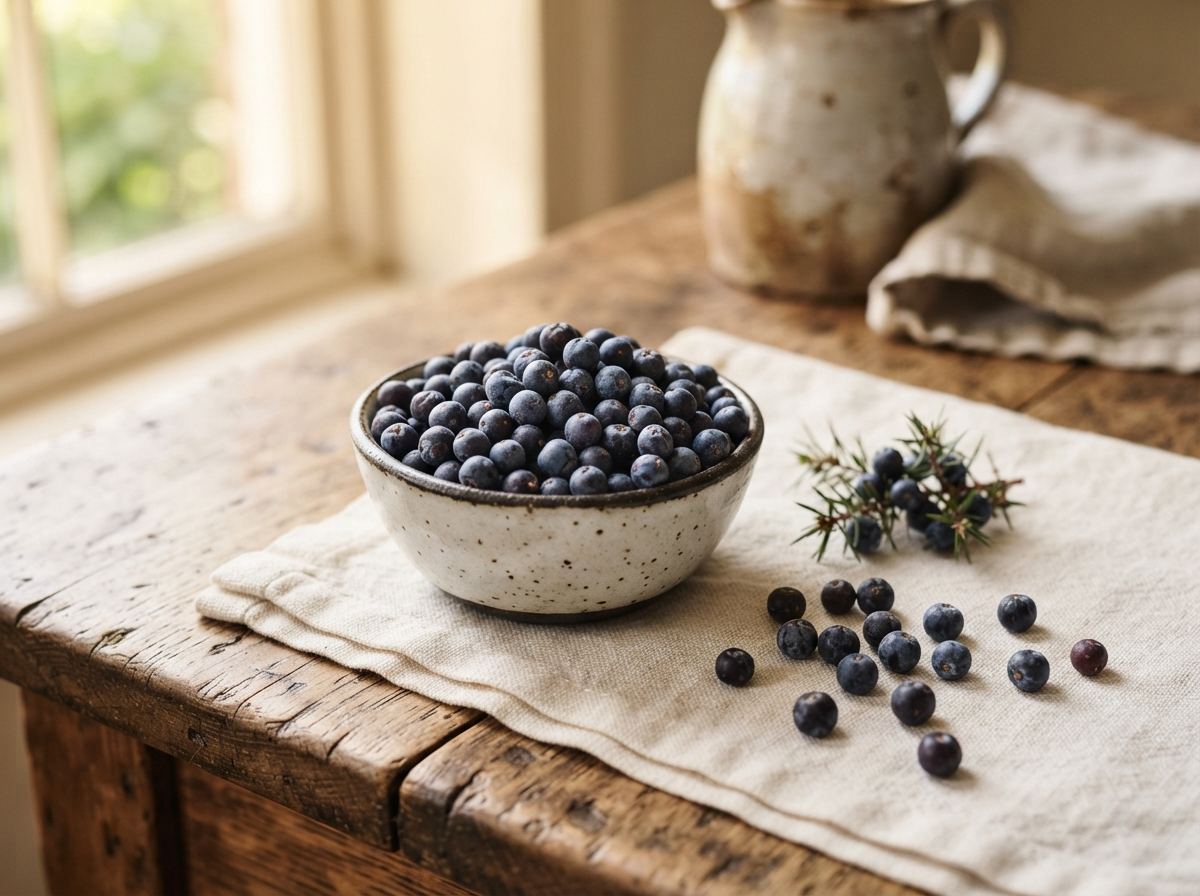
The berry of gin and German game — pine and citrus in a sauerbraten.
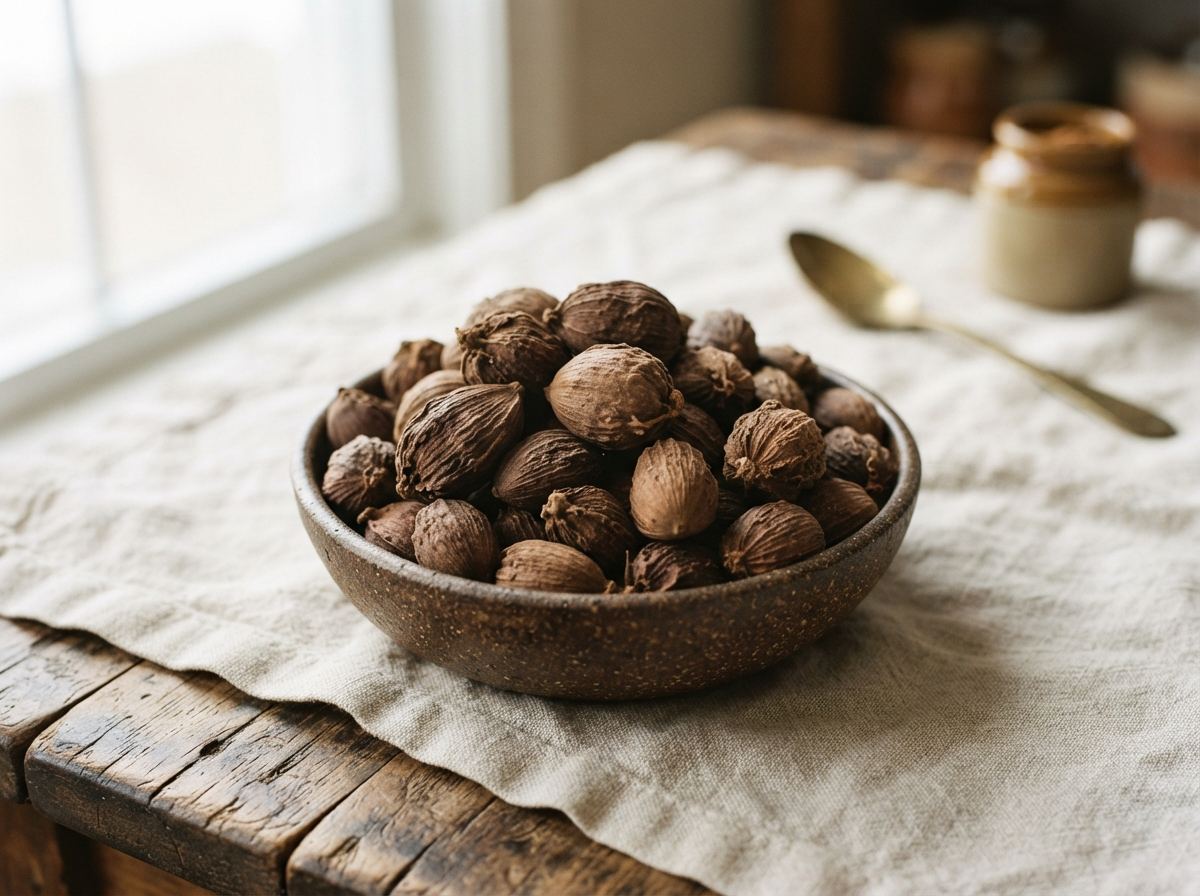
Ethiopian cardamom: larger, smokier, and the seed berbere cannot do without.