
Pantry · Spices
Cinnamon
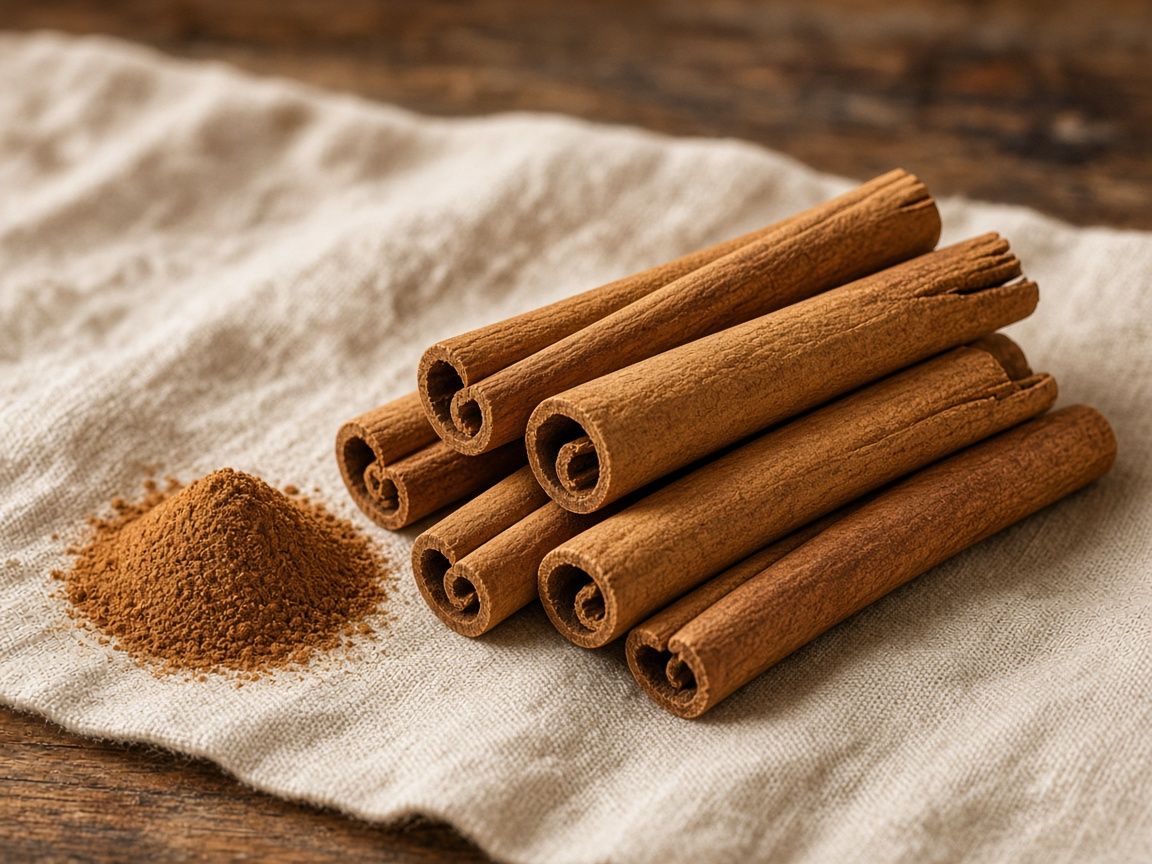
Bark rolled into quills: the sweet wood that traveled with frankincense and still perfumes both pastry and stew.
The journey
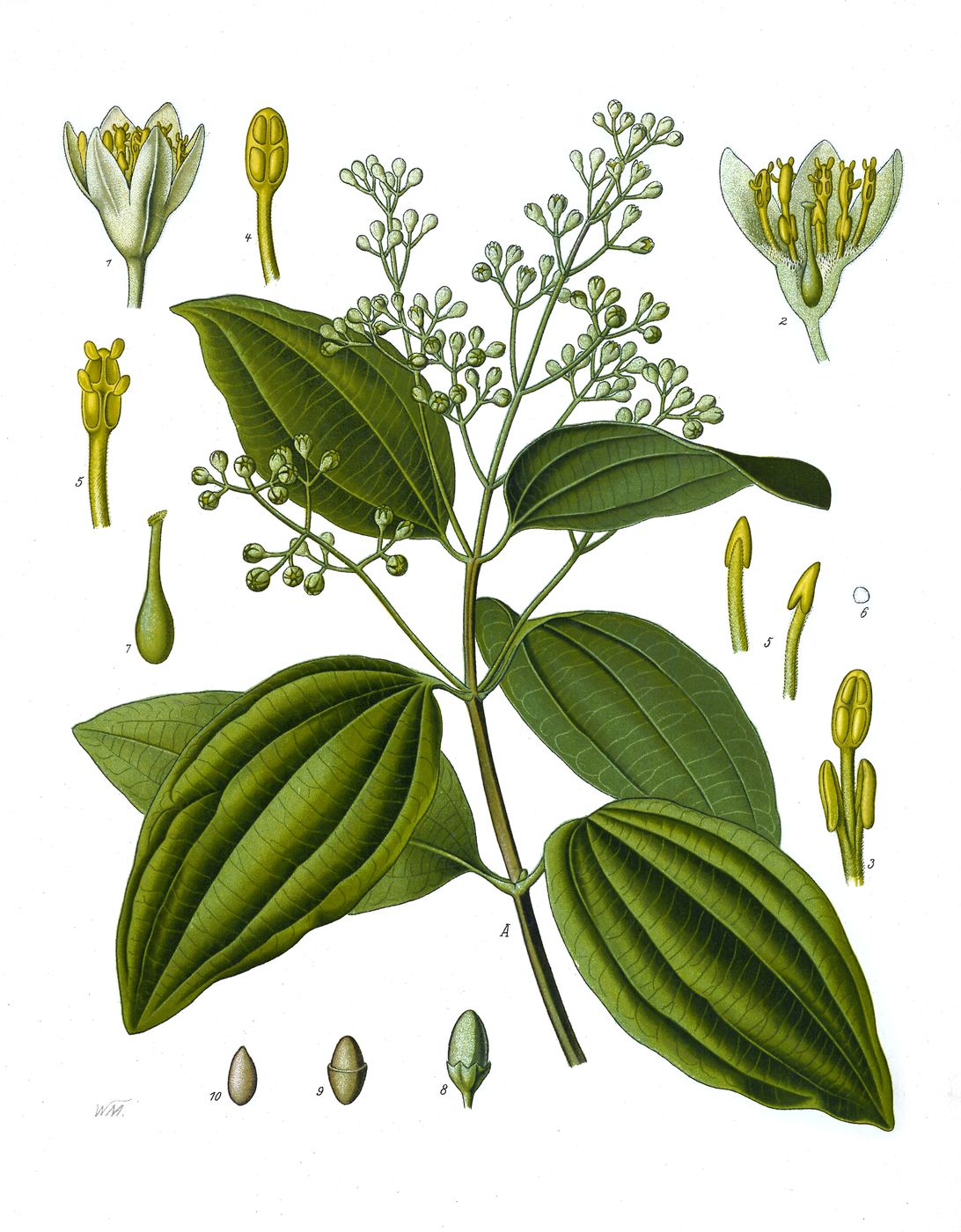
True cinnamon, the thin, layered bark of Cinnamomum verum, grew in the wet forests of Ceylon. Cassia, its bolder cousin, came from China. Ancient Egyptians used the wood in sacred blends. Romans paid for it as if it were silver. Medieval Europe imagined cinnamon arriving on rafts guided by mythical birds — a story invented to hide the real route through the Indian Ocean.
The Portuguese, then the Dutch, then the British fought over the groves because a monopoly on bark was a monopoly on Sunday baking and on the sweet-savory cooking of the Islamic world. Today the same stick can finish a Moroccan pastilla, a Mexican chocolate, a Greek rice pudding, or a Chinese braise. In our corpus it appears in every one of the 30 kitchens.
In the kitchen
Bloom a stick in hot oil or milk and the room changes. Cassia is louder and redder; Ceylon cinnamon is paler, floral, and better when you want perfume more than punch. Grind only what you need. The powder fades faster than the quill.
Savory kitchens in the series treat cinnamon as a meat spice: with lamb, with chicken, with onions slowly caramelized. Sweet kitchens grate it over fruit, custard, and fried dough. Both uses are old. Both belong on a family table.
Healers and the table
Unani and Chinese herbalists used cinnamon to warm the chest and settle a cold stomach. Folk kitchens still stir it into tea for winter evenings. Modern writers often mention blood sugar; the evidence is mixed, and cassia also carries coumarin, which is not a daily megadose spice.
Cook with the bark. Do not treat a dessert or a tagine as medicine.
Traditional uses are part of the story of this spice. They are not medical advice.