
Pantry · Spices
Black pepper
The berry that paid rents, launched fleets, and still sits beside salt on almost every ComidaTime table.
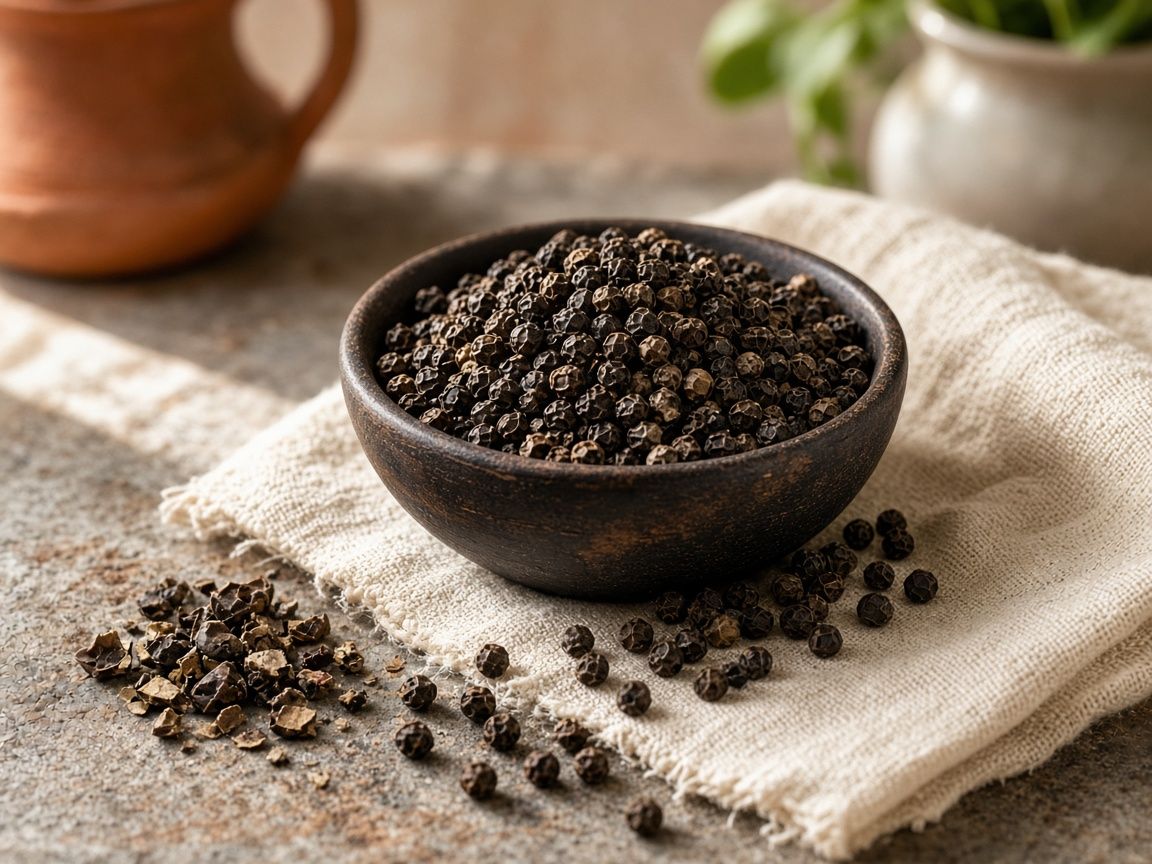
The journey
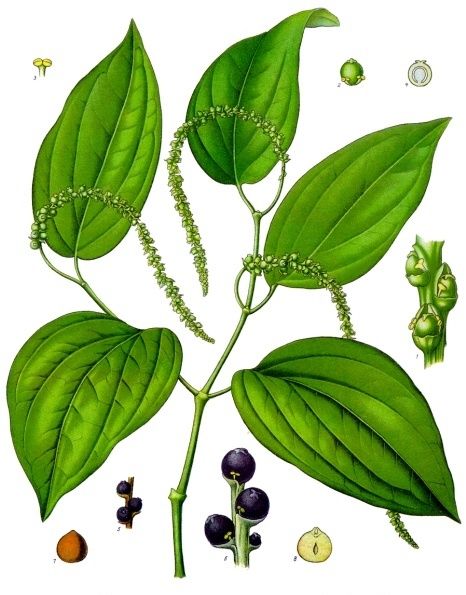
For centuries black pepper was not a pantry afterthought. It was a reason to cross an ocean. Grown as a climbing vine on India's Malabar Coast, the dried berry moved through Arab and later Portuguese hands into Venice, Lisbon, Amsterdam, and London. A handful could settle a debt. A ship hold of it could make a fortune. English leases still joke about a 'peppercorn rent' because the spice was once precious enough to stand in for money.
What made pepper scarce was not mystery. It was distance, weather, and the will of whoever controlled the ports. When those routes opened, pepper became the first truly global seasoning: the same heat in a Roman sauce, a Gujarati tarka, a West African stew, and a steakhouse mill. The 30 International Cuisines volumes still reach for it more than any other named spice.
In the kitchen
Toast whole peppercorns until they smell like pine and citrus, then crush them. Freshly cracked pepper is brighter than pre-ground dust. Use it at the end of a soup so the perfume survives, or early in a marinade so the heat has time to move.
In the books it is the quiet partner of cumin in Morocco, of paprika in Eastern Europe, of soy in Japan, and of lime in Mexico. It is the one jar that lets a cook travel without changing kitchens.
Healers and the table
Ayurvedic and Greco-Arab physicians prized pepper as a warming digestif: a pinch to wake the stomach, to move sluggish meals, to keep winter food from sitting heavy. Piperine, the compound that makes pepper sharp, is still studied for how it helps the body take up other plant medicines, including turmeric.
These are kitchen traditions, not prescriptions. Use pepper as cooks have: to season food, not to treat disease.
Traditional uses are part of the story of this spice. They are not medical advice.