
Pantry · Spices
Gochugaru
The red snow of a Korean kitchen: kimchi, jjigae, and a heat that tastes like fruit before it tastes like fire.
The journey
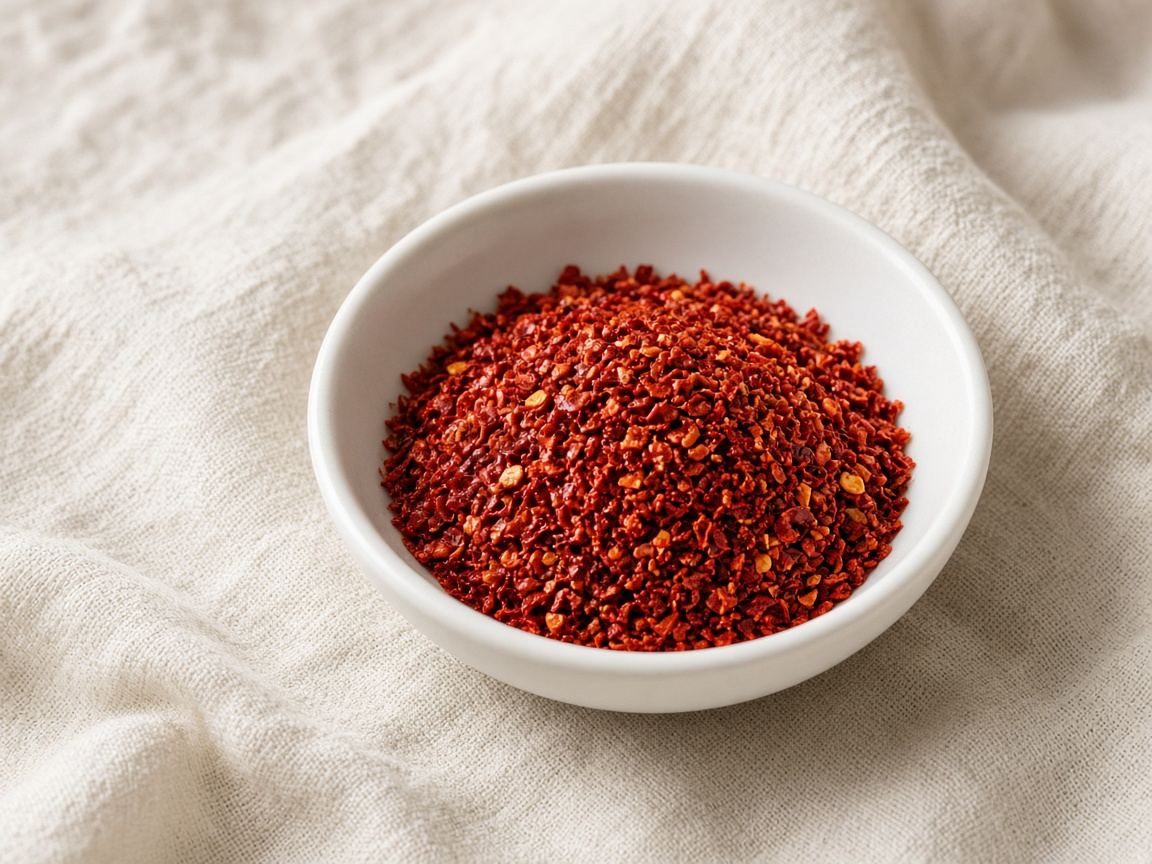
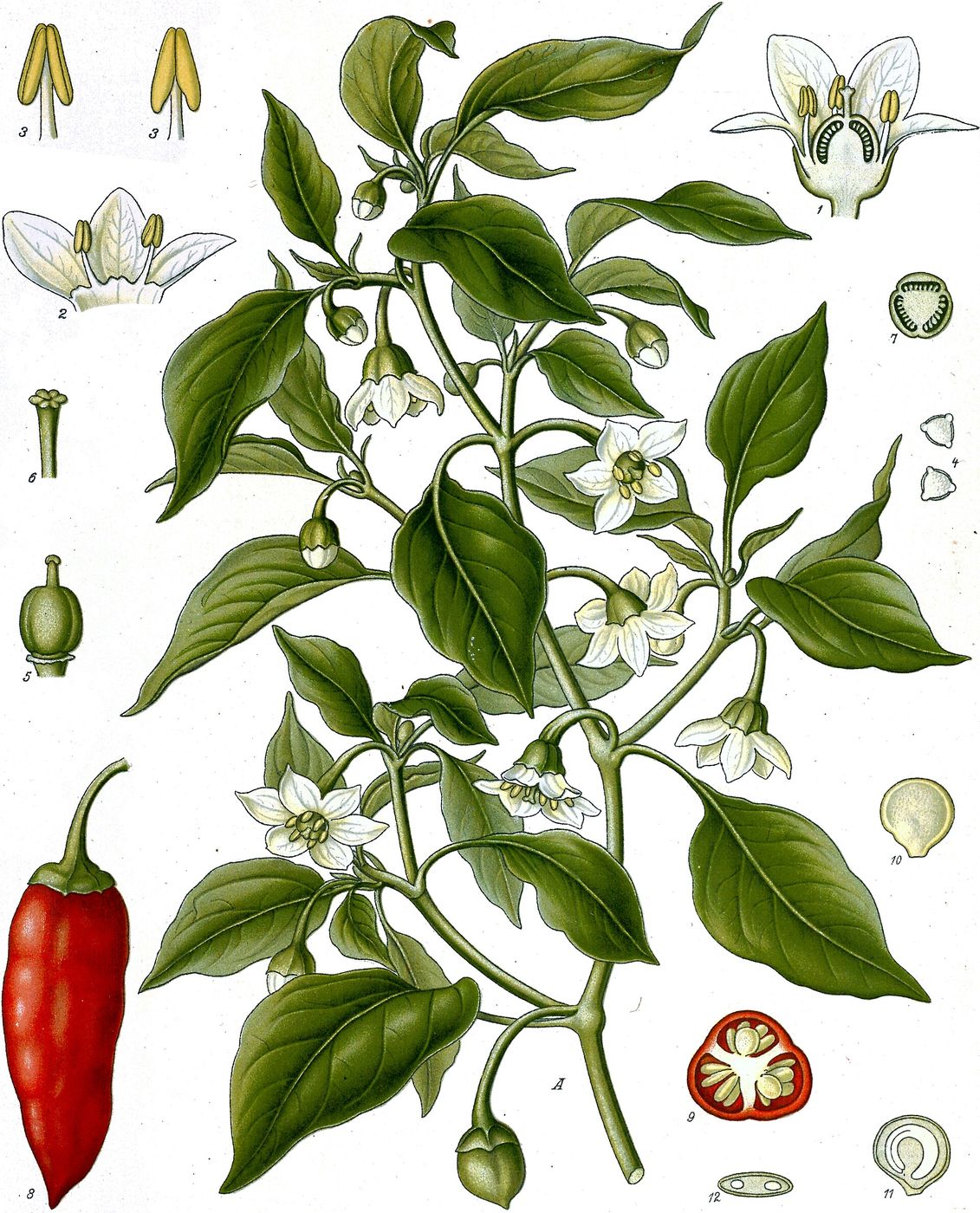
Gochugaru is not cayenne. Korean cooks dry ripe peppers in the sun and crush them into flakes that stay bright and a little sweet. Kimchi is unthinkable without it. The powder that goes into gochujang starts here.
Six recipes in the Korean volume name the flakes themselves. Many more assume them inside a paste. This page is the jar, not the fermented cousin.
In the kitchen
Buy coarse for kimchi, finer for a marinade. Bloom in a little oil or soup. If it is brick-brown and smells like dust, it is old. Fresh gochugaru is crimson.
A teaspoon in a cucumber salad is already a banchan. Do not swap in generic chile flakes unless you want a different country in the bowl.
Healers and the table
Korean home kitchens treated chile heat as warming food for a cold table. The sweat is the meal working, not a clinic.
Gochugaru in kimchi is cooking. It is not medical advice.
Traditional uses are part of the story of this spice. They are not medical advice.