
Pantry · Spices
Cumin
The seed that smells like a courtyard after rain — and the backbone of more ComidaTime recipes than almost any other spice.
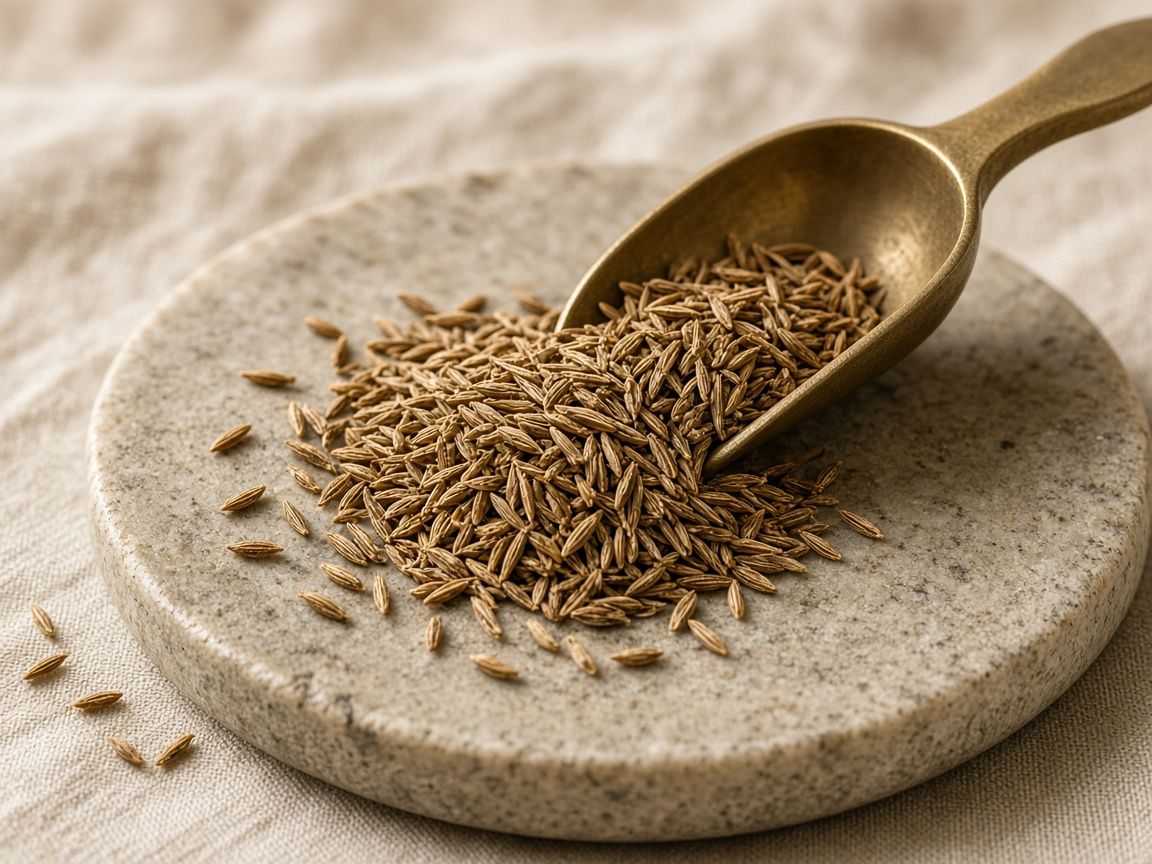
The journey
Cumin is older than the cookbooks that now carry it. Seeds have been found in Syrian kitchens of the second millennium BCE and in the tombs of pharaohs. Greeks and Romans seasoned fish and bread with it. Arabic physicians wrote it into their tables of hot and dry foods. Spanish and Portuguese ships later carried comino into Mexico, Peru, and the Caribbean, where it learned new partners: chile, annatto, and cocoa.
The plant itself is modest: a thin annual with umbrella flowers, happiest in dry heat. What traveled was the seed, small enough to hide in a sleeve, valuable enough to tax. In the International Cuisines series it is the hinge between North Africa, the Levant, India, Mexico, and the Andes — 27 kitchens, hundreds of recipes.
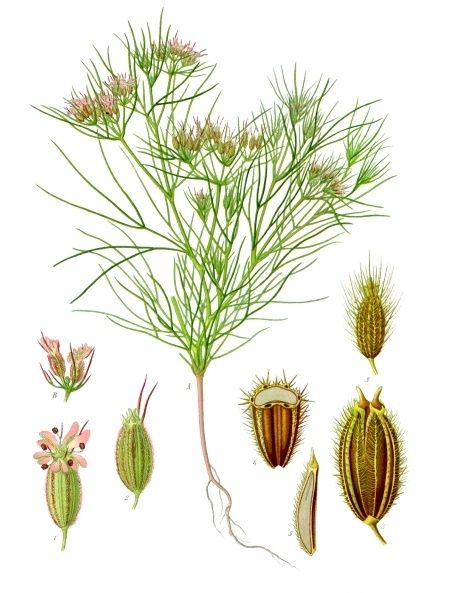
In the kitchen
Whole seeds want a dry pan. Thirty seconds too long and they turn bitter; thirty seconds right and they smell like warm earth and lemon peel. Ground cumin is faster and easier to burn. Add it to onions once they are soft, not to a screaming-hot pot.
Moroccan chermoula, Mexican adobo, Indian tadka, and Levantine baharat all lean on the same seed. If you keep only one jar besides pepper, keep this one.
Healers and the table
From Ayurveda to Andalusian herbals, cumin was a carminative: the seed you chew or brew after a heavy meal. Midwives and grandmothers steeped it for colic and for milk. Those uses belong to family knowledge, not to a label on a bottle.
Enjoy cumin as flavor first. The comfort it gives a stew is already a kind of care.
Traditional uses are part of the story of this spice. They are not medical advice.