
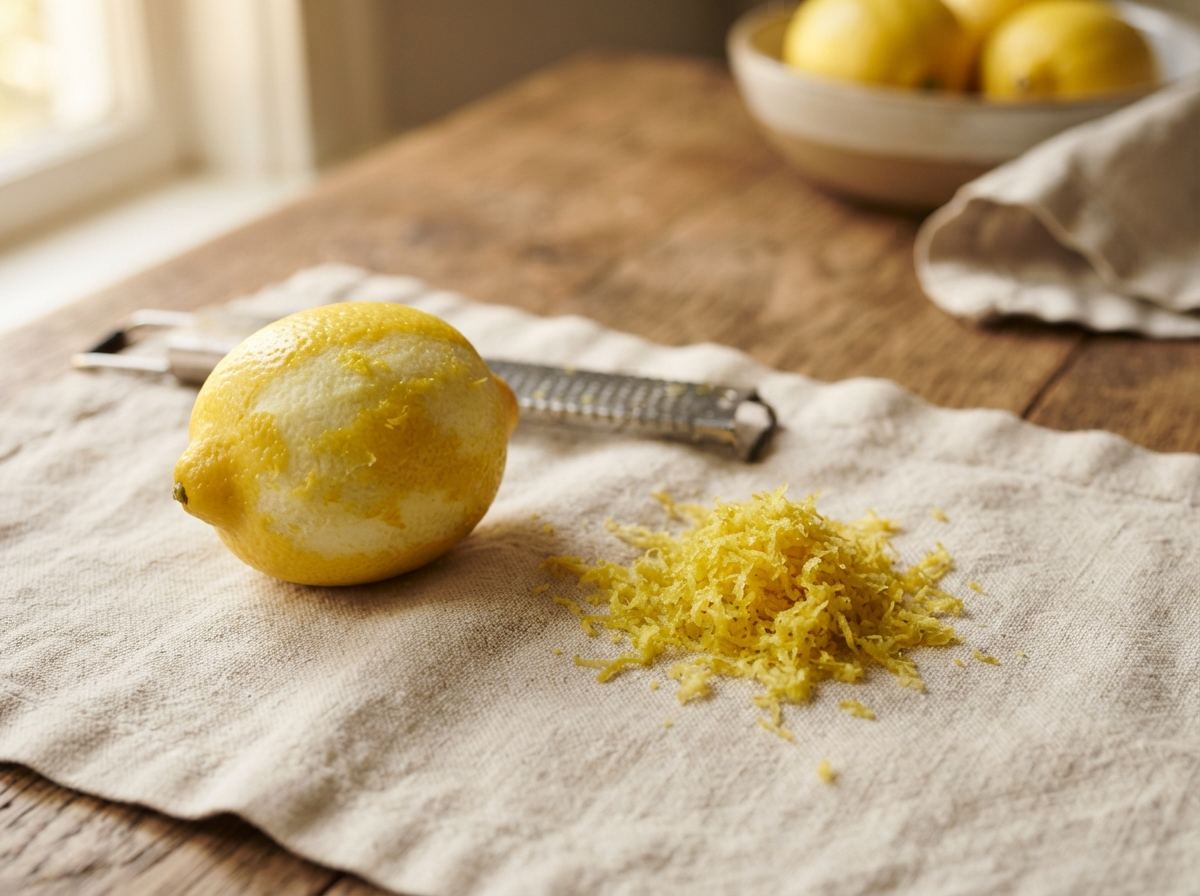
Lemon zest
The oil in the skin: the brightest way the books add citrus without juice.
Pantry · Spices
The spices named across the 30 International Cuisines books.
The oil in the skin: the brightest way the books add citrus without juice.
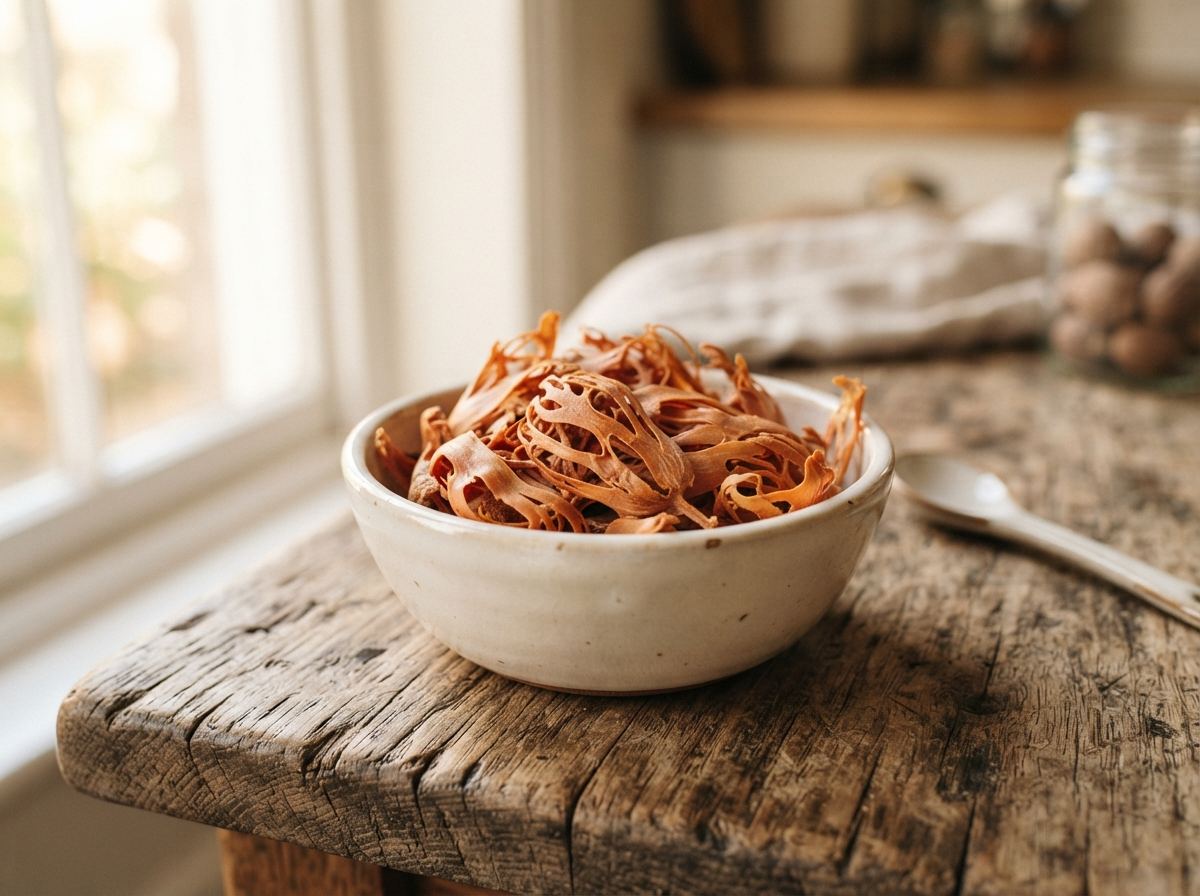
The lacy aril of nutmeg — finer, sharper, a European sauce spice.
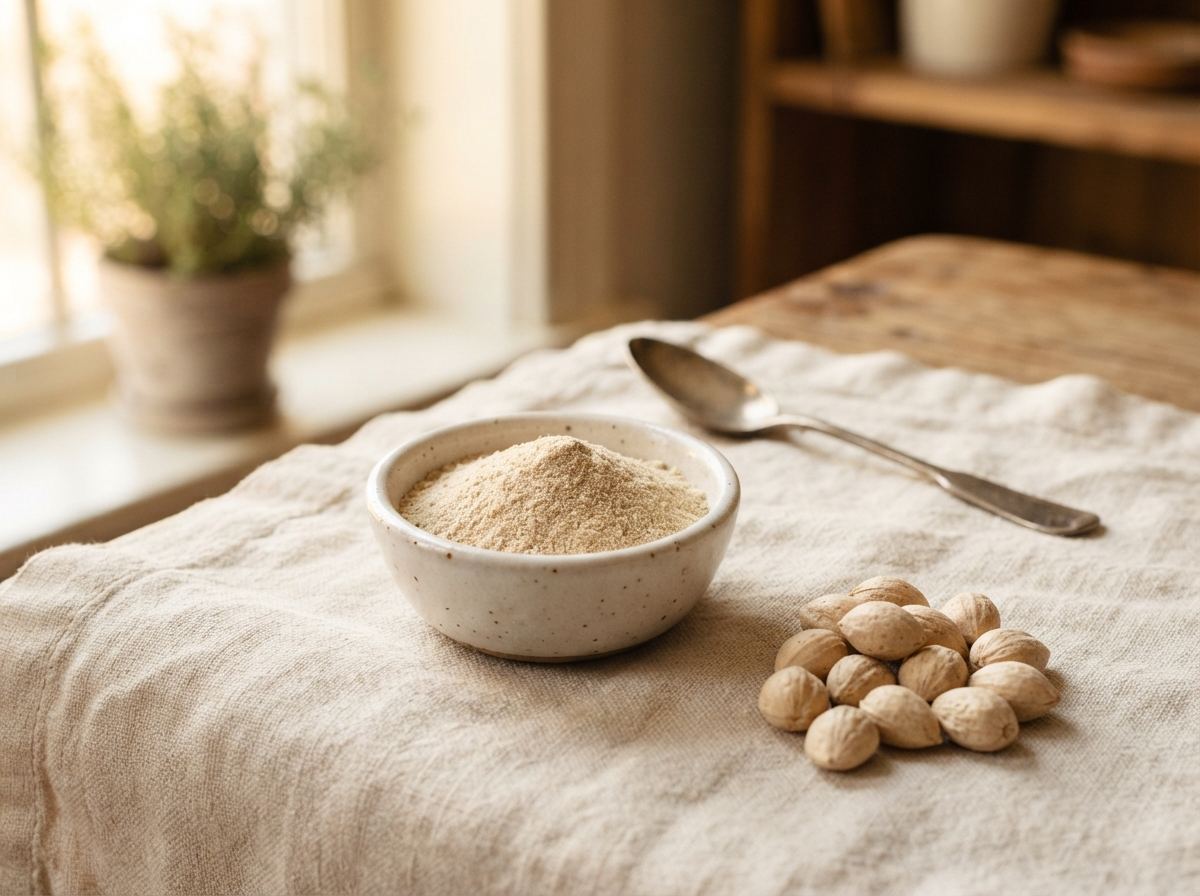
Ground cherry kernel: the perfume of Greek and Levantine festival breads.
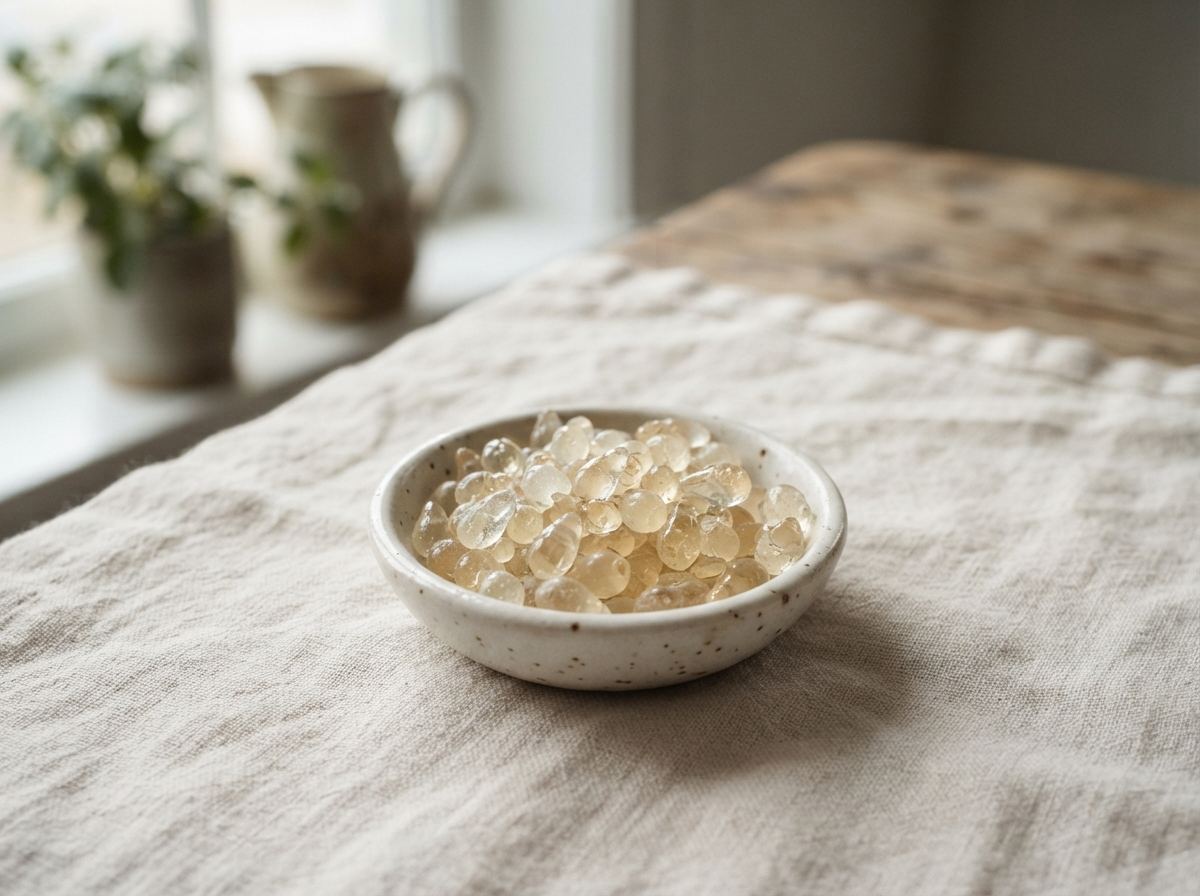
Chios tears — a pine-sweet resin for ice cream, bread, and a glass of water that turns cloudy.
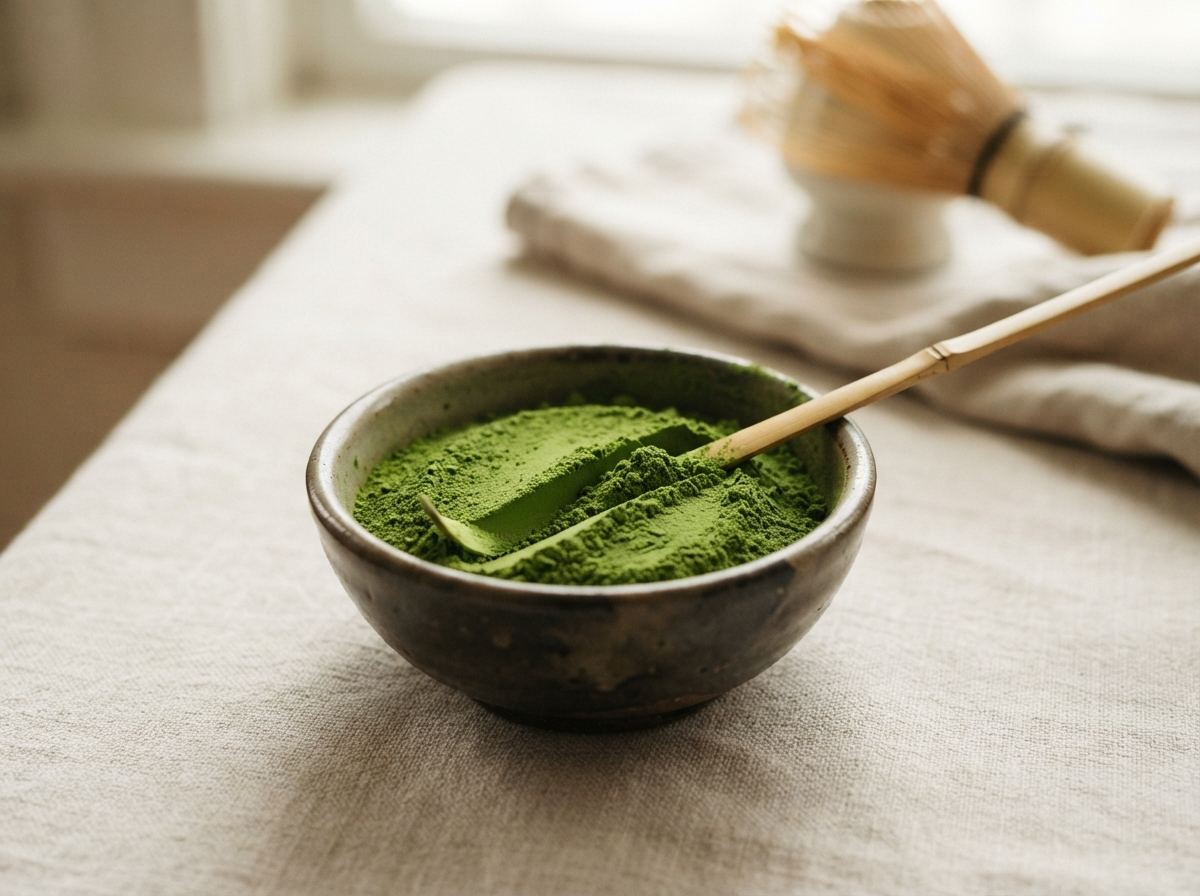
Stone-ground shade tea — bitter, sweet, and now in every pastry case, still a Japanese bowl first.
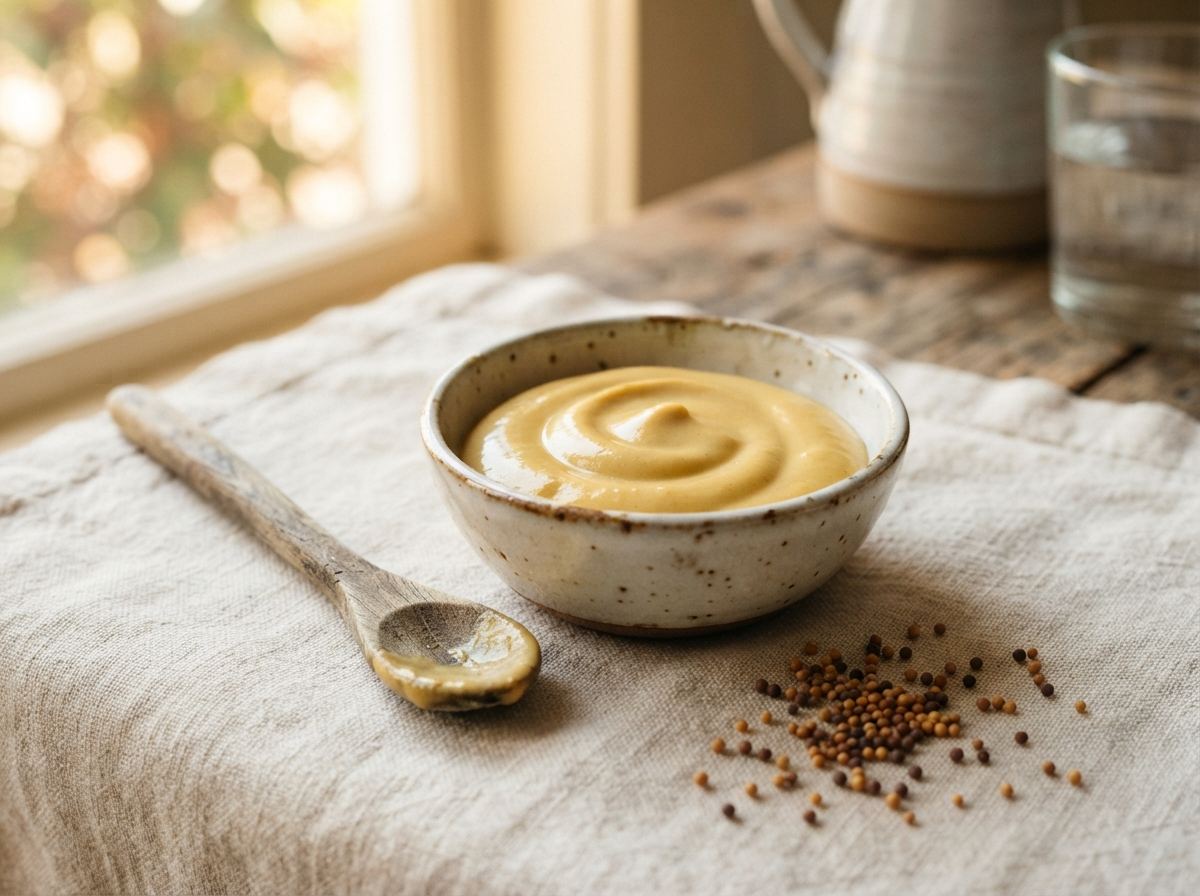
Prepared mustard — Dijon, Bavarian, senafich — the wet heat the books name beside the seed.
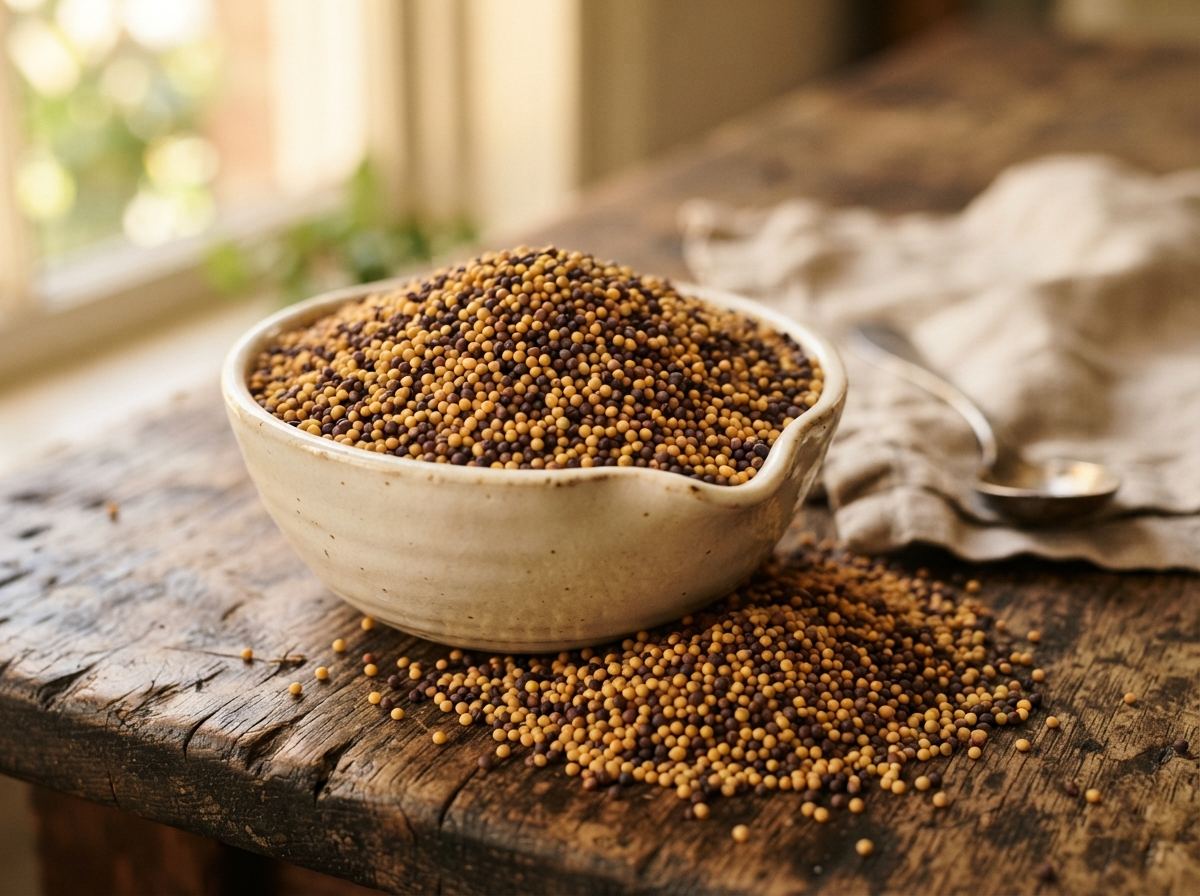
The pop in a tadka and the bite in a pickle.
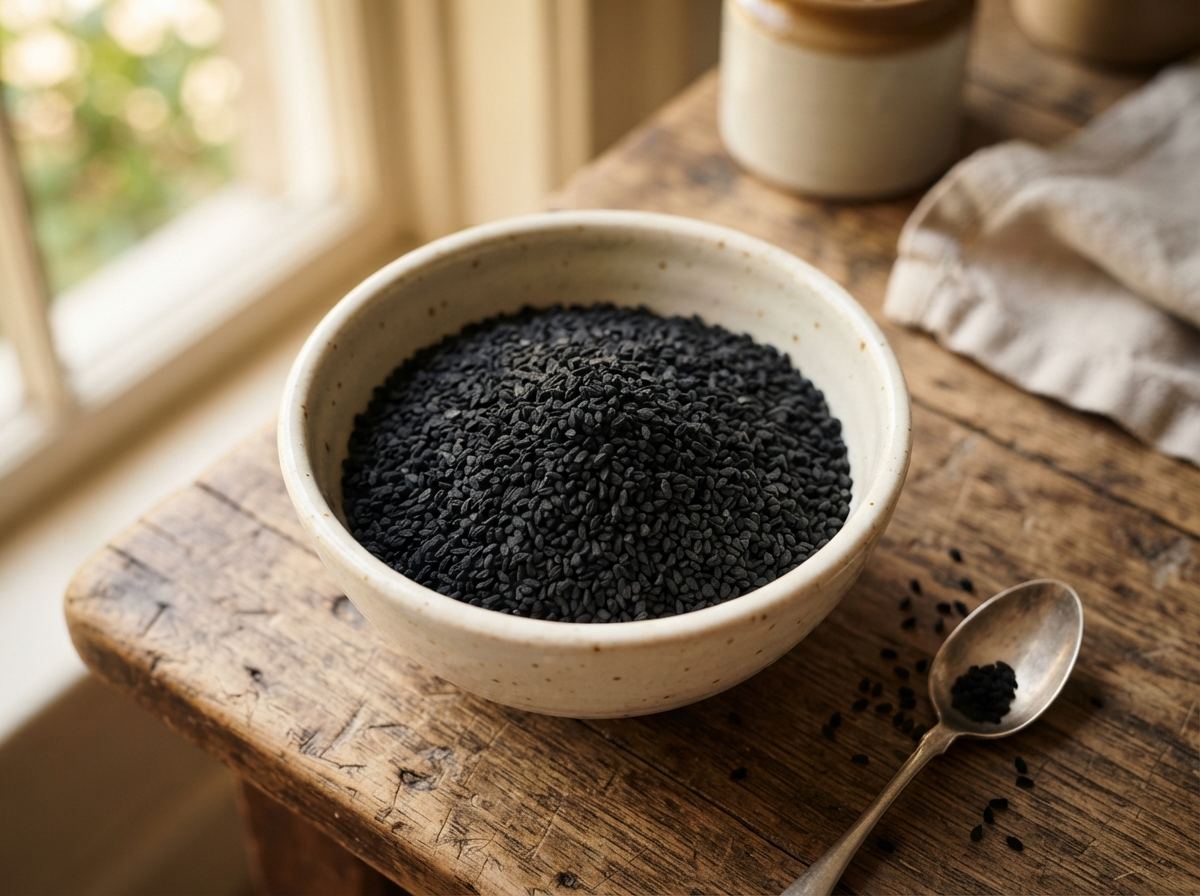
The black seed on a loaf, looking like onion seed and tasting like oregano and onion.
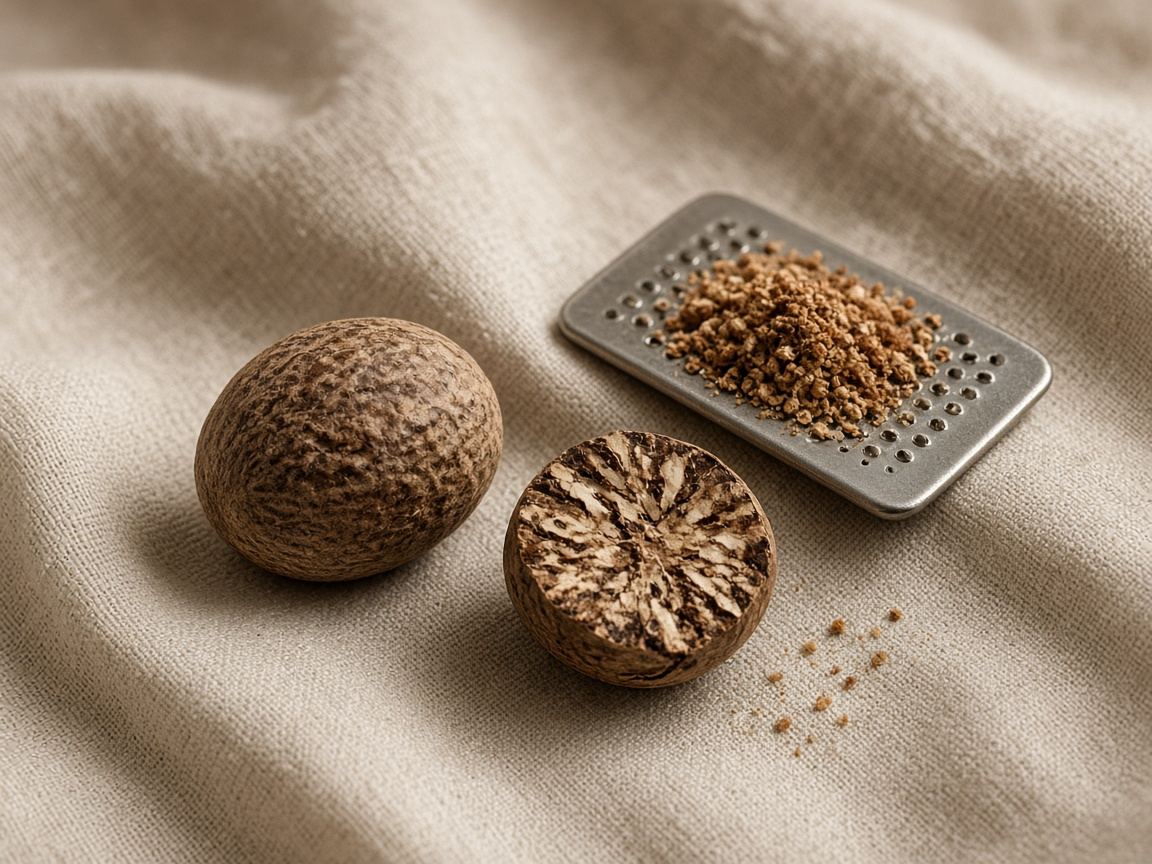
A hard brown seed you grate at the last second: milk sauces, meatballs, and the sweet side of a stew.
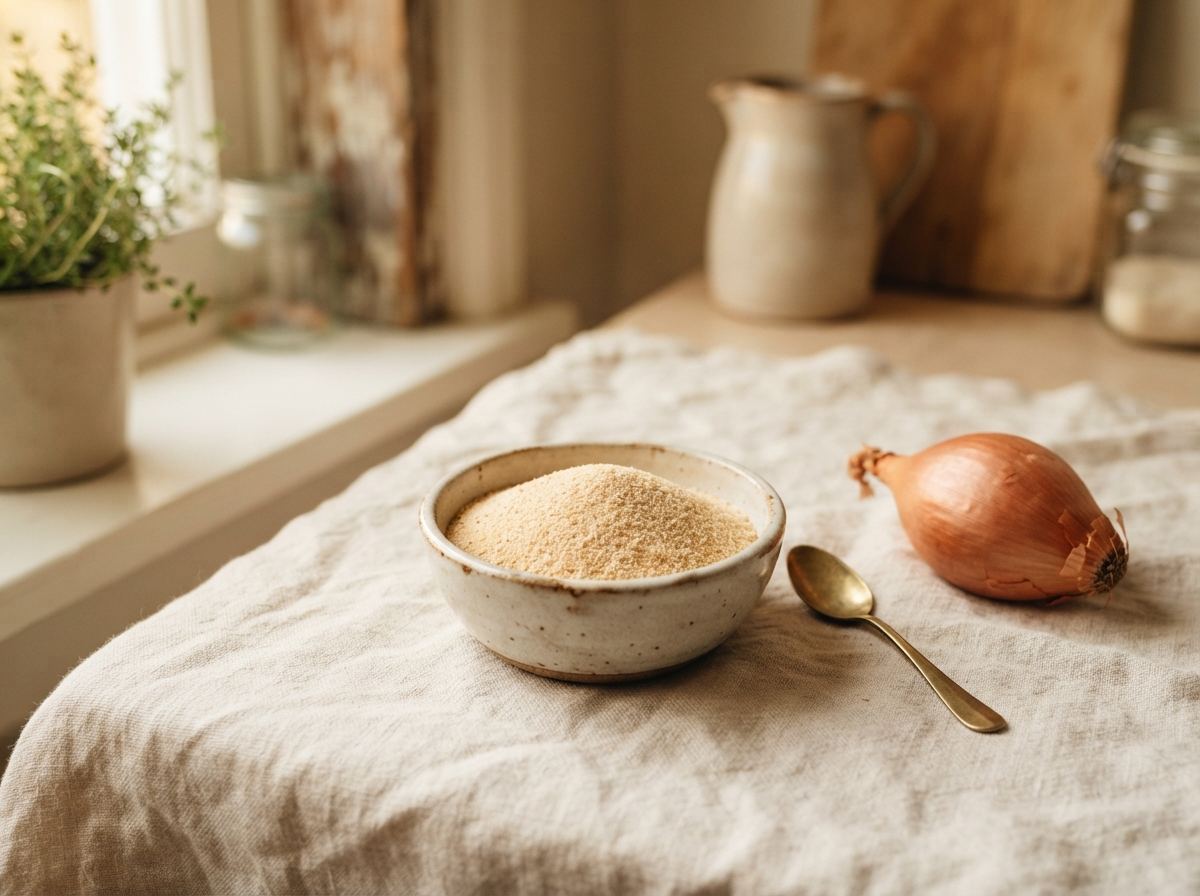
Sweet allium dust for a Cajun shake and a meatloaf the books still write down.
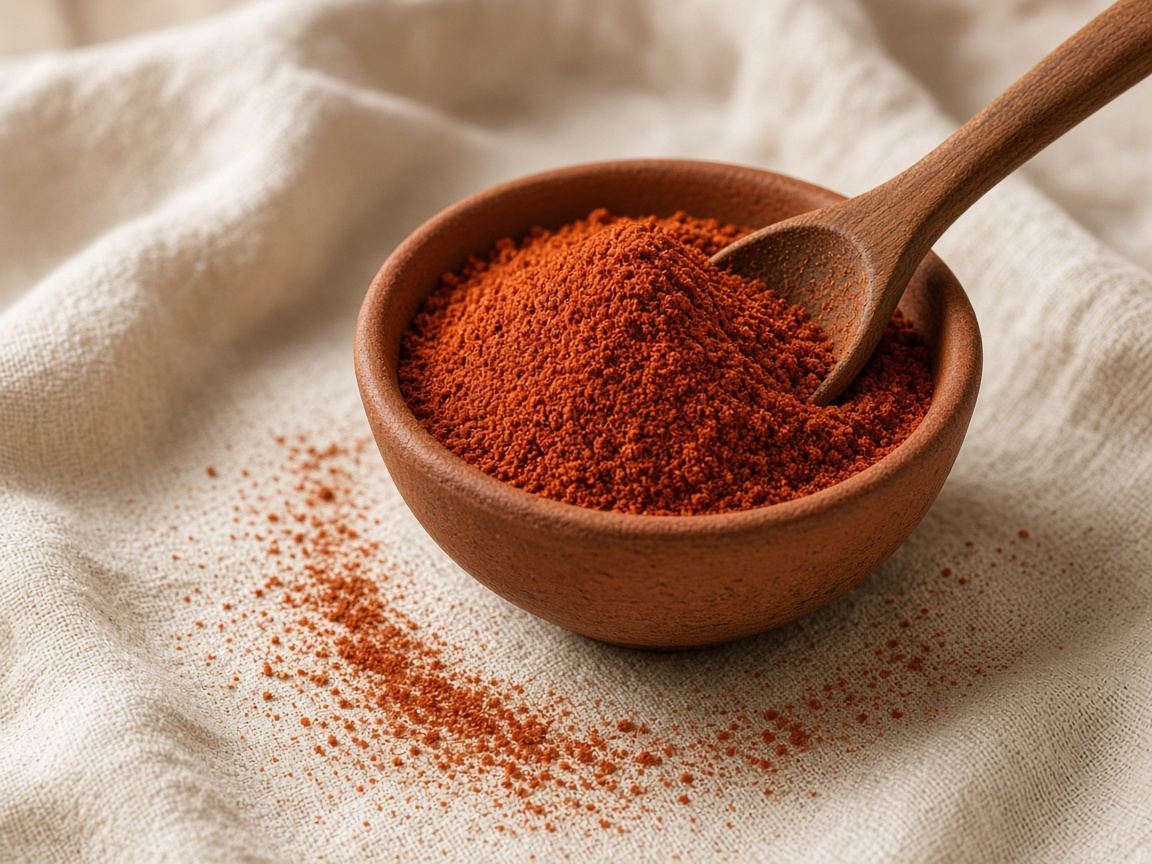
The red powder the 30 books reach for more than any other named spice after salt and pepper: color, sweetness, and a little smoke.
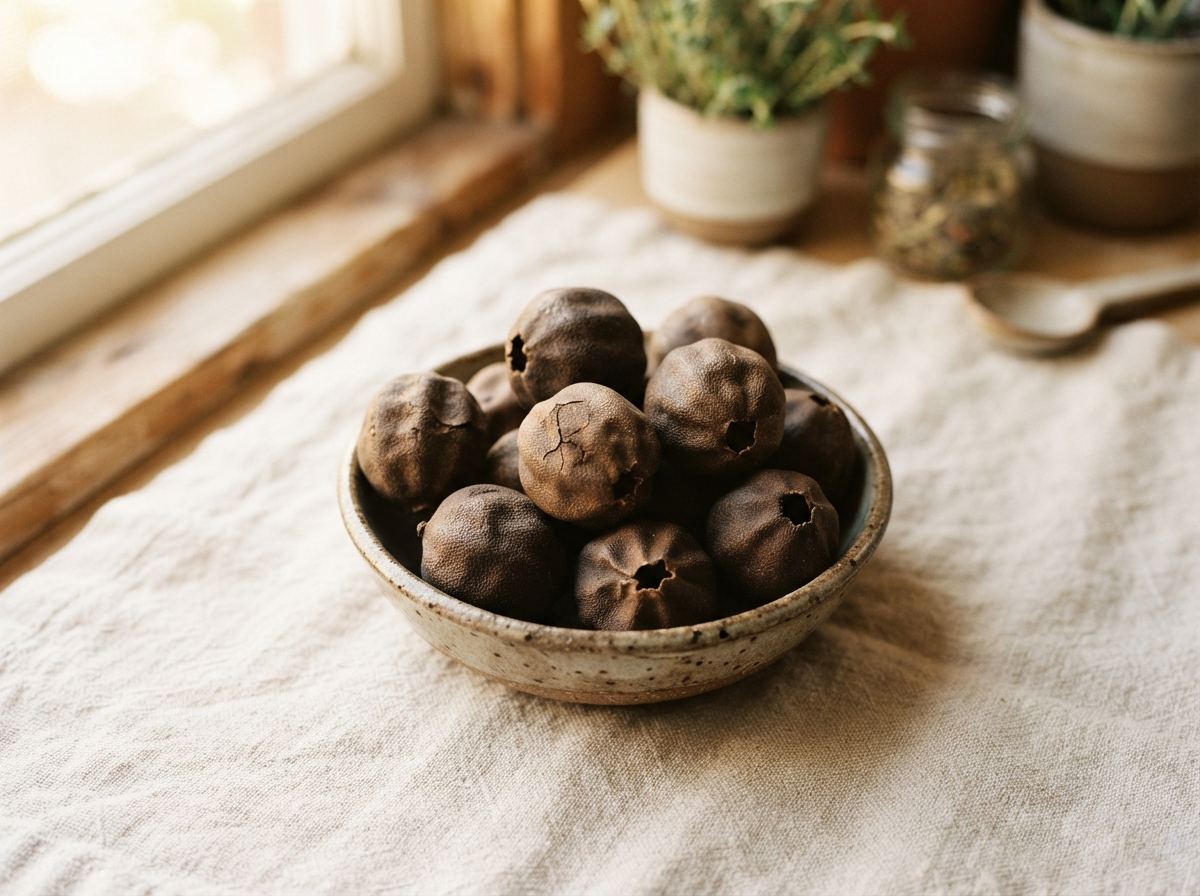
Limoo amani: dried whole limes that a Persian stew hollows for sour and smoke.
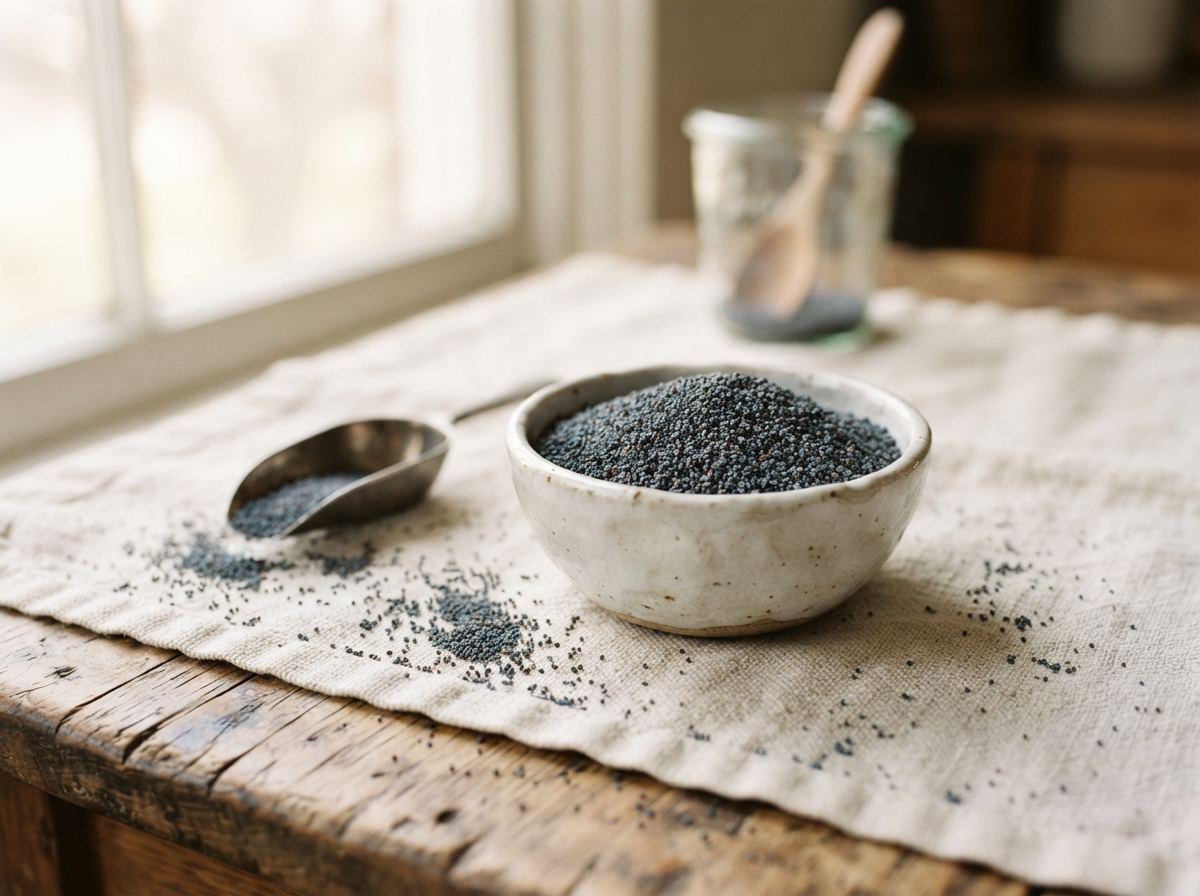
Blue or white: filling for a German roll, thickener for a Bengali curry.
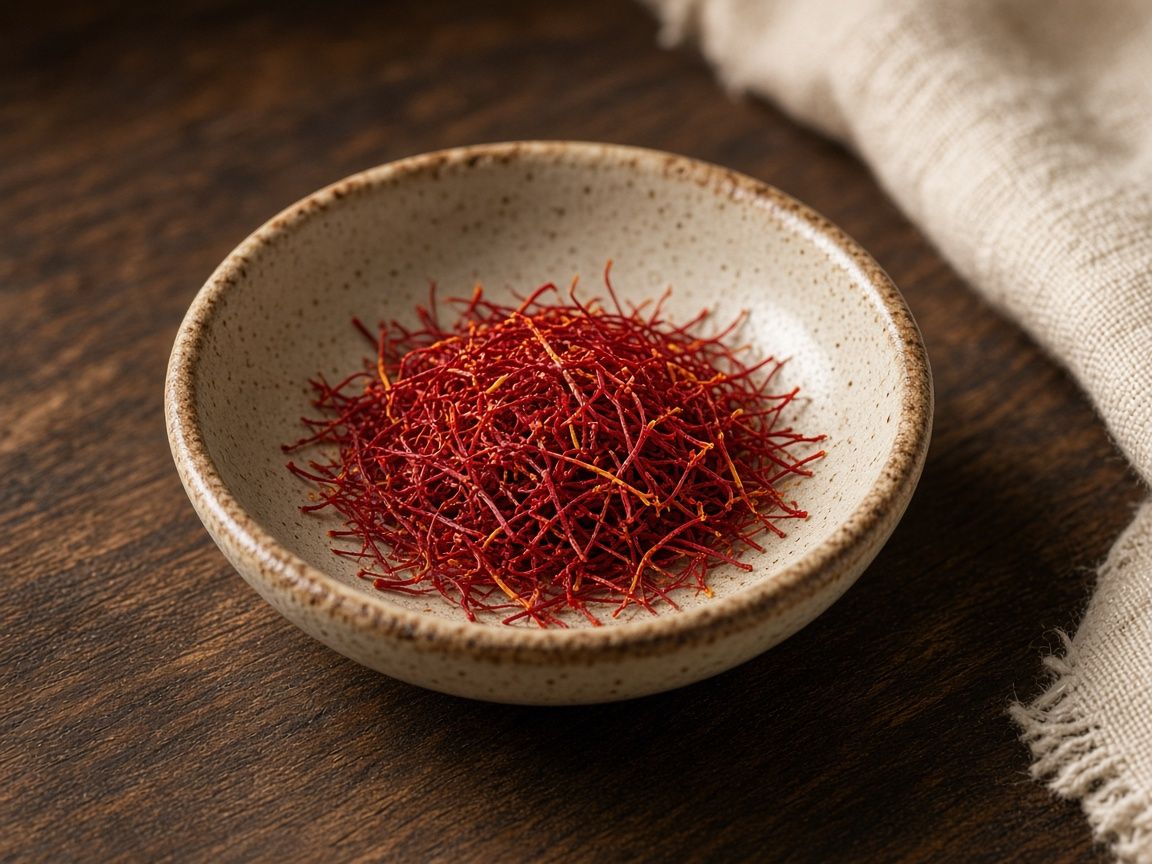
Three red threads from each autumn flower — the scarcest spice in the series, and still the one that turns a pot of rice into a feast.
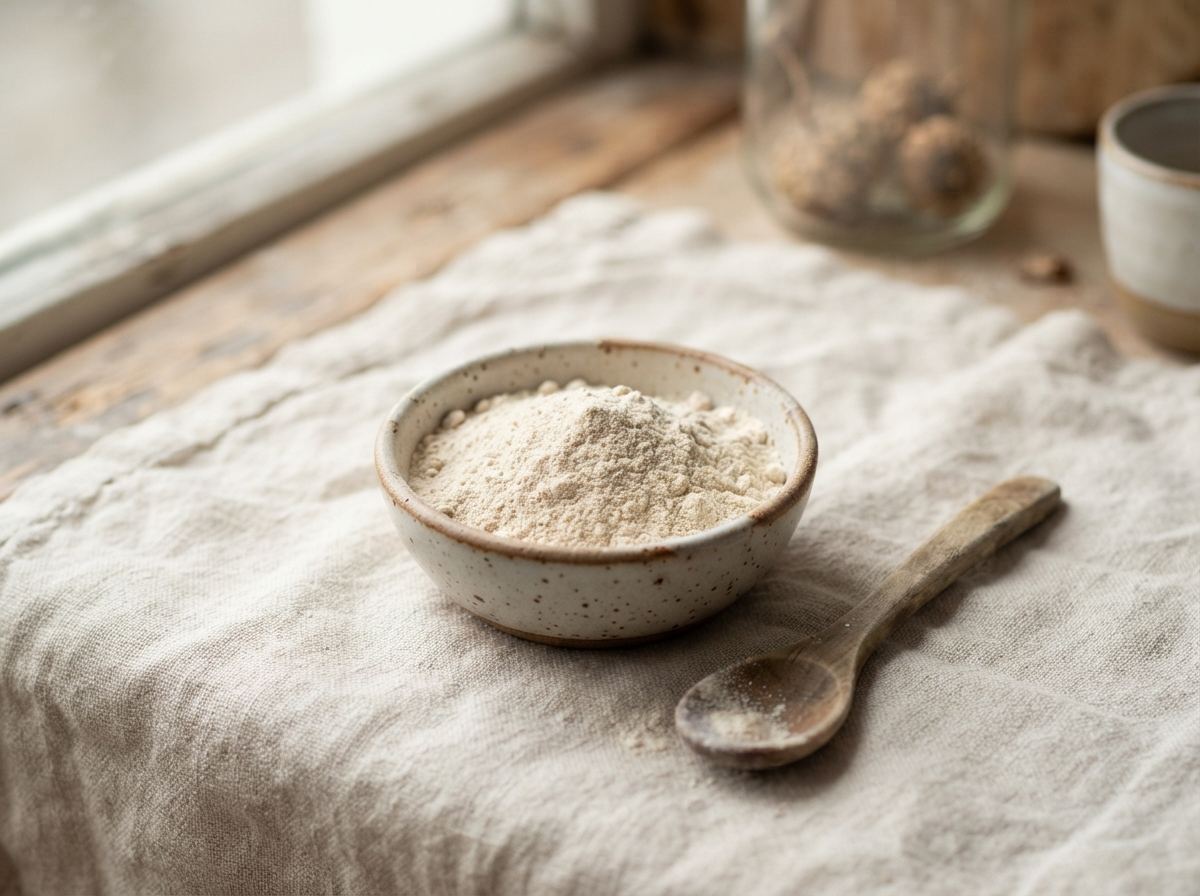
Orchid-tuber flour that thickens winter milk in Turkey and Greece.
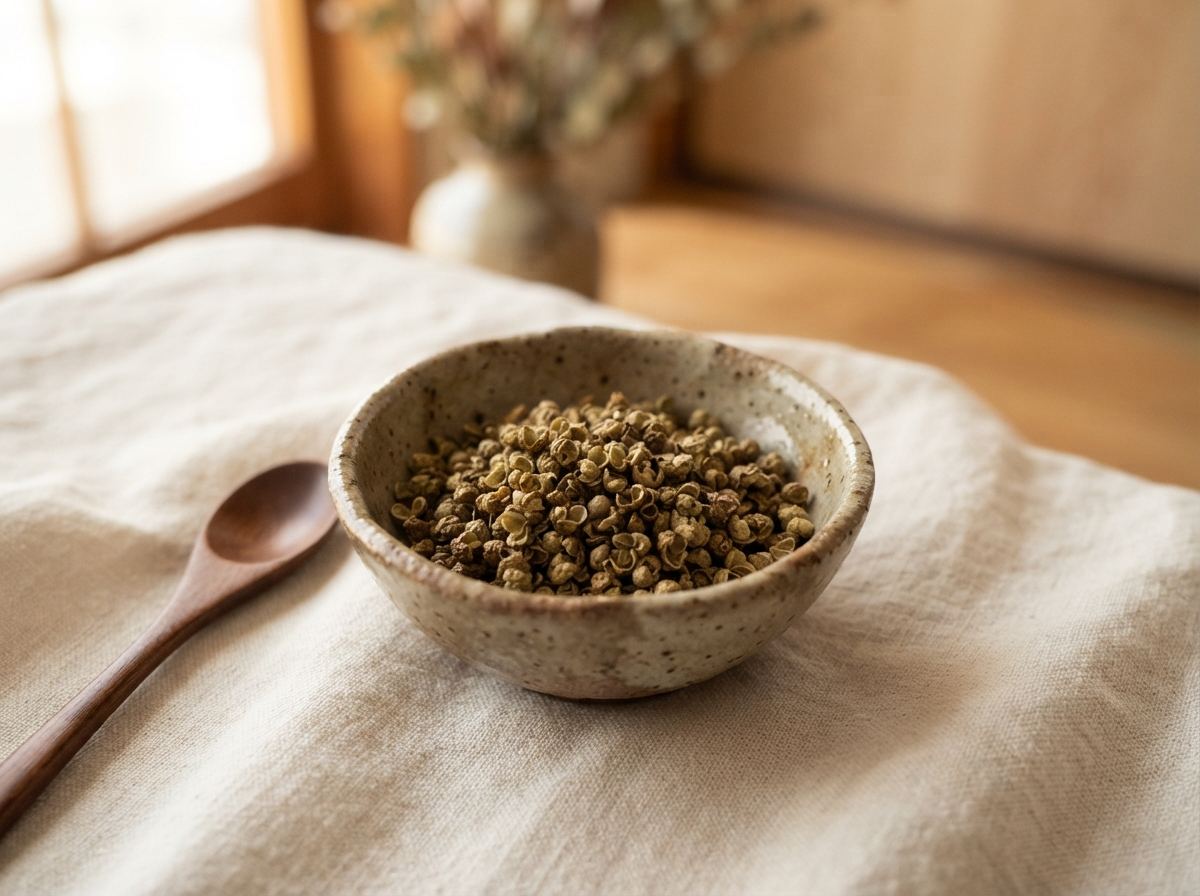
Japan's Zanthoxylum — the tingle on unagi and the cousin of Sichuan pepper.
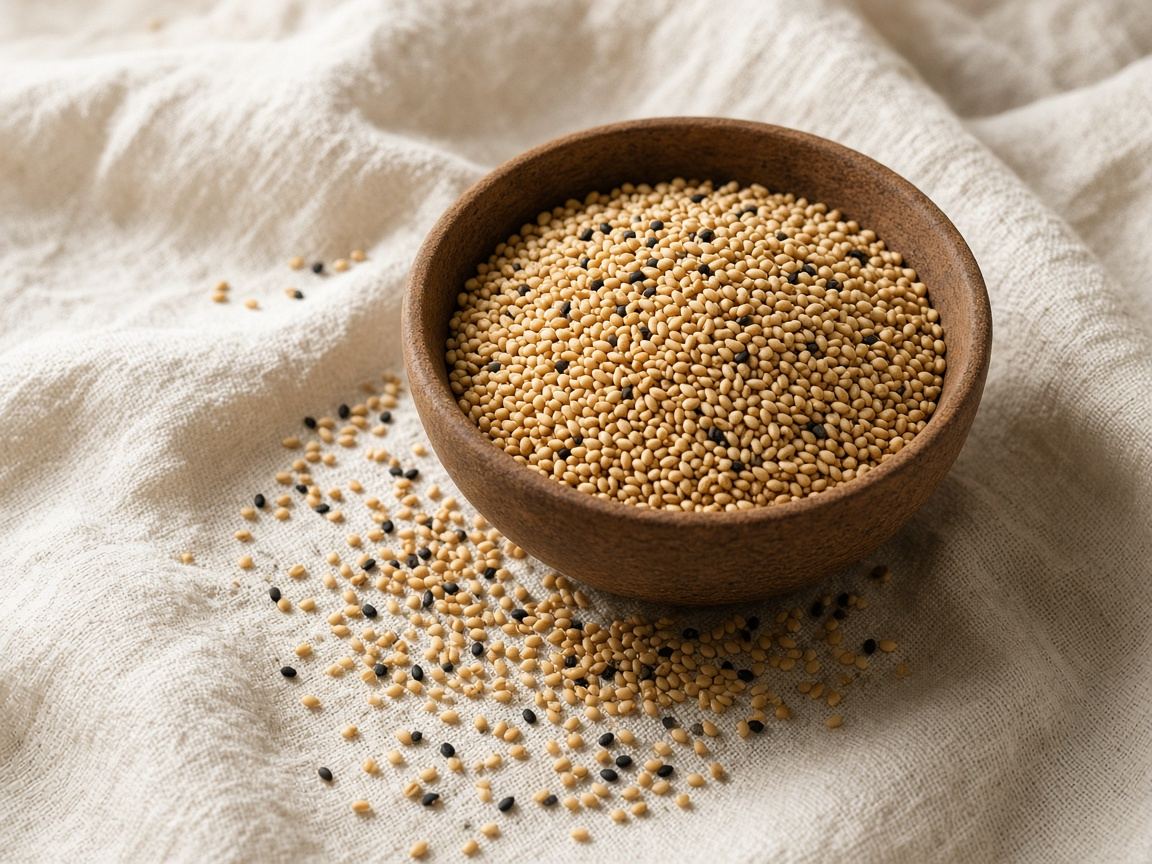
A tiny seed that toasts into a whole aroma: bread, bagels, goma, and the crunch on a Korean banchan.
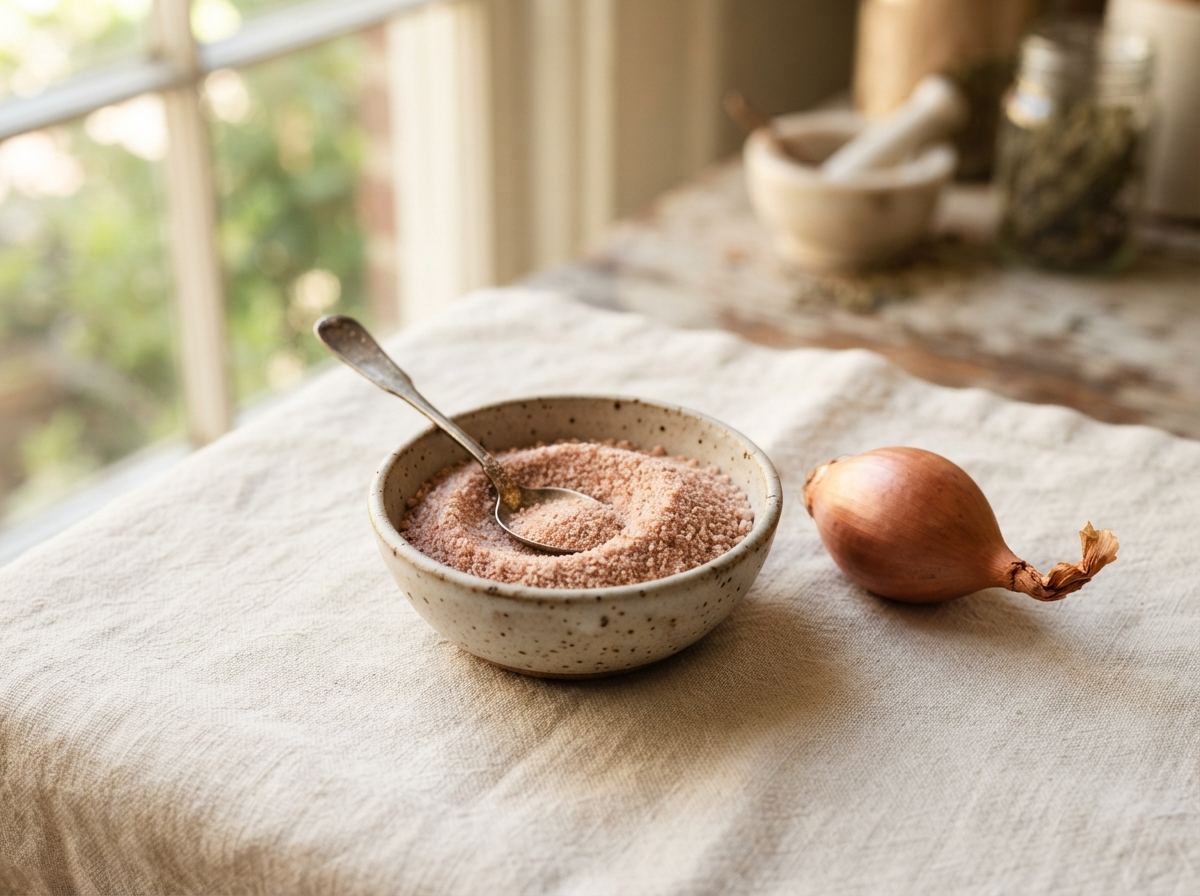
Finer, sweeter allium — a Southeast Asian sprinkle and a soup finish.
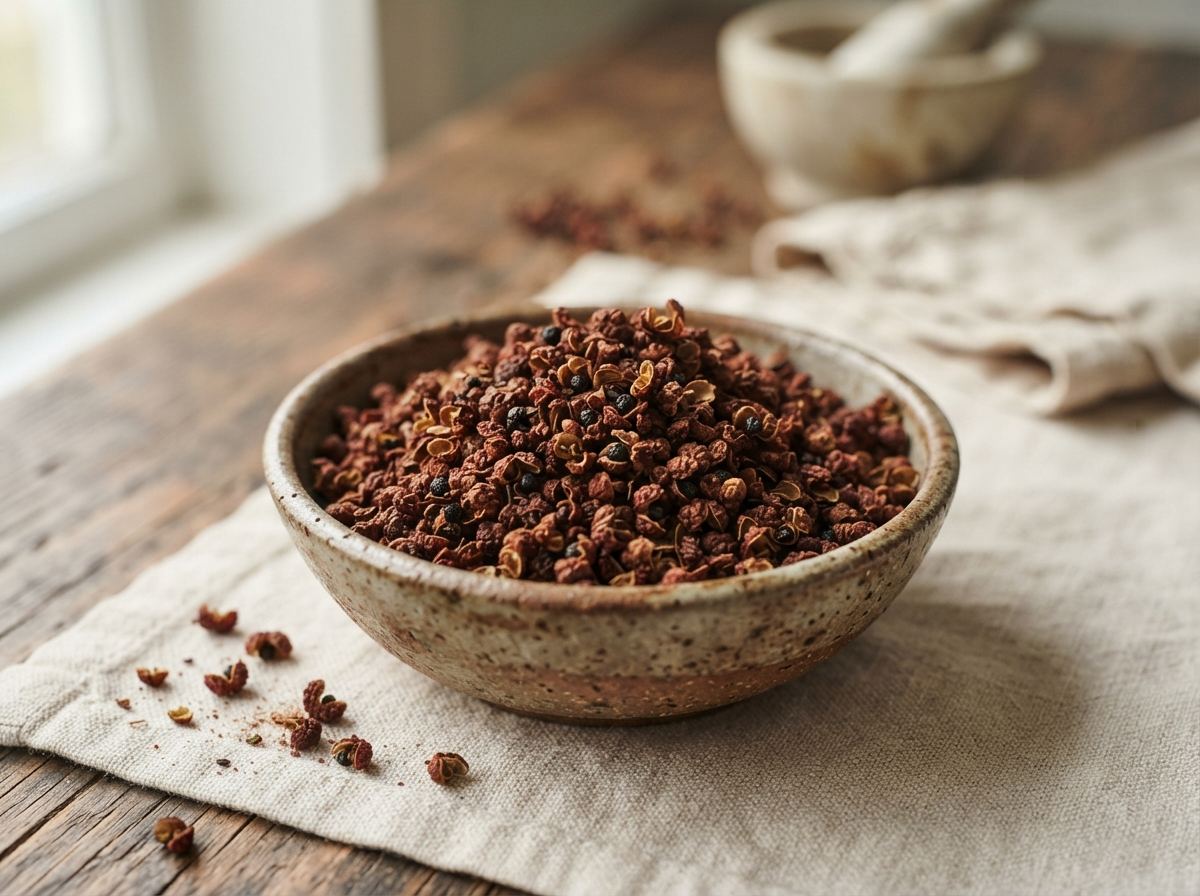
Not a pepper: a citrus-numbing husk that makes mapo and dry-fried chicken hum.
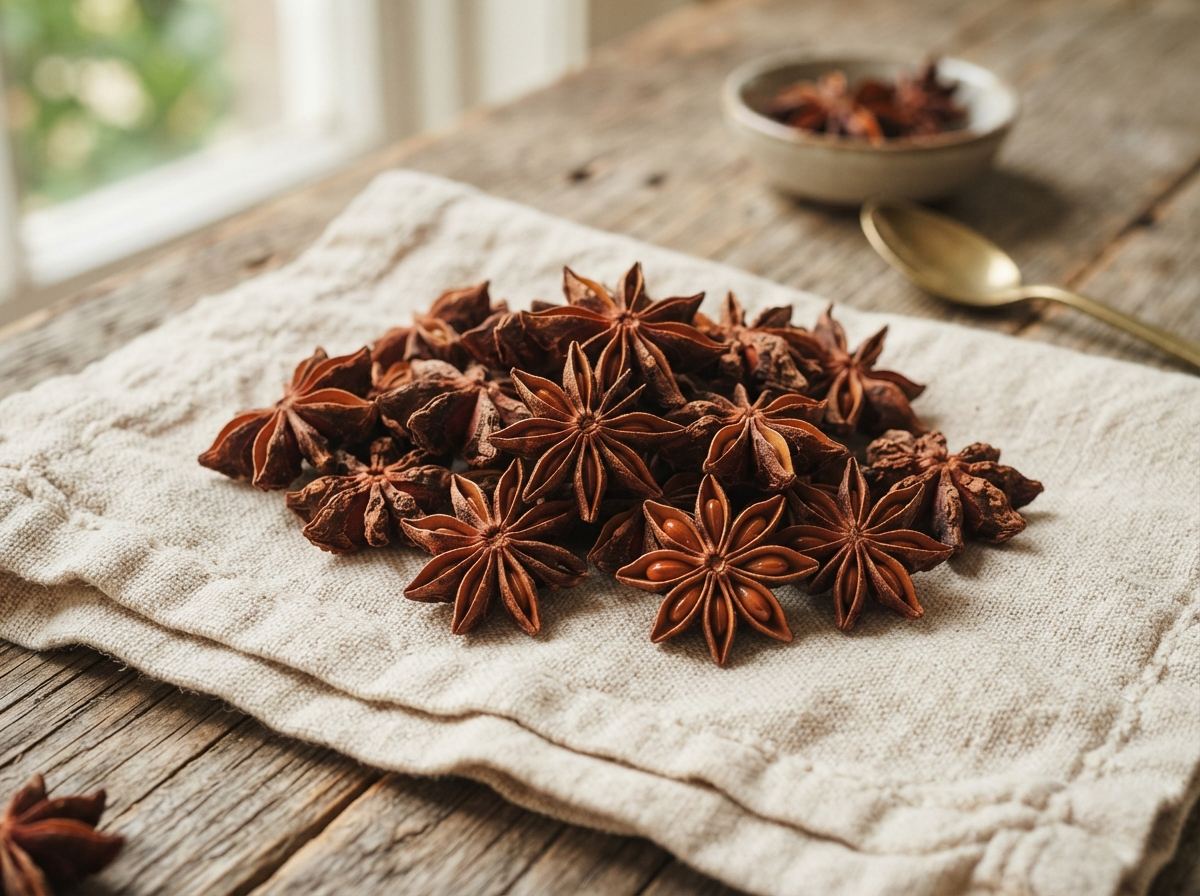
The star that sweetens a broth without sugar.
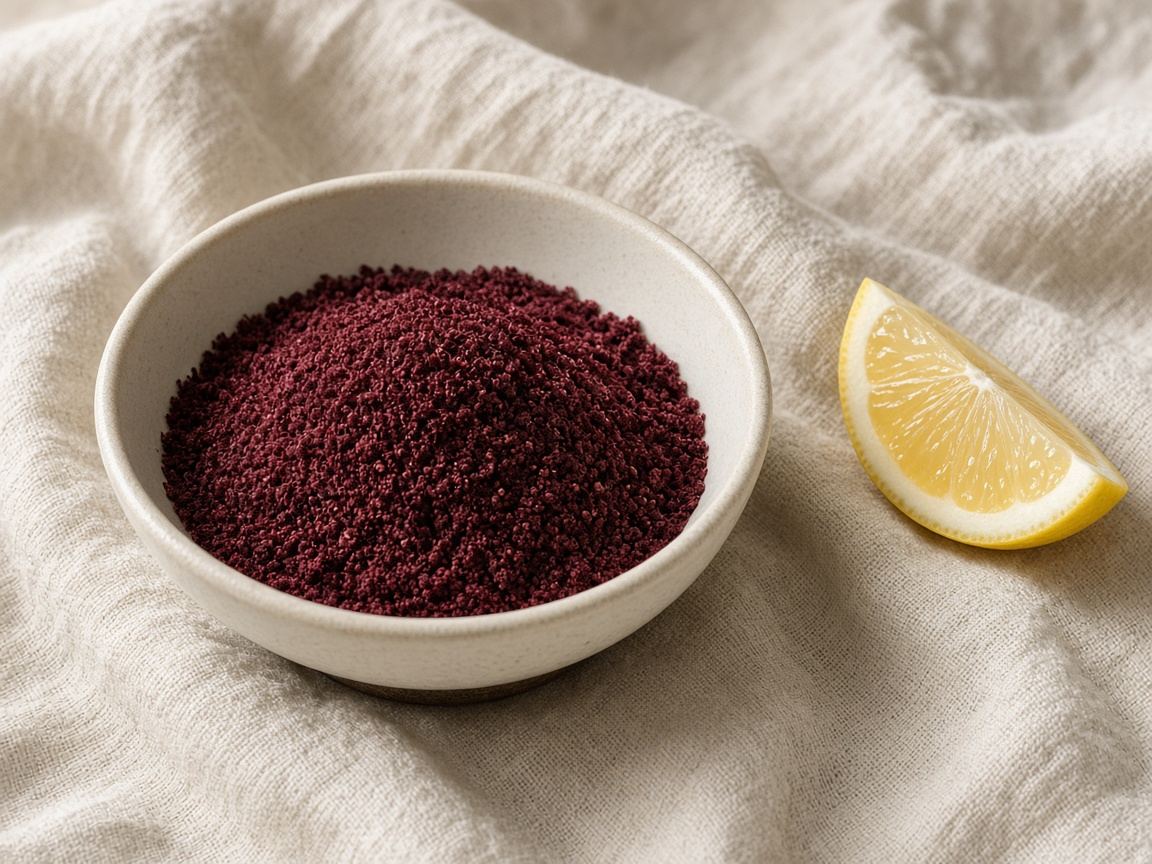
A sour red dust: lemon without juice, the finish on onions, grilled meat, and a fattoush that wants tartness.
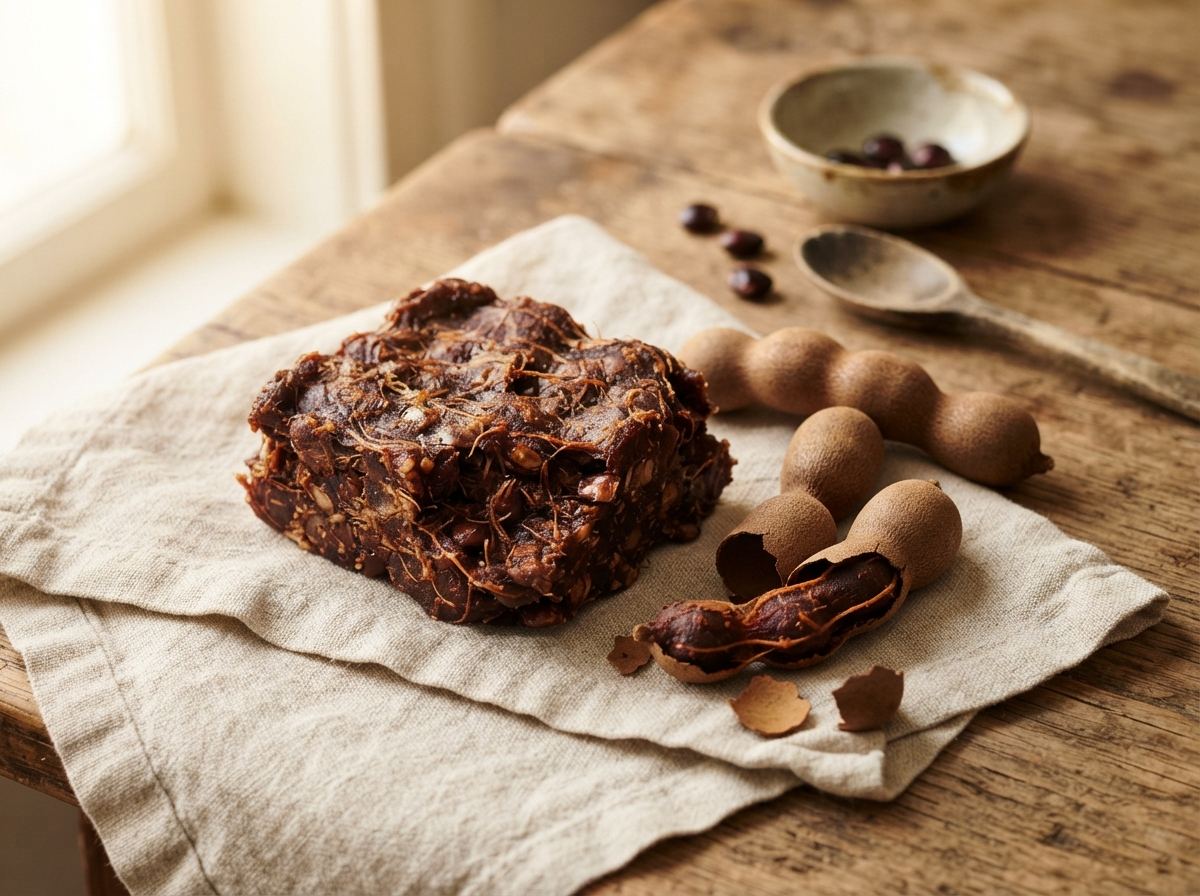
Sour pulp of a shade tree: pad Thai, rasam, agua de tamarindo, and Worcestershire's ghost.
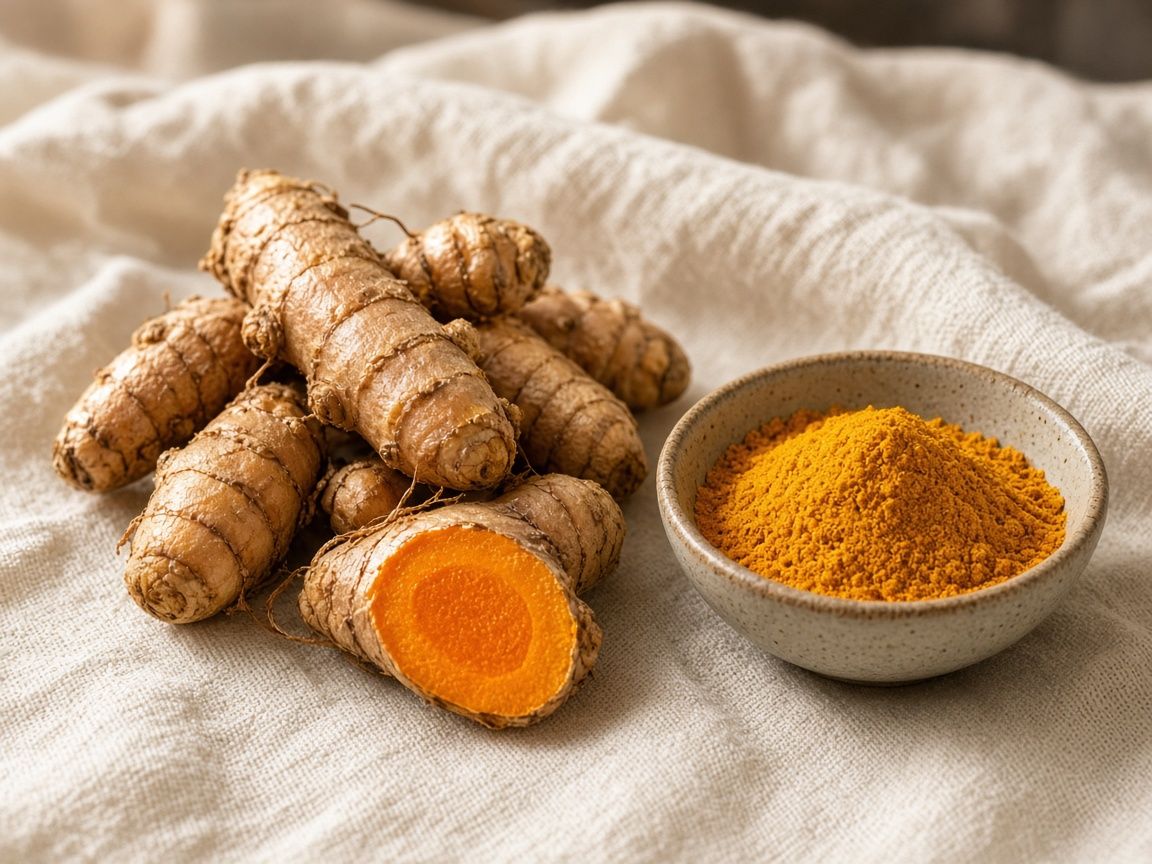
The rhizome that dyes fingers, rice, and memory gold — food first, medicine closet second.
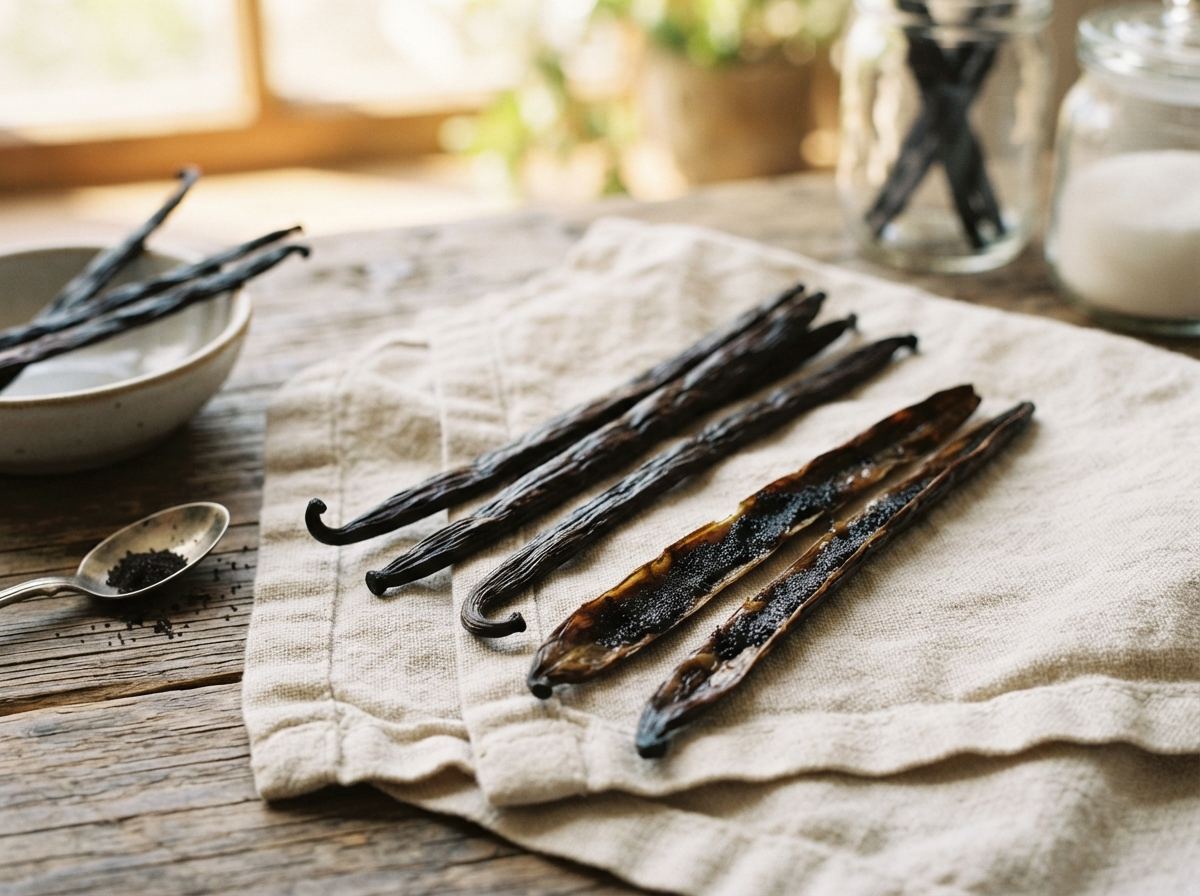
The orchid pod that sweet kitchens treat as air — and savory Mexican moles still remember.