
Pantry · Spices
Mustard
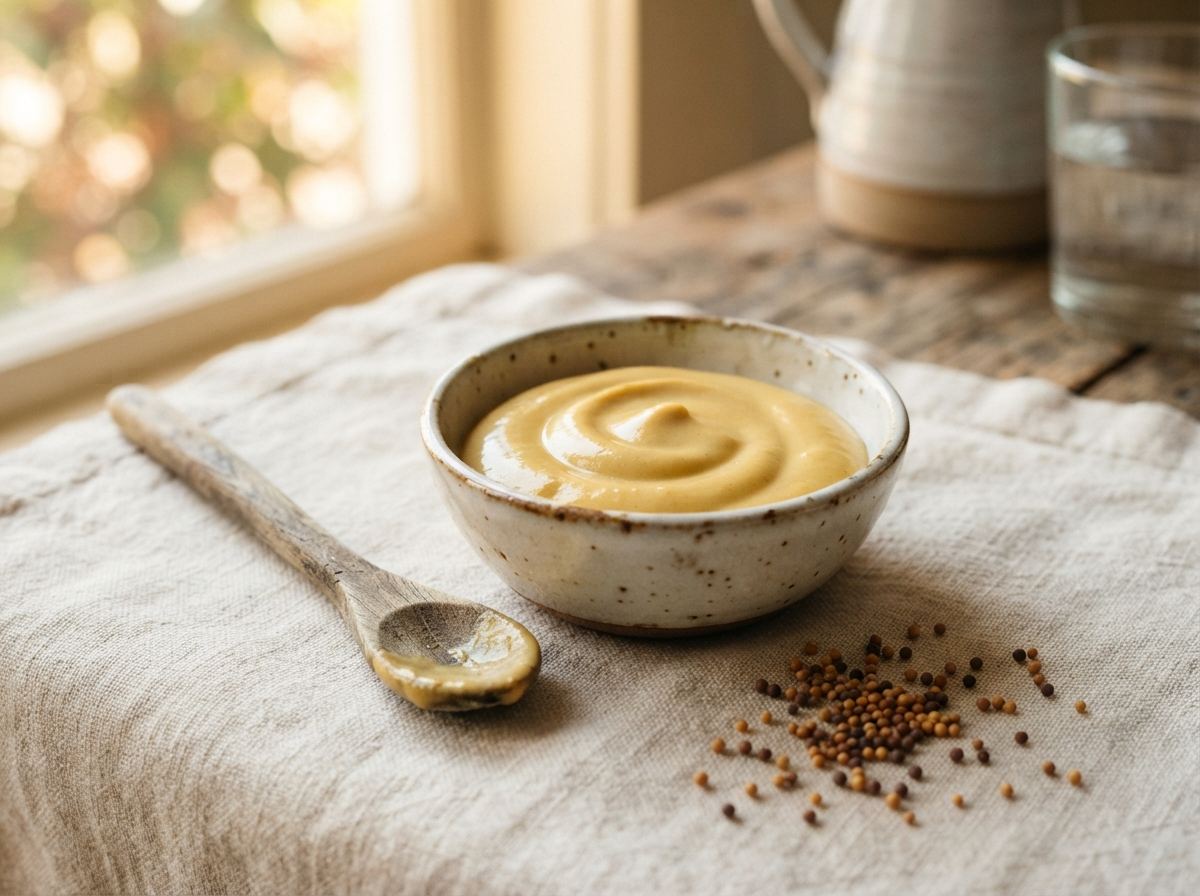
Prepared mustard — Dijon, Bavarian, senafich — the wet heat the books name beside the seed.
The journey
Mustard is a spice with a route. The kitchens that still write this name in a recipe line. Cooks carried the name because a pot without it tasted like a different country.
The corpus names it in 51 recipes across 9 ComidaTime kitchens, including Eastern European, Ethiopian, and West African. This page keeps the jar next to the hearths that still reach for it.
In the kitchen
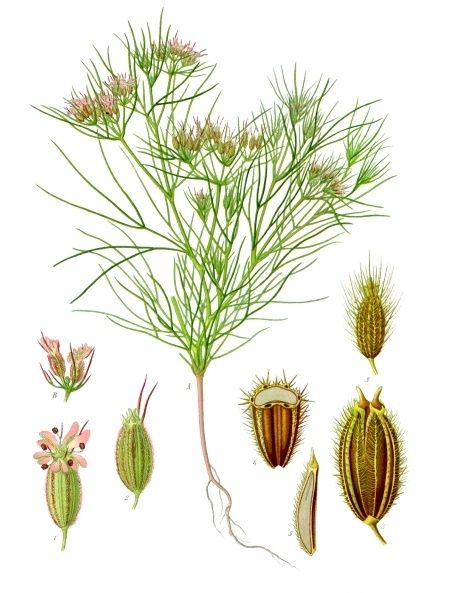
In 9 ComidaTime kitchens, including Eastern European, Ethiopian, and West African, Mustard is not decoration. Add it where the recipe puts it: early if it needs fat and time, late if it is perfume.
Taste Mustard before you empty the spoon. Fresh jars smell like themselves; tired ones smell like dust. Buy the smallest amount you will finish.
Healers and the table
Home kitchens treated Mustard as food that changed a meal — appetite, warmth, or a settled stomach — the way families talk about a jar, not a clinic.
Mustard on a table is supper. Traditional talk around it is not medical advice.
Traditional uses are part of the story of this spice. They are not medical advice.