
Pantry · Spices
Paprika
The red powder the 30 books reach for more than any other named spice after salt and pepper: color, sweetness, and a little smoke.
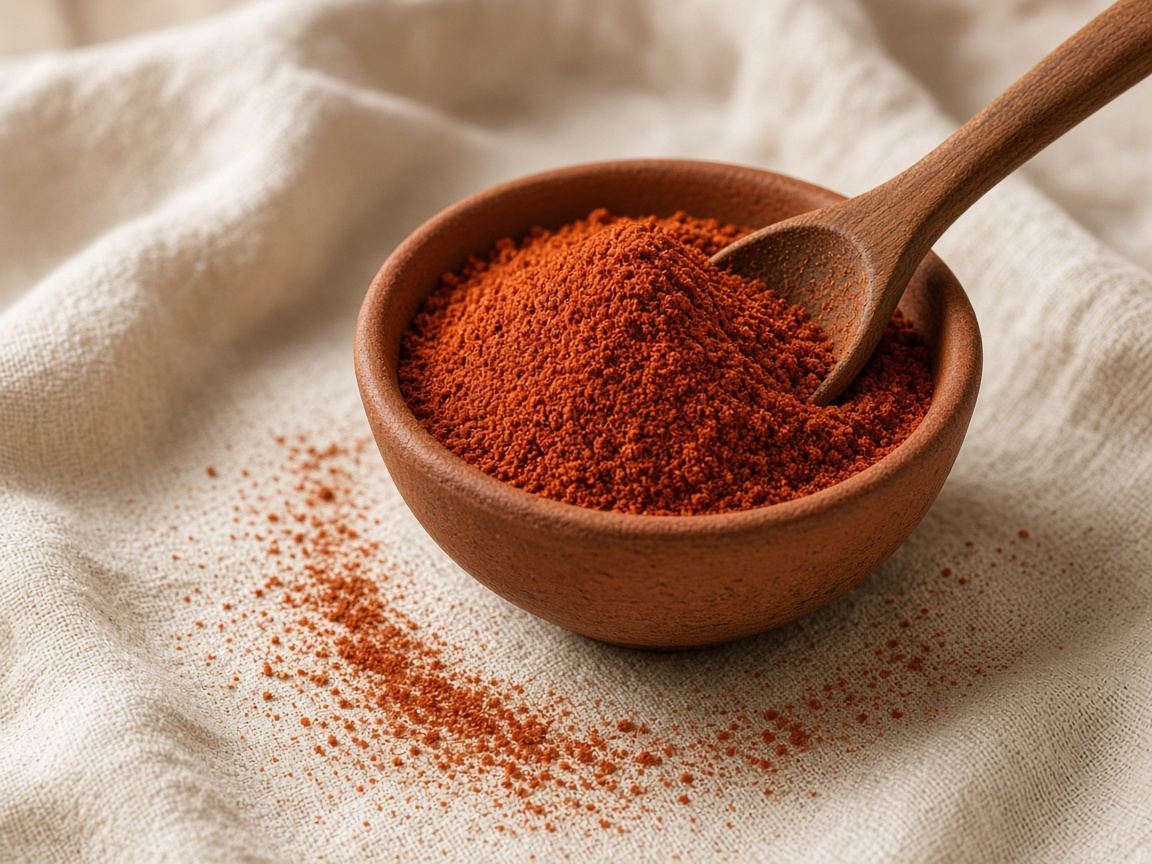
The journey
Paprika is chile that learned manners. Capsicum left Mexico, took root in the Ottoman lands and the Carpathian Basin, and came back to the table as a powder you can put in a child's stew. Hungarians named the sweet and the hot. Spaniards smoked it over holm oak and called it pimentón. The books use it in more than four hundred recipes — twenty-seven kitchens — because a pot that looks gray often only needed this.
It is not cayenne. It is not a brand. It is a fruit, dried and ground, and the difference between a goulash and a brown soup.
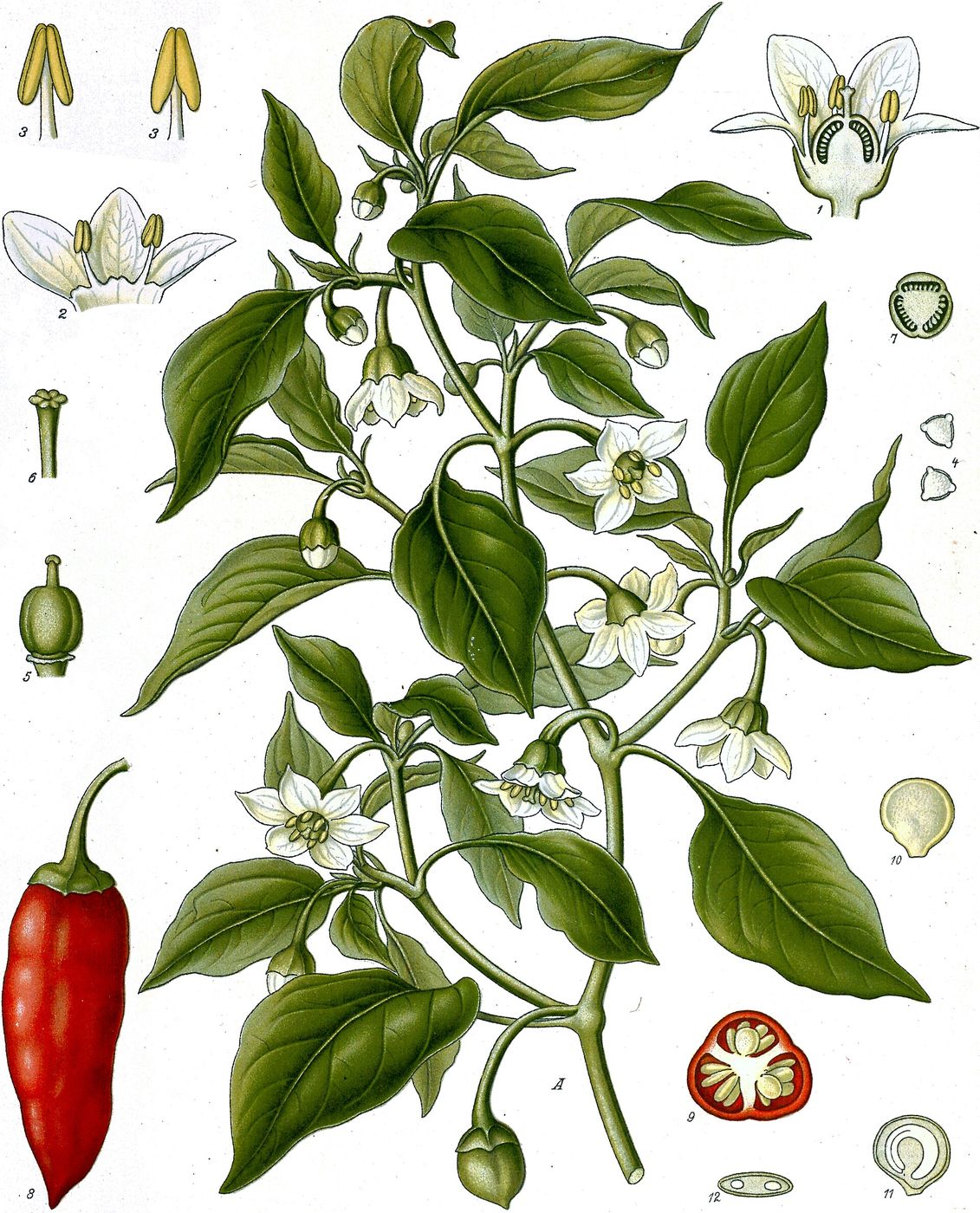
In the kitchen
Bloom it in fat off the heat so it does not burn and turn bitter. Sweet paprika colors. Hot paprika speaks. Smoked paprika is a different sentence — use it when the recipe wants a grill and you have only a pot.
If the jar smells like dust, it is dead. Buy it sweet-smelling and red as a brick, then keep it in the dark.
Healers and the table
Central European home kitchens treated paprika stew as warming food for a cold day. The color is the appetite. The heat, when there is any, is modest.
Paprika in a stew is supper. It is not medical advice.
Traditional uses are part of the story of this spice. They are not medical advice.