
Pantry · Spices
Turmeric
The rhizome that dyes fingers, rice, and memory gold — food first, medicine closet second.
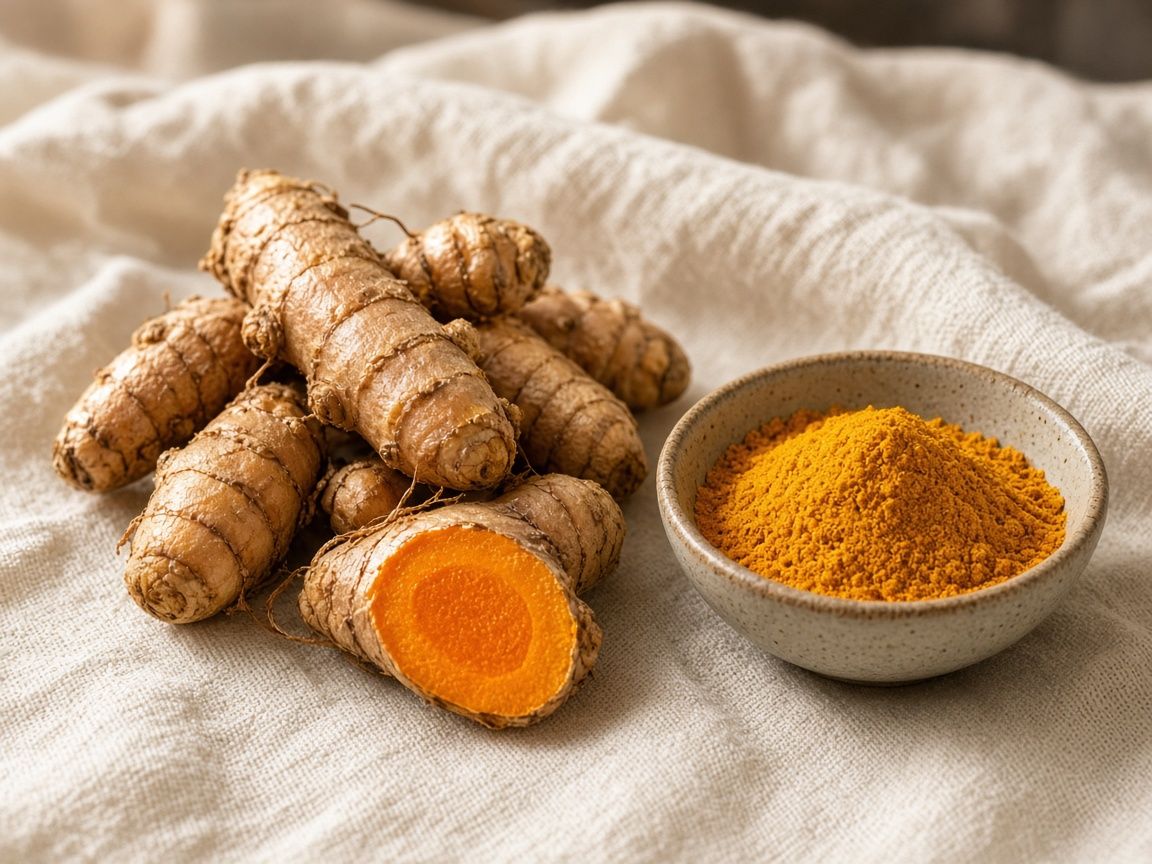
The journey
Turmeric is a ginger cousin whose orange flesh stained South Asian cooking long before it became a wellness slogan. Sanskrit and Tamil kitchens used it as color, as antiseptic for cuts, as the pinch that tells you a dal is home food. Austronesian sailors carried the plant through Indonesia and into the Pacific. Arab traders moved the dried root west.
Europe met turmeric as 'Indian saffron,' a cheaper gold for rice. The books keep it honest: it is not saffron. It is earthier, slightly bitter, and essential to Ethiopian stews, Indian and Pakistani masalas, Moroccan yellows, Thai pastes, and West African soups — 21 kitchens in this series.
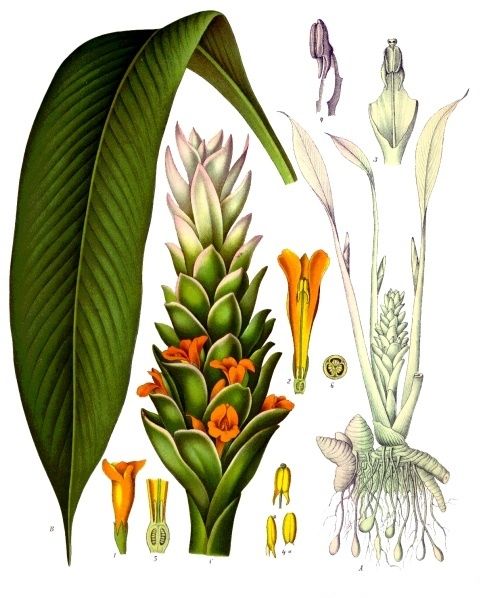
In the kitchen
Bloom ground turmeric in fat with onion or ginger. Raw powder in a cold liquid tastes dusty. Fresh root, grated, is brighter and more floral; the books use both. A little oil keeps the color from clinging only to the spoon.
Pair it with black pepper and a fat — the old kitchen habit that modern papers now explain. The pairing was never a trend. It was how the pot tasted complete.
Healers and the table
Ayurveda treats turmeric as a daily cleanser: pastes for skin, milk for sore evenings, powder in lentils as a matter of course. Curcumin, its best-known compound, is widely studied for inflammation. Absorption is poor without pepper and fat, which is why the kitchen method still outruns the capsule aisle.
Golden milk is a drink. It is not a diagnosis. Keep the jar next to the cumin, not next to the pharmacy.
Traditional uses are part of the story of this spice. They are not medical advice.