
Pantry · Herbs
Epazote
The pungent leaf Mexican bean pots are not themselves without: medicinal, polarizing, and impossible to fake with oregano.
The journey
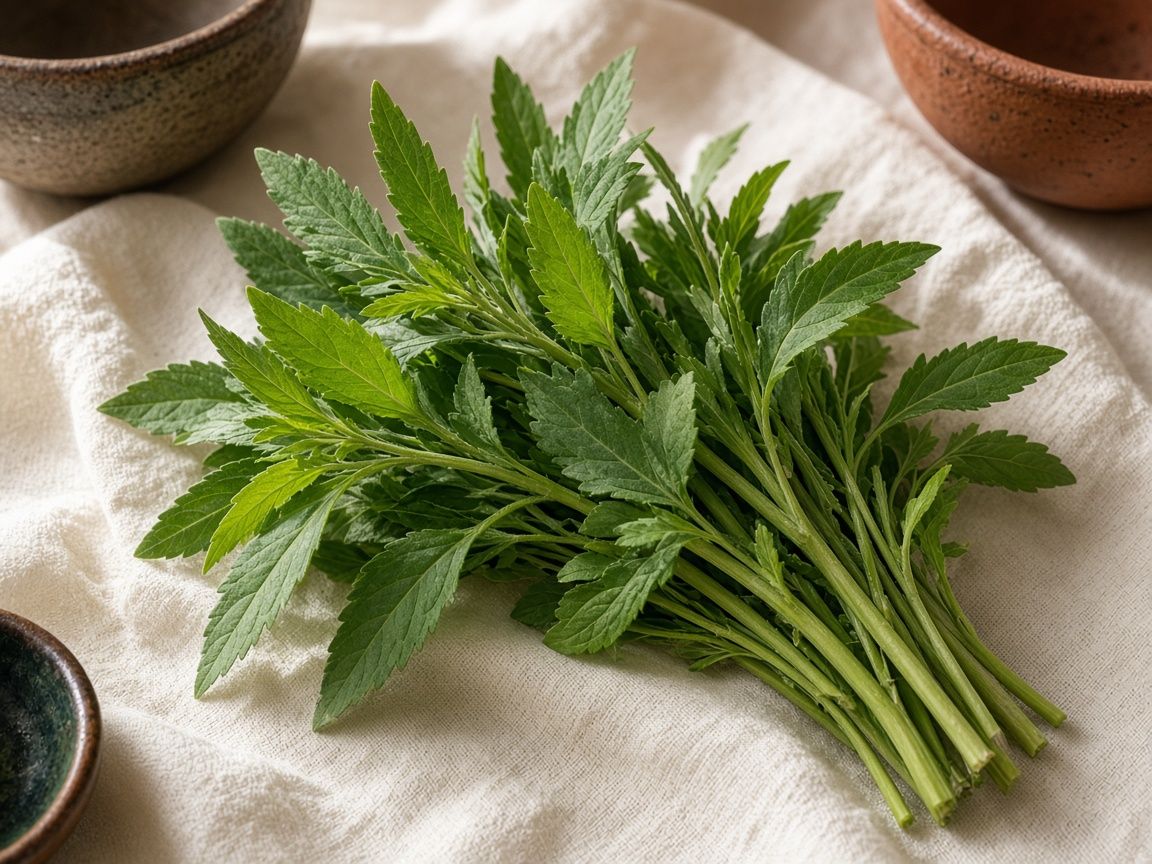
Epazote is a New World herb that Spanish chroniclers already found in Aztec markets. It smells of petroleum and mint to some, of clean medicine to others. Mexican cooks put it in black beans, quesadillas, and soups not as a flourish but as the thing that makes the pot taste like home.
In our Mexican volume it appears in 12 recipes. No other cuisine in the series uses it. That is the definition of a signature herb.
In the kitchen
A few leaves in a pot of beans is the classic. Too much tastes like a pharmacy. Add it in the last 15 minutes so it stays green and loud.
Dried epazote works if it still smells wild. Oregano is not a substitute. Culantro is not a substitute. If you cannot find it, cook the beans anyway and say so.
Healers and the table
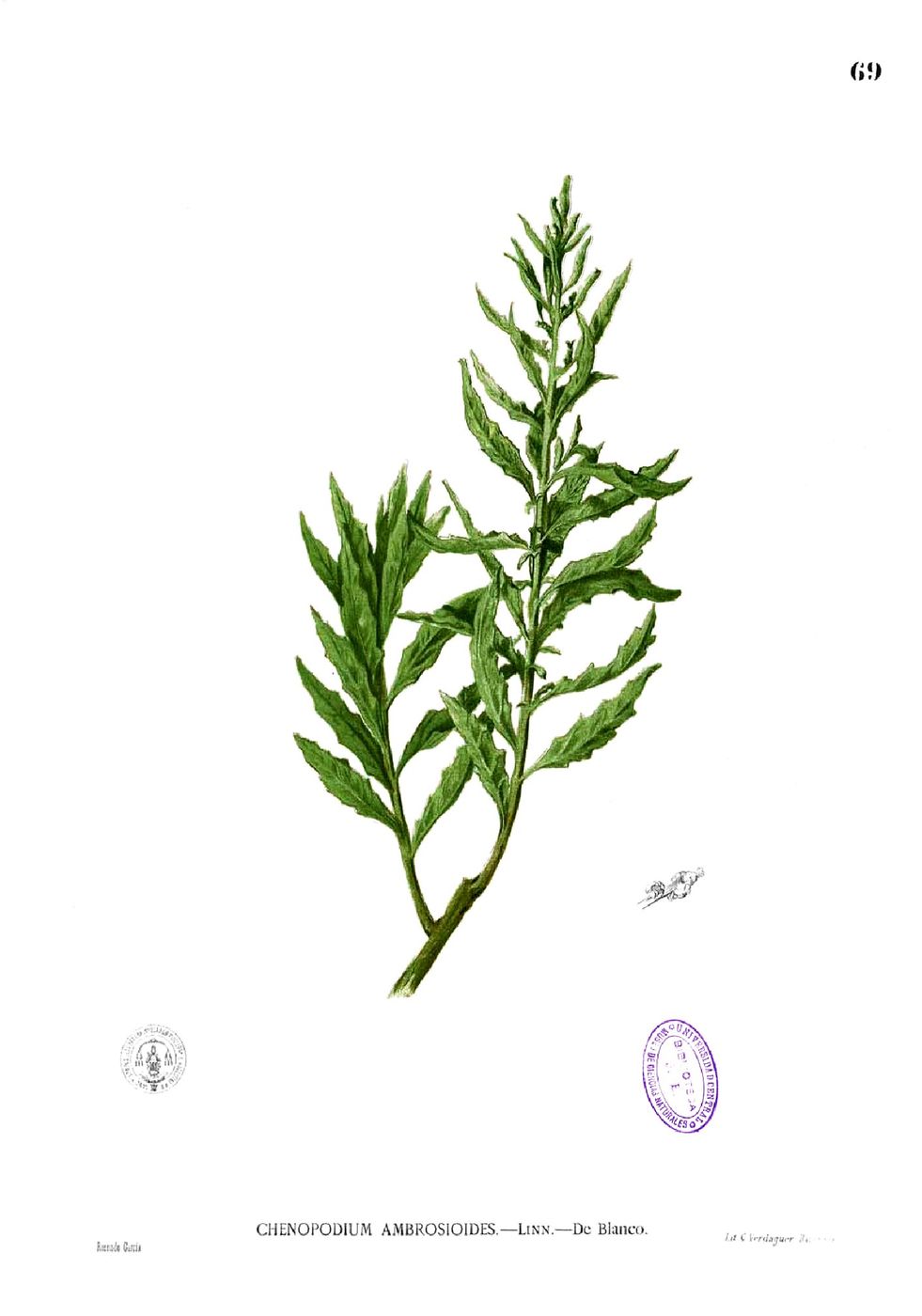
The plant was used against intestinal worms — the old English name is wormseed — and to settle beans in the stomach. Those are traditional uses with a real plant chemistry. They are also why you do not eat it by the bunch.
A leaf in frijoles is cooking. A cup of strong epazote tea is folk medicine, not a pantry experiment.
Traditional uses are part of the story of this spice. They are not medical advice.