
Pantry · Special mixes
Garam masala
The last spoon into the pot: a warm blend meant to perfume a dish after the long cooking is done.
The journey
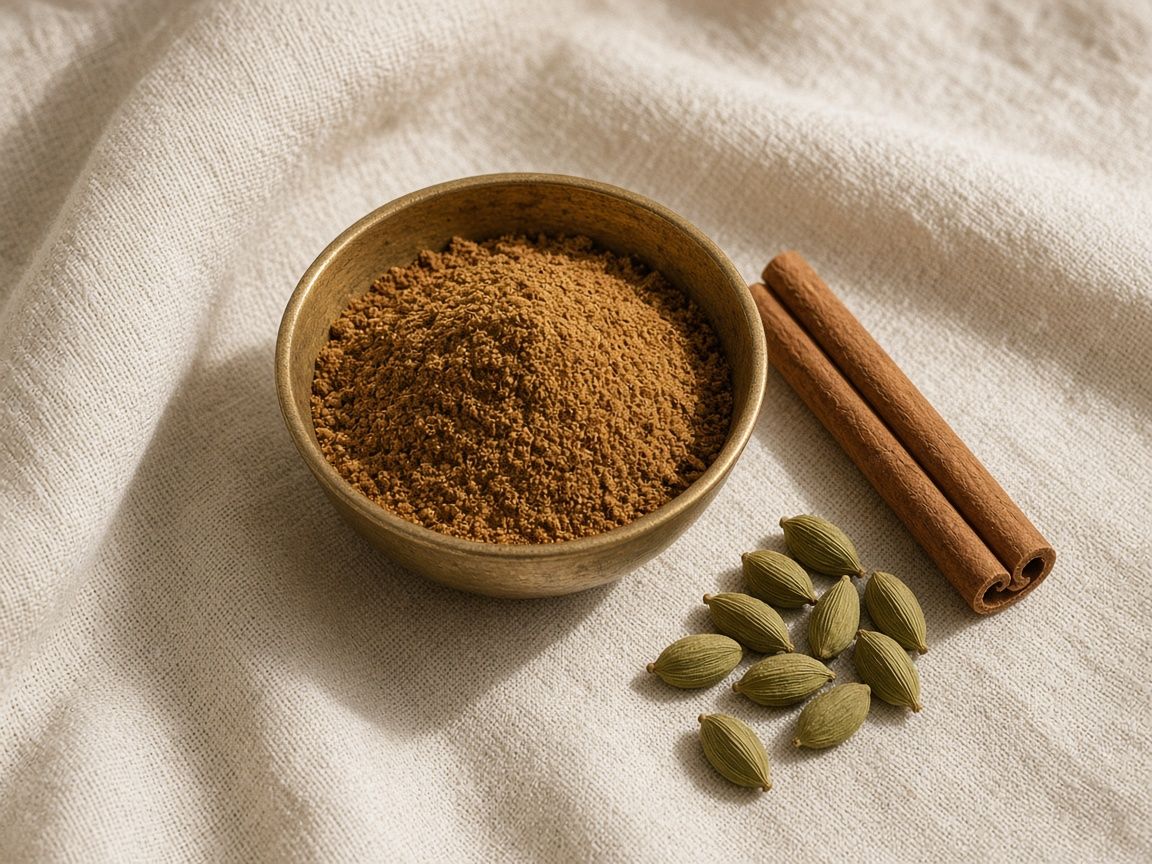
Garam means warm, not necessarily fiery. The masala is a family of blends from the Mughal north — each house toasting its own ratio of cumin, coriander, cardamom, cinnamon, clove, and pepper. Some add nutmeg or mace. Some keep it pale and floral. The idea is heat in the Unani sense: spices that warm the body after a meal.
British and later supermarket jars flattened it into a single brown powder. Home kitchens never agreed to that. In the series it is Indian, used in four recipes as the finish that tells you the cook is almost ready to call people to the table.
In the kitchen
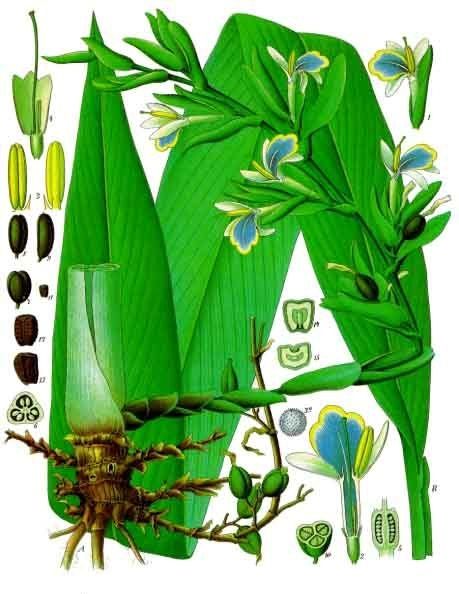
Add it off the heat or in the last minute. Long boiling turns the perfume into bitterness. Bloom a pinch in ghee if you want it louder, then fold it through.
It is not a substitute for a whole masala. It is the top note. The onions, ginger, and turmeric still have to do their work first.
Healers and the table
Ayurvedic and Unani tables group these spices as digestive warmth — the same logic as a pinch of pepper after meat. The blend is food first, a comfort second.
A biryani finished with garam masala is a feast. It is not a tonic bottle.
Traditional uses are part of the story of this spice. They are not medical advice.