
Pantry · Special mixes
Berbere
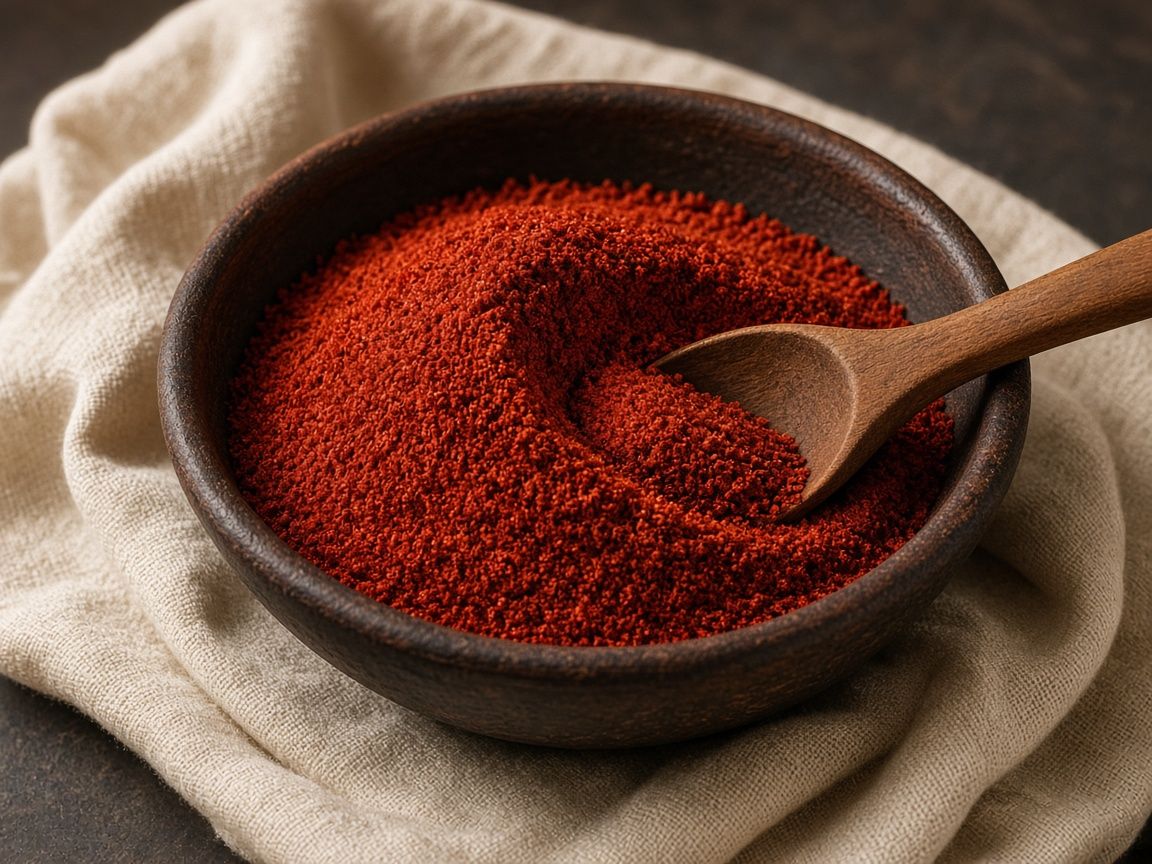
The red dust of the Ethiopian kitchen: chile heat, fenugreek, and the perfume that tells you doro wat is on the fire.
The journey
Berbere is not a pinch you add at the end. It is a craft. Families sun-dry chiles, toast fenugreek and korerima, and grind the mix in quantities meant to last a season. The word itself is used the way other kitchens say 'spice' — as if the blend were the category.
Italian and later global cookbooks tried to reduce it to cayenne plus paprika. That misses the fenugreek bitterness, the cardamom cousin korerima, and the way the roast changes everything. In our Ethiopian volume berbere appears in 58 recipes. It is the country's most repeated pantry line, second only to niter kibbeh.
In the kitchen
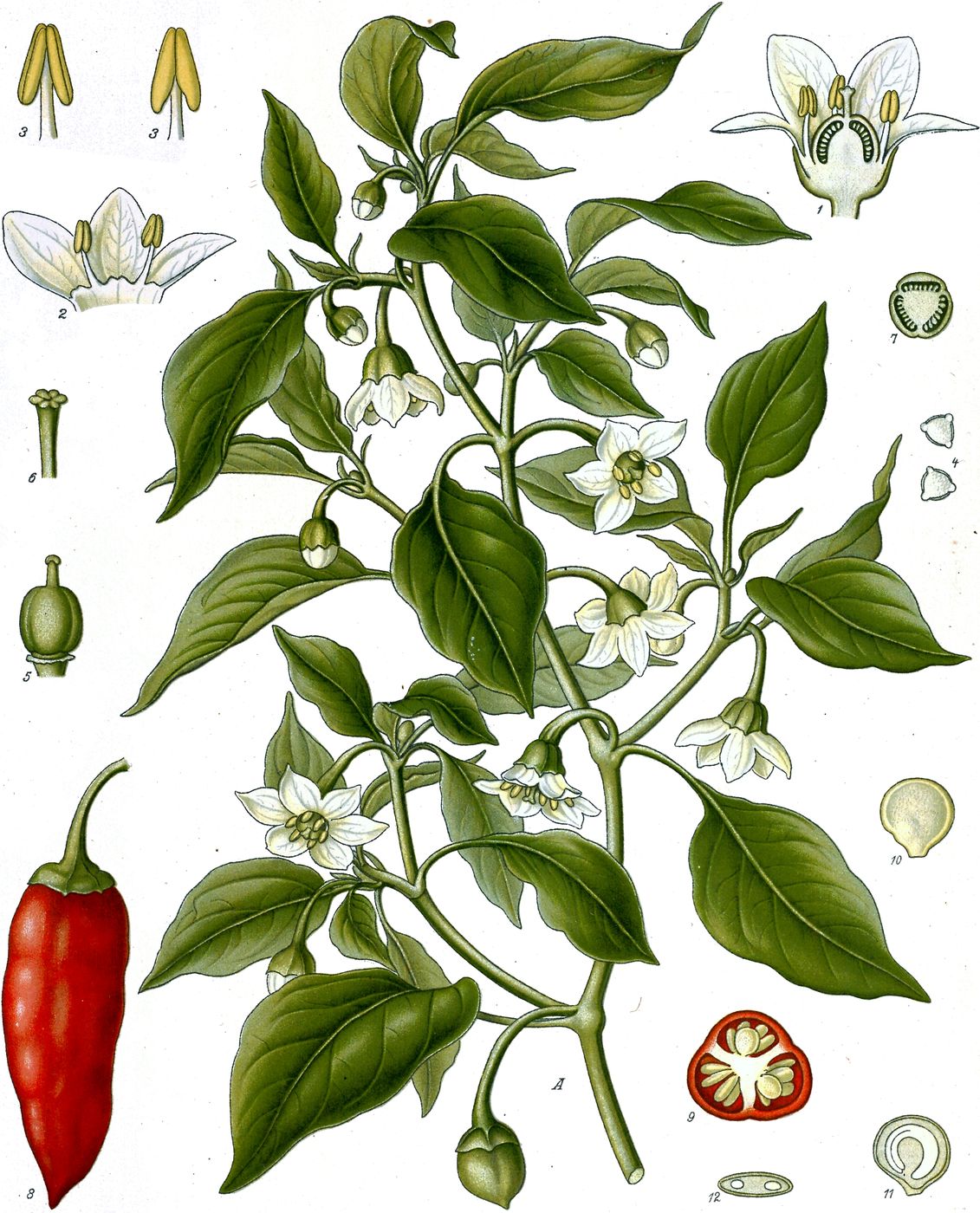
Cook it in niter kibbeh or oil until it darkens and smells sweet-hot, then add onion or meat. Raw berbere in a cold pot tastes harsh. The bloom is the recipe.
Mitmita is the sharper sister, for kitfo and the table. Berbere is for the long stew. Keep both if you can. If you keep only one, keep berbere.
Healers and the table
Ethiopian home medicine has long treated chile blends as warming food for wet and cold seasons. Fenugreek in the mix is the same seed used in teas after childbirth. The stew is the dose the family actually eats.
Berbere on injera is supper. It is not a clinic.
Traditional uses are part of the story of this spice. They are not medical advice.