
Pantry · Oils and fats
Smen
Butter that was put away on purpose: salty, tangy, and the fat a couscous still wants when the pot is almost done.
The journey
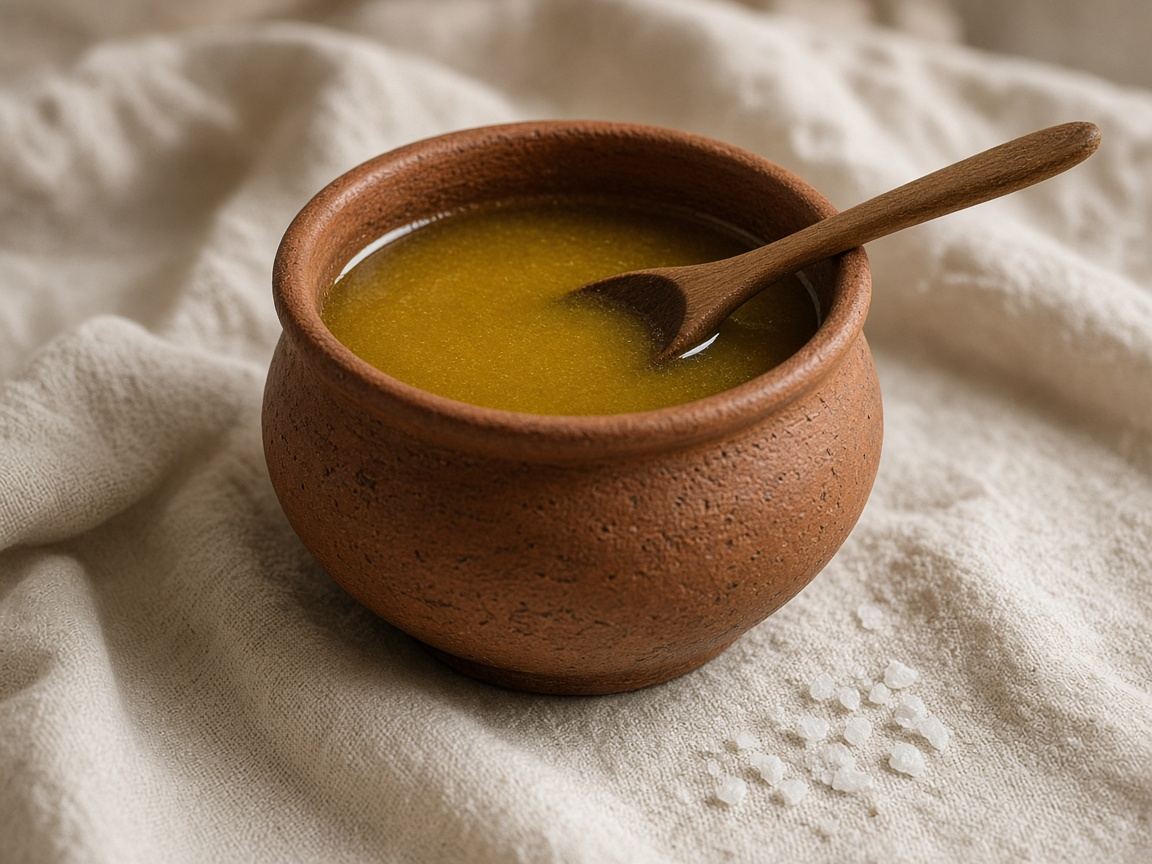
Smen is not rancid butter. It is butter clarified, salted, sometimes buried with herbs, and left until it tastes like a cellar and a pasture at once. Berber and Moroccan kitchens used it the way other houses used a hard cheese — a little, late, as a signature.
Fourteen recipes in the Moroccan volume name it. Niter kibbeh is the Ethiopian cousin on this site. They are not interchangeable. Smen is funk. Niter kibbeh is spice.
In the kitchen
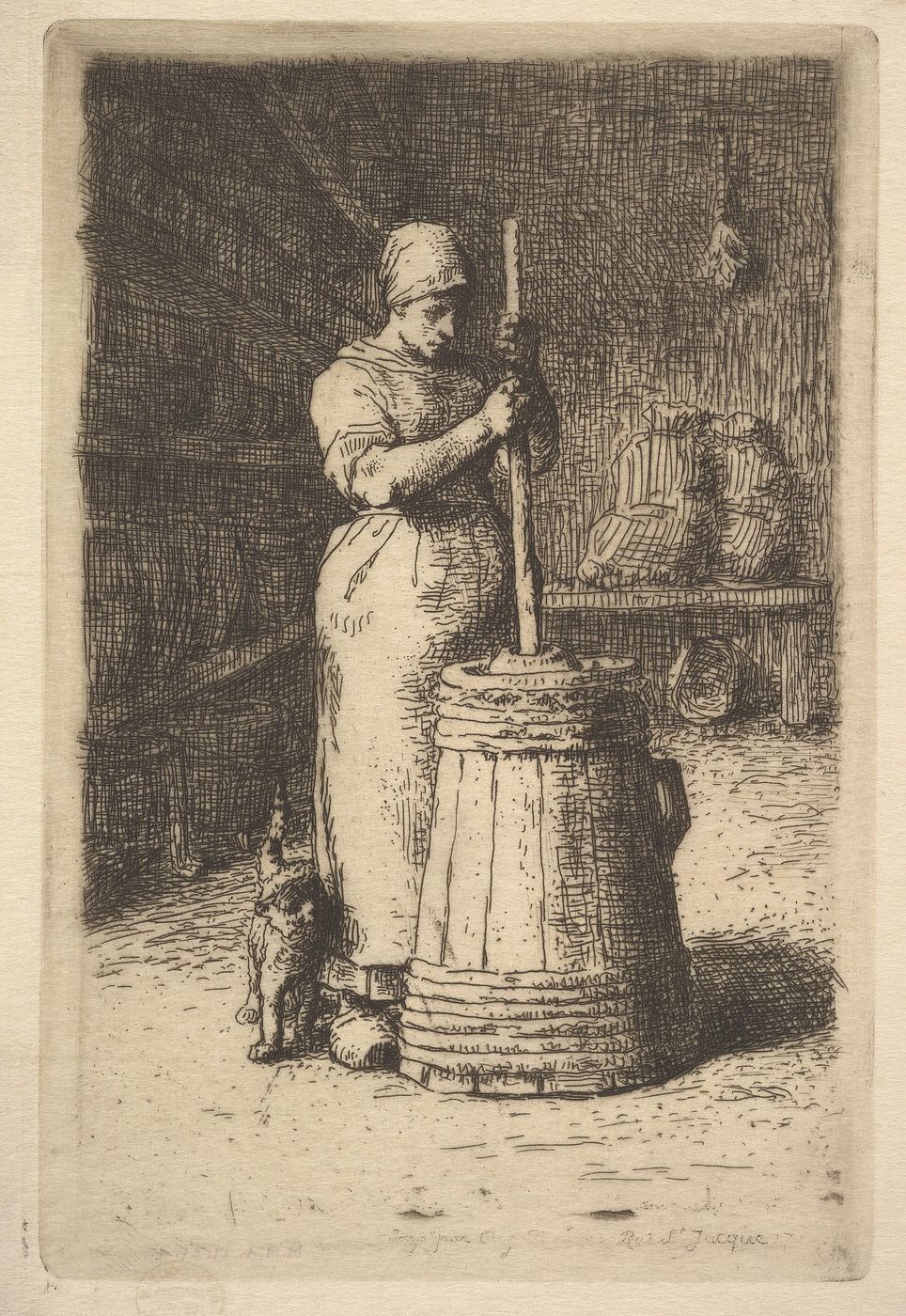
A spoon into a finished couscous or a pot of lentils. Do not fry with a lot of it unless you like the whole house to smell like the jar. Fresh butter plus a pinch of salt is a weekday stand-in. It will not be the same.
If you buy a jar, smell it. It should be sharp and savory, not simply sour. A little goes on bread. A little more goes in the pot.
Healers and the table
Maghrebi home kitchens treated smen as strengthening fat for a thin season. The medicine was calories and comfort.
Smen on couscous is hospitality. It is not a prescription.
Traditional uses are part of the story of this spice. They are not medical advice.