
Pantry · Oils and fats
Ghee
Butter that learned to live without a cellar: the gold of dals, sweets, and a ladle over rice.
The journey
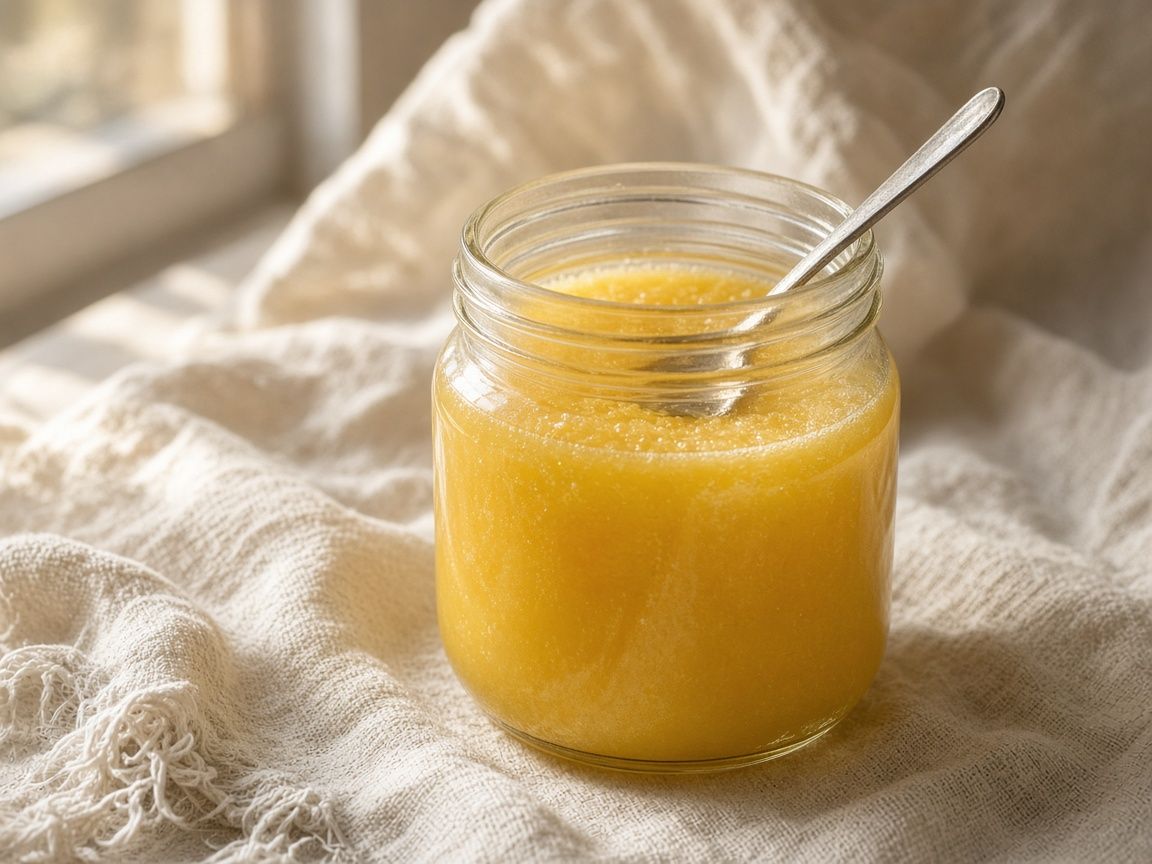
Ghee is butter made safe for a hot climate. Simmer it, skim it, keep the clear fat, and it will sit in a jar without turning. Vedic ritual used it as an offering. Everyday kitchens used it because a cow's gift had to last. North African smen is a related idea with fenugreek and time; Ethiopian niter kibbeh, already on this site, is ghee that went to spice school.
In the books it is Indian and Pakistani first — thirty-six recipes — and it slips into a few European pages as 'clarified butter' for a sauce that must not burn. The jar on an Indian shelf and the beurre clarifié in a French kitchen are the same technique wearing different names.
In the kitchen
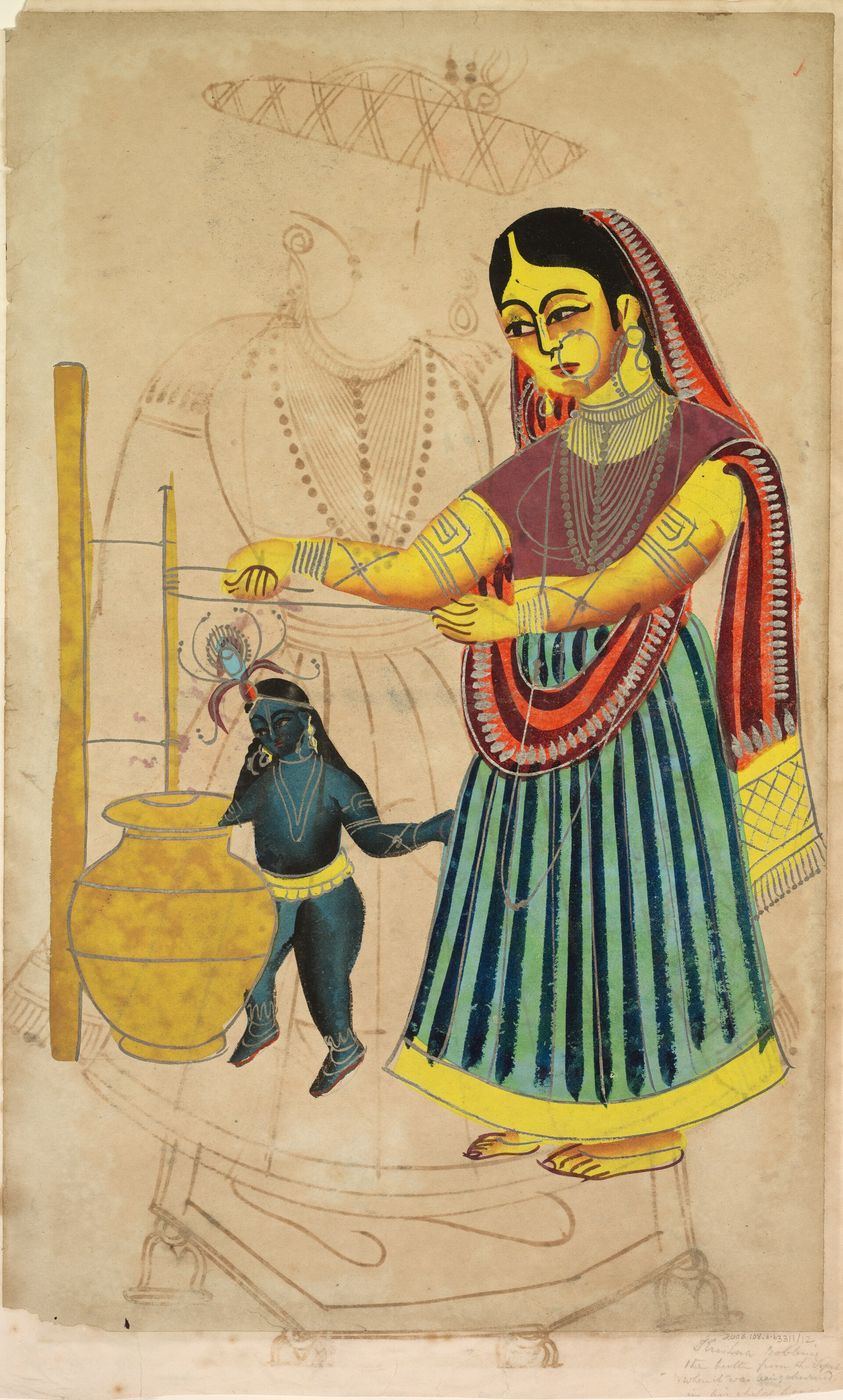
A spoon of ghee in hot spices is a tarka. A spoon over khichdi is lunch. It can take a higher heat than whole butter because the solids that burn are already gone.
Smell it. Good ghee is nutty, not sweaty. If it tastes only of grease, the cook rushed the browning. Make it yourself once: the smell will teach you more than a label.
Healers and the table
Ayurveda treats ghee as a carrier that helps other herbs move, and as a food for convalescence. That is a living tradition. It is also a reason to use a spoon, not a mug.
Ghee on rice is supper. It is not a detox, and it is not medical advice.
Traditional uses are part of the story of this spice. They are not medical advice.