
Pantry · Oils and fats
Butter
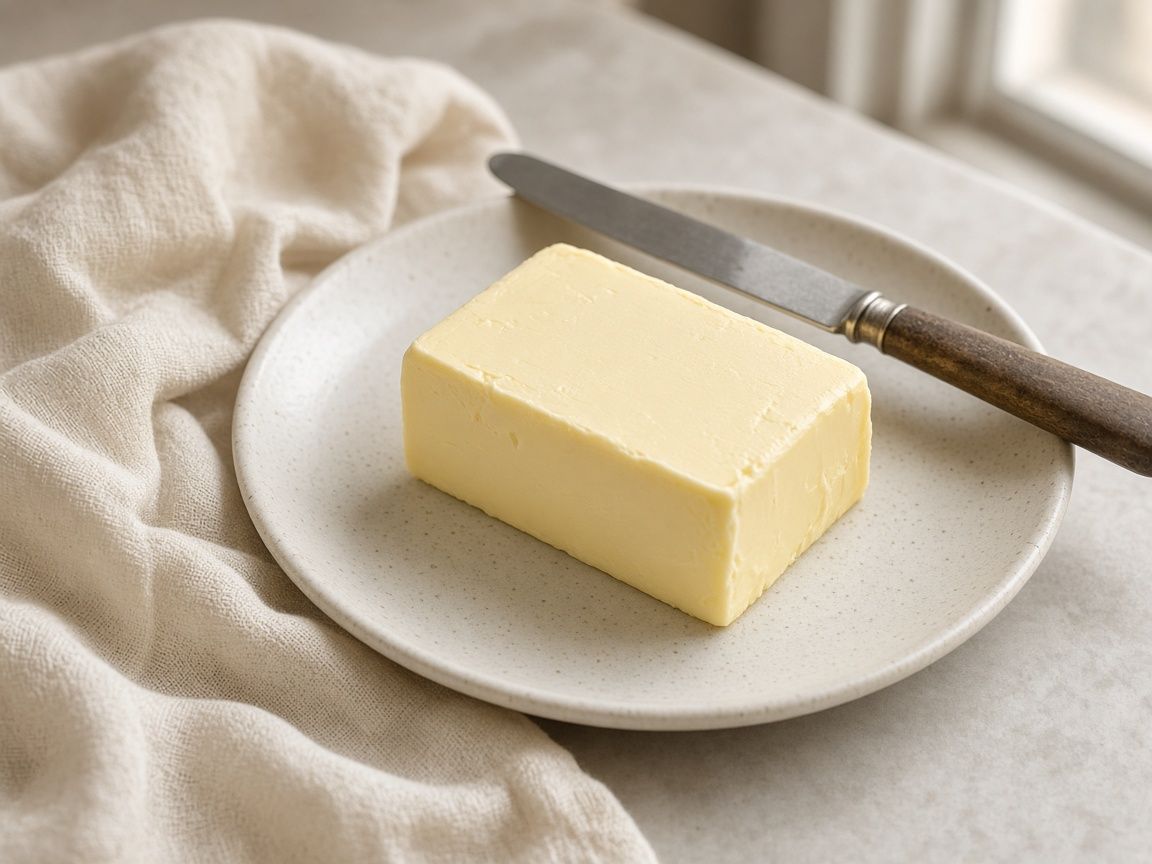
The fat that appears in every volume of the series: pale, sweet, and older than the word cuisine.
The journey
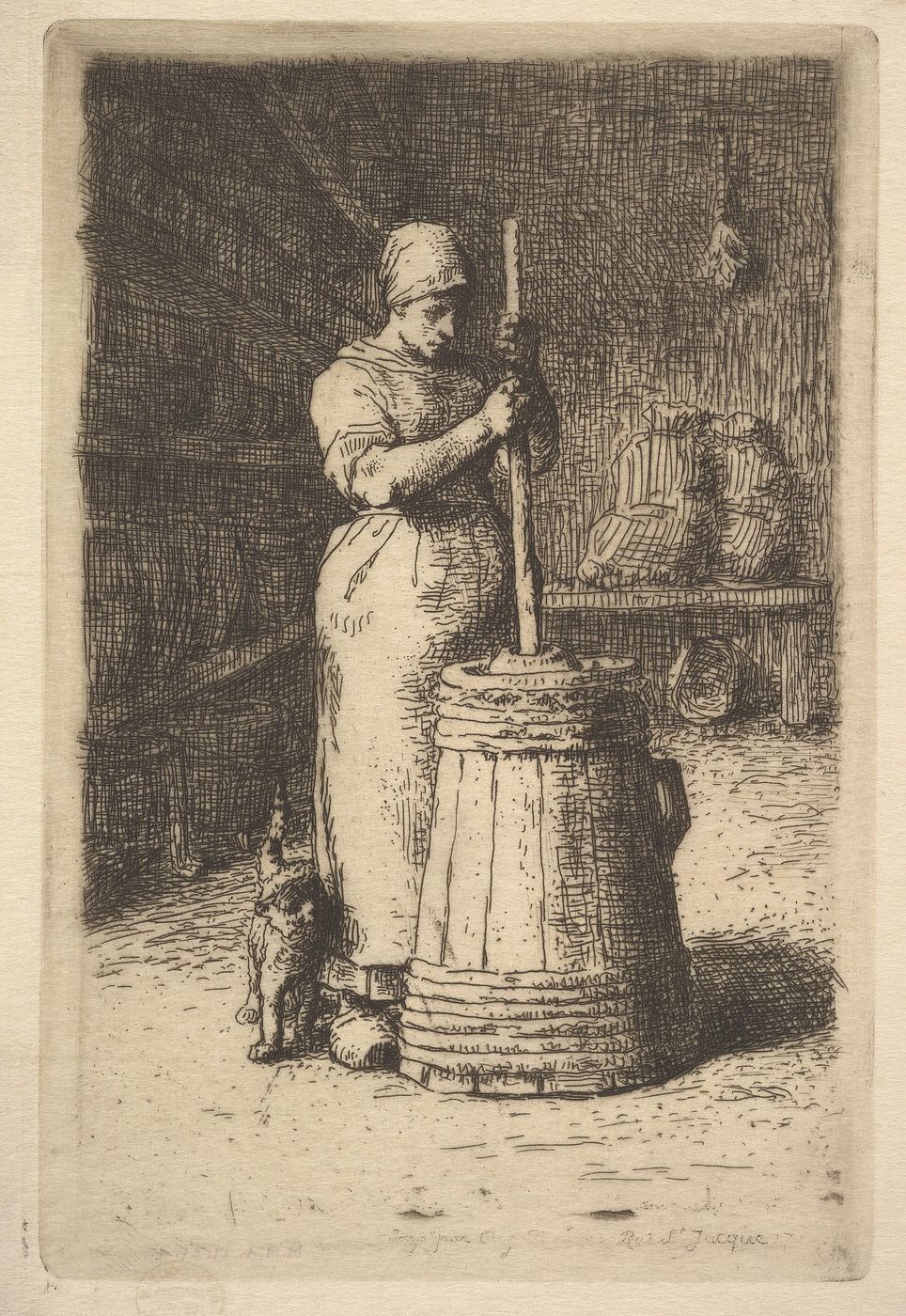
Butter is what happens when a herding people have more milk than a day can drink. Sumerian tablets mention it. Indian kitchens clarified it into ghee. Northern Europe salted it to last the winter. France turned it into a language — beurre noisette, beurre blanc, a sauce that is mostly patience and a cold cube.
In these books it is the most widely shared fat after no fat at all: pastry in America, tagines in Morocco, dals that want a finish, steamed buns that want a sheen. A culture's butter tells you about its cows, its climate, and whether it trusted the sea enough to salt the crock.
In the kitchen
Unsalted butter lets you decide the salt. Brown it and you have a nut sauce. Cream it with sugar and you have a cake. Finish a pot of vegetables with a knob and people will ask what you did.
Keep it cold for pastry and soft for the table. Rancid butter is a betrayal you can smell. If a recipe from a hot country calls for butter, it often means a small amount at the end, not a French sauté.
Healers and the table
Ayurvedic and European folk kitchens treated fresh butter as a carrier for herbs and as a gentler fat for the very young and the very old. Clarified, it became medicine's spoon. Fresh, it was breakfast.
Butter on bread is food. It is not a prescription.
Traditional uses are part of the story of this spice. They are not medical advice.