
Pantry · Oils and fats
Sesame oil
A few drops that smell like a wok has already started: the toasted oil of Chinese, Japanese, and Korean tables.
The journey
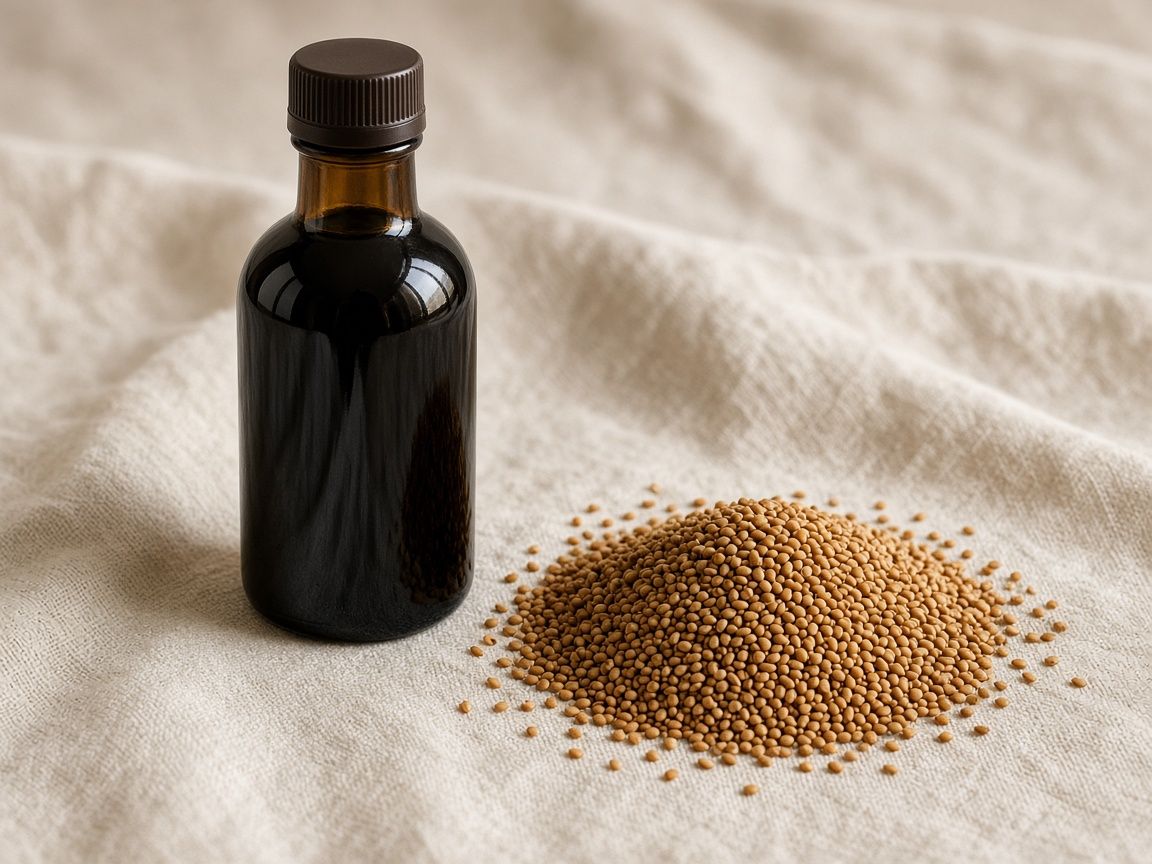
Sesame is one of the oldest oilseeds. Egyptian tombs held the seeds. Indian mills pressed them. Chinese cooks learned that toasting the seed before pressing made a different oil — darker, louder, not for deep-frying but for the last second in the pan. That toasted oil is the one the books mean when they say sesame oil in a East Asian recipe.
Thirteen recipes across China, Japan, Korea, and a Peruvian page that borrowed the bottle. It is never the only fat. It is the signature on top.
In the kitchen
Pale sesame oil can fry. Toasted sesame oil should not. Add it off the heat, or in a dressing with soy, vinegar, and a pinch of sugar. A teaspoon is a lot.
If the oil smells like crayons, it is old. Buy a small bottle and keep it in the dark. The seed also becomes tahini and gomashio; those are other pages.
Healers and the table
Ayurvedic and East Asian kitchens used sesame oil for massage and as a warming food in cold weather. Culinary drops on noodles are the daily use.
A drizzle on cucumbers is lunch. It is not a treatment.
Traditional uses are part of the story of this spice. They are not medical advice.