
Pantry · Oils and fats
Argan oil
A nutty gold that tastes like a Moroccan pantry even before the cumin goes in: rare, toasted, and easy to waste on the wrong heat.
The journey
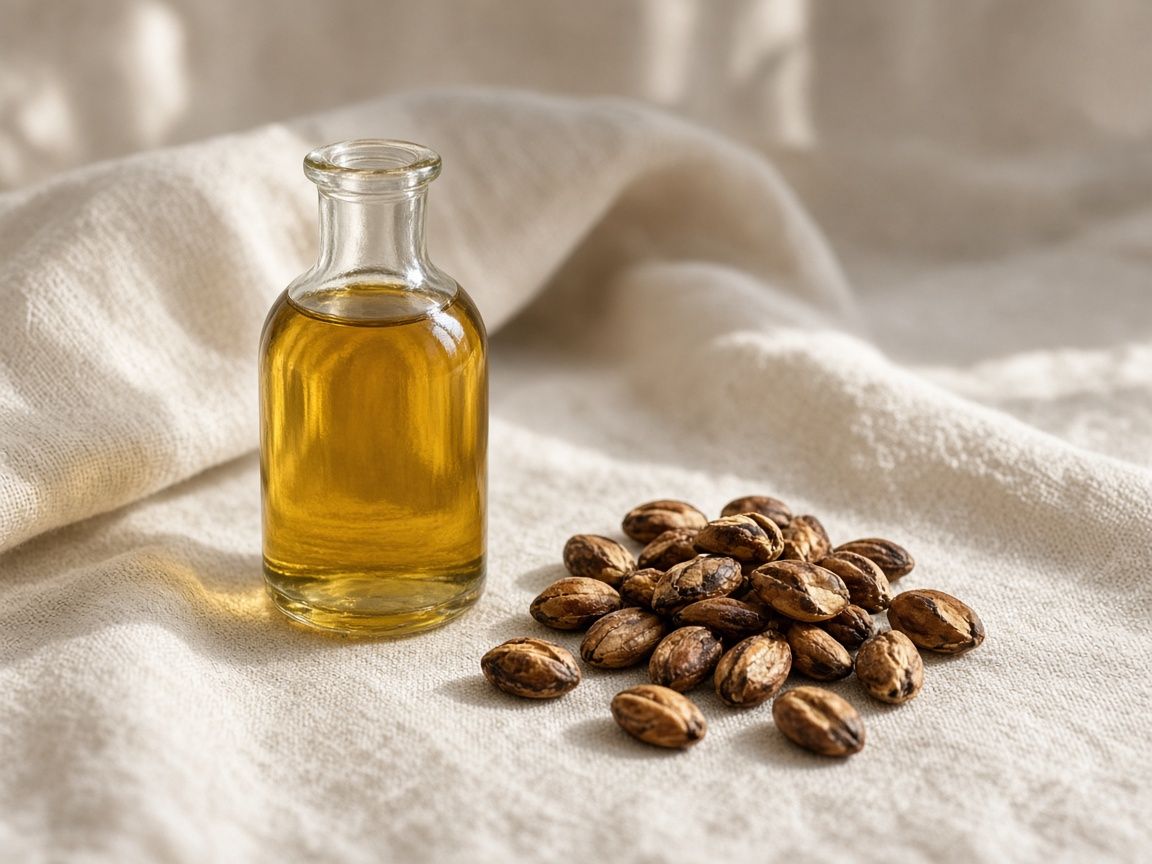
The argan tree grows in a corner of Morocco that looks like it invented drought. Goats climb it. Women have long cracked the nuts by hand, toasted the kernels, and pressed a food oil that never traveled far because there was never much of it. Cosmetic argan is a later export story. Culinary argan is still a Souss and Essaouira habit.
In the Moroccan volume it appears in two recipes. That is enough to earn a page. There is no second country in the series that uses it. If a bottle is cheap and scentless, it is not the oil of the argan grove.
In the kitchen
Do not fry in it. Drizzle it on couscous, on warm bread with honey, on a salad of tomato and cumin, or into amlou with crushed almonds. Heat makes it bitter.
Toasted culinary argan smells like roasted hazelnut and something slightly savory. Keep it dark and use it the same season you open it.
Healers and the table
Amazigh households used argan oil on skin and at the table. The cosmetic industry later made larger claims. A spoon on bread is the kitchen use.
Argan on couscous is hospitality. It is not a treatment, and it is not medical advice.
Traditional uses are part of the story of this spice. They are not medical advice.