
Pantry · Oils and fats
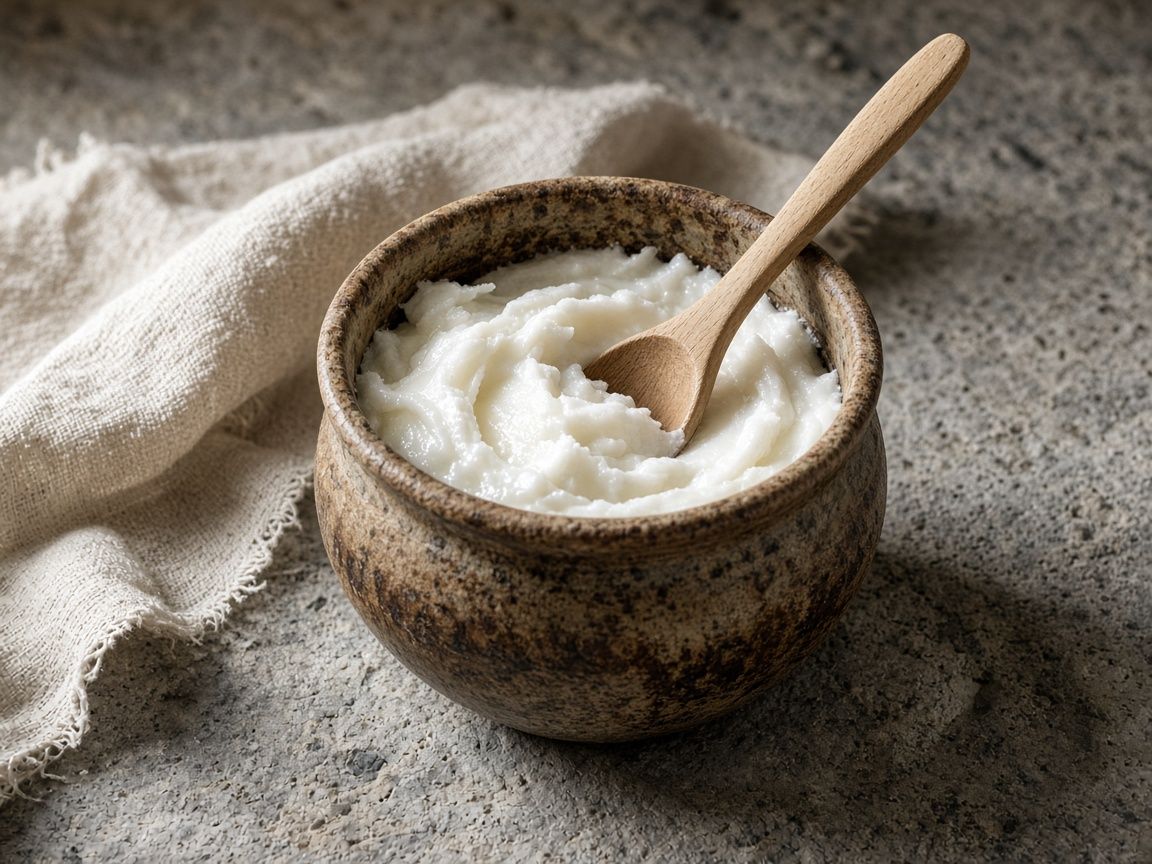
Lard
The quiet white fat of tamales, pie crusts, and refried beans — a pantry that industrial kitchens tried to shame, and home cooks never quite abandoned.
The journey
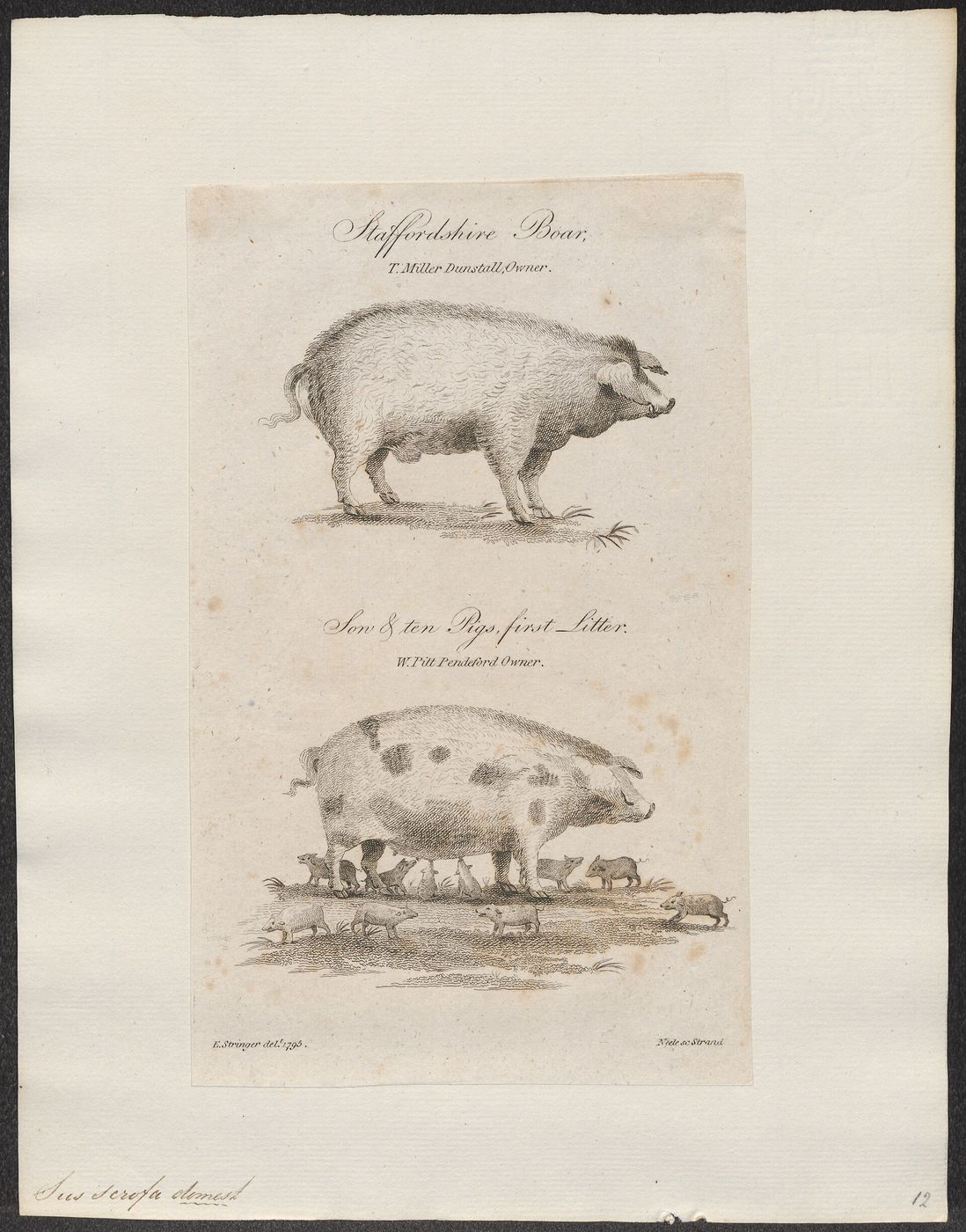
Lard is not a brand. It is what a household did with the rest of the pig. Leaf fat from around the kidneys made the flakiest pastry in American and French kitchens. Mexican manteca became the smell of beans and the shortening in masa. Iberian and Italian cooks fried in it because olive oil was for the table and the pig was already in the yard.
The twentieth century sold vegetable shortening as cleaner and forgot that good lard is mild, not piggy. In the series it holds seven kitchens — Mexican above all, then the European pig belt. A tamal steamed without it is a different tamal.
In the kitchen
Use fresh, well-rendered lard. It should smell like almost nothing. For beans and tortillas it can take heat. For pastry, keep it cold and cut it in as you would butter.
If you are cooking for someone who does not eat pork, say so and switch. There is no secret lard. There is only honesty and a pot of beans.
Healers and the table
Farm kitchens used lard as a salve and as the fat that made winter food possible. Those are household uses, not a reason to treat a spoonful as a cure.
Manteca in frijoles is cooking. It is not medicine.
Traditional uses are part of the story of this spice. They are not medical advice.