
Pantry · Flavorings
Sake
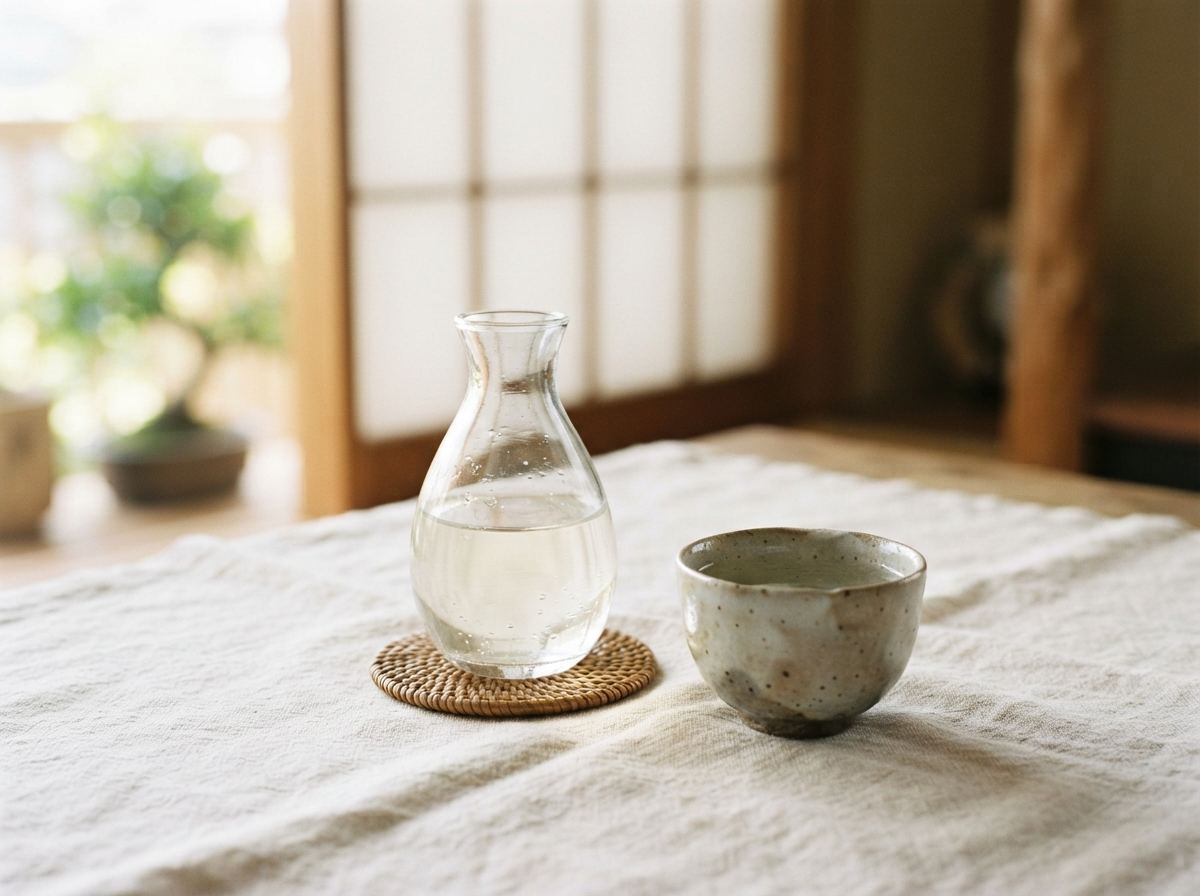
Rice wine for the cup and the pot — a splash to steam, deglaze, or drink while the fish cooks.
The journey
Sake is a flavoring with a route. The kitchens that still write this name in a recipe line. Cooks carried the name because a pot without it tasted like a different country.
The corpus names it in 2 recipes across Japanese cooking. This page keeps the jar next to the hearths that still reach for it.
In the kitchen
In Japanese cooking, Sake is not decoration. Add it where the recipe puts it: early if it needs fat and time, late if it is perfume.
Taste Sake before you empty the spoon. Fresh jars smell like themselves; tired ones smell like dust. Buy the smallest amount you will finish.
Healers and the table
Home kitchens treated Sake as food that changed a meal — appetite, warmth, or a settled stomach — the way families talk about a jar, not a clinic.
Sake on a table is supper. Traditional talk around it is not medical advice.
Traditional uses are part of the story of this spice. They are not medical advice.