
Pantry · Herbs
Rosemary
The pine-scented needle of roast meats and memory — 'rosemary for remembrance,' and for a chicken that needs a backbone.
The journey
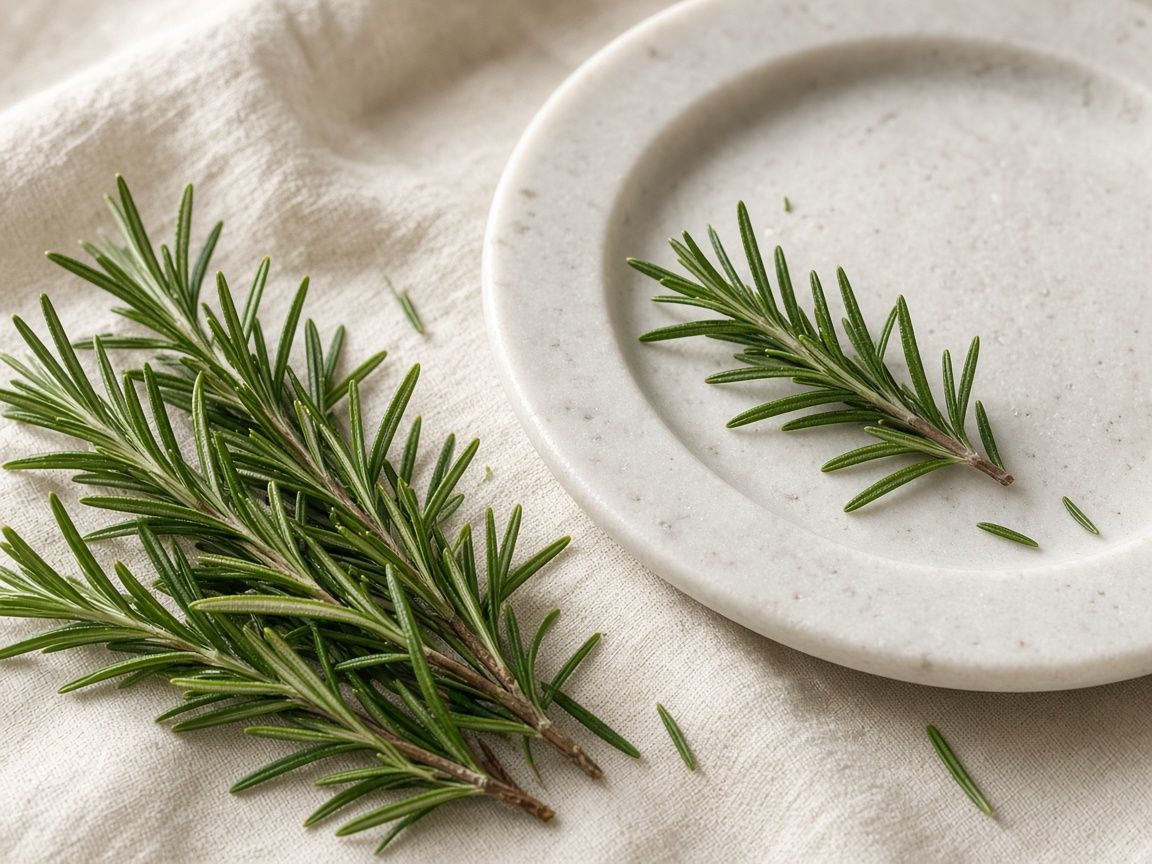
Rosemary grew on sea cliffs, which is what the old name meant: dew of the sea. Wedding processions wore it. Students wore it. Shakespeare put it in Ophelia's hands. The kitchen used it more simply: on lamb, on bread, in oil.
In the series it is a smaller club than thyme — American, Argentine, Ethiopian, French, Italian, and Spanish pages — but when it appears the dish is usually standing closer to a fire.
In the kitchen
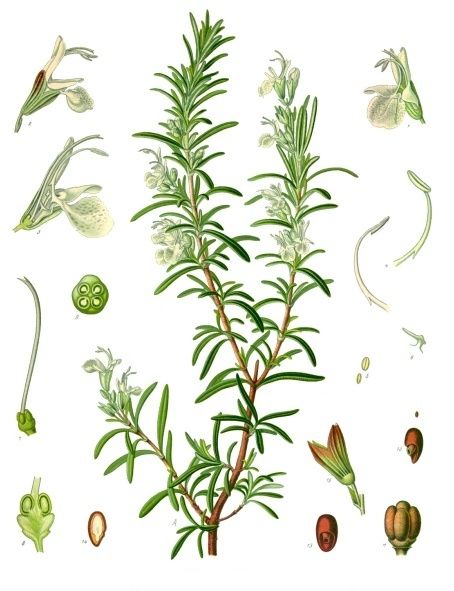
A sprig in a roasting pan is enough. Chopped rosemary can take over. Strip the needles from woody stems, or throw the whole sprig in and remove it.
It loves garlic, lemon, olive oil, potatoes, and lamb. It does not love a delicate fish unless you are very brief.
Healers and the table
European herbals used rosemary for memory and for a sluggish stomach. The smell is half the medicine. Culinary sprigs are the safe daily dose.
Rosemary on roast potatoes is supper. Do not drink the essential oil.
Traditional uses are part of the story of this spice. They are not medical advice.