
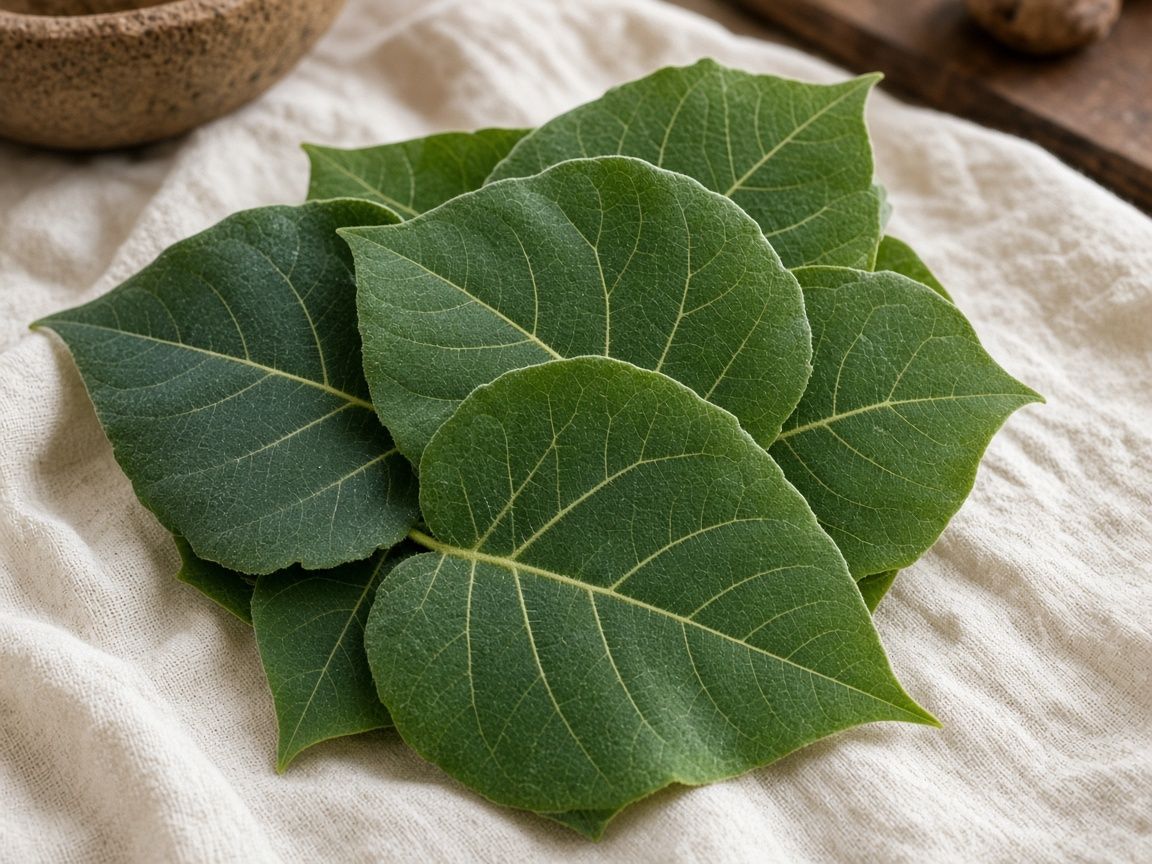
Hoja santa
The anise-sassafras leaf Mexican cooks wrap around fish and cheese: a Piper cousin of black pepper, used as a wrapper and a perfume.
Pantry · Page 2
Page 2 of 11 — more of the working pantry.
247 named jars, 11 short pages — so the first paint stays light.
The anise-sassafras leaf Mexican cooks wrap around fish and cheese: a Piper cousin of black pepper, used as a wrapper and a perfume.
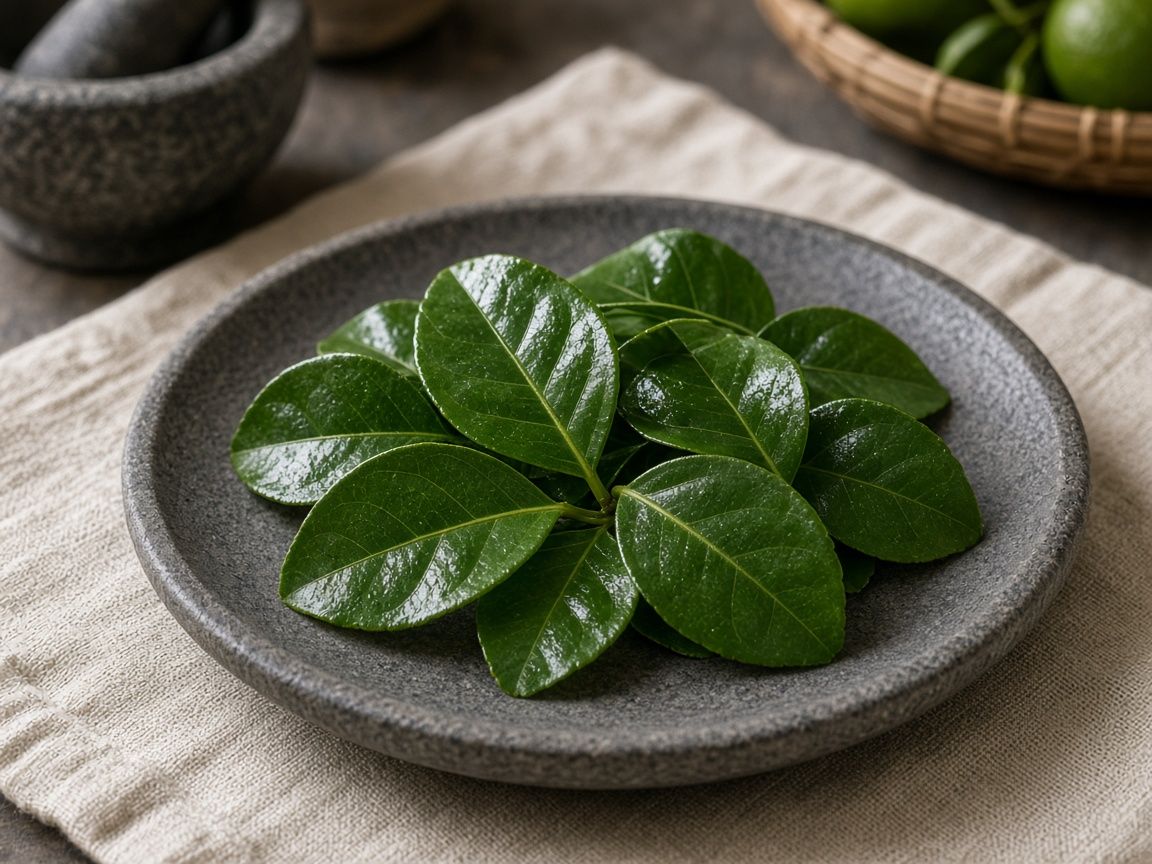
The double leaf that makes a Thai pot smell like itself: citrus oil without the juice, perfume without the pith.
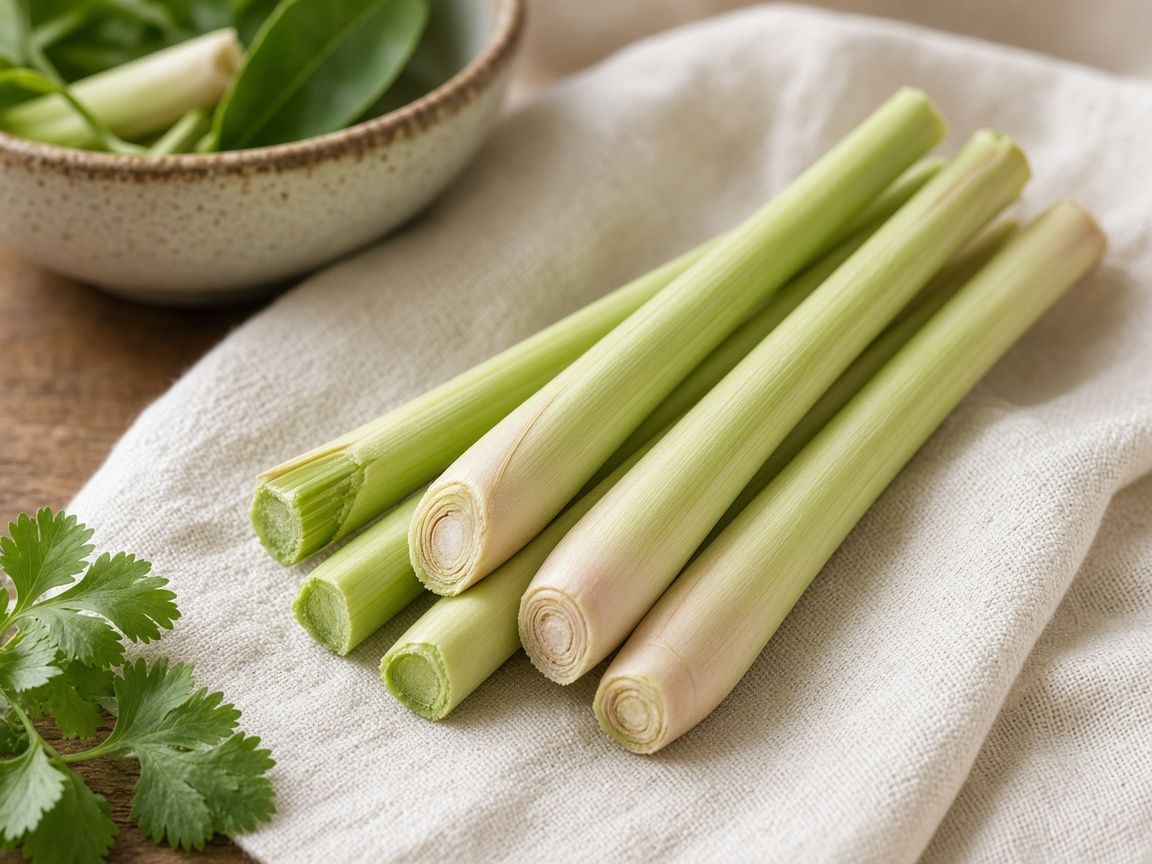
A stalk that smells like lemon and sugarcane: the base of Thai tom yum, Vietnamese broths, and Indonesian spice pastes.
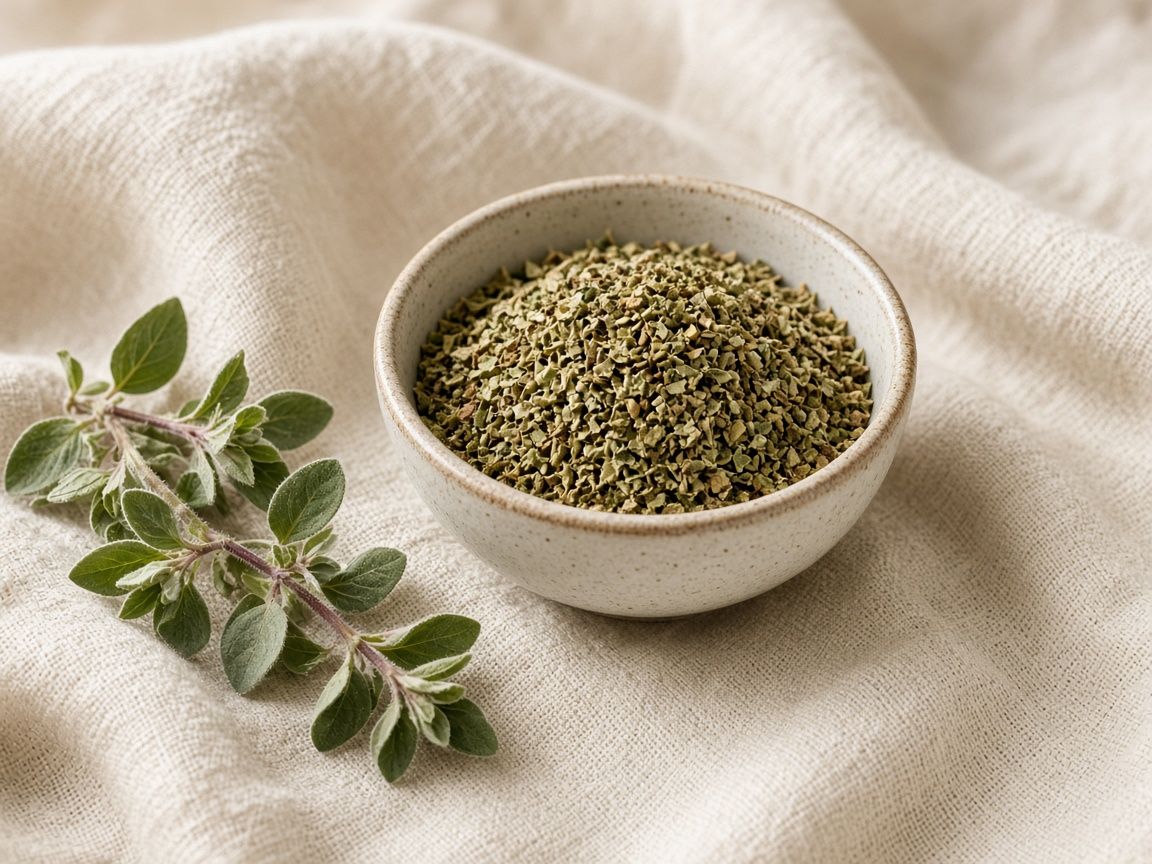
The oregano of moles and pozoles: citrus-strong, related to verbena, and not a substitute for the Greek hill herb.
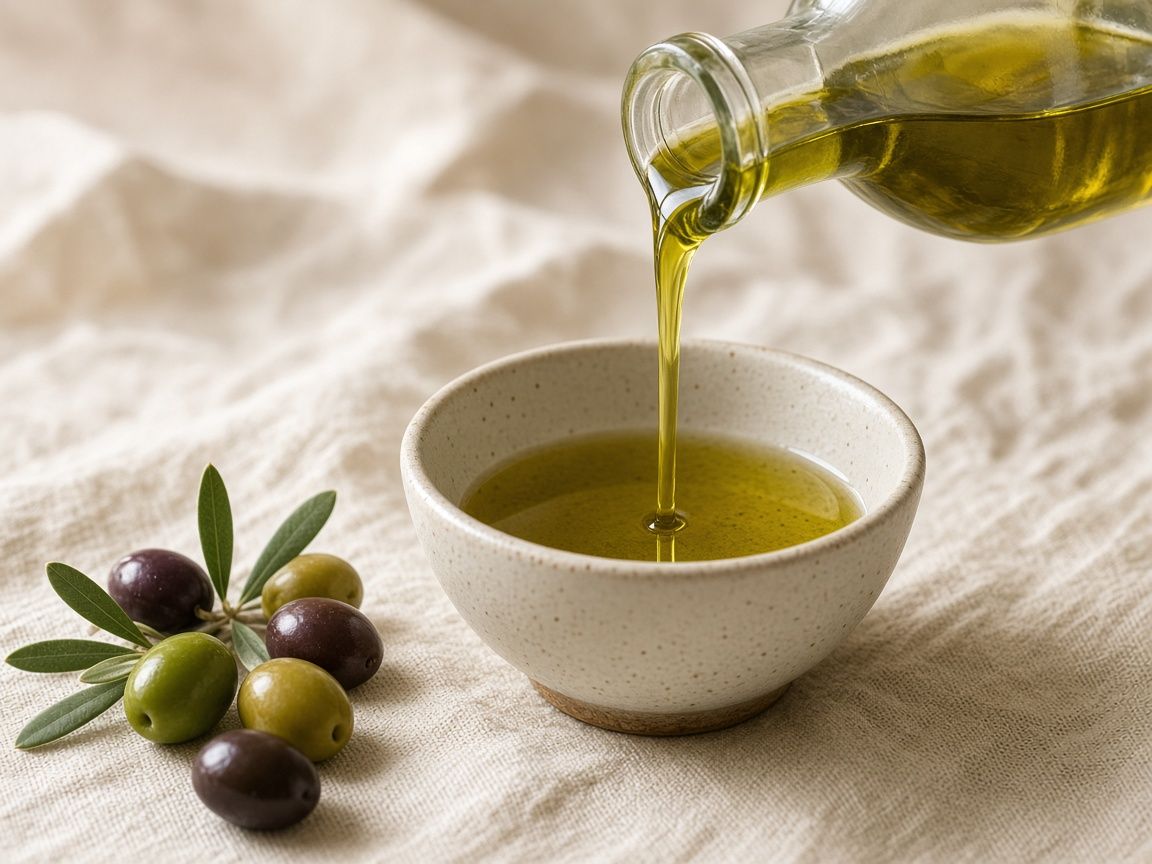
The green-gold fat of 29 kitchens in the series: a fruit juice that learned to travel, and then to stay.
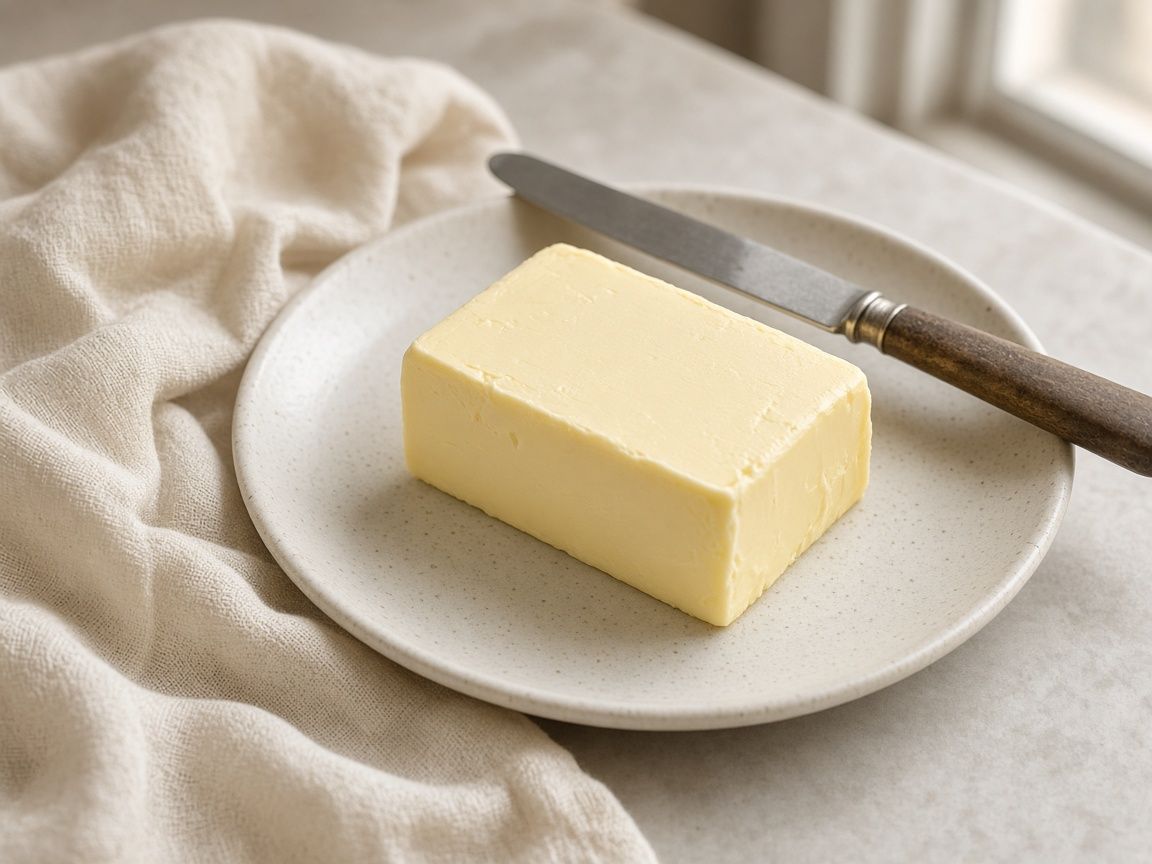
The fat that appears in every volume of the series: pale, sweet, and older than the word cuisine.
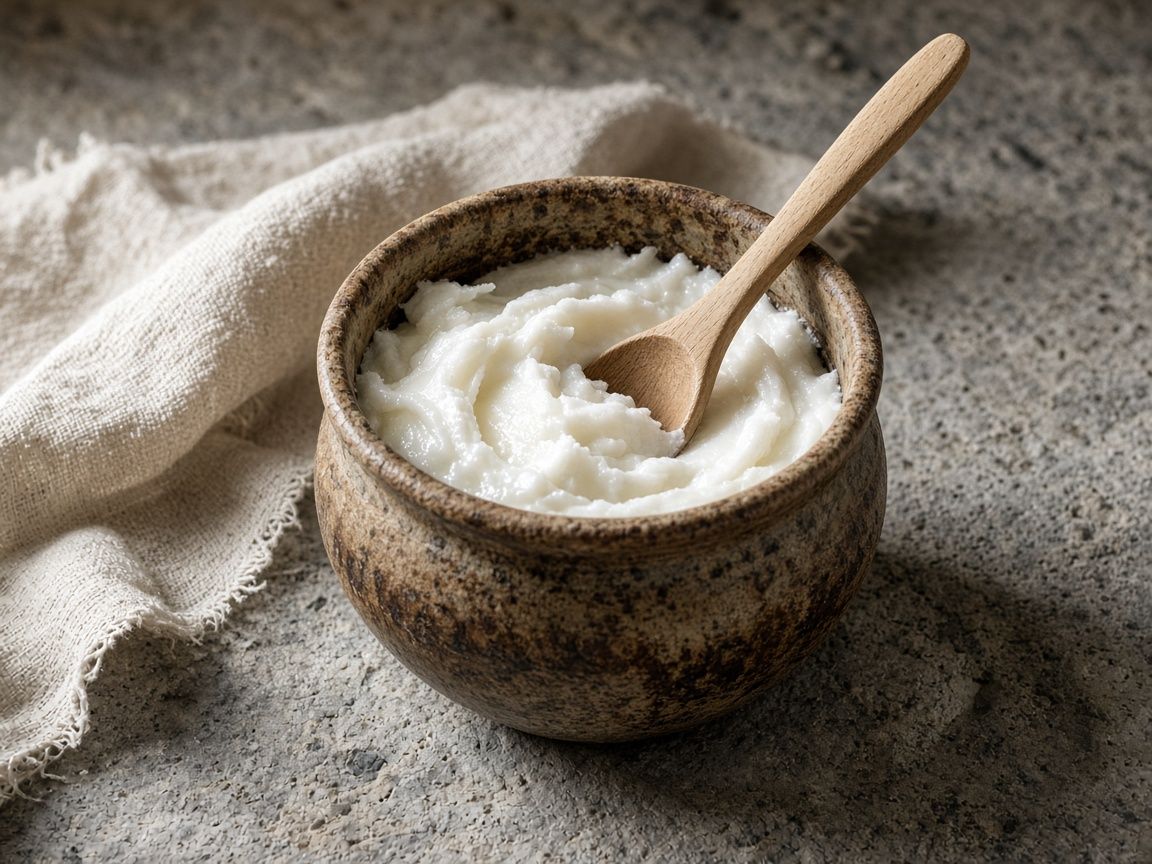
The quiet white fat of tamales, pie crusts, and refried beans — a pantry that industrial kitchens tried to shame, and home cooks never quite abandoned.
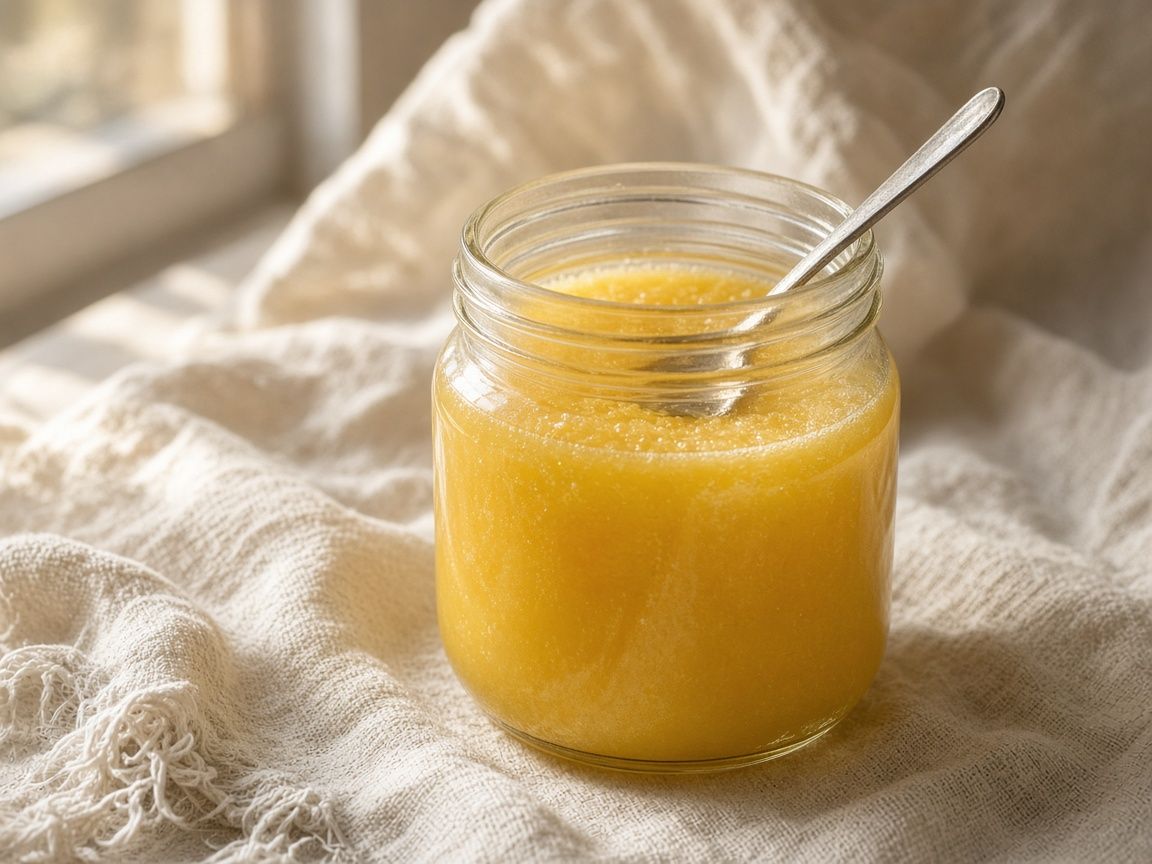
Butter that learned to live without a cellar: the gold of dals, sweets, and a ladle over rice.
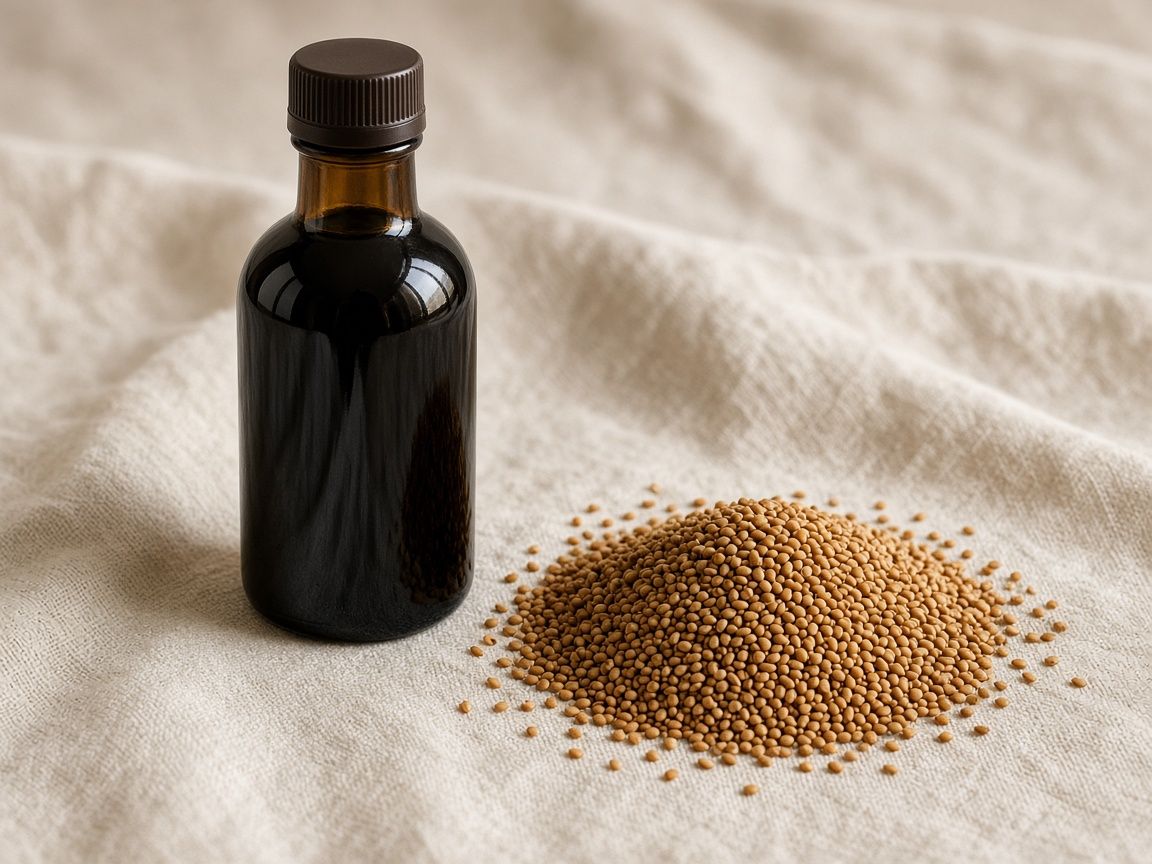
A few drops that smell like a wok has already started: the toasted oil of Chinese, Japanese, and Korean tables.
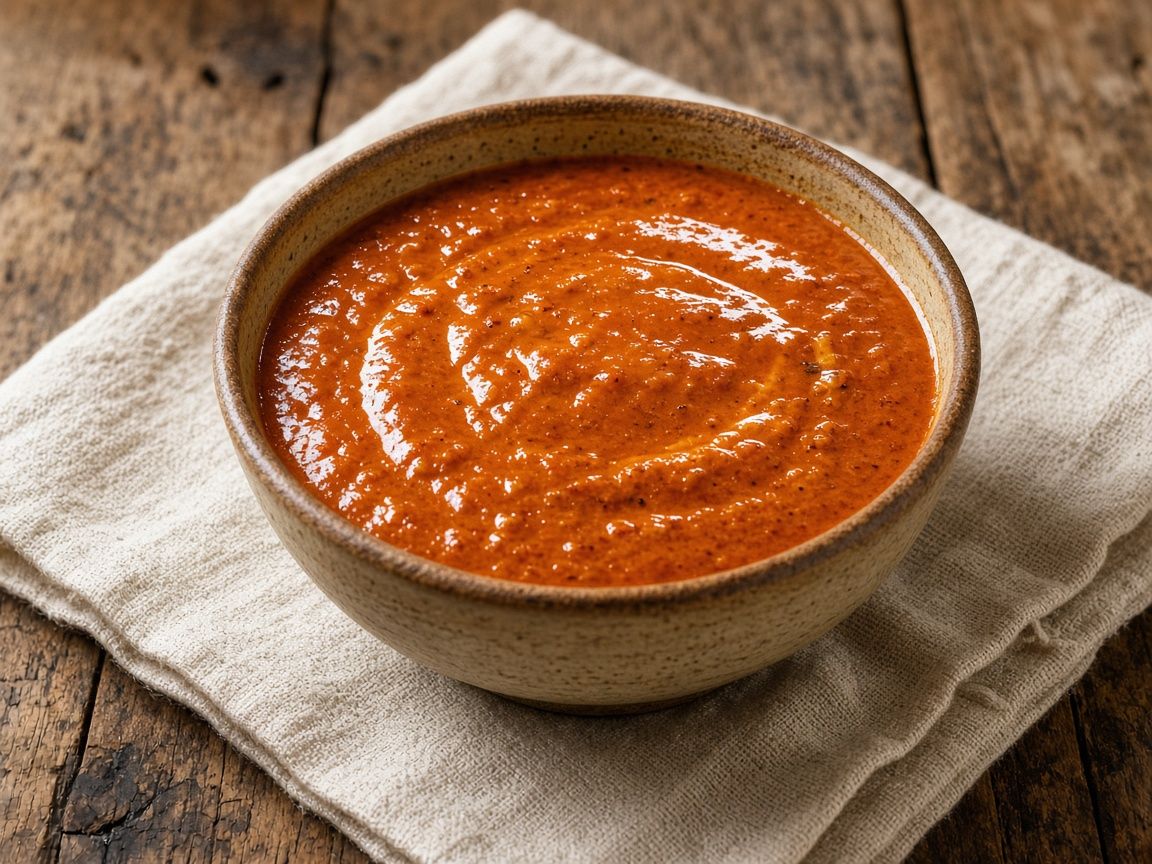
The orange-red oil that makes Bahian food taste like Bahia: dendê in moqueca, acarajé, and vatapá.
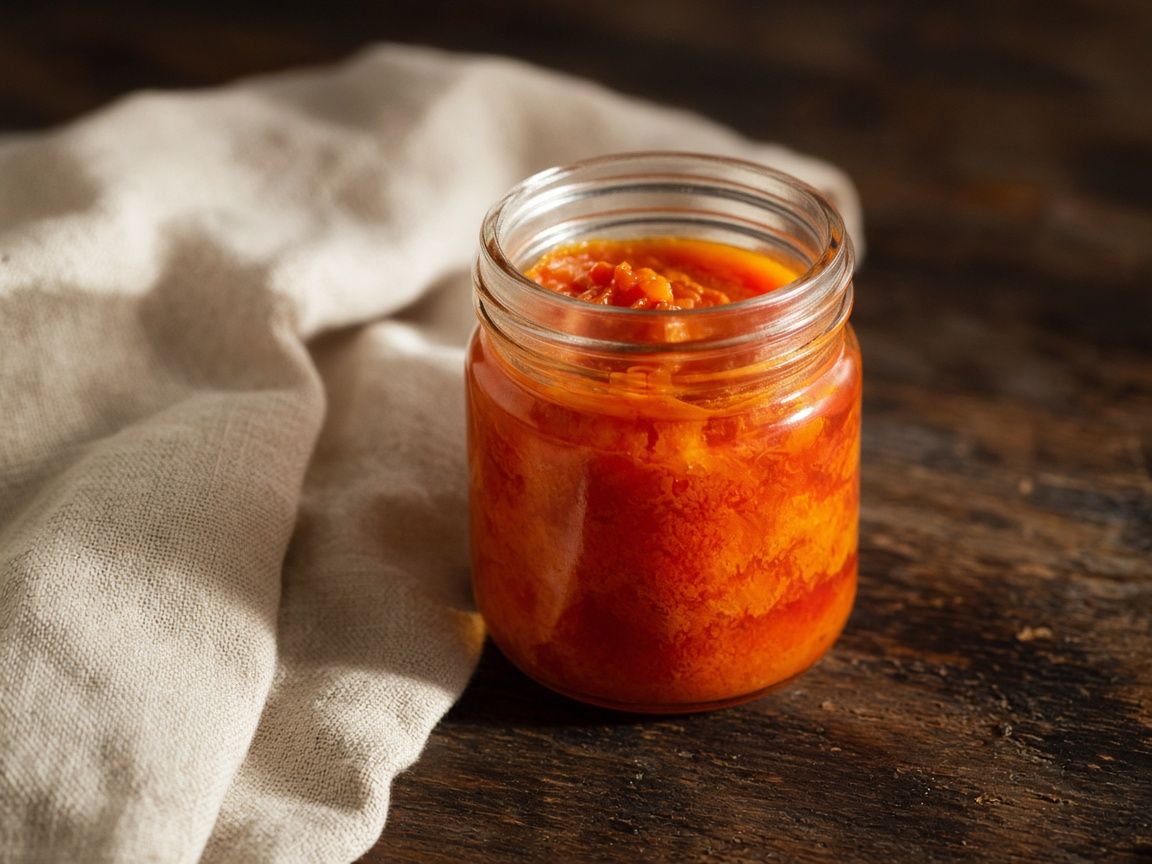
The red oil of West African stews: a palm fruit, a color, and a taste that canned tomato cannot fake.
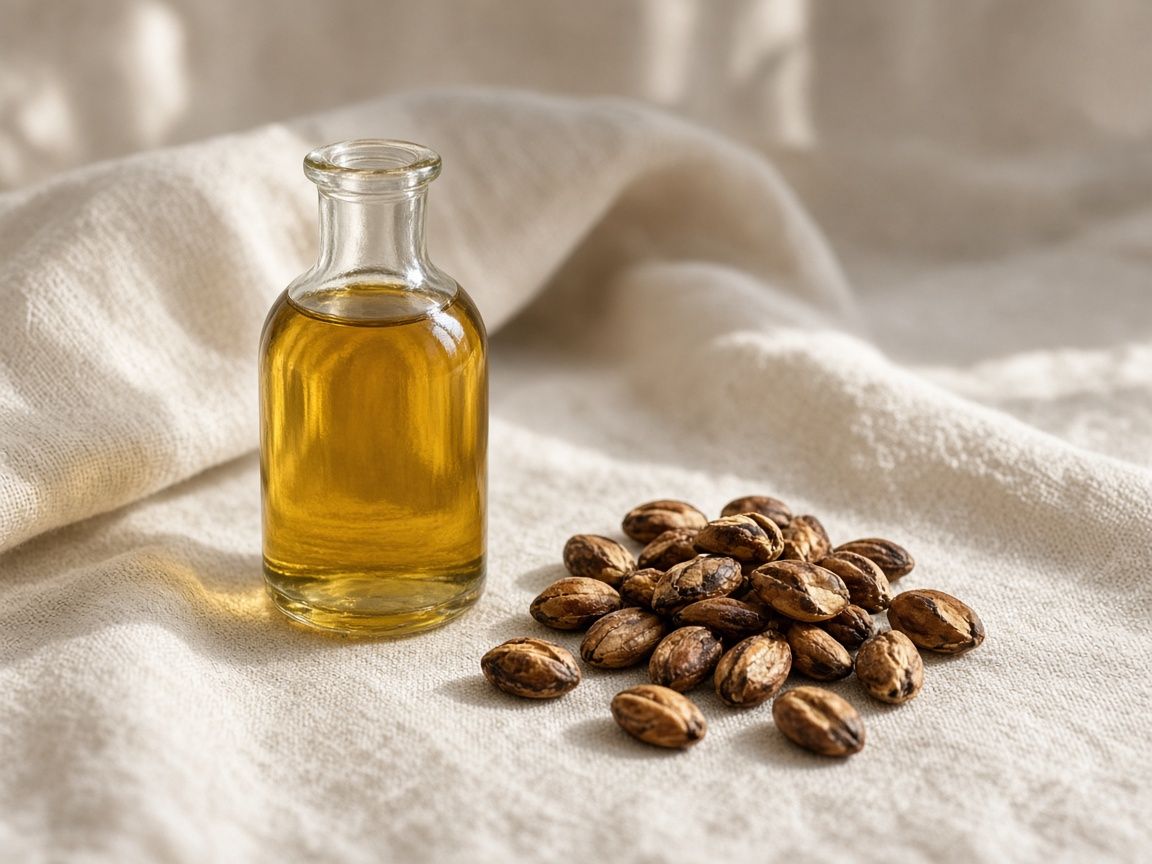
A nutty gold that tastes like a Moroccan pantry even before the cumin goes in: rare, toasted, and easy to waste on the wrong heat.
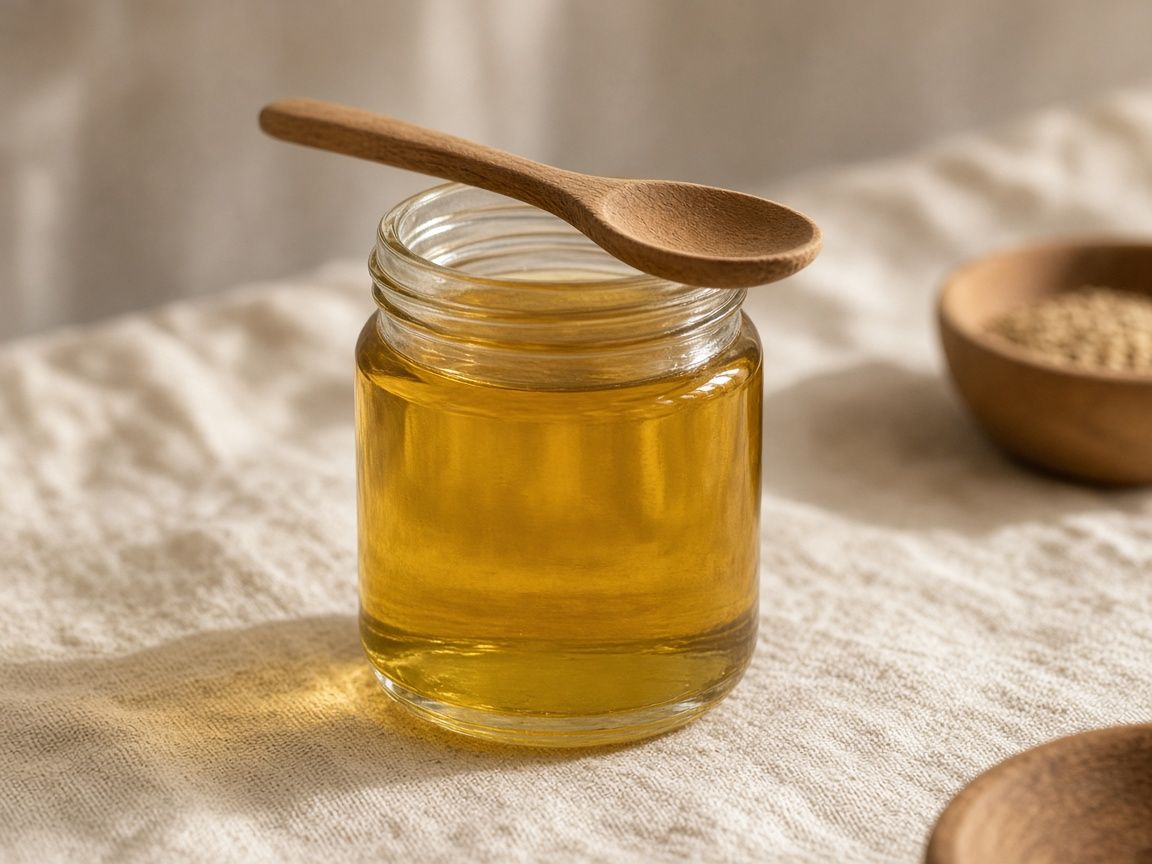
The gold of the Ethiopian pot: butter slow-cooked with spices until the kitchen smells like a feast before the stew even starts.
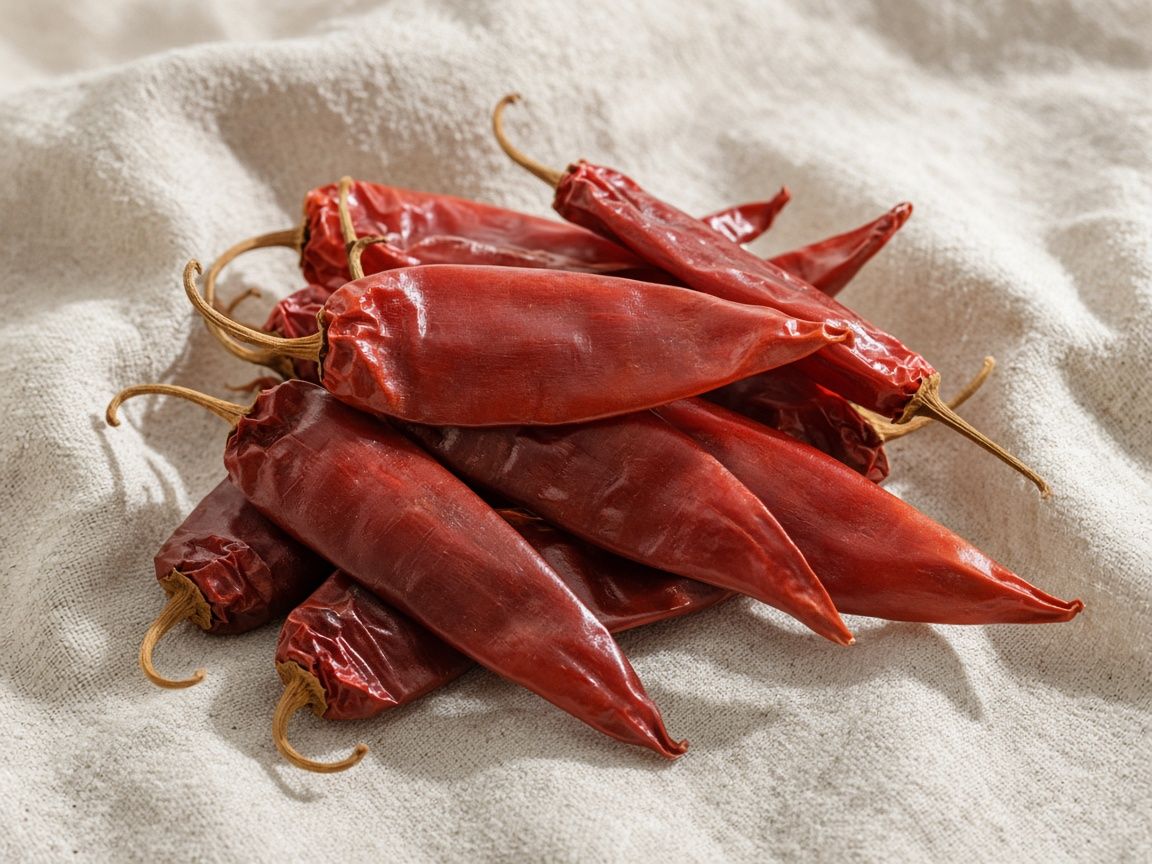
The workhorse dried chile of the Mexican book: brick-red, fruity, and in more recipes than any named pepper in the series.
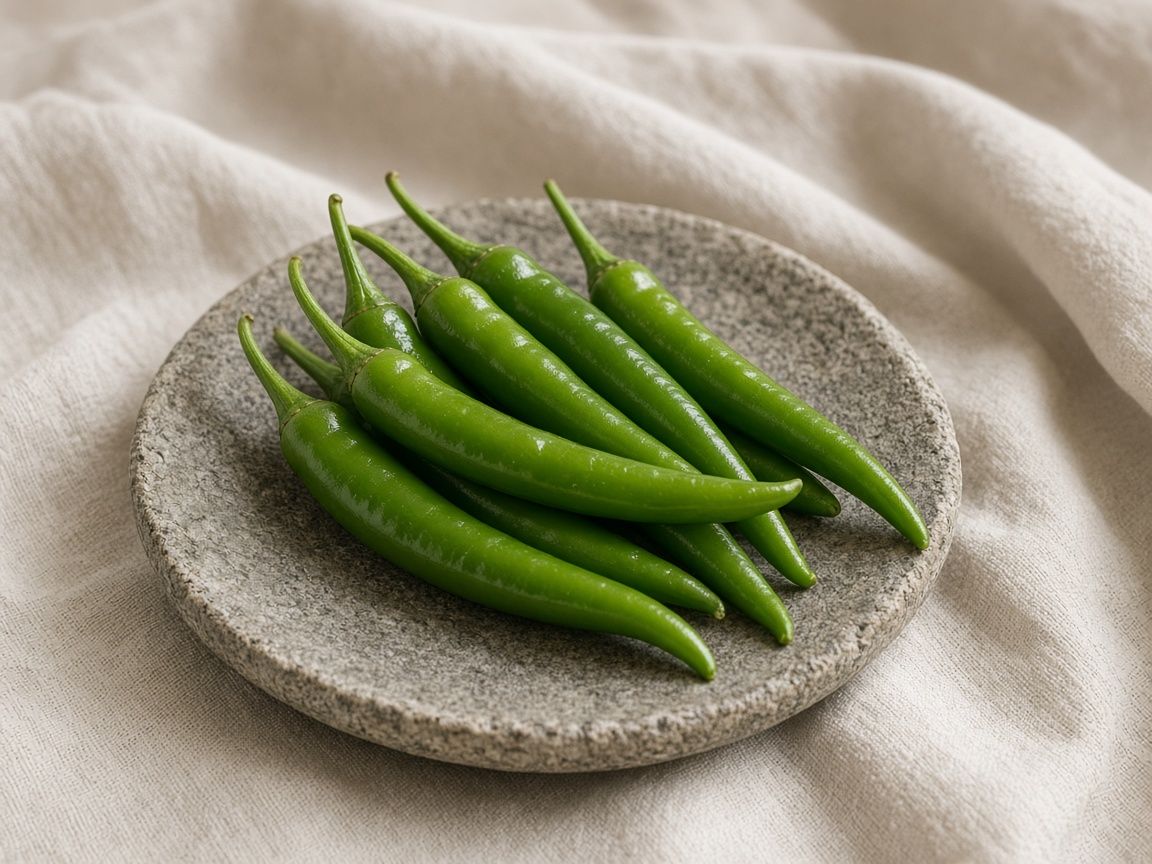
The bright green heat of salsa cruda: thinner than a jalapeño, louder, and the fresh chile the Mexican book reaches for most.
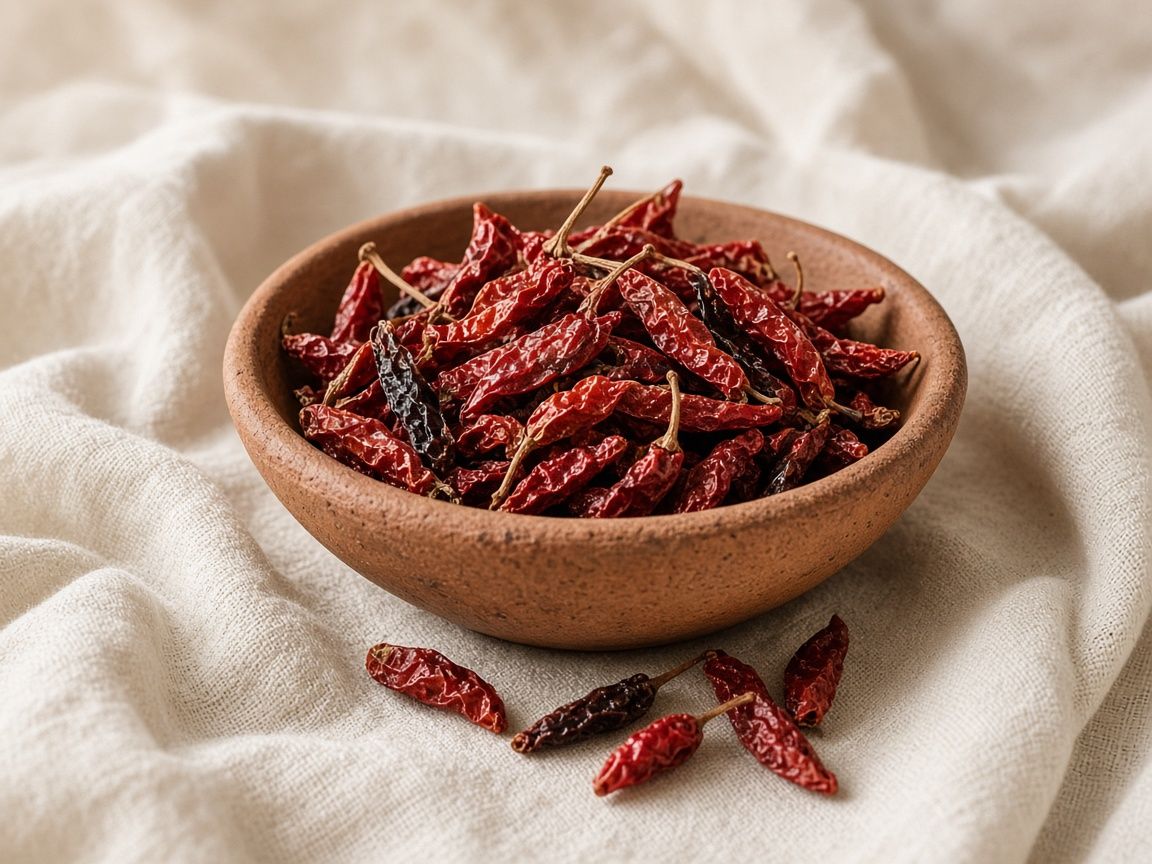
A tiny chile that crossed the Atlantic twice: New World plant, African name, Portuguese table.
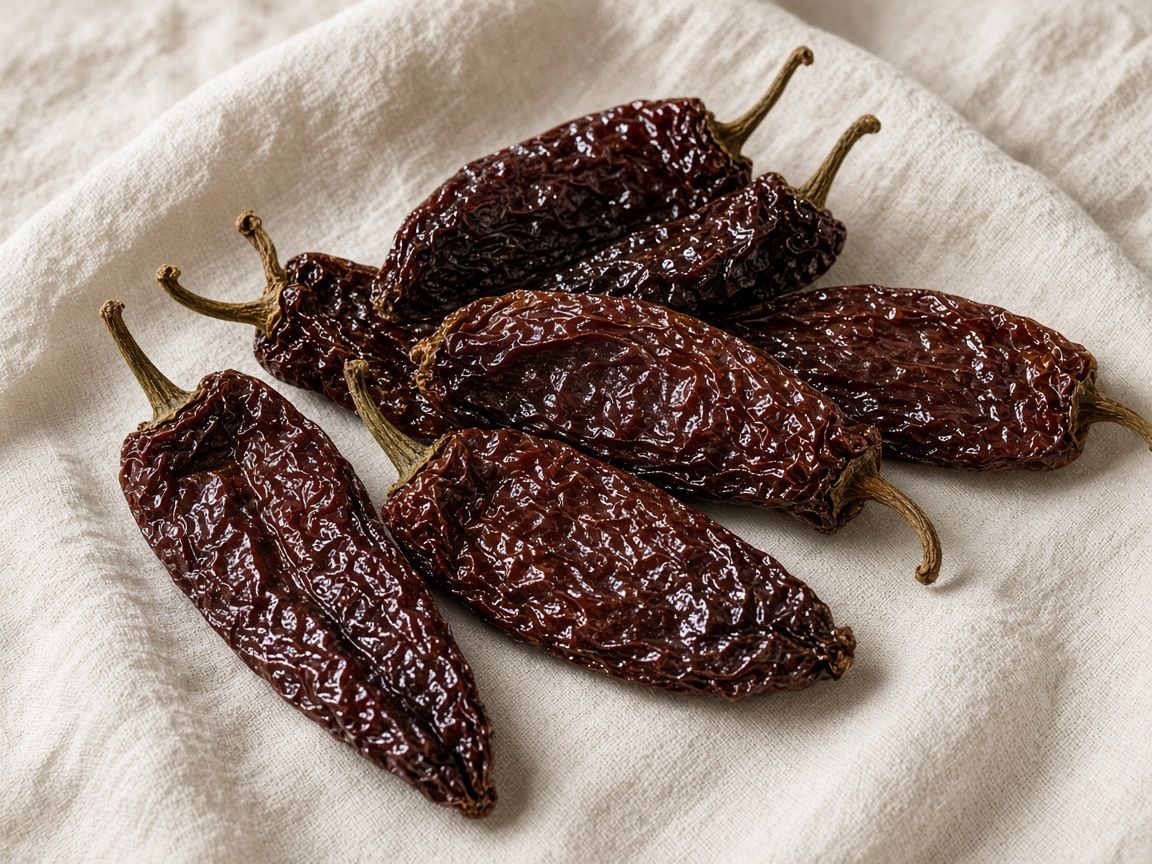
The wide, wrinkled dried chile that smells like raisins and chocolate: the body of many moles before the cacao goes in.
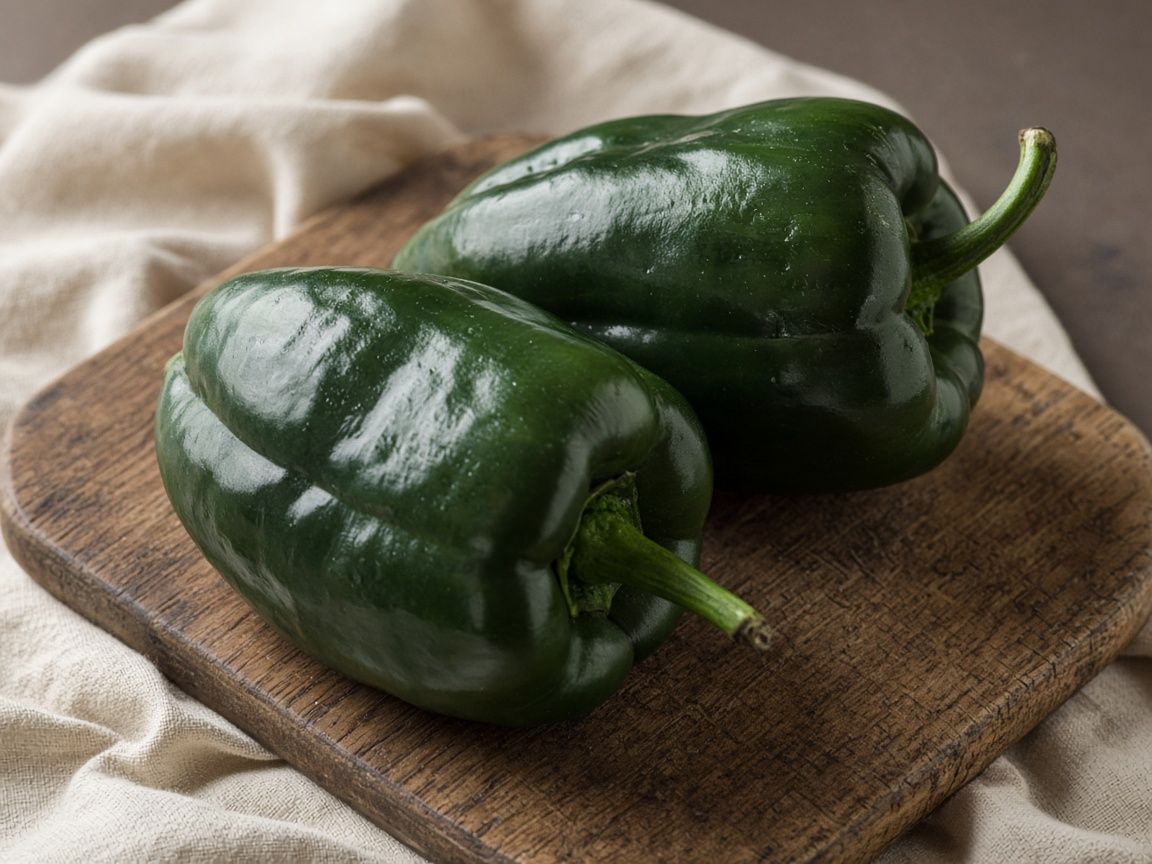
The stuffing chile: wide enough for cheese, mild enough for a child, dark enough to look serious on a plate.
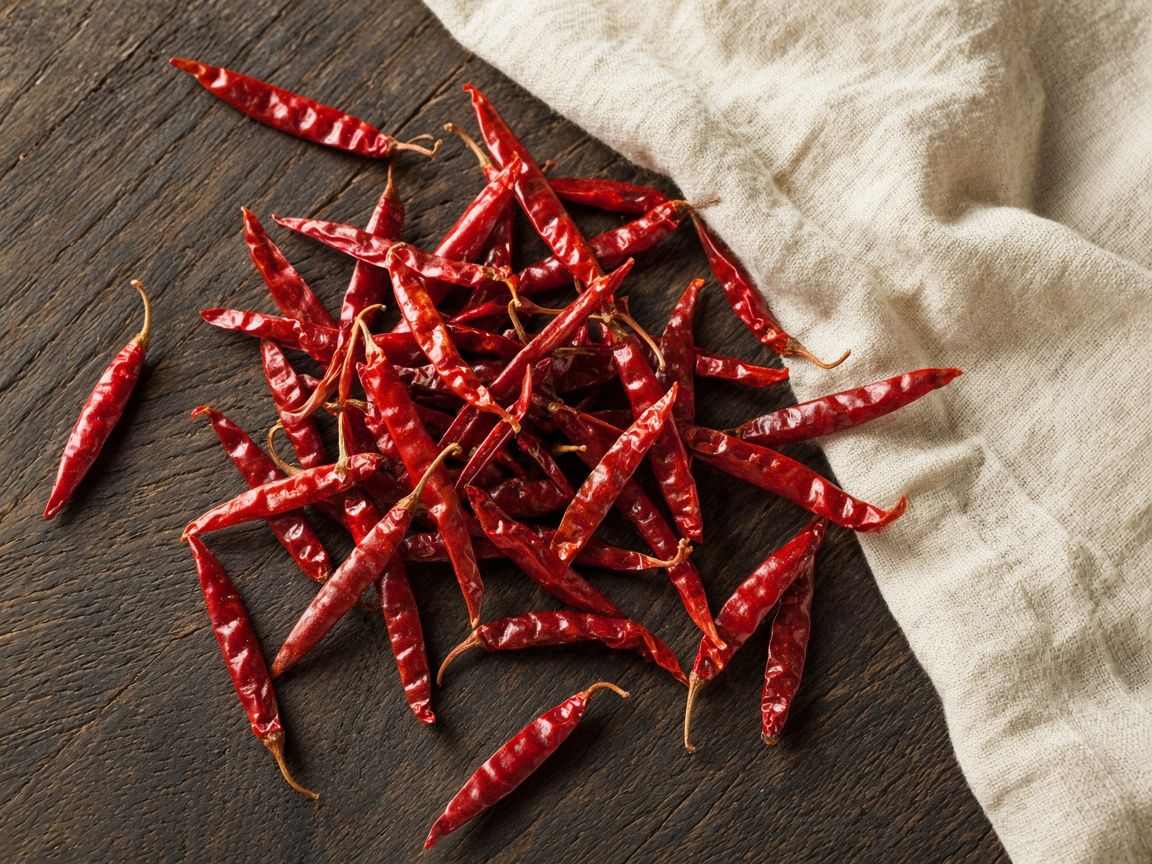
The slender red chile that turns a table salsa into a warning: clean heat, little fruit, no apology.
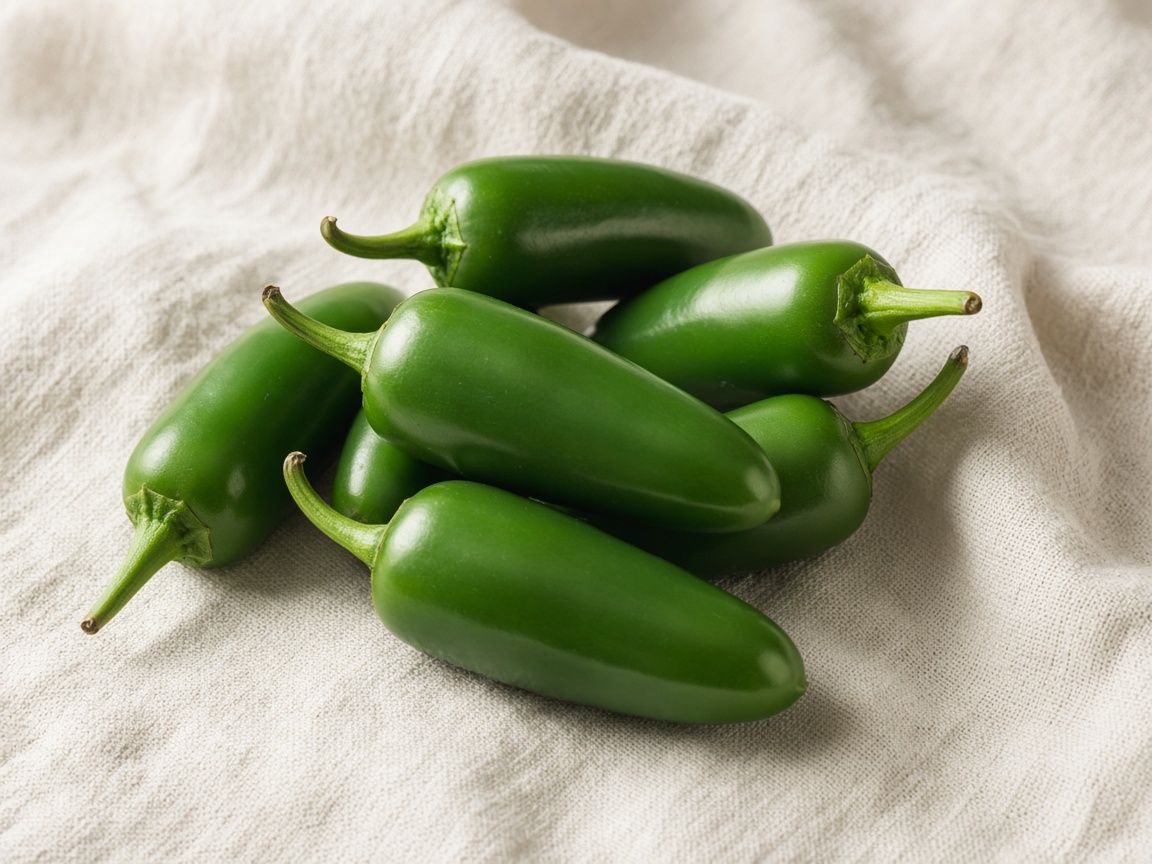
The chile that left home and kept its name: mild enough to pickle, serious enough to smoke into chipotle.
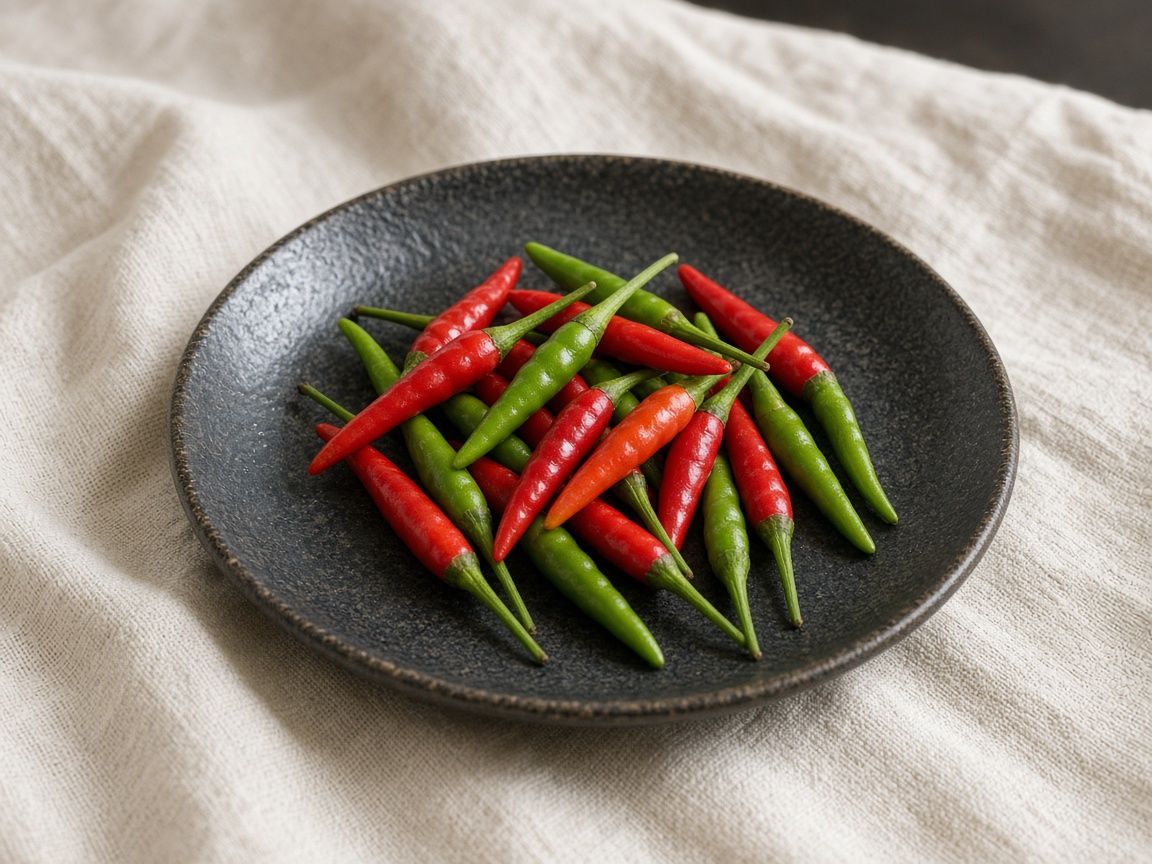
The chile that birds scatter and cooks fear a little: the heat of Thai, Vietnamese, and a few Ethiopian pots.
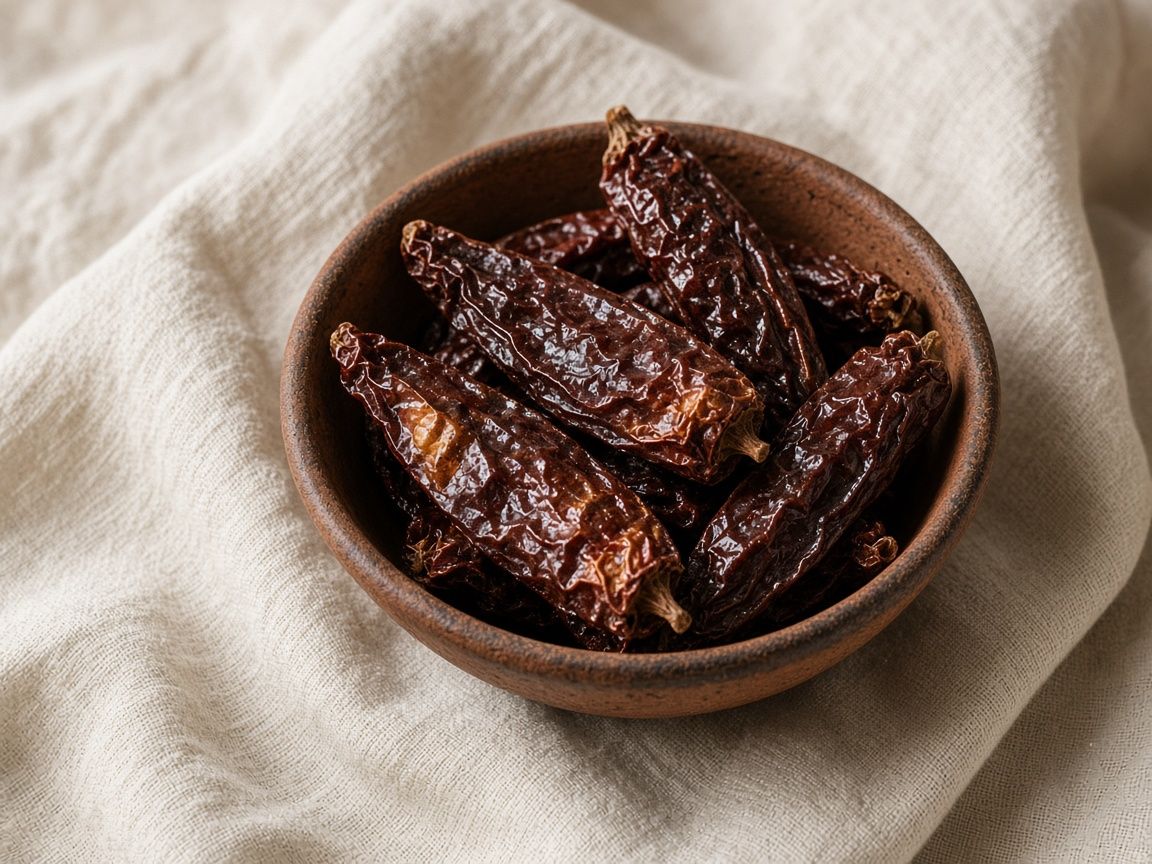
The jalapeño after fire: smoke, sweet heat, and the taste of a salsa that has been thinking overnight.
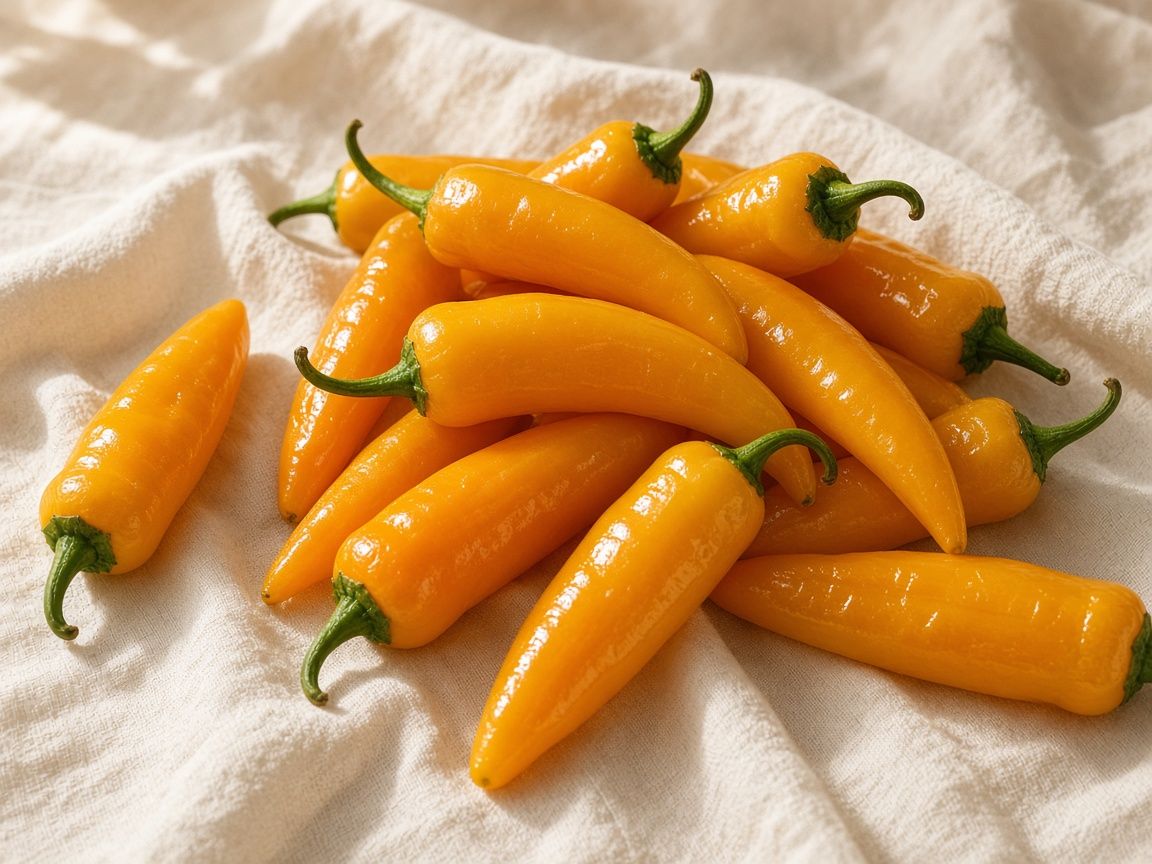
The chile that makes Peruvian food taste Peruvian: fruity, floral, and orange even when the rest of the plate is pale.
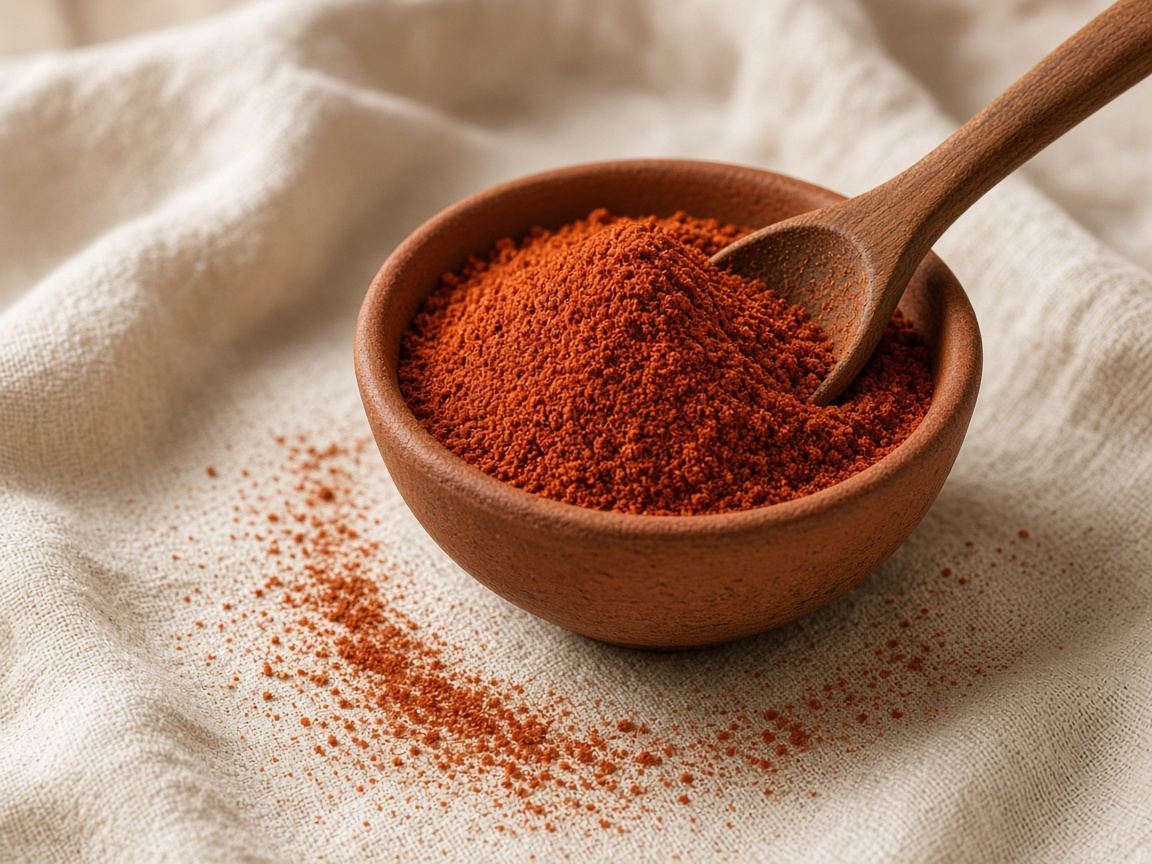
The red powder the 30 books reach for more than any other named spice after salt and pepper: color, sweetness, and a little smoke.