
Pantry · Chiles
Guajillo
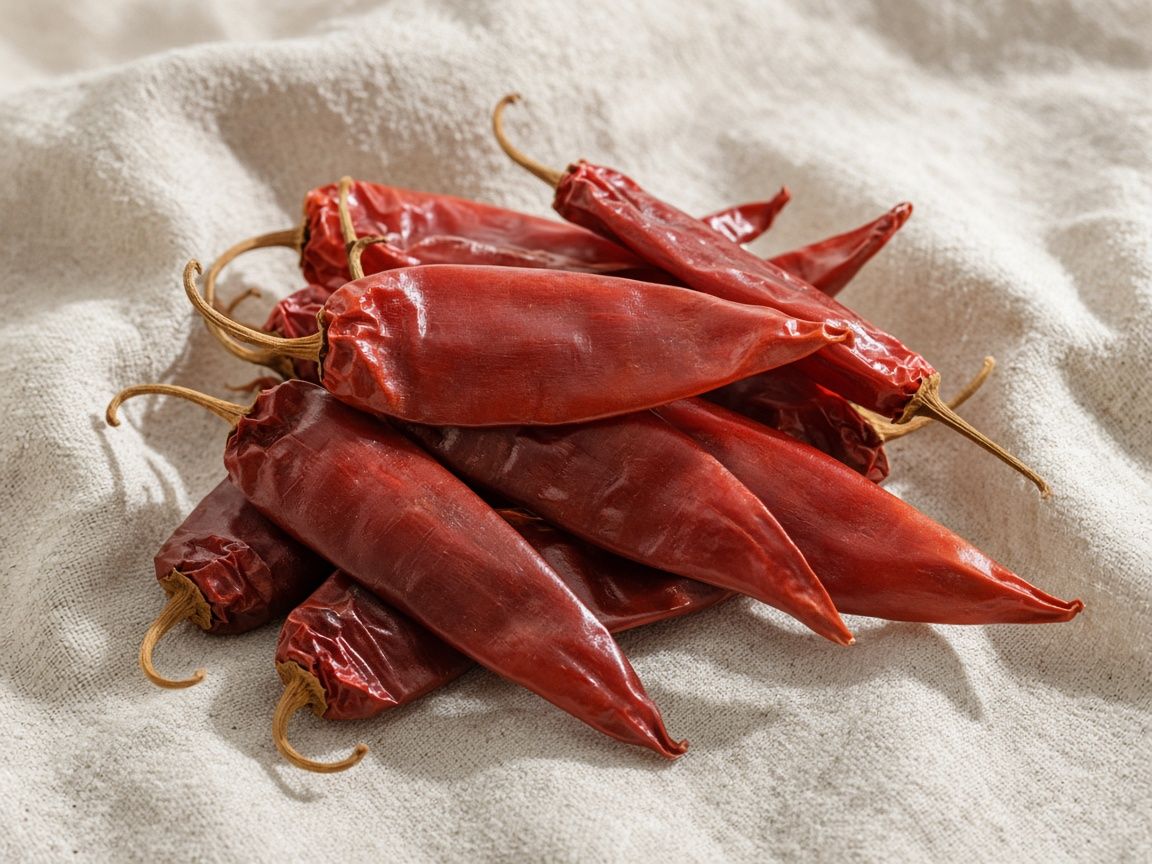
The workhorse dried chile of the Mexican book: brick-red, fruity, and in more recipes than any named pepper in the series.
The journey
Guajillo is what a Mexican pantry reaches for when the pot needs color and a raisin-berry heat that does not shout. The fresh pepper is the mirasol — 'looking at the sun.' Dried, it becomes the long, smooth, translucent red that fills markets from Zacatecas to Mexico City.
In our Mexican volume it appears in 28 recipes. No other named chile in the 30 books is used that often. Moles, adobos, pozoles, and salsas all borrow its body. It is not a souvenir pepper. It is Tuesday.
In the kitchen
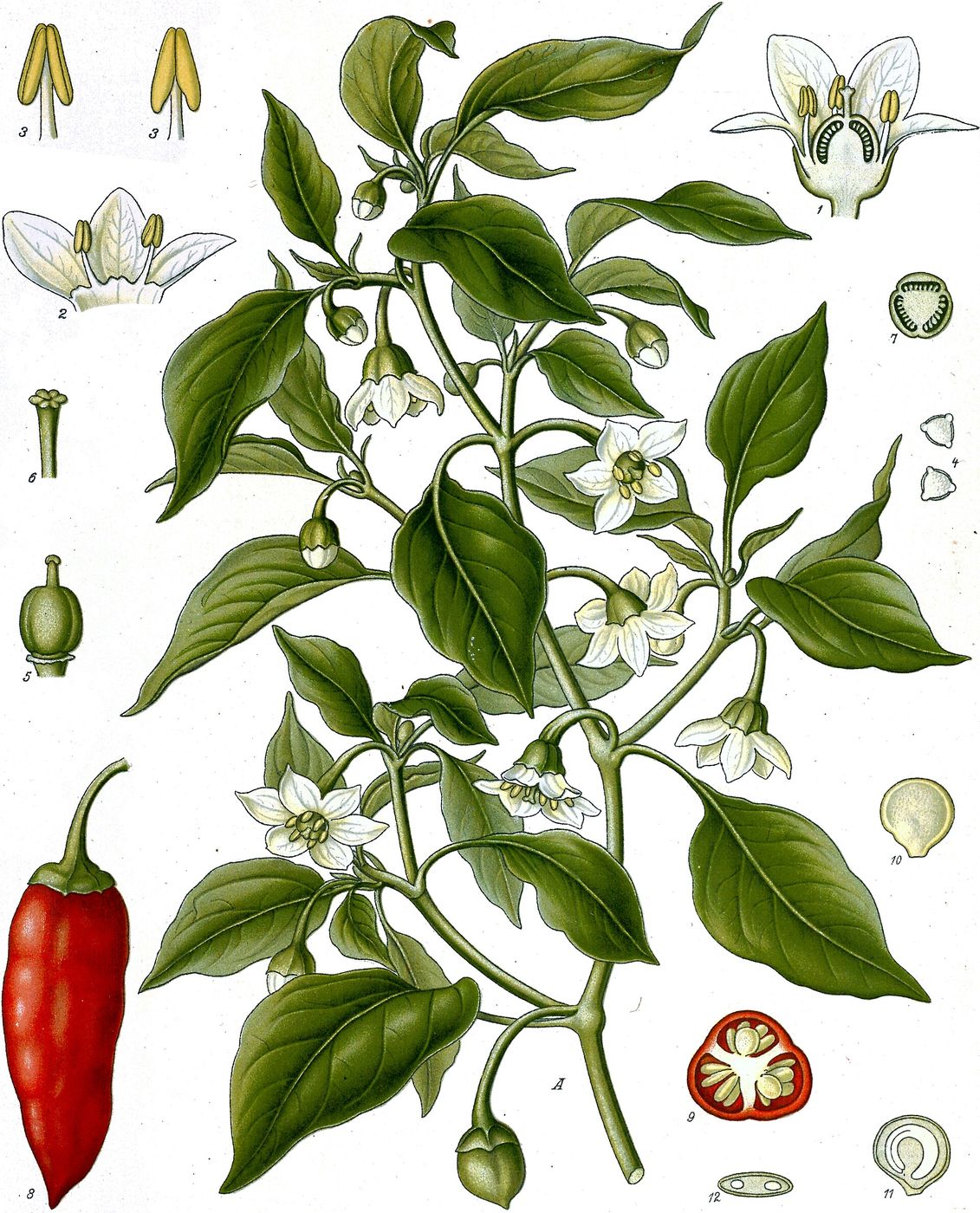
Toast the pods until they smell like dried fruit and leather, then soak and puree. The seeds can stay or go; they add heat more than flavor. Guajillo wants garlic, cumin, and time in fat.
If a sauce tastes thin and only hot, you used the wrong chile or you skipped the toast. This one should taste like red fruit and a little tea.
Healers and the table
Mexican home kitchens treated red chile broths as a warming food when a cold settled in the chest. Capsaicin is why the nose runs. That is a kitchen effect, not a clinic.
Guajillo in an adobo is supper. It is not medical advice.
Traditional uses are part of the story of this spice. They are not medical advice.