
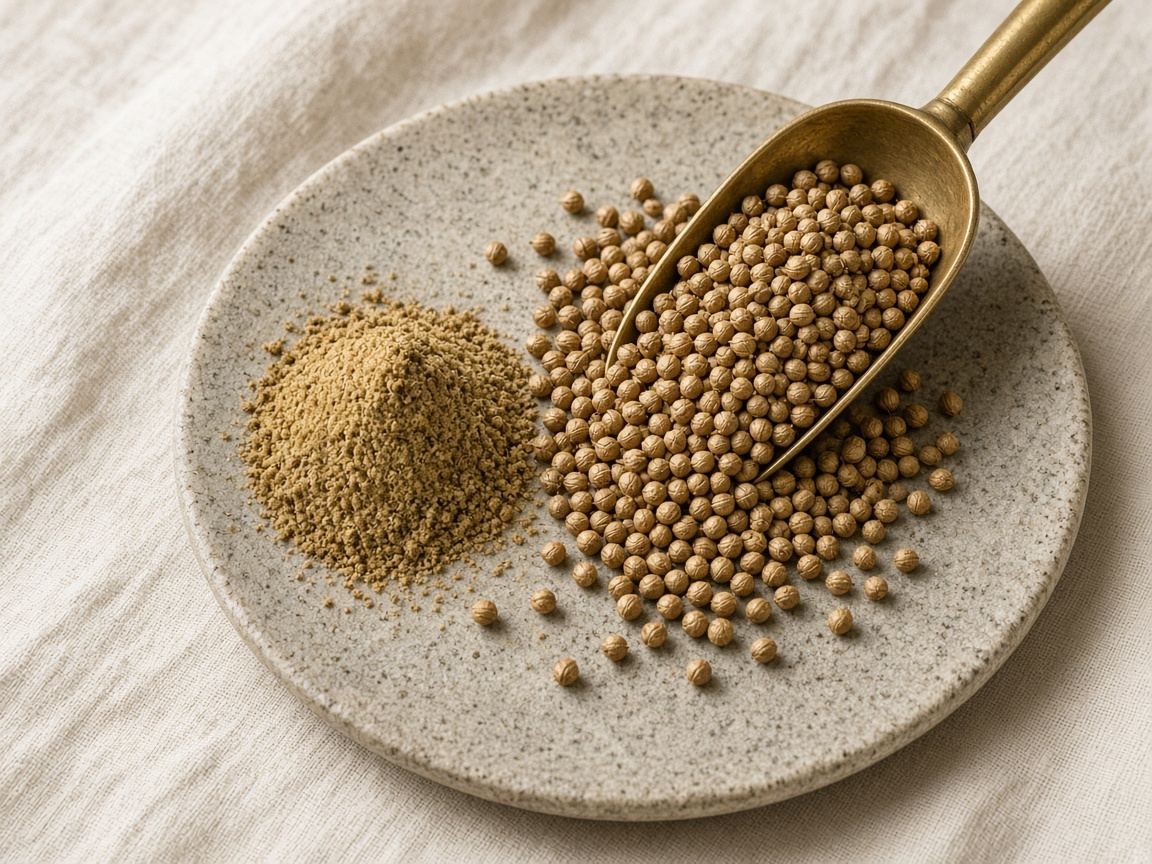
Coriander seed
The seed that is not the leaf: warm, lemony, and the other half of cumin in a hundred pastes.
Pantry · Page 3
Page 3 of 11 — more of the working pantry.
247 named jars, 11 short pages — so the first paint stays light.
The seed that is not the leaf: warm, lemony, and the other half of cumin in a hundred pastes.
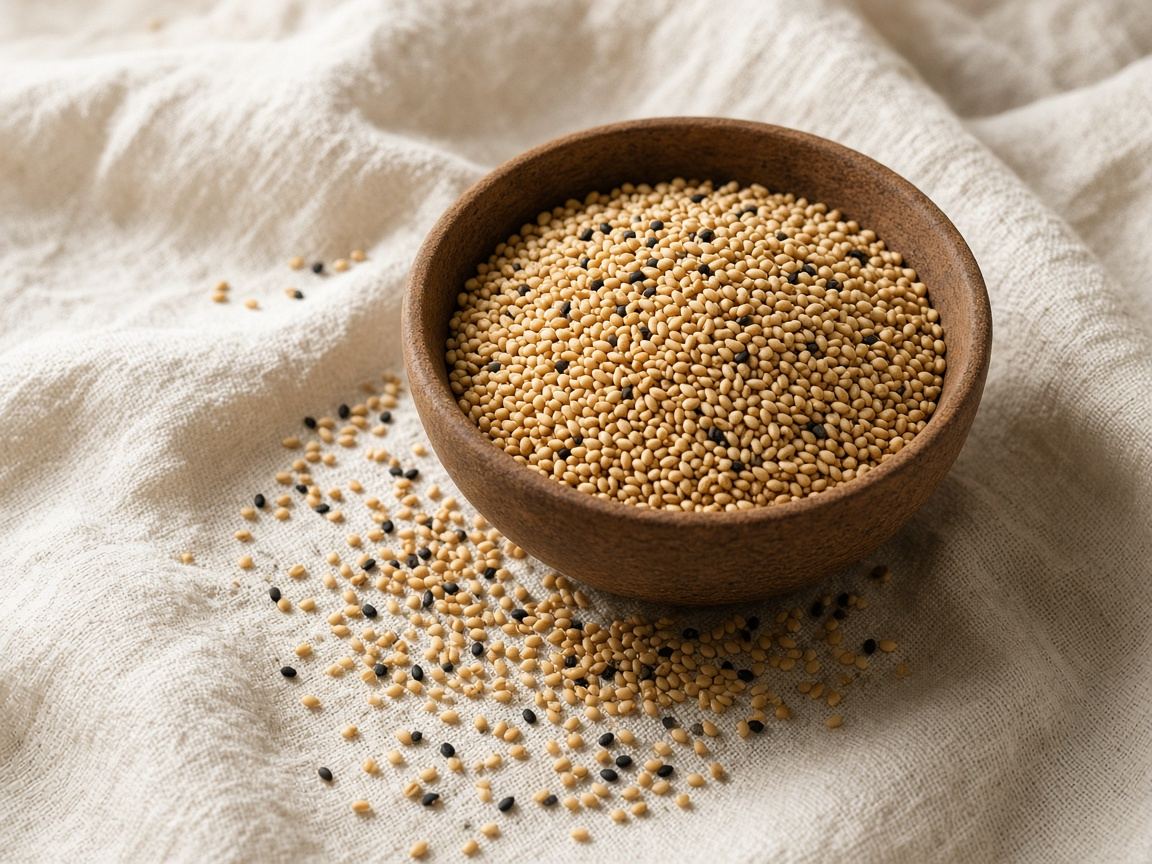
A tiny seed that toasts into a whole aroma: bread, bagels, goma, and the crunch on a Korean banchan.
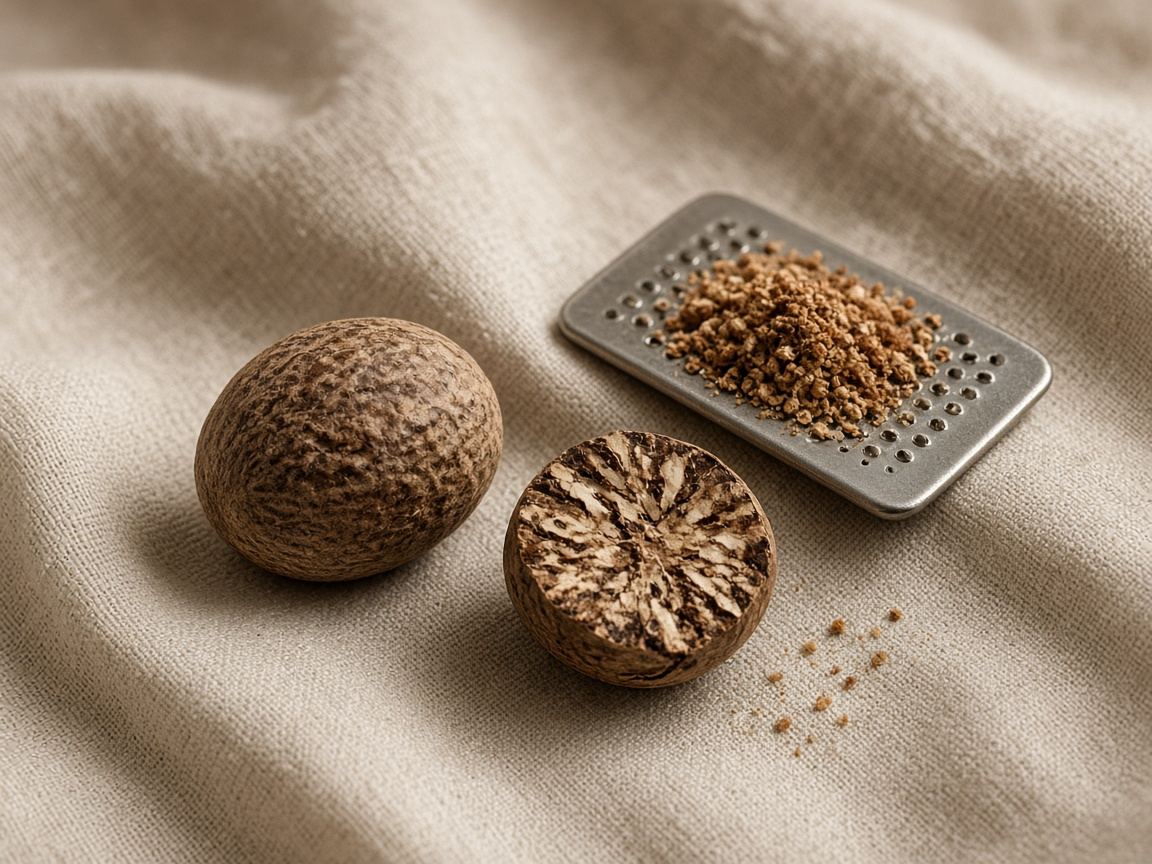
A hard brown seed you grate at the last second: milk sauces, meatballs, and the sweet side of a stew.
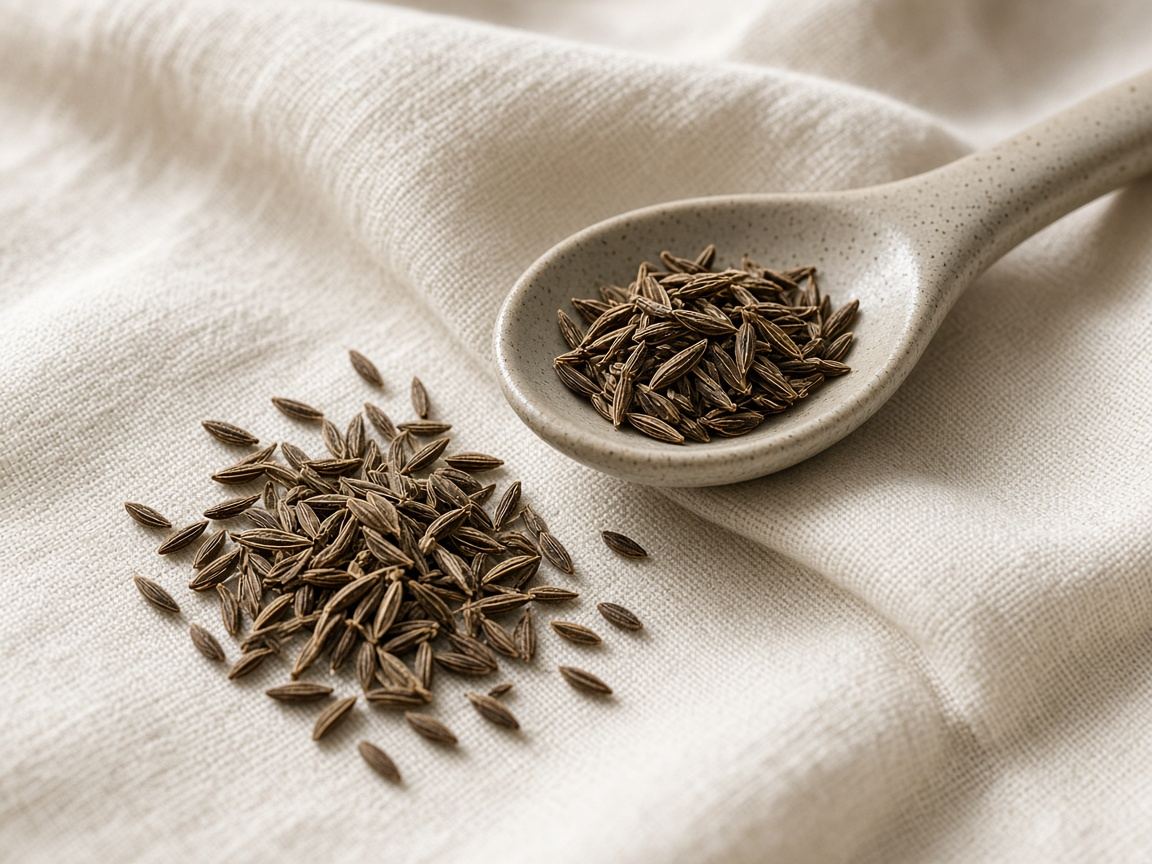
The seed that makes rye taste like rye and cabbage taste like a German winter.
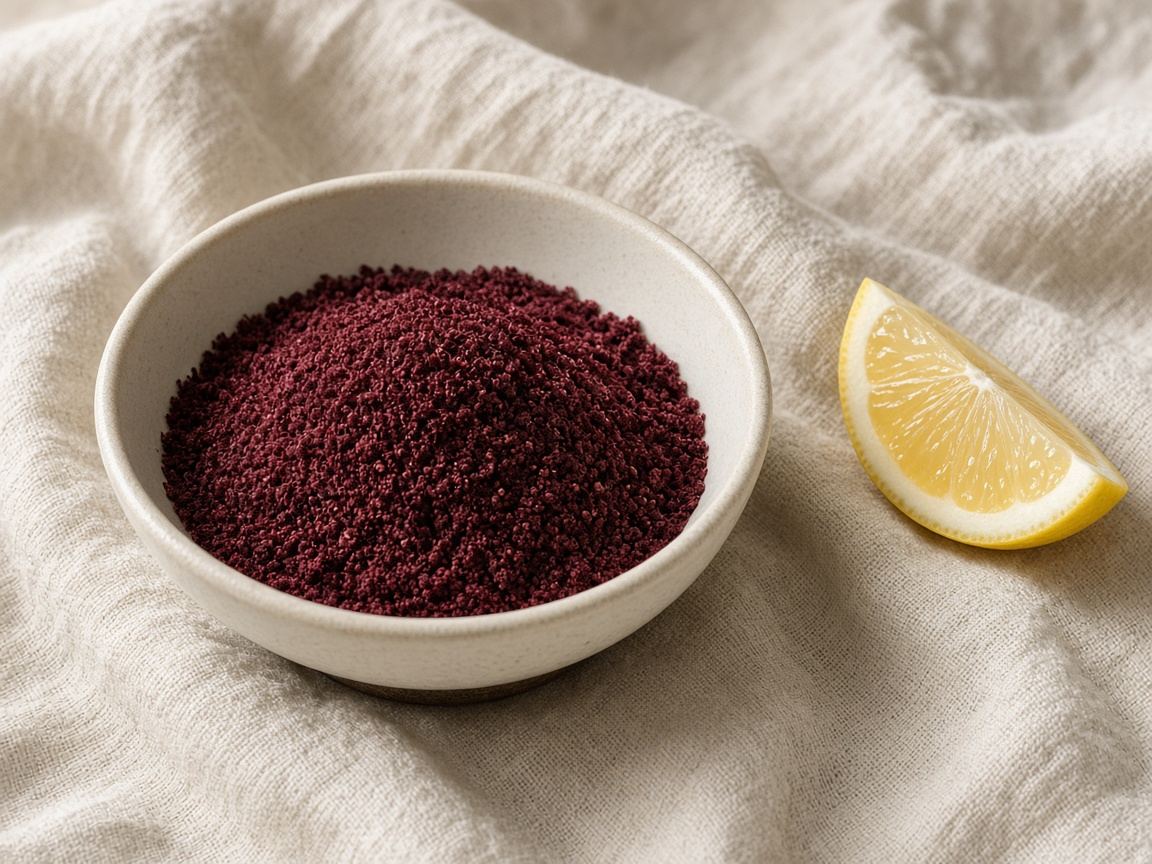
A sour red dust: lemon without juice, the finish on onions, grilled meat, and a fattoush that wants tartness.
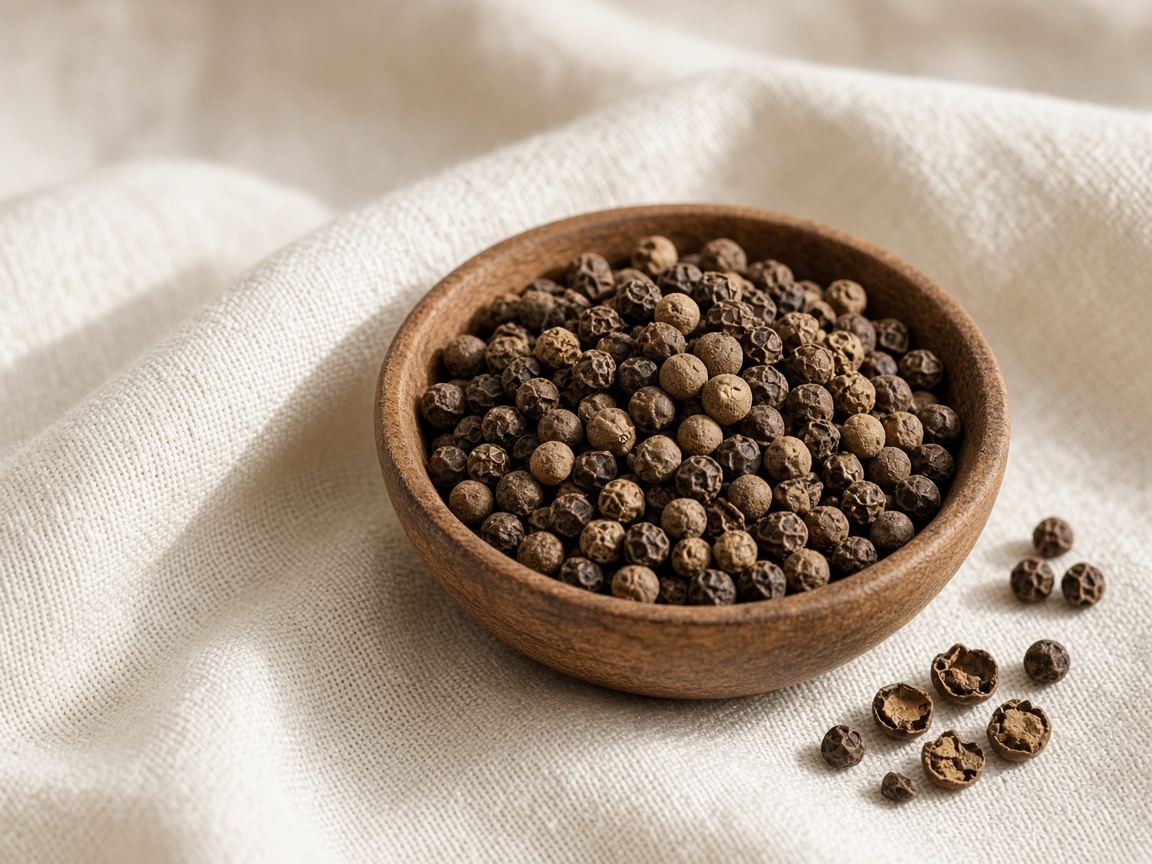
One berry that borrowed cinnamon, clove, and nutmeg: jerk, kibbeh, and a European braise.
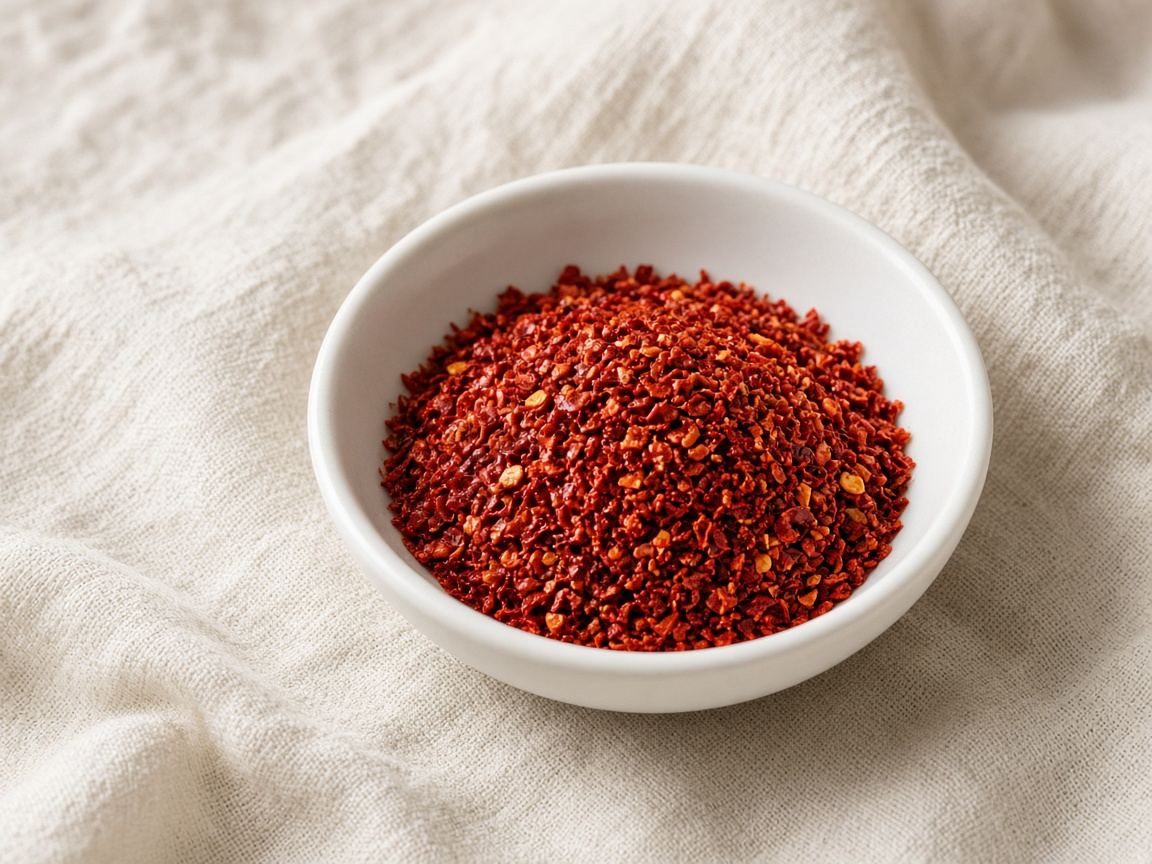
The red snow of a Korean kitchen: kimchi, jjigae, and a heat that tastes like fruit before it tastes like fire.
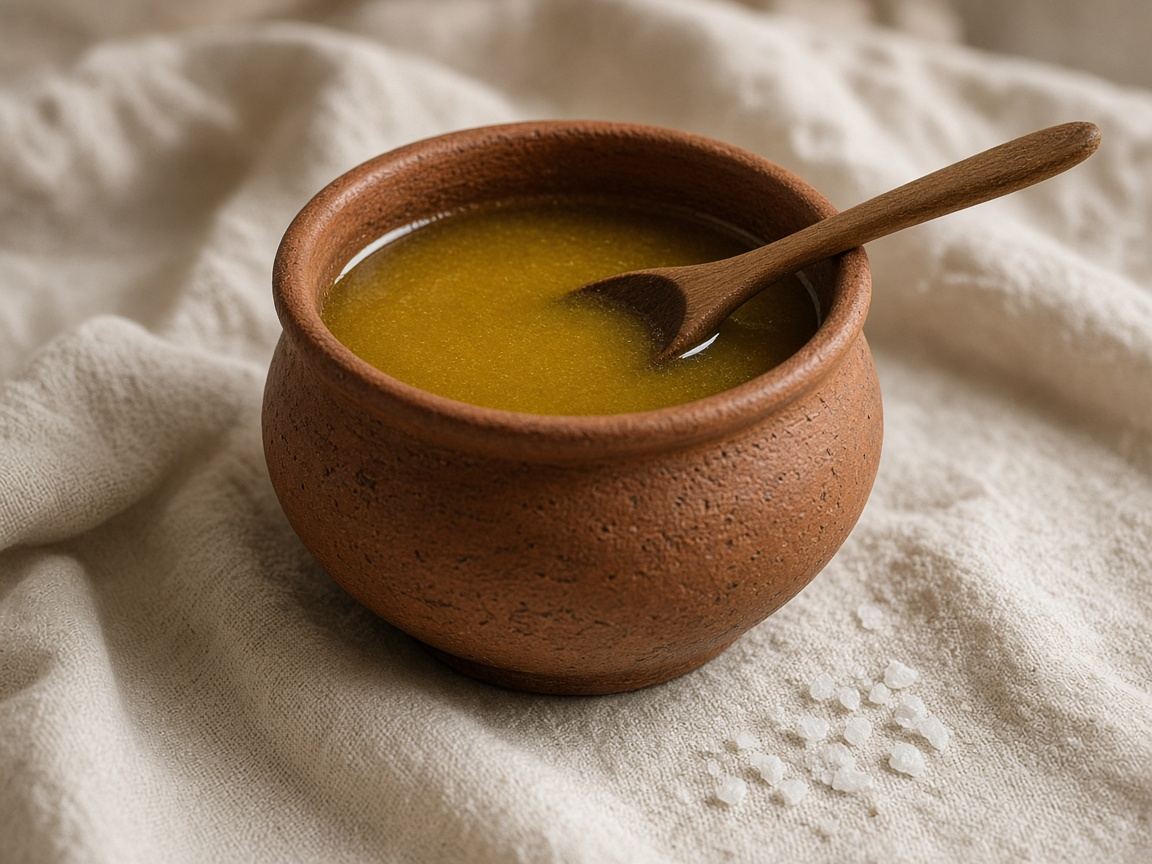
Butter that was put away on purpose: salty, tangy, and the fat a couscous still wants when the pot is almost done.
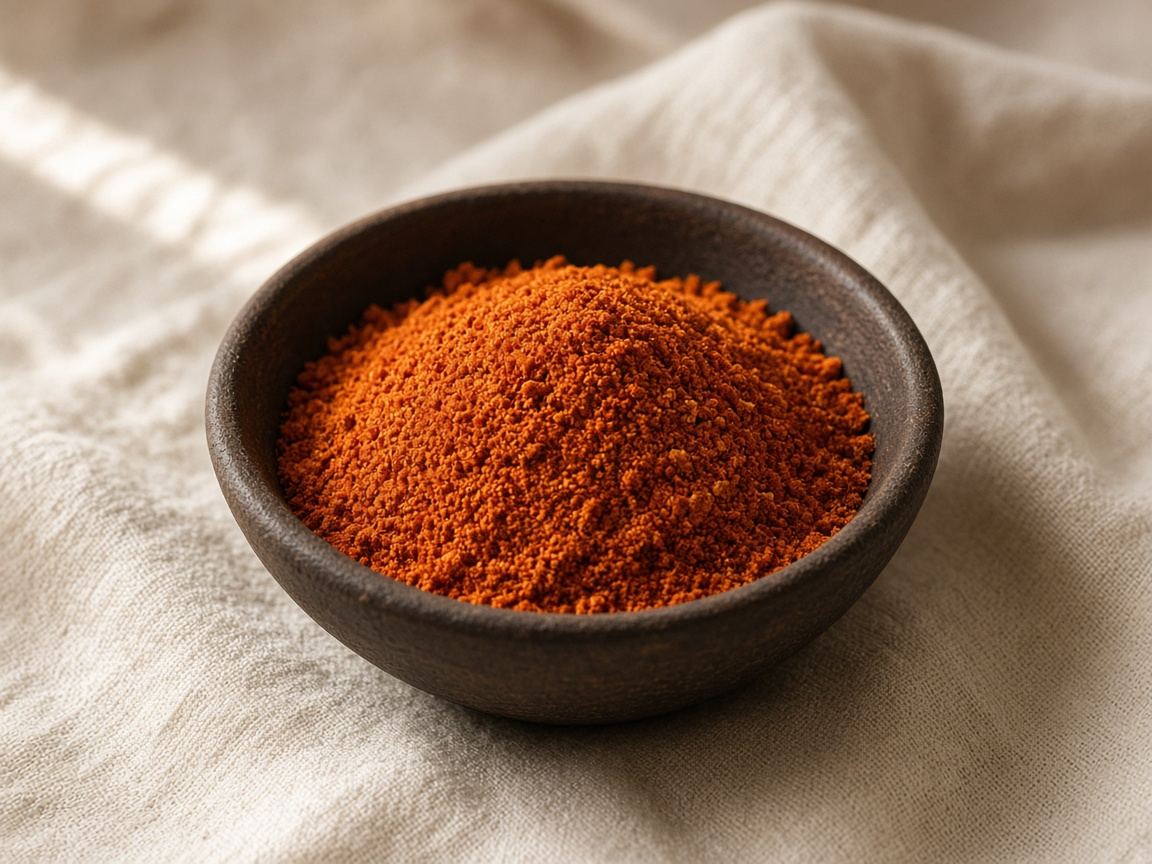
The hotter sister of berbere: a rust-orange dust for kitfo, boiled eggs, and anyone who asked for more fire.
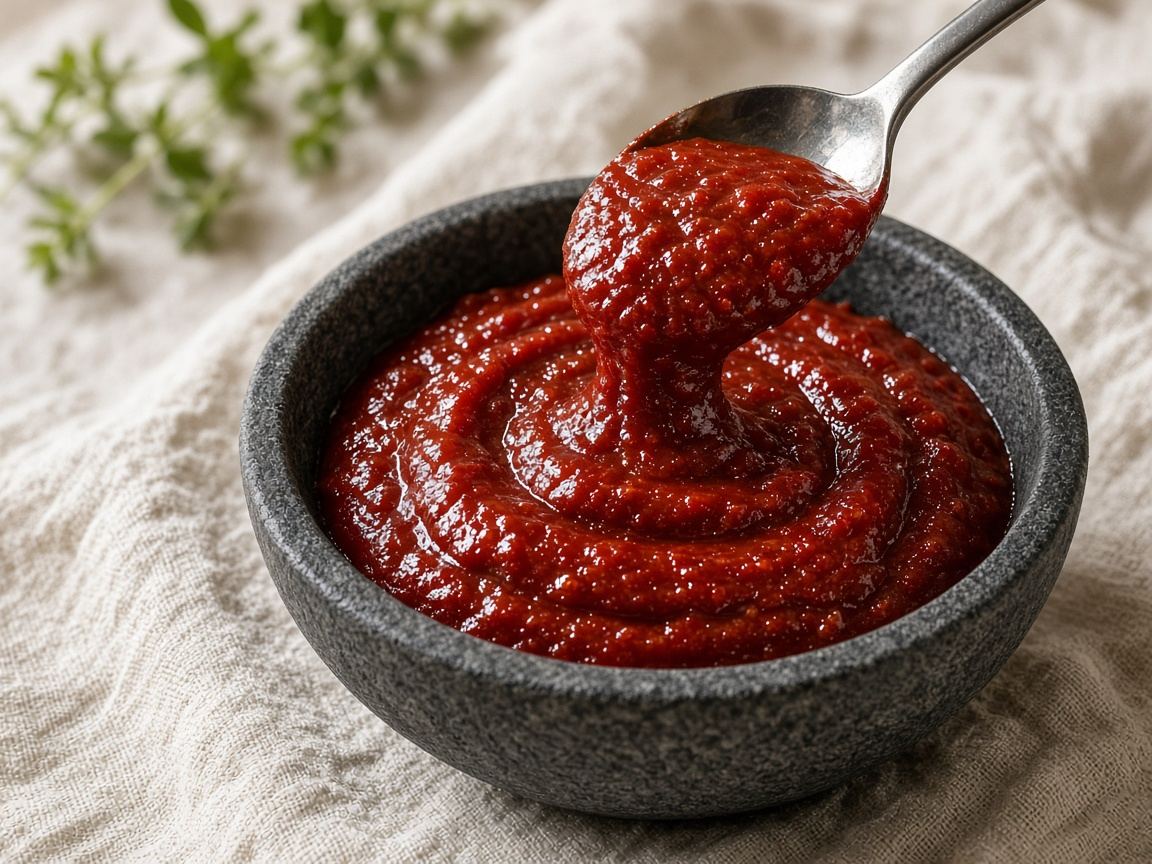
The deep red paste that makes a Korean stew taste aged: sweet, salty, hot, and a little like a cellar.
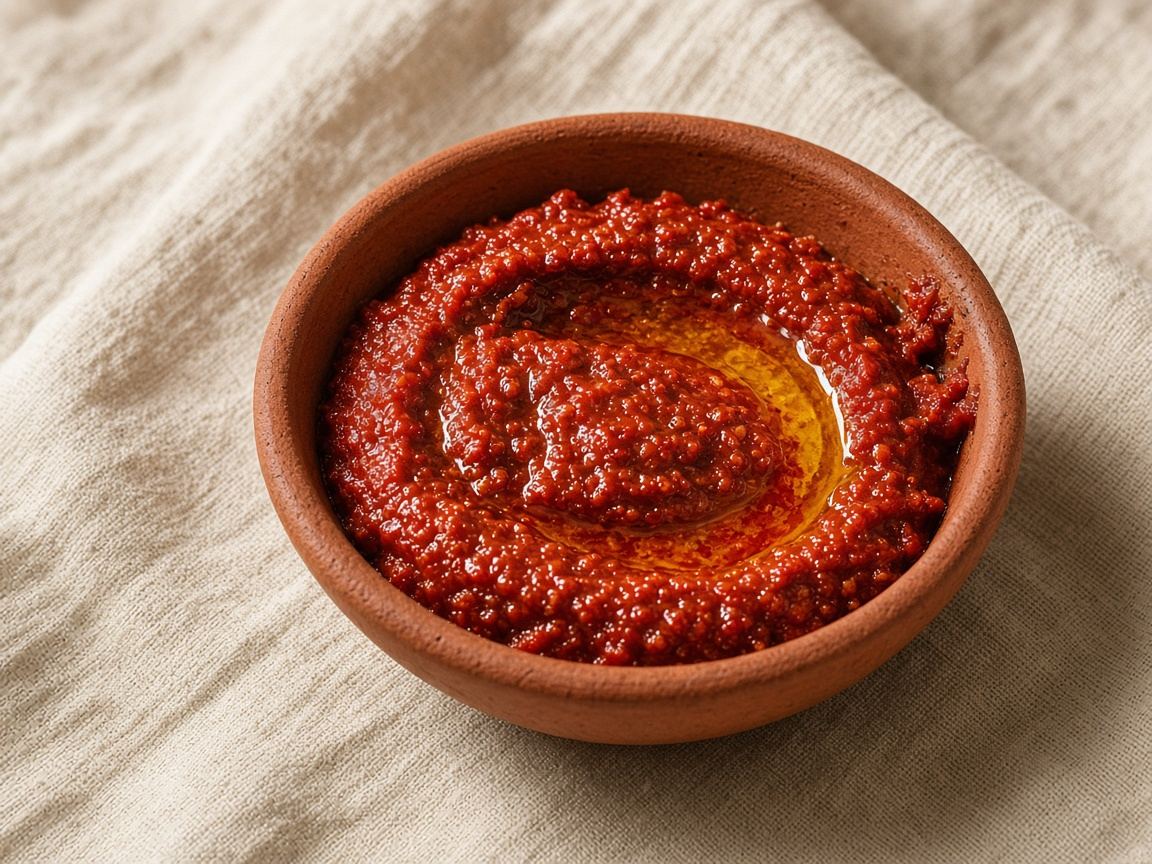
A brick-red paste that turns couscous, eggs, and a sandwich into a North African table.
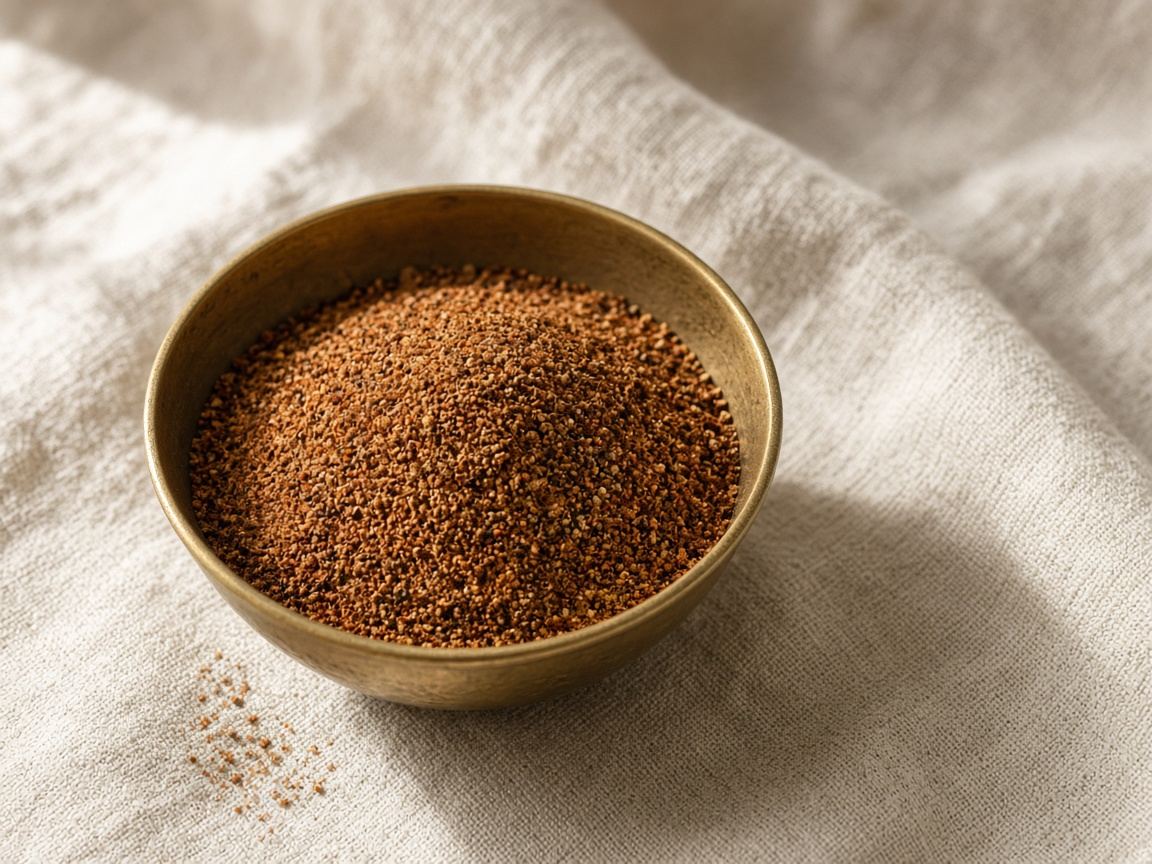
The everyday warm dust of a Lebanese pot: meat, rice, and a tomato stew that should taste like a house, not a single jar.
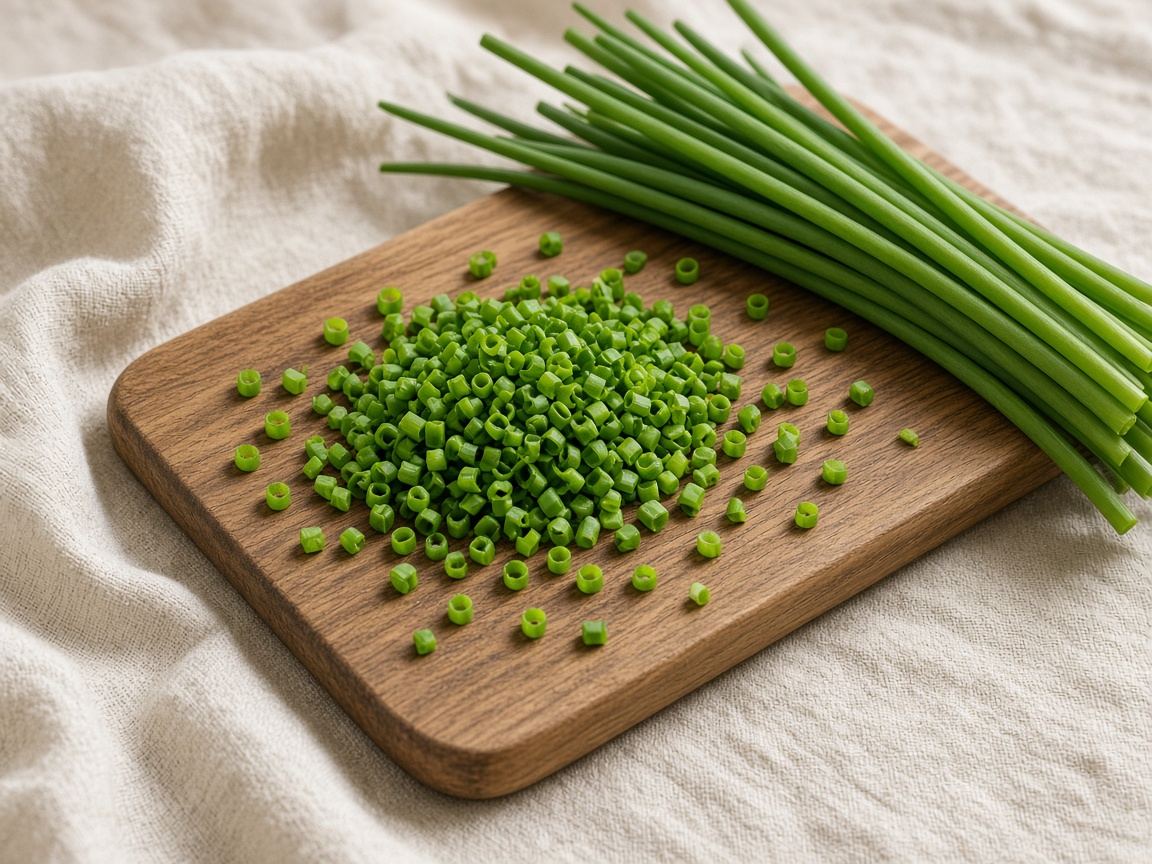
A green onion you do not cook hard: the last snip on eggs, a soup, and a Thai or German plate that wants freshness.
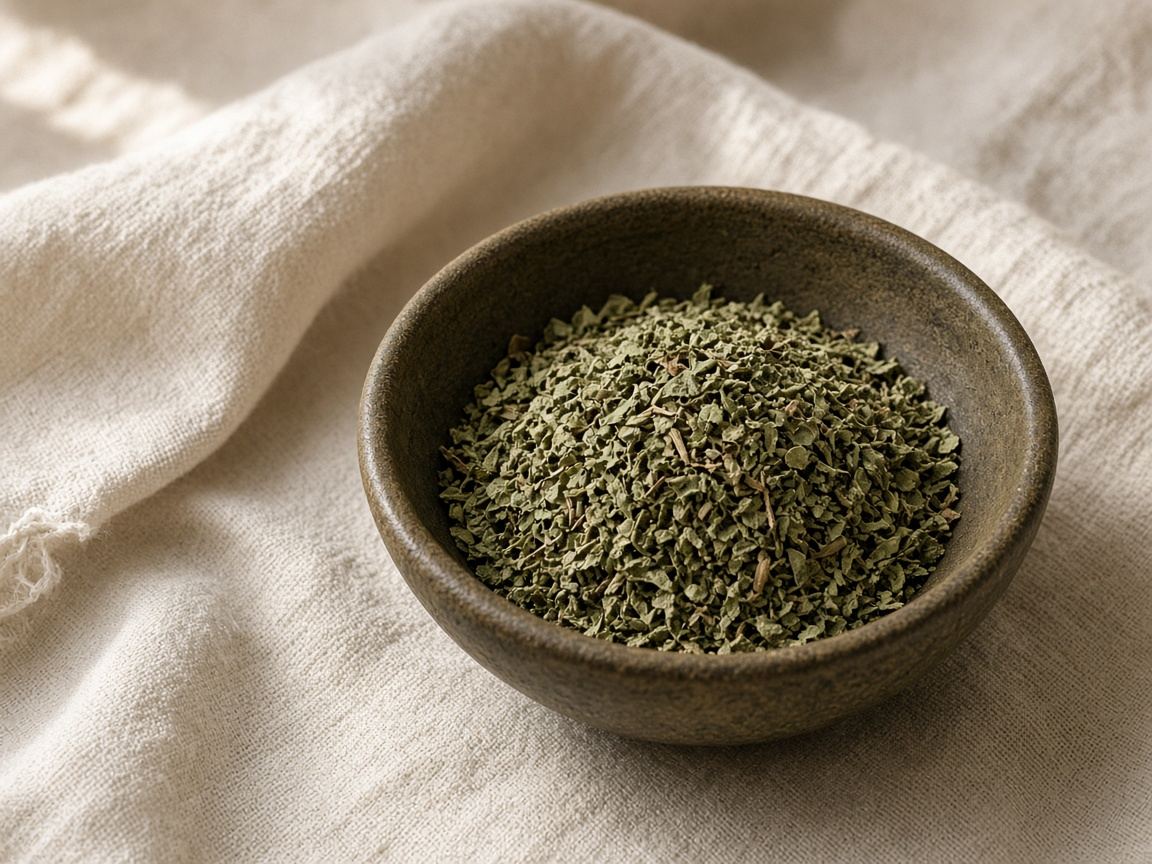
The dried herb a Colombian chicken-and-potato soup is unfinished without: green, grassy, and local.
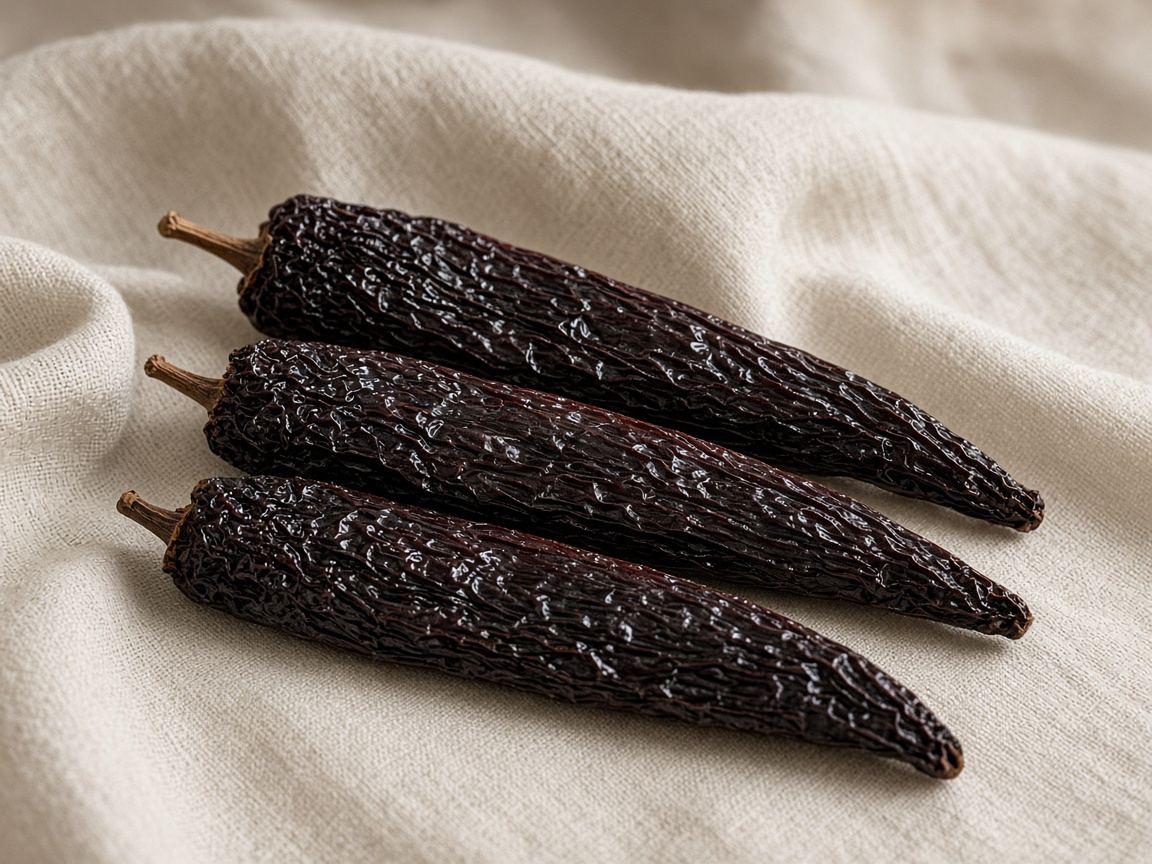
The long, almost black dried chile of a serious mole: fruit, tobacco, and less heat than it looks.
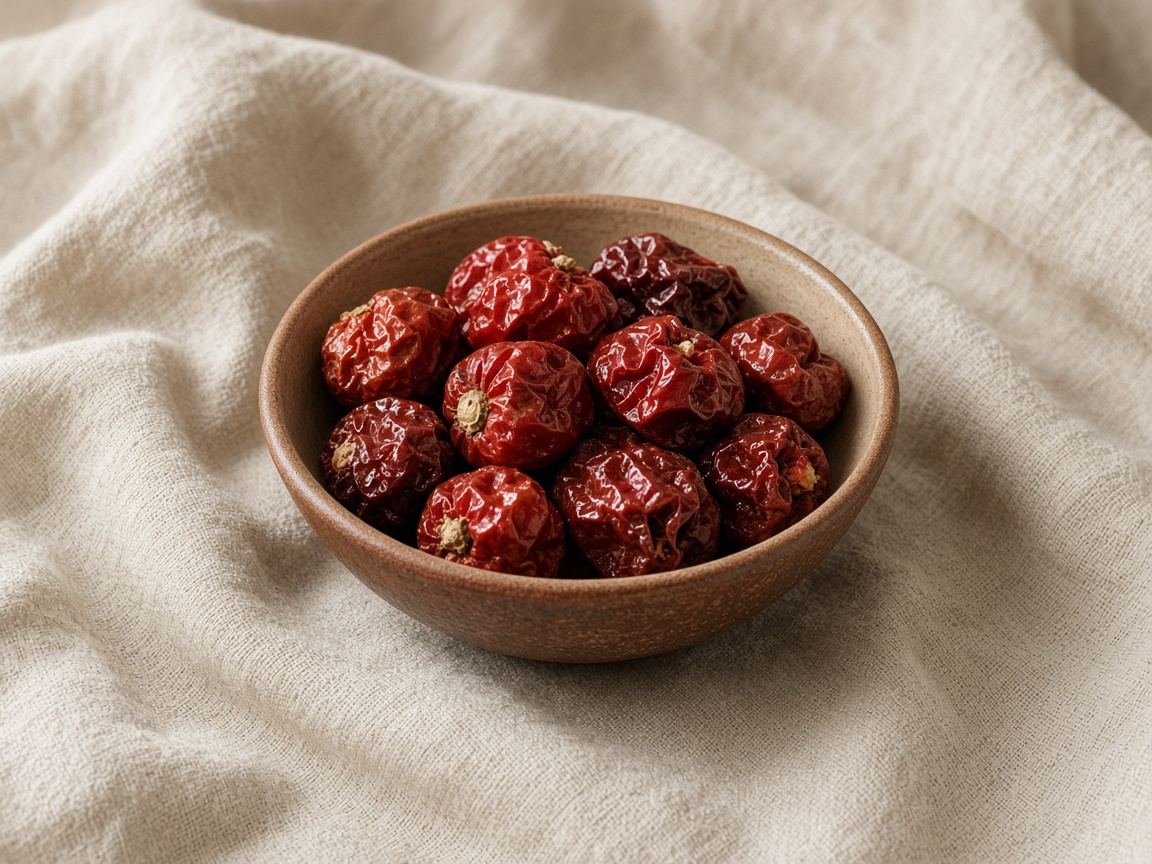
The little round dried pepper that makes a Spanish sofrito taste Spanish: sweet, earthy, and barely hot.
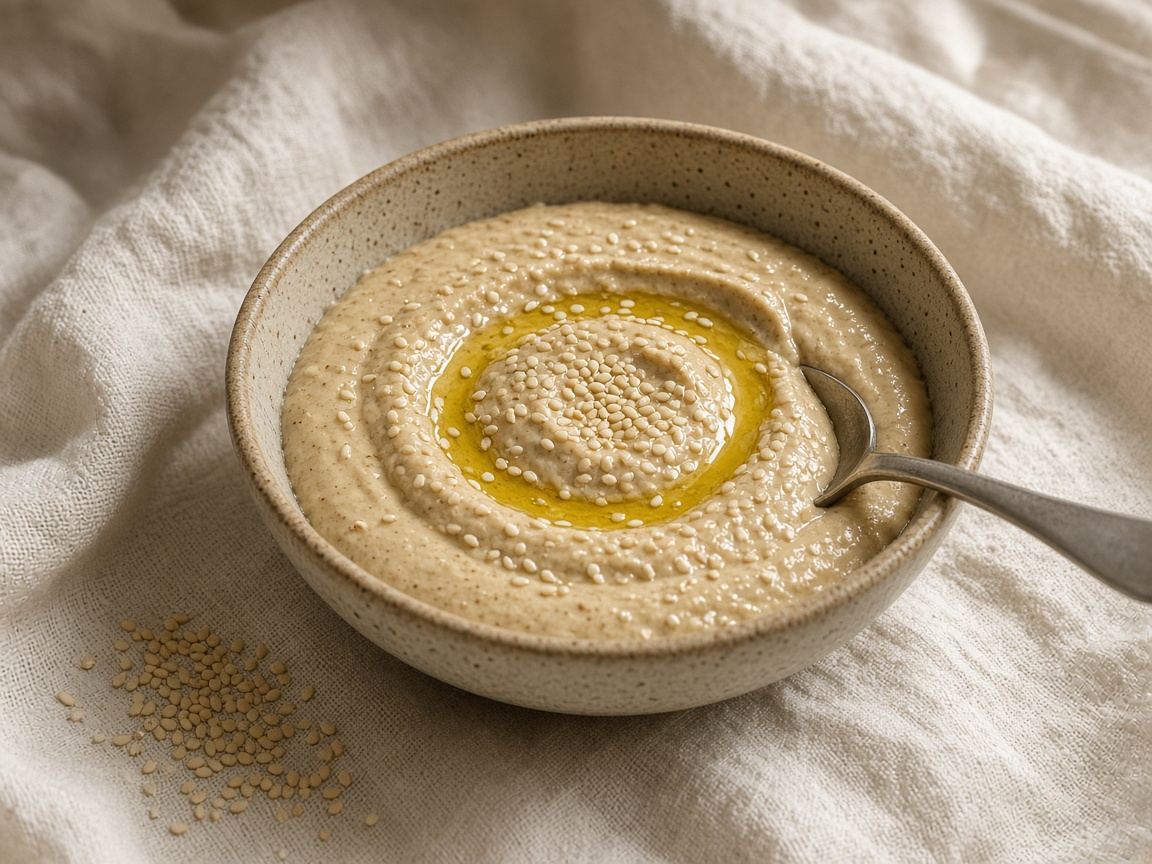
Sesame turned into a sauce: hummus, a dressing, a drizzle, and the jar the books open in twenty kitchens.
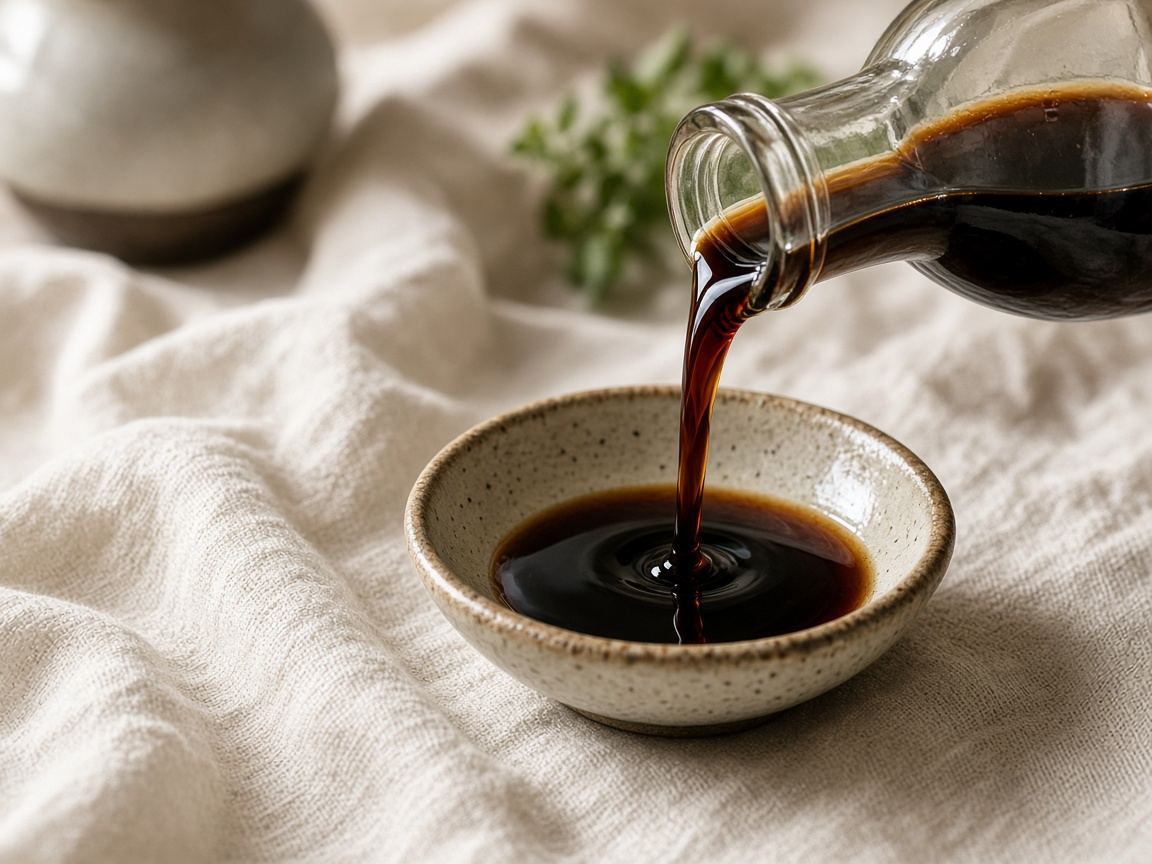
The brown salt of East and Southeast Asian pots: not 'Asian seasoning,' but a specific fermentation the books name thirty-one times.
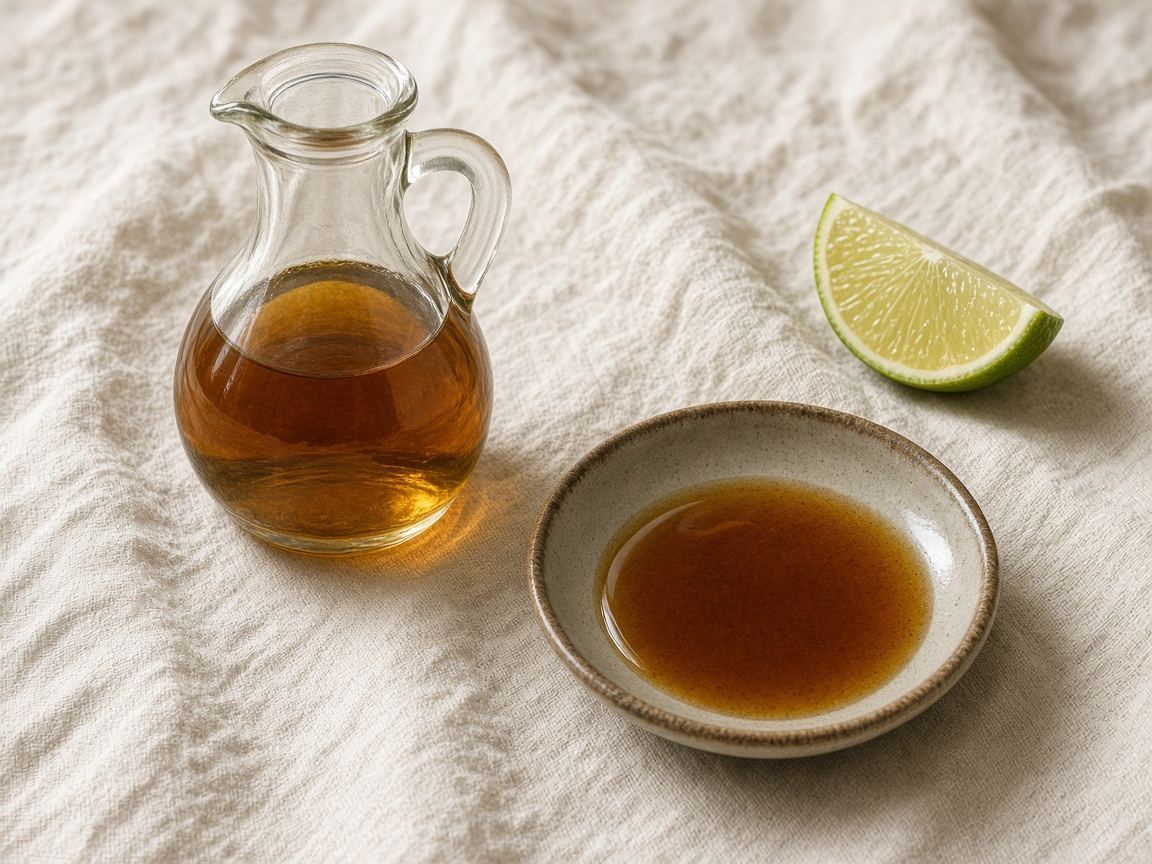
The salt of Vietnam and Thailand: fish, time, and a smell that becomes sweetness in the pot.
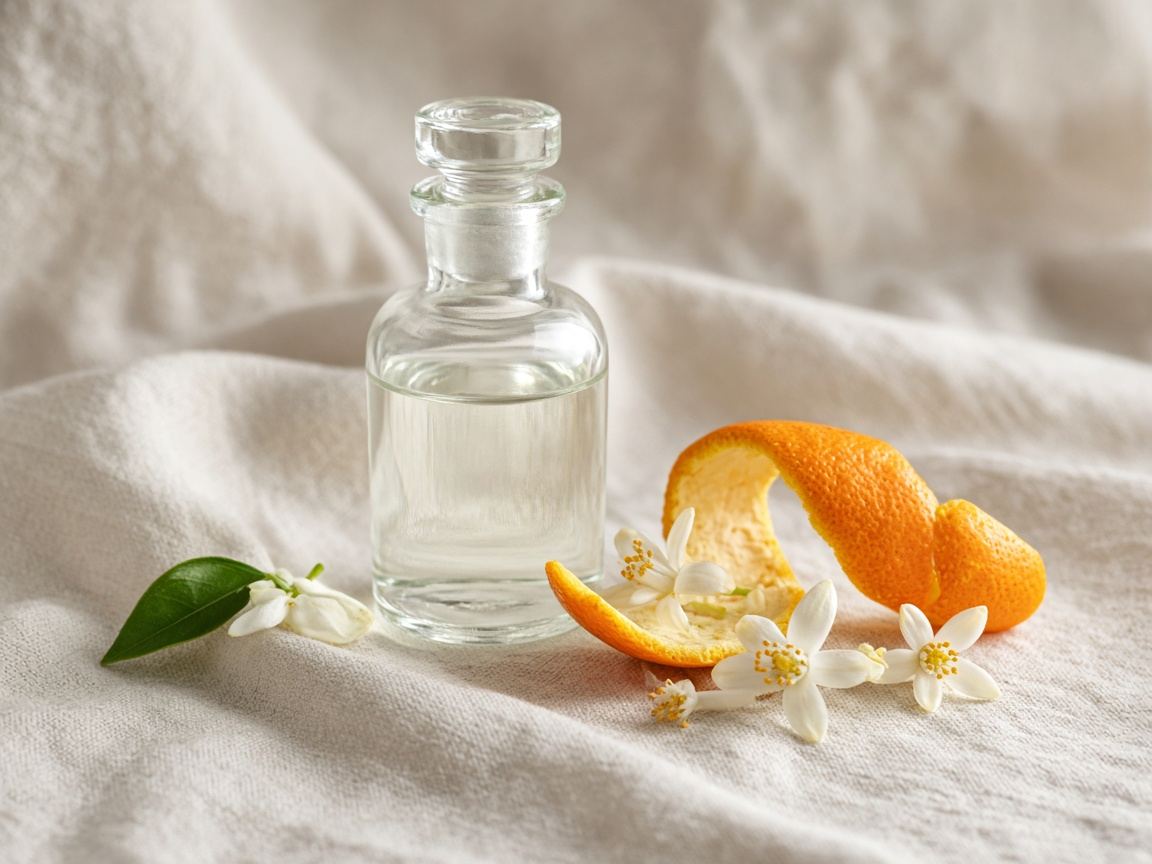
A drop of white flowers in a pastry, a salad, or a glass of water: perfume you can eat if you stay humble.
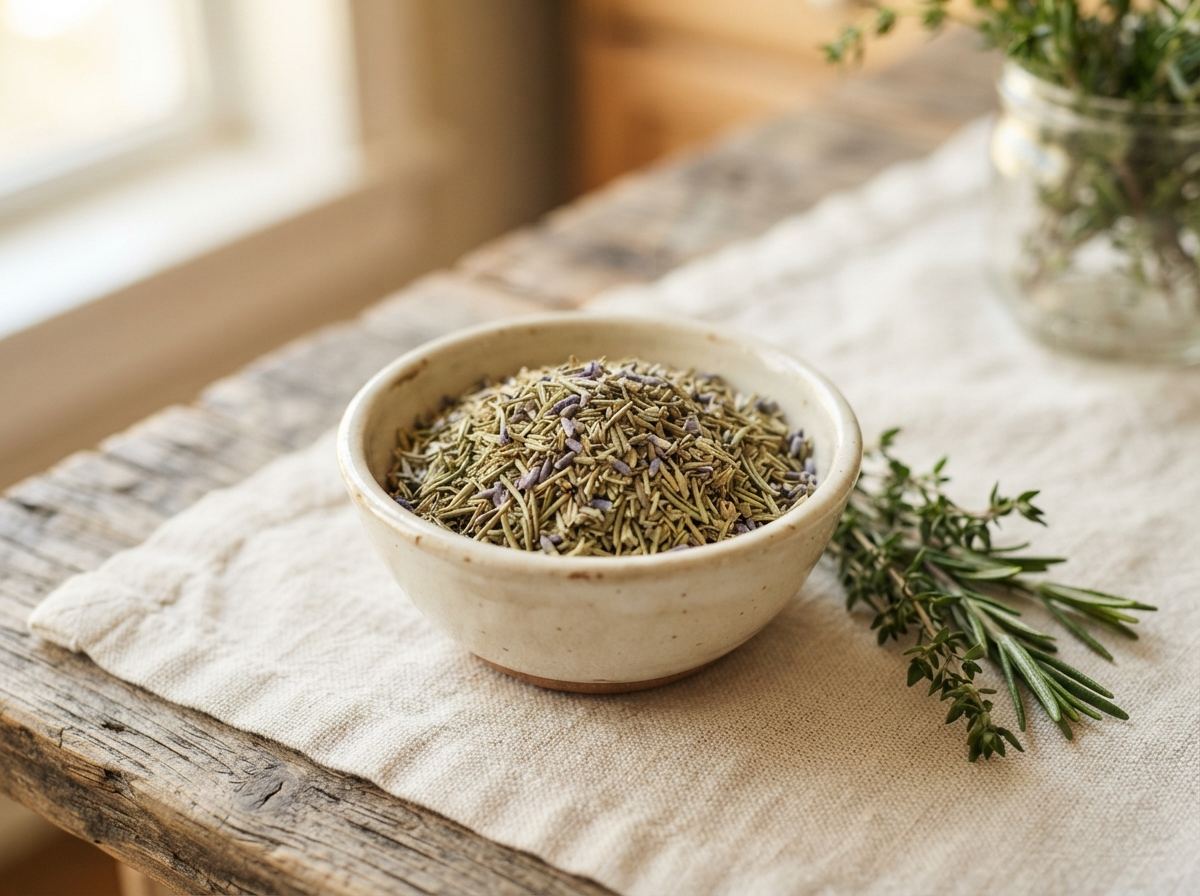
The dried hillside that walks into a French roast: thyme, savory, rosemary, and the memory of summer.
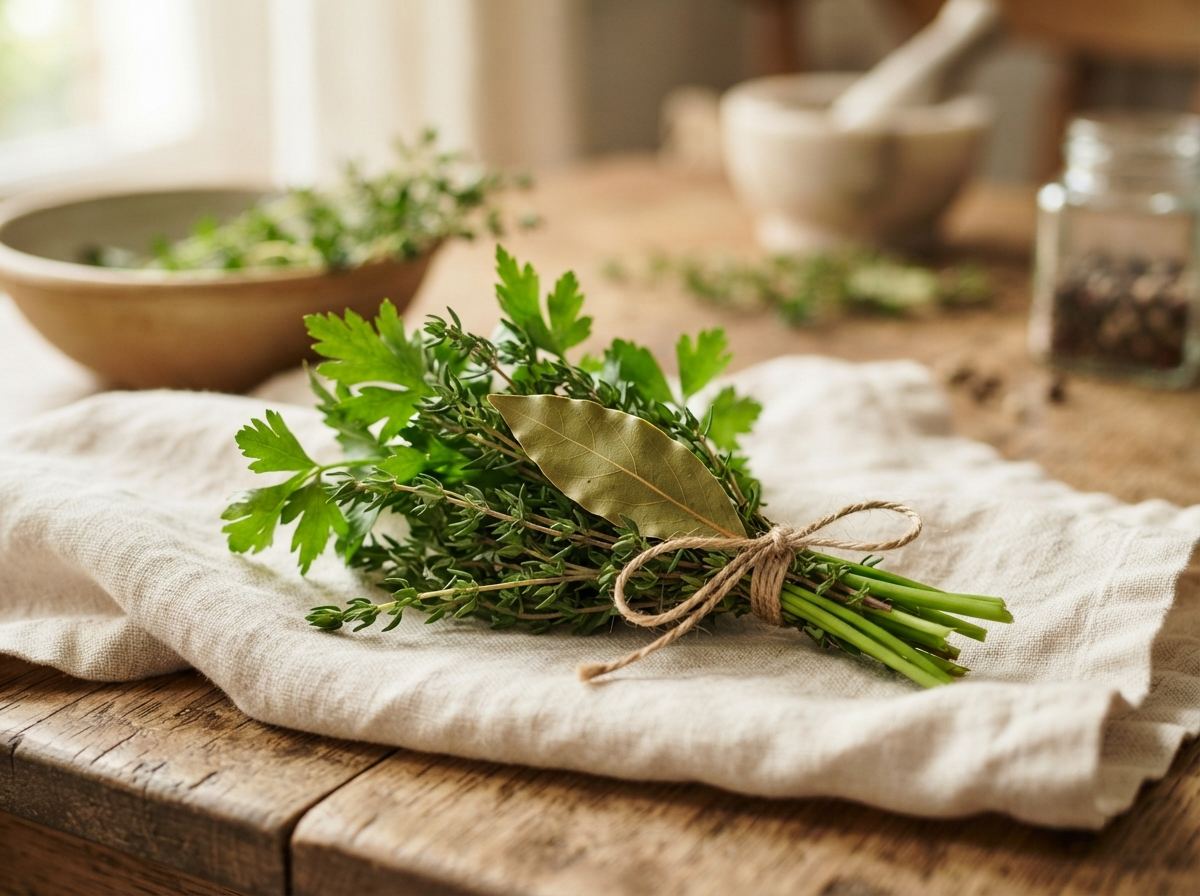
A tied bunch that flavors a pot and then leaves — thyme, bay, and parsley on a string.
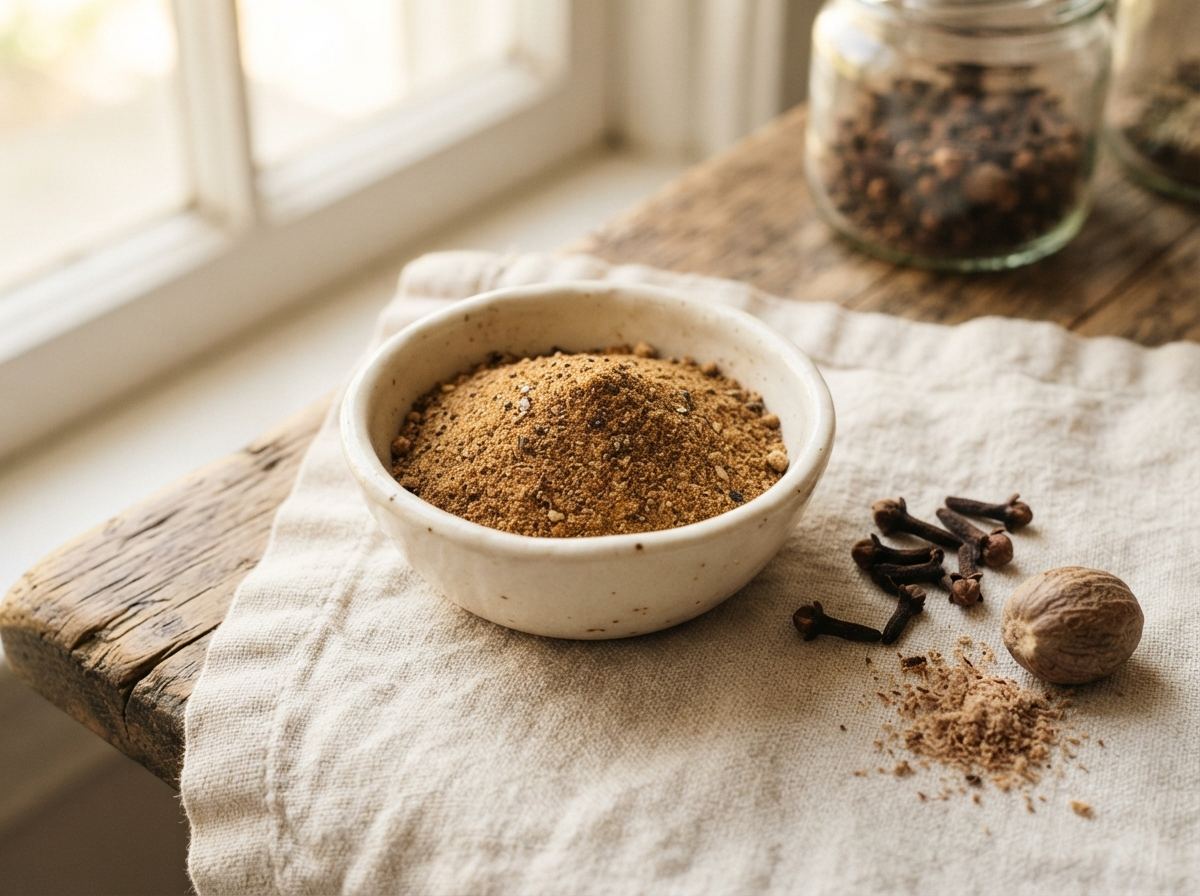
Four spices that taste like French sausage and gingerbread at once: pepper, clove, nutmeg, ginger.
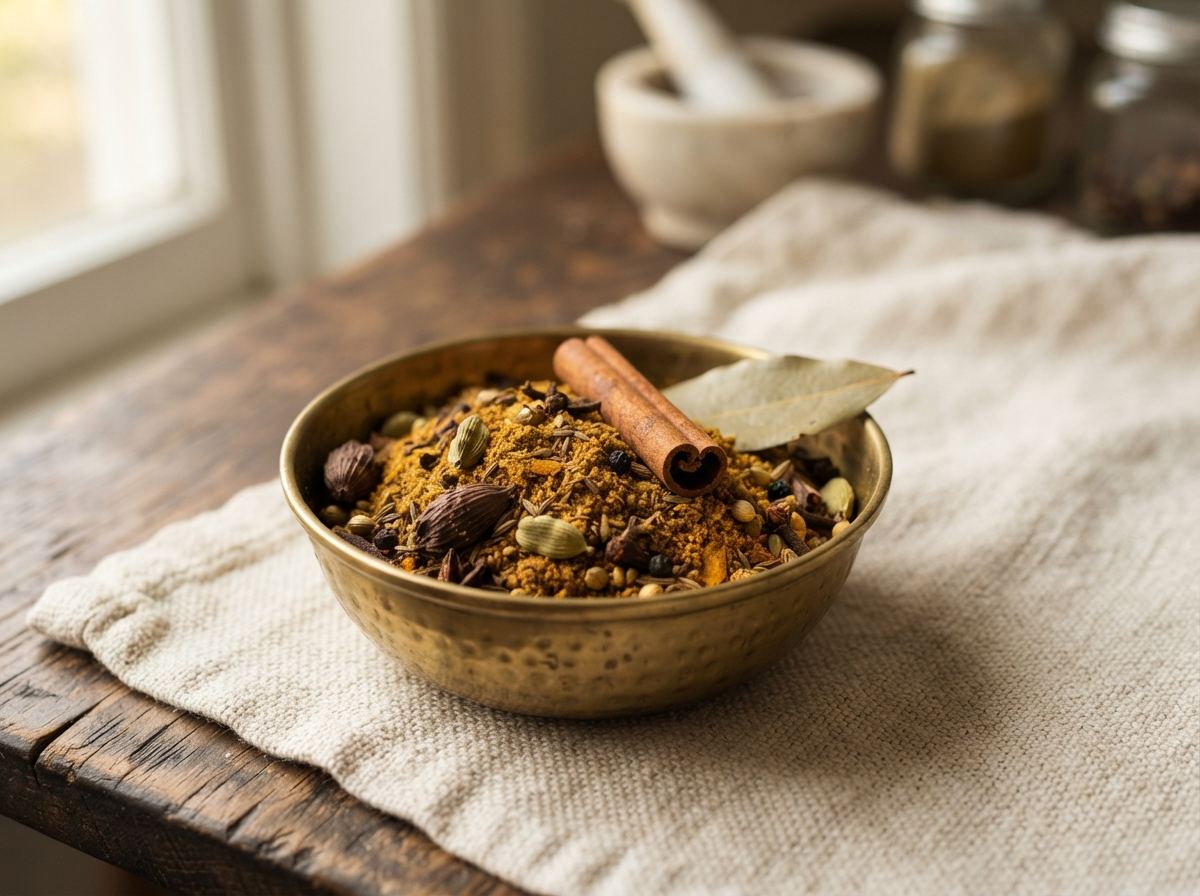
The whole-spice blend that makes a pot of rice smell like a celebration.