
Pantry · Flavorings
Tahini
Sesame turned into a sauce: hummus, a dressing, a drizzle, and the jar the books open in twenty kitchens.
The journey
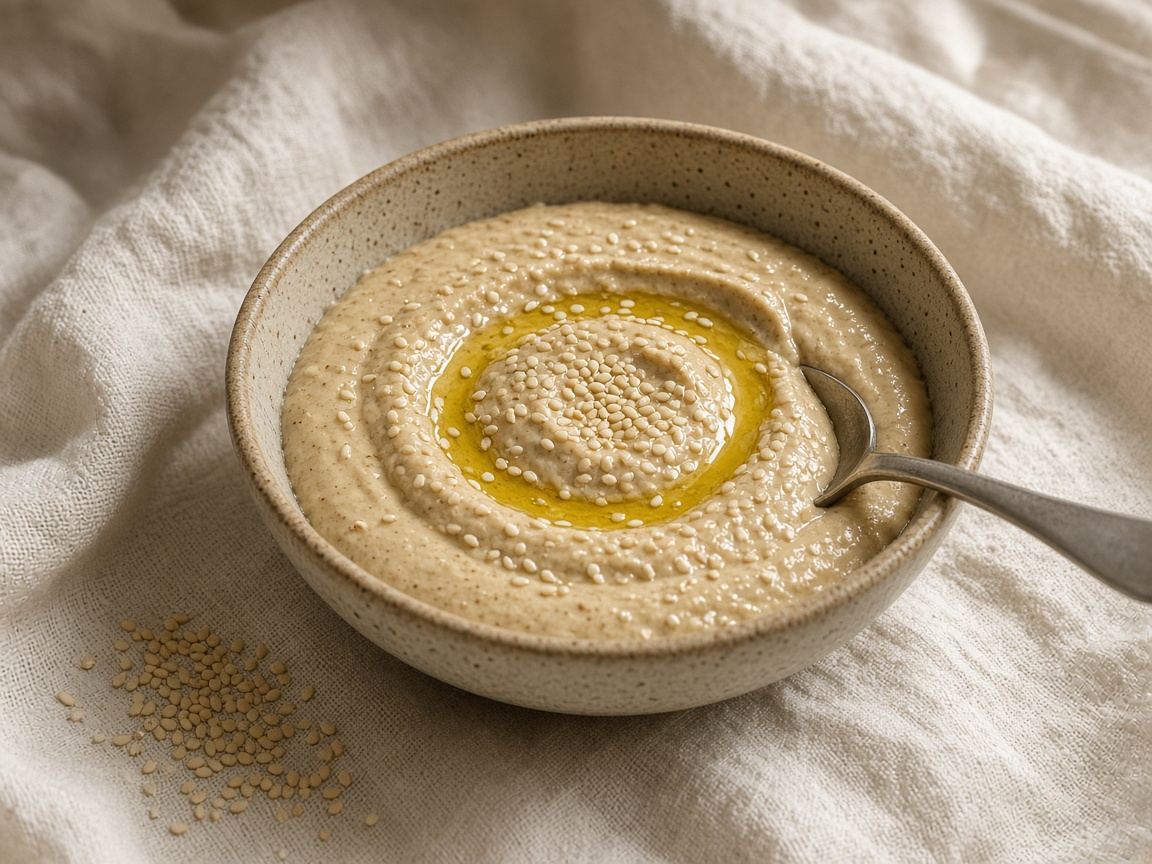
Tahini is what happens when sesame is not a garnish. Levantine, Ethiopian, and a dozen other kitchens in the series grind the seed into a paste that can be bitter, nutty, or almost sweet depending on the roast. Fifty-eight recipes name it. That is a pantry, not a trend.
Chinese sesame paste is a toasted cousin. Japanese neri goma is another. This page is the Levantine jar the books mean unless they say otherwise.
In the kitchen
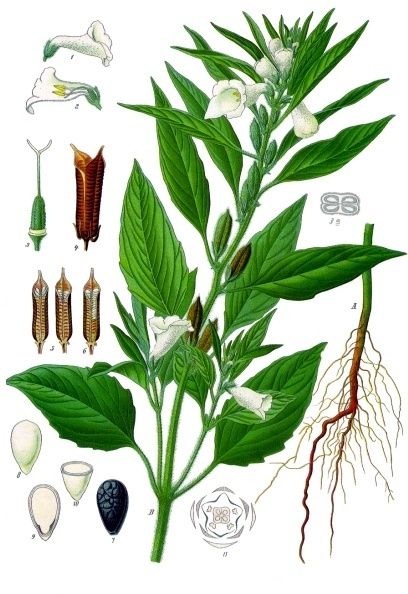
Stir the oil back in. Thin with lemon and water for a sauce, or fold into hummus. If it tastes only bitter, the sesame was burnt or the jar is old.
A spoon on roasted vegetables is already a meal. Garlic and salt are the rest.
Healers and the table
Levantine and Ethiopian tables treated sesame paste as strengthening food. Halva and a tahini sauce are that idea.
Tahini on bread is lunch. It is not medical advice.
Traditional uses are part of the story of this spice. They are not medical advice.