
Pantry · Chiles
Chile de árbol
The slender red chile that turns a table salsa into a warning: clean heat, little fruit, no apology.
The journey
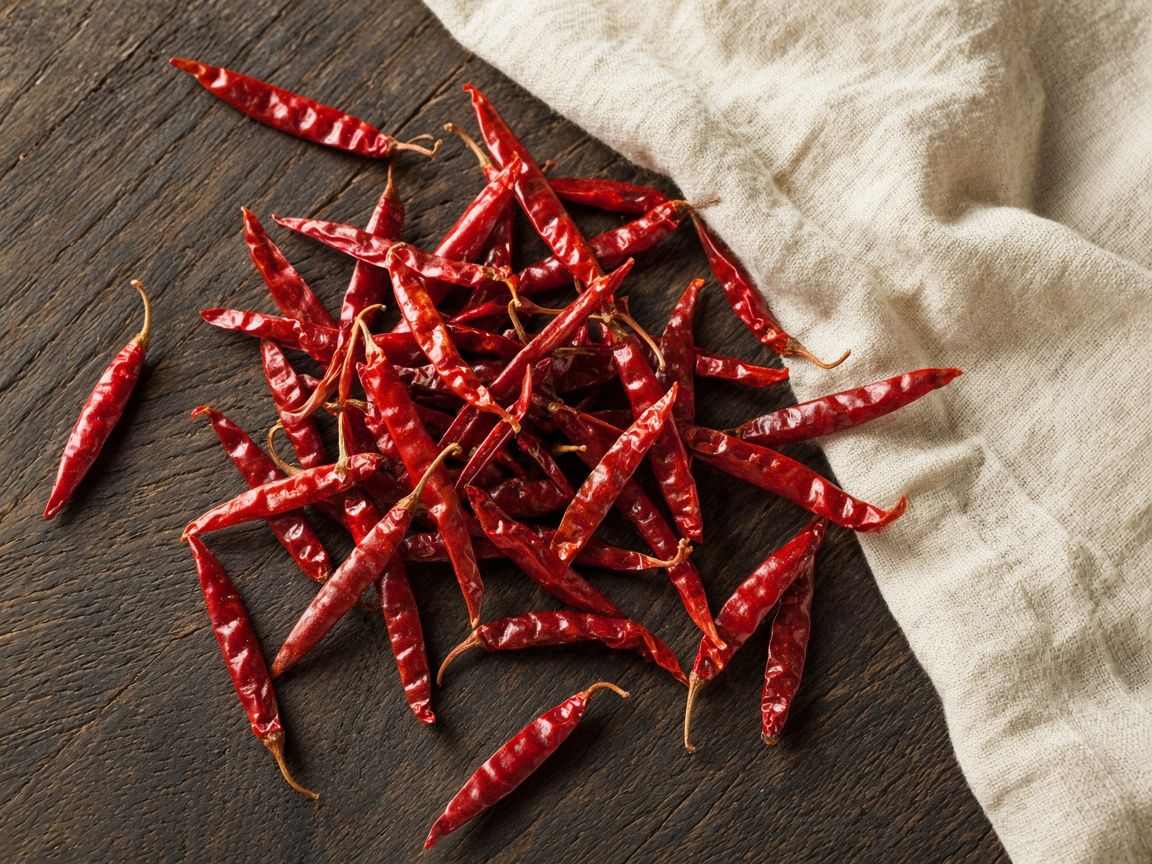
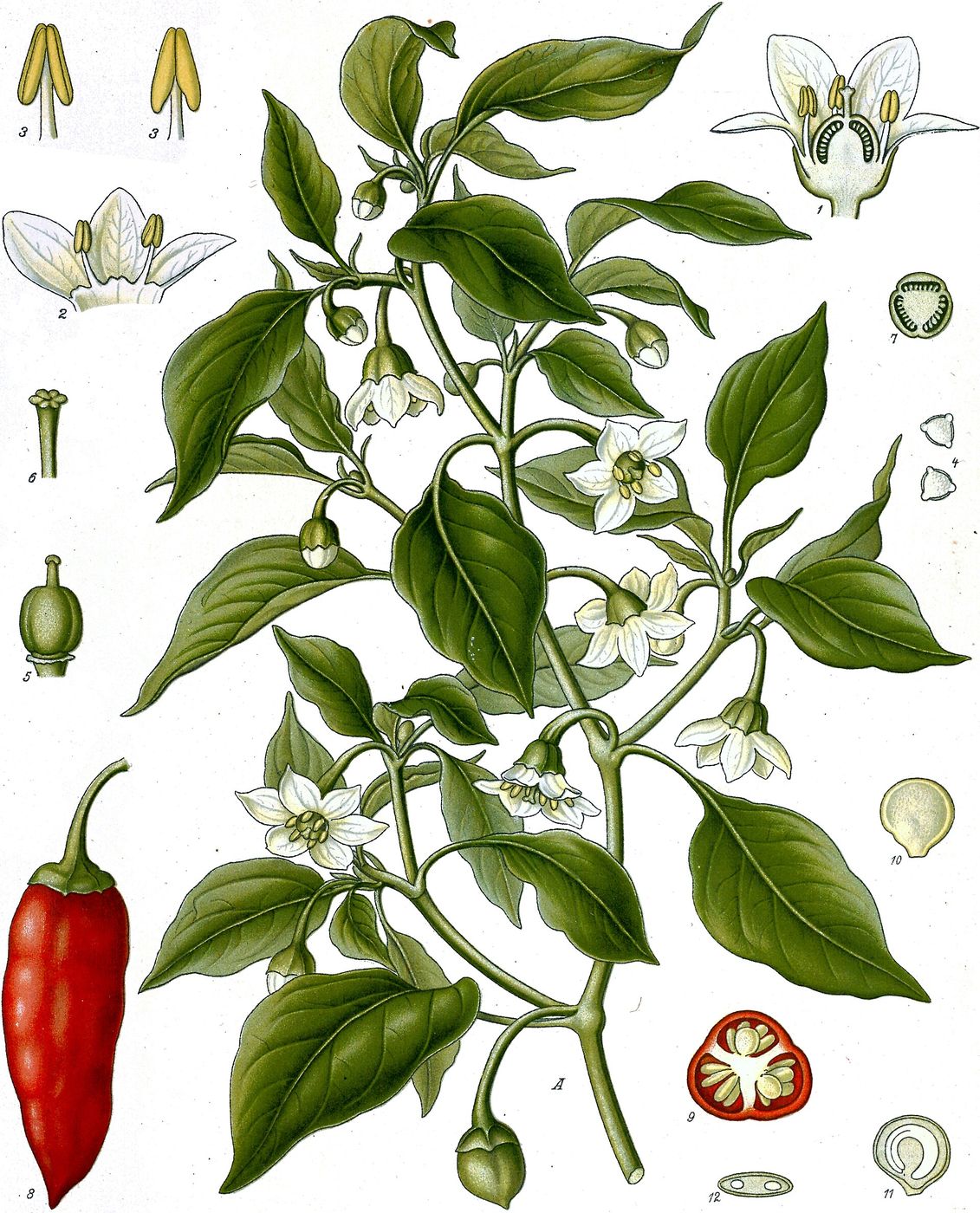
Árbol means tree — the plant stands taller and woodier than a jalapeño bush. Dried, the pods stay skinny and scarlet. They are the heat in many bottled salsas and in the oil some taquerías keep by the napkins.
Eight recipes in the Mexican book use it. Where guajillo is body and ancho is sweetness, árbol is the line you cross on purpose.
In the kitchen
Toast briefly and grind for a rust-red powder, or fry in oil for a salsa that keeps. A few pods in a pot of beans will announce themselves.
Do not confuse it with cayenne from a jar unless you have tasted both. Árbol is brighter. Cayenne is dustier. Use what you have, and say so.
Healers and the table
Hot thin chiles were the folk answer to a dull winter meal and to a stuffed nose. The burn is the point and the limit.
Árbol in salsa is cooking. It is not medical advice.
Traditional uses are part of the story of this spice. They are not medical advice.