
Pantry · Chiles
Piri-piri
A tiny chile that crossed the Atlantic twice: New World plant, African name, Portuguese table.
The journey
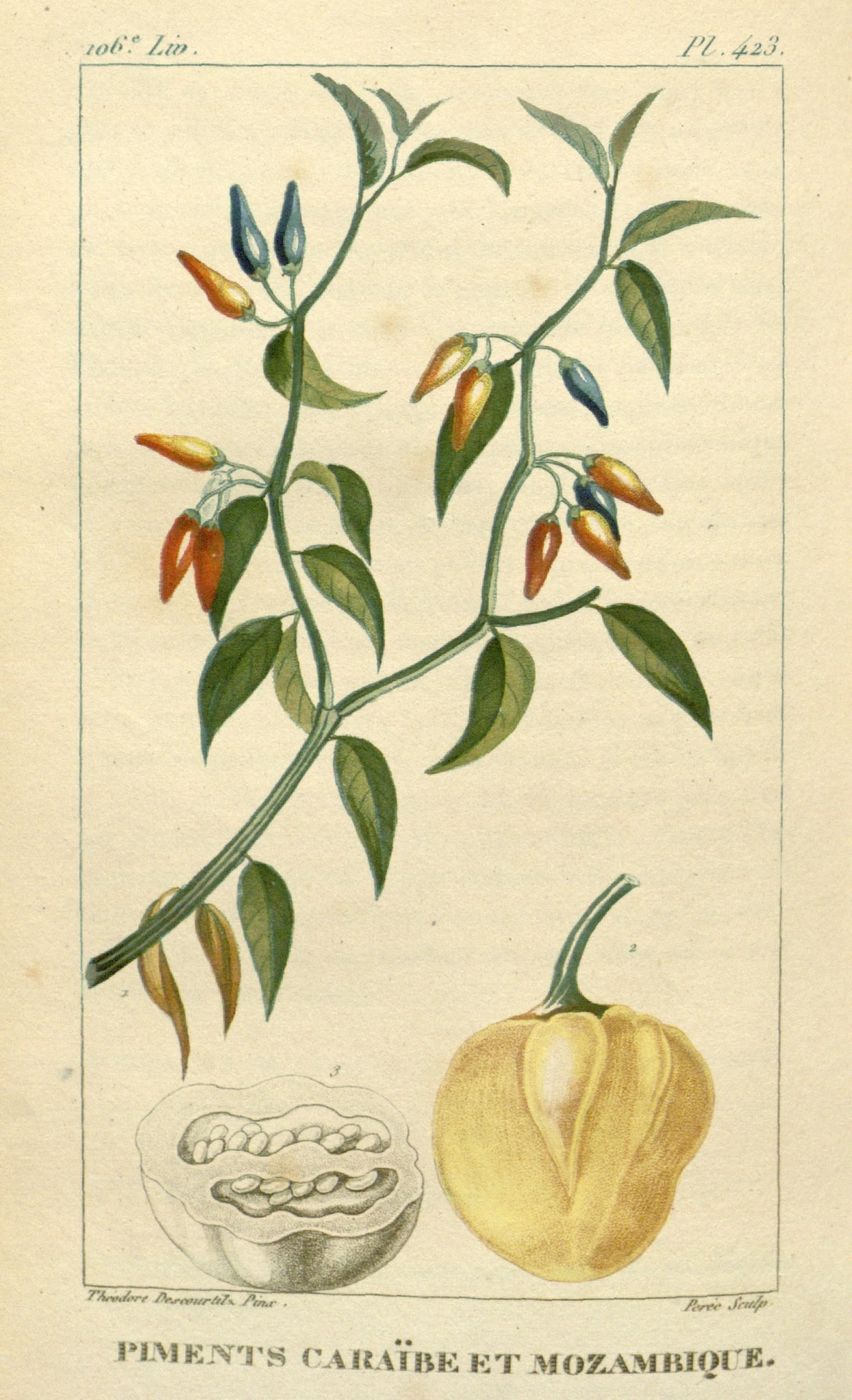
Capsicum left the Americas with the Portuguese and found a second home in Africa. Piri-piri — from a word for pepper used along the Swahili and Central African coasts — became the heat of grilled chicken, seafood, and a bottle on the table in Lisbon and Luanda alike.
In the series it is Portuguese and Ethiopian: 21 recipes. Ethiopia has its own chile culture; the books also catch the Portuguese bird chile that went to Africa and came home as a sauce. The plant is small. The history is not.
In the kitchen
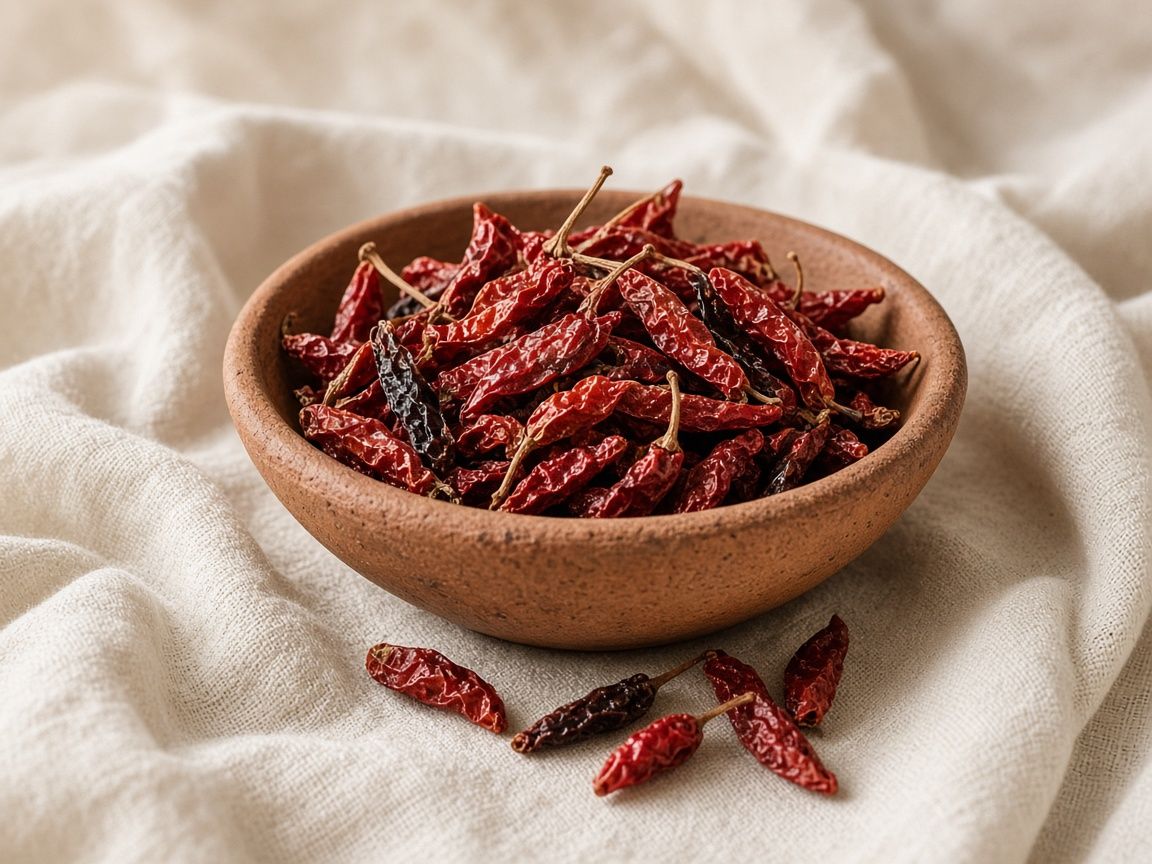
Fresh or dried, it is sharp and clean. For a sauce, blend with garlic, lemon, oil, and bay. For a stew, a few pods in the pot are enough.
Store-bought peri-peri sauce is a cousin. Taste it. If it is only vinegar and red color, make your own.
Healers and the table
African and Portuguese home kitchens used small hot chiles the way other houses used pepper: to wake a dull appetite and to keep food from tasting tired.
A dash on grilled chicken is supper. It is not medical advice.
Traditional uses are part of the story of this spice. They are not medical advice.