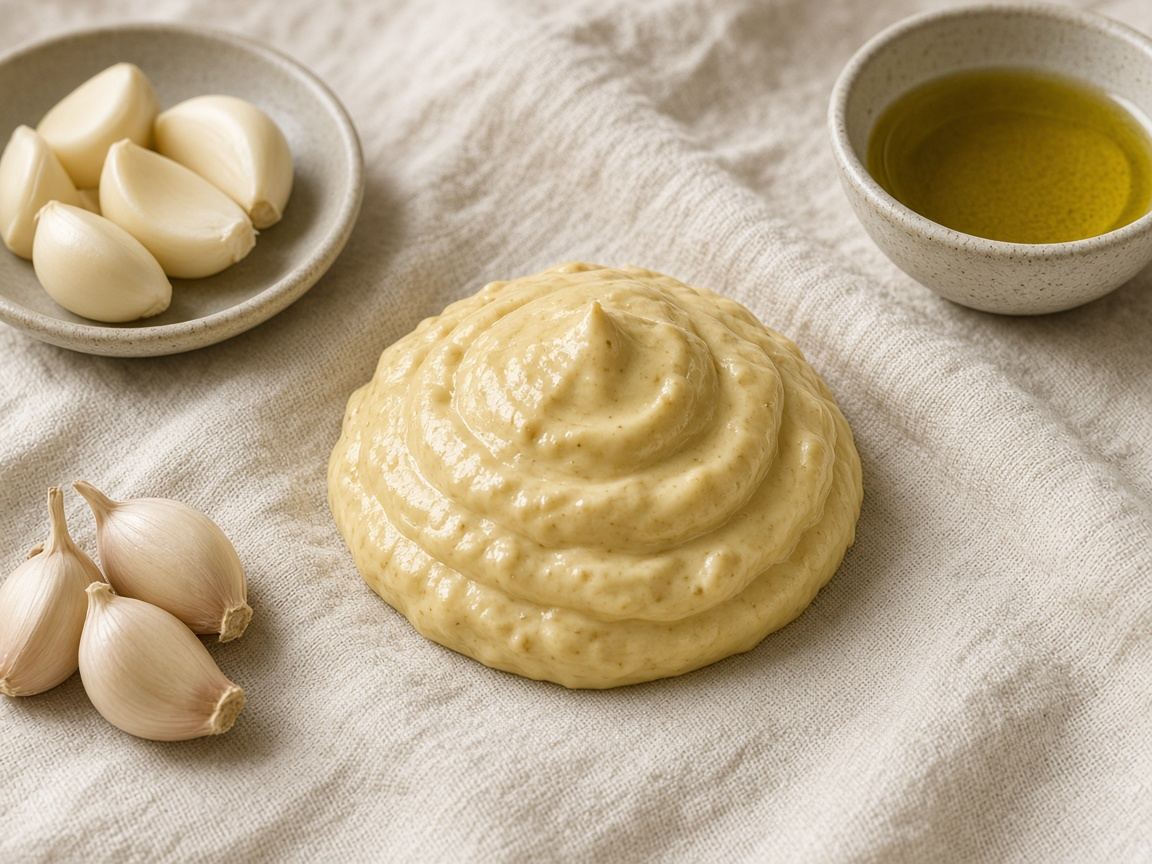
Alioli
Catalan garlic and oil, pounded until it stands — mayonnaise is a cousin, not the same.
Every mix, leaf, chile, fat, and spice French cooking names in the International Cuisines series — the full shelf a home cook actually reaches for.
The French shelf from the book: what the recipes assume, what the free pages smell like, and what belongs next to the hearths of this kitchen.
Back to French cooking · Open French cookware · The full pantry
Catalan garlic and oil, pounded until it stands — mayonnaise is a cousin, not the same.
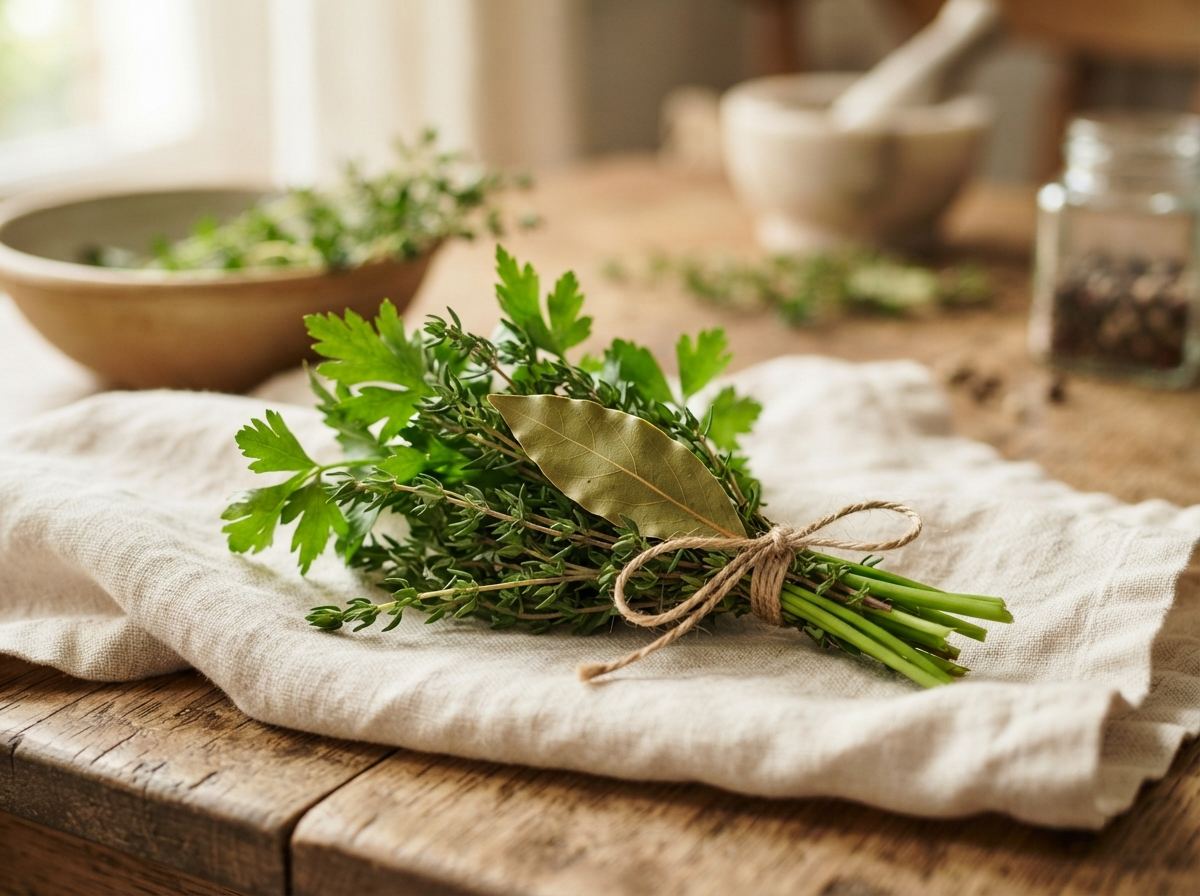
A tied bunch that flavors a pot and then leaves — thyme, bay, and parsley on a string.
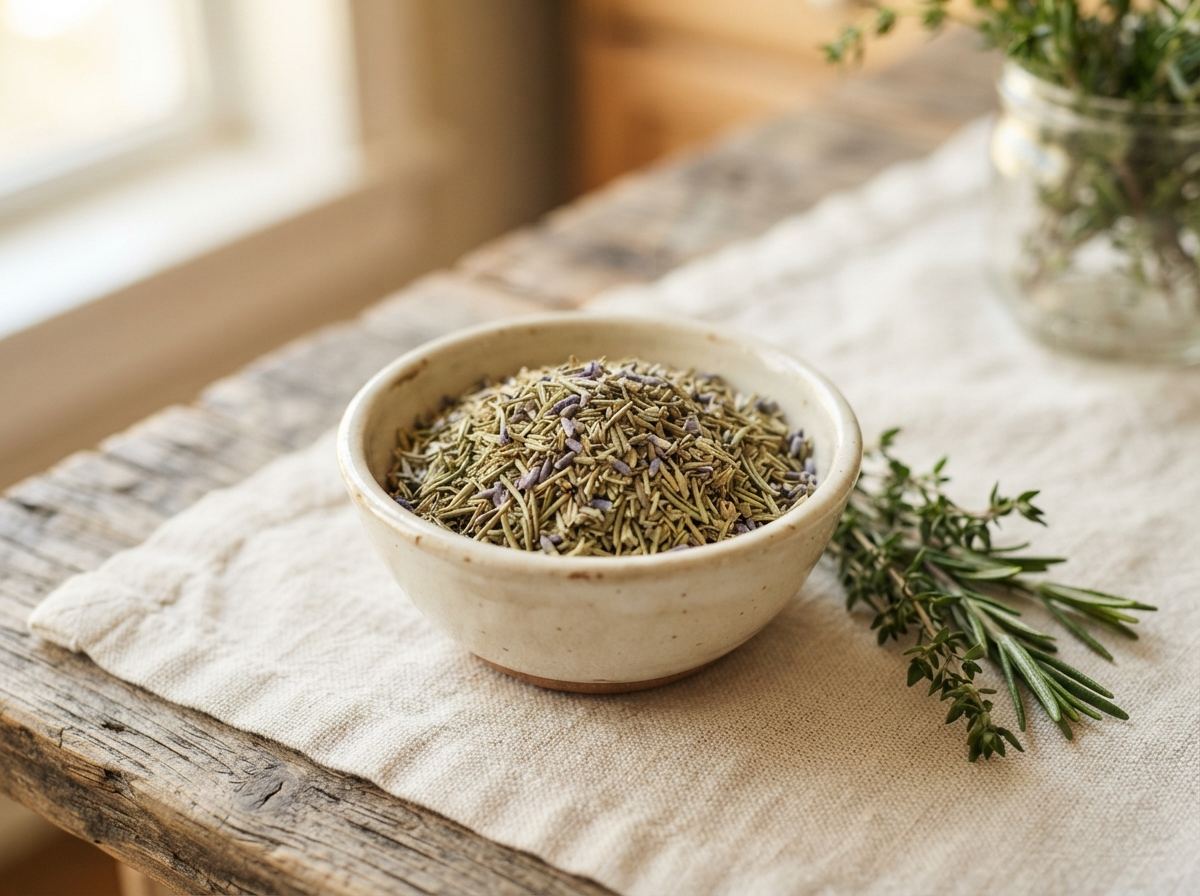
The dried hillside that walks into a French roast: thyme, savory, rosemary, and the memory of summer.
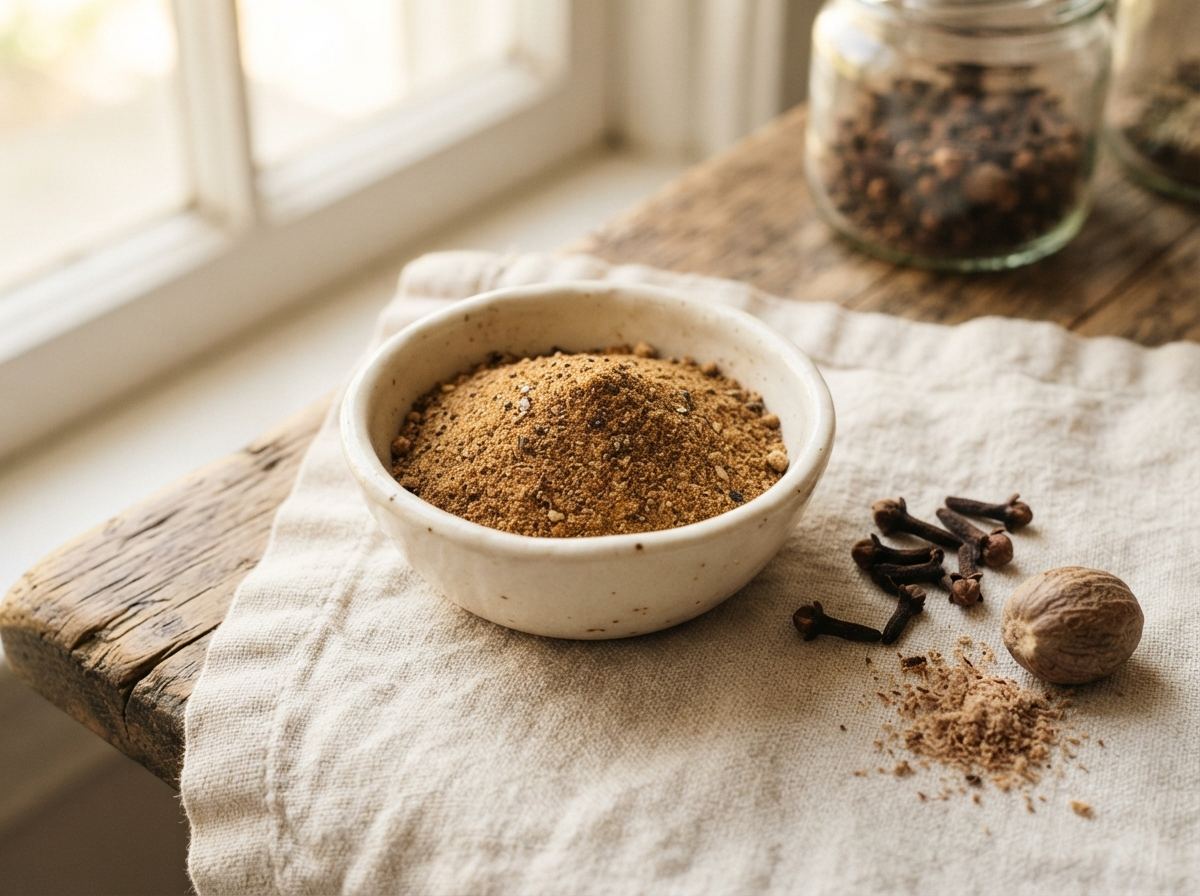
Four spices that taste like French sausage and gingerbread at once: pepper, clove, nutmeg, ginger.
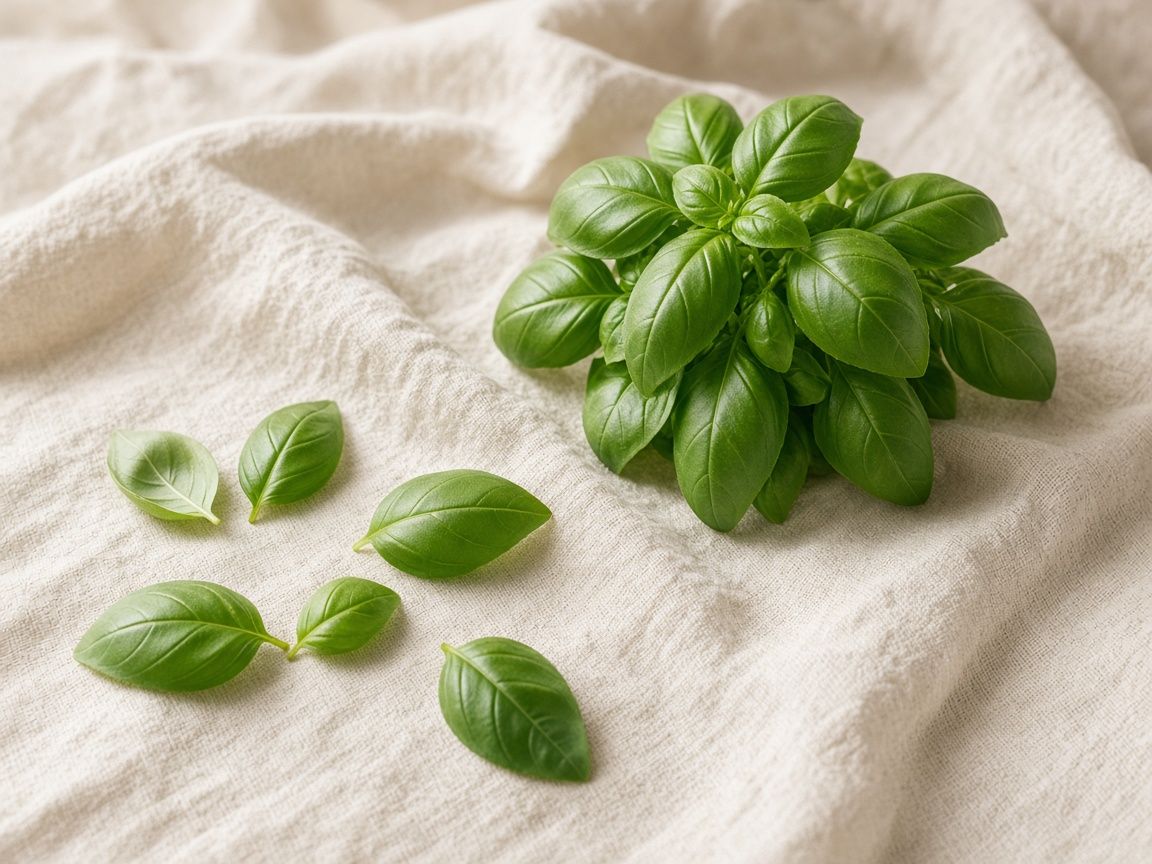
One name, many plants: the sweet leaf of pesto, the anise leaf of Thai curries, the holy leaf of Indian kitchens.
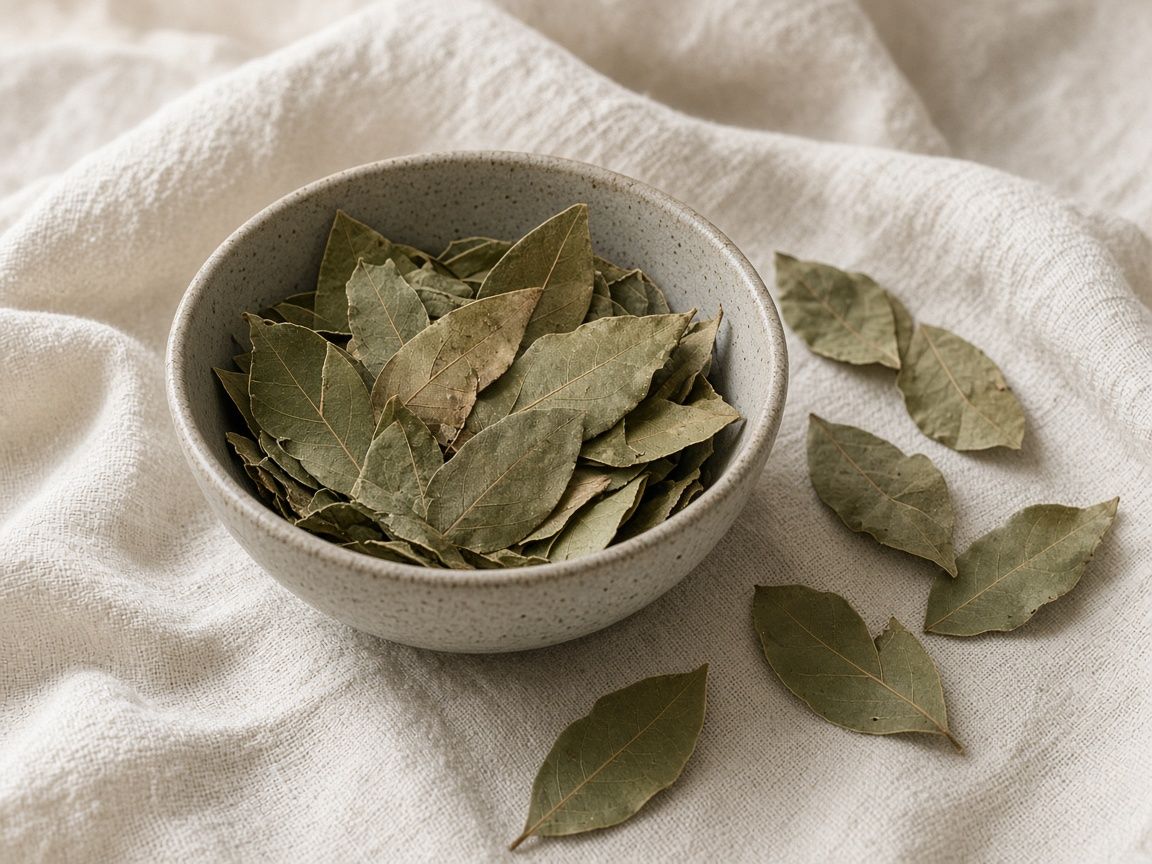
The leaf you never eat and always miss if it is gone: 29 kitchens in the series drop it into a pot and fish it out later.
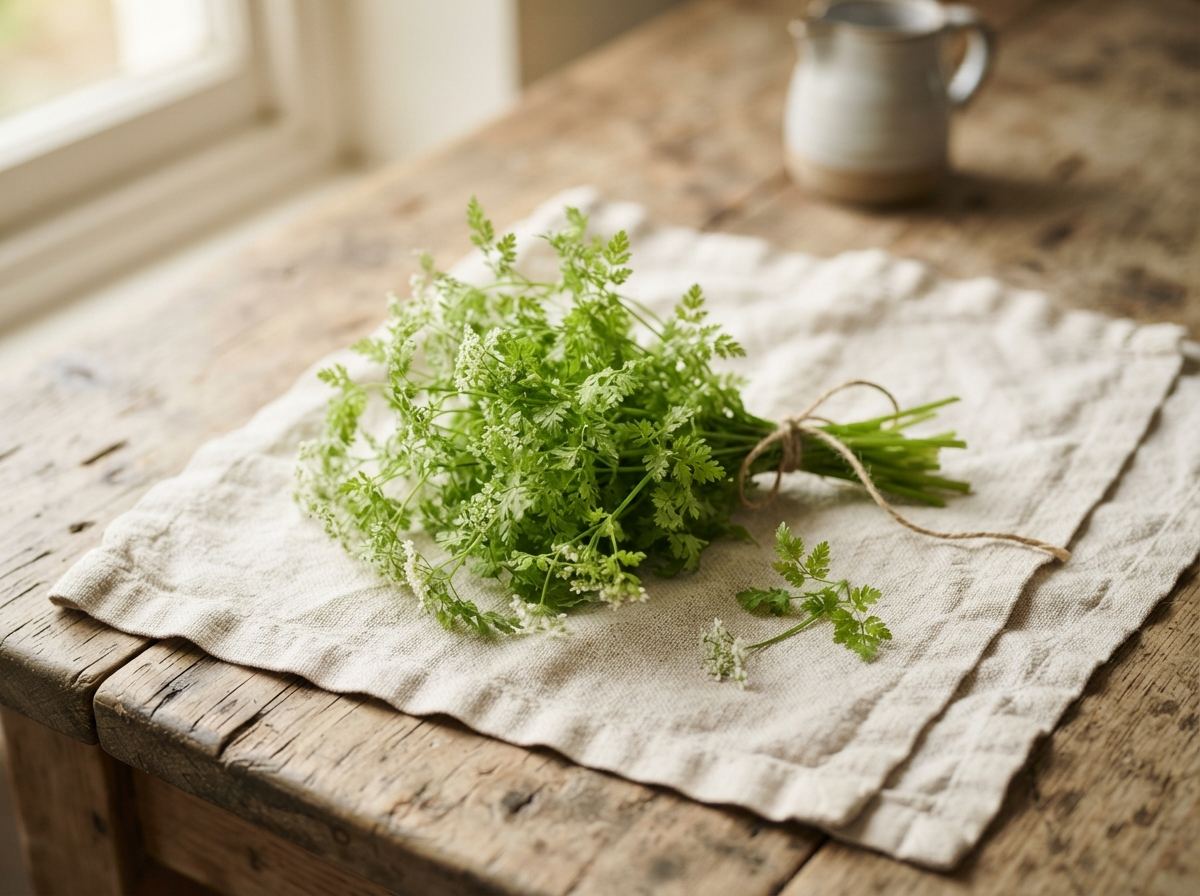
The delicate parsley of spring — a French fines-herbes leaf that hates a long simmer.
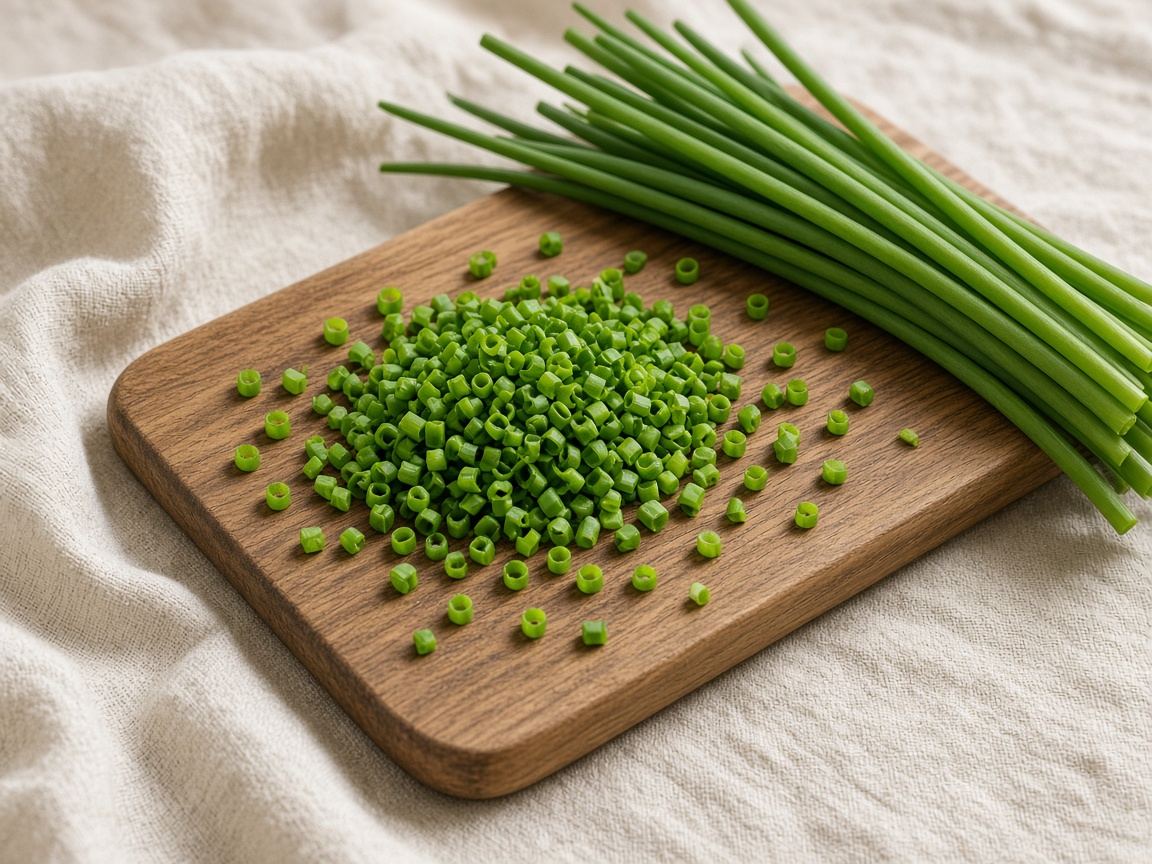
A green onion you do not cook hard: the last snip on eggs, a soup, and a Thai or German plate that wants freshness.
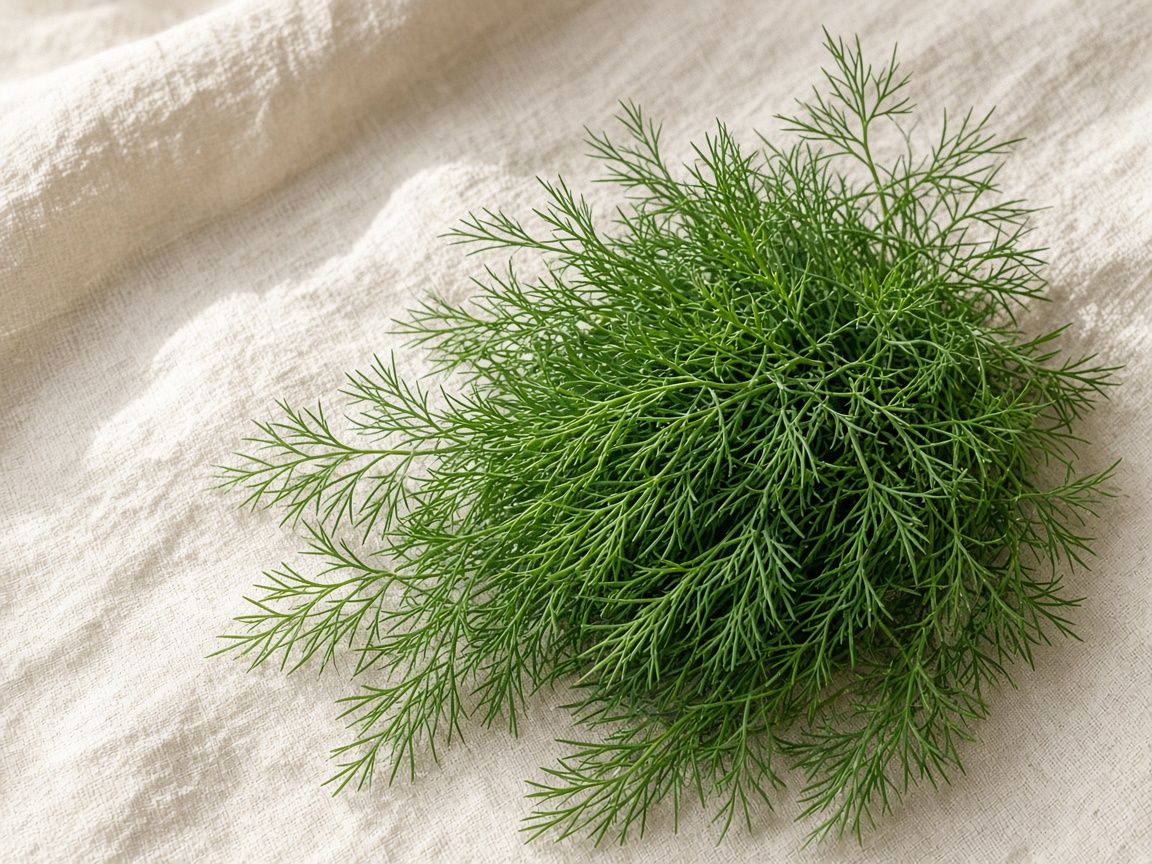
The feathery green of pickles, yogurt, and fish — and, in this series, of 23 kitchens that refuse to treat it as only a Northern herb.
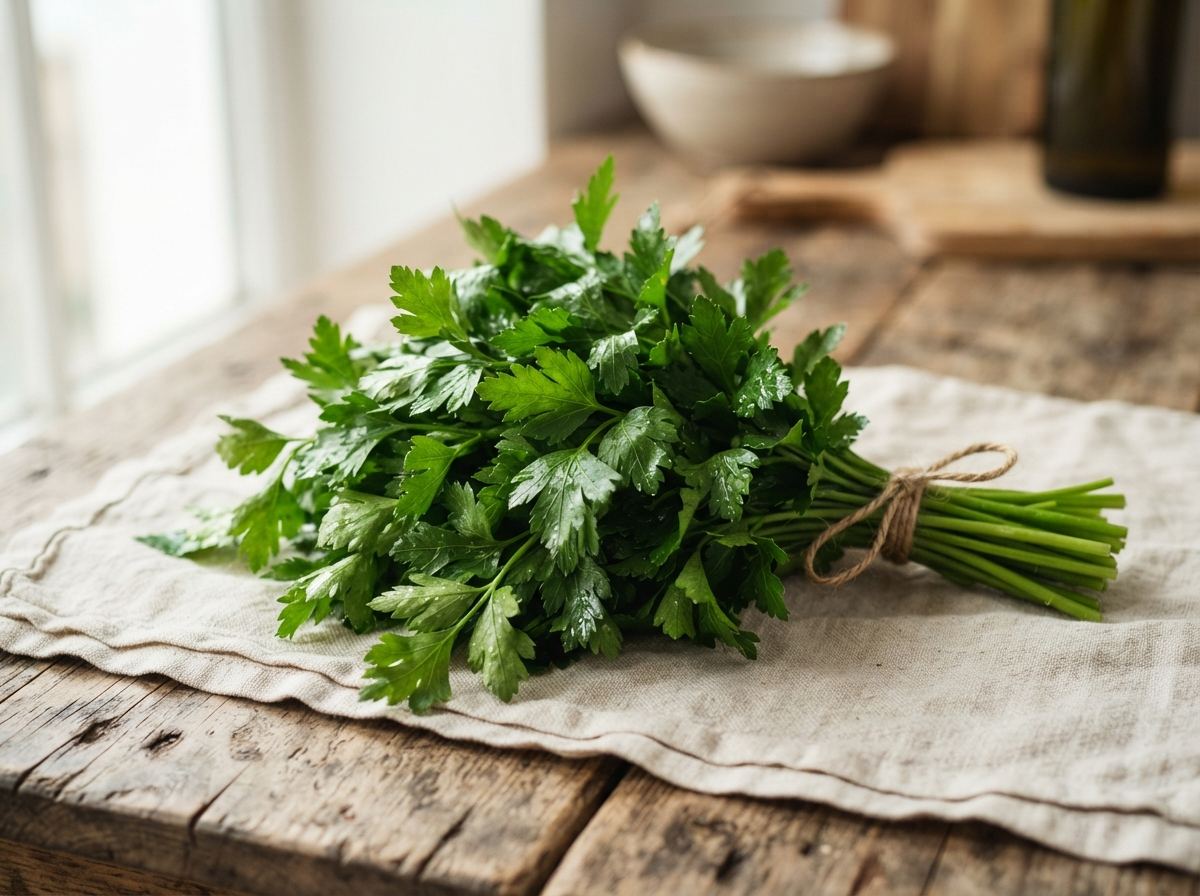
Italian parsley: flatter, louder, the bunch that finishes a tagine and a gremolata.
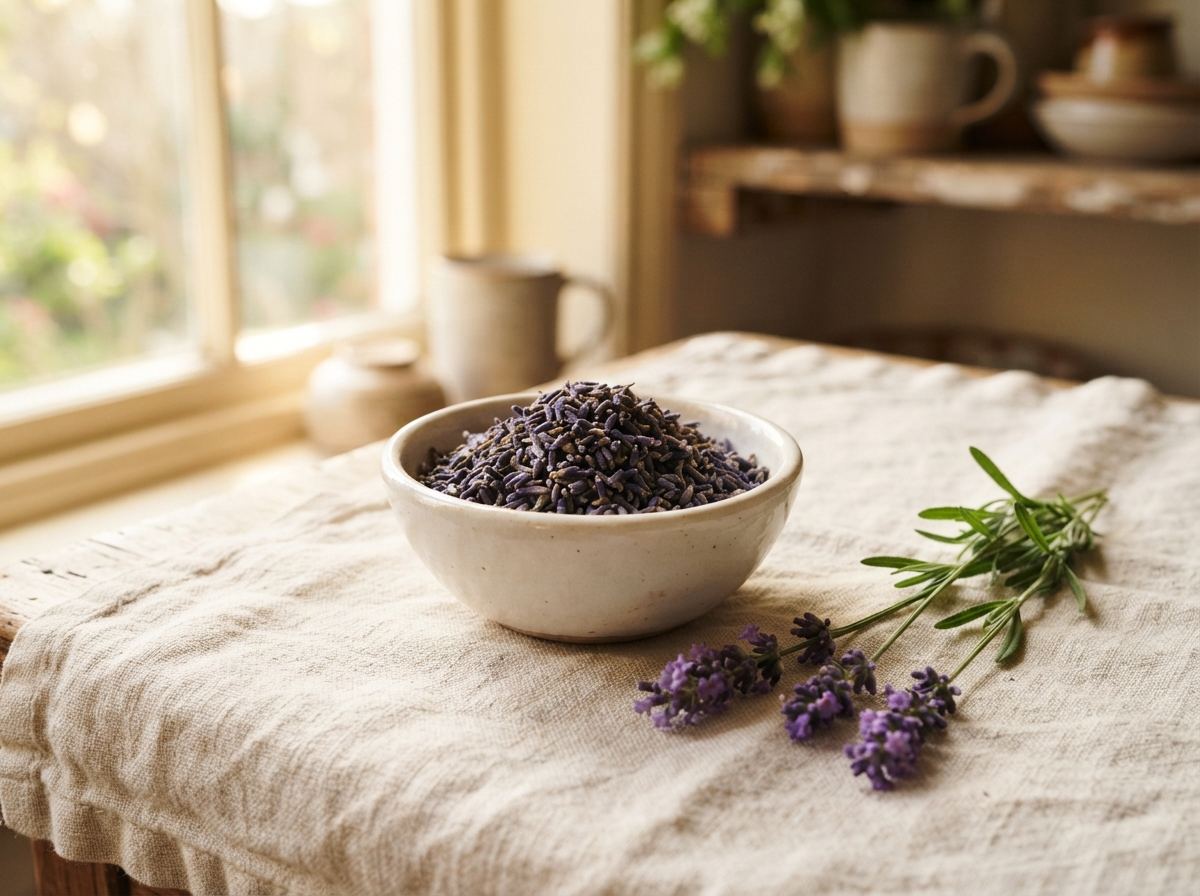
Flower as spice — a pinch in herbes de Provence, a warning if you add a handful.
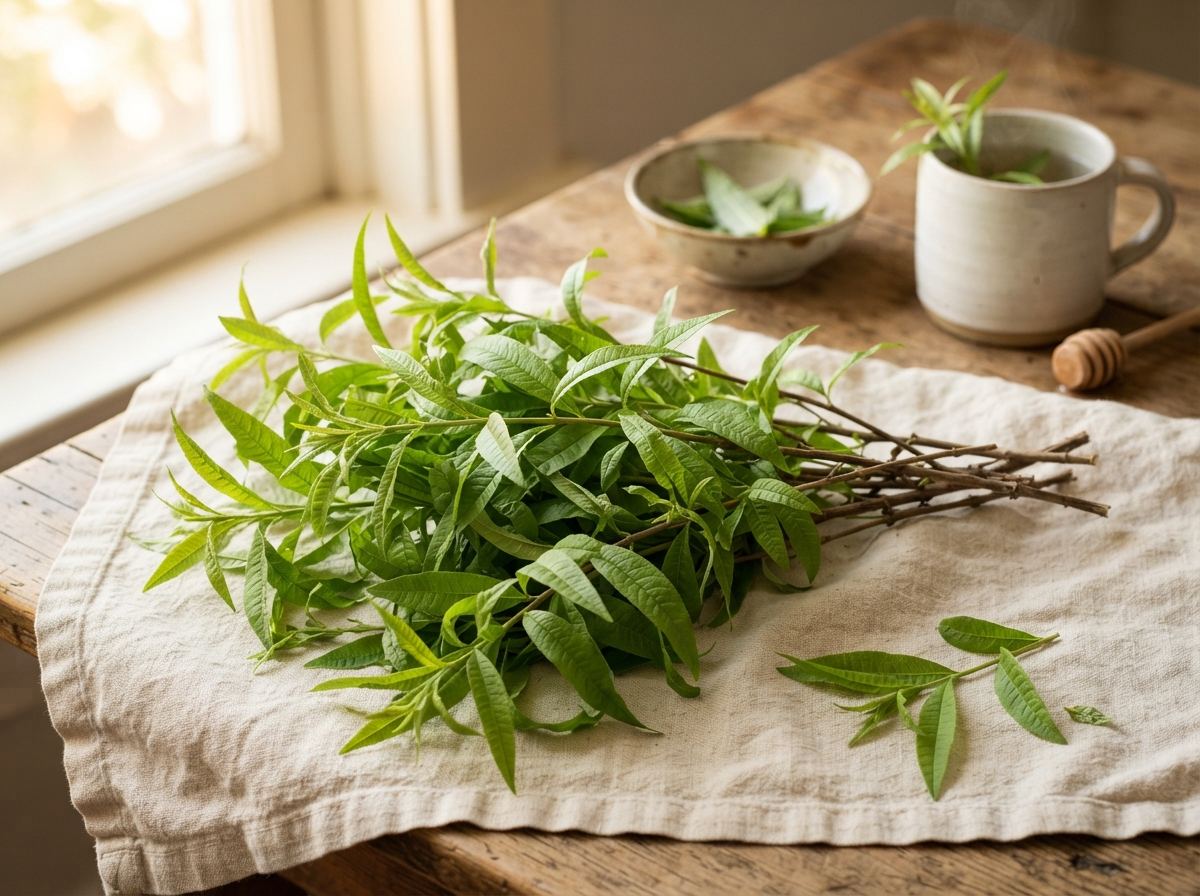
The herb the books still call Lemon verbena — a working jar, not a garnish word.
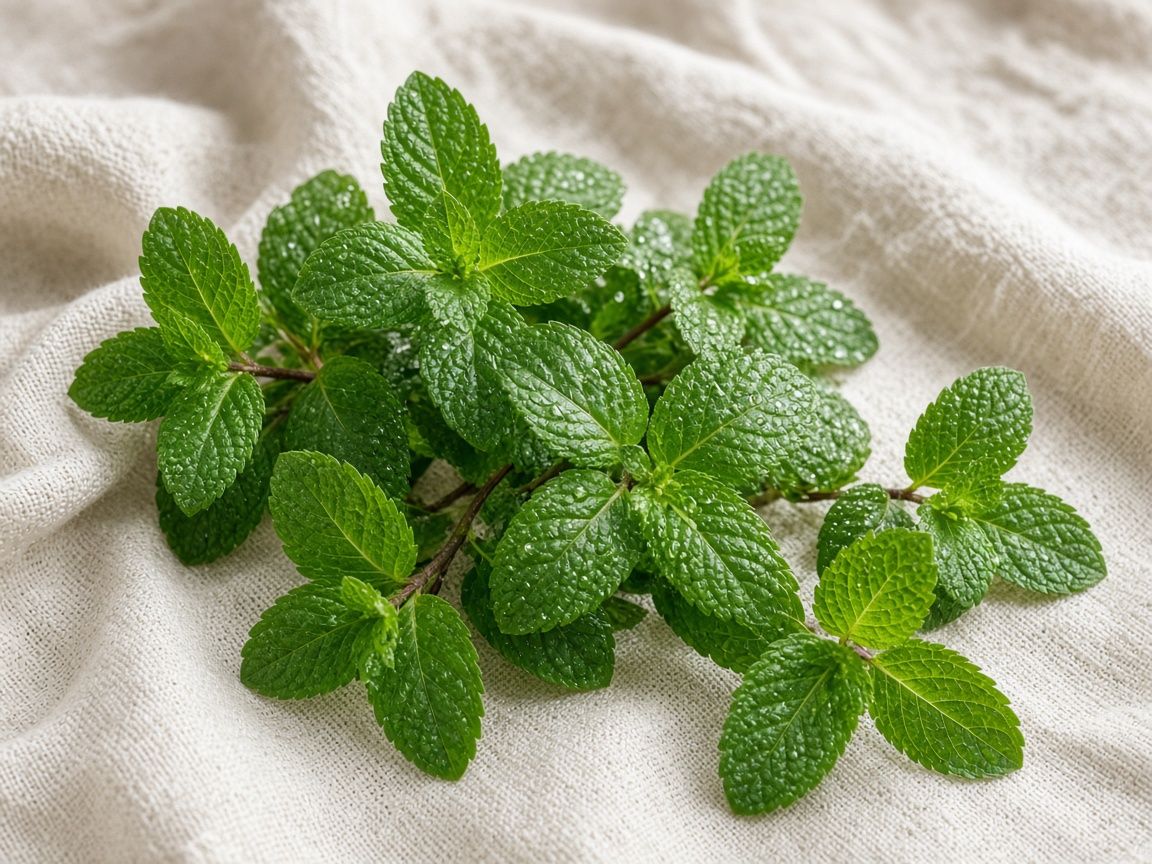
The cool leaf of tea trays, chutneys, and lamb: a plant that refuses to stay in one garden bed or one continent.
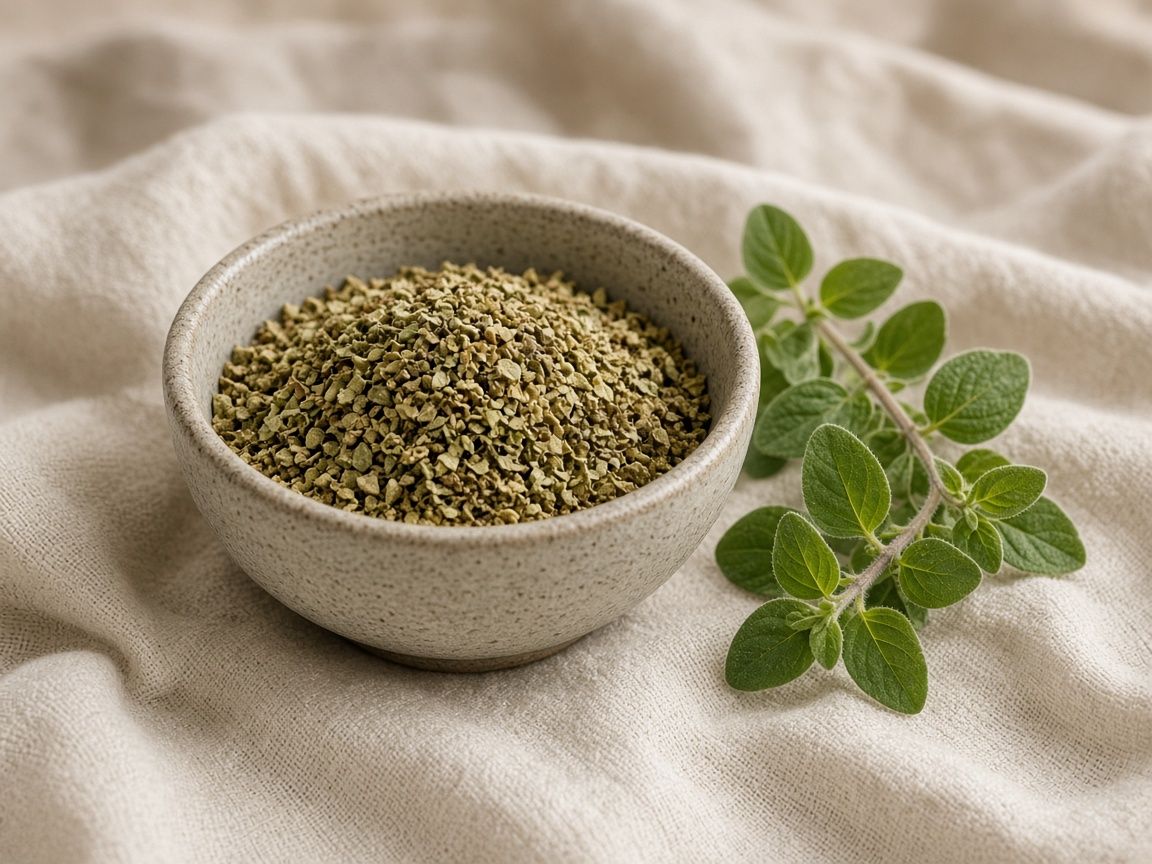
The pizza-and-souvlaki herb that is stronger dried than fresh — a rare plant that prefers the jar.
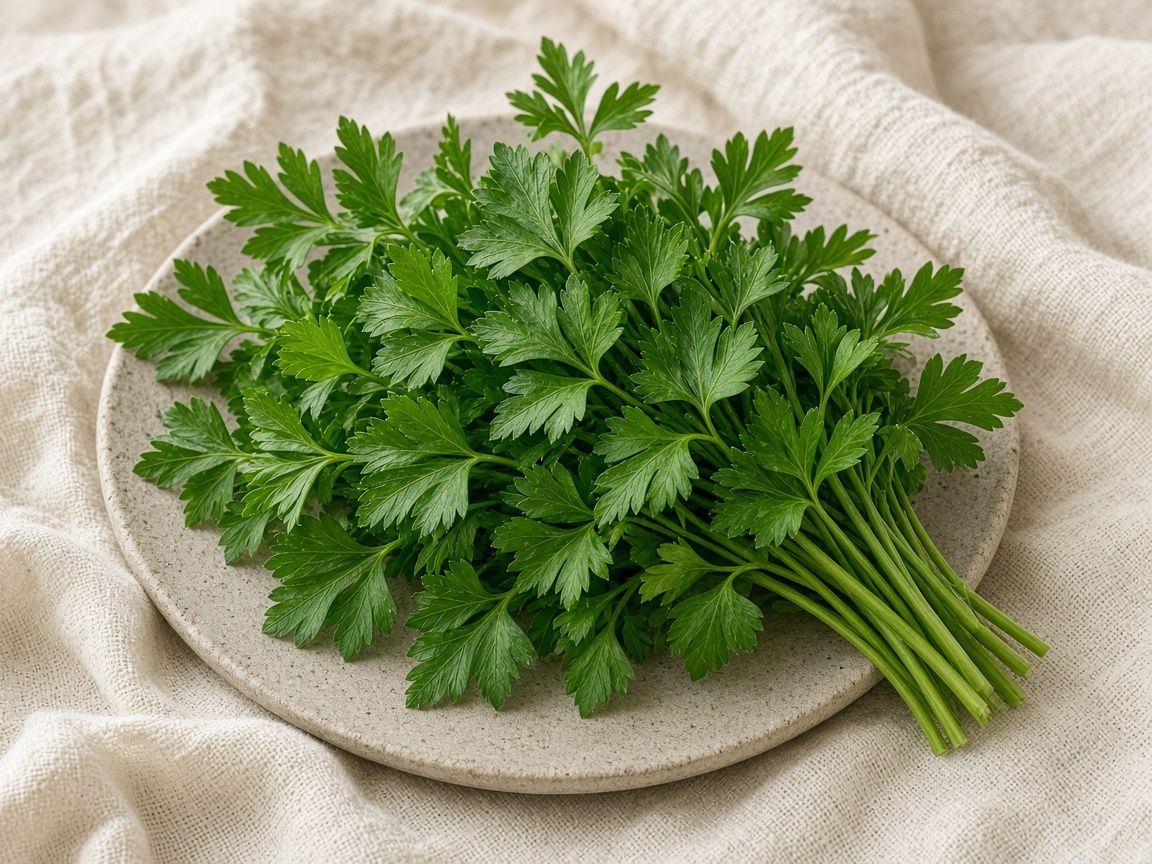
The green that finishes a pot in 27 of the 30 books: not a garnish, a last bright note.
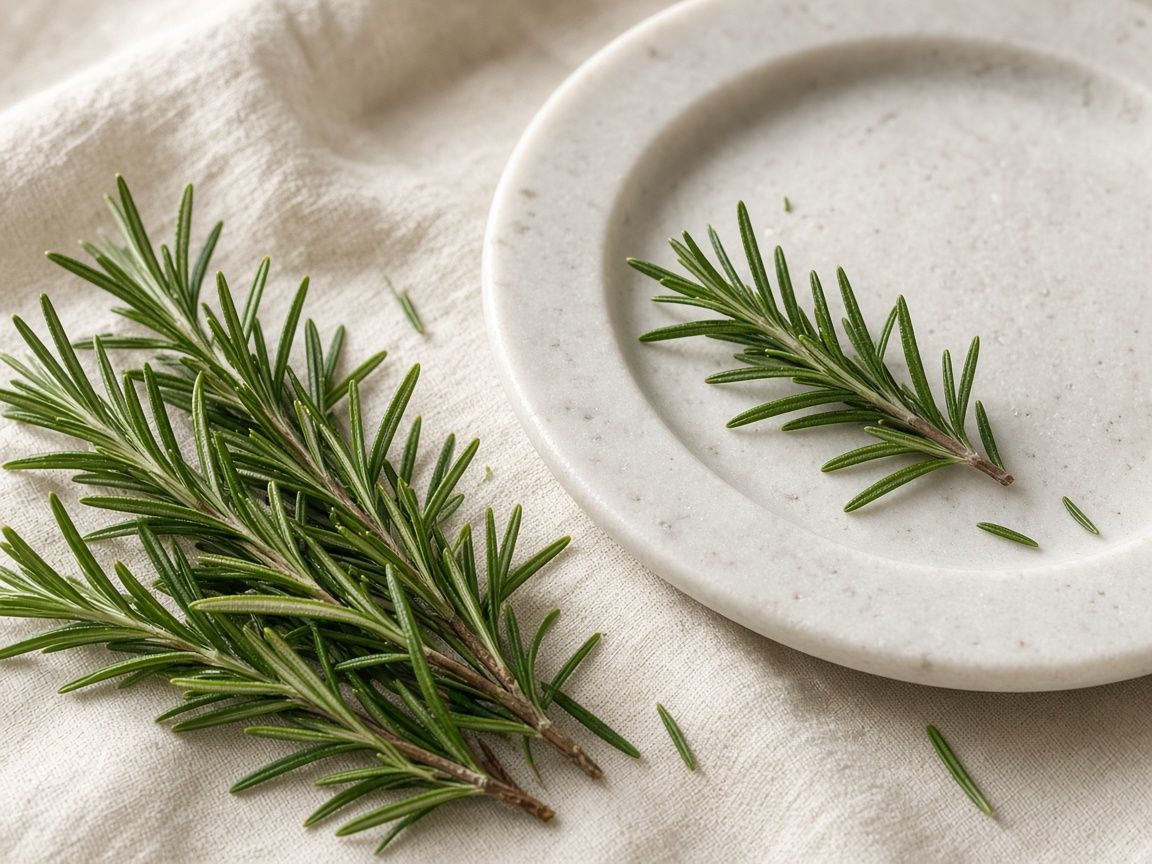
The pine-scented needle of roast meats and memory — 'rosemary for remembrance,' and for a chicken that needs a backbone.
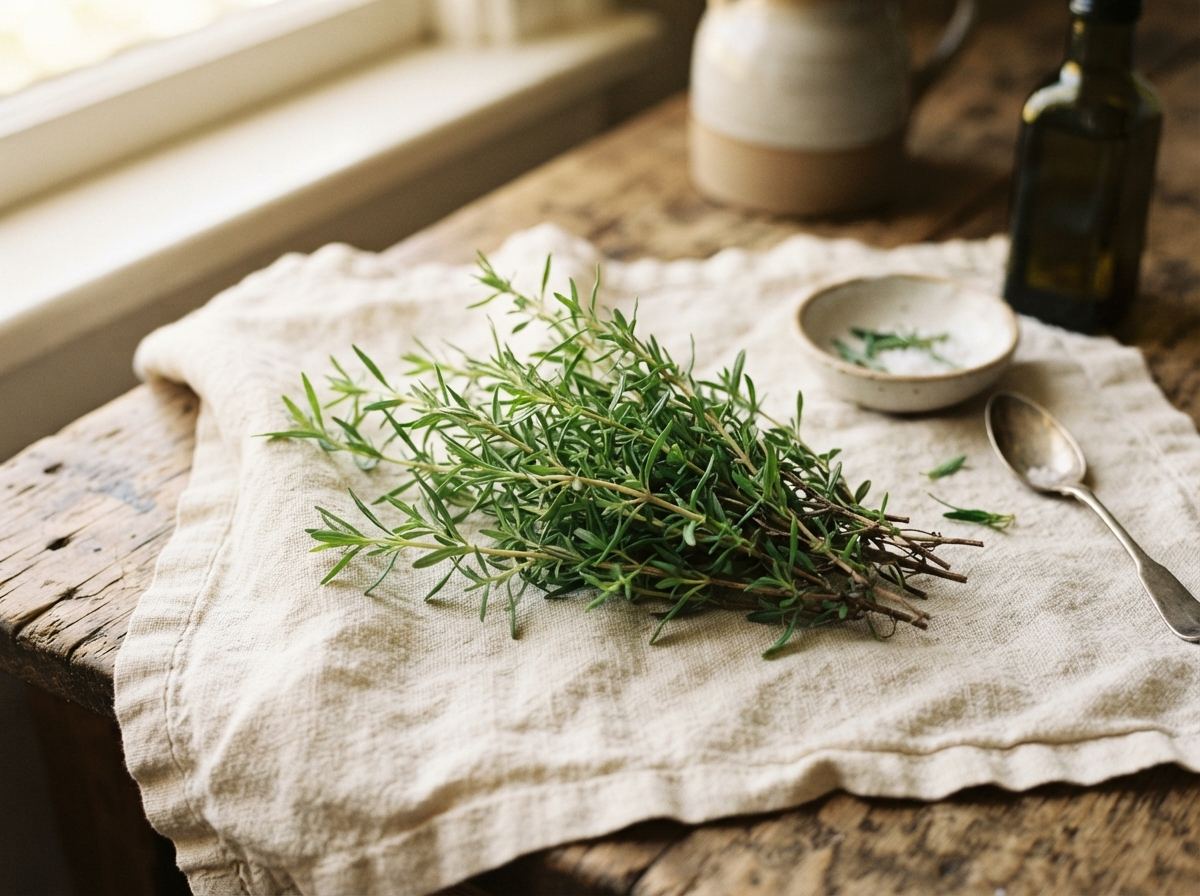
The bean herb: peppery, small-leaved, and older in European gardens than most cooks remember.
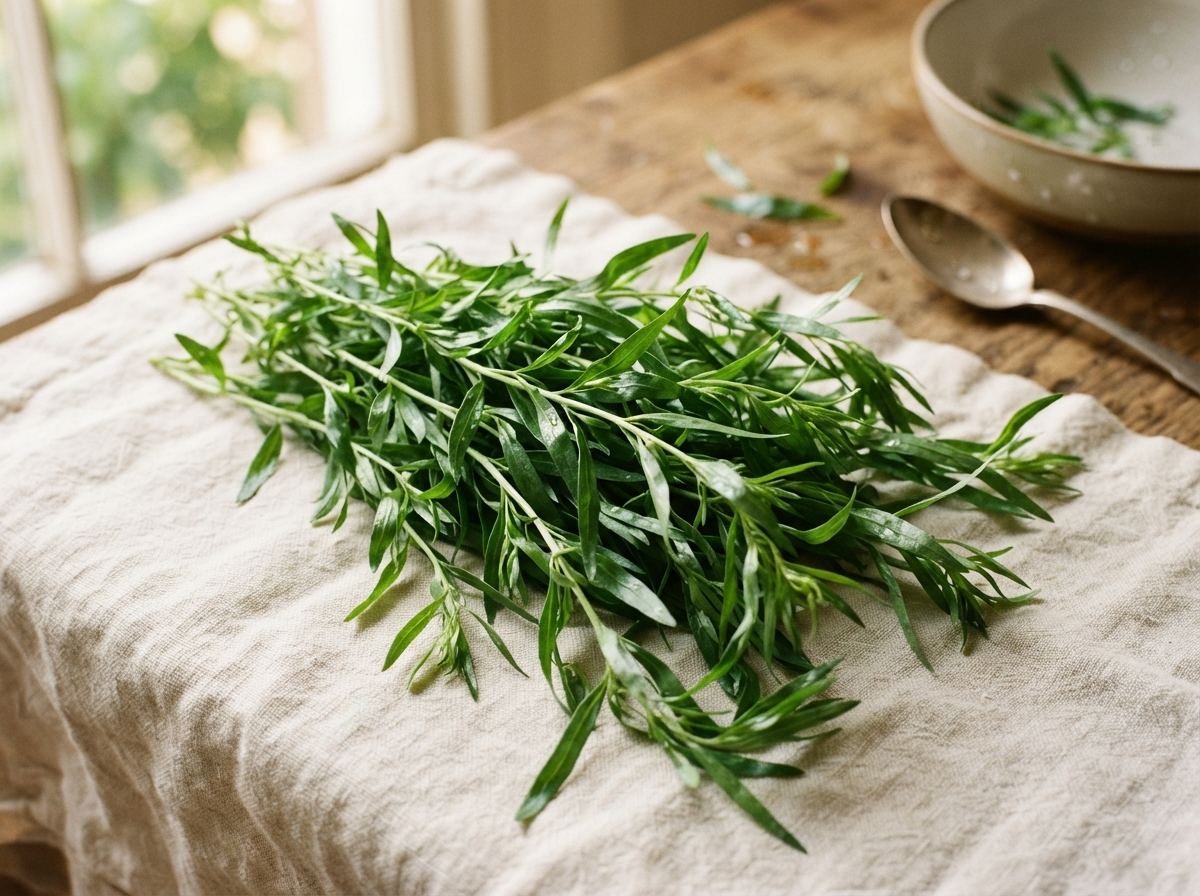
Anise in a leaf: the French tarragon that finishes chicken, vinegar, and béarnaise.
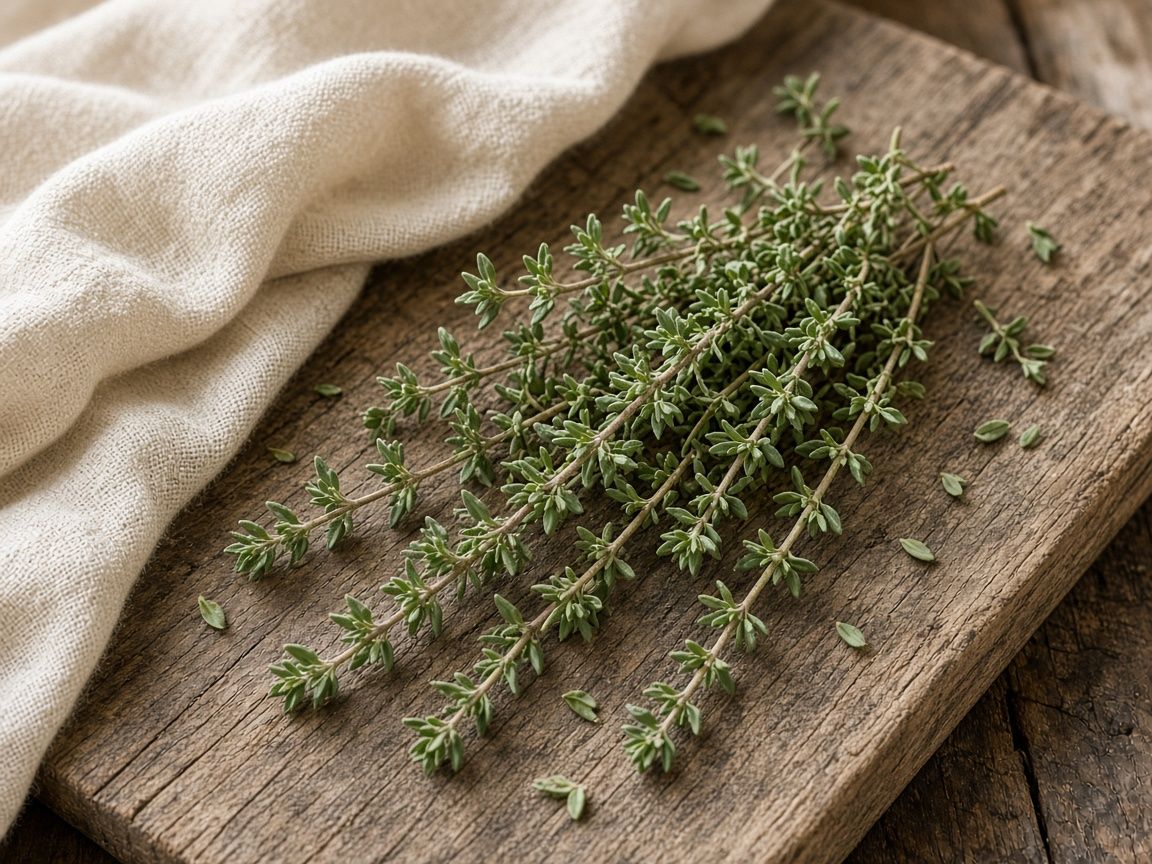
The small leaf that survives a long simmer: bouquet garni's backbone and the scent of a French Sunday pot.
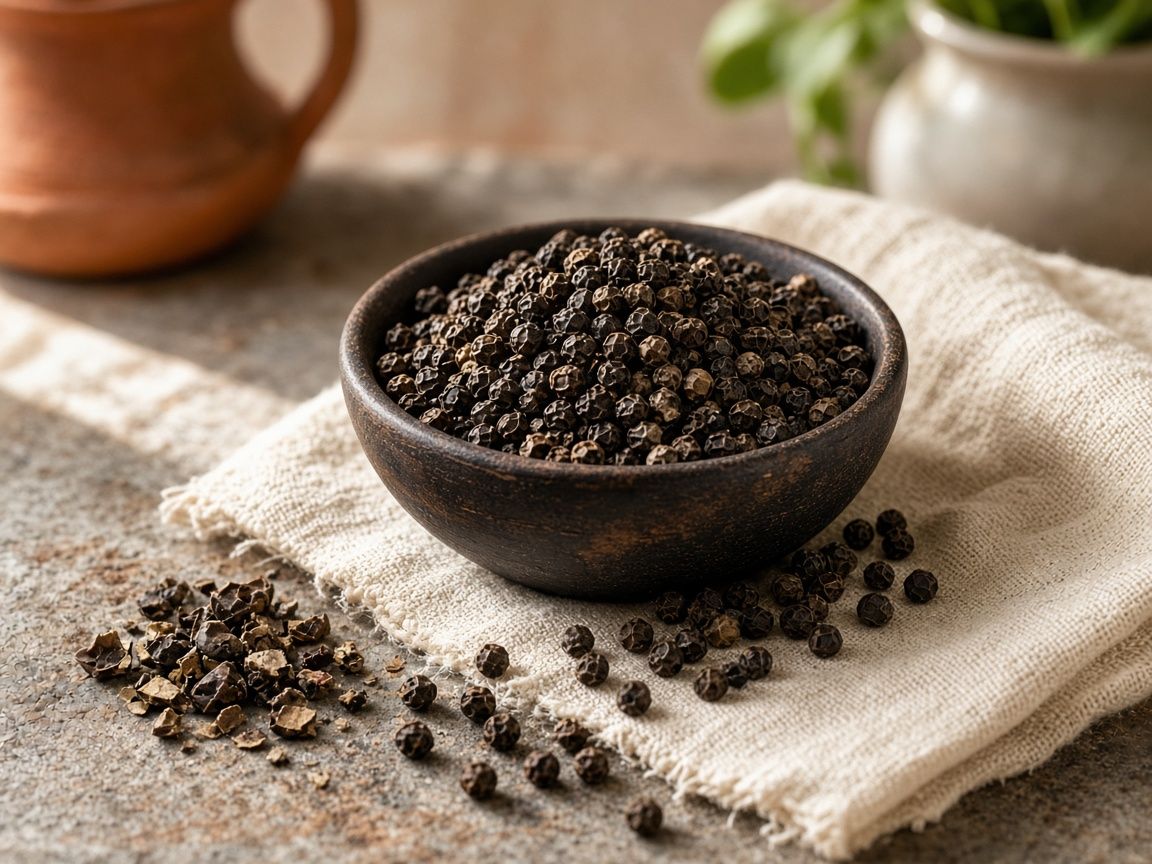
The berry that paid rents, launched fleets, and still sits beside salt on almost every ComidaTime table.
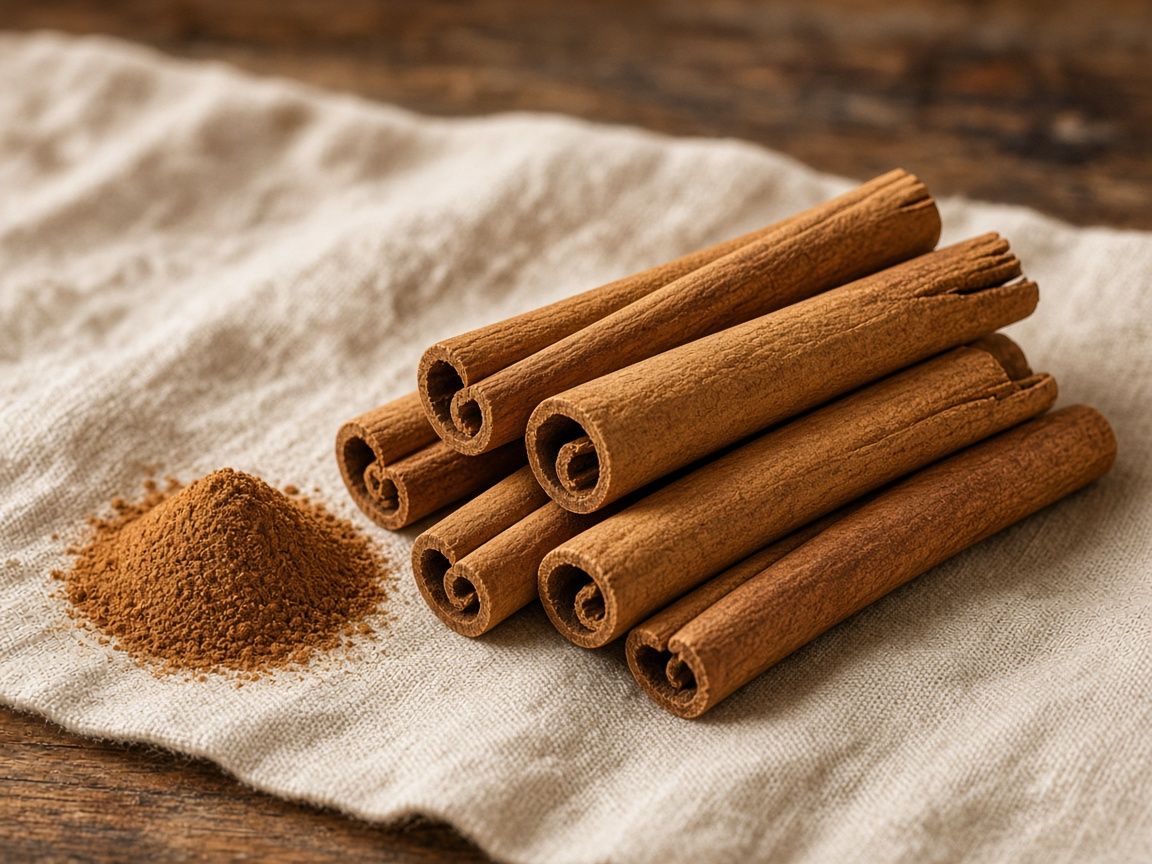
Bark rolled into quills: the sweet wood that traveled with frankincense and still perfumes both pastry and stew.
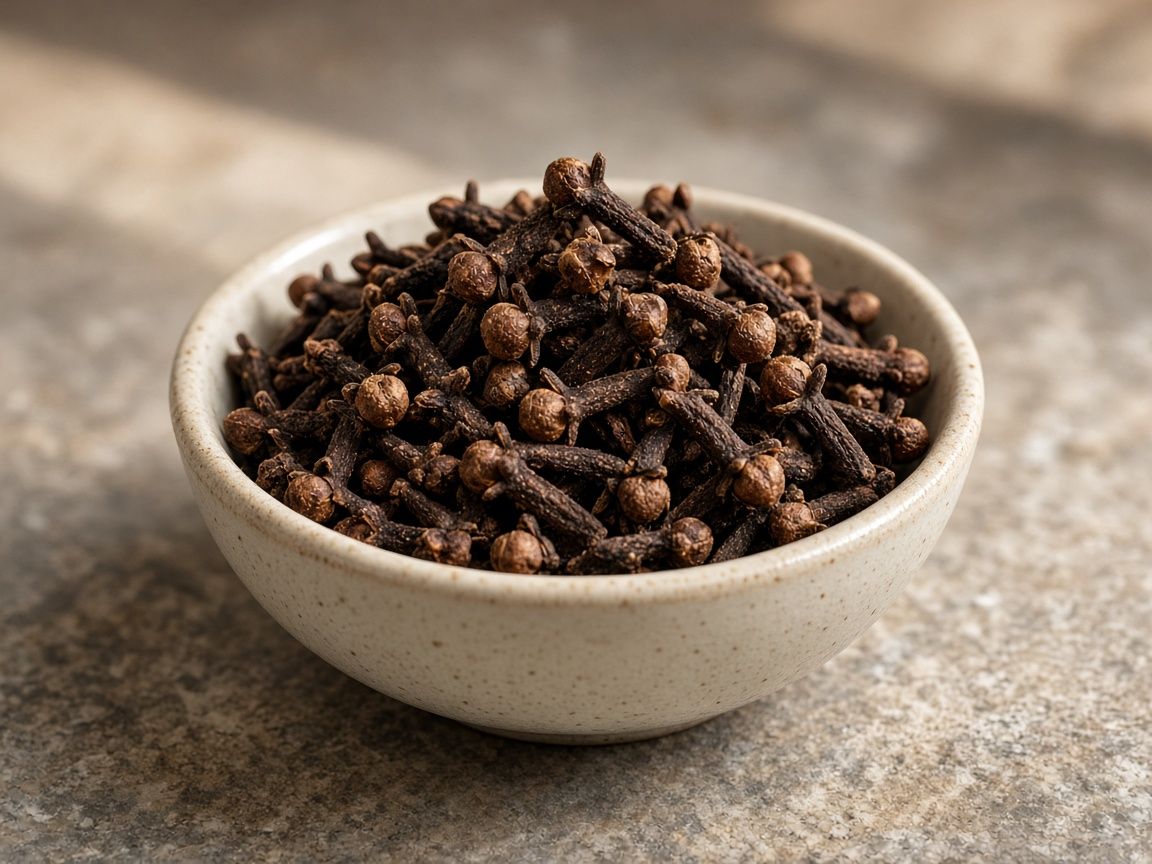
A flower bud that once belonged to a handful of islands — and to every power that wanted those islands.
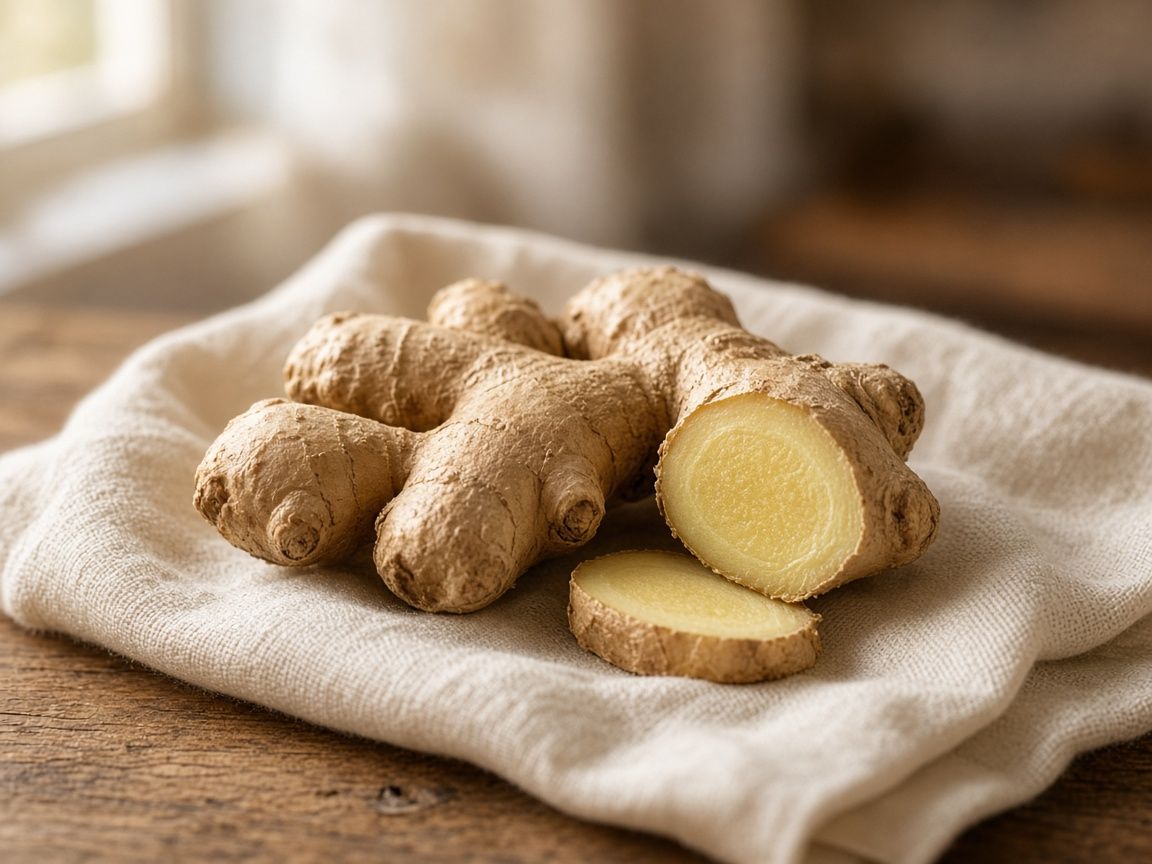
A knobby root that travels better than most kings did — fresh in the wok, dried in the cake, pickled beside sushi.
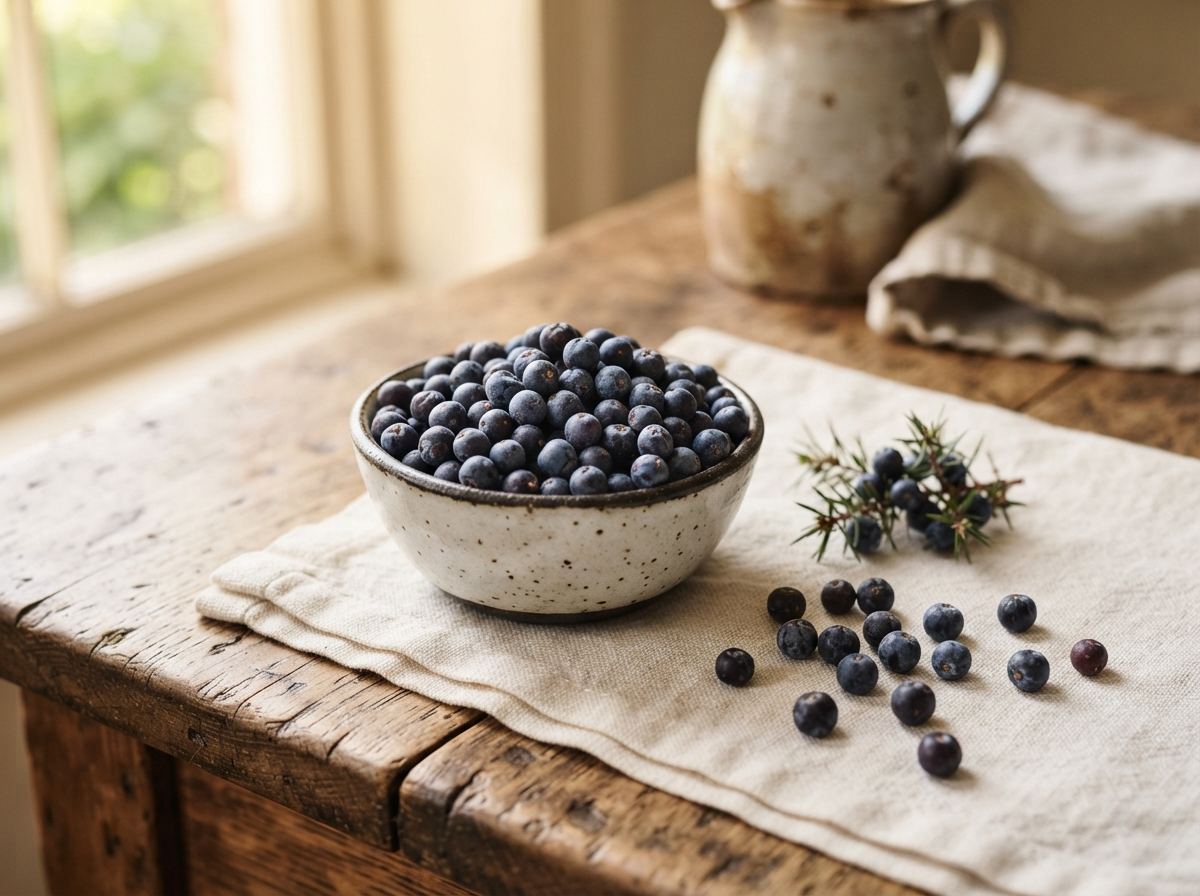
The berry of gin and German game — pine and citrus in a sauerbraten.
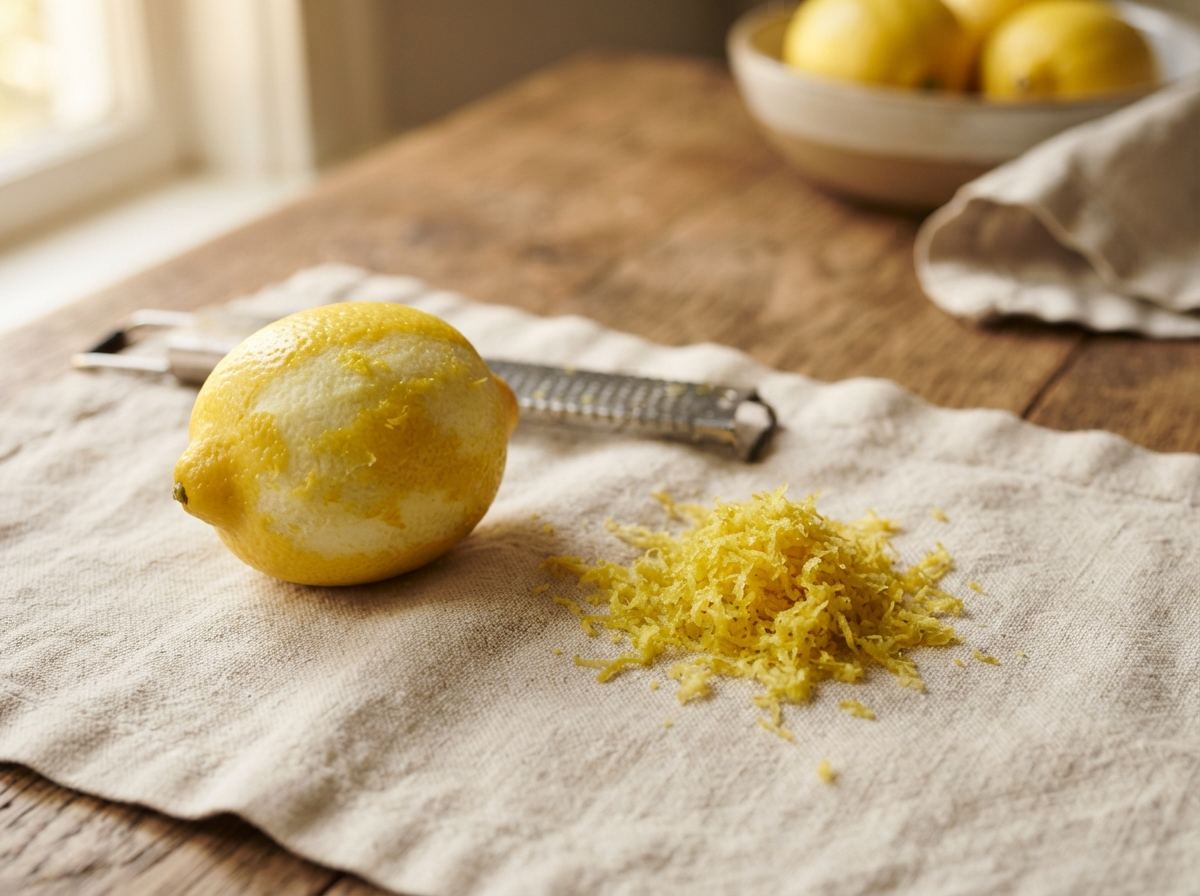
The oil in the skin: the brightest way the books add citrus without juice.
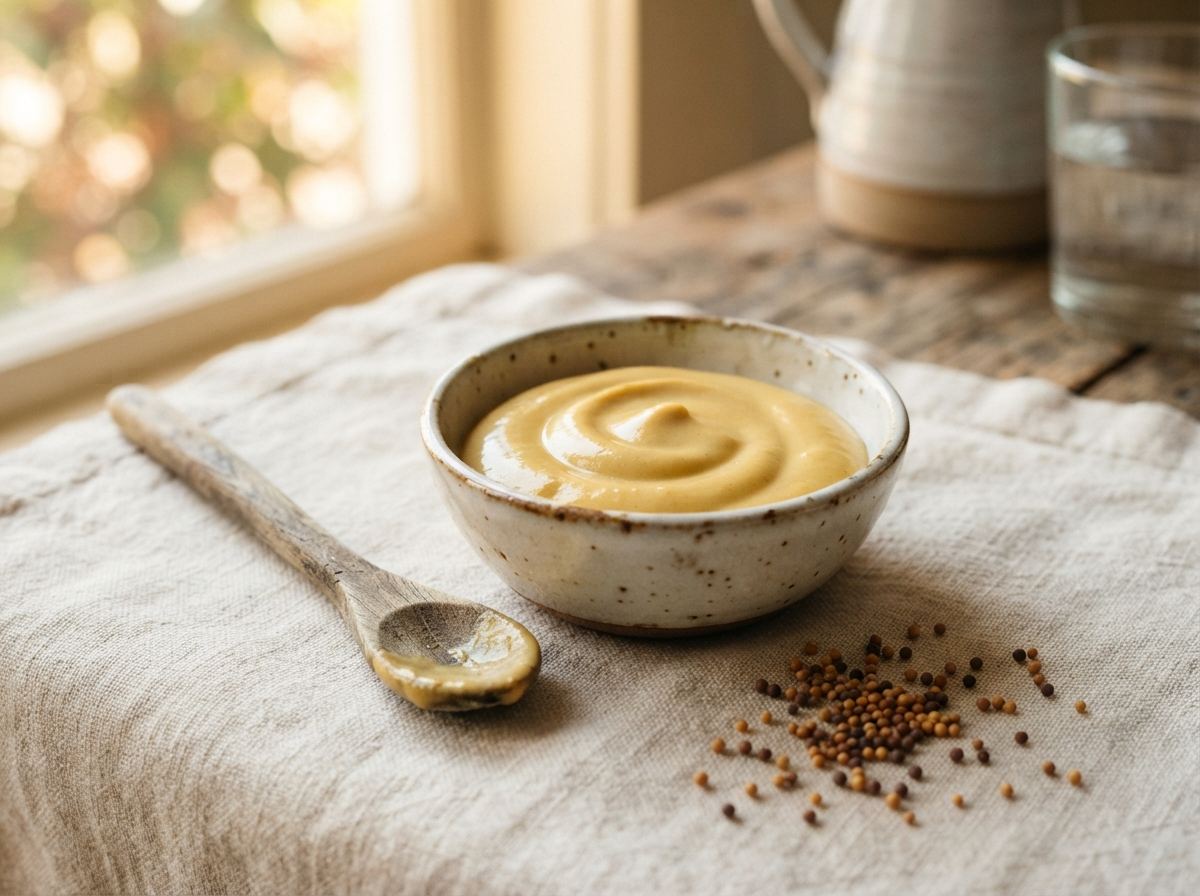
Prepared mustard — Dijon, Bavarian, senafich — the wet heat the books name beside the seed.
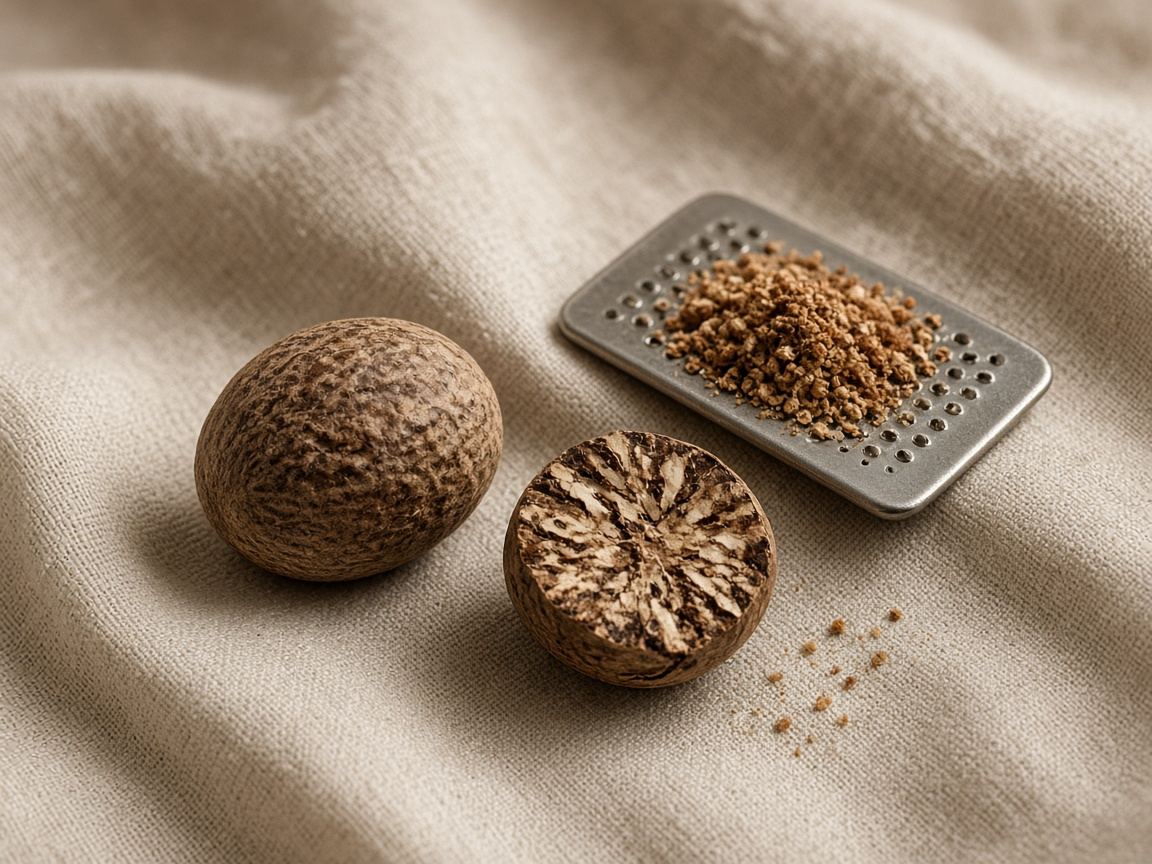
A hard brown seed you grate at the last second: milk sauces, meatballs, and the sweet side of a stew.
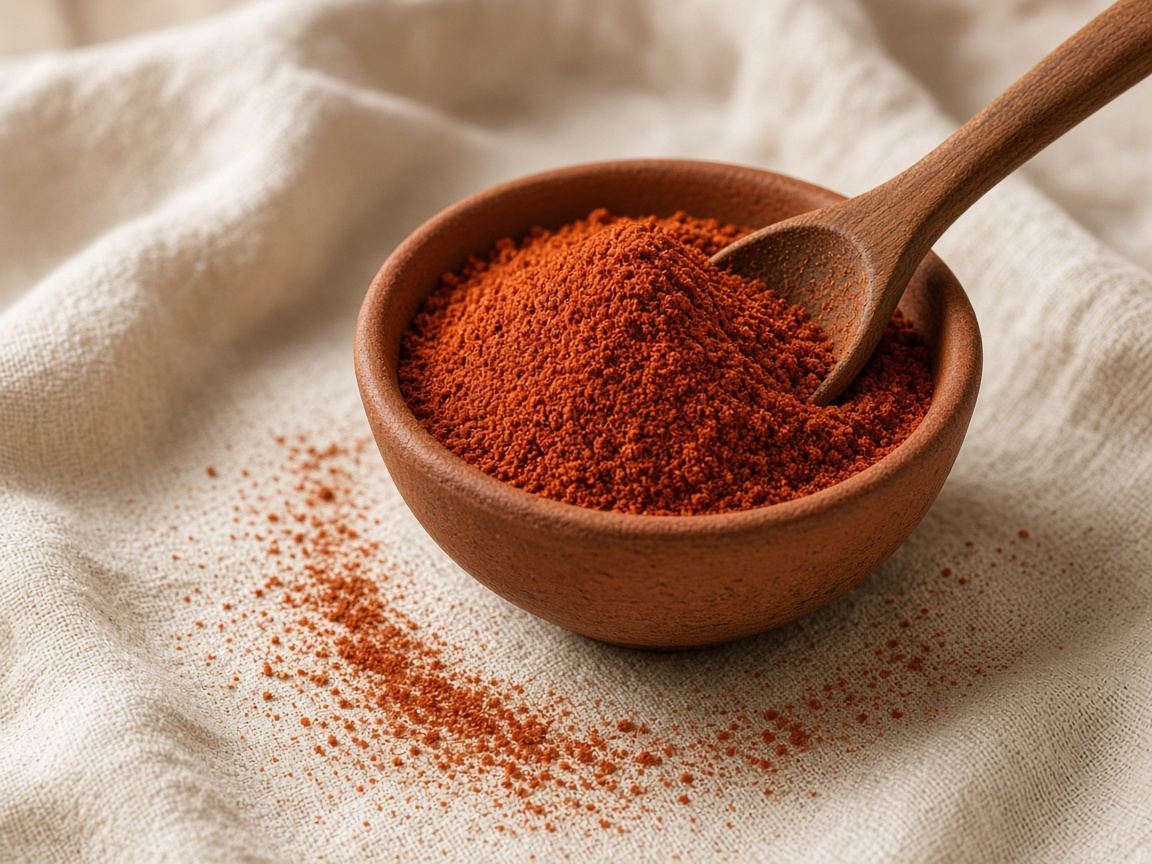
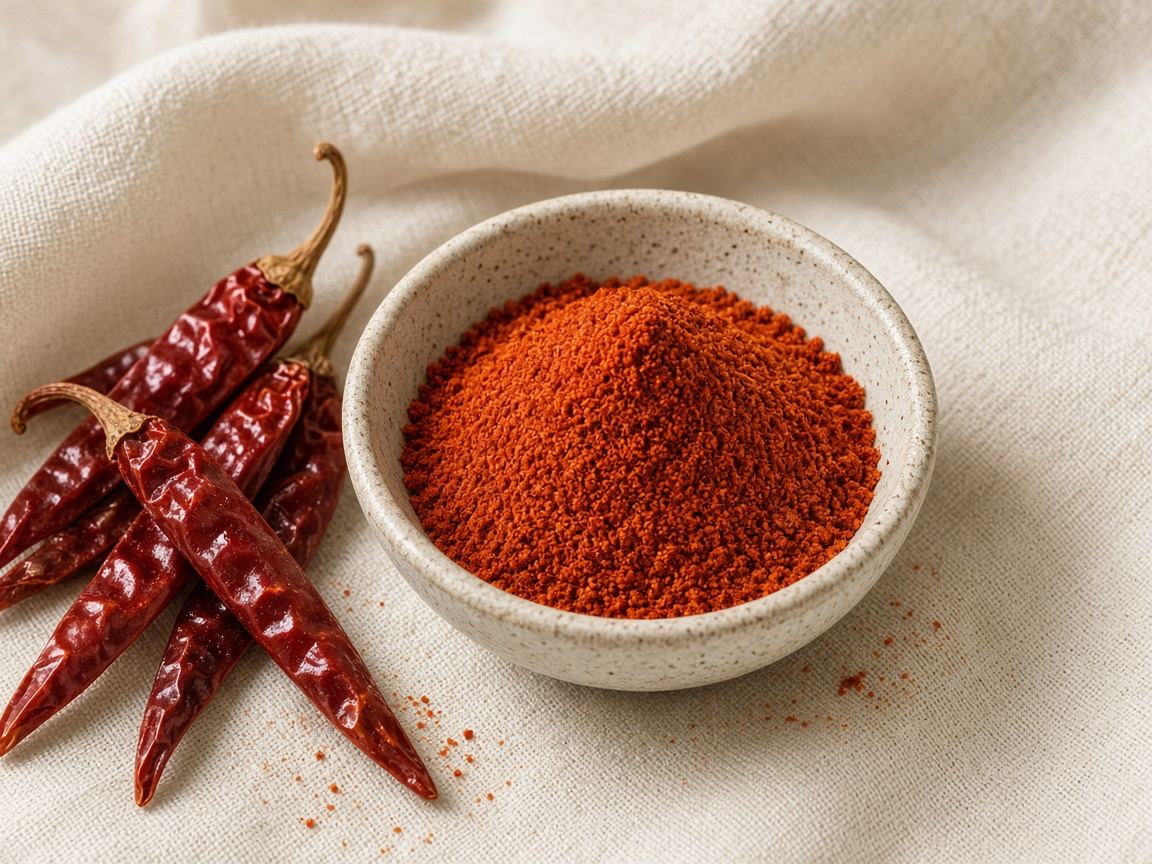
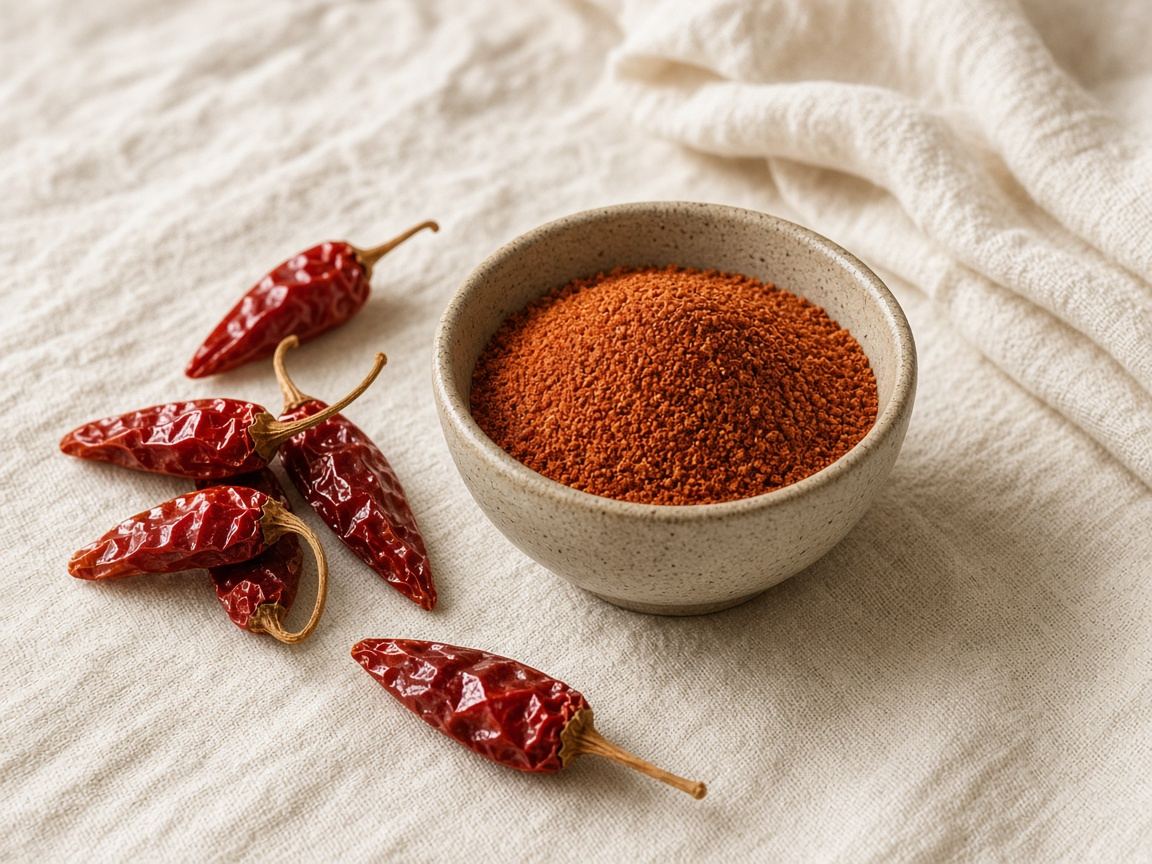
The red powder the 30 books reach for more than any other named spice after salt and pepper: color, sweetness, and a little smoke.
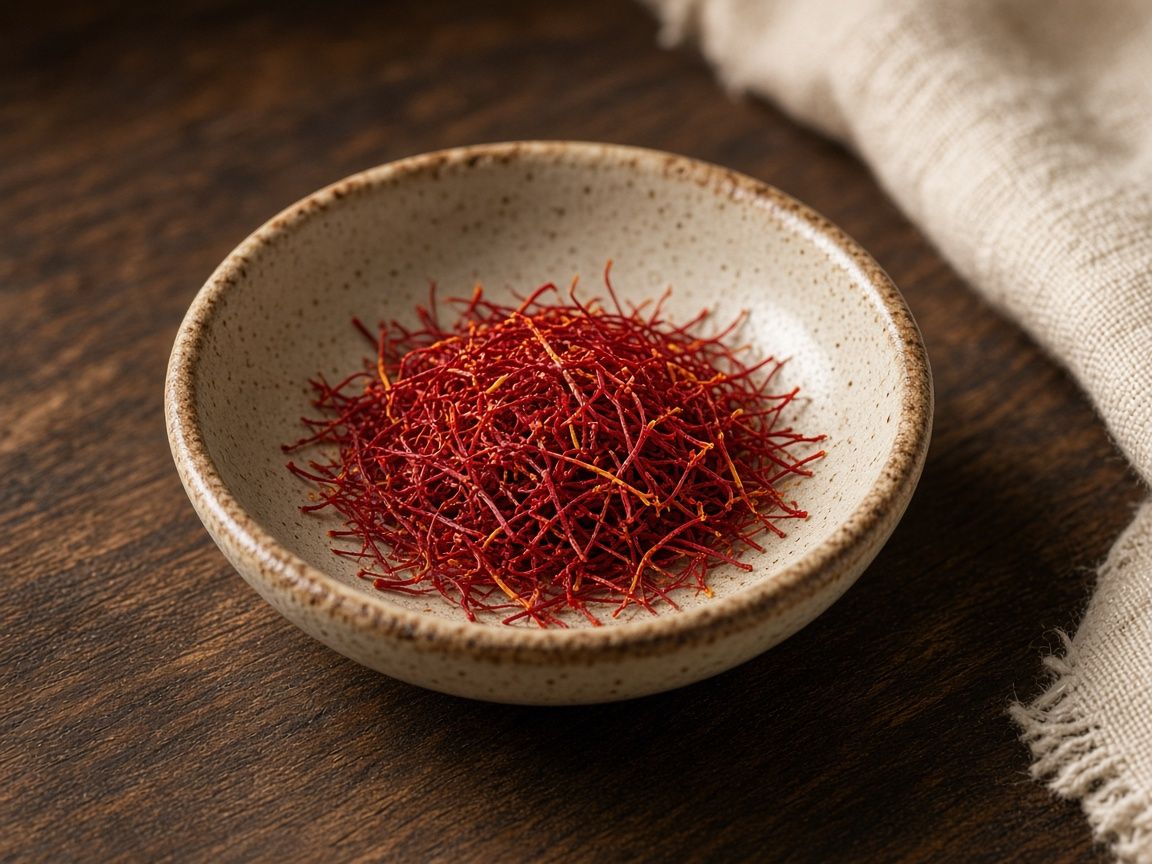
Three red threads from each autumn flower — the scarcest spice in the series, and still the one that turns a pot of rice into a feast.
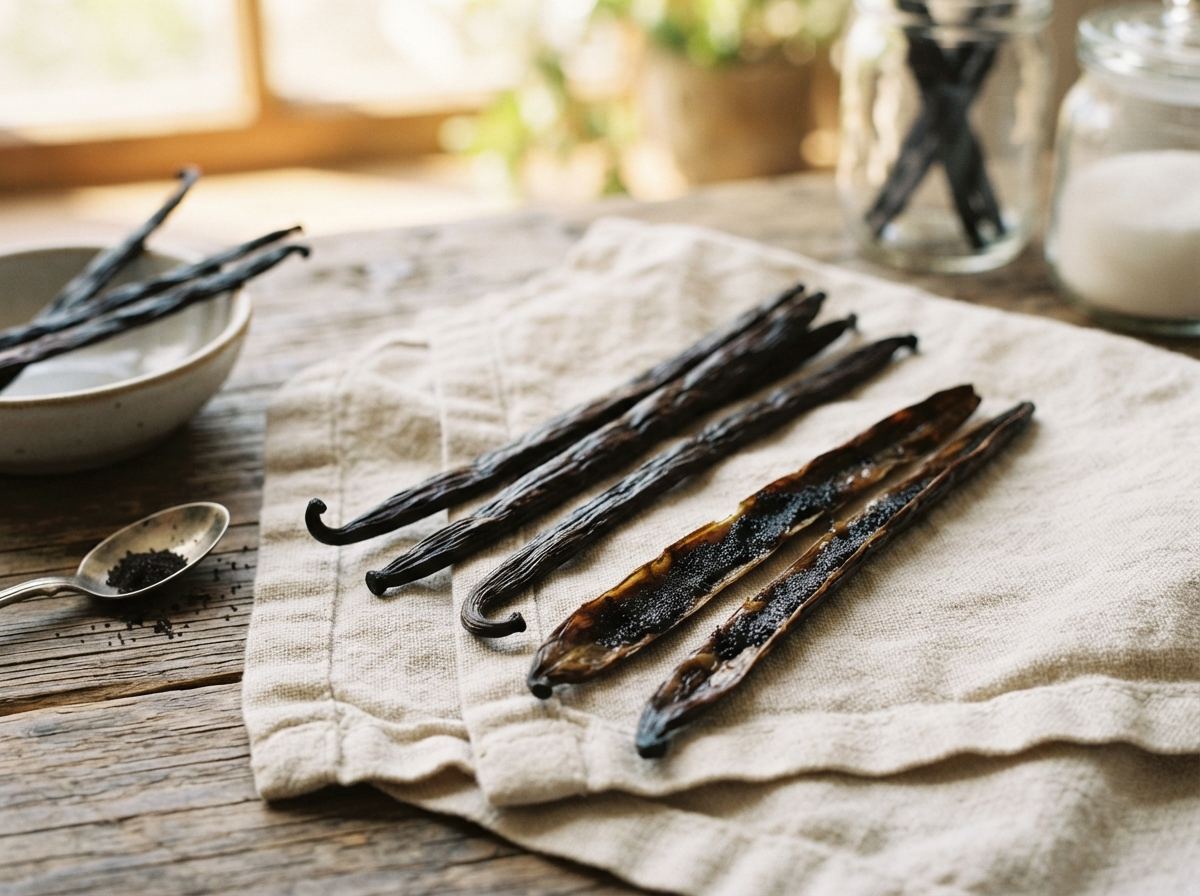
The orchid pod that sweet kitchens treat as air — and savory Mexican moles still remember.
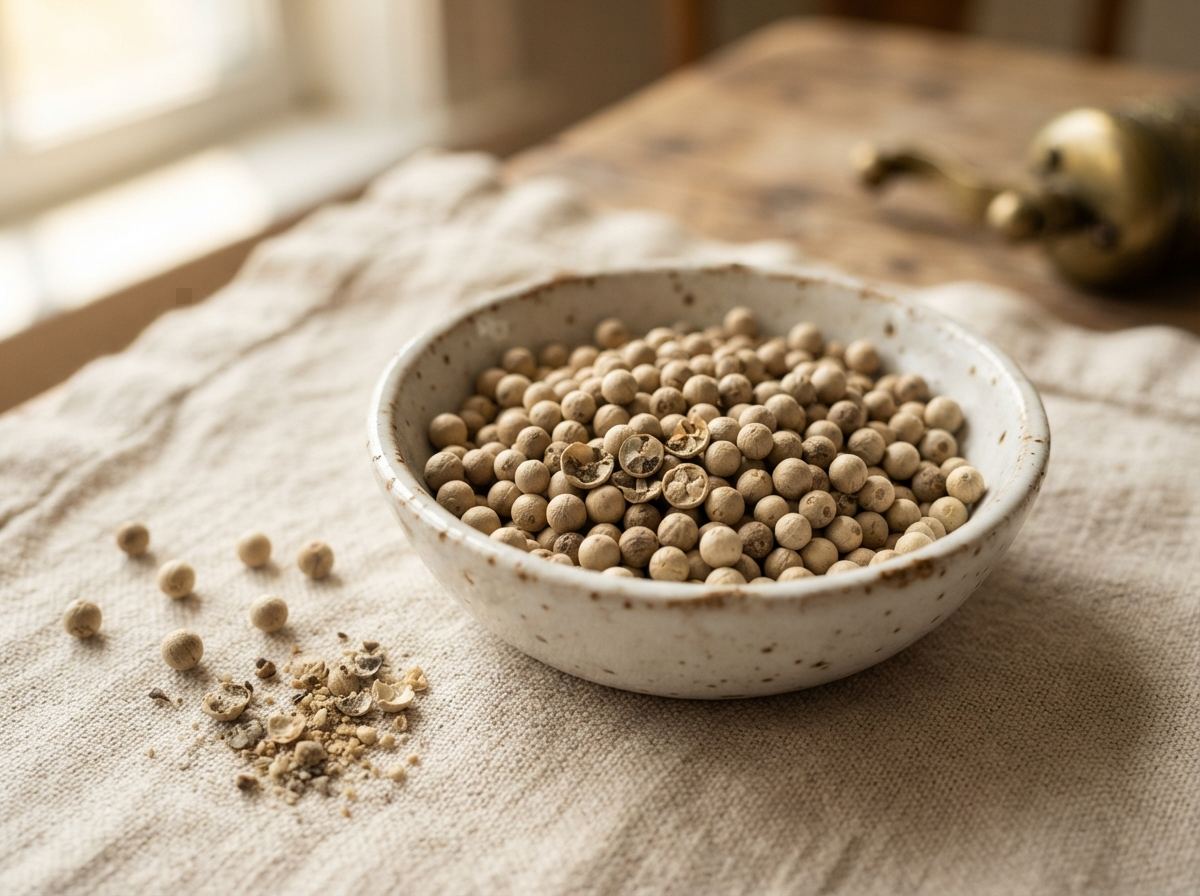
The same vine as black, soaked and hulled — heat without the dark specks, a Chinese and French habit.
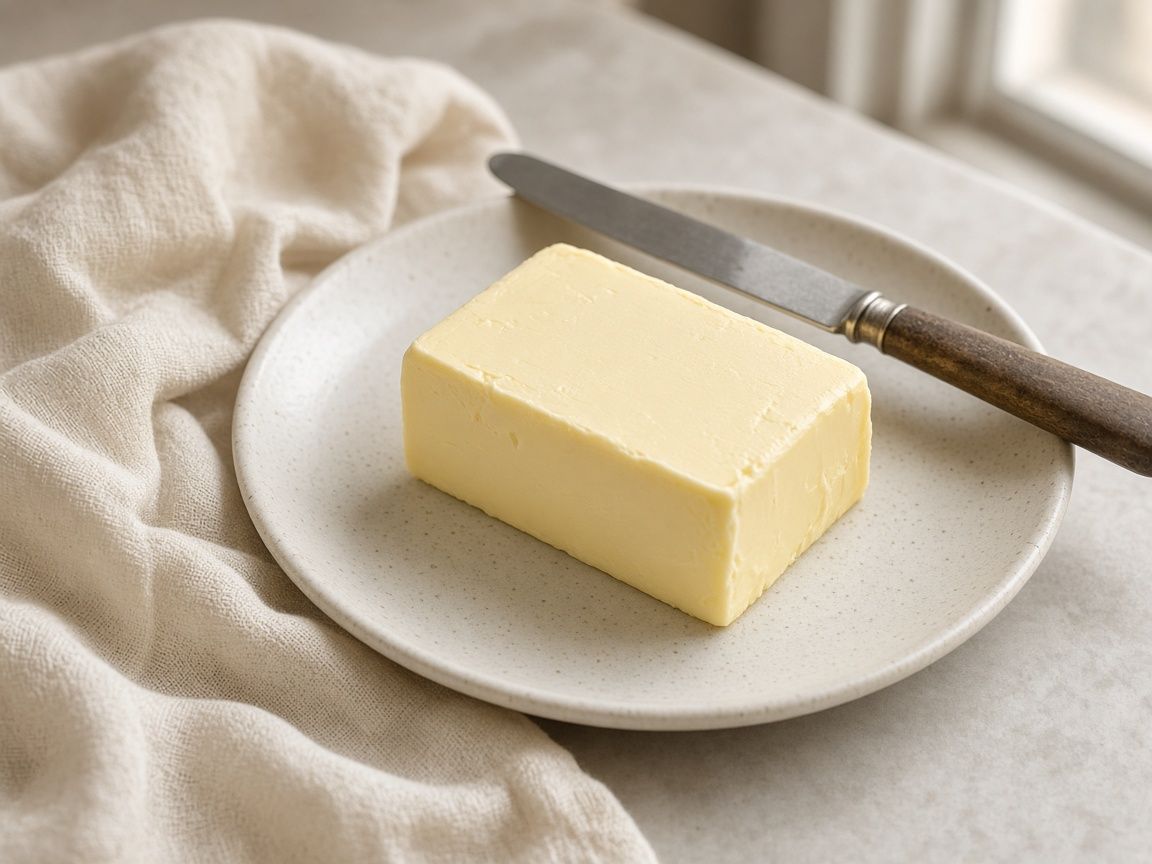
The fat that appears in every volume of the series: pale, sweet, and older than the word cuisine.
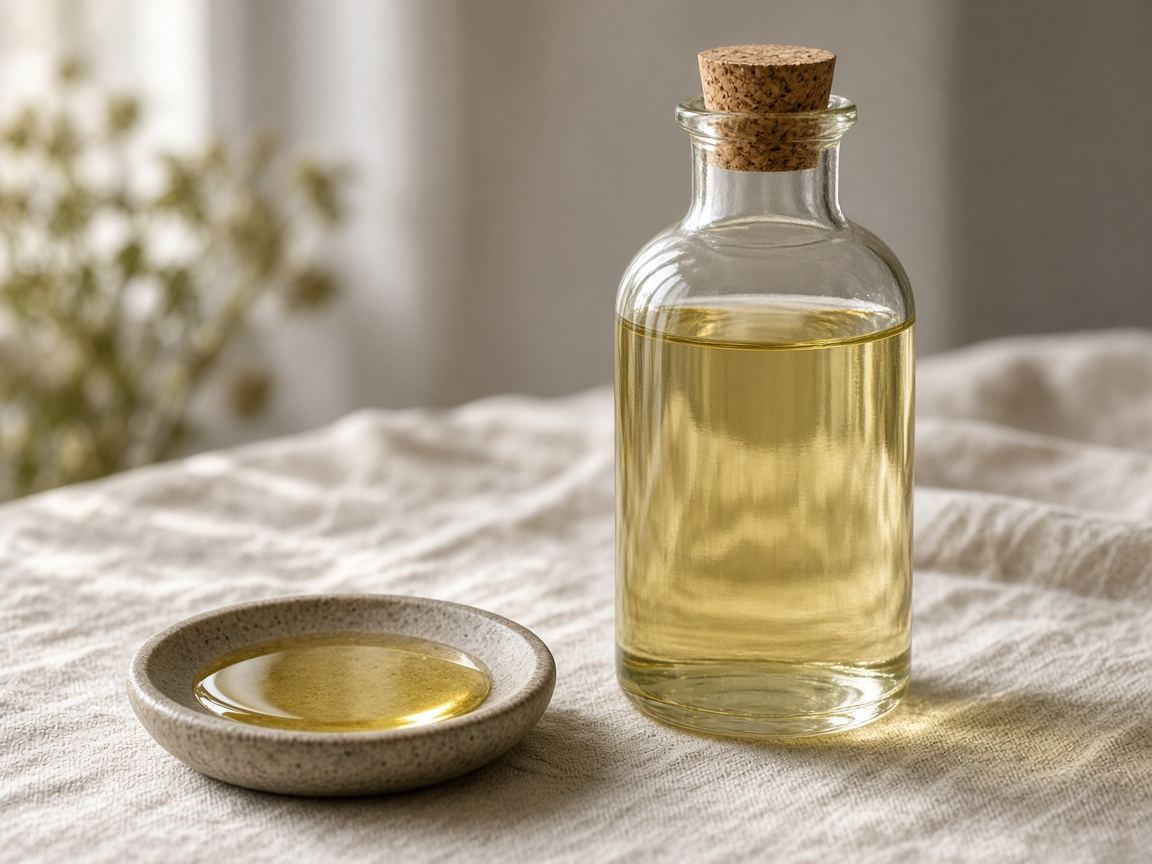
The unnamed bottle the books reach for when the fat should stay quiet: fry, coat, and get out of the spice's way.
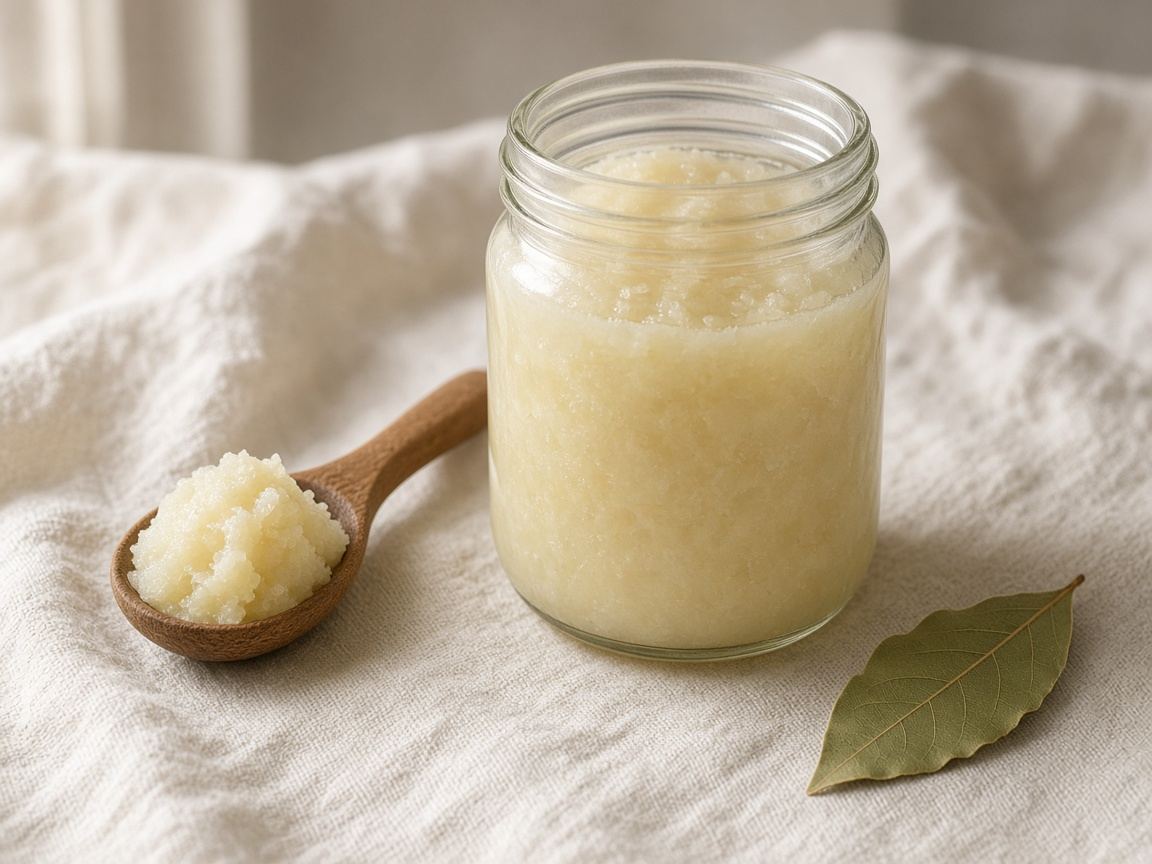
The golden fat of confit and roast potatoes — southwest France in a jar.
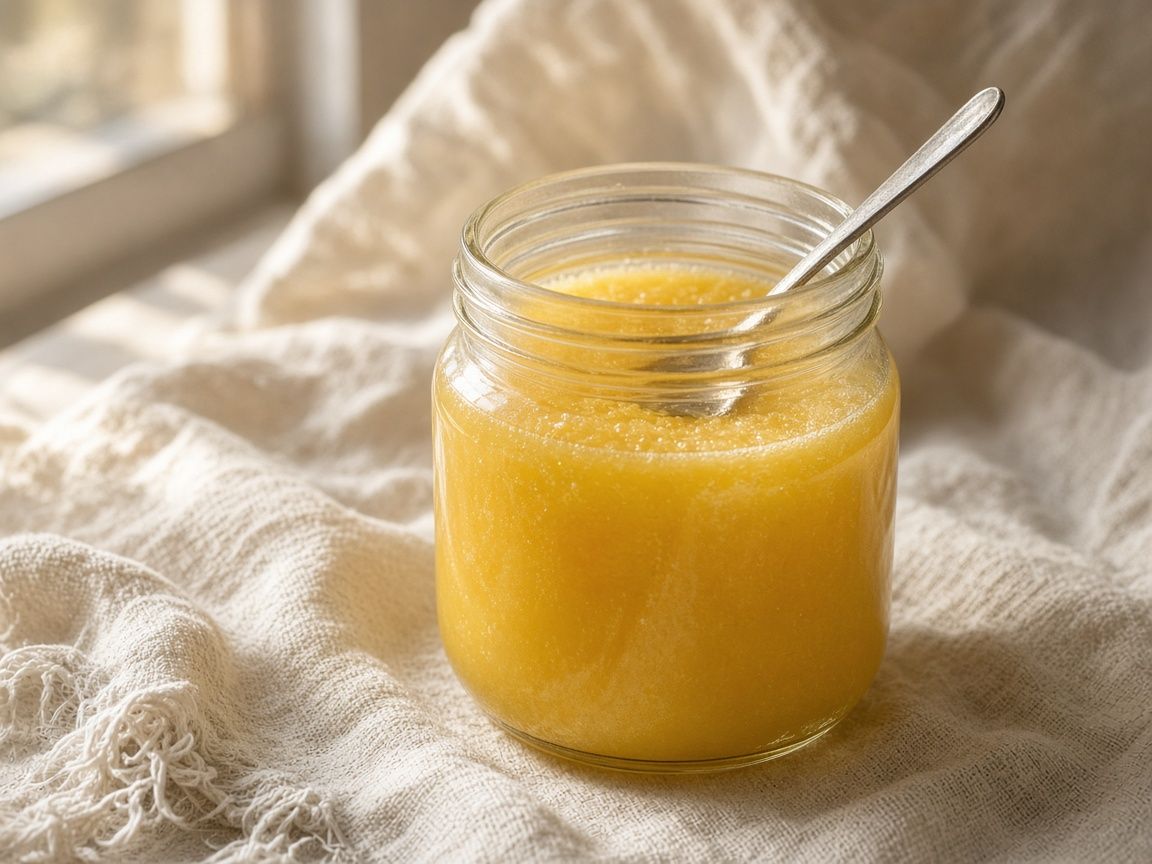
Butter that learned to live without a cellar: the gold of dals, sweets, and a ladle over rice.
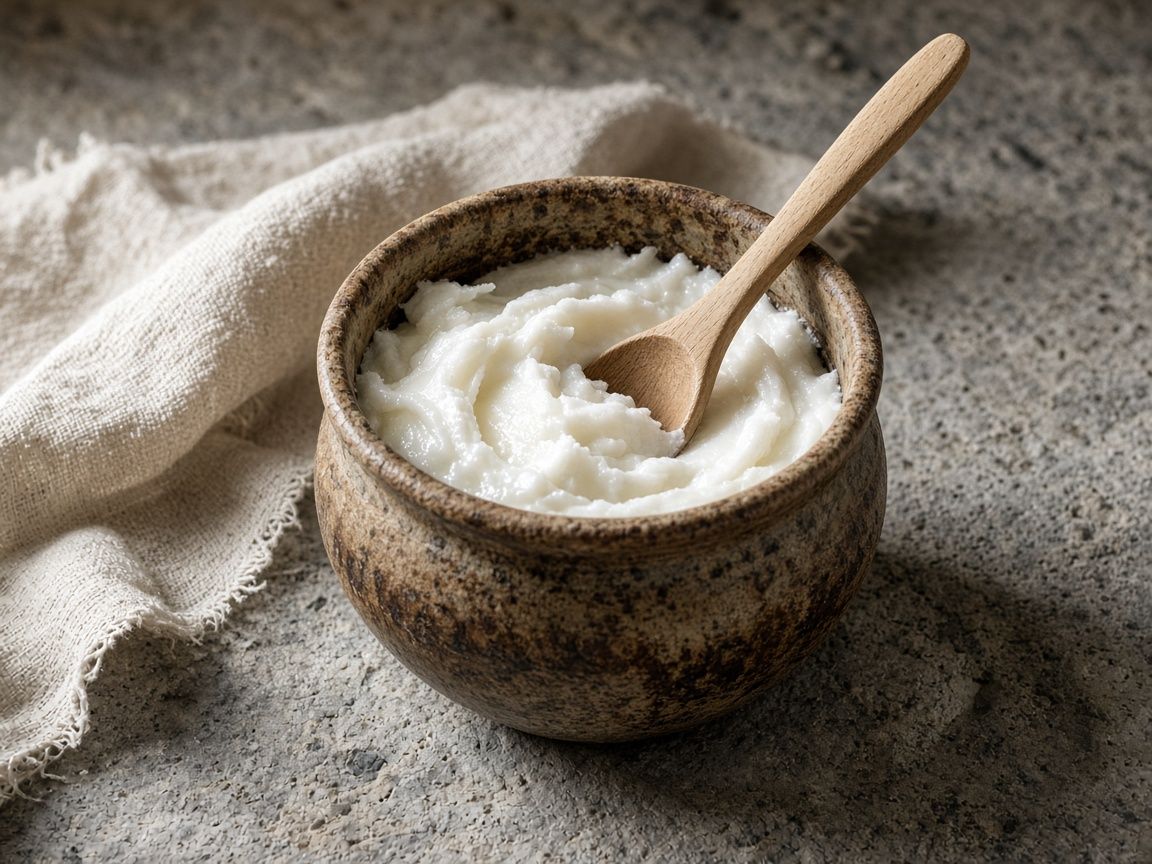
The quiet white fat of tamales, pie crusts, and refried beans — a pantry that industrial kitchens tried to shame, and home cooks never quite abandoned.
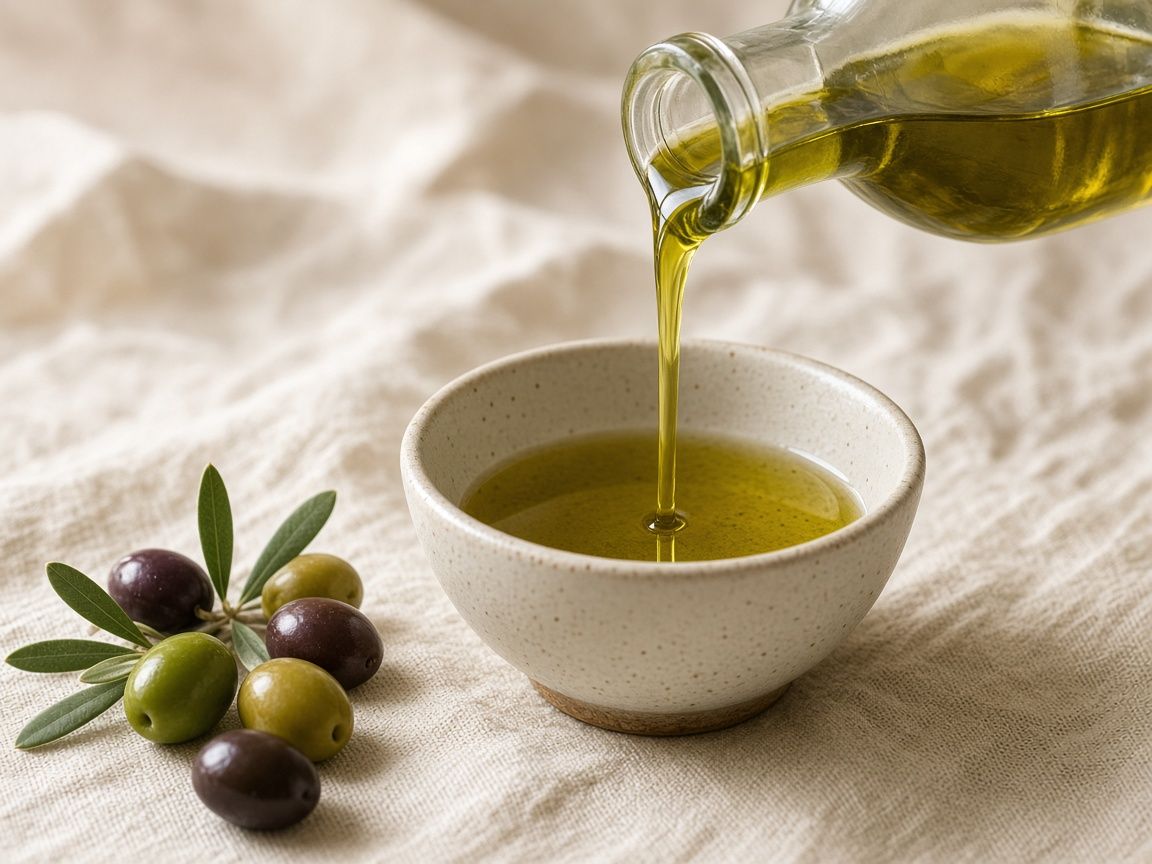
The green-gold fat of 29 kitchens in the series: a fruit juice that learned to travel, and then to stay.
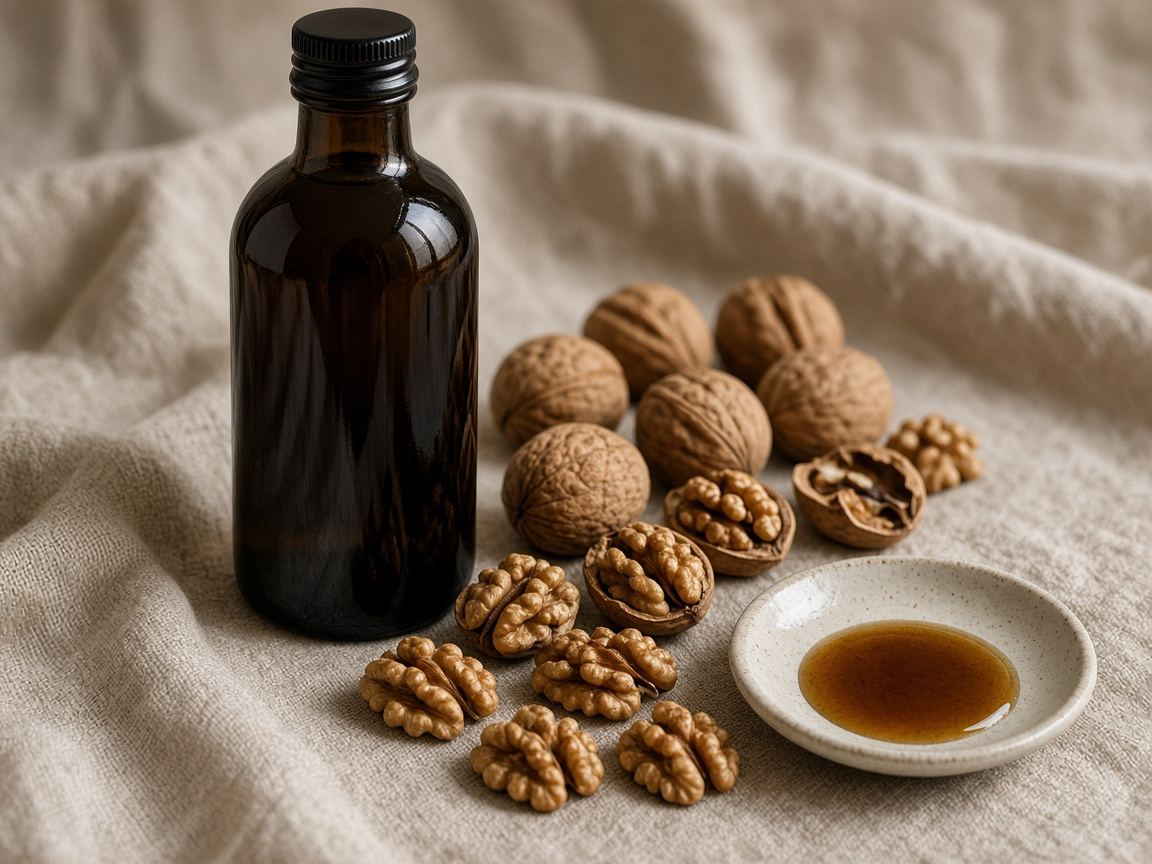
Pressed walnut: a French salad oil that goes rancid if you treat it like a fry fat.
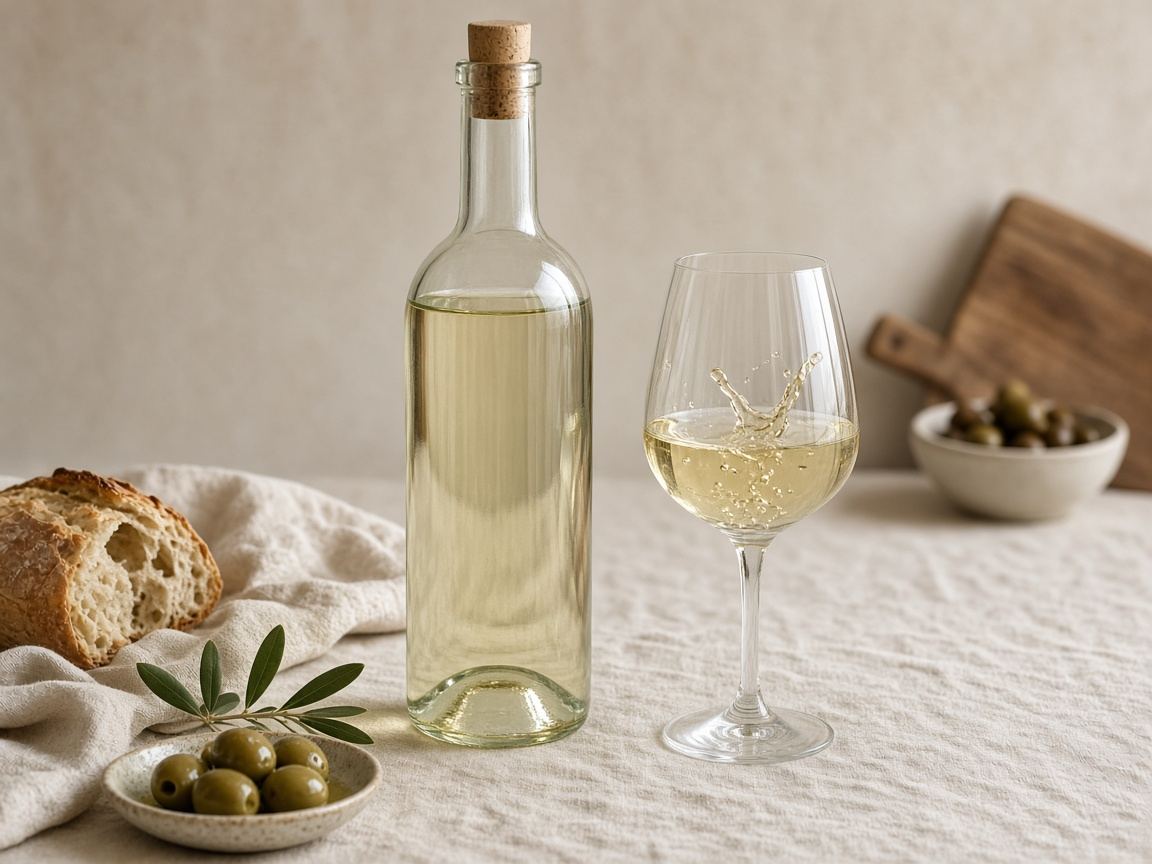
A splash for a stew, a risotto, a fish pot — the cook's glass and the pot's glass.
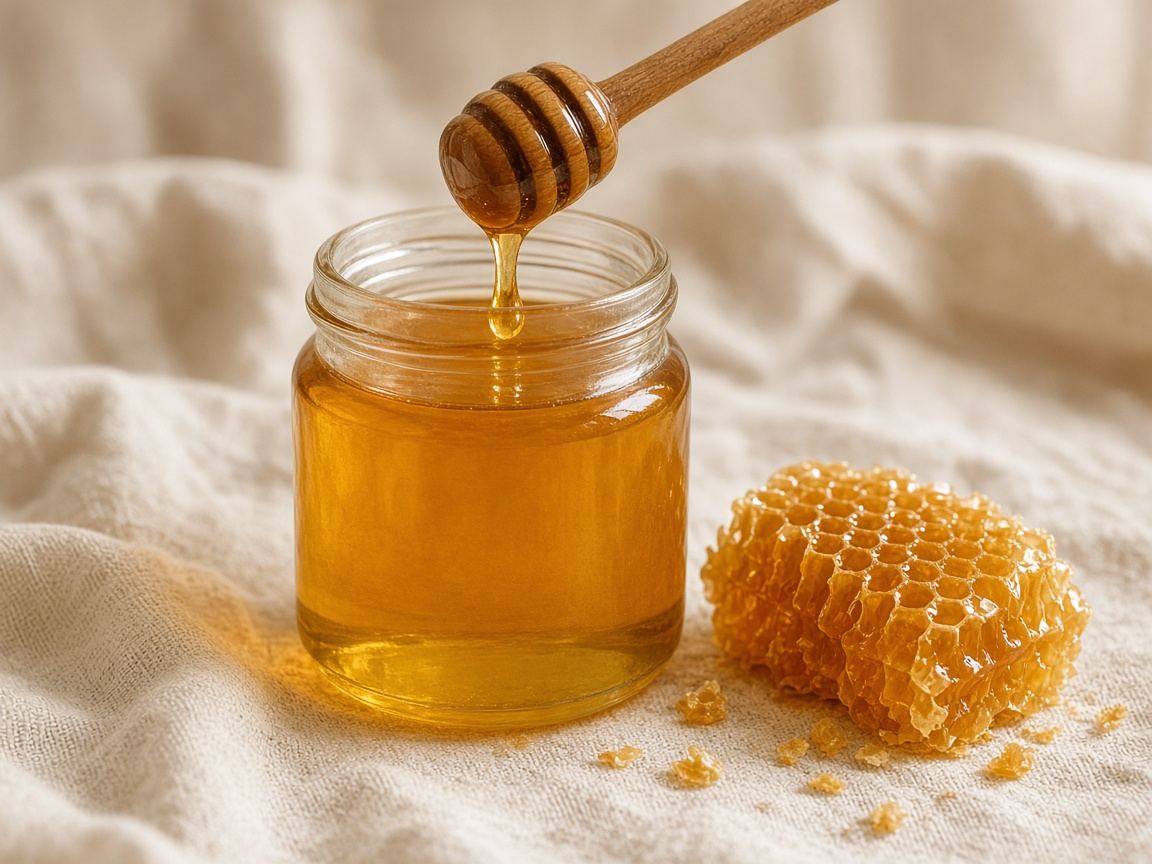
The first sweetener: Ethiopian raw honey, Spanish orange-blossom, a glaze on chicken.
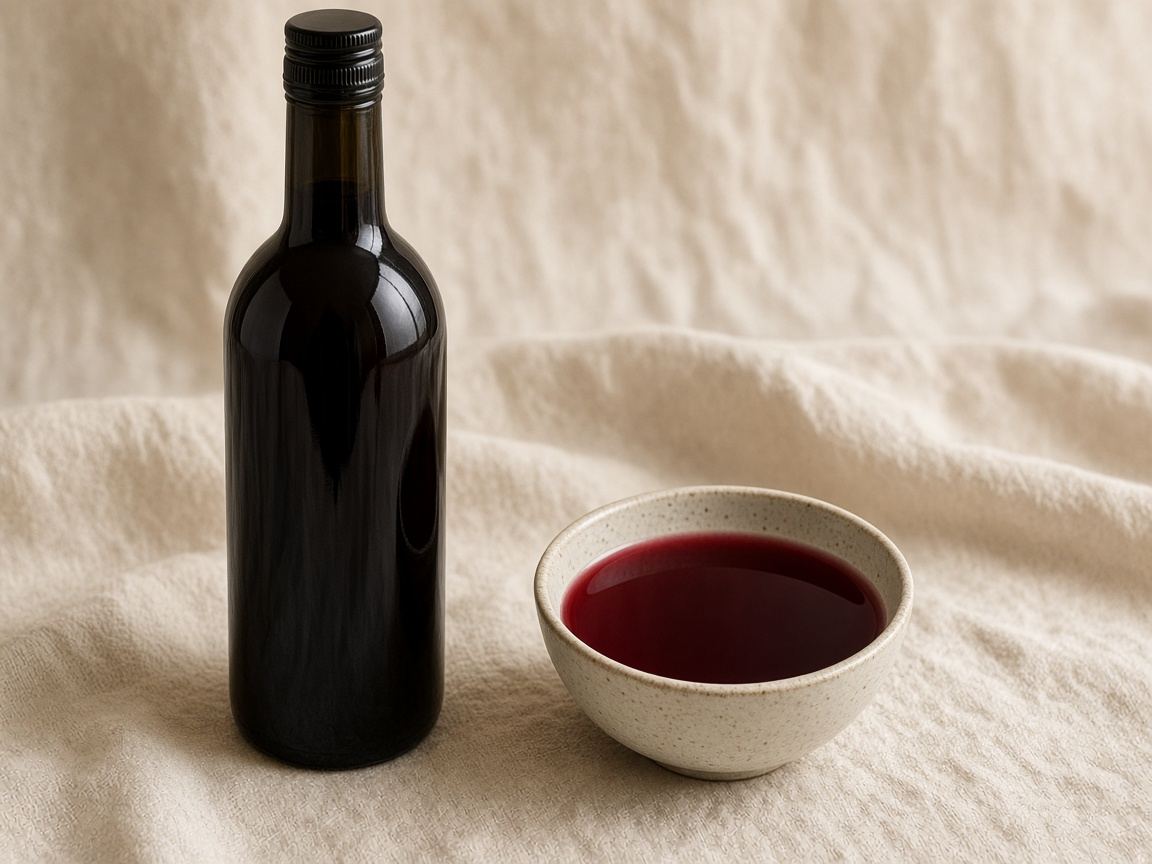
The braise wine: daube, estofado, and a Portuguese roast.
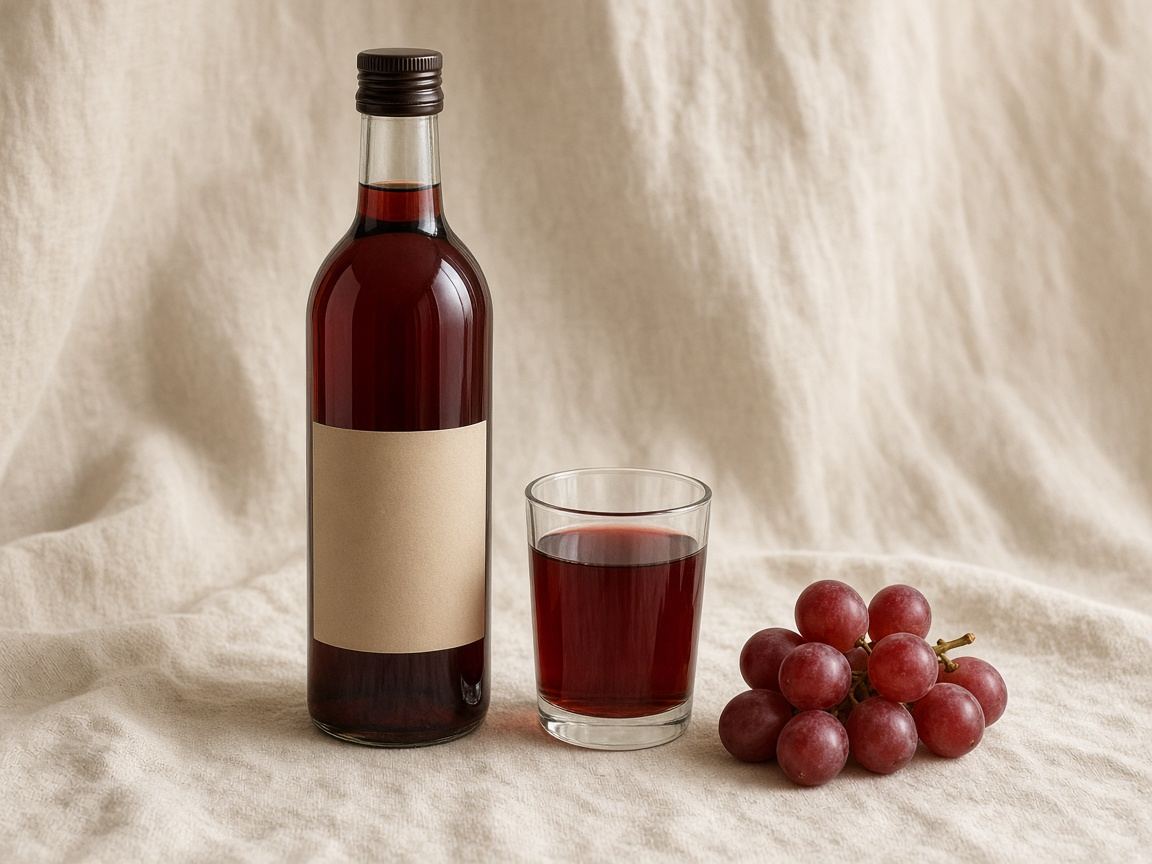
The salad and marinade acid of Europe and the Southern Cone.
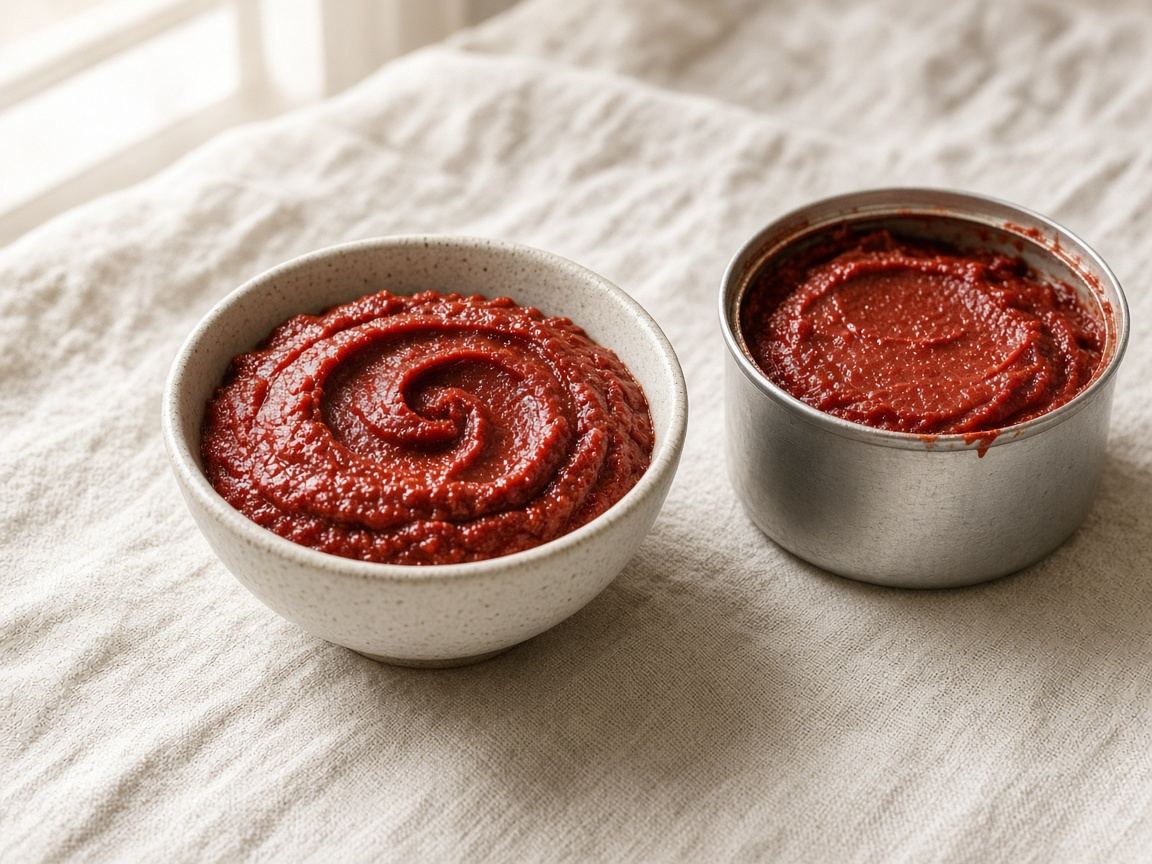
The spoon of cooked tomato that turns a thin pot into a sauce — 28 kitchens in the series keep a tin.
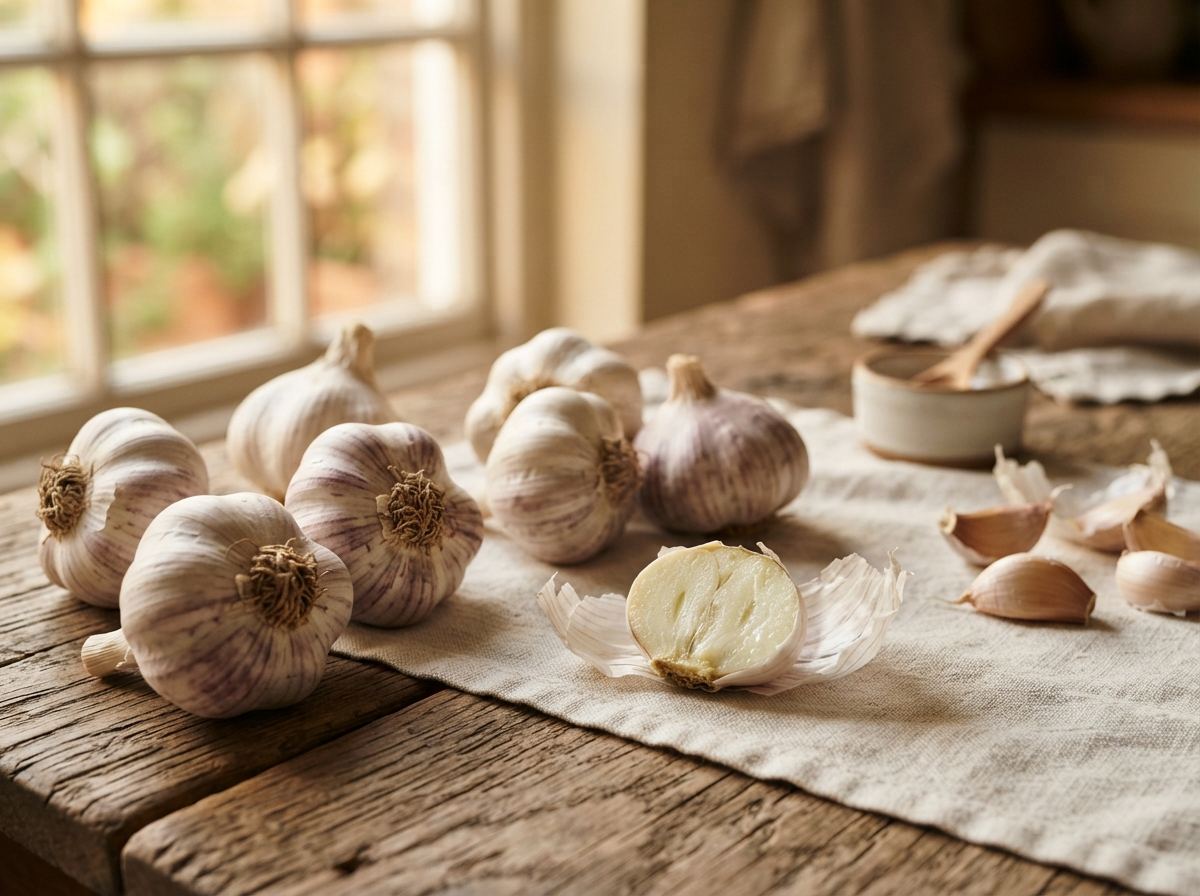
The clove that starts more ComidaTime pots than any other aromatic — smashed, sliced, or left whole in oil.
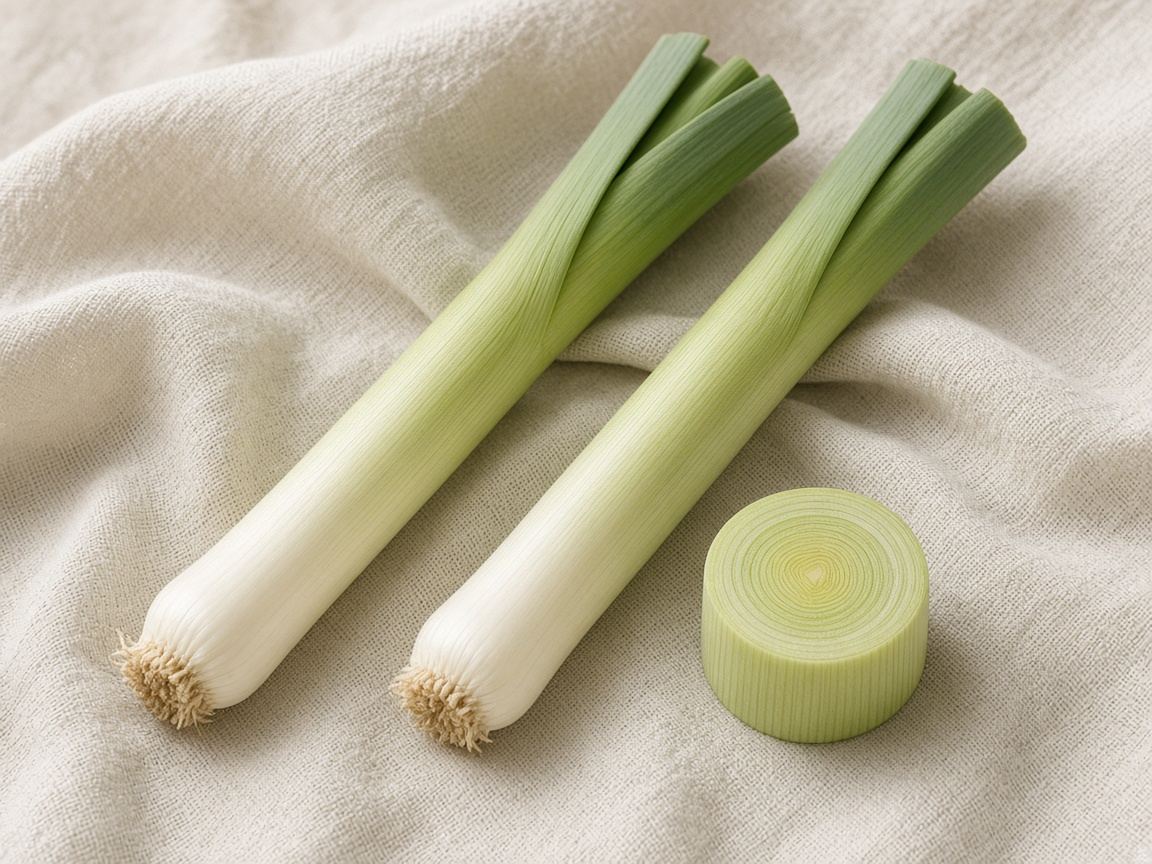
The long allium of soups and tarts — wash the grit, keep the pale green.
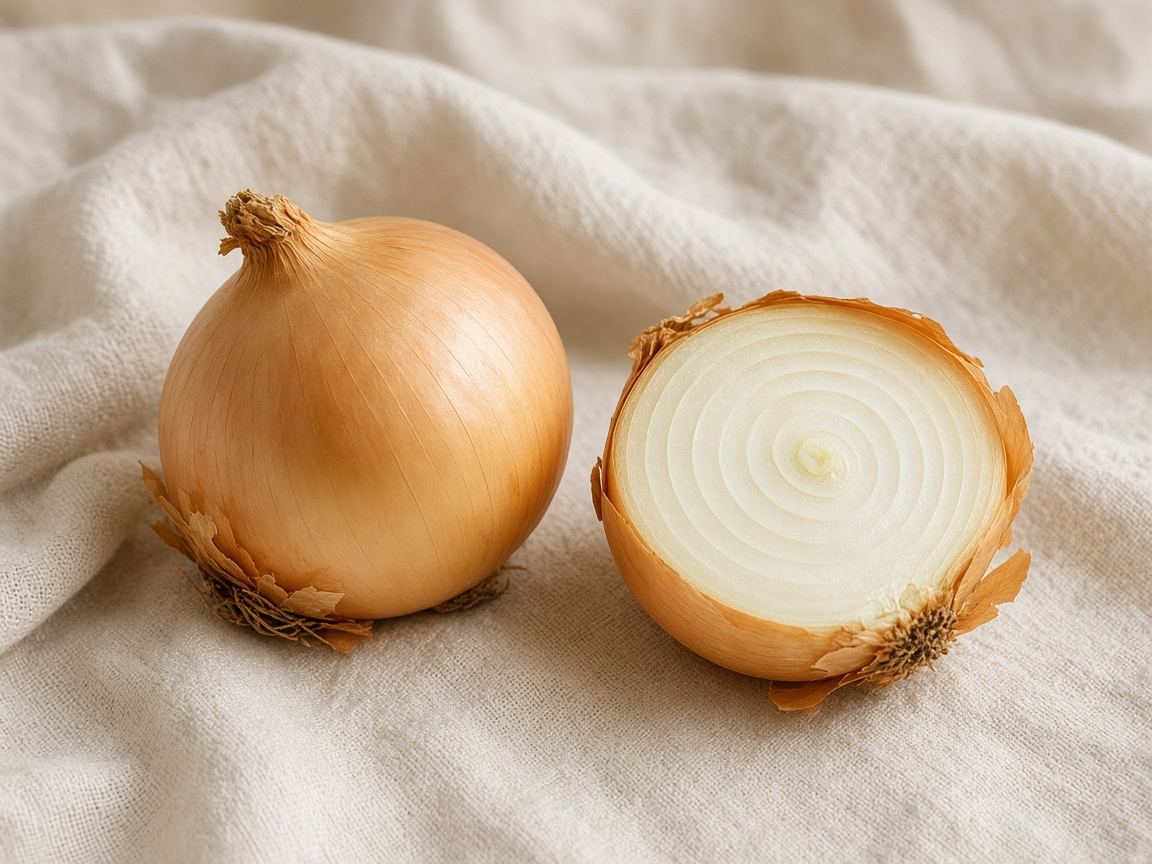
The first cut in almost every ComidaTime pot: sweet when slow, sharp when raw, the aromatic the books assume you already have.
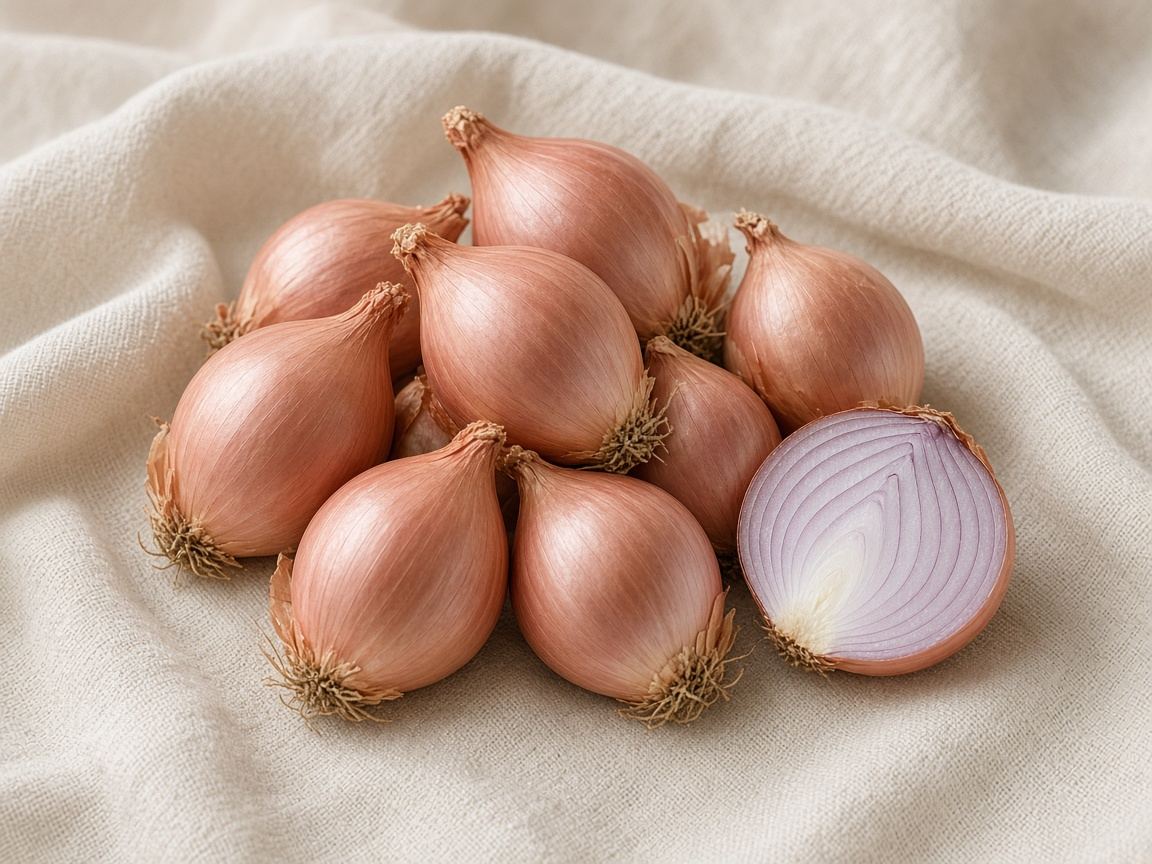
Onion's finer cousin — the French and Thai allium that melts into a sauce instead of shouting.
The spices, mixes, and hearths that belong to French cooking — then the people around them, and the kitchens still joining the table.
Open the French pantry Open French cookware The French table Host a French night Join the community