
Cookware · Hearths
Cocotte
A heavy pot with a tight lid: the French hearth for a daube, a stew, and the Sunday that refuses to rush.
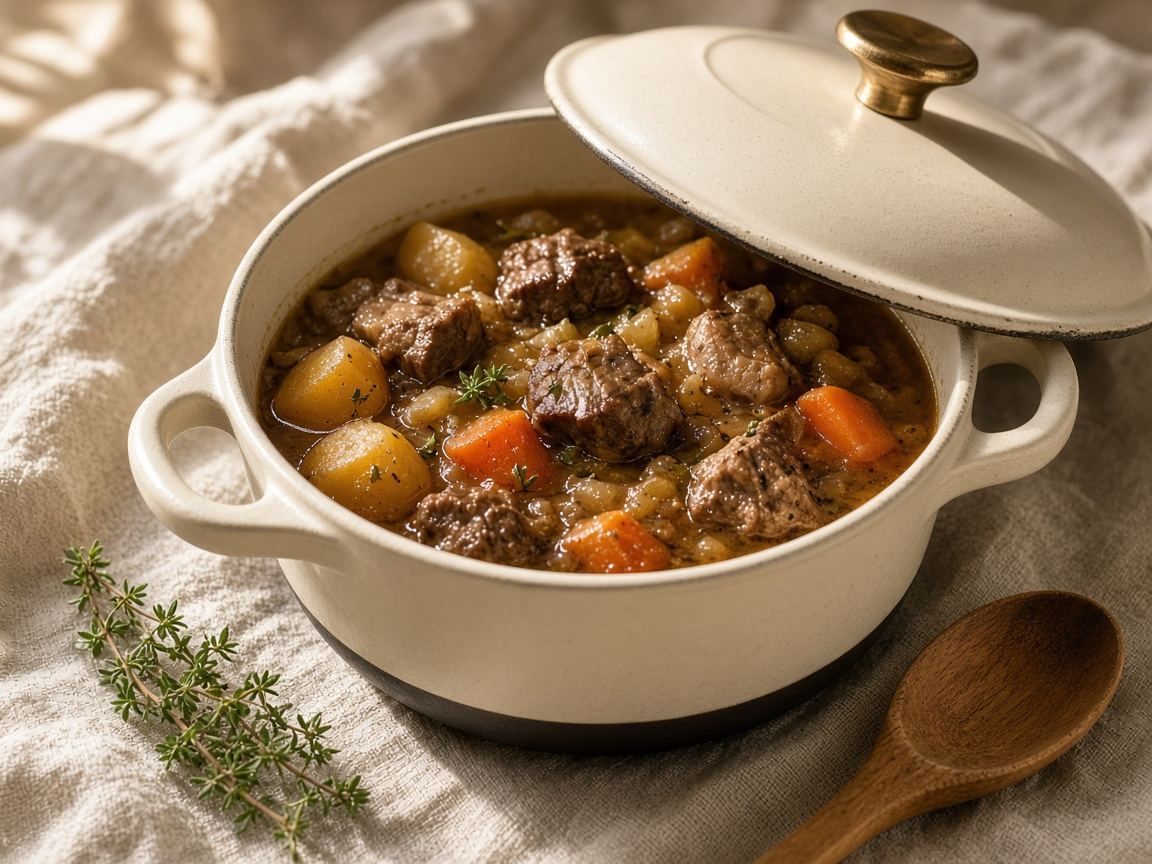
The journey
Cocotte is a pot that became a method. In French houses a deep, lidded vessel of earthenware, then copper, then iron sat at the edge of the fire so a cheap cut could turn silk. The word is older than the enamel brands that now travel with it. What mattered was the seal: steam stays, collagen melts, and a room smells like wine and onion for hours.
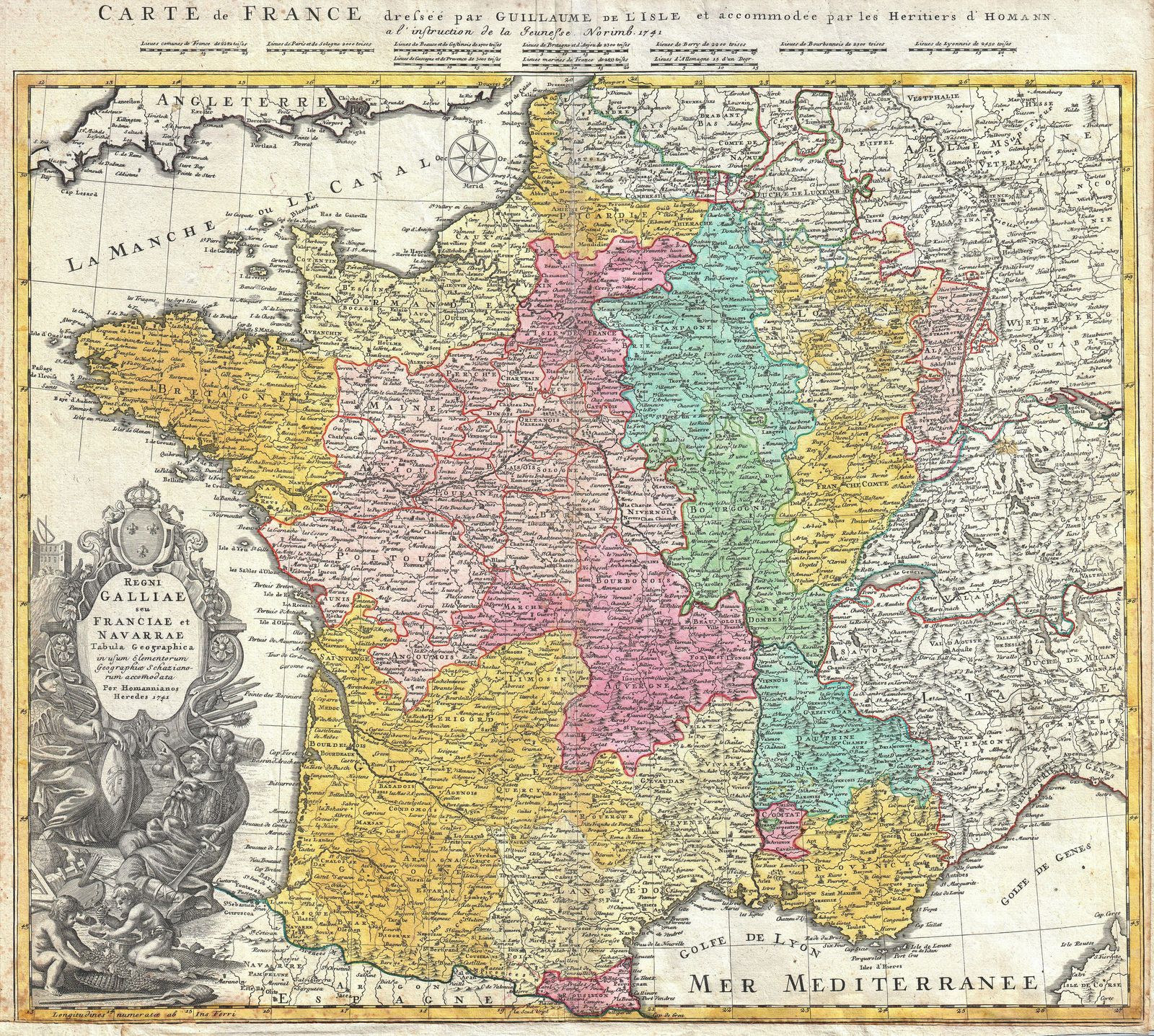
Eighteenth-century maps of France were already selling a country of provinces, each with a pot and a pride. Burgundy had its daube, Provence its daube too, Normandy its cider pot. The cocotte is how those kitchens shared a geometry even when the wine changed.
In the kitchen
Brown the meat, sweat the onion, add liquid that comes only halfway up, then lid it and forget it on a low flame or in a quiet oven. Do not boil. A cocotte rewards neglect more than stirring. Serve it at the table in the same pot.
The French volume treats this pot as the weekday and the feast: pot-au-feu, boeuf bourguignon, a cassoulet that sits overnight. A modern Dutch oven is the honest cousin. The name on the lid matters less than the weight.