
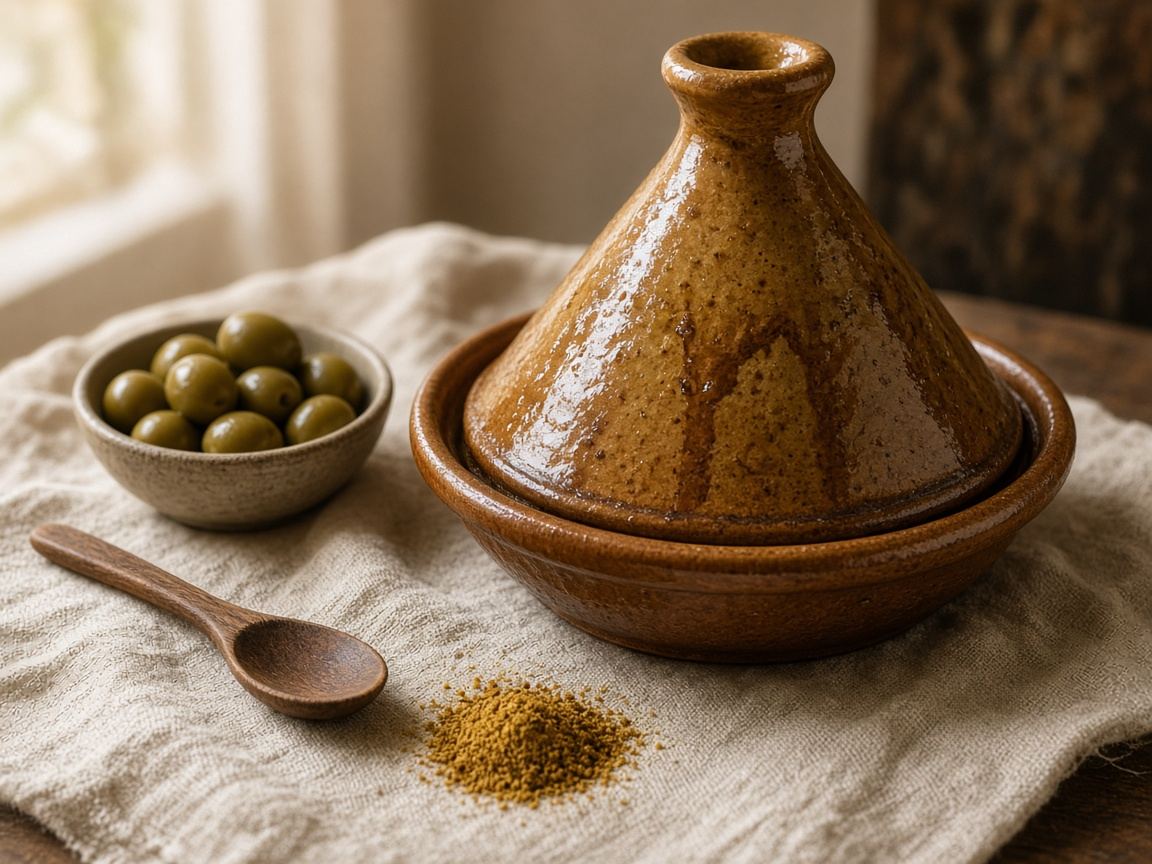
Tagine
A clay pot with a cone for a lid: steam falls back as dew, and a courtyard meal cooks without wasting a drop.
Cookware · Hearths
Page 1 of 4.
A clay pot with a cone for a lid: steam falls back as dew, and a courtyard meal cooks without wasting a drop.
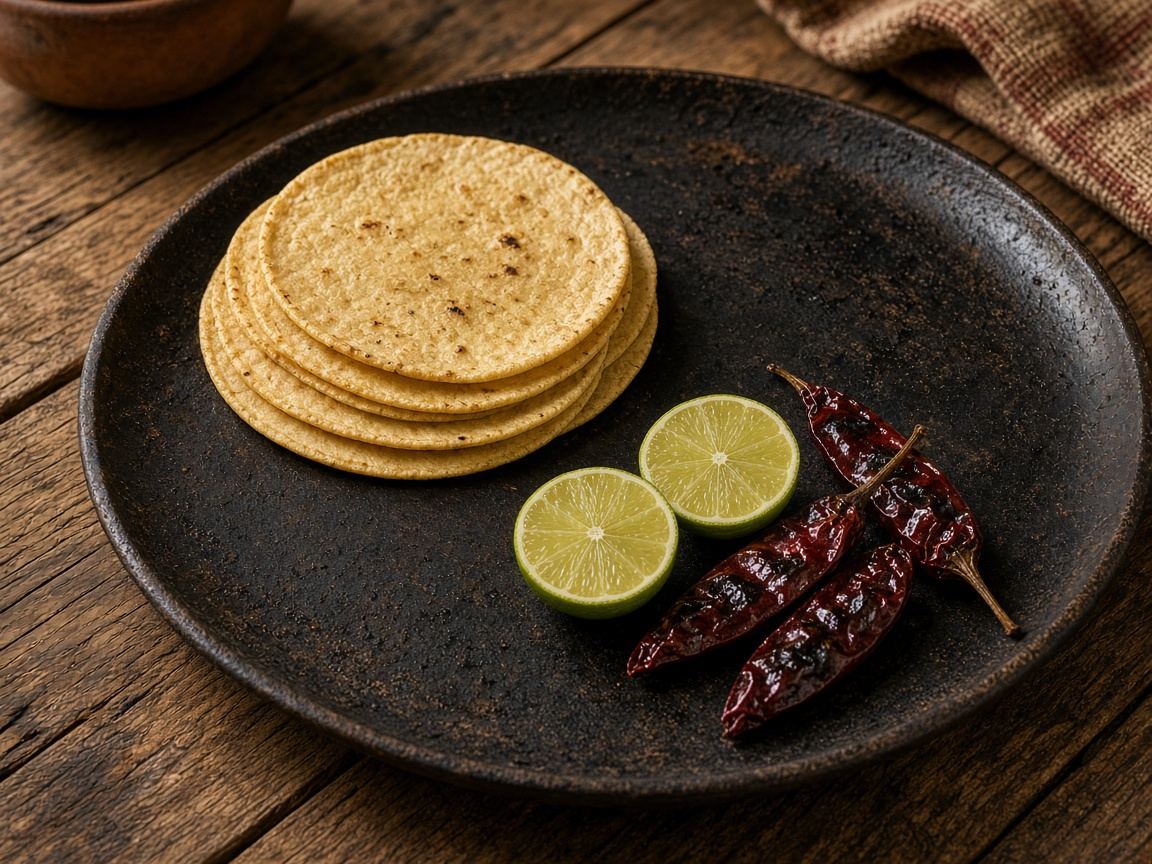
A flat disk of clay or iron: the hearth where tortillas puff, chiles wake, and a Mexican kitchen begins.
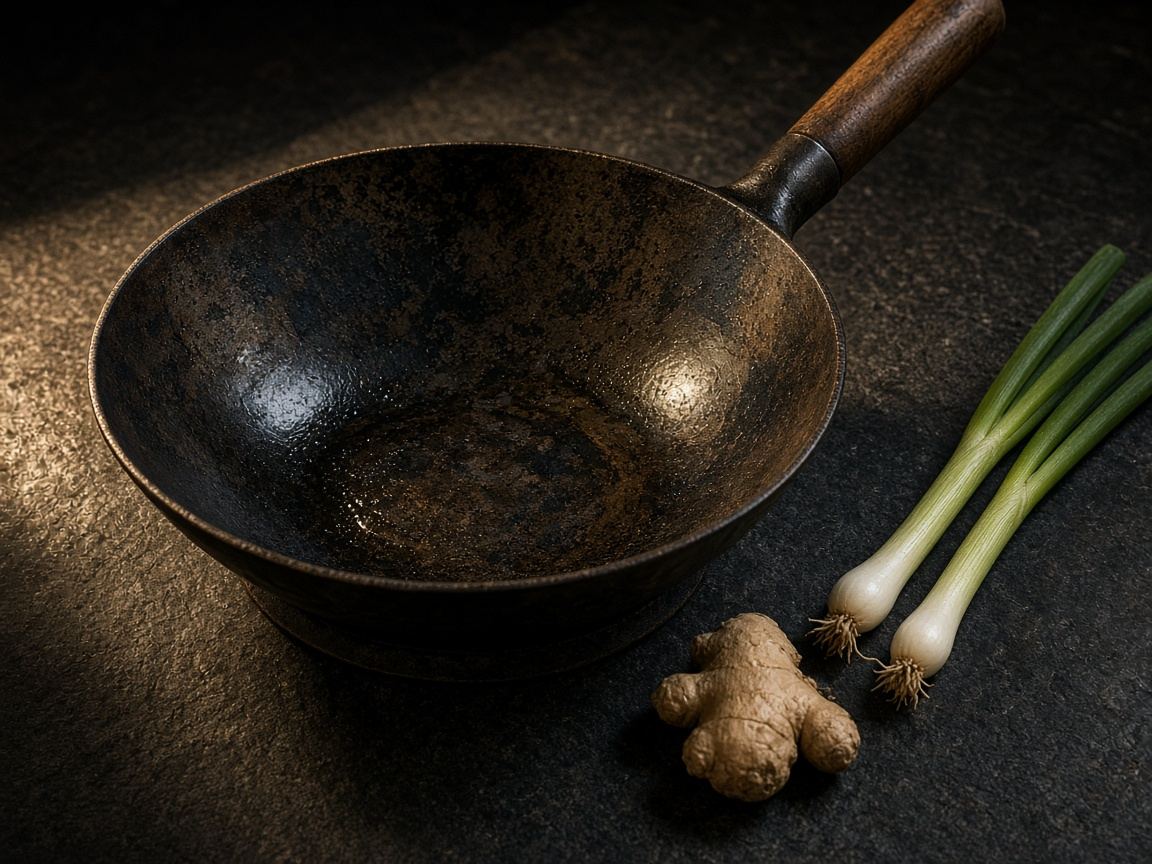
A round bowl of carbon steel: one pan for fire, steam, fry, and the toss that keeps a weeknight honest.
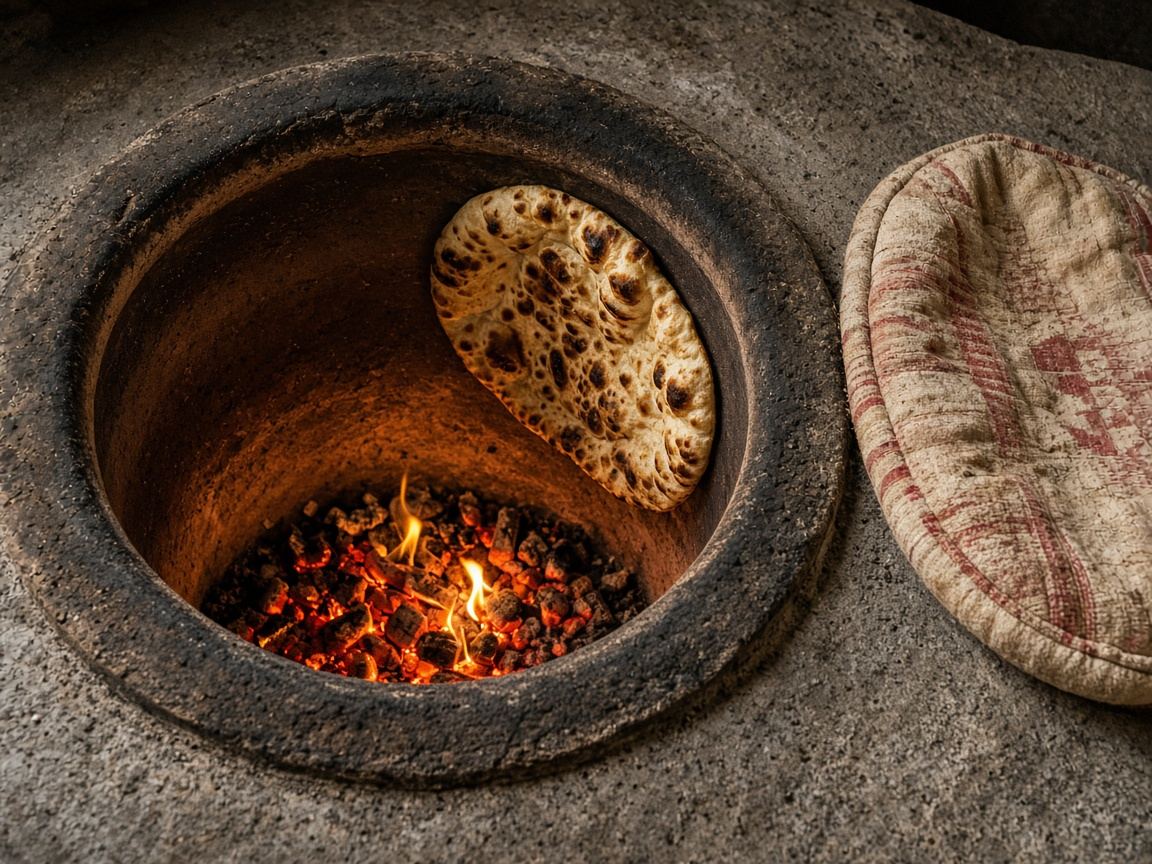
A clay oven standing like a well of fire: bread slaps the wall, and meat takes the perfume of the pit.
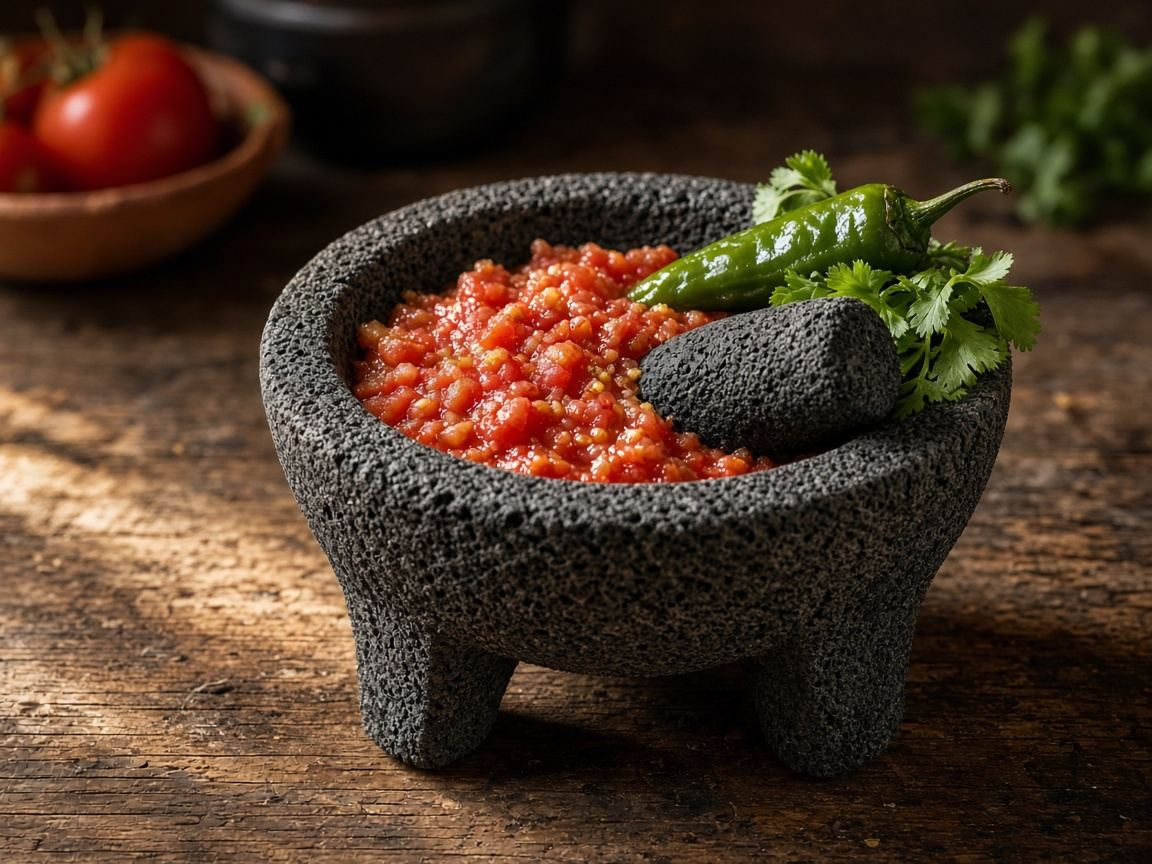
A bowl of volcanic stone and its pestle: salsa that still tastes of the rock it was born in.
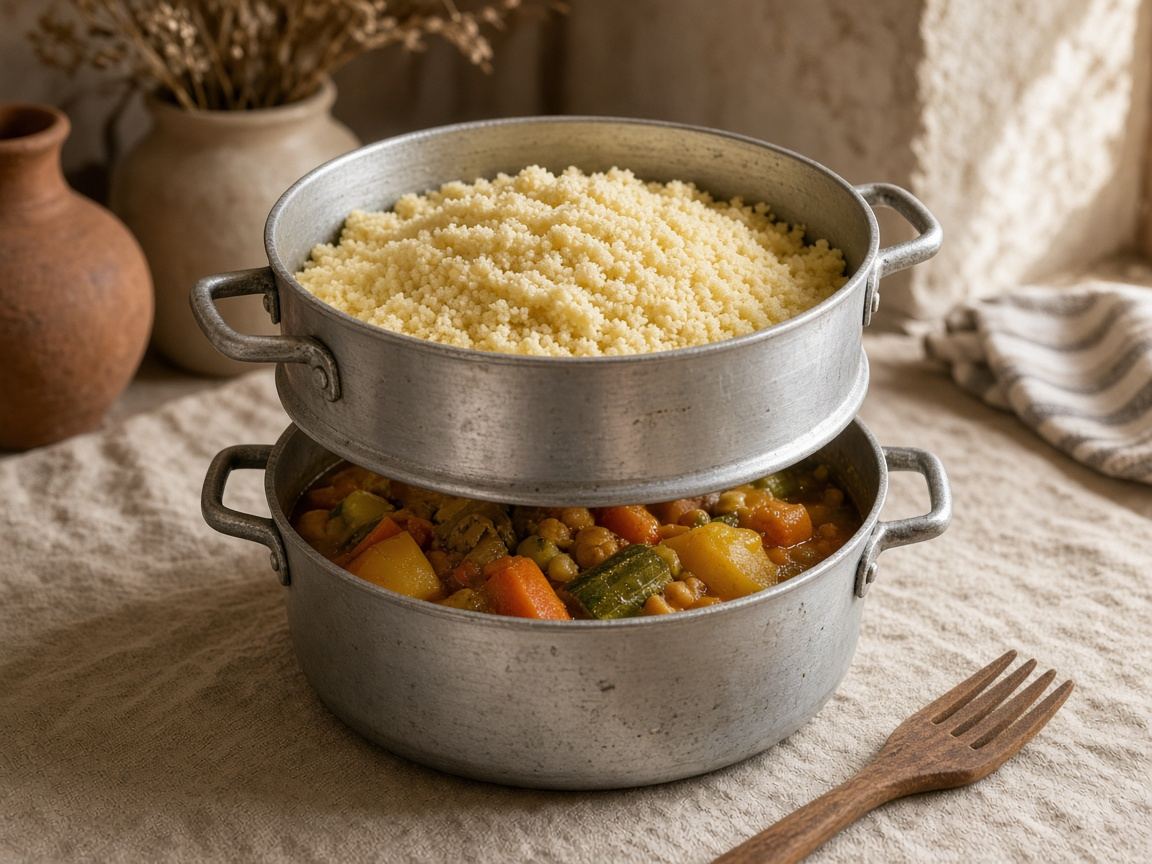
Two pots stacked: a stew below, a rain of steamed semolina above — Friday lunch in a single column of steam.
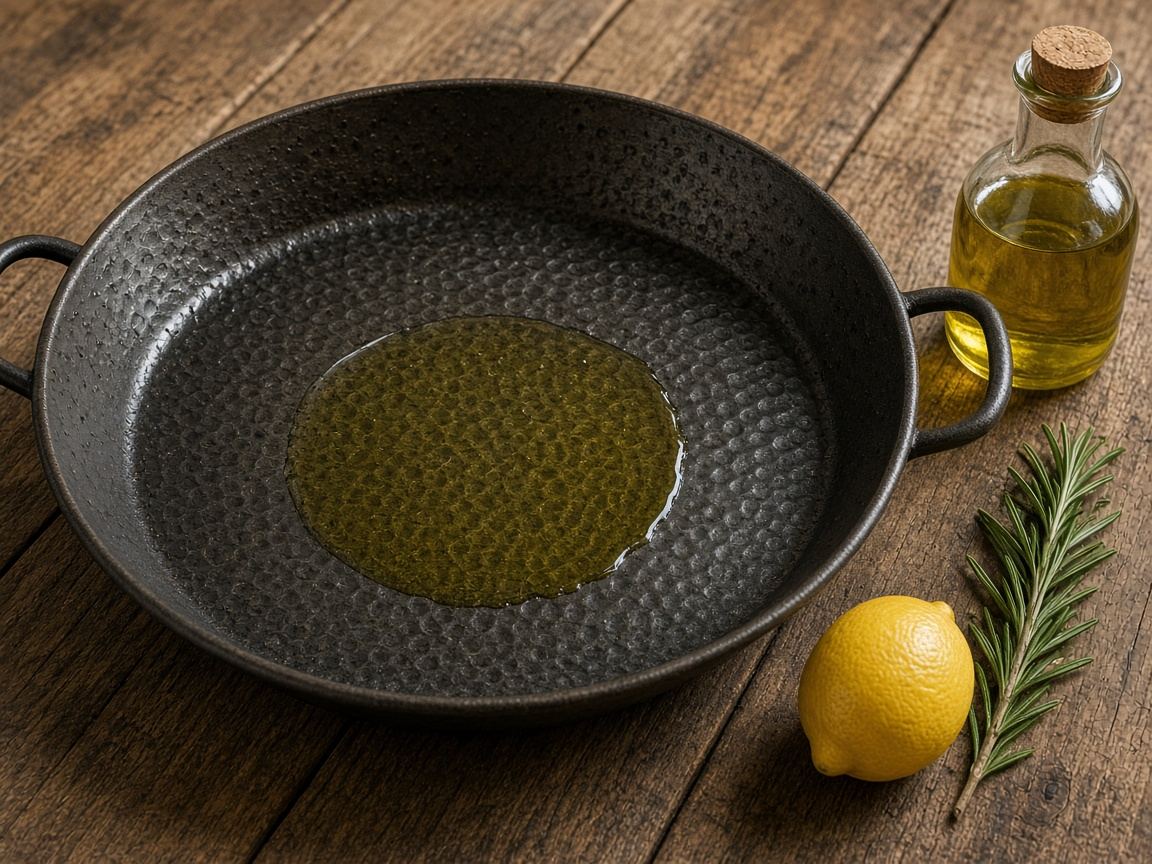
A wide, shallow steel disk: rice in a thin layer, socarrat at the bottom, and enough handle for two people to carry lunch to the table.
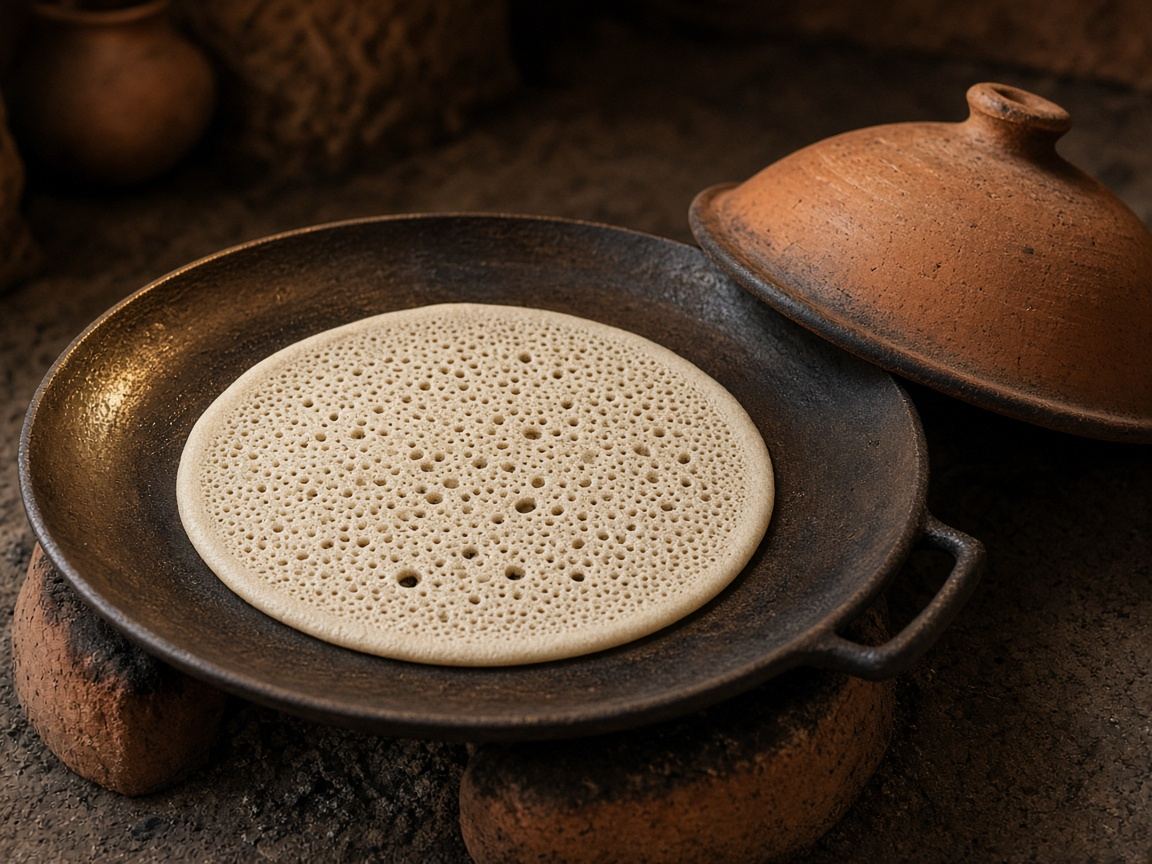
A clay or iron disk over the fire: the only honest way to bake injera until it bubbles like a honeycomb.
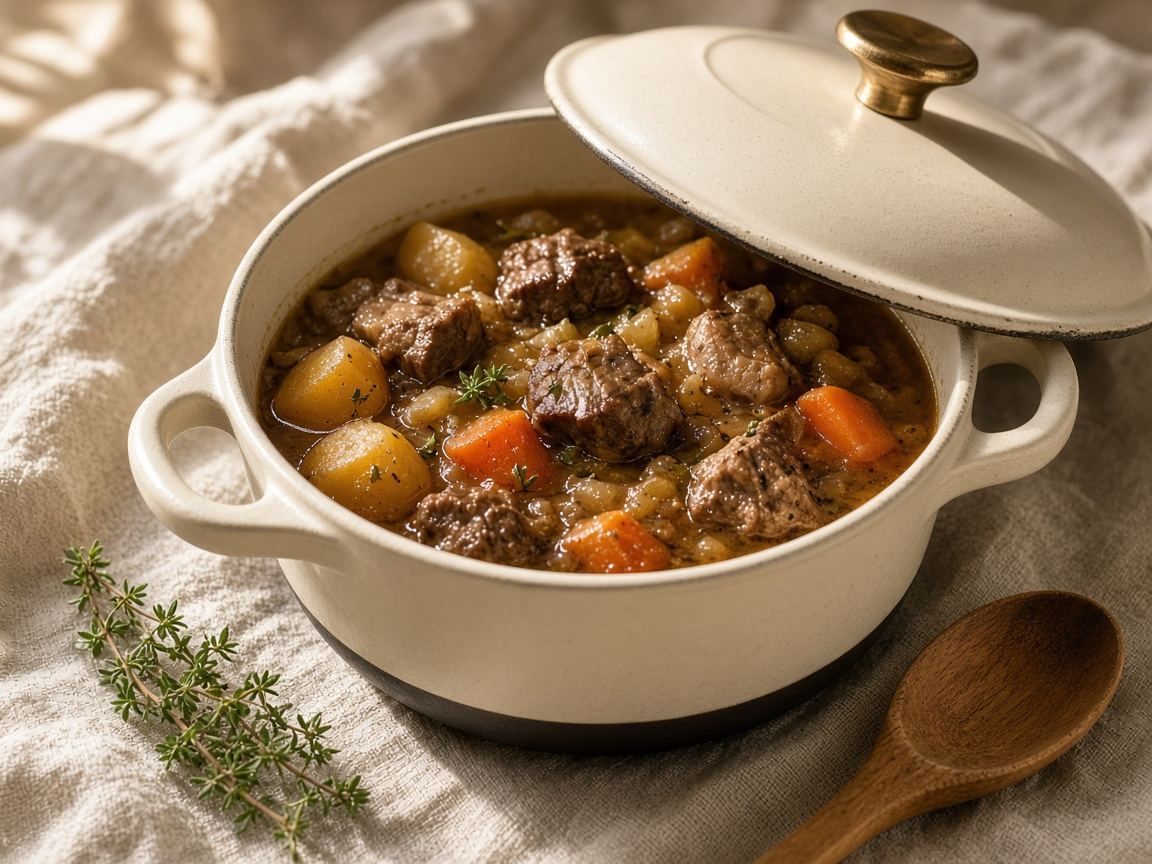
A heavy pot with a tight lid: the French hearth for a daube, a stew, and the Sunday that refuses to rush.
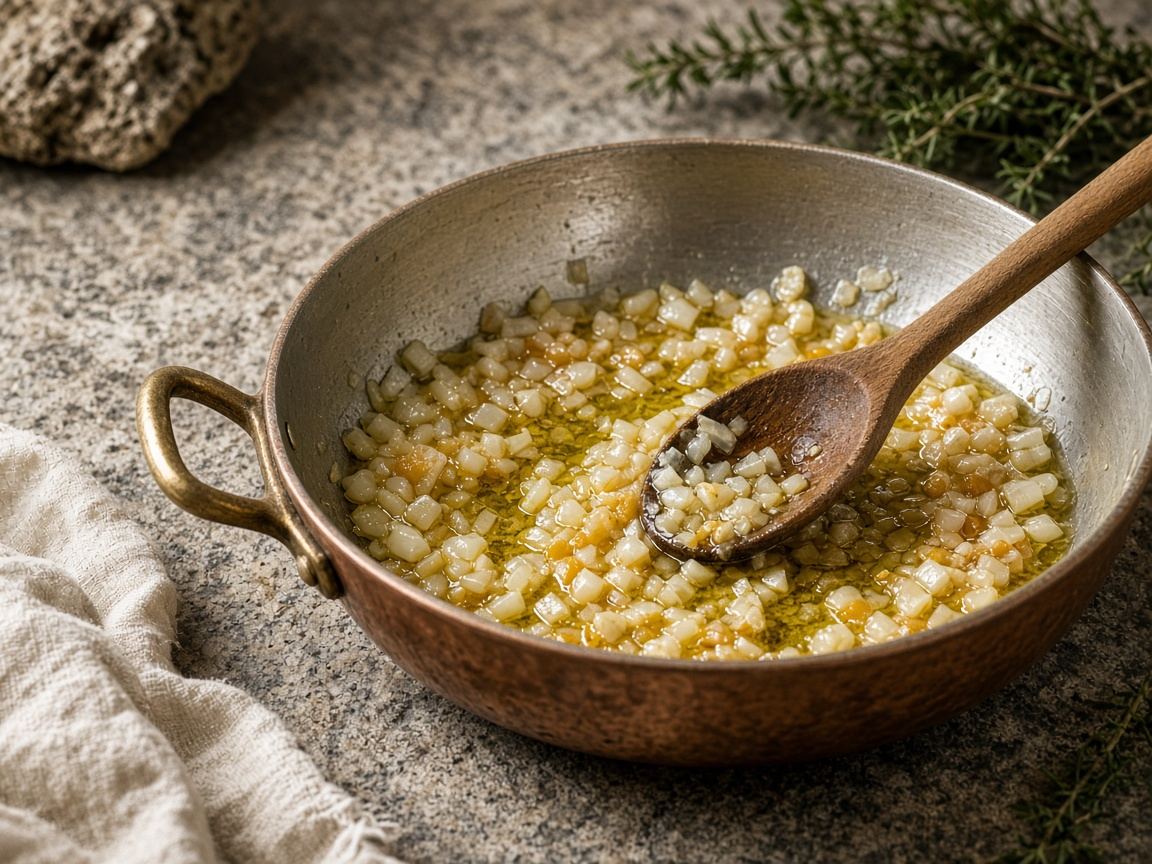
A wide, shallow copper or tin-lined pan: soffritto first, then the sauce that clings to pasta like a second language.
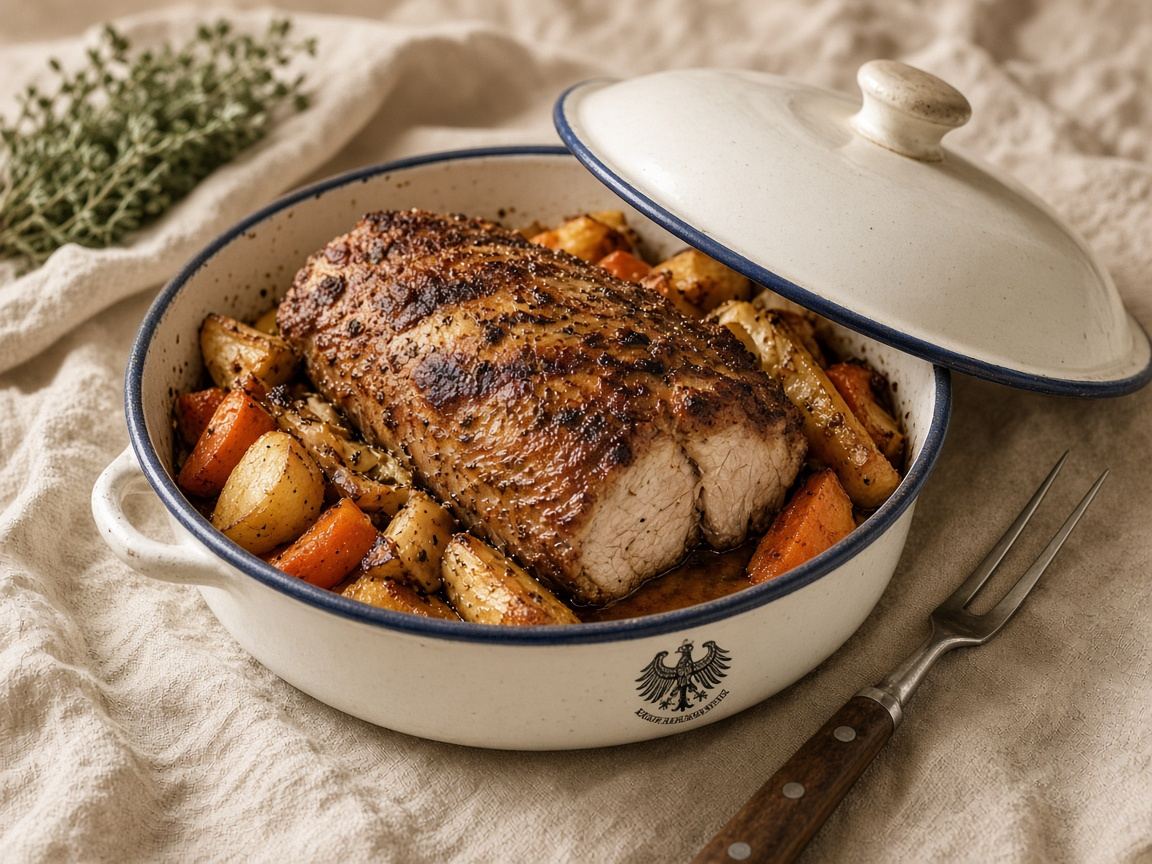
A lidded roasting pot: Sunday pork, sauerbraten, and the oven that does the work while the table is set.
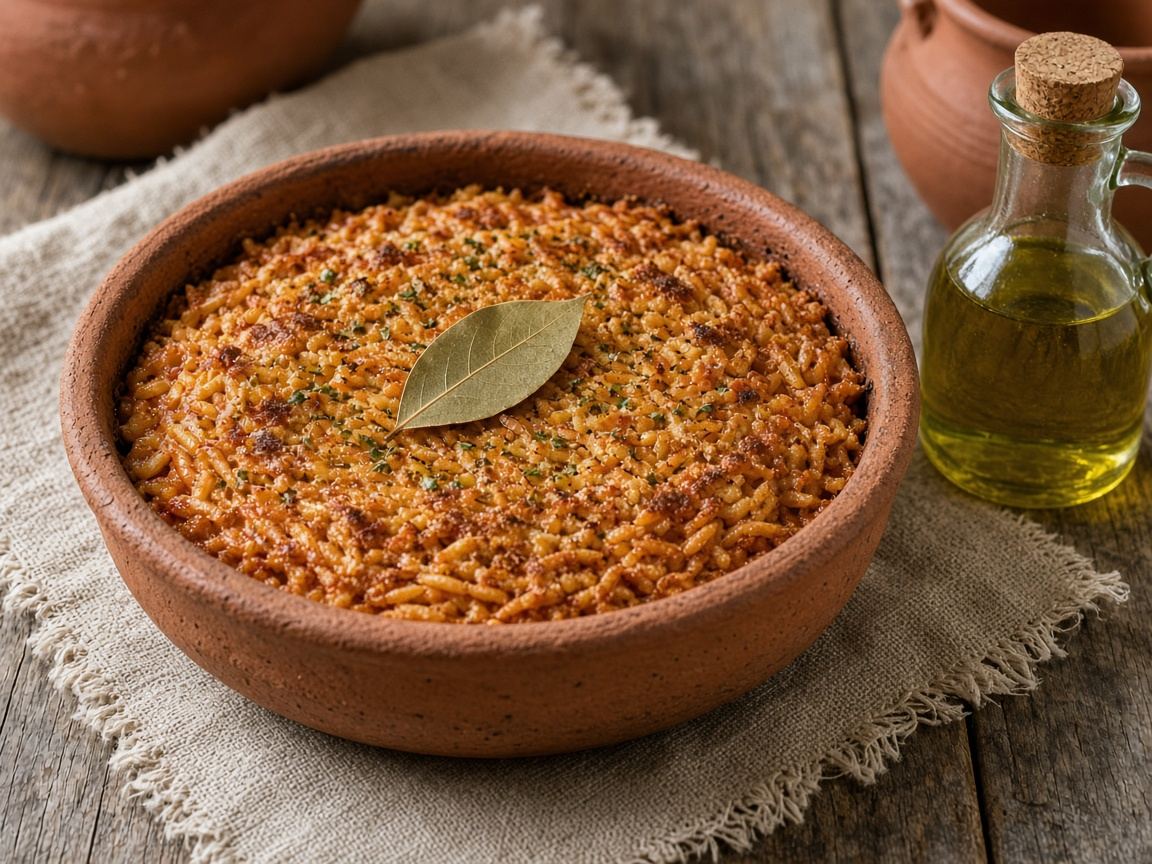
A clay baking dish: orzo and meat share one pot, and the table smells like tomato, cinnamon, and the oven.
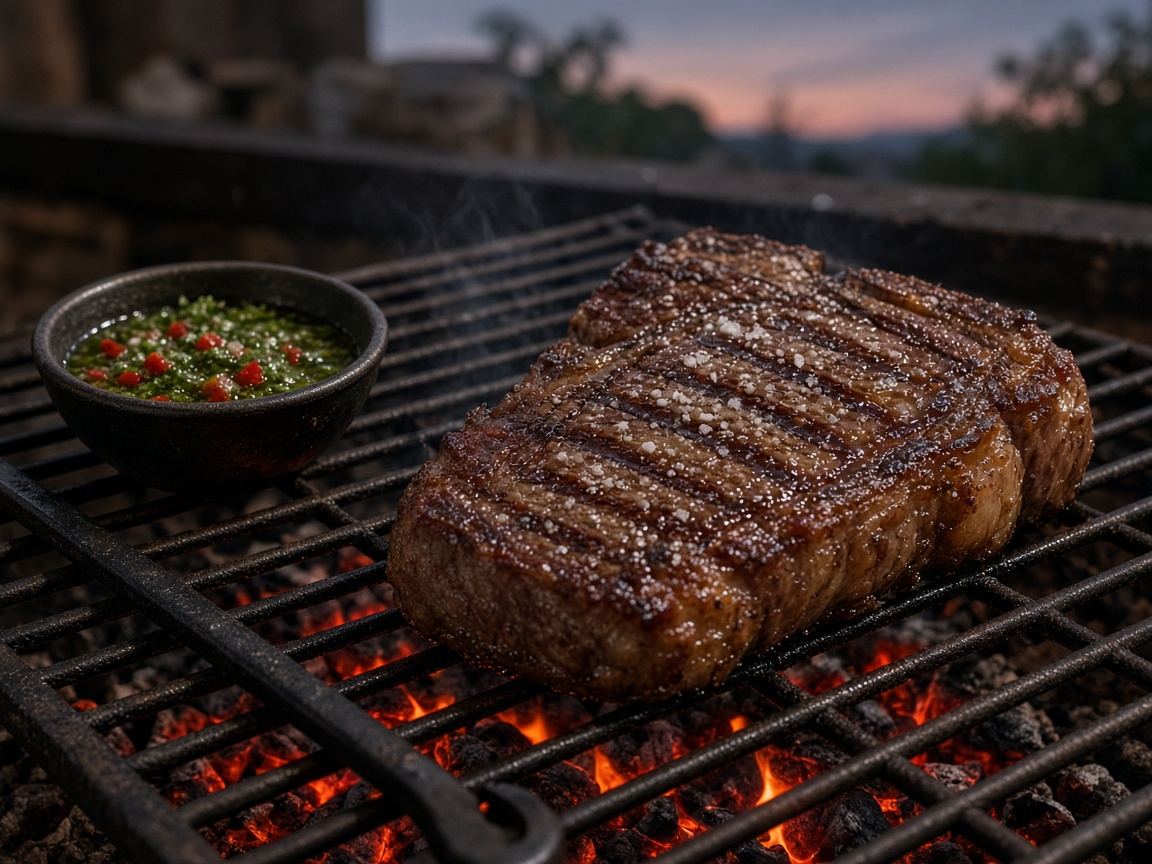
A grate over live coals: the Argentine hearth where fire, fat, and patience are the whole recipe.
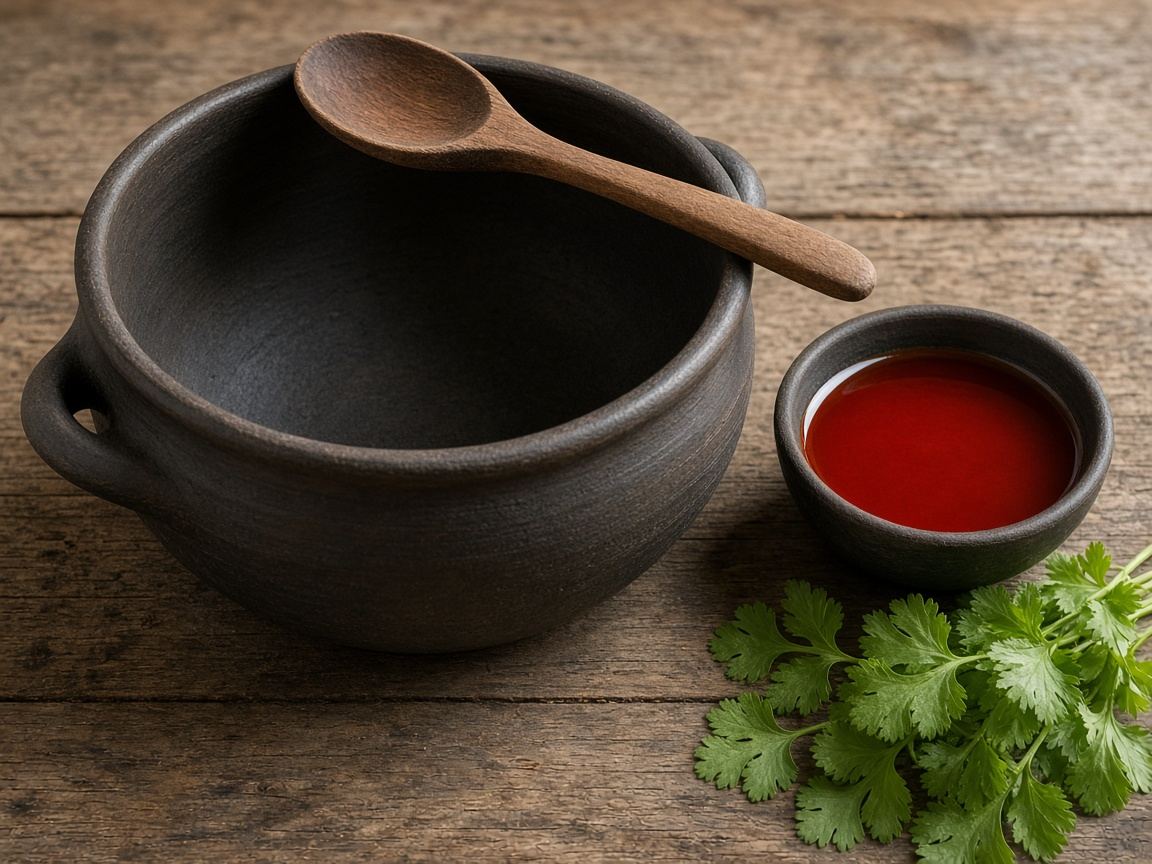
An unglazed clay pot: moqueca that tastes of the coast, dendê, and the vessel that refuses to be hurried.
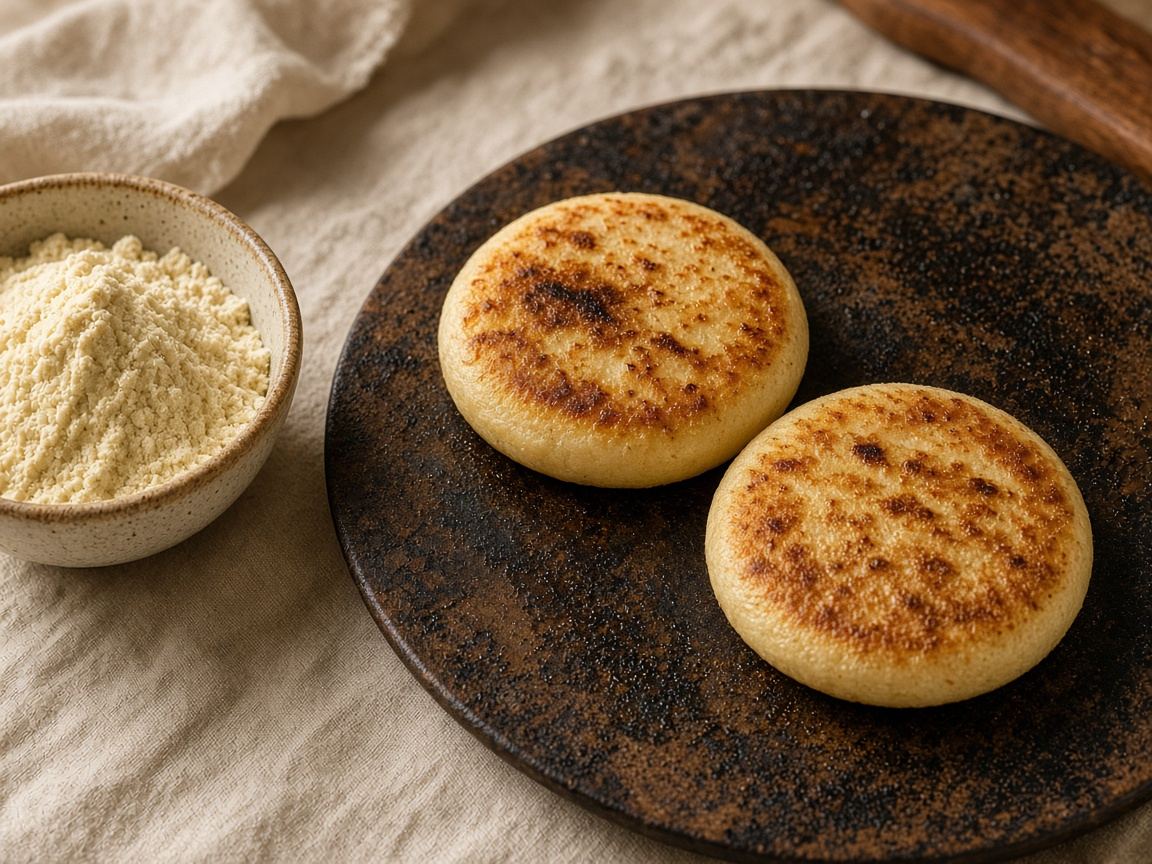
A flat clay or iron disk: the Colombian hearth where maize becomes an arepa instead of a tortilla.
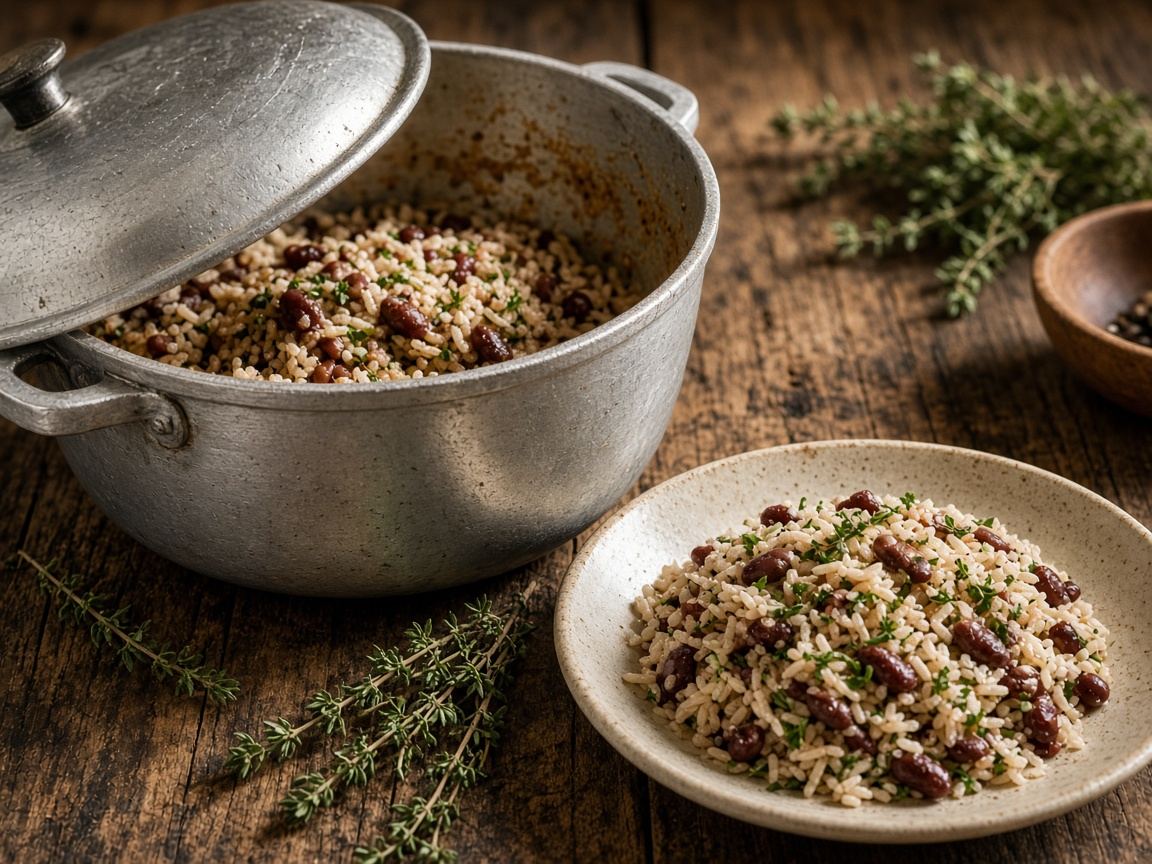
A heavy, tight-lidded pot: rice and peas, brown stew, and the weekday that tastes like a whole island.
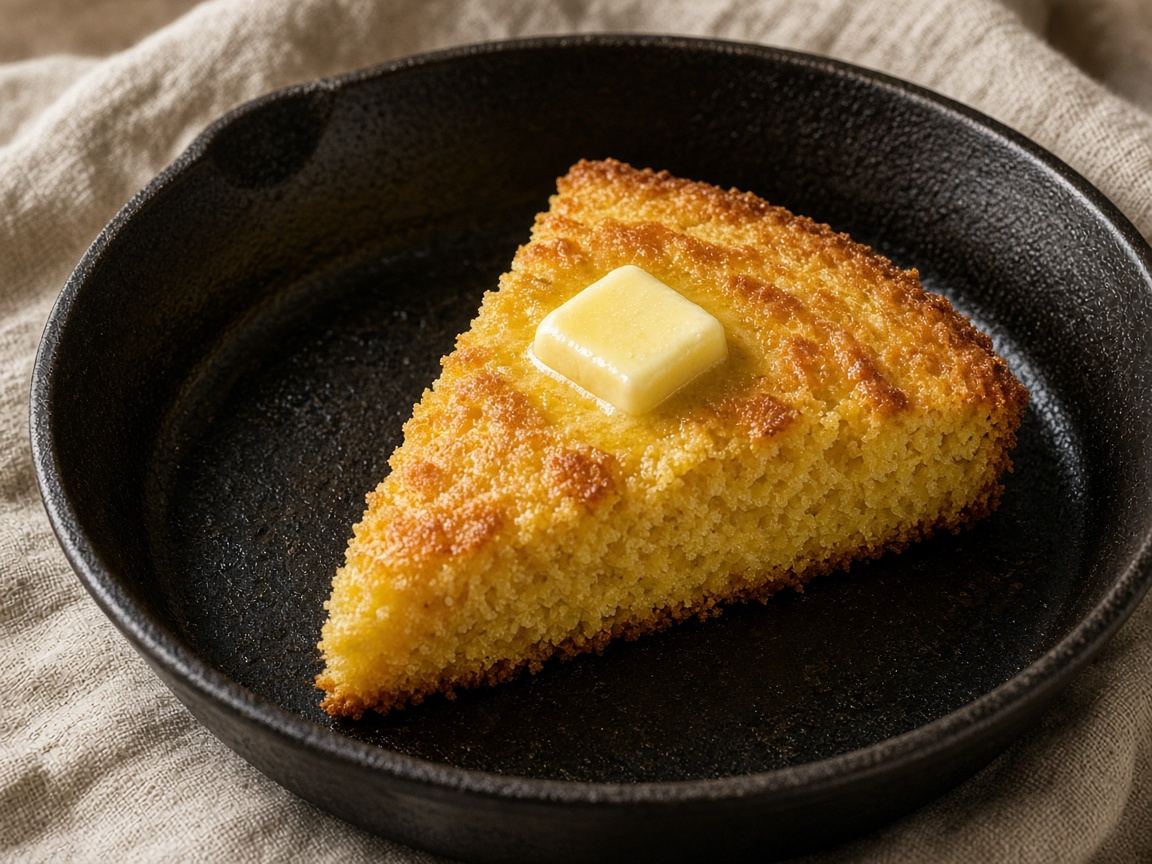
A black iron pan that outlives its cook: cornbread, a chop, and the weekday that starts with a loud hiss.
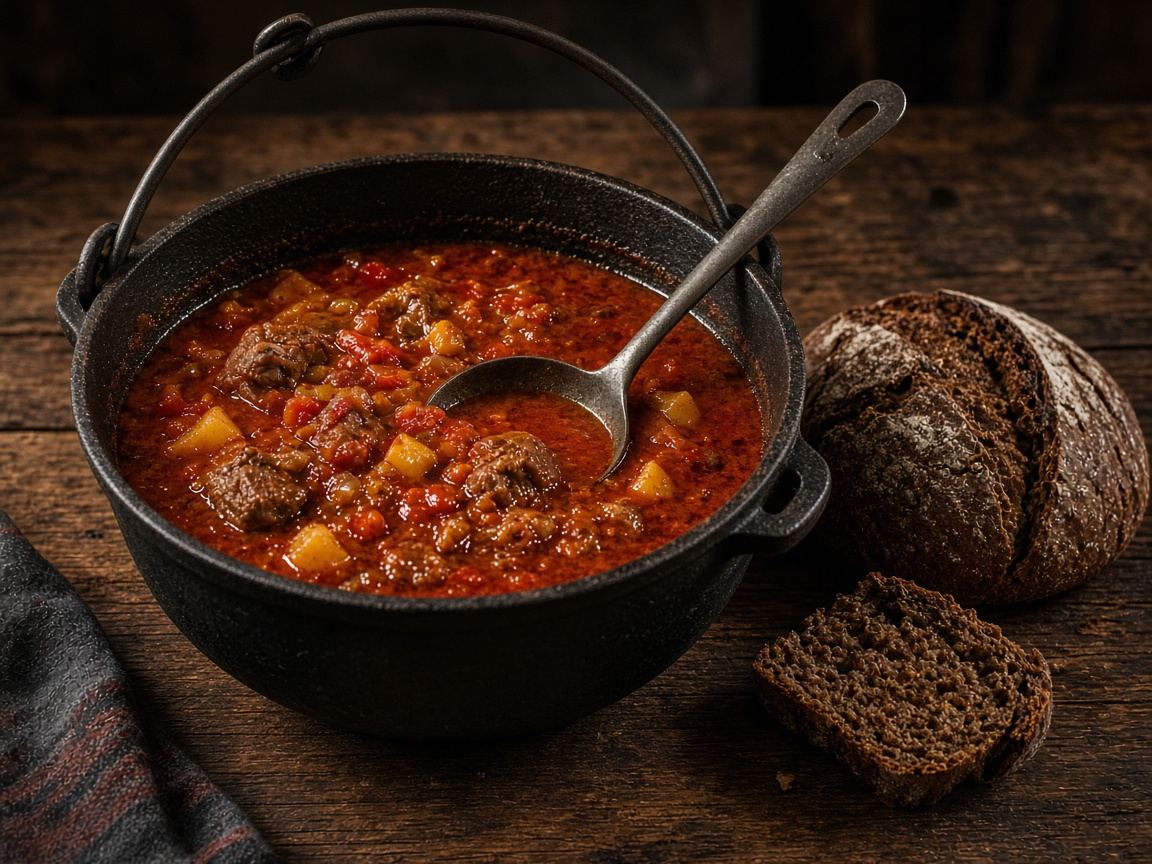
A deep iron pot over a fire: goulash, bigos, borscht, and enough soup to feed whoever came in from the cold.
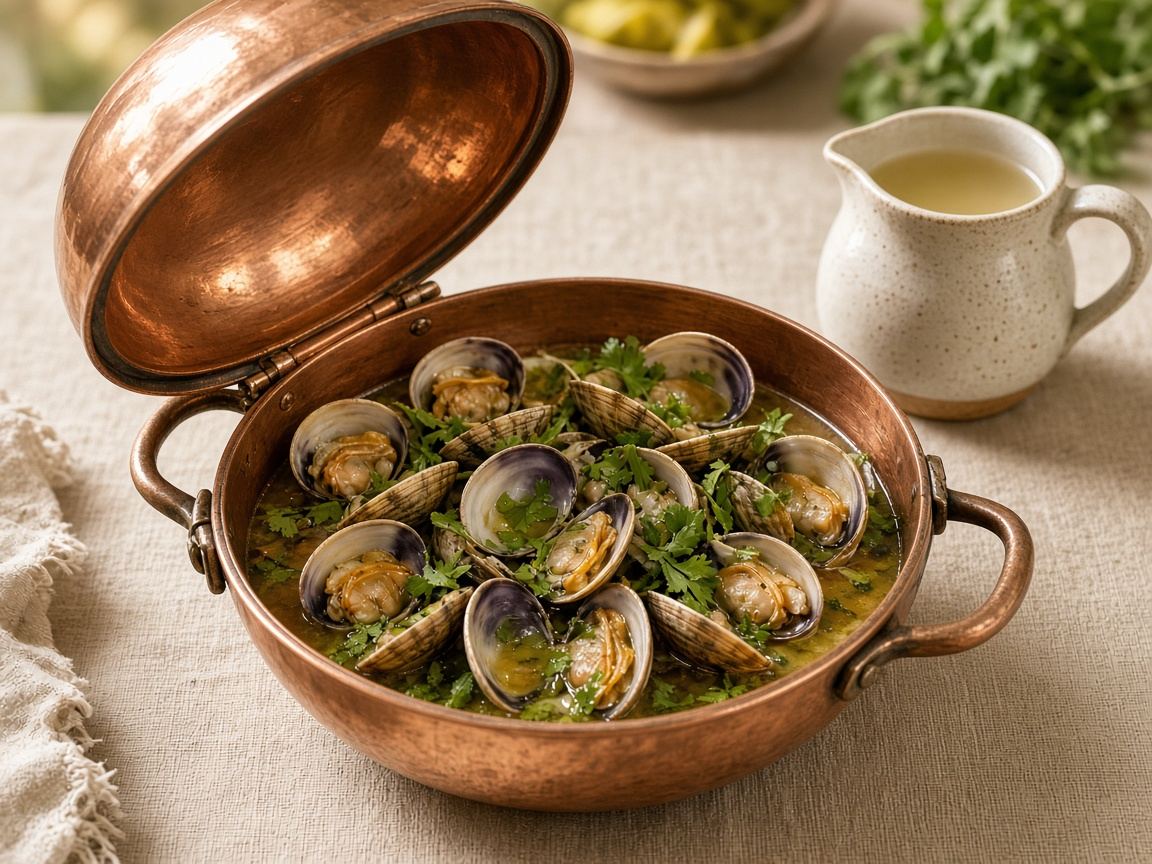
A copper clamshell: clams, pork, and coriander steam in their own liquor, and the lid is the serving dish.
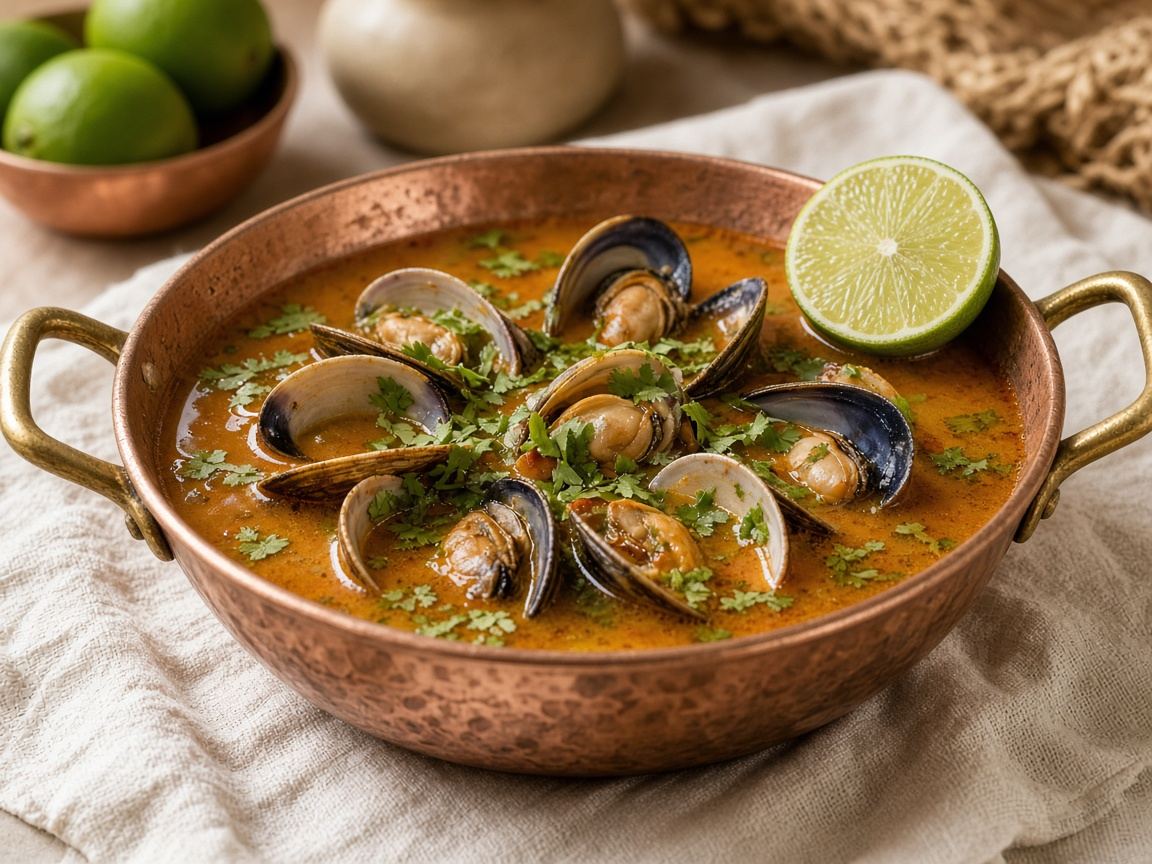
A wide, flared metal pan: seafood in a fierce broth, and the Andean table that eats it still bubbling.
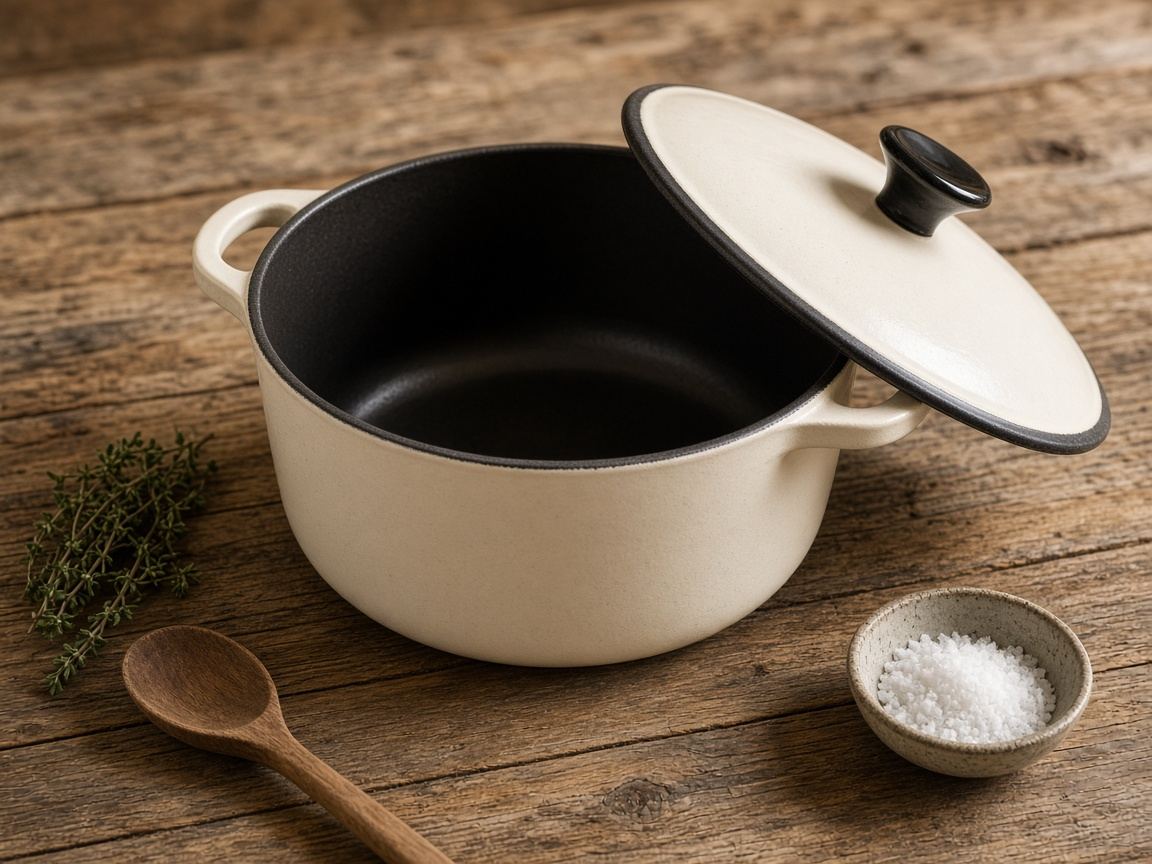
A heavy pot with a tight lid: the one the 30 books reach for when they do not name a country-specific hearth.
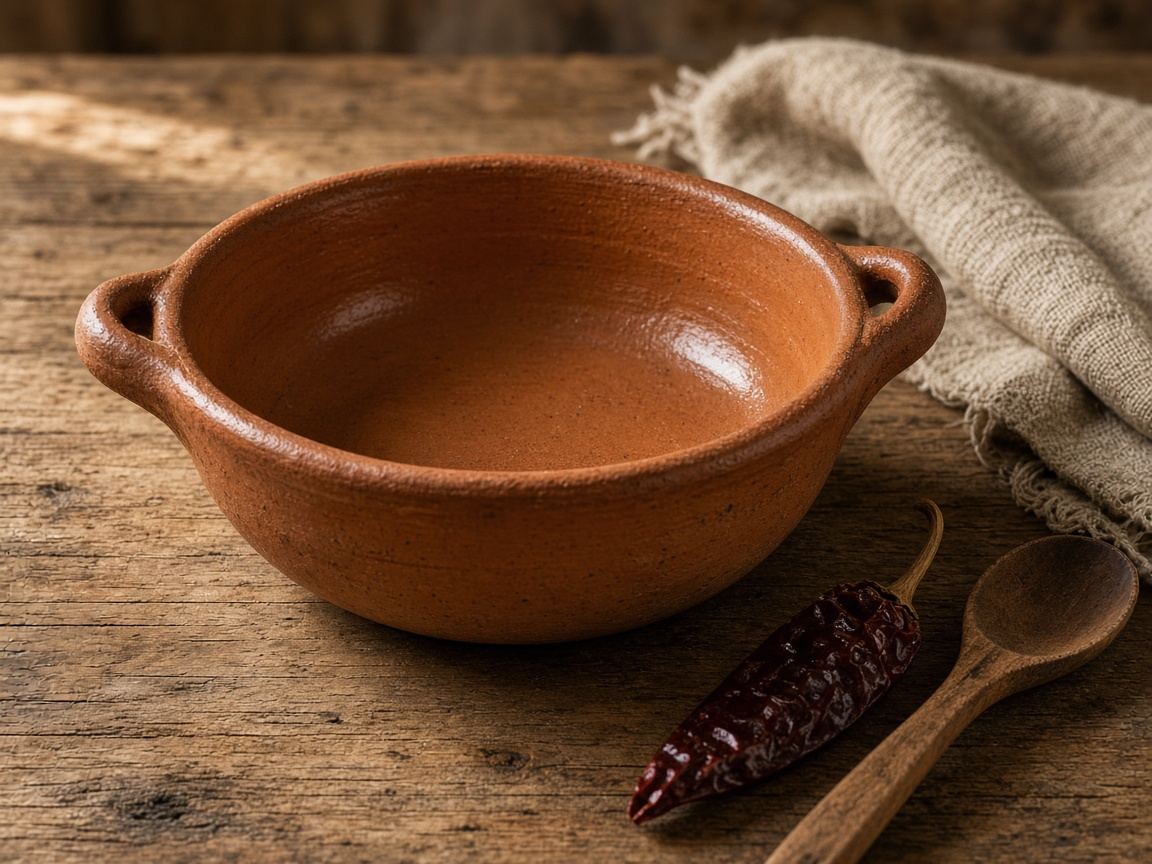
A wide clay or earthenware dish: rice, beans, and stews that come to the table still bubbling.
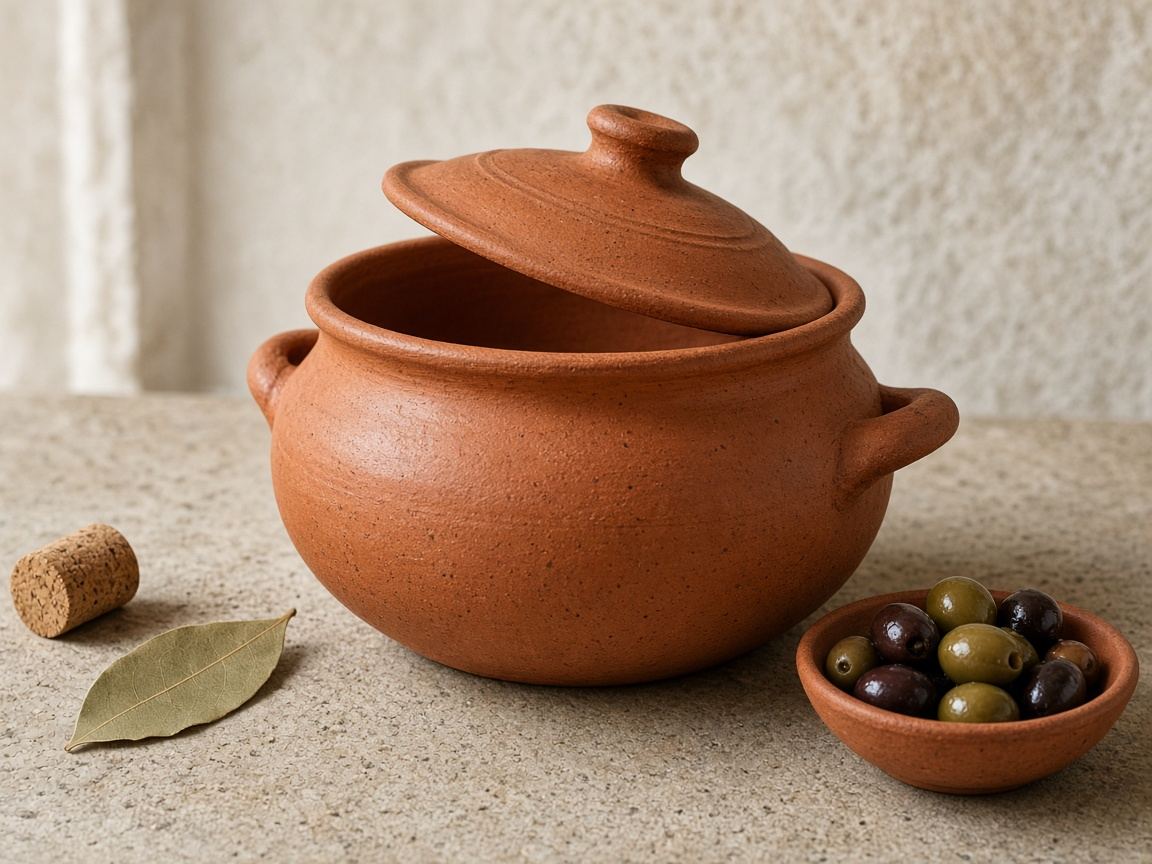
A Portuguese casserole, often earthenware: the pot for a refogado, a rice, and a stew that wants a wide quiet heat.
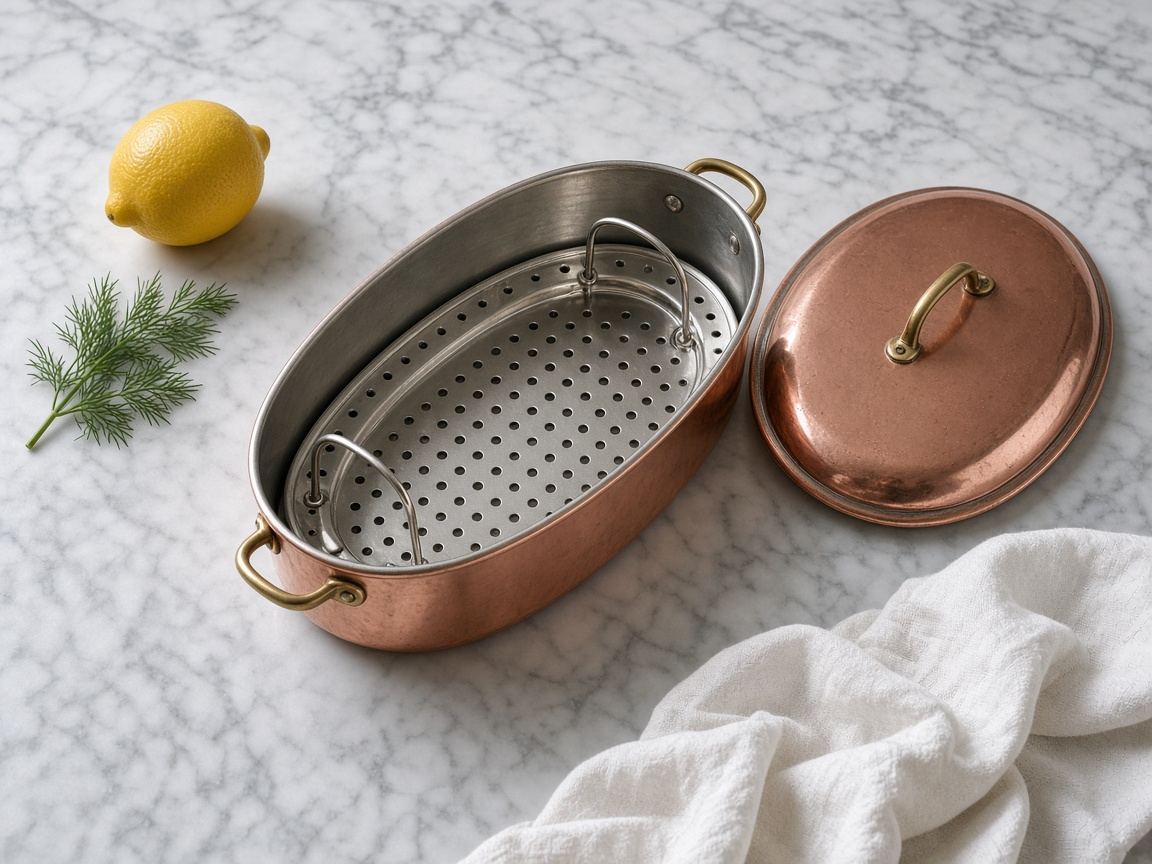
A long, narrow pot with a rack: a whole fish poached in court-bouillon and lifted out in one piece.