
Cookware · Hearths
Cauldron
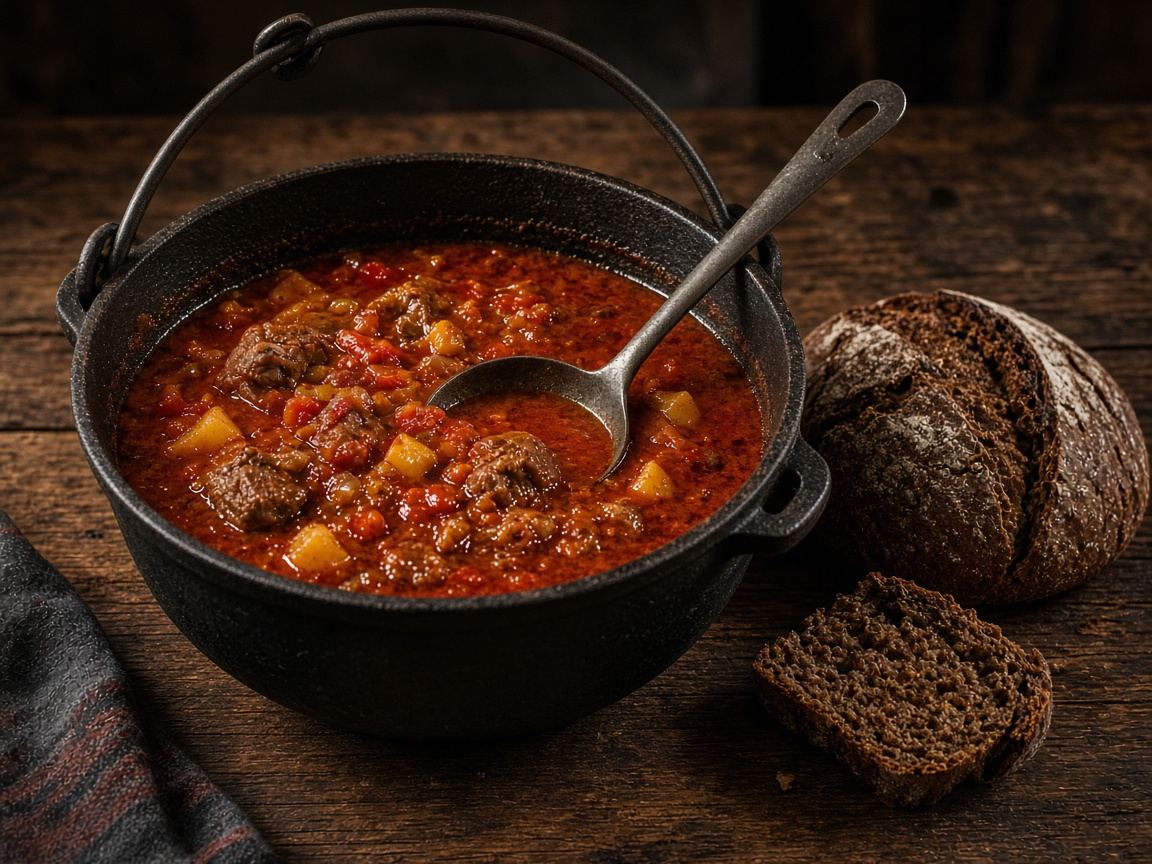
A deep iron pot over a fire: goulash, bigos, borscht, and enough soup to feed whoever came in from the cold.
The journey
Eastern European cooking is a pot that does not mind a crowd. Hungarians name the bogrács, Poles the kocioł, others the kazan: a deep iron vessel hung or set over fire so cabbage, meat, beet, and paprika can become a single steam. The cauldron is how a village fed a wedding and how a house fed a winter.
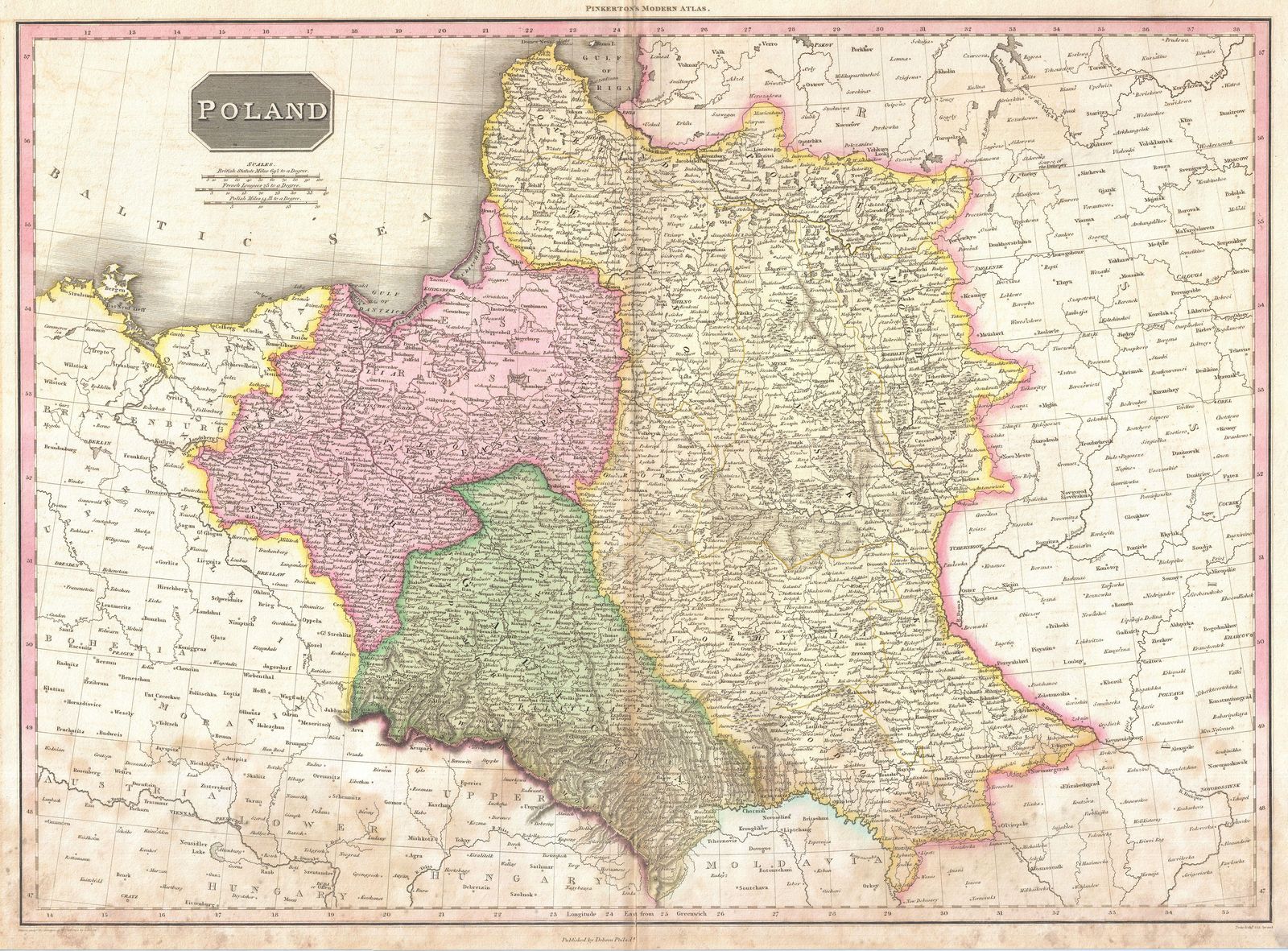
Maps of Poland and its neighbors were redrawn more often than the recipes. What stayed was the pot in the yard or on the stove, and the rule that a soup is ready when it tastes like yesterday and tomorrow at once.
In the kitchen
Brown the meat, toast the paprika off the flame so it does not burn, then add onion, liquid, and time. A cauldron wants a simmer, not a boil. Taste for sour — vinegar, fermented beet, a little pickle juice — late, not early.
Eastern European pages in the series treat this pot as the other half of the bread. A heavy stockpot is the apartment stand-in. An open fire and an iron kettle are still the feast.