
Cookware · Hearths
Comal
A flat disk of clay or iron: the hearth where tortillas puff, chiles wake, and a Mexican kitchen begins.
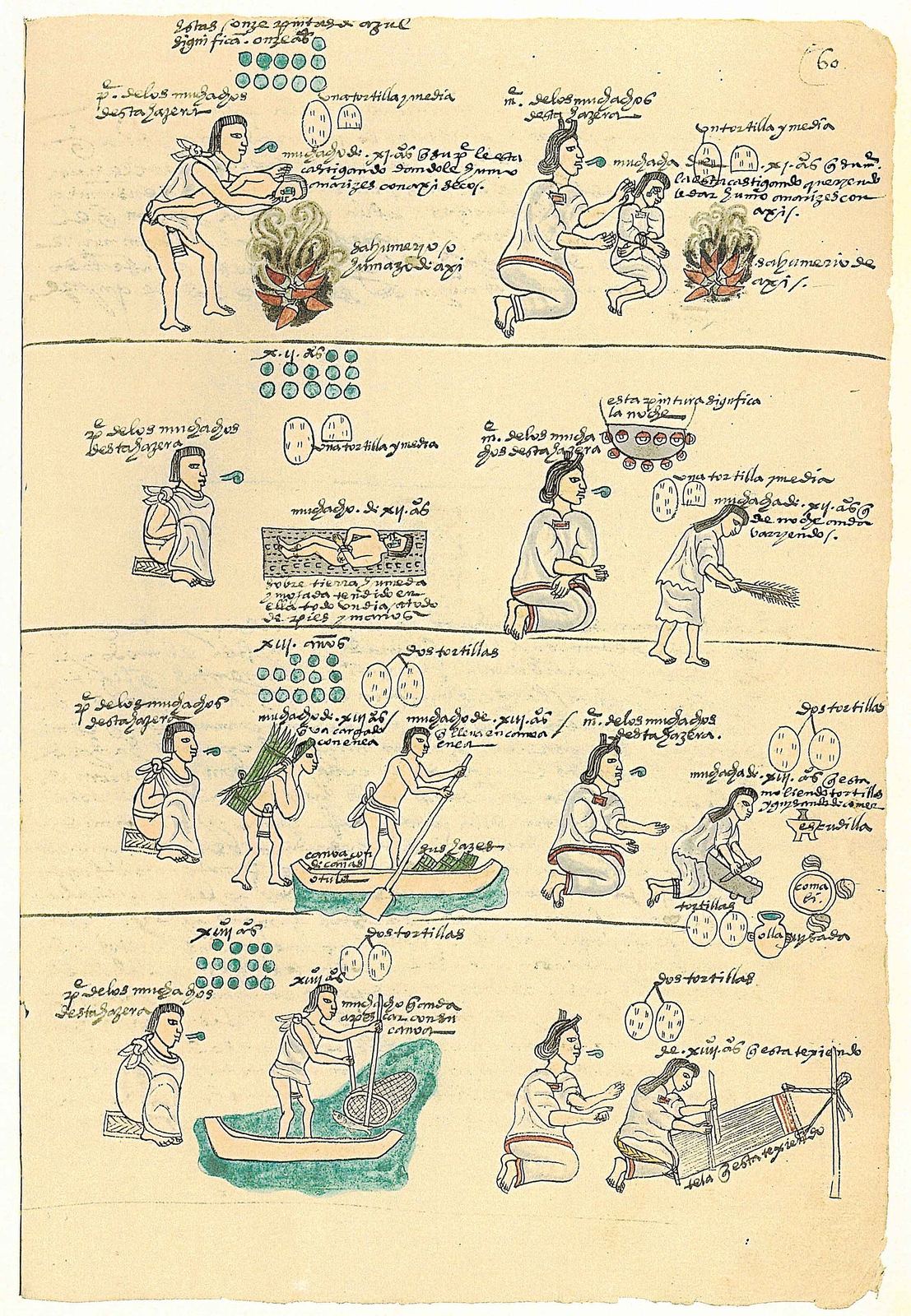
The journey
Long before a skillet sat on a stove, Mesoamerican cooks baked on a comal — a flat clay plate set over the fire. The Florentine and Mendoza manuscripts of the sixteenth century already show women shaping maize and tending a griddle. The vessel is older than the colony that tried to rename the table. It is how nixtamalized dough becomes bread you can fold.
When iron arrived, the comal became a sheet of metal, but the gesture stayed: a dry, even heat that toasts rather than fries. From central Mexico to the isthmus, the same disk still marks the difference between a kitchen that makes tortillas and a kitchen that only heats them.
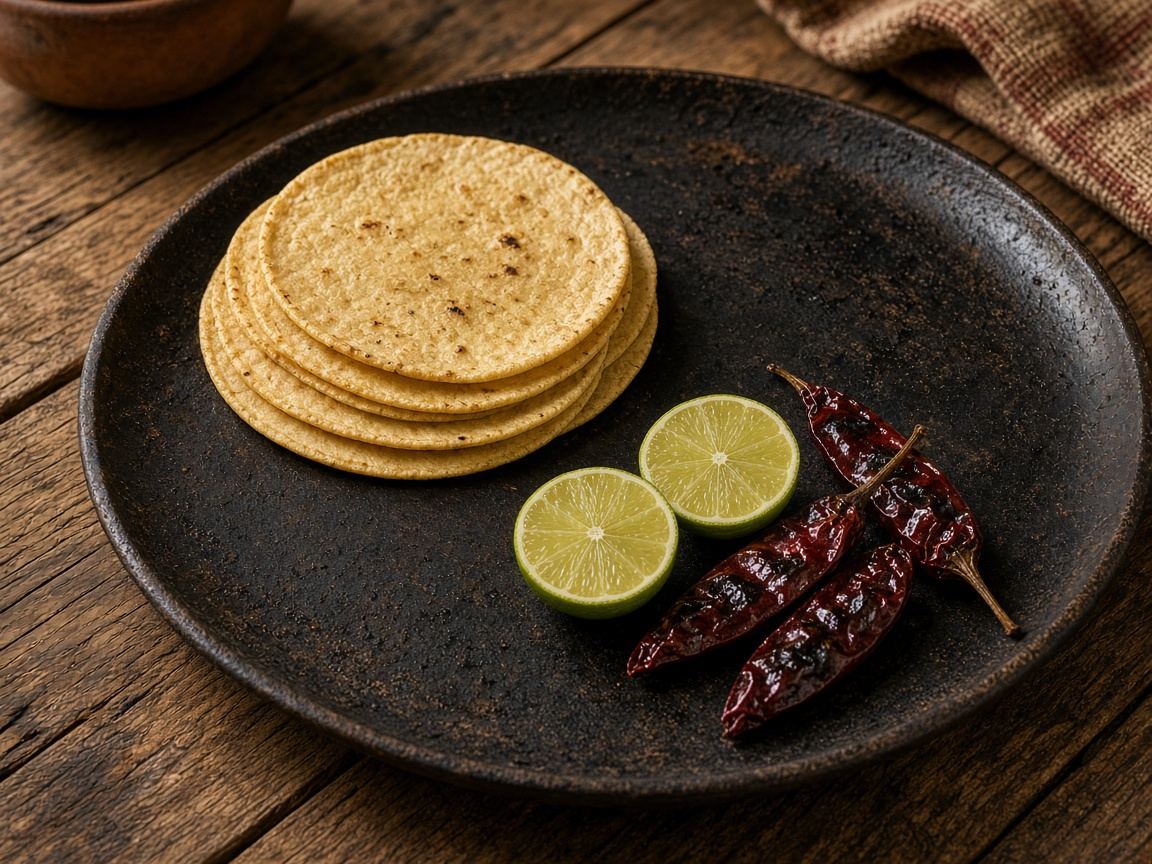
In the kitchen
Heat the comal until a drop of water dances. No oil for tortillas — the dough should kiss dry iron and puff. Use the same surface to blister tomatoes and chiles for salsa, to toast cumin until it smells like a courtyard, to rewarm a leftover tortilla so it bends instead of cracks.
In the Mexican volume the comal is assumed more than named: tacos, quesadillas, and any salsa that starts with a blackened tomato all lean on that flat heat. A cast-iron skillet is the honest substitute if you do not yet own the disk.