
Cookware · Hearths
Tandoor
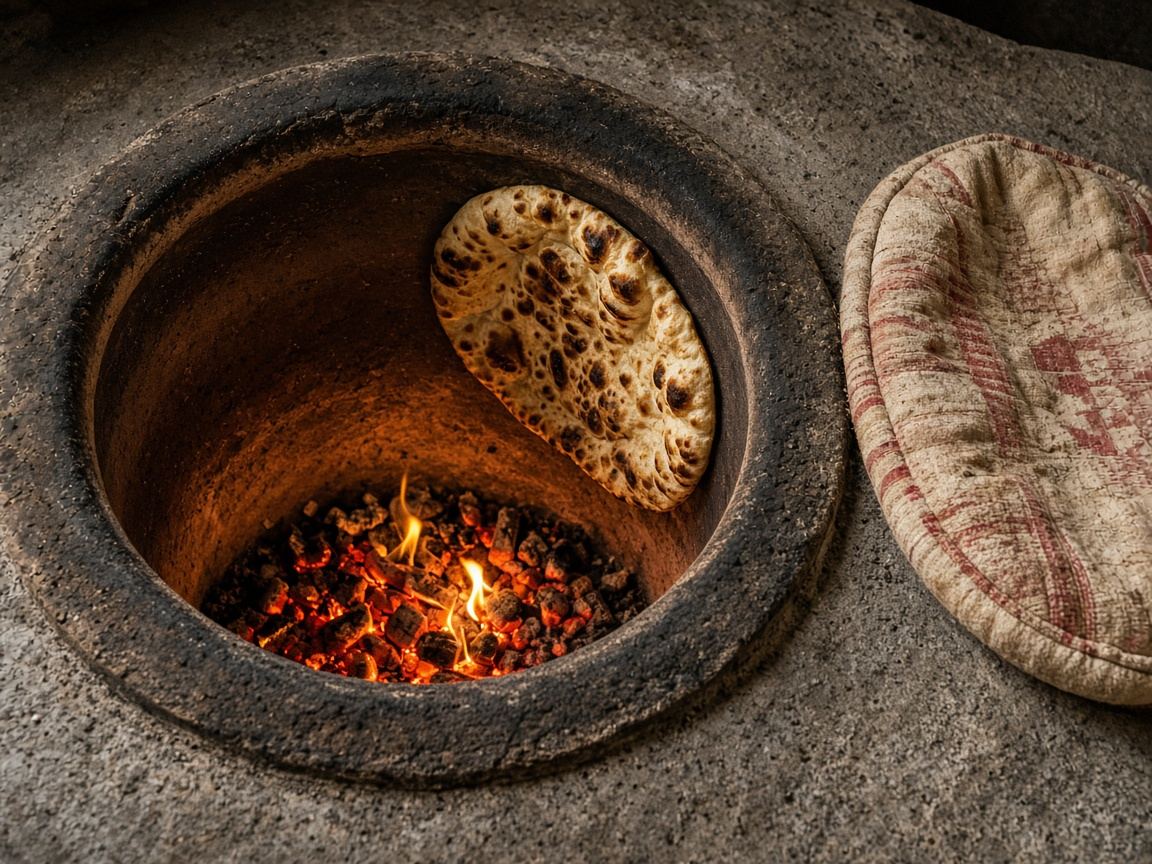
A clay oven standing like a well of fire: bread slaps the wall, and meat takes the perfume of the pit.
The journey
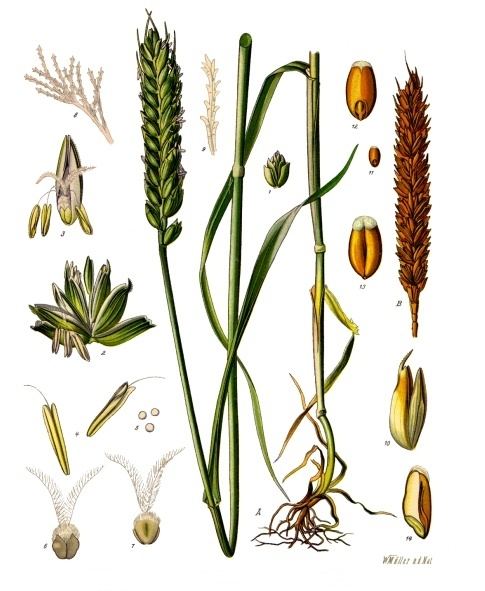
Tandoor, tandir, tonir, tannur: the same idea under many names. A cylindrical clay oven, open at the top, fired with wood or charcoal until the walls glow. From the Caucasus through Persia into the Punjab and the Deccan, families built them in courtyards and bakeries built them in rows. Wheat — the grain of naan, roti, and lavash — is why the oven exists. The bread is the lid and the meal.
Mughal and later North Indian kitchens made the tandoor a restaurant hearth as well as a home one. What travelers now call tandoori is not a spice mix first. It is a method: marinade, then the violent, dry heat of clay.
In the kitchen
A backyard tandoor needs time to season and a fire that dies down to coals. Slap dough on the inner wall with a cushion; peel it off when the bubbles char. Skewer chicken so it hangs in the heat, not in the ash. If you do not own the oven, a screaming-hot pizza stone or a covered grill can hint at the bread. It will not be the same perfume.
Indian and Pakistani volumes in the series treat the tandoor as the other half of the masala: naan to scoop, tikka to share. Persian and Middle Eastern pages know the same oven by older names.