
Cookware · Hearths
Paila
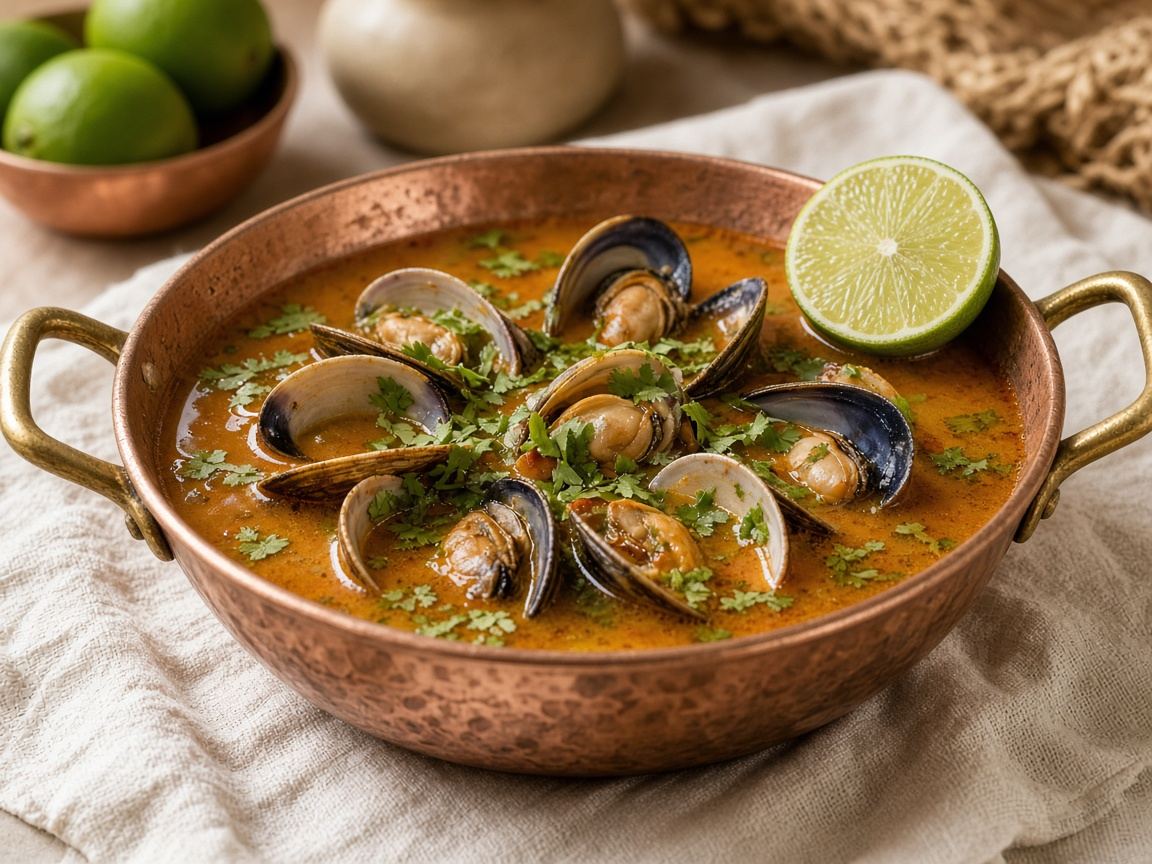
A wide, flared metal pan: seafood in a fierce broth, and the Andean table that eats it still bubbling.
The journey
Paila is a shape before it is a recipe. In the Andes a flared bronze or copper pan sat over a strong flame so a broth could reduce without hiding the shellfish. On the Peruvian coast the same vessel became paila marina: a crowded, saffron-or-aji-bright soup you eat from the pan while it still talks. Inland, a paila toasted grains and melted fat for a different kitchen.
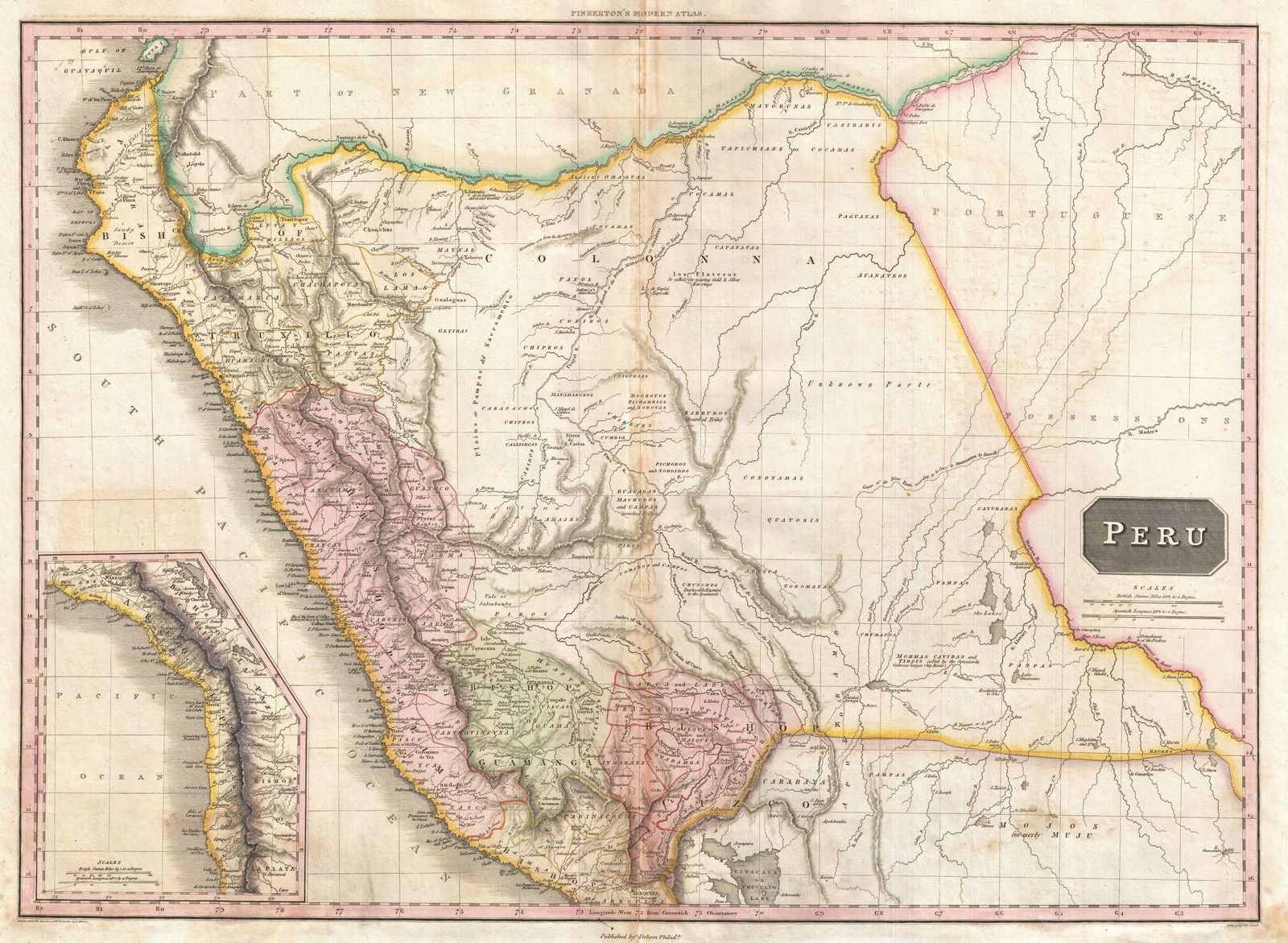
Maps of Peru were drawn for silver and a coast. The pot is how a fishing table kept coriander, chile, and lime in the same steam as the catch. It is not a wok, though it shares the idea of a wide well. It is not a stockpot. It is a flare.
In the kitchen
Get the paila hot before the oil. Build a sofrito of onion, garlic, and aji, then the stock, then the seafood in an order that respects who overcooks first. Carry the pan to the table. The last heat is part of the dish.
The Peruvian volume treats this pot as the coast in metal. A wide sauté pan can copy the stew. It will not make the same theater of a flared rim full of shells.