
Cookware · Hearths
Gastra
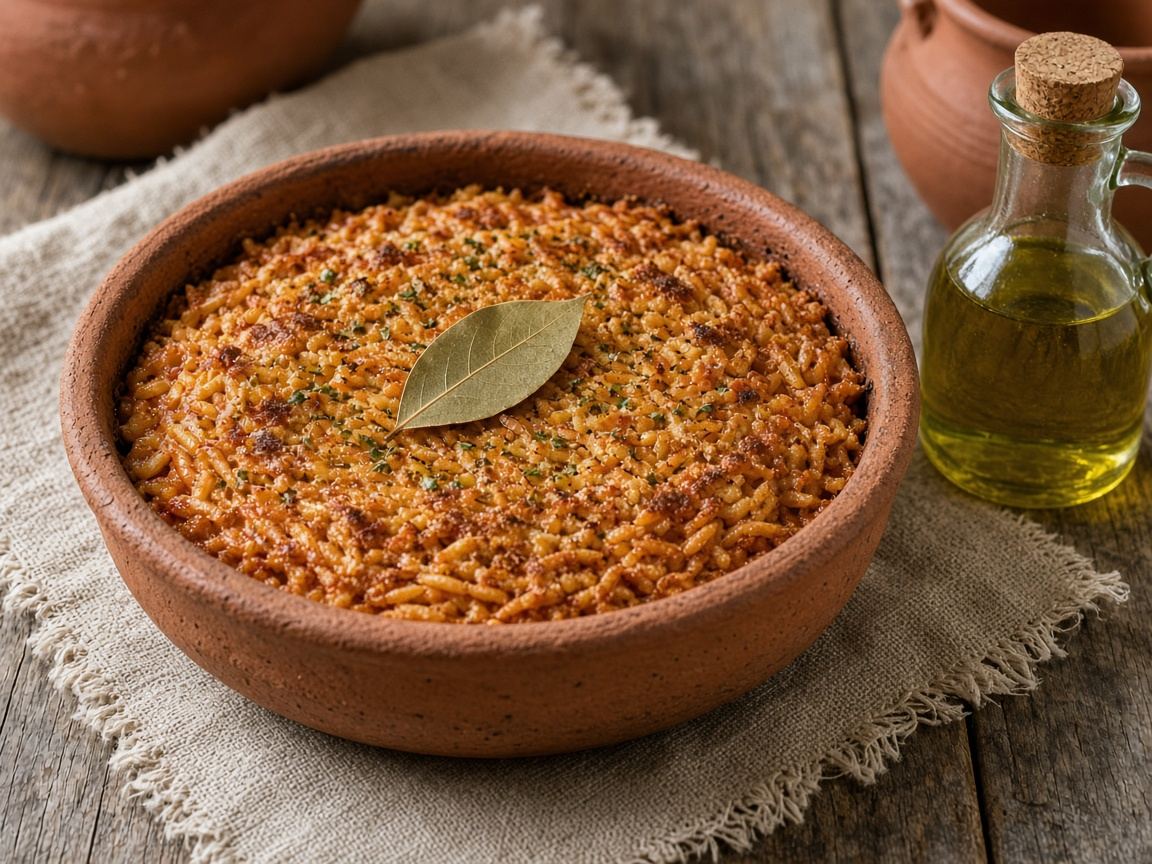
A clay baking dish: orzo and meat share one pot, and the table smells like tomato, cinnamon, and the oven.
The journey
Gastra is an old Greek word for a pot-bellied vessel. In home kitchens it is the clay dish you slide into the oven for giouvetsi, for a vegetable bake, for anything that should come to the table still bubbling. Clay keeps a gentle heat. The crust at the edge is the prize.
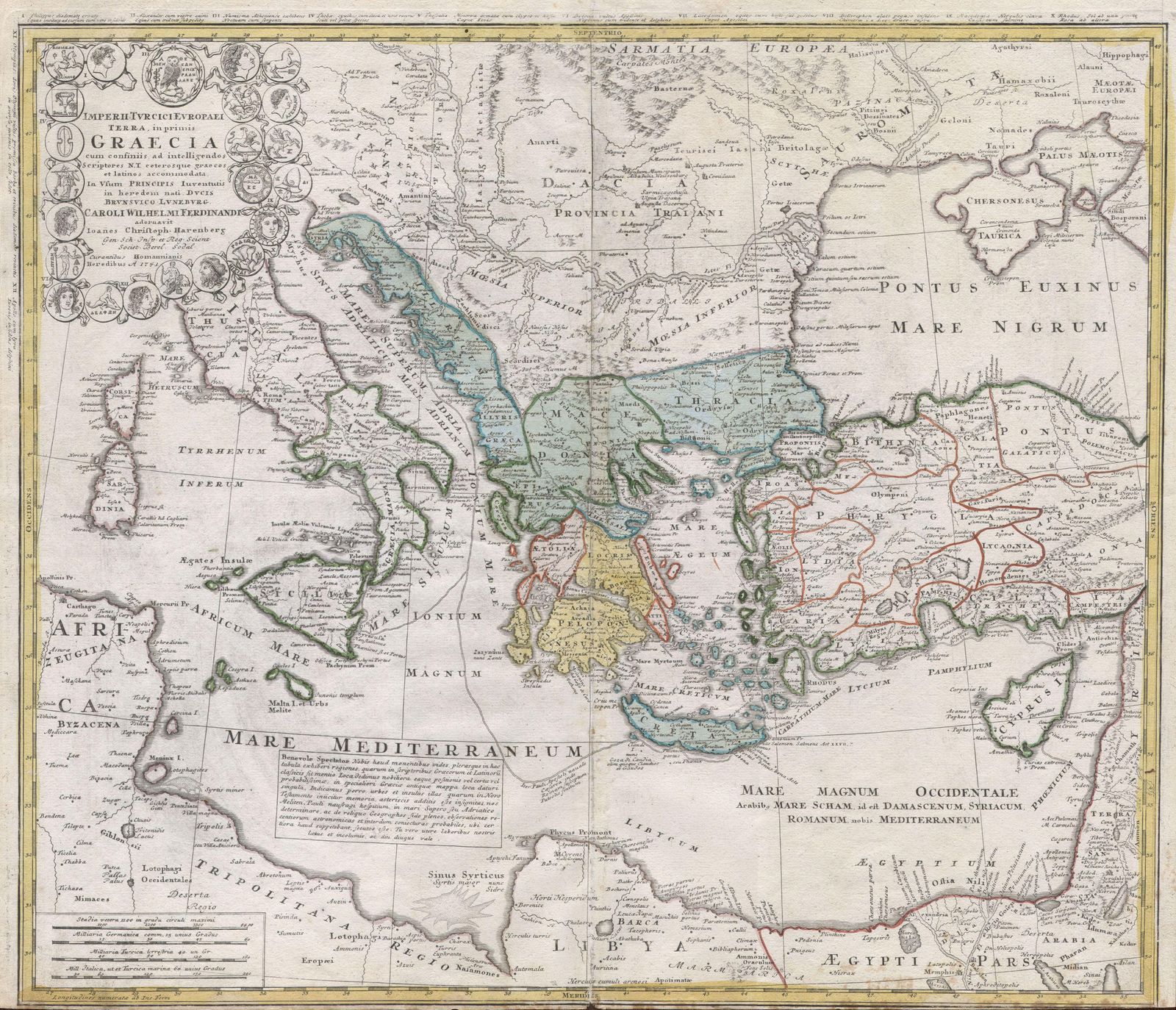
Travelers who mapped the Aegean were mapping coasts and islands. Cooks were mapping clay: which village still fired a pot that could take a tomato sauce without cracking. The vessel is older than the restaurant spelling of giouvetsi.
In the kitchen
Oil the clay the first time you use it. Build the dish in layers — meat or vegetables, orzo or potato, a seasoned tomato — and bake uncovered enough to brown the top. Carry the gastra to the table. The pot is the serving dish.
The Greek volume returns to this oven pot for giouvetsi, for baked vegetables, for a Sunday that does not need a second pan. A ceramic casserole is the weekday stand-in. Seasoned clay is the one that remembers.