
Cookware · Hearths
Tegame
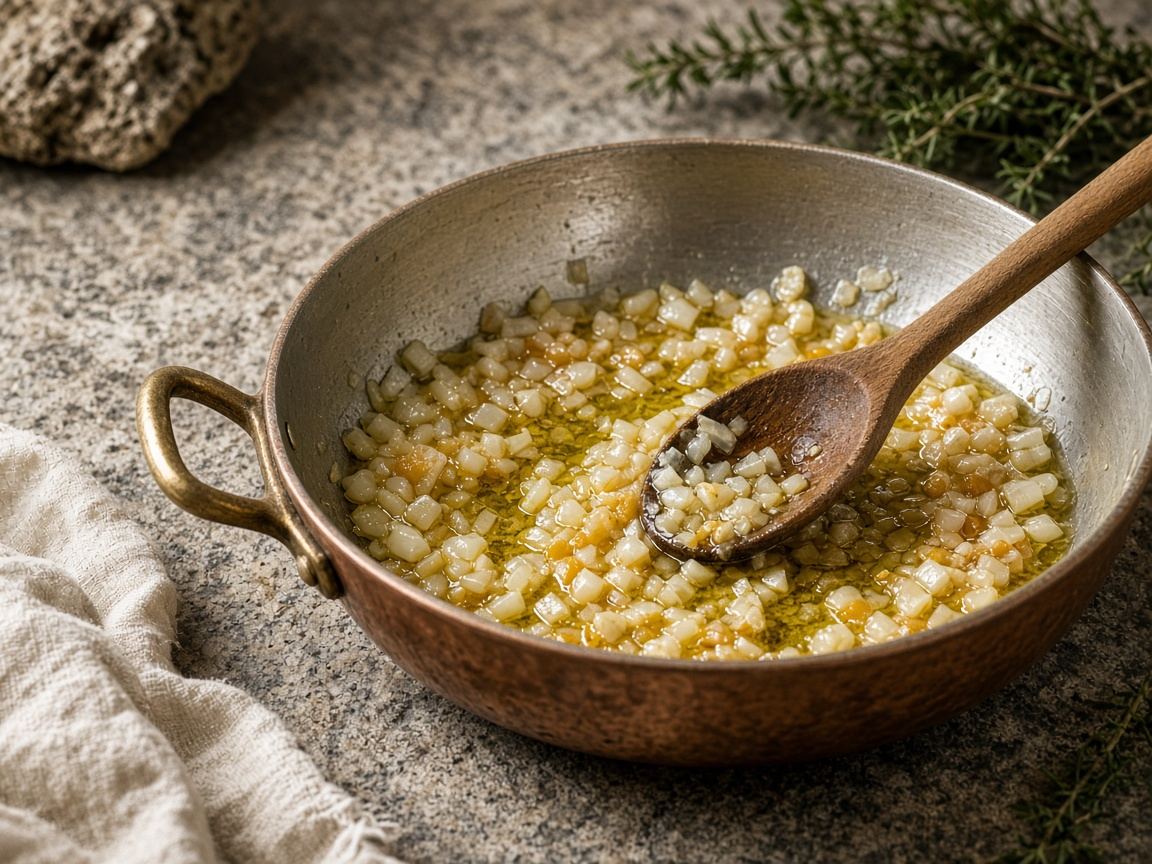
A wide, shallow copper or tin-lined pan: soffritto first, then the sauce that clings to pasta like a second language.
The journey
Italian home cooking is a width more than a depth. A tegame is the pan that makes that true: broad enough for onions to sweeten without steaming, shallow enough that a sauce reduces while the pasta water finishes it. Copper was the metal of the old batterie; tin kept the tomato from tasting of the pot.
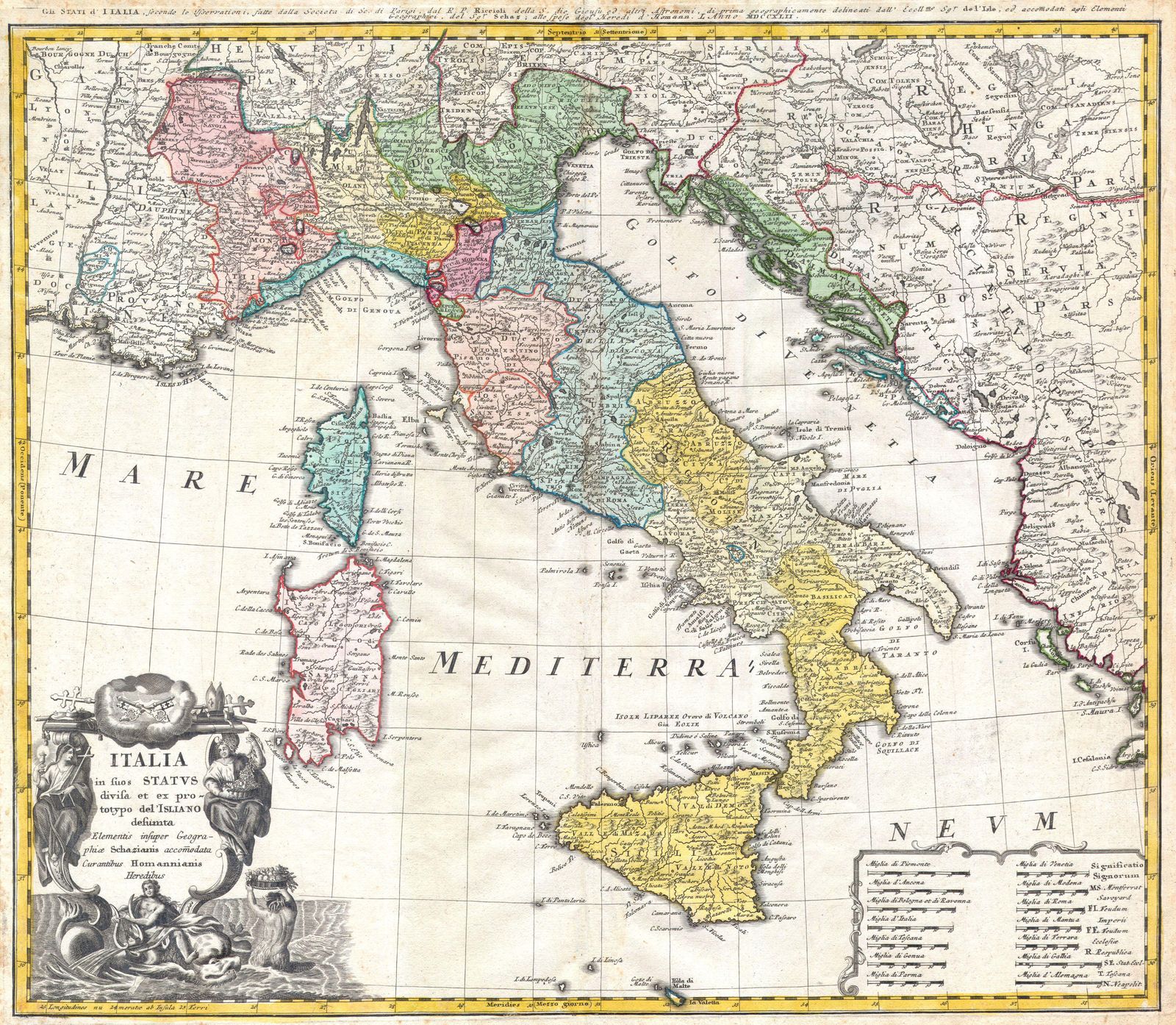
Kitchen still-lifes and city maps of the peninsula already treated Italy as many tables. What traveled with emigrants was not a brand. It was the gesture of a wide pan and a wooden spoon, and the rule that the pasta and the sauce meet in the tegame, not on the plate.
In the kitchen
Start with oil and aromatics over a flame that talks but does not shout. Salt the pasta water like the sea. Move the noodles into the pan with a ladle of that water and toss until the sauce looks like it was always one thing. A skillet can copy the recipes. It will not give you the same even blush of copper heat.
The Italian volume lives in this pan: amatriciana, a simple pomodoro, a vegetable side that is really a course. Keep it lined, keep it dry, and do not store tomato in it overnight.