
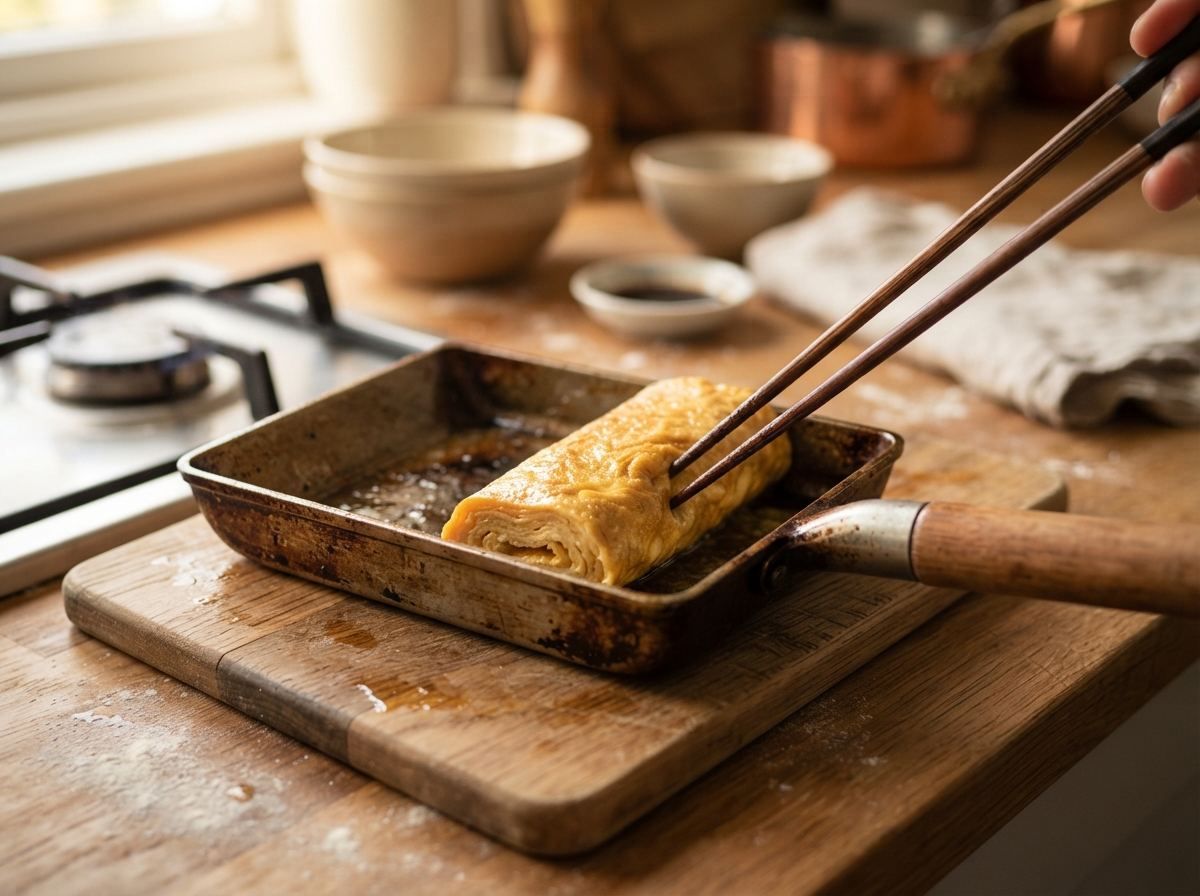
Tamagoyaki pan
A rectangular omelette pan: rolled layers of egg that become a sweet-savory brick in a bento.
Cookware · Hearths
Page 4 of 4.
A rectangular omelette pan: rolled layers of egg that become a sweet-savory brick in a bento.
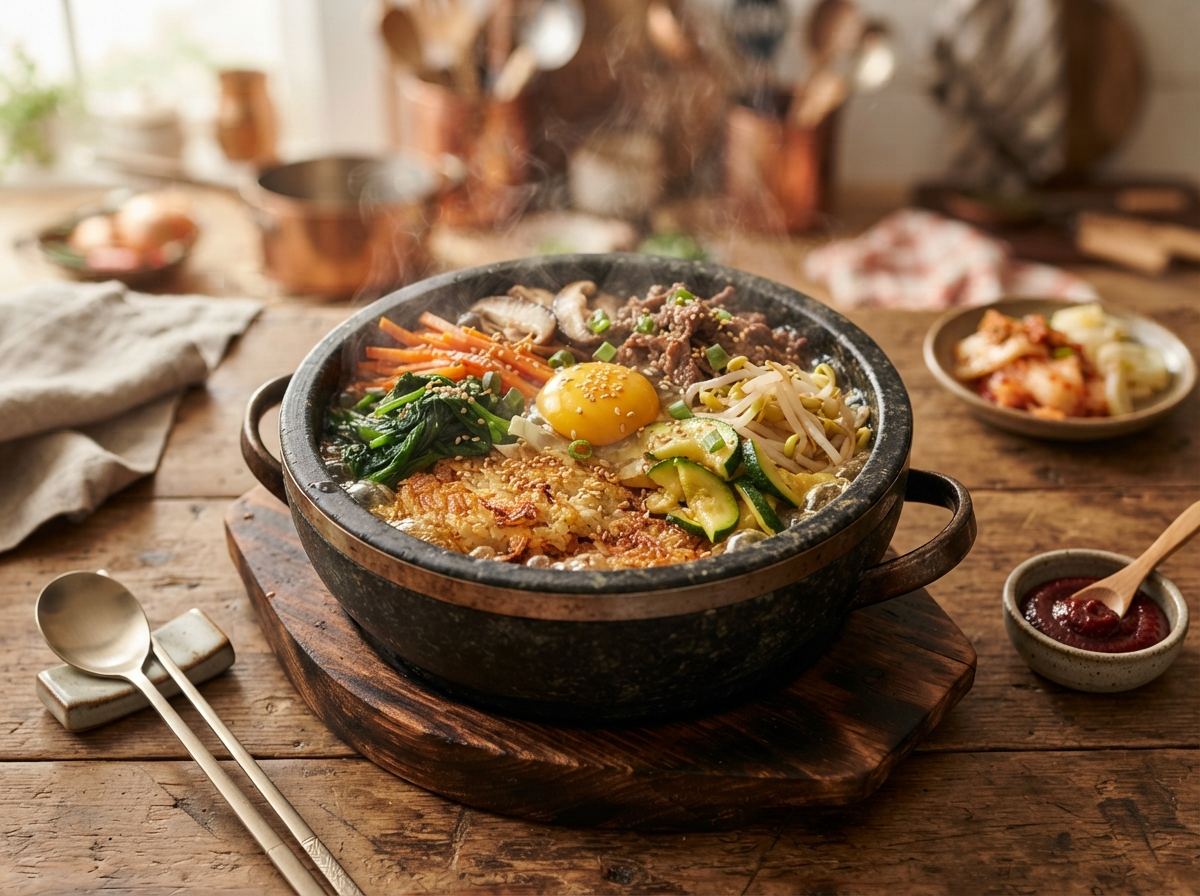
A heavy stone bowl: rice that crusts, stews that stay loud, and a table that arrives still sizzling.
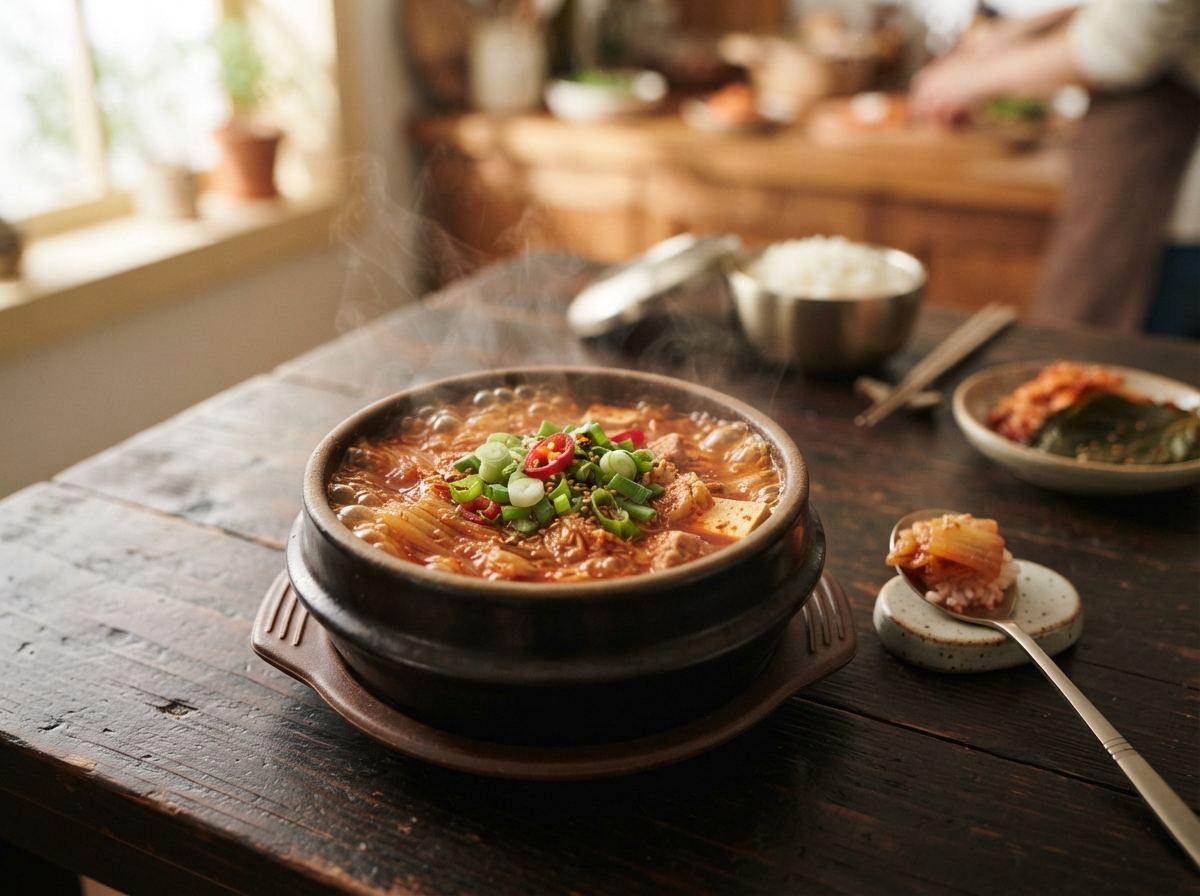
A small earthen casserole: jjigae that comes to the table still at a boil.
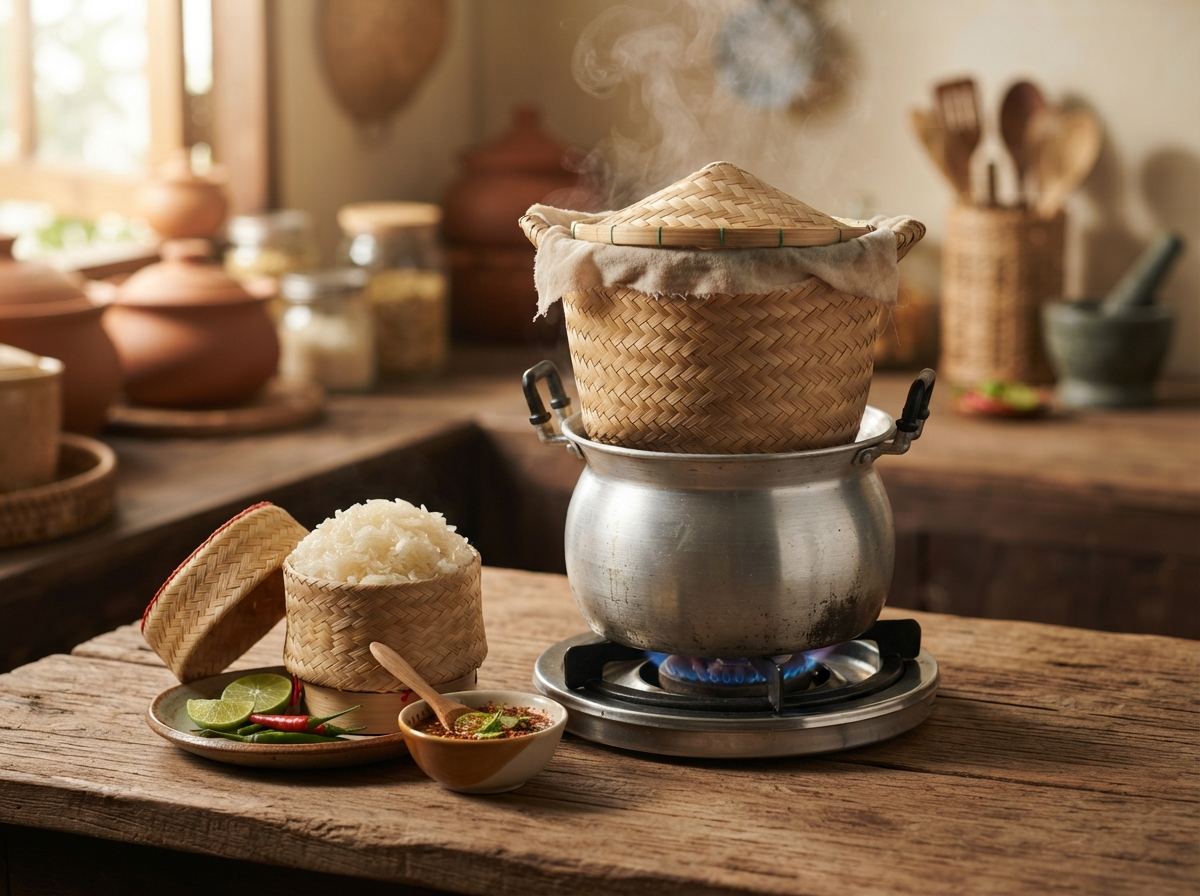
A cone of bamboo over a pot of water: glutinous rice that steams into the Thai morning.
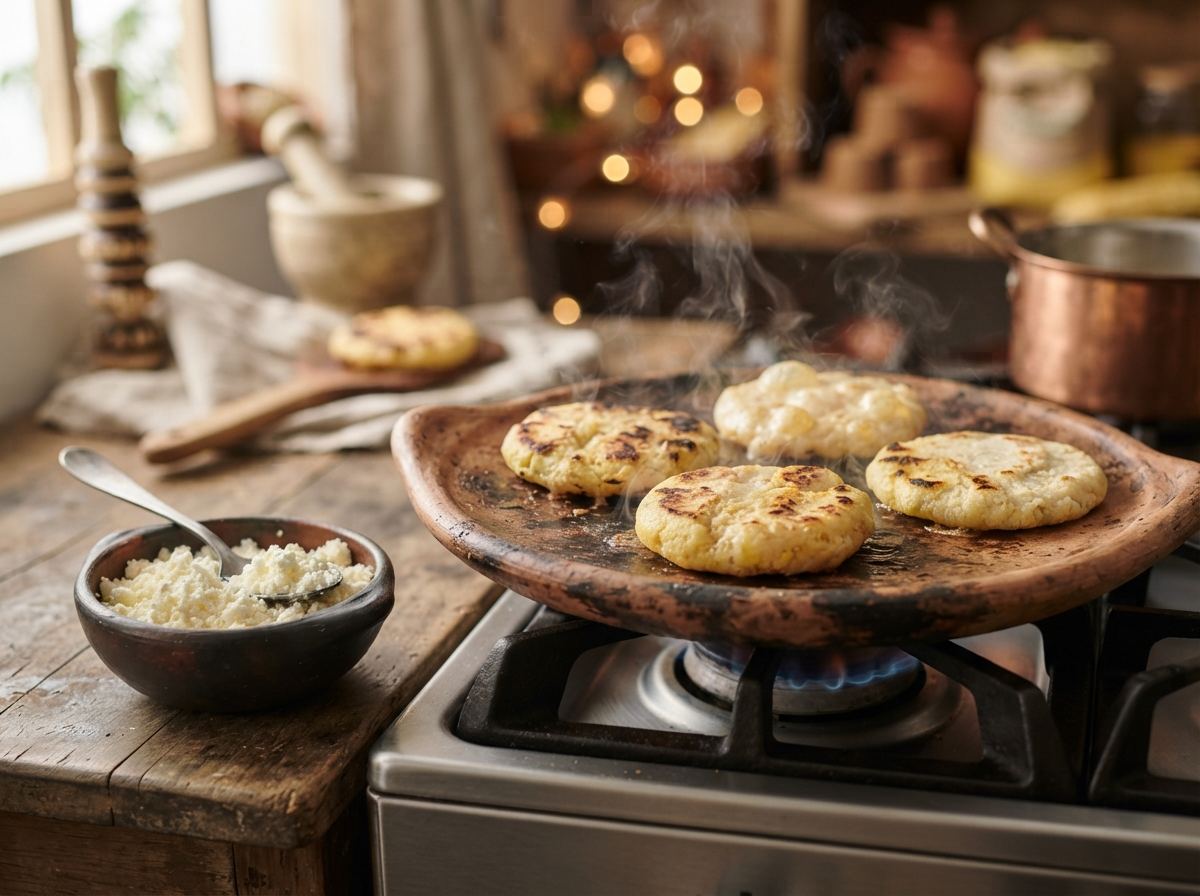
A clay griddle: arepas and tostadas that want the same dry heat a budare gives in iron.
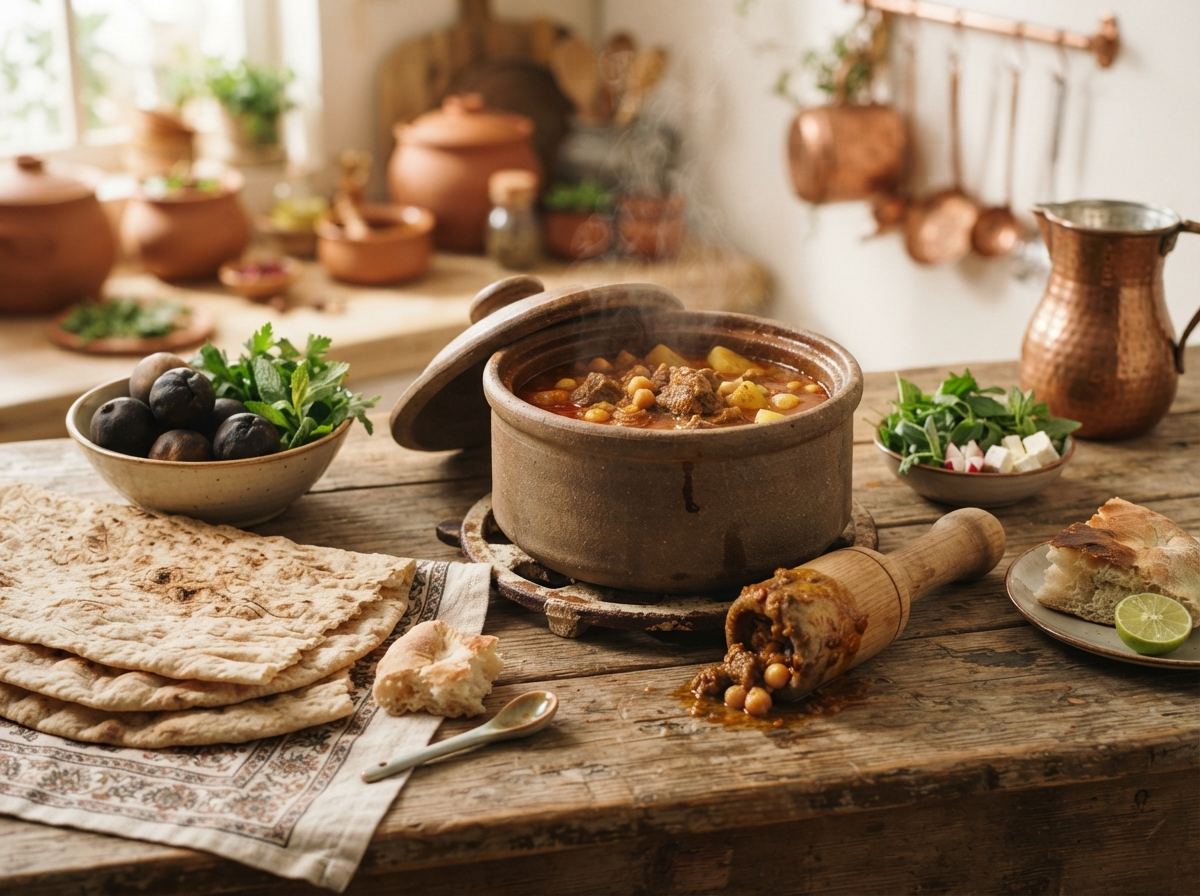
A small stone or ceramic crock: abgoosht that is both a soup and a mash at the same table.
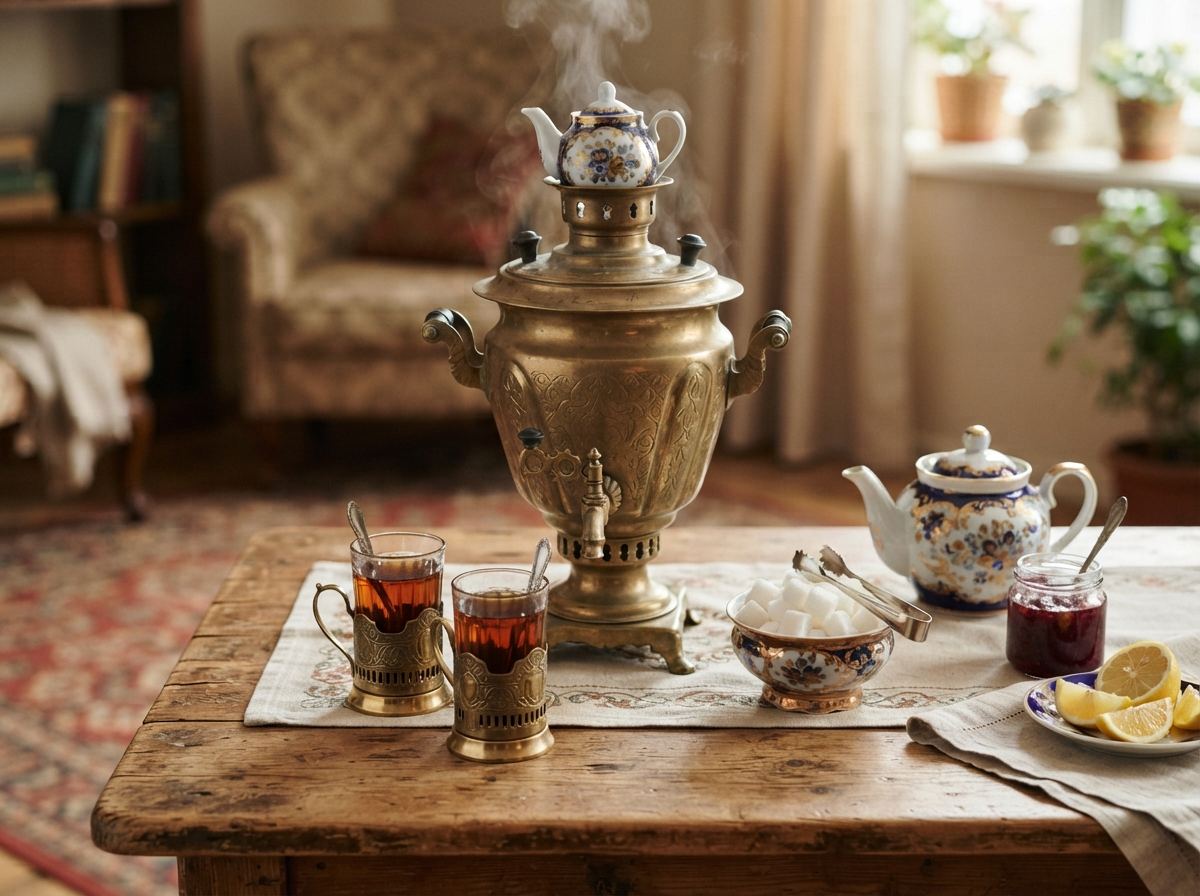
A self-boiling urn: tea concentrate kept hot while a whole afternoon pours from the same fire.
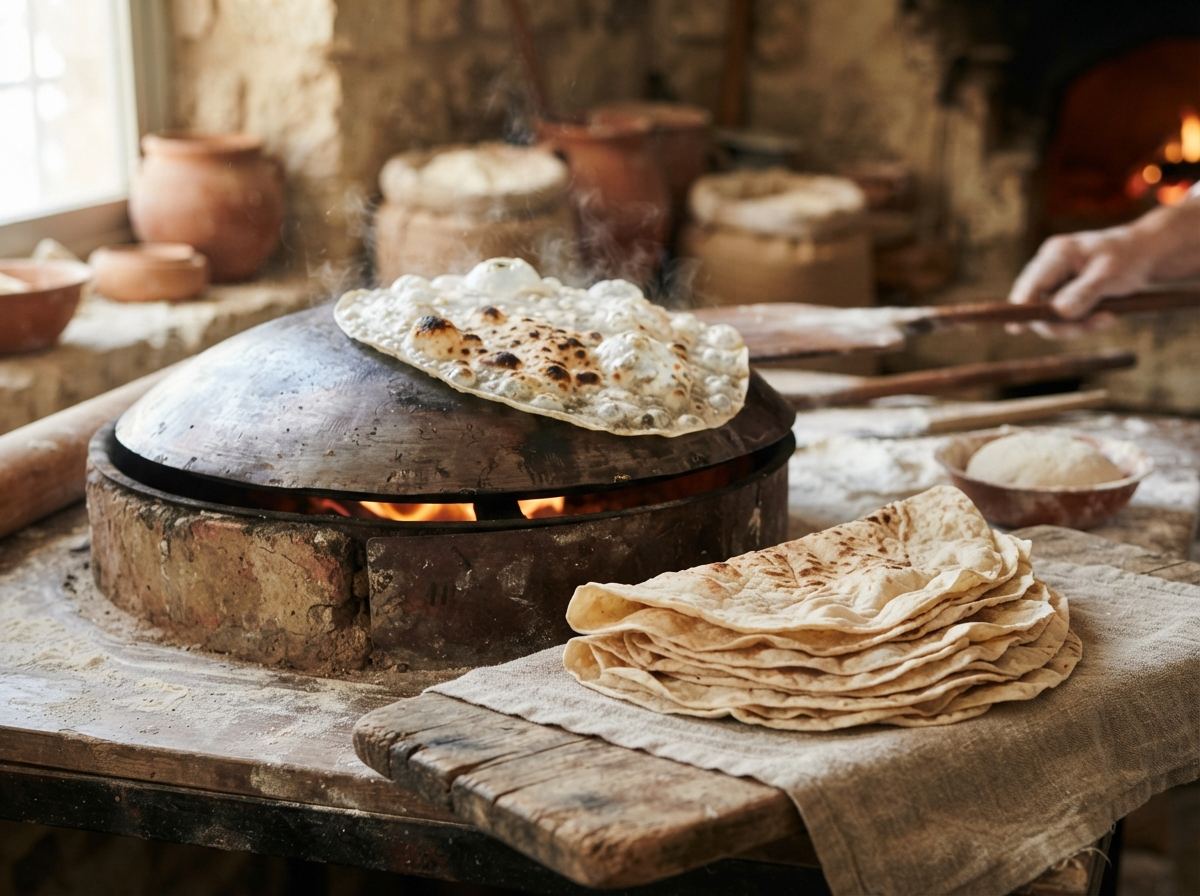
A convex metal griddle: markook and gözleme baked on a dome over fire.
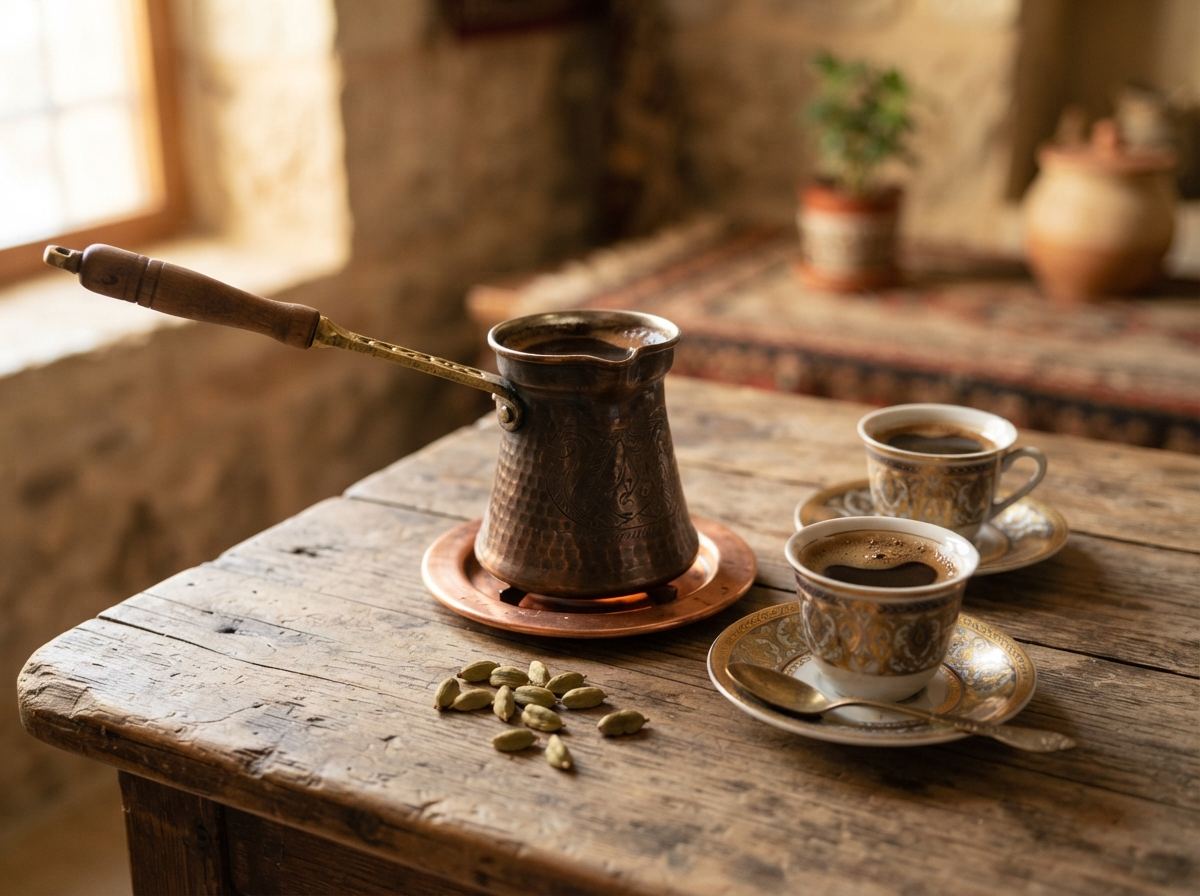
A long-handled coffee pot: Arabic coffee boiled with cardamom and poured for a guest.
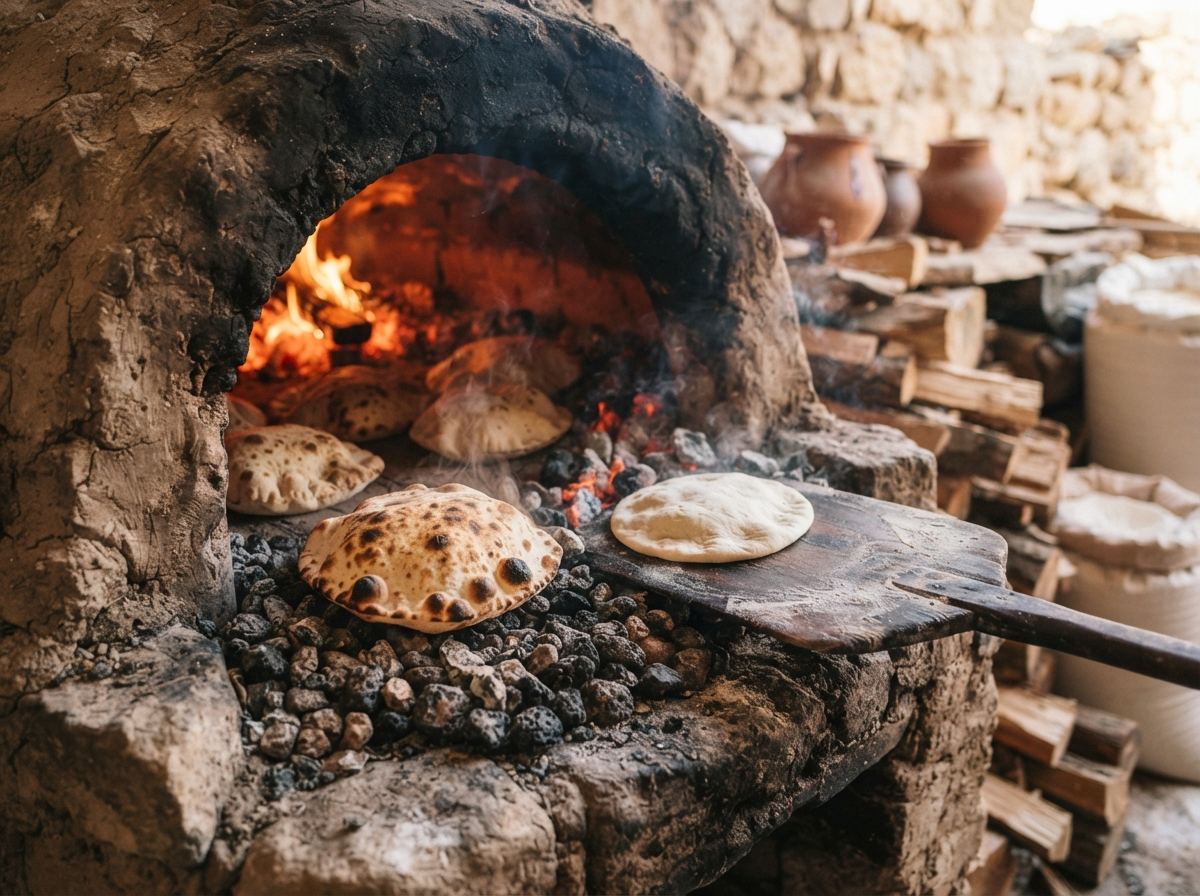
A clay oven in the ground or on a stand: bread that takes the heat of a wall and the perfume of a pit.
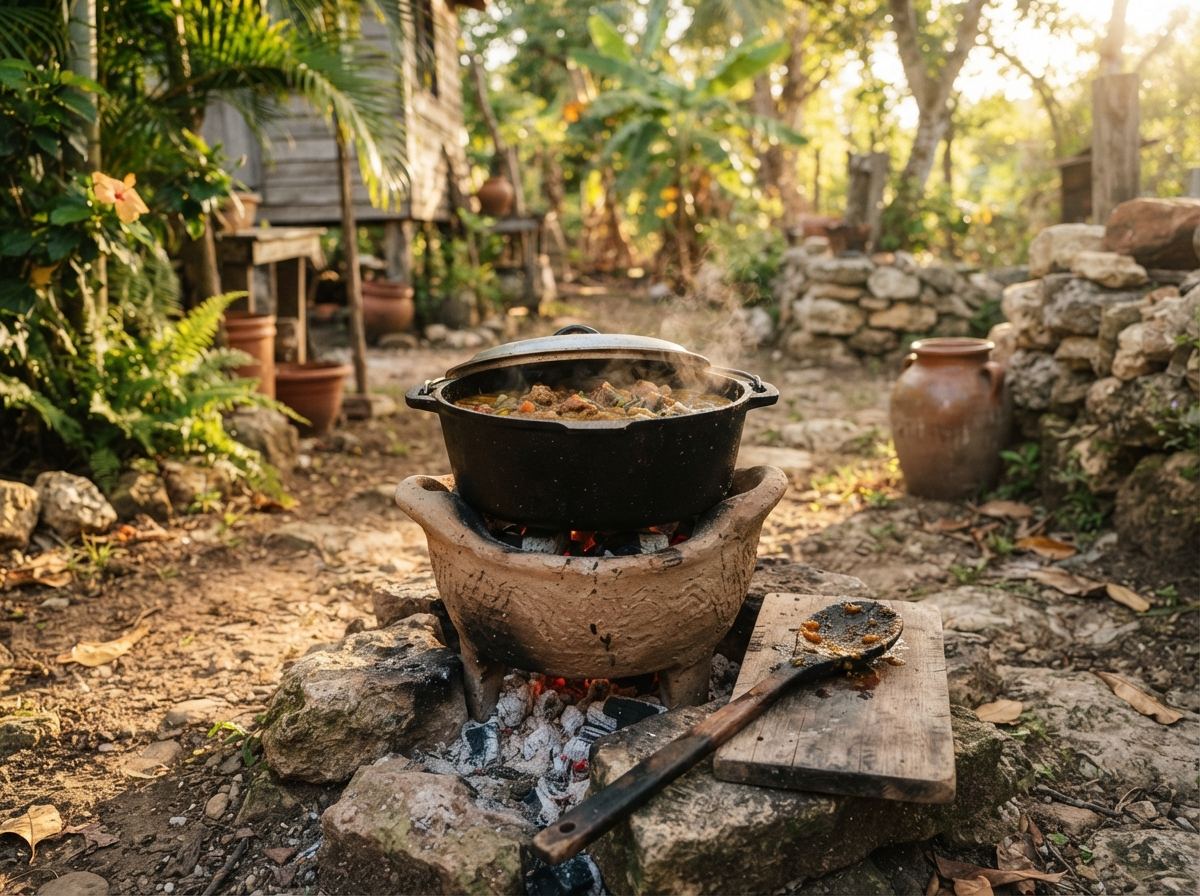
A clay or iron brazier: the weekday stove of a yard, with one pot sitting on a ring of coals.
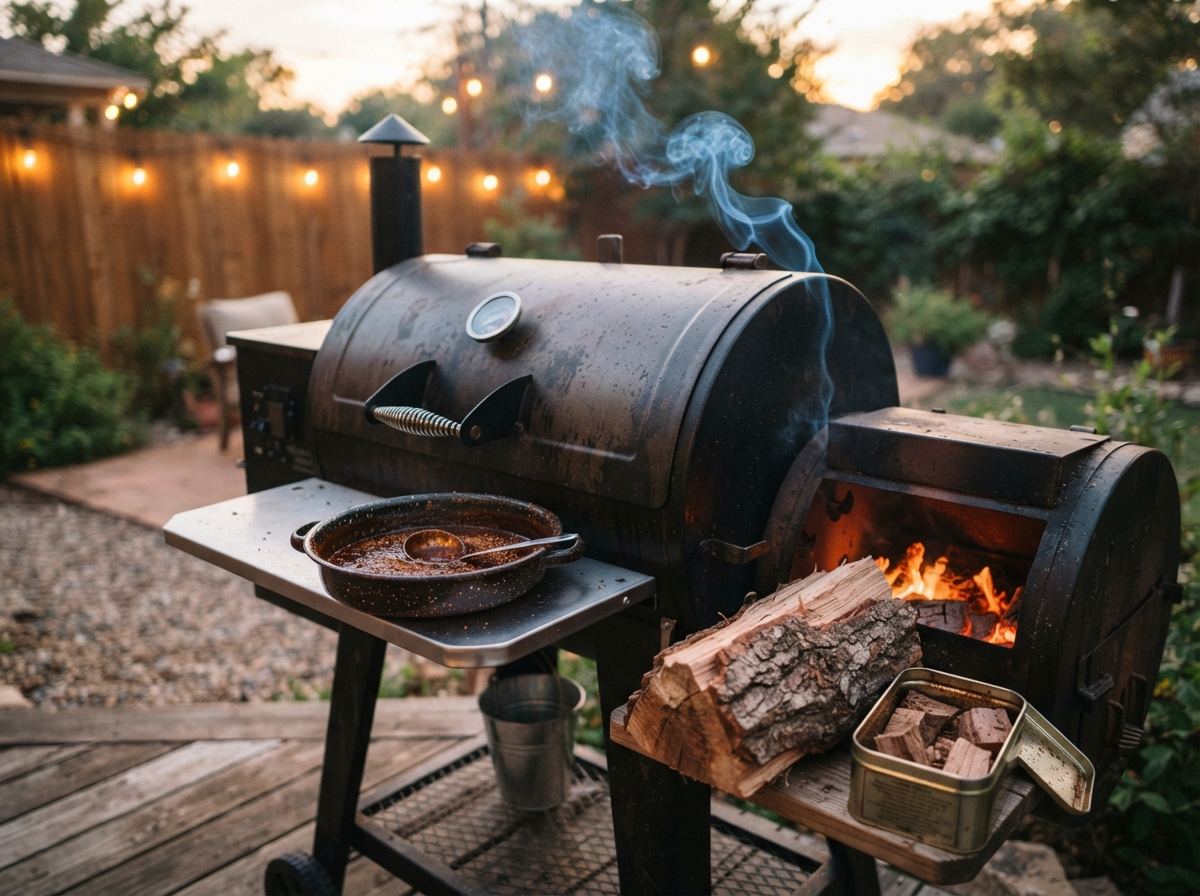
A closed chamber of wood smoke: the American hearth that turns a tough cut into a Saturday.
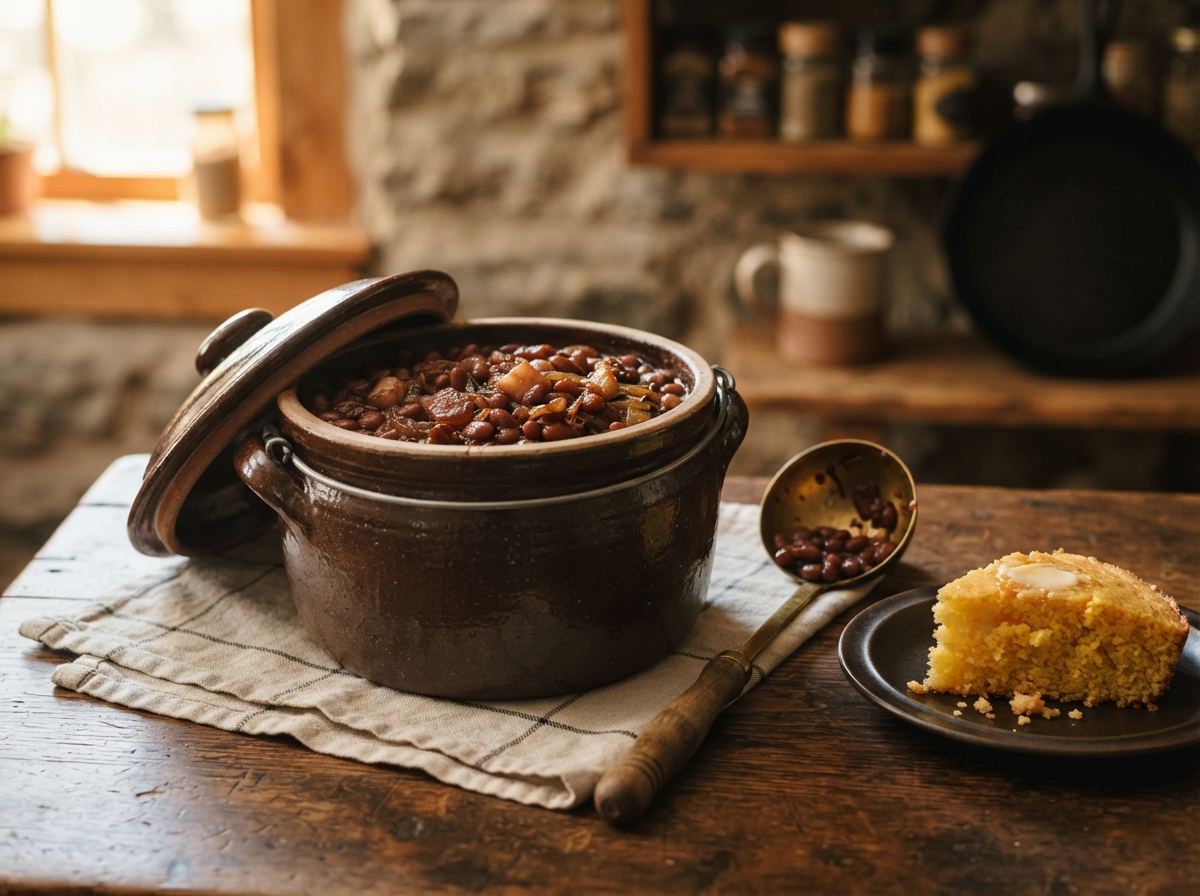
A pot-bellied crock: beans that spend the night in an oven and come out a breakfast and a supper.
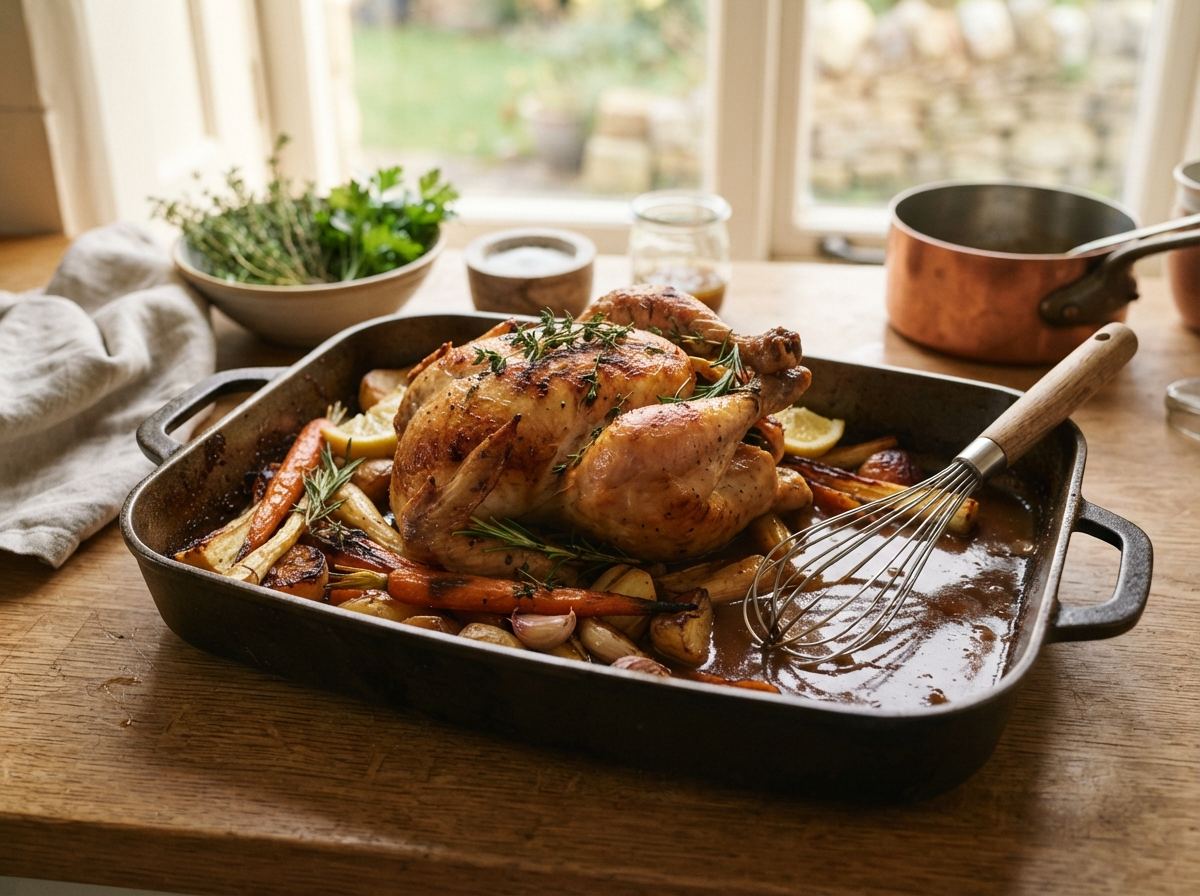
A heavy rectangular pan: a joint, vegetables, and the drippings that become the sauce.
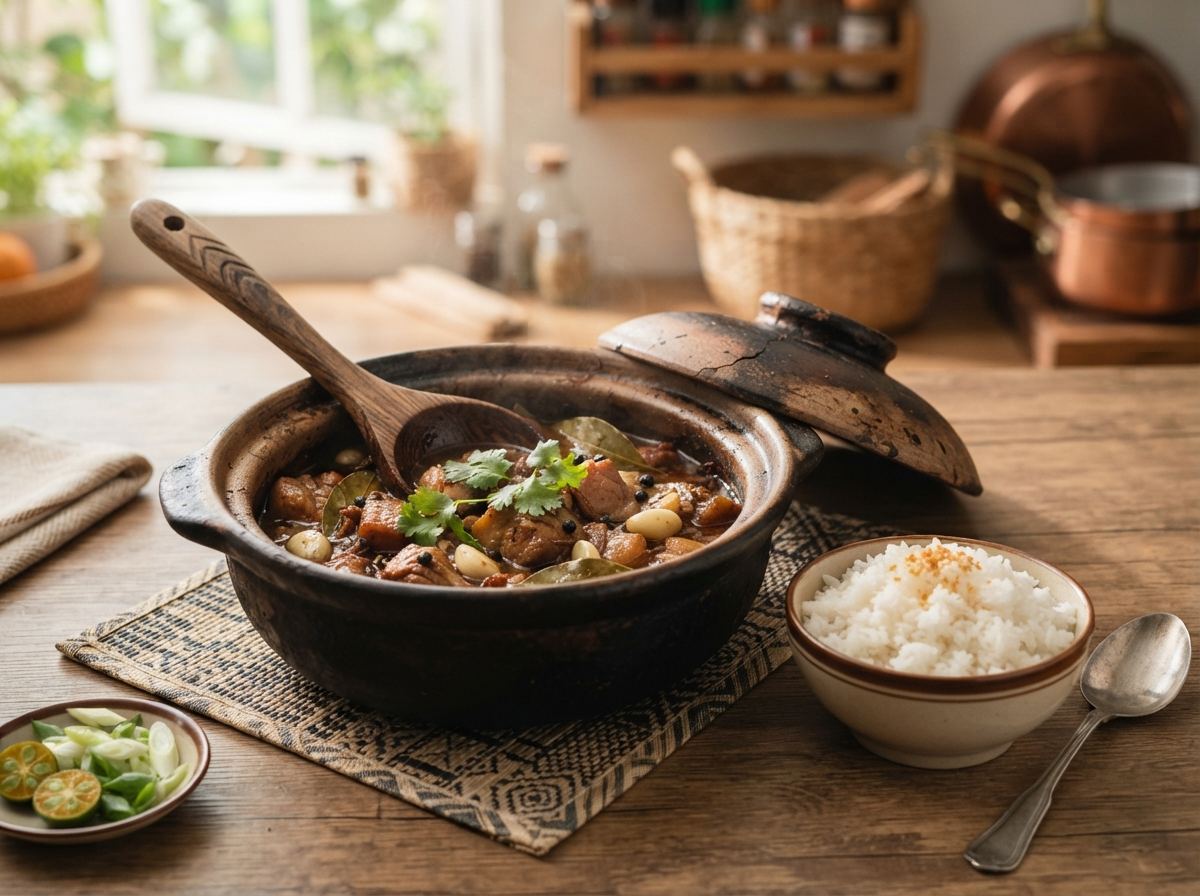
An earthenware pot: adobo, sinigang, and rice that still taste of Filipino clay.
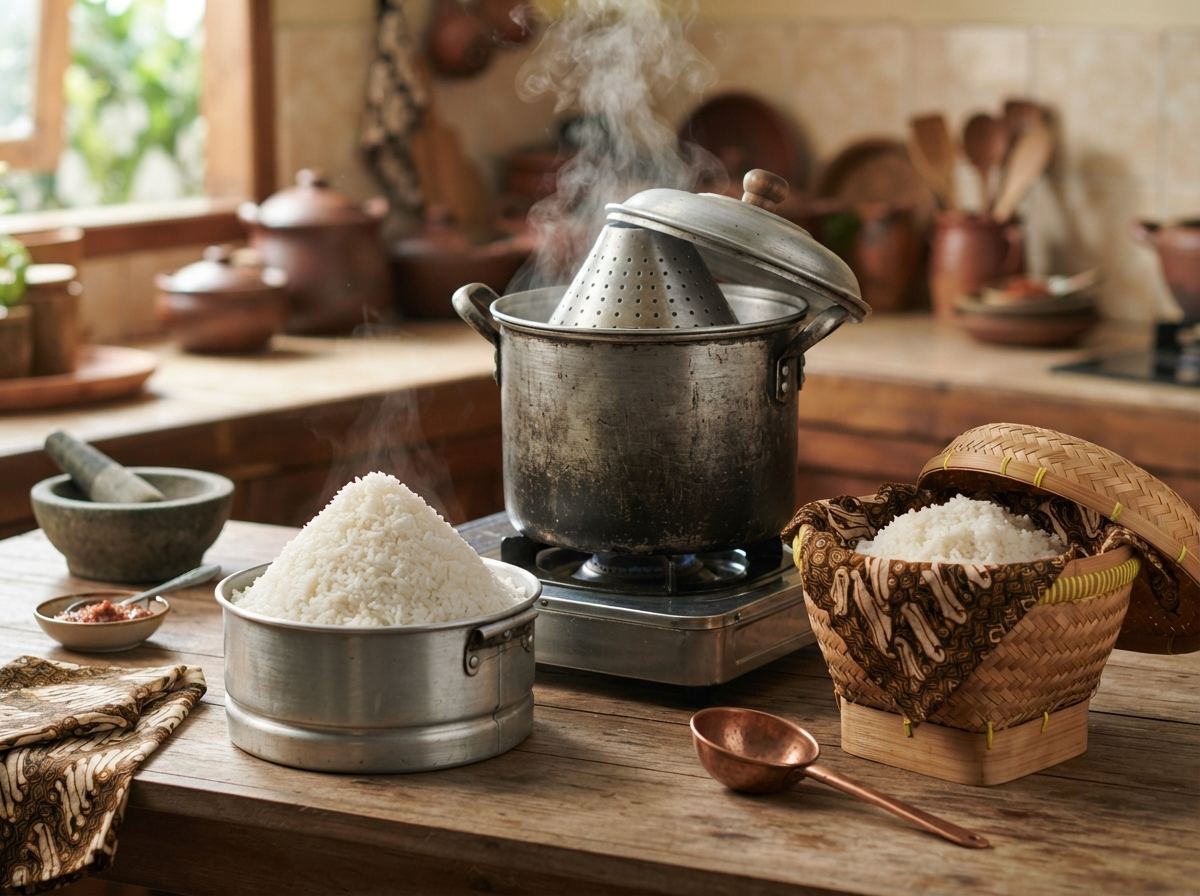
A tall steamer pot: rice that is steamed, not boiled, the way a Javanese kitchen still prefers.
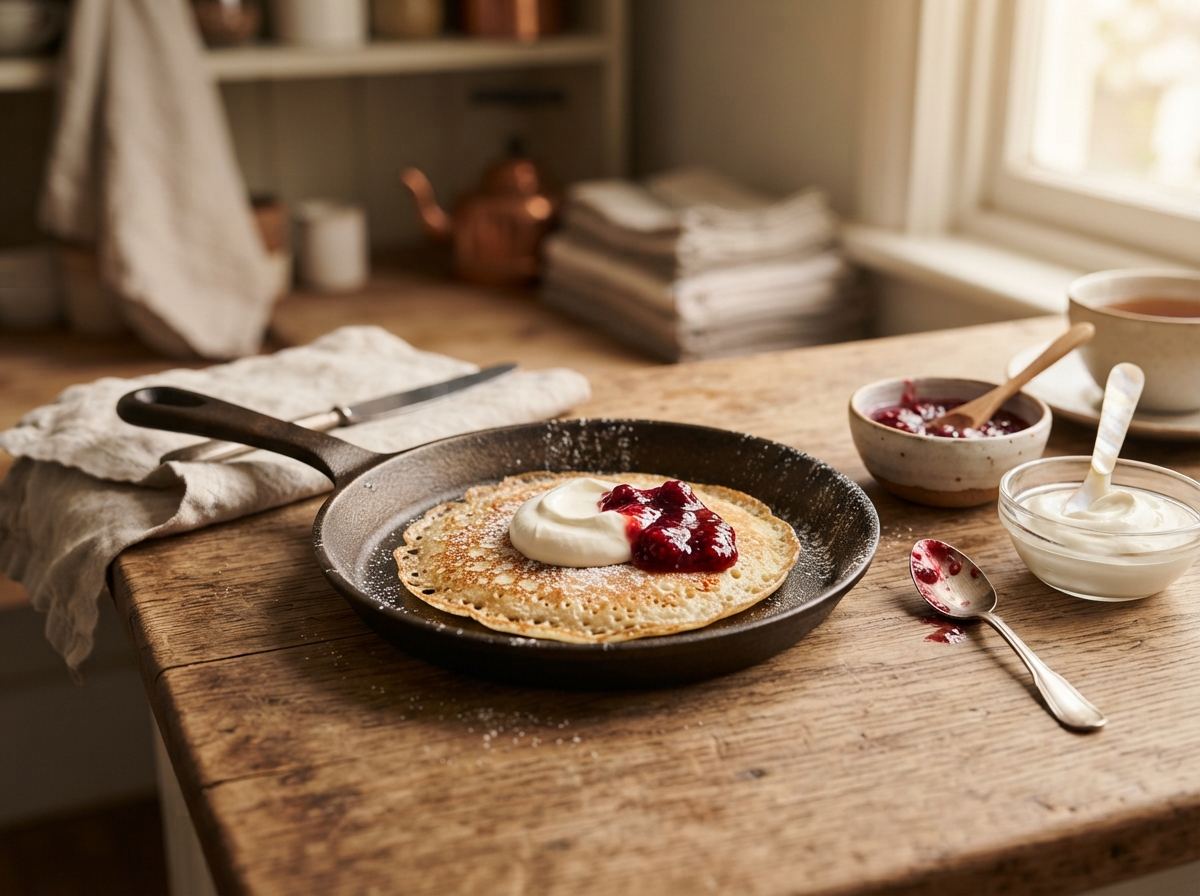
A small, low-sided pan: yeasted pancakes the size of a palm, cooked one or two at a time.